
Reviewed · COOKING CLASSES
Rome: Pasta & Tiramisu Cooking Class near the Spanish Steps
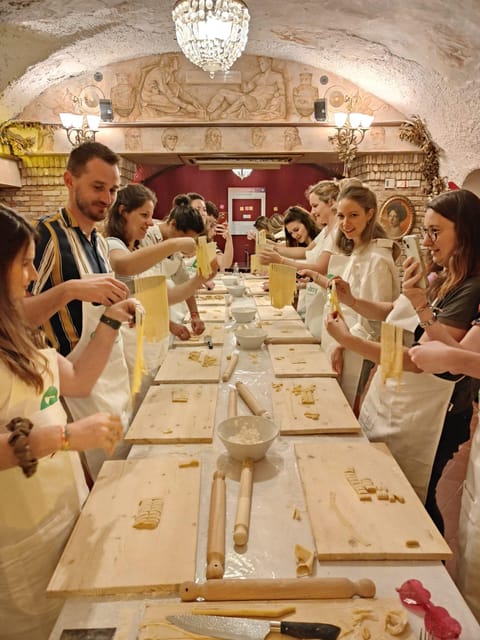
Rome’s best cooking memories often begin with flour on the table, not a grand monument. In this two-hour pasta and tiramisu class, you turn egg and flour into fettuccine, prepare your own dessert, then sit down to eat with wine and limoncello. The setting adds flavor too: a 17th-century building with original 1800s wall paintings, just steps from the Spanish Steps.
I like the friendly teaching style, especially with instructors such as Lucas, Ricardo, Irene, Andrea, and Gabi, who are repeatedly praised for patience, humor, and clear demonstrations. I also like the social setup: solo visitors, couples, families, and teens share a table and a meal. The main consideration is that this is a guided group class, not a private lesson. The sauces are made by the restaurant kitchen, and the pasta is cooked collectively, so you do not control every part of the final dish.
Key points at a glance
- Fresh pasta made by hand: Work with egg and flour, then roll and cut your own fettuccine.
- Tiramisu is partly individual: The cream is prepared as a group, but you assemble your own dessert.
- A meal is included: Choose tomato and basil, pesto, or Alfredo sauce, with wine or a soft drink.
- Historic central-Rome setting: The class takes place near the Spanish Steps in a 17th-century building with 19th-century wall paintings.
- Strong guide-led atmosphere: Lucas, Ricardo, Irene, Andrea, Frederico, and Gabi are among the instructors praised for warmth and clear help.
- Useful take-home extras: You receive recipes and a participation certificate, along with a limoncello toast.
What this Rome cooking class is really like
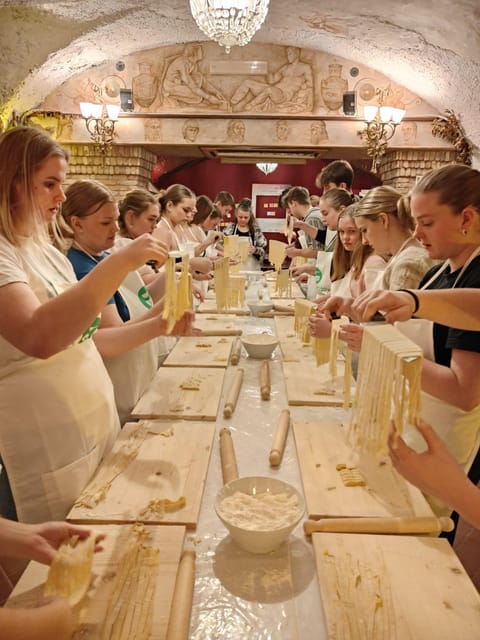
This is a social cooking lesson with dinner attached. You are not simply watching a chef prepare a plate while you take notes. You handle the dough, shape the pasta, assemble the tiramisu, and then eat what the group has made.
That distinction matters. If you want a serious culinary workshop where every sauce, filling, and cooking temperature is managed by you, this class will feel fairly light. If you want a fun, approachable introduction to Italian cooking in central Rome, it makes good sense.
The advertised price is $58 per person, and the class lasts about two hours. That includes instruction, ingredients, equipment, your pasta dish, tiramisu, water, one glass of wine or a soft drink, limoncello, recipes, and the certificate. In a city where a central restaurant meal can quickly approach that cost, the price is reasonable if you value the activity as much as the food.
More Cooking Classes in Rome
- 3 in 1 Cooking Class near Navona: Fettuccine, Ravioli & Tiramisu
★ 5.0 · 7,376 reviews - Rome: Pasta & Tiramisu Class with Fine Wine by the Vatican
★ 4.9 · 4,852 reviews - Rome: Pasta Making Class with Wine, Limoncello, and Dessert
★ 4.9 · 3,177 reviews
Finding the class near the Spanish Steps
The meeting point is inside Trattoria Amici. Go into the restaurant and ask for the cooking class room. You are asked to arrive at least 15 minutes early, which is good advice in this crowded part of Rome.
The location is one of the class’s strongest practical features. You can pair it with a walk around Piazza di Spagna, the Spanish Steps, Via Condotti, or the Trevi Fountain area. Since the class takes place indoors, it also gives you a useful plan for a rainy afternoon or evening.
The building adds more than a convenient address. Original 19th-century wall paintings remain inside the 17th-century setting, giving the room a sense of age that a modern cooking studio would lack. You are still in a working restaurant, not a museum, but the surroundings help connect the food lesson with Rome’s long domestic traditions.
There is a separate entrance for the class, described as a skip-the-line entrance. Still, arrive early. Late arrivals may not be accepted and could require rescheduling at a cost of €15 per person, subject to availability.
Making fettuccine from egg and flour
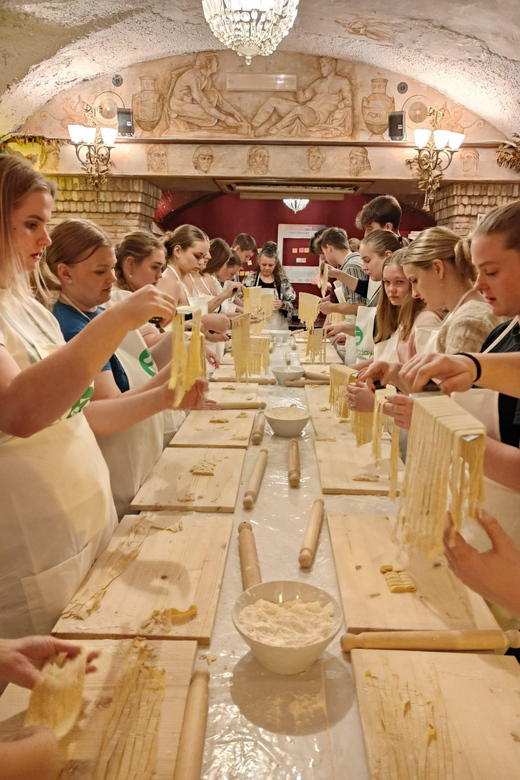
The pasta lesson begins with a very small list of ingredients: flour and egg. That simplicity is part of the charm. You see how a soft, uneven mixture becomes dough, and then how patient kneading gives it a smoother texture.
The instructor demonstrates the process and moves around the room to help. This is where the teaching style matters most. Beginners have little margin for error when dough feels too dry or sticky, so personal assistance makes the lesson less intimidating.
You then roll and cut the dough into fettuccine. The exact shapes may vary. One person might produce neat ribbons, while another creates something closer to rough spaghetti. That is not a problem. The point is to learn the hand movements and understand how fresh pasta differs from dried pasta.
The class is suitable for novices, and no previous cooking skill is required in the supplied information. Several families with children and teens enjoyed the activity, and one family described the steps as easy to follow. Children under seven may join free, but they must share a workstation with an accompanying adult.
Do not expect every strand to look restaurant-perfect. The class moves at a group pace, and one person found the session slightly fast, though the instructor still helped participants individually. You may need to keep working while the teacher moves to another table.
Choosing your sauce and eating the pasta
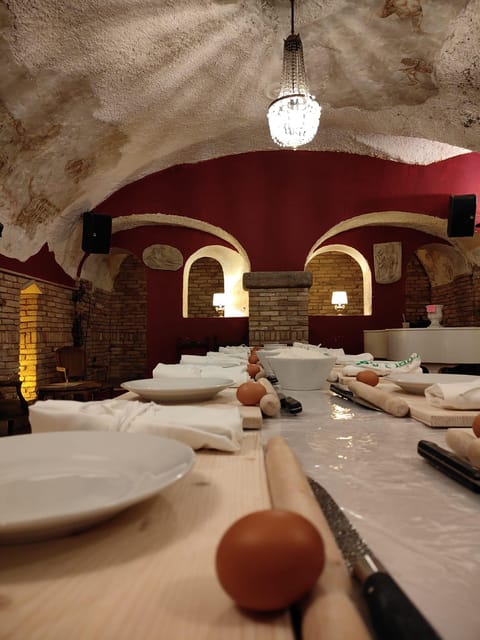
You choose one sauce for the pasta: tomato and basil, pesto, or Alfredo. The restaurant kitchen prepares the sauces, so this is not a complete from-scratch lesson. The pasta itself is your project, but the finishing sauce is handled by the kitchen.
The pasta is also cooked collectively and then divided according to the selected sauces. This arrangement keeps the class moving and allows the restaurant team to serve everyone at roughly the same time. It also means you will not personally cook your own portion from beginning to end.
That trade-off is worth understanding before booking. I would see the pasta as a hands-on introduction rather than a full professional lesson. You learn the dough and shaping techniques, then enjoy the convenience of a restaurant kitchen handling the busy final stage.
The included meal comes with water and one glass of red or white wine, or a soft drink. Additional food and drinks cost extra. The wine is part of the social rhythm of the class, giving you something to sip while the pasta is prepared and helping turn the lesson into a shared dinner.
Other classes where you do the cooking in Rome:
- Rome: 3-in-1 Fettuccine, Ravioli, and Tiramisu Cooking Class
★ 4.9 · 2,704 reviews - Rome: Fettuccine Pasta Cooking Class in Rome’s City Center
★ 4.8 · 2,414 reviews - Rome: Traditional Pasta with Cocktails Cooking Class
★ 5.0 · 2,374 reviews - Learn to Make Pasta & Tiramisu with Wine and Limoncello Included
★ 5.0 · 2,345 reviews
Building your own tiramisu
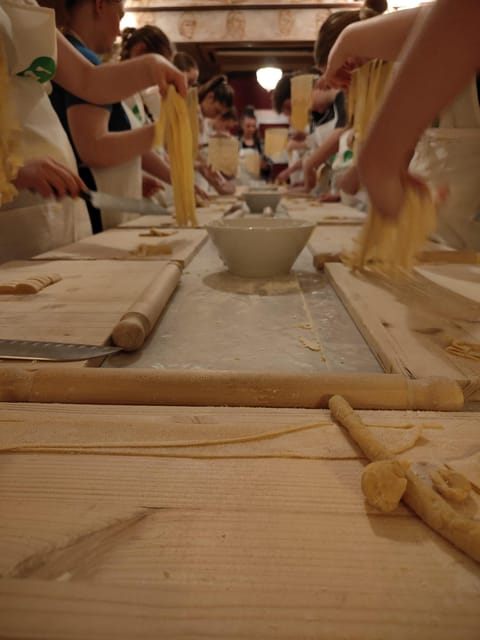
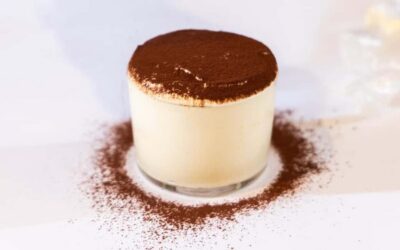
The tiramisu portion is simpler and more relaxed. The cream is prepared as a group, and then each participant makes an individual tiramisu. This gives you a real personal result without asking a large class to repeat the same delicate cream-making process at every station.
You assemble the dessert under guidance, then eat it after the pasta. Several people especially liked the dessert, and one person who had made both dishes before described the tiramisu as the stronger result. That is not unusual. Tiramisu is forgiving, visually satisfying, and easy to recreate at home.
This part also works well for families. Younger cooks can participate in layering and assembly, while adults handle any steps that require more care. The class presents traditional techniques in a simple way, so you leave with something you can try again in your own kitchen.
The recipes are included, although the format may be a link or handout depending on the session. One participant had trouble locating the recipe information afterward, so save the details before leaving if you want to cook the dishes soon.
The social side, from solo visitors to families
The class is designed around interaction. You cook near other people, help with the shared work, and sit together for the meal. That makes it a useful choice if you are traveling alone and want an easy way to meet people without committing to a full-day group tour.
The guides are a major part of the experience. Lucas is repeatedly praised for his humor, patience, music choices, and habit of moving around to help everyone. Ricardo is described as warm, funny, and clear. Irene receives praise for careful demonstrations, while Andrea, Frederico, and Gabi are noted for creating a relaxed atmosphere.
The exact instructor will depend on the date, so do not book solely because you hope to meet one particular guide. What you can expect is a lively, host-led class in English or Spanish. Some sessions may combine both languages, and Gabi was specifically praised for managing a bilingual class clearly.
This is not the quietest way to learn pasta. You may have music, conversation, and plenty of joking around. For many people, that is the appeal. If you prefer a calm, technical lesson with lots of time for questions, ask yourself if a lively group setting suits you.
Food quality and what you actually receive
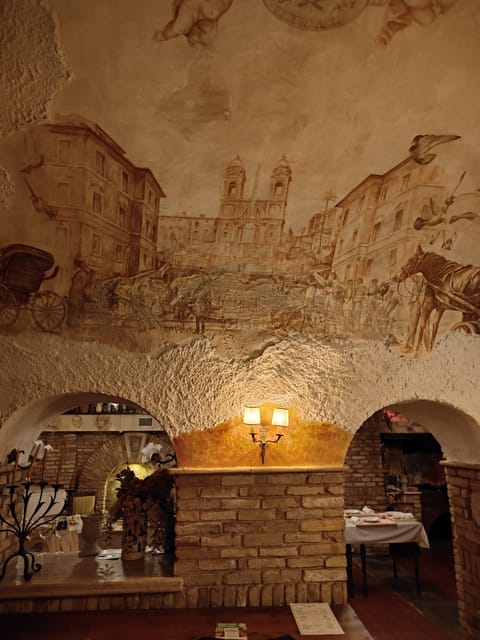
Your final meal includes the fettuccine you helped make, served with your selected sauce. You also receive the tiramisu you assembled, one glass of wine or a soft drink, water, and a limoncello toast.
The food is likely to be most satisfying because you made part of it yourself. Fresh pasta can vary from person to person, and the class is not promising a polished tasting menu. One participant found the pasta merely good rather than the best they had eaten in Rome, but still valued the act of making it. That is the honest way to judge this experience.
The Alfredo option received particular praise, while tomato and basil and pesto give you lighter alternatives. Vegans cannot join this class, and you should report allergies or dietary restrictions in advance. The team will try to help, but it cannot guarantee an allergen-free environment or prevent cross-contamination.
The limoncello is intended as a toast at the end. Take-away limoncello is not included, so any bottle or extra serving would be separate. You may also hear about personalized limoncello options, but do not assume they are part of the standard booking.
Is $58 a fair price in Rome?
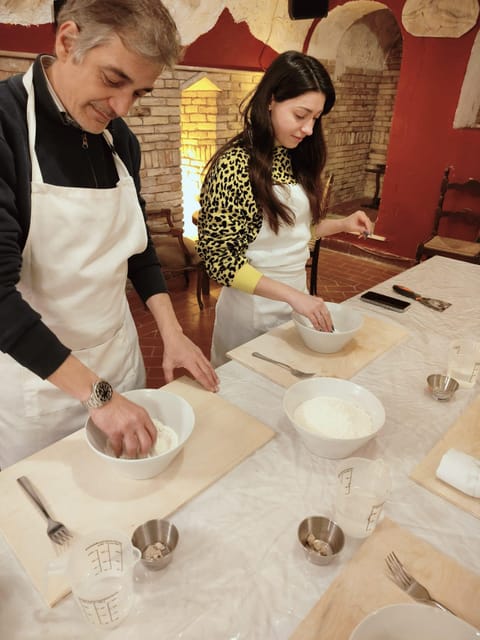
At $58, the class is not the cheapest way to eat pasta in Rome. You can find a simple plate for less, especially away from the Spanish Steps. But this is not only a restaurant meal. You are paying for instruction, ingredients, equipment, a central location, a shared activity, dessert, wine or a soft drink, limoncello, recipes, and a certificate.
The value is strongest for families, couples, and solo visitors who want an activity as well as dinner. A family can spend two hours doing something together instead of simply sitting at a table. A solo visitor can meet people naturally. A couple gets a practical souvenir in the form of a recipe they can make later.
The value is weaker if you mainly want advanced culinary training or a large meal. The sauces are prepared in the kitchen, pasta cooking is collective, and extra food is not included. You should think of this as a cheerful cultural activity with edible results, not as a formal chef certification course.
The 4.8 rating from 1,395 reviews suggests broad satisfaction, but the details matter more than the number. The strongest pattern is not just that people liked the food. They liked the instructors, the humor, the help at the workstations, and the chance to eat together afterward.
Who should book it?
I would recommend this class to first-time pasta makers, families with children, couples seeking an evening activity, and solo visitors who enjoy meeting people. It is also a smart rainy-day option because the class takes place indoors and includes a complete meal.
You do not need to be a skilled cook. The instructors demonstrate the steps and provide help, and the atmosphere is forgiving. You will probably remember the uneven pasta shapes with more affection than perfectly uniform noodles made by a machine.
I would hesitate if you are vegan, use a wheelchair, need a strictly allergen-free kitchen, or want a private lesson. The provided information lists the experience as unsuitable for wheelchair users and vegans. The group format also means you share the workstation and the final cooking stages.
Book with enough time to reach the restaurant early, and keep the confirmation details handy. If you are choosing between a standard restaurant dinner and an activity that includes dinner, this is a good way to make one evening in Rome more memorable.
FAQ
How long does the pasta and tiramisu class last?
The class lasts two hours. Starting times vary, so you need to check availability for the date you want.
Where do I meet the cooking class?
Go inside Trattoria Amici near the Spanish Steps and ask for the cooking class room.
What dishes will I make?
You will make fresh fettuccine from egg and flour and prepare your own tiramisu. The tiramisu cream is made as a group, then each person assembles an individual dessert.
Which pasta sauces are available?
You can choose tomato and basil, pesto, or Alfredo. The restaurant kitchen prepares the sauces.
Is wine included?
One glass of red or white wine is included. You may choose a soft drink instead. Water is also available during the class, while additional drinks cost extra.
Is the class offered in English?
Yes. Instruction is available in English and Spanish.
Can children join the class?
Children under seven may join free, but they must share a workstation with an accompanying adult. Families with older children and teens can also take part.
Should you book this Rome cooking class?
Book it if you want to make pasta with your hands, eat a casual meal in a historic central setting, and enjoy the company of a lively group. The instructors are the main strength, and the combination of pasta, tiramisu, wine, limoncello, recipes, and a certificate gives the evening plenty of substance for the price.
Skip it if you want complete control over every ingredient, a private chef lesson, or a fully vegan and allergen-free kitchen. For everyone else, this is a practical, good-humored way to turn a meal near the Spanish Steps into something you helped create.
More classes and workshops in Rome
- Rome: Fettuccine and Tiramisu Cooking Class with Wine
★ 4.8 · 2,013 reviews - Rome: Traditional Pizza Cooking Class near Piazza Navona
★ 4.7 · 1,241 reviews - Rome: Combo Pizza and Pasta Cooking Class with Wine
★ 4.7 · 938 reviews - Rome: Traditional Pasta Making Class with Wine & Gelato
★ 4.9 · 677 reviews
More pasta to make and eat in Rome
- Become a Masterchef in Rome: Pasta, Ravioli and Tiramisù Class
★ 5.0 · 2,156 reviews - Pasta Cooking Class Near the Colosseum with 3 Spritz Cocktails
★ 5.0 · 1,686 reviews - Enjoy Spritz and Pasta Making in Piazza Navona
★ 5.0 · 1,681 reviews - Pasta Making & Wine Tasting with Dinner in Frascati from Rome
★ 5.0 · 1,326 reviews
Just added in Rome
- Civitavecchia Private Transfer: From the Port to Rome Airport★ 5.0 · 309 reviews
- Civitavecchia Shore Excursion: Best of Rome Private Tour★ 5.0 · 247 reviews
- Civitavecchia Private Transfer from ship to FCO airport or Rome★ 5.0 · 245 reviews
- Food Tasty and History Tour in Civitavecchia★ 5.0 · 256 reviews
- Palatine Hill and Roman Forum Tour with Fast-Track Entrance★ 4.2 · 417 reviews
- Tivoli: Villa D’Este & Villa Adriana Pass & App Audioguide★ 4.4 · 364 reviews
- Tivoli: Villa D’Este Entry Ticket and App Audio Guide★ 4.3 · 191 reviews
- Vatican Museums & Sistine Chapel Skip-the-Line Guided Tour★ 4.6 · 254 reviews
Cooking Classes, compared.
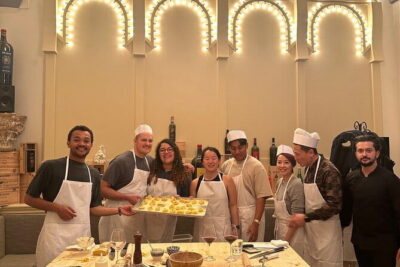
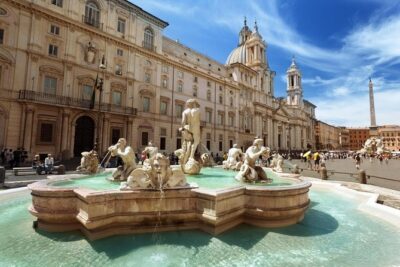
3 in 1 Cooking Class near Navona: Fettuccine, Ravioli & Tiramisu
Read our review →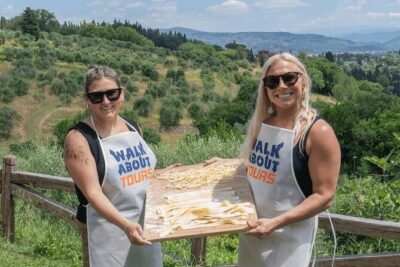
Florence Pizza or Pasta Class with Gelato Making at a Tuscan Farm
Read our review →
Pasta & Tiramisu Class with Fine Wine by the Vatican
Read our review →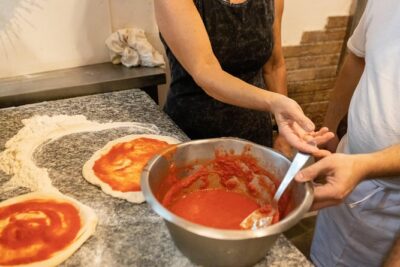
Authentic Pizza Making Class in Naples with Appetizers and Drink
Read our review →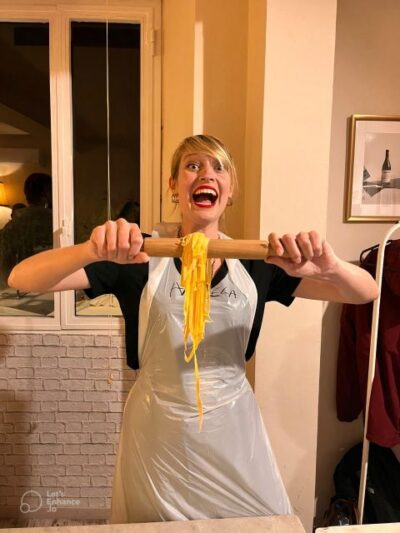
Pasta Making Class with Wine, Limoncello, and Dessert
Read our review →
3-in-1 Fettuccine, Ravioli, and Tiramisu Cooking Class
Read our review →Browse the lists this tour appears in