
Reviewed · COOKING CLASSES
Pasta Making & Wine Tasting with Dinner in Frascati from Rome
The best part of this experience is the setting. You meet outside Frascati train station, walk through the old town with your host, and arrive at a family wine cellar for wine, local appetizers, and a hands-on pasta lesson. It feels like a small trip beyond Rome rather than another meal in the city.
I like the family connection and the useful format. You taste wines made by the hosts’ family vineyard, then learn techniques you can use at home. I also like the choice of three Roman sauces, followed by a sit-down dinner featuring the pasta you made yourself.
The main thing to consider is the transport. The meeting point is easy to identify once you reach Frascati, but the train trip from Rome and the walk through town require a little planning. The class also takes place in a compact cellar room, and you should be comfortable with stairs.
Key points at a glance
- Family wine cellar: Taste Frascati Superiore DOCG and Vagnolo wines made by the host family.
- Three Roman pasta choices: Learn to prepare cacio e pepe, carbonara, or amatriciana.
- A short escape from Rome: Walk through Frascati’s historic center before settling in for dinner.
- Dinner is part of the lesson: Eat the pasta you prepared, with local wine served alongside it.
- Small-group feel: The maximum group size is 18, with many sessions feeling personal and relaxed.
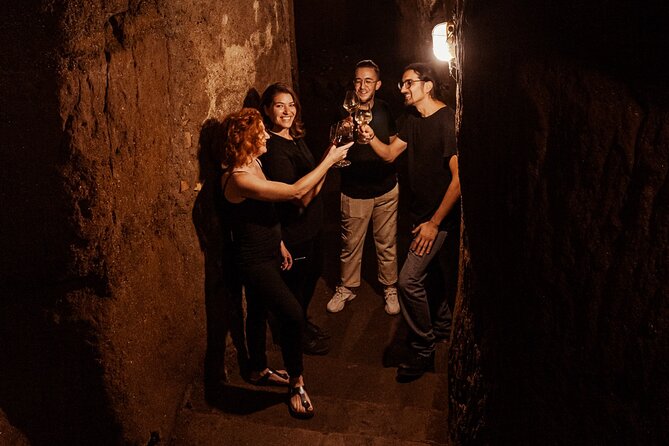
- A cellar finale: See the caves beneath the wine cellar before returning to the station.
Why Frascati makes a good break from Rome
Rome gives you ancient monuments, grand piazzas, and more restaurants than you could visit in a lifetime. Frascati gives you something different: a smaller town, a slower pace, and a direct connection to the food and wine of the Castelli Romani area.
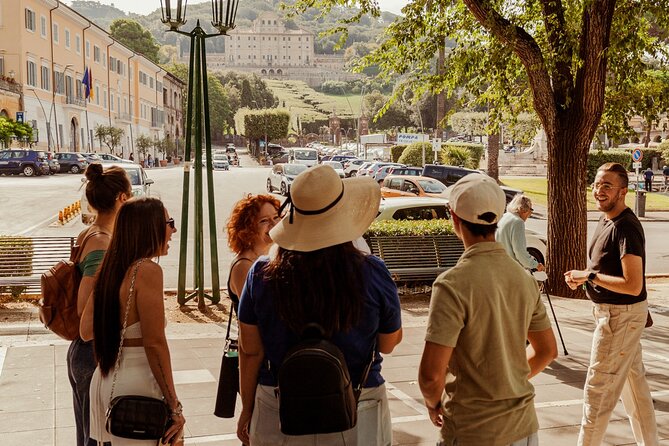
The experience begins outside the Frascati station. From there, your hosts lead you through the old town toward the cellar. The walk is not a long sightseeing tour, but it gives you a quick sense of place before the cooking starts. You hear about Frascati’s past and see a quieter side of the area than you will find around the Colosseum or Trevi Fountain.
I like this opening because it prevents the class from feeling like a cooking lesson dropped into an anonymous room. The town matters. You are not just making pasta anywhere in Rome. You are doing it in a wine-producing community, with a family whose work is tied to the local area.
Give yourself enough time to reach the station. One practical warning is that the train arrangements can be confusing if you have not used Rome’s suburban rail system before. The meeting point itself is clear, but you should check the route and allow breathing room rather than arriving at the last minute.
More Cooking Classes in Rome
- 3 in 1 Cooking Class near Navona: Fettuccine, Ravioli & Tiramisu
★ 5.0 · 7,376 reviews - Rome: Pasta & Tiramisu Class with Fine Wine by the Vatican
★ 4.9 · 4,852 reviews - Rome: Pasta Making Class with Wine, Limoncello, and Dessert
★ 4.9 · 3,177 reviews
The walk to the family wine cellar
Your hosts may include Rosie, Nico, Federica, or other members of the family team. The exact person depends on the session, but the tone is informal and welcoming. Several hosts are praised for being funny, patient, and willing to explain both the town and the food at an easy pace.
The destination is a historic wine cellar operated by the family behind From Scratch, Authentic Experiences. It is not presented as a polished restaurant showpiece. Instead, the appeal is the sense that you are entering a working family setting with food, wine, and local stories sharing the same space.
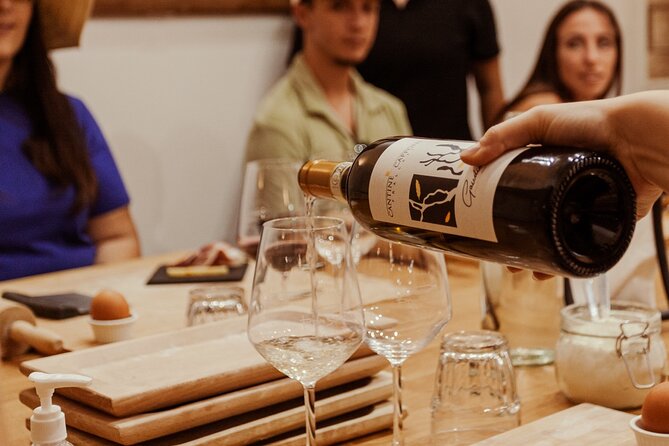
After the walk, you settle in for the tasting. The wines include Frascati Superiore DOCG and Vagnolo wines from the family vineyard. The experience also describes red and white wines, including an IGT white, so you get more than one style to compare. Local appetizers such as meat and cheese are served with the wine.
This is a useful tasting for beginners because it is connected to a meal. You do not need to arrive with a vocabulary of wine terms. You can simply notice which wine you prefer, ask questions, and see how it works with salty cheese, cured meat, and pasta.
The family white wine receives especially strong praise, including from people who normally prefer less dry wines. That does not mean every bottle will suit every palate, but the tasting gives you a chance to try a style associated with the area instead of sticking to familiar international labels.
Making fresh pasta from scratch
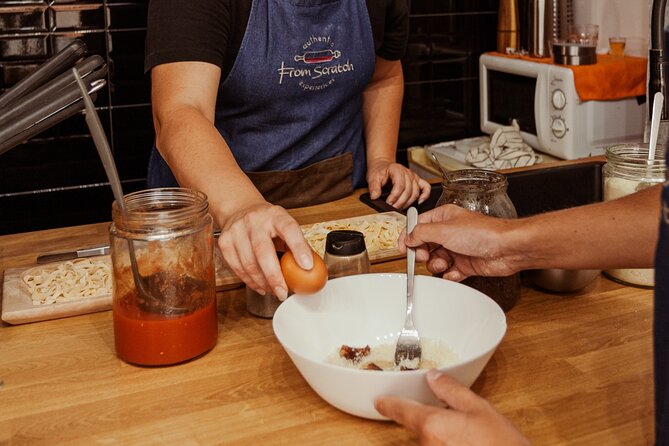
After the tasting, you roll up your sleeves and work with a chef instructor. The lesson focuses on fresh pasta made by hand, with guidance throughout the process. If you have never made pasta, patience matters more than skill, and the hosts are used to helping beginners.
You should expect to work with the dough rather than simply watch a demonstration. The point is to learn the basic handling and shaping techniques, then eat the result at dinner. The class has also worked well for families, including children aged 9, 12, and 14 in different sessions.
The instruction is in English, with Italian also available. Some families have needed to pause so one member could translate for relatives who were less comfortable with English. That is possible, but it may make the lesson move at a slower pace for your group.
You choose one of three classic Roman pasta dishes:
- Cacio e pepe, built around cheese and black pepper
- Carbonara, the well-known egg, cheese, and cured pork sauce
- Amatriciana, a tomato-based Roman-area favorite
The choices are sensible. They are central to Roman cooking, but each has a different balance of ingredients and technique. You are not being asked to prepare an elaborate menu in a short time. Instead, you learn one dish well enough to understand how the pasta, sauce, and seasoning work together.
One important expectation check: this is a focused class, not a full culinary course. You make one pasta dish, then eat it. If you want several recipes, a long lesson on regional cooking, or an advanced chef program, this may feel brief.
Dinner tastes better when you made the pasta
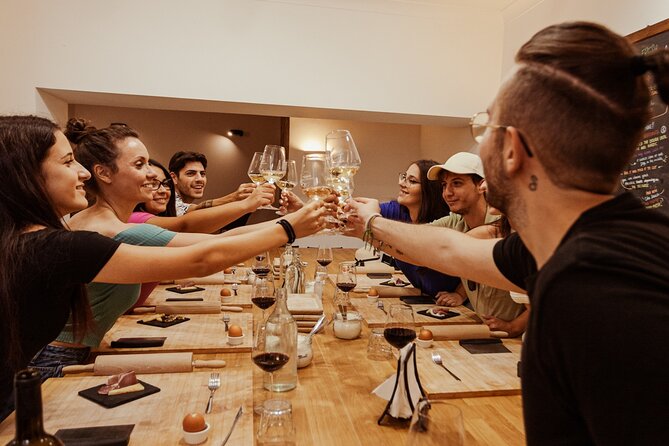
Once the pasta is ready, you sit down for dinner. Your dish is served with local wine, and the meal gives you the payoff for the work at the table. The atmosphere is shared and social, with couples, families, and solo participants often seated together.
I like this structure because the meal is not an afterthought. You do not make pasta and then leave with a small sample. You eat a proper serving of the food you prepared, paired with wine in the same place where you tasted it.
The group format can add to the evening. You may be cooking beside people from different countries, comparing shapes, asking questions, and laughing when the dough does not behave perfectly. At the same time, a group of up to 18 means the level of personal attention can vary. The class is not a private lesson unless your booking arrangement says otherwise.
Solo participants can still enjoy the format. One session was run for a single participant after others canceled, which shows that the hosts have made an effort to keep the experience personal when possible. You should not assume every date will operate the same way, but the family-run approach appears flexible.
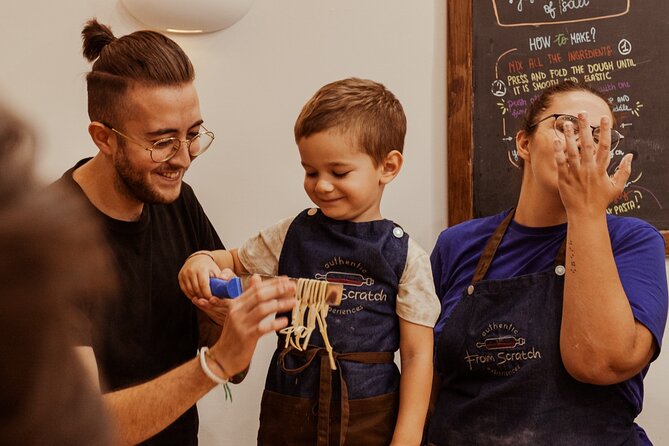
Families also have a good reason to consider this activity. Children can take part in the pasta-making and then eat what they helped prepare. The wine portion is, of course, for adults, but the food lesson gives a family a shared task beyond simply sitting at a restaurant table.
More Wine Tours in Rome
- Rome: Tuscany & Montepulciano Day Trip with Lunch & Wine Tasting
★ 4.5 · 5,232 reviews - Rome Food Tour: Unlimited Tastings with Fine Wine & Barolo
★ 5.0 · 3,365 reviews - Rome: Food Tour with Unlimited Food and Barolo Wine
★ 4.8 · 1,883 reviews - Rome: E-Bike Night Tour with Food and Wine Tasting
★ 4.9 · 1,131 reviews
Looking below the cellar
After dinner, you get a look at the caves beneath the wine cellar. This is a short but memorable final touch. The underground spaces connect the meal to the physical setting, showing that the cellar is more than a dining room.
You should be ready for stairs. The supplied information does not promise step-free access, and one detailed account specifically notes the need to manage stairs. If anyone in your group has limited mobility, ask the provider before booking.
The caves are not a separate archaeological tour with a long presentation. Think of them as a brief closing look at the older spaces below the cellar. That keeps the activity within its roughly two-and-a-half-hour schedule.
Afterward, the activity ends back at the meeting point near Frascati station. You can return to Rome or stay in Frascati for a little longer. One useful plan is to arrive early, spend time in the town, take the class, and then wander a bit after dinner if your train schedule allows.
What the $45.95 price includes in value
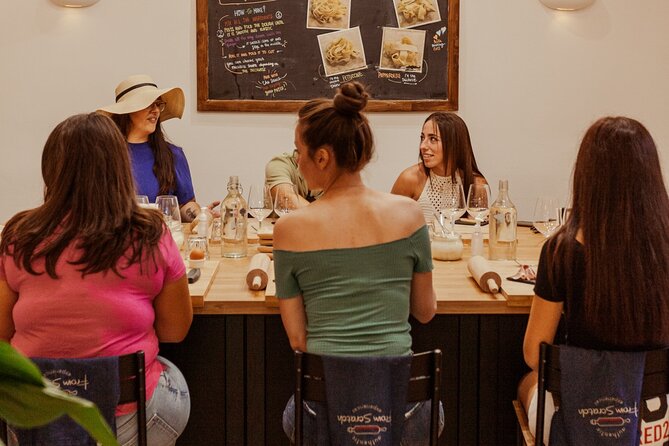
At $45.95 per person, this is priced below many cooking classes in central Rome, especially when wine and dinner are included. The value comes from combining several small experiences: a town walk, wine tasting, appetizers, hands-on instruction, a full pasta dish, dinner, and a peek at the cellar caves.
The strongest value is for someone who wants an evening activity with a sense of place. You are not paying only for food. You are paying for the hosts’ time, the instruction, the family wine setting, and the trip outside the city center.
There are limits. The wine serving may feel modest if you expect a long tasting, and one dissatisfied participant felt the class amounted to one simple pasta and one glass of wine in a small room. That criticism is worth taking seriously. The experience is best understood as a friendly food-and-wine evening, not as a large tasting event or a restaurant feast with many courses.
The price also does not include the train fare from Rome. The supplied information gives the tour price but not a transport cost, so budget separately for the journey. Check the return train before you begin, especially if you are visiting outside the busiest part of the day.
Group size, language, and food needs
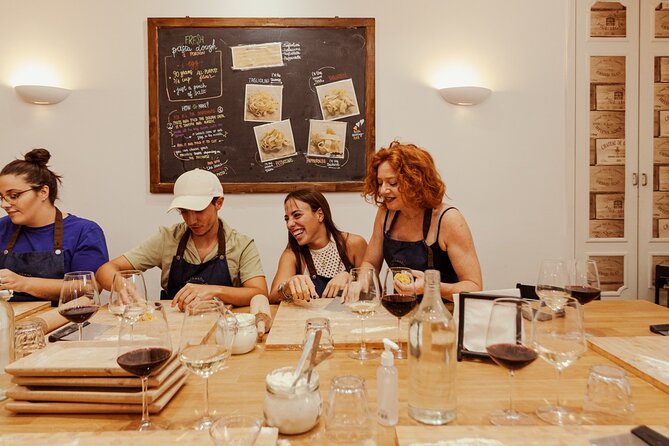
The maximum group size is 18 people. That is large enough to create a social dinner but small enough to keep the session more personal than a coach-based excursion. The exact feel depends on how many people book your date.
All classes are offered in English and Italian. Hosts such as Rosie and Nico have been praised for explaining the town, wine, and pasta clearly, while instructors are described as patient with first-time pasta makers. If your group includes people who are not comfortable in English, translation within the group may be needed.
Food accommodations are possible, but you must tell the provider in advance. Vegetarian and vegan options are available, and food intolerances or allergies can be discussed. Gluten-free pasta may be possible, but cross-contamination cannot be guaranteed.
That last point matters. If you have celiac disease or a severe allergy, do not assume the kitchen can provide a safe environment. Ask before booking and treat the provider’s warning seriously.
Service animals are allowed. The activity is near public transportation, though the walking route through town and the cellar stairs may affect comfort for some people.
How the experience compares with staying in Rome
A cooking class in Rome can be easier if you want to walk from your hotel, avoid trains, or fit an activity between museum visits. This Frascati option asks for more planning, but it gives you a different setting and a stronger connection to a local family wine business.
I would choose Frascati if you have already seen the major Rome sights or want an evening with fewer crowds. It is also a good choice if you enjoy meeting other people at a shared table and prefer learning by doing.
I would choose a central Rome class instead if your schedule is tight, you dislike stairways, or you want a more advanced cooking lesson. The Frascati class is friendly and practical, but it is deliberately simple. Its charm comes from the town, family hosts, wine cellar, and shared meal as much as from the pasta technique.
The experience has a 5 out of 5 rating from 1,326 reviews, with 99 percent recommending it. Those numbers fit the main strengths: warm hosts, tasty food, a relaxed mood, and a welcome break from Rome. They should not hide the few practical drawbacks, especially transport, the compact room, and the limited scope of the cooking lesson.
Who should book this Frascati evening
Book it if you want to:
- Spend part of your Rome visit in a smaller nearby town
- Learn one useful pasta preparation rather than watch a long demonstration
- Taste wines tied to a family vineyard
- Eat dinner in a social setting
- Include children or first-time cooks in the activity
- Meet hosts who take time to explain local food and Frascati’s story
Think twice if you:
- Need a fully accessible activity
- Have a serious gluten allergy without receiving clear confirmation
- Want a large wine tasting with many pours
- Expect several courses or multiple pasta recipes
- Find train connections stressful
- Prefer a private class with one-on-one instruction
Should you book it?
I would book this experience for a relaxed day or evening outside Rome, especially if food, wine, and local contact matter more to you than a packed sightseeing schedule. The strongest feature is the combination: a short town walk, family-produced wine, practical pasta work, dinner, and a look below the cellar.
Plan the train carefully, tell the hosts about dietary needs, and expect one focused pasta dish rather than a full cooking school. With those expectations in place, the $45.95 price offers a lot for a two-and-a-half-hour experience, and the Frascati setting gives the evening a local character that a city-center class may not match.
FAQ
Where does the activity begin?
It begins outside Frascati train station in Frascati, in the Metropolitan City of Rome Capital.
Where does the activity end?
The activity ends back at the meeting point near Frascati train station.
How long does the experience last?
It lasts approximately 2 hours and 30 minutes.
What language is the class offered in?
The classes are offered in English and Italian.
What wines are included?
The tasting includes Frascati Superiore DOCG and Vagnolo wines produced by the family vineyard. The experience also describes DOCG and IGT wines, including red and white selections.
Which pasta dishes can I choose?
You can choose cacio e pepe, carbonara, or amatriciana.
Is dinner included?
Yes. You eat the pasta you prepared as part of a sit-down dinner with local wines.
Are vegetarian and vegan options available?
Yes. Vegetarian and vegan options are available if you notify the provider.
Can I request gluten-free pasta?
Gluten-free pasta may be possible, but cross-contamination cannot be guaranteed. You should contact the provider before booking.
How many people can join the class?
The maximum group size is 18 people.
Can children take part?
The supplied information does not set a minimum age. Children have taken part in family sessions, including children aged 9, 12, and 14.
Is the experience wheelchair accessible?
Accessibility is not confirmed. The activity includes a walk through the old town and a look at caves below the cellar, and stairs may be required. Ask the provider before booking.
Are service animals allowed?
Yes. Service animals are allowed.
Can I cancel for a full refund?
Yes, if you cancel at least 24 hours before the experience start time. Cancellations within 24 hours are not refunded.
What happens if bad weather cancels the activity?
You will be offered a different date or a full refund if poor weather causes the cancellation.
More eating and drinking in Rome
- Winner 2025 Rome Twilight Trastevere Food Tour by Eating Europe
★ 5.0 · 5,157 reviews - Rome: Trastevere or Jewish Quarter Street Food Tour
★ 4.8 · 3,839 reviews - Rome: Trastevere Food tour with Free-Flowing Fine Wine
★ 5.0 · 2,853 reviews - Rome: Trastevere & Campo de Fiori Street Food Walking Tour
★ 4.9 · 2,768 reviews
More pasta to make and eat in Rome
- Rome: Fettuccine Pasta Cooking Class in Rome’s City Center
★ 4.8 · 2,414 reviews - Rome: Traditional Pasta with Cocktails Cooking Class
★ 5.0 · 2,374 reviews - Learn to Make Pasta & Tiramisu with Wine and Limoncello Included
★ 5.0 · 2,345 reviews - Become a Masterchef in Rome: Pasta, Ravioli and Tiramisù Class
★ 5.0 · 2,156 reviews
Just added in Rome
- Civitavecchia Private Transfer: From the Port to Rome Airport★ 5.0 · 309 reviews
- Civitavecchia Shore Excursion: Best of Rome Private Tour★ 5.0 · 247 reviews
- Civitavecchia Private Transfer from ship to FCO airport or Rome★ 5.0 · 245 reviews
- Food Tasty and History Tour in Civitavecchia★ 5.0 · 256 reviews
- Palatine Hill and Roman Forum Tour with Fast-Track Entrance★ 4.2 · 417 reviews
- Tivoli: Villa D’Este & Villa Adriana Pass & App Audioguide★ 4.4 · 364 reviews
- Tivoli: Villa D’Este Entry Ticket and App Audio Guide★ 4.3 · 191 reviews
- Vatican Museums & Sistine Chapel Skip-the-Line Guided Tour★ 4.6 · 254 reviews
Cooking Classes, compared.
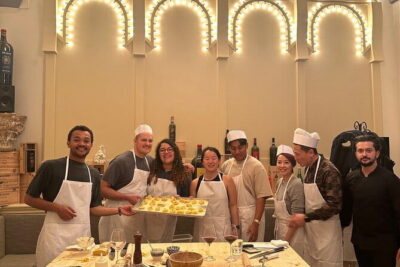
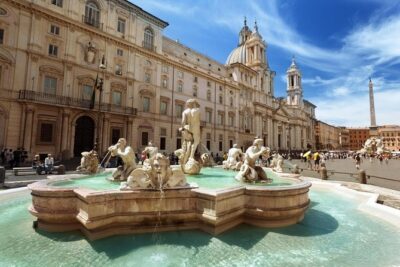
3 in 1 Cooking Class near Navona: Fettuccine, Ravioli & Tiramisu
Read our review →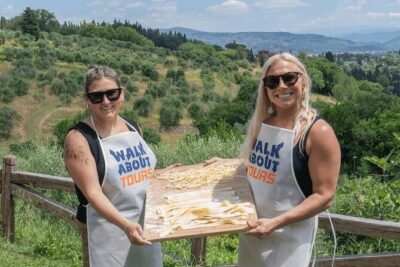
Florence Pizza or Pasta Class with Gelato Making at a Tuscan Farm
Read our review →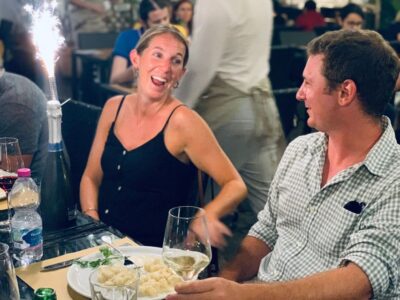
Pasta & Tiramisu Class with Fine Wine by the Vatican
Read our review →
Authentic Pizza Making Class in Naples with Appetizers and Drink
Read our review →
Pasta Making Class with Wine, Limoncello, and Dessert
Read our review →
3-in-1 Fettuccine, Ravioli, and Tiramisu Cooking Class
Read our review →Browse the lists this tour appears in