
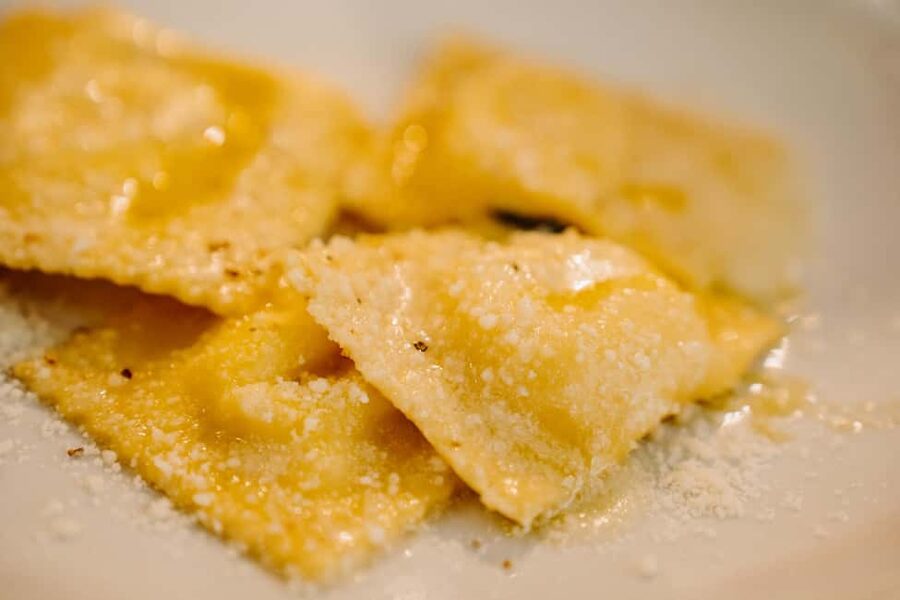
Reviewed · COOKING CLASSES
Rome: Traditional Pasta Making Class with Wine & Gelato
Fresh pasta is the heart of this three-hour Trastevere cooking class. You begin with prosecco, cured meats, and cheese, then work alongside an English-speaking chef to make fettuccine and ravioli from scratch. The sauces may include amatriciana, puttanesca, gricia, or cacio e pepe, depending on the seasonal ingredients available.
I like two things right away: you actually make the food instead of watching a demonstration, and the class includes the meal, wine, and gelato afterward. Chefs such as Luca, Elisa, Stefano, Manuela, and Federica are praised for being funny, patient, and generous with Roman food advice. The main drawback is that the class cannot accommodate celiac dietary needs, and the kitchen is not suitable for wheelchairs or strollers.
Key points to know before booking
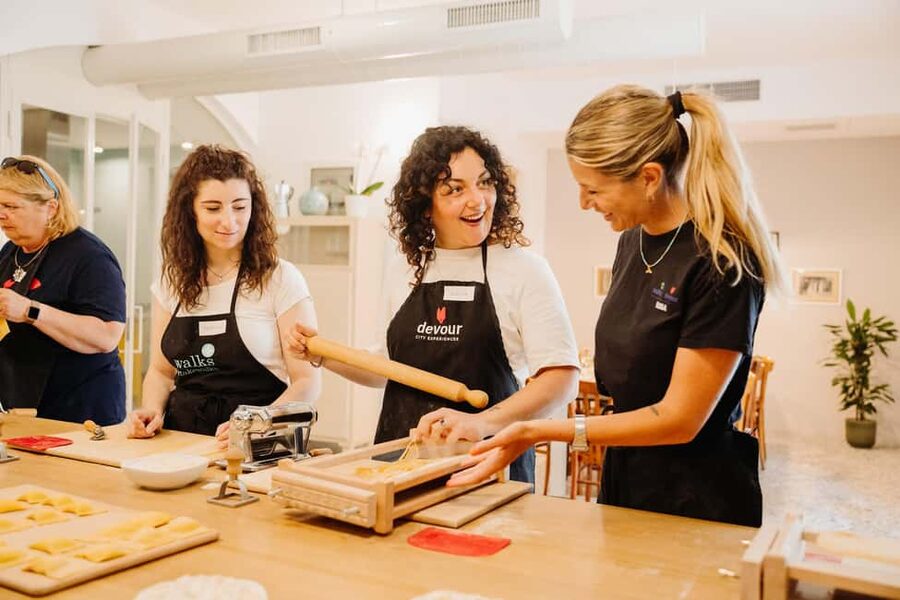
- You make two pastas from scratch: The class covers both fettuccine and ravioli, along with two sauces.
- The menu can change with the market: Your chef chooses seasonal ingredients and may teach amatriciana, gricia, cacio e pepe, or puttanesca.
- Aperitivo comes first: Prosecco, cured meats, and cheese give you a relaxed start before the hands-on work begins.
- The meal is part of the lesson: You eat the pasta you made, with wine, and finish with homemade gelato.
- The setting is in Trastevere: Meet at Piazza di San Giovanni della Malva, then walk to a charming cooking school reserved for your group.
- Private and shared options are available: Choose privacy for your own party or the social energy of a small group.
Why this pasta class works in Rome
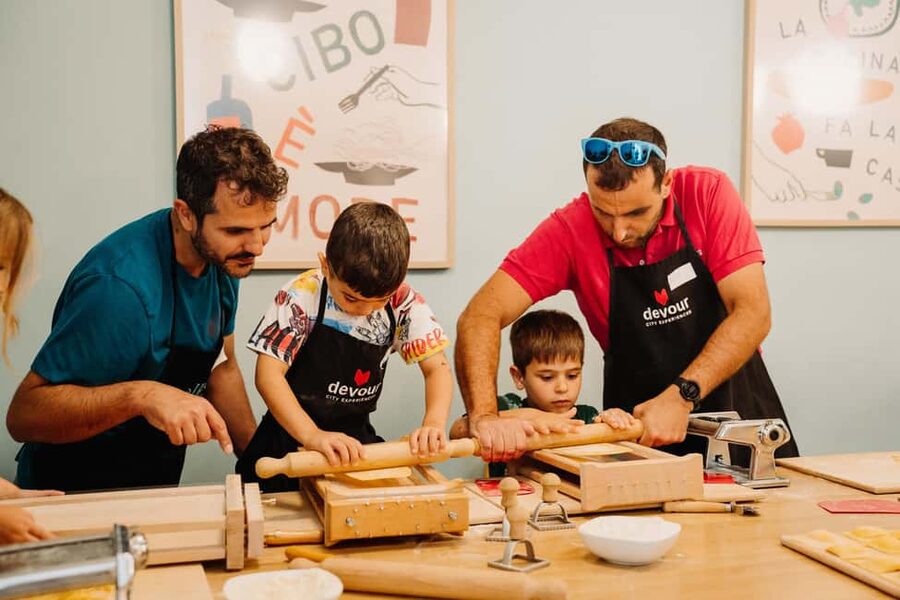
Rome has no shortage of cooking classes, but this one focuses on the part of Italian food you can carry home. You are not simply shown a plate of pasta and handed a recipe. You handle the dough, shape the ravioli, help prepare the sauces, and learn why each step matters.
That practical focus is the class’s strongest feature. Several instructors are praised for explaining the reasons behind their methods, not just giving orders. Federica, for example, is noted for discussing Italian cooking culture as well as the recipe itself. That makes the lesson useful after your holiday, when you are standing in your own kitchen with flour on the counter and no Roman chef nearby.
The experience also has a pleasant rhythm. You start with an aperitivo, work through the pasta preparation, then sit down for a proper meal. It feels more like an evening with food-loving friends than a rushed demonstration, though the three-hour schedule still gives the class a clear structure.
More Cooking Classes in Rome
- 3 in 1 Cooking Class near Navona: Fettuccine, Ravioli & Tiramisu
★ 5.0 · 7,376 reviews - Rome: Pasta & Tiramisu Class with Fine Wine by the Vatican
★ 4.9 · 4,852 reviews - Rome: Pasta Making Class with Wine, Limoncello, and Dessert
★ 4.9 · 3,177 reviews
Meeting in Trastevere at Piazza di San Giovanni della Malva
Your starting point is Piazza di San Giovanni della Malva in Trastevere, in front of the San Giovanni della Malva church. Arrive 15 minutes early and look for a guide carrying a red bag or a Devour Tours sign.
This meeting point is useful because it puts you in one of Rome’s best areas for an evening meal and a walk. Trastevere is known for its narrow streets, small squares, and traditional Roman restaurants, so the class fits naturally into a day spent exploring this side of the Tiber.
The cooking school itself is described as a charming space in the heart of Trastevere, reserved for your group. The setting matters. You are not cooking in a large public restaurant with diners passing by. You have a dedicated place for the lesson, the meal, and questions about Roman food.
The activity ends back at the meeting point. There is no hotel pickup or drop-off, so plan your route to and from Trastevere yourself. If you are pairing the class with sightseeing, leave enough time to cross the city without arriving breathless and late.
Prosecco, cured meats, and the Roman aperitivo
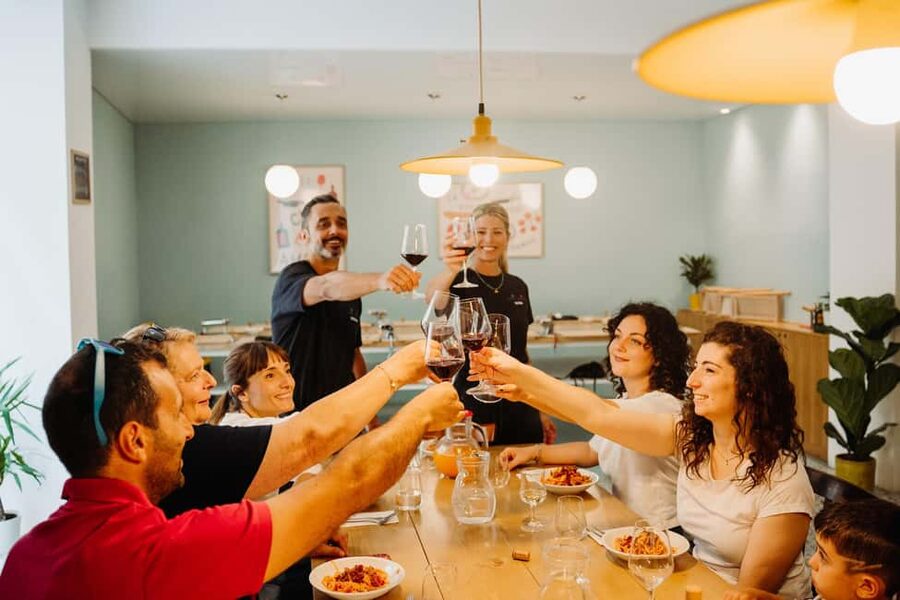
The first part of the class is deliberately easygoing. You are greeted with prosecco and a plate of cured meats and cheese, which gives you time to settle in before the flour appears.
This is more than a snack. An aperitivo is a familiar Italian way to begin an evening, with a drink and something small to eat before dinner. Here, it also helps break the ice if you choose the shared class. You introduce yourself to the other people at the table, compare your Rome plans, and get comfortable with the chef.
If you choose a private class, the opening feels more personal. You can focus on your own group and ask questions without sharing the lesson with strangers. The shared option has its own appeal, especially if you enjoy meeting people during a trip. The class has received praise for its friendly group atmosphere, and solo participants have felt comfortable joining.
The included drinks add real value, but pace yourself. Prosecco comes before the cooking, wine accompanies the meal, and the class lasts three hours. You want a clear head when you are rolling dough and shaping ravioli.
Making fettuccine and ravioli by hand
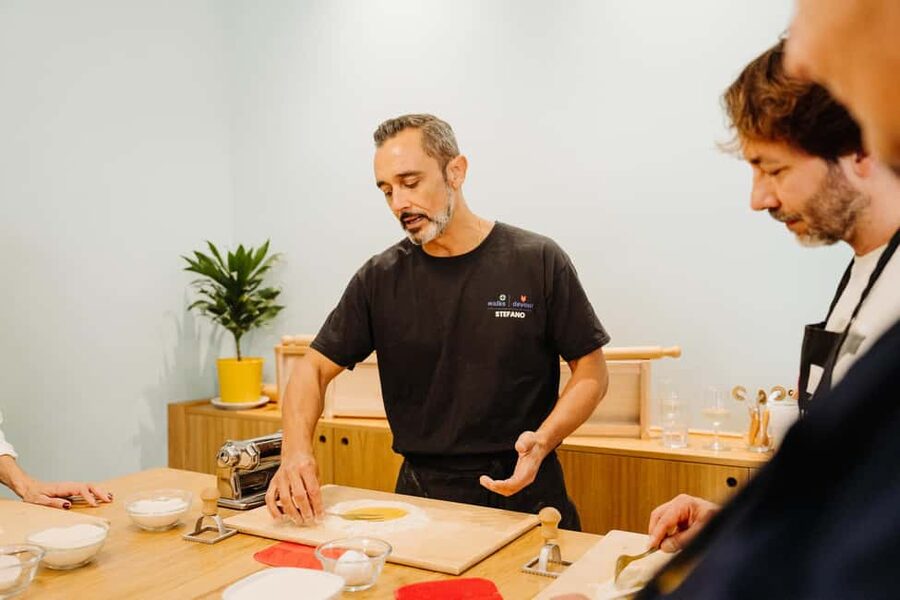
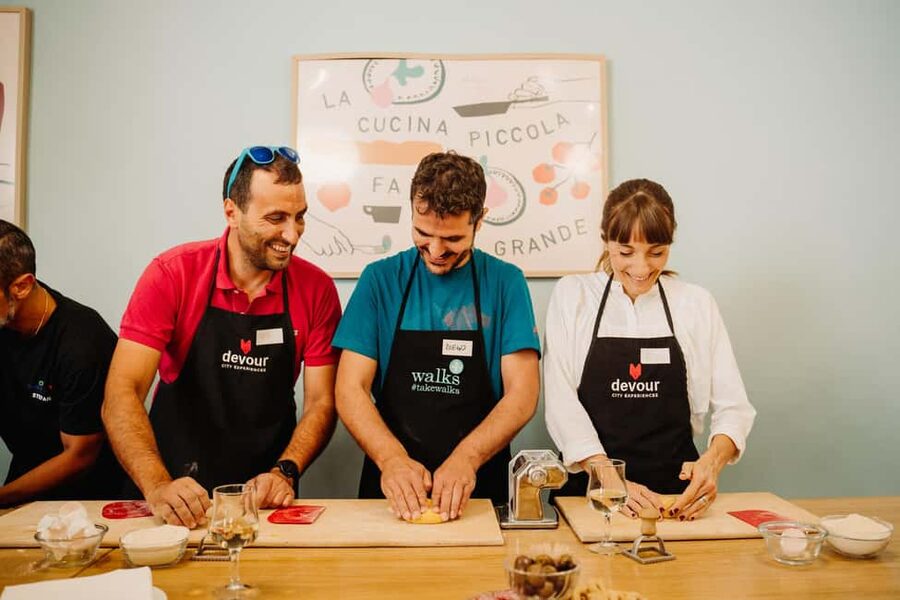
The core lesson covers two classic forms of fresh pasta: fettuccine and ravioli. The chef leads you through the process, and you take part rather than watching from the side.
Fettuccine gives you a straightforward introduction to pasta dough. You learn how the dough comes together, how it should feel, and how to shape it into ribbons. Ravioli asks for a little more care because you must fill and seal the pasta without trapping unwanted air or allowing the filling to escape.
The class is designed for beginners. You do not need previous experience, and the instructors are praised for patience and clear explanations. Children can take part too, though an adult should decide if the flour, knives, hot pans, and three-hour schedule suit a particular child.
I especially like that the lesson includes the sauces. Fresh pasta gets most of the attention, but sauce is where many home cooks need help. You may prepare a red or white Roman sauce such as amatriciana, puttanesca, gricia, or cacio e pepe. The exact choice depends on seasonal ingredients available at local markets, so the menu is not fixed in the way a packaged cooking demonstration might be.
That flexibility can be a benefit and a small uncertainty. You cannot book this experience expecting one exact sauce every time. If you have your heart set on cacio e pepe or ravioli filled with a particular ingredient, ask before the class. One participant hoped for cheese and spinach ravioli and found the version served a little mild, so expectations are best kept open.
Other classes where you do the cooking in Rome:
- Rome: 3-in-1 Fettuccine, Ravioli, and Tiramisu Cooking Class
★ 4.9 · 2,704 reviews - Rome: Fettuccine Pasta Cooking Class in Rome’s City Center
★ 4.8 · 2,414 reviews - Rome: Traditional Pasta with Cocktails Cooking Class
★ 5.0 · 2,374 reviews - Learn to Make Pasta & Tiramisu with Wine and Limoncello Included
★ 5.0 · 2,345 reviews
Learning Roman sauces, not just pasta shapes
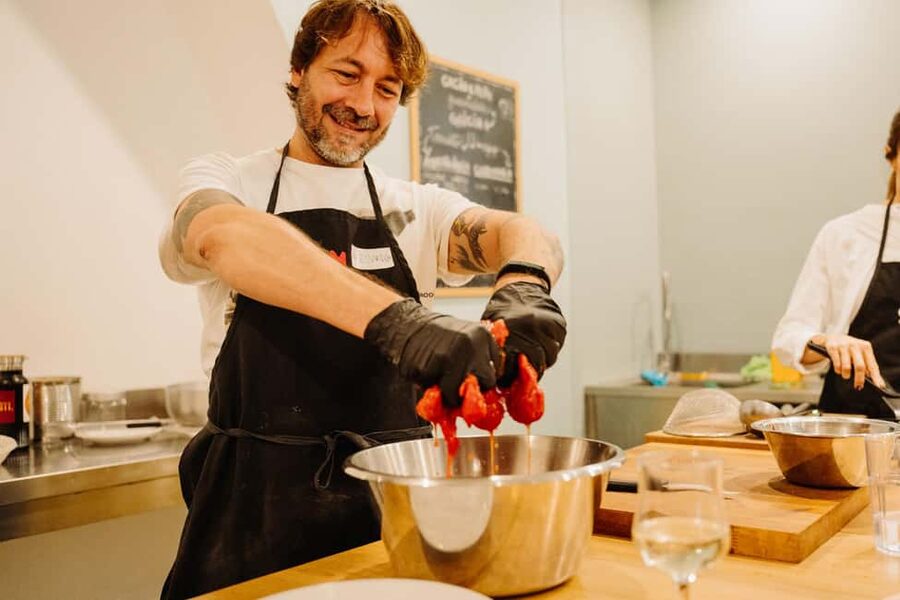
The sauce lesson adds the Roman character. Amatriciana brings tomato, pork, and a savory bite. Gricia is a simpler combination built around pork, cheese, and pepper. Cacio e pepe depends on careful handling of cheese, pepper, and pasta water. Puttanesca offers a stronger, briny flavor.
The exact recipes are not promised in advance, but the chef uses the menu to explain Roman food traditions and everyday cooking habits. This is where the class moves beyond a generic pasta workshop. You can ask why a sauce is prepared in a certain order, how to adjust texture, and what makes a dish taste balanced.
Several chefs are praised for answering questions about cooking in general, not only the dish on the table. That is useful for home cooks. You may leave understanding how to judge dough by touch, how to finish pasta in sauce, and why a simple Roman dish can fail if the timing is off.
The recipes and advice can also help you continue the experience at home. One family ordered a pasta maker after the class, and the cooking team provided recipes and restaurant suggestions. The class cannot promise that every chef will offer the same follow-up, but the teaching is clearly intended to be useful beyond the kitchen in Trastevere.
Sitting down to eat your own work
Once the pasta is ready, you sit down to eat it with wine. This is the payoff, but it is also part of the lesson. Fresh pasta has a different texture from dried pasta, and tasting it immediately helps you understand what all the kneading, shaping, and timing were for.
The meal includes two homemade pastas and sauces, plus homemade gelato for dessert. The gelato is prepared by the chef, so the sweet course is not an afterthought pulled from a shop freezer. It closes the class in a distinctly Italian way.
Most of the praise centers on the food tasting delicious, but the experience is not built for fine-dining ceremony. You are eating in the same setting where you cooked, with the other people from the class. Expect a friendly shared meal rather than a formal restaurant service.
One useful point is that additional food and drinks may be available after the class if you want to stay. Those extras are not included in the price, so ask about the cost before ordering more.
The chefs make a big difference
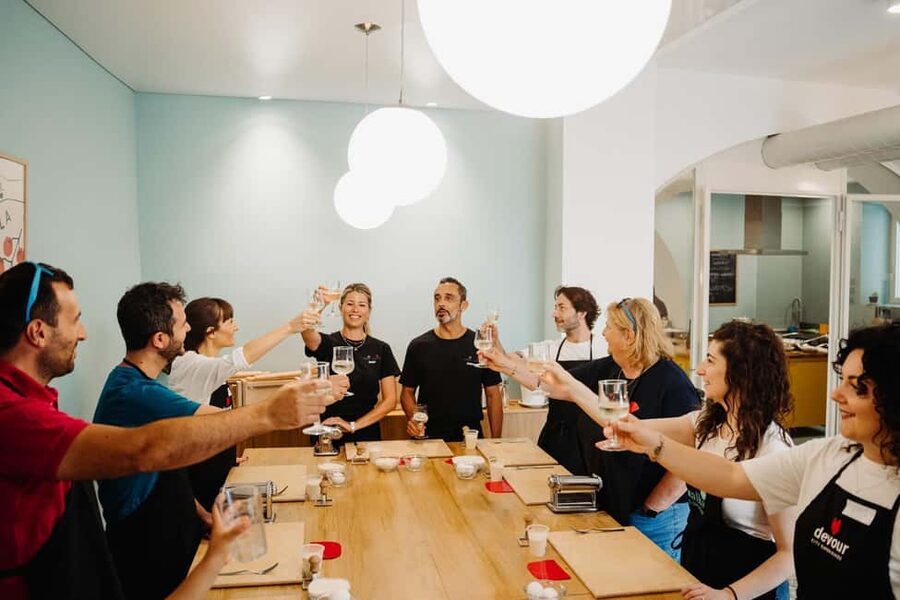
The instructor can shape the whole experience, and this class has several names that receive especially strong praise. Luca appears often in positive feedback, working with Manuela, Asia, Guilia, Stefano, or other members of the team. Elisa is praised for her warmth and for making the lesson enjoyable for families. Federica is described as funny, patient, and especially good at explaining the reasons behind each cooking step.
Stefano and Luca are also praised for keeping the class moving at a steady pace while making solo participants feel at ease. That combination matters. A class can be informative but stiff, or fun but too loose to teach much. The strongest accounts describe a good balance of instruction, humor, and time to practice.
Names and pairings may change depending on the date. You should book for the structure and setting rather than expecting one particular chef, unless the operator confirms that person in advance. Still, the repeated praise for the teaching team is a strong sign that the human side of the class is one of its main assets.
How the group choice changes the experience
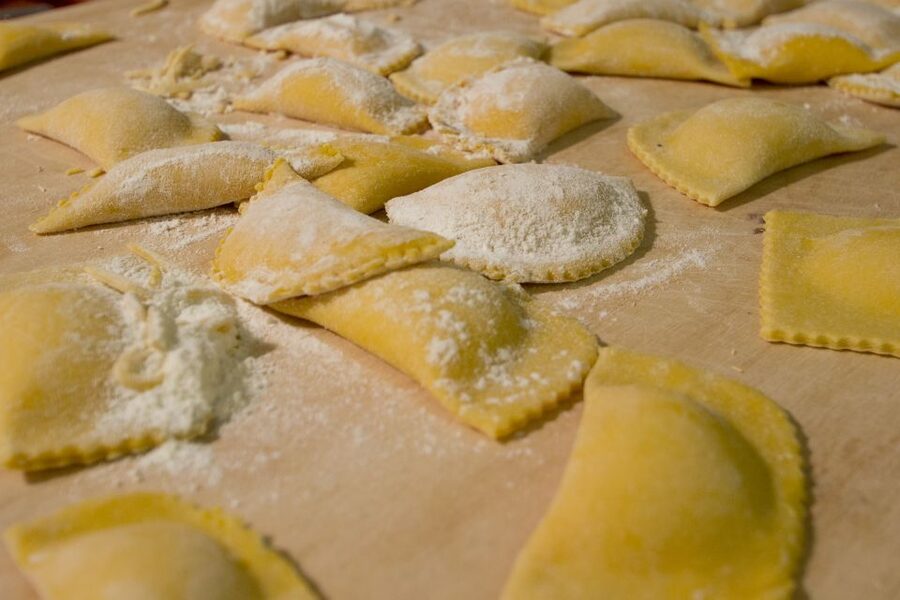
You can choose a private or shared class. A private booking suits couples, families, or friends who want the chef’s attention focused on their own questions and pace. It also makes sense for a special occasion, such as an anniversary.
The shared class is the more social choice. You cook with a small group, trade stories, and may finish the evening with new restaurant tips or friends for the rest of your time in Rome. One family of seven, including children aged nine and eleven, found the activity a favorite part of a ten-day Italy trip. A solo participant also felt comfortable in the group.
The group size is not specified in the supplied details, so I would not book this expecting a guaranteed intimate table unless you select the private option. If you dislike social activities or want a quiet meal, private is the safer choice. If you like a bit of conversation and do not mind sharing kitchen space, the standard class offers better social value.
Who will get the most from this experience
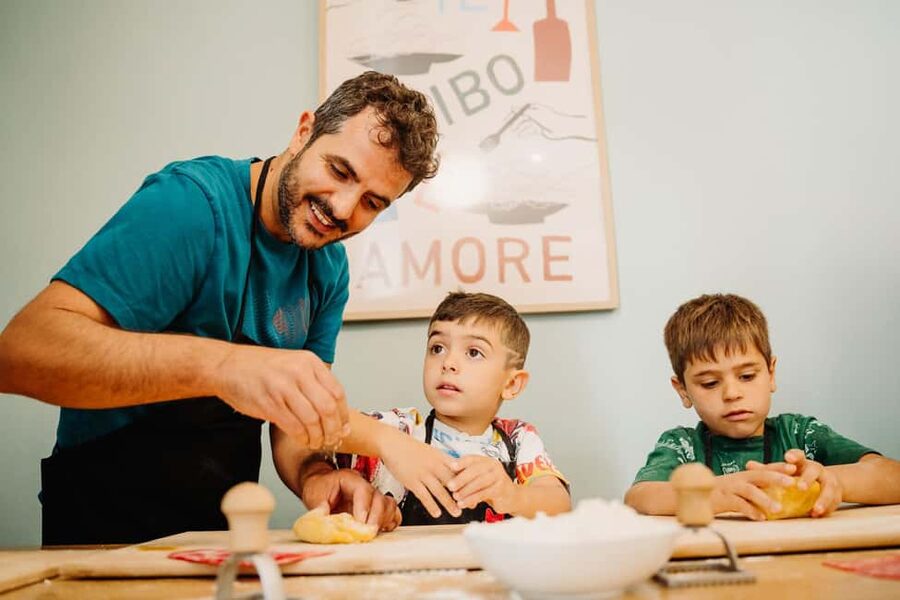
This is a strong choice for first-time pasta makers, families with older children, couples, and solo visitors who enjoy meeting people through food. It is also useful for anyone who wants a Rome activity that does not involve another church, museum, or ancient ruin.
You will get the most from it if you ask questions. Ask about the sauce, the pasta dough, Roman restaurant customs, and where to eat in Trastevere. The chefs are specifically praised for local food advice, including tips on finding a good gelateria and restaurants used by local people.
The class is less suitable if you need a fully fixed menu. Seasonal cooking means the sauce may change, and the experience cannot accommodate celiac dietary needs. Other dietary requirements can be arranged, but you must contact the operator before joining.
It is also not suitable for wheelchair users, and the information states that the setting does not work for strollers or people with mobility impairments. That is important to settle before booking, since the problem is not simply the walk to the meeting point.
Is the $66.84 price good value?
At $66.84 per person, the price covers a three-hour class, a professional chef, the aperitivo, all cooking ingredients, two pasta dishes with sauces, prosecco, wine, and gelato. You are also paying for instruction and the use of a dedicated cooking space in central Trastevere.
I consider that a fair price for a full meal and a hands-on activity in Rome. If you only want to eat pasta, a restaurant may cost less or more depending on the setting, but it will not teach you how to make the food. If you are comparing this with a short demonstration, the longer class and included meal make the extra cost easier to justify.
The best value comes when you use the lesson after returning home. A plate of pasta is enjoyable for one evening. A reliable dough method, sauce technique, and a few Roman recipes can serve you for years.
You can cancel up to 24 hours before the activity for a full refund, and the reserve-now, pay-later option keeps your plans flexible. Starting times vary, so check availability before arranging dinner or evening sightseeing around it.
Practical advice for booking day
Arrive at Piazza di San Giovanni della Malva 15 minutes early. Look for the red bag or Devour Tours sign in front of the church, and allow extra time if you are crossing Rome from another neighborhood.
Wear clothes that can handle a little flour or sauce. The information does not list a dress code, but a cooking class is more comfortable when you are not worried about protecting delicate clothing.
Keep your schedule open around the three-hour duration. The class ends back at the meeting point, but the meal, questions, and conversation may make the time feel full rather than rushed. If you have a major timed attraction soon afterward, this is not the best activity to squeeze into a narrow gap.
The language of instruction is English. Dietary restrictions other than celiac needs can be accommodated if arranged ahead of time. Do not wait until you arrive to mention an allergy or special diet.
Should you book this Trastevere pasta class?
Book it if you want a hands-on Rome activity with a real meal at the end. The combination of fresh fettuccine, ravioli, Roman sauces, prosecco, wine, and gelato gives you both a practical lesson and an enjoyable evening.
I would especially recommend it to families, couples, solo participants, and food lovers who want to learn something they can repeat at home. The strongest feature is the teaching: chefs such as Luca, Elisa, Stefano, Manuela, and Federica are praised for patience, humor, and useful explanations.
Skip it if you need wheelchair access, require celiac-safe food, or prefer a fixed menu and a quiet restaurant meal. For everyone else, the $66.84 cost is reasonable for three hours of instruction, food, drinks, and time in a dedicated Trastevere kitchen.
FAQ
How long does the pasta-making class last?
The activity lasts three hours. Starting times vary, so check availability when booking.
Where does the class meet?
Meet at Piazza di San Giovanni della Malva, 00153 Roma RM, in the square in front of the San Giovanni della Malva church. Arrive 15 minutes before the start time.
What food and drinks are included?
The experience includes prosecco, cured meats and cheese, all ingredients, two homemade pastas with sauces, wine, and homemade gelato.
Is the class private or shared?
Both options are available. You can choose a private class for your own party or join a shared small-group class.
Can dietary restrictions be accommodated?
The class can adapt to dietary needs except for celiac requirements. Contact the operator before the class so arrangements can be made.
Is the activity suitable for wheelchair users or strollers?
No. The experience is not suitable for wheelchair users, people with mobility impairments, or strollers.
More classes and workshops in Rome
- Rome: Fettuccine and Tiramisu Cooking Class with Wine
★ 4.8 · 2,013 reviews - Rome: Traditional Pizza Cooking Class near Piazza Navona
★ 4.7 · 1,241 reviews - Rome: Combo Pizza and Pasta Cooking Class with Wine
★ 4.7 · 938 reviews - Rome: Roman Master Chef Cooking Class with Wine
★ 5.0 · 633 reviews
More pasta to make and eat in Rome
- Become a Masterchef in Rome: Pasta, Ravioli and Tiramisù Class
★ 5.0 · 2,156 reviews - Pasta Cooking Class Near the Colosseum with 3 Spritz Cocktails
★ 5.0 · 1,686 reviews - Enjoy Spritz and Pasta Making in Piazza Navona
★ 5.0 · 1,681 reviews - Rome: Pasta & Tiramisu Cooking Class near the Spanish Steps
★ 4.8 · 1,395 reviews
Just added in Rome
- Civitavecchia Private Transfer: From the Port to Rome Airport★ 5.0 · 309 reviews
- Civitavecchia Shore Excursion: Best of Rome Private Tour★ 5.0 · 247 reviews
- Civitavecchia Private Transfer from ship to FCO airport or Rome★ 5.0 · 245 reviews
- Food Tasty and History Tour in Civitavecchia★ 5.0 · 256 reviews
- Palatine Hill and Roman Forum Tour with Fast-Track Entrance★ 4.2 · 417 reviews
- Tivoli: Villa D’Este & Villa Adriana Pass & App Audioguide★ 4.4 · 364 reviews
- Tivoli: Villa D’Este Entry Ticket and App Audio Guide★ 4.3 · 191 reviews
- Vatican Museums & Sistine Chapel Skip-the-Line Guided Tour★ 4.6 · 254 reviews
Cooking Classes, compared.
3 in 1 Cooking Class near Navona: Fettuccine, Ravioli & Tiramisu
Read our review →
Florence Pizza or Pasta Class with Gelato Making at a Tuscan Farm
Read our review →
Pasta & Tiramisu Class with Fine Wine by the Vatican
Read our review →
Authentic Pizza Making Class in Naples with Appetizers and Drink
Read our review →
Pasta Making Class with Wine, Limoncello, and Dessert
Read our review →
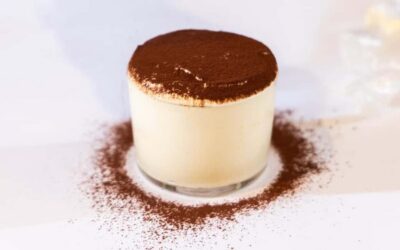
3-in-1 Fettuccine, Ravioli, and Tiramisu Cooking Class
Read our review →Browse the lists this tour appears in