
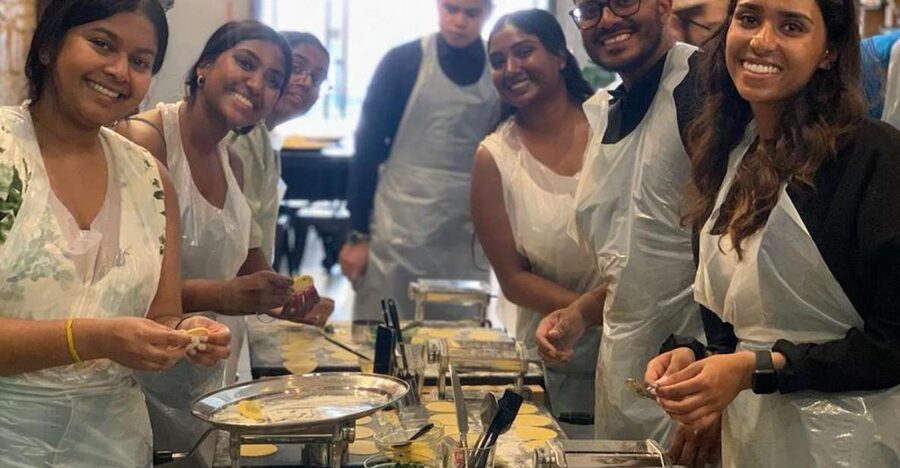
Reviewed · COOKING CLASSES
Rome: Roman Master Chef Cooking Class with Wine
Fresh pasta is the main event here. You work with flour, eggs, and your own hands, then sit down in a Roman restaurant to eat what you made. The tiramisu adds a sweet finish, while wine, limoncello, and friendly instruction keep the class relaxed rather than fussy.
I like the hands-on format, since you are not just watching a chef perform. I also like the price: at $32, the class gives you a meal, drinks, recipes, and a social afternoon for less than many sit-down meals in Rome. The main thing to consider is that the meeting point can vary by booking option, and one class began later than expected.
Key points at a glance
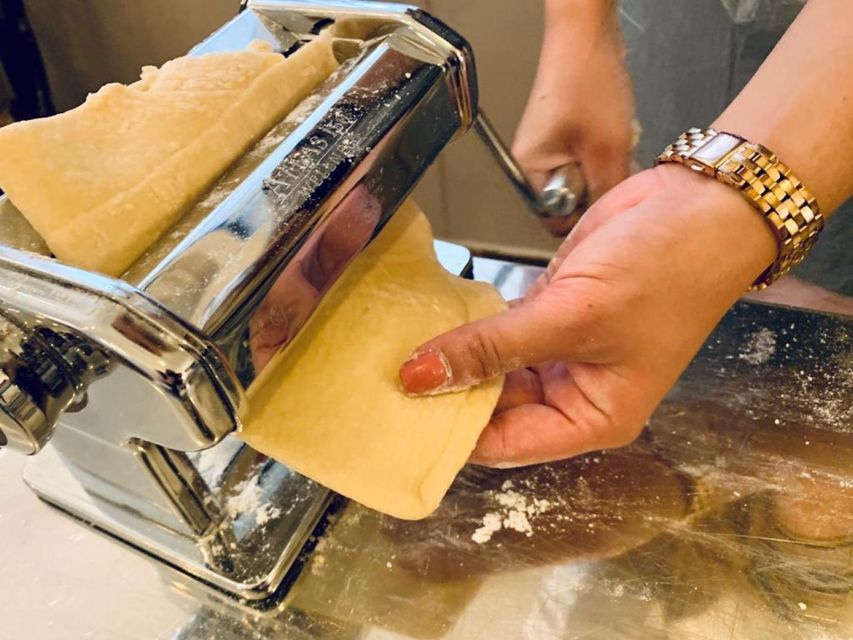
- Fresh fettuccine from scratch: Work with the dough yourself and learn the basic method you can repeat at home.
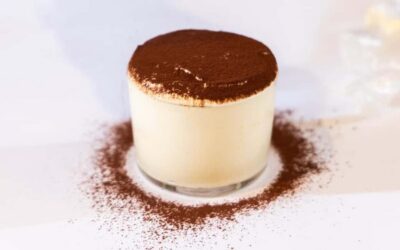
- Tiramisu made during class: Prepare the coffee-flavored dessert, layer it, and finish it with cocoa.
- Wine and limoncello included: Drinks are served as you cook, along with coffee, soft drinks, and water.
- A social restaurant setting: You cook and eat inside a Roman restaurant, sometimes using an outdoor terrace.
- Friendly, active teaching: Instructors such as Mathilde, Eleonor, Eddie, Sid, and Giacomo have been praised for clear instructions and humor.
- Useful for many diets: Vegetarian, vegan, lactose-free, and other dietary needs can be accommodated when reported during booking.
Making pasta in a Roman restaurant
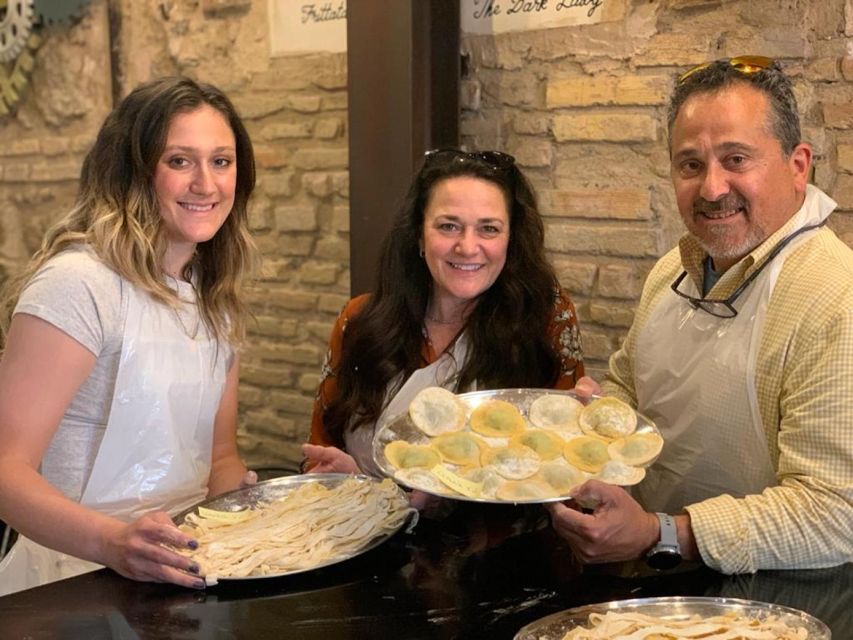
This class begins with the tools and ingredients for two classic Italian dishes: fresh fettuccine and tiramisu. The chef guides you through the process in English, showing you how the ingredients come together and keeping an eye on each participant as the work progresses.
The best part is the physical work. You are not simply handed a plate of pasta at the end. You handle the dough, learn how it should feel, and help shape the meal you will later eat. That gives the class more value than a standard food demonstration. You leave with a technique, not just a photograph.
The group may include around a dozen people, based on one class experience. That is large enough to create a lively mood, but still small enough for the chef to help individual participants. The quality of the teaching matters here. A rushed instructor could leave beginners confused, but the class is set up so the chef can check that everyone is keeping pace.
You may hear plenty of jokes and conversation as you work. The atmosphere has been described as funny, welcoming, and energetic, with music adding to the mood. This is not a silent lesson for serious culinary students. It is a social Roman food experience where you happen to learn useful kitchen skills.
More Cooking Classes in Rome
- 3 in 1 Cooking Class near Navona: Fettuccine, Ravioli & Tiramisu
★ 5.0 · 7,376 reviews - Rome: Pasta & Tiramisu Class with Fine Wine by the Vatican
★ 4.9 · 4,852 reviews - Rome: Pasta Making Class with Wine, Limoncello, and Dessert
★ 4.9 · 3,177 reviews
Fettuccine first, then the sweet course
The pasta portion is the heart of the activity. You prepare handmade fettuccine from scratch, following the chef’s instructions at each stage. The cooking team calls out the ingredients and explains the steps, which makes the process easy to follow even if you rarely make pasta at home.
Fresh pasta is a good choice for a short class because you can see the result quickly. The dough changes from a simple mixture into something you can shape and cook within the same session. You do not need to wait until another day to find out if your method worked.
One class also included ravioli, although the advertised experience centers on fettuccine. You should treat ravioli as a possible addition rather than a guaranteed part of every booking. The same caution applies to sauce preparation. The pasta is included, but the available information does not promise a full lesson on making every sauce served with it.
That distinction matters if you are booking for a specific culinary goal. If your dream is to learn several pasta shapes and build a sauce from the ground up, check the option details before paying. If you mainly want to make fresh pasta, eat well, and enjoy a friendly group setting, the class covers the basics nicely.
The tiramisu follows as the second practical project. You prepare the layered dessert with its coffee flavor and cocoa finish. It is a smart pairing with pasta because the two recipes use very different techniques, giving the class a good change of pace.
The dessert also gives you something simple to recreate at home. Once you know the basic order of the layers and the flavor balance, you can make it again for family or friends. The recipe is supplied after the class, so you do not need to rely on memory.
Wine, limoncello, and a proper sit-down meal
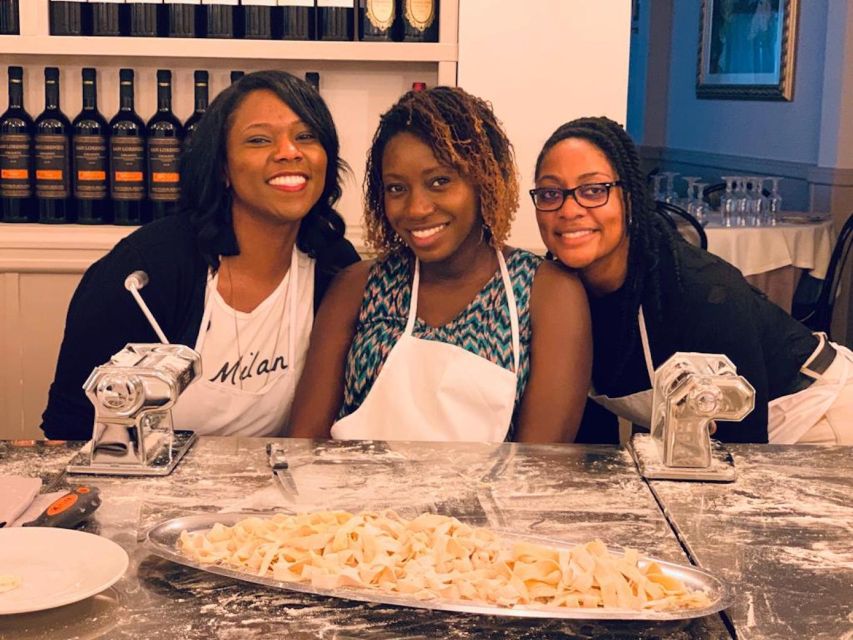
Drinks are part of the experience rather than an extra purchase. Fine Italian wine, limoncello, coffee, soft drinks, and water are included. Prosecco has also been served during a class, although the exact drink selection can vary.
This helps explain the low price. At $32 per person, you are getting instruction, ingredients, a meal, dessert, and several drinks. In central Rome, that is a strong deal even before you place a value on the time spent learning a recipe.
The meal comes after the cooking work. You sit down in the restaurant, or on an outdoor terrace when that option is available, and eat the food prepared during the class. That final pause is important. It turns the activity from a lesson into a full afternoon or evening out.
I like this rhythm: work first, eat later. You can compare your results with the rest of the group and enjoy the food without rushing back to a sightseeing schedule. Since the activity lasts about 2.5 to 3 hours, leave a generous block of time around it.
The wine and limoncello also make this a better fit for adults who want an easygoing social activity. If you do not drink alcohol, coffee, soft drinks, and water are included as alternatives. The focus remains on cooking and eating, not on drinking.
Teachers who keep the room moving
Good instruction is especially important in a group cooking class. The available feedback names Sid, Eleonor, Mathilde, Eddie, and Giacomo, with praise for clear explanations, patience, humor, and attention to the whole group.
Mathilde was described as making sure everyone took part. That detail is worth noting because beginners can easily hang back when a class moves quickly. An instructor who watches the whole table helps keep the experience from becoming a demonstration performed by the most confident person in the room.
Eleonor and Sid have also been praised for their energy, while Eddie and Giacomo were described as welcoming, informative, and funny. Staffing can change, so you should not book with the expectation that one particular person is guaranteed. Still, the pattern is clear: the teaching style aims to be warm and interactive rather than formal.
The class is conducted in English. That makes it a practical choice if you want instruction you can follow without translation. You will hear the chef explain ingredients and steps as you work, which is more useful than receiving a recipe card with no context.
One small warning: a class started later than expected for one participant. It worked out because there were no plans afterward, but you should avoid scheduling a timed attraction immediately after the cooking session. Rome is not the place to race from a restaurant kitchen to a museum entrance.
Other classes where you do the cooking in Rome:
- Rome: 3-in-1 Fettuccine, Ravioli, and Tiramisu Cooking Class
★ 4.9 · 2,704 reviews - Rome: Fettuccine Pasta Cooking Class in Rome’s City Center
★ 4.8 · 2,414 reviews - Rome: Traditional Pasta with Cocktails Cooking Class
★ 5.0 · 2,374 reviews - Learn to Make Pasta & Tiramisu with Wine and Limoncello Included
★ 5.0 · 2,345 reviews
What this class teaches, and what it does not
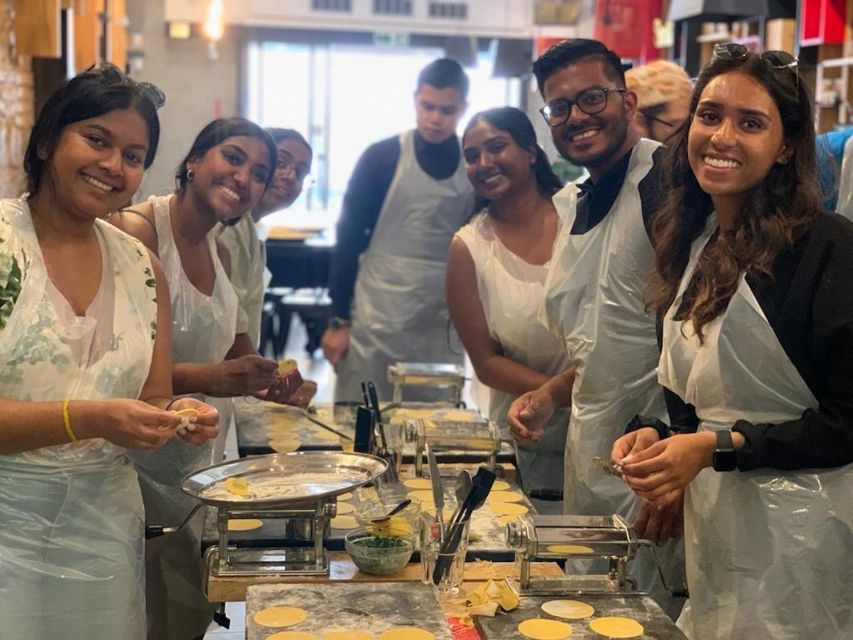
You will learn the basic preparation of fresh fettuccine and tiramisu. You will also receive recipes to take home, giving you a way to repeat the meal after your trip.
This is not presented as professional chef training. The class focuses on an enjoyable meal and practical home cooking. You should expect helpful instruction, not a detailed study of regional pasta history, knife skills, food science, or restaurant operations.
That is not a weakness for most visitors. A short class works best when it stays focused. You learn two recognizable Italian dishes, enjoy drinks, and sit down to eat before the session becomes tiring.
The class may be especially useful for first-time pasta makers. You can ask questions as you go, and the chef’s direct guidance helps remove the worry that fresh pasta is too difficult. More experienced home cooks may enjoy the social side and the chance to compare methods, but they should not expect advanced technique.
The recipe handout adds long-term value. You can recreate the dishes at home and remember the trip through a meal rather than a souvenir. If you enjoy cooking with family or friends, this also gives you an activity to repeat together.
Dietary needs and group comfort
Vegetarian, vegan, lactose-free, and other dietary options are available with advance notice. You should tell the activity provider about your needs when booking, rather than waiting until you arrive.
The dietary flexibility is useful, but it does not mean every menu is automatically adapted. The provider needs time to prepare suitable ingredients and explain any changes. Ask for confirmation if your diet is strict or medically necessary.
The group setting works well for couples, solo visitors, friends, and families with older children who enjoy hands-on activities. The class has a social feel, so you are likely to share a table and cooking space with people from different countries.
That social element can be a major part of the appeal. One participant especially liked meeting people from around the world, and that is exactly the sort of connection a cooking class can create. You have a natural conversation starter because everyone is working on the same dish.
It may not suit someone who wants a quiet, private meal or a private lesson. It also may not be ideal if you dislike group participation, music, jokes, or shared kitchen work. The format is lively and interactive by design.
Timing, location, and booking details
The activity lasts about 2.5 to 3 hours. Starting times vary, so check the available option for your date. The meeting point can also vary depending on which option you choose, so confirm the exact location before setting out.
The cooking takes place inside a Roman restaurant, with an outdoor terrace available in some circumstances. Since the setting is part of the experience, do not assume every booking uses the same room or terrace. Weather and the selected option may affect where you eat.
The provider allows free cancellation up to 24 hours before the activity for a full refund. You can also reserve and pay later, which helps if your Rome plans are still shifting. These policies are useful, but the usual practical rule still applies: read the exact booking conditions attached to your chosen time.
At $32, the experience is priced below many guided food activities in Rome. It includes a local chef, ingredients, the cooking lesson, food, wine, limoncello, and nonalcoholic drinks. Even if you treat the class simply as lunch or dinner, the package offers good value.
The strongest value comes from the combination of meal and skill. A restaurant meal disappears when the plates are cleared. Here, you also take home recipes and the confidence to try the dishes again.
Who should book this Roman cooking class?
I would recommend it to you if you want a relaxed break from museums and churches, especially on a first visit to Rome. It gives you a taste of Roman food culture without requiring a full-day commitment.
It is also a good choice for couples looking for a shared activity, solo visitors who enjoy meeting people, and groups of friends who want more than another restaurant meal. The cheerful teaching style helps keep the class moving, and the included drinks make the price easy to justify.
Families should consider the age, attention span, and comfort level of their children before booking. The activity involves sitting, listening, handling ingredients, and waiting for the meal. It is most suitable for children who enjoy following instructions and taking part in food preparation.
Food enthusiasts should book with realistic expectations. You will make pasta and tiramisu, but the class may not cover every pasta shape, sauce, or advanced technique. If you want a focused introduction to handmade pasta with a dessert and meal included, it is a strong fit.
Should you book it?
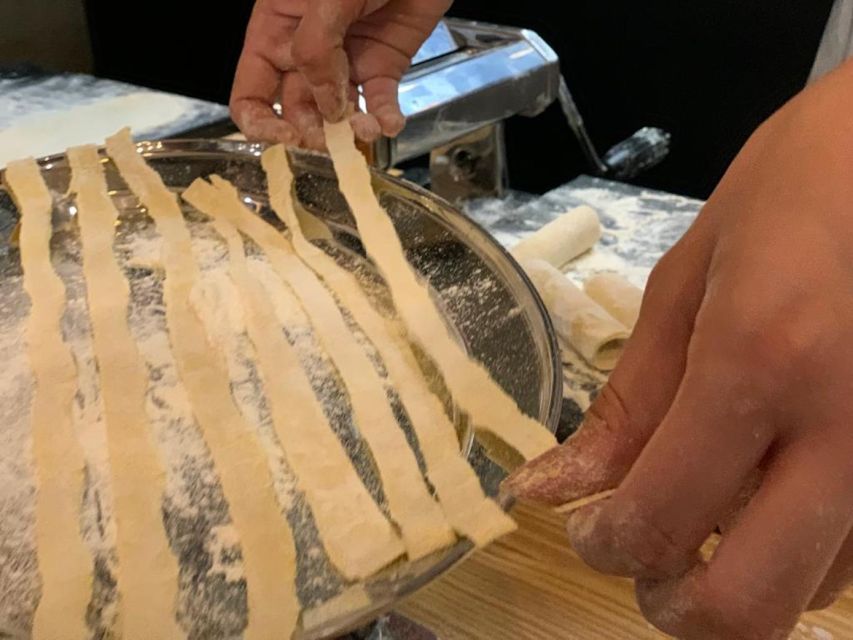
Book this class if you want to cook rather than only watch, eat a meal you helped prepare, and spend a social few hours with an English-speaking chef. The combination of fettuccine, tiramisu, wine, limoncello, recipes, and a restaurant meal is hard to fault at $32.
Think twice if you need a private class, a guaranteed start time, or a highly technical lesson on sauces and pasta varieties. For most visitors, though, this is an affordable and enjoyable way to make room in a busy Rome itinerary for food, conversation, and a little flour on your hands.
FAQ
How long does the Roman cooking class last?
The class lasts approximately 2.5 to 3 hours. Starting times vary, so check availability for your chosen date.
What food will I make?
You will make fresh fettuccine pasta from scratch and prepare tiramisu, a layered coffee-flavored dessert finished with cocoa.
Are drinks included?
Yes. Fine Italian wine and limoncello are included, along with coffee, soft drinks, and water.
Is the class taught in English?
Yes. The instructor and activity information are provided in English.
Can dietary needs be accommodated?
Vegetarian, vegan, lactose-free, and other dietary options are available. Tell the activity provider about your needs when booking.
Can I cancel for a refund?
You can cancel up to 24 hours in advance for a full refund. Reserve-now, pay-later booking is also available.
More classes and workshops in Rome
- Become a Masterchef in Rome: Pasta, Ravioli and Tiramisù Class
★ 5.0 · 2,156 reviews - Rome: Fettuccine and Tiramisu Cooking Class with Wine
★ 4.8 · 2,013 reviews - Pasta Cooking Class Near the Colosseum with 3 Spritz Cocktails
★ 5.0 · 1,686 reviews - Rome: Pasta & Tiramisu Cooking Class near the Spanish Steps
★ 4.8 · 1,395 reviews
Just added in Rome
- Civitavecchia Private Transfer: From the Port to Rome Airport★ 5.0 · 309 reviews
- Civitavecchia Shore Excursion: Best of Rome Private Tour★ 5.0 · 247 reviews
- Civitavecchia Private Transfer from ship to FCO airport or Rome★ 5.0 · 245 reviews
- Food Tasty and History Tour in Civitavecchia★ 5.0 · 256 reviews
- Palatine Hill and Roman Forum Tour with Fast-Track Entrance★ 4.2 · 417 reviews
- Tivoli: Villa D’Este & Villa Adriana Pass & App Audioguide★ 4.4 · 364 reviews
- Tivoli: Villa D’Este Entry Ticket and App Audio Guide★ 4.3 · 191 reviews
- Vatican Museums & Sistine Chapel Skip-the-Line Guided Tour★ 4.6 · 254 reviews
Cooking Classes, compared.
3 in 1 Cooking Class near Navona: Fettuccine, Ravioli & Tiramisu
Read our review →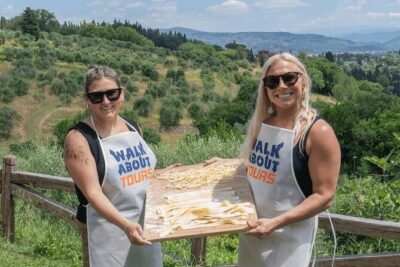
Florence Pizza or Pasta Class with Gelato Making at a Tuscan Farm
Read our review →
Pasta & Tiramisu Class with Fine Wine by the Vatican
Read our review →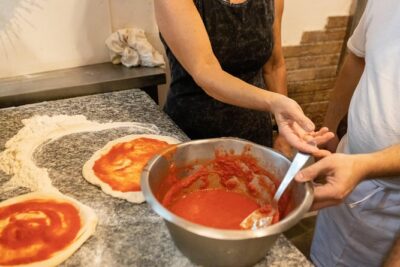
Authentic Pizza Making Class in Naples with Appetizers and Drink
Read our review →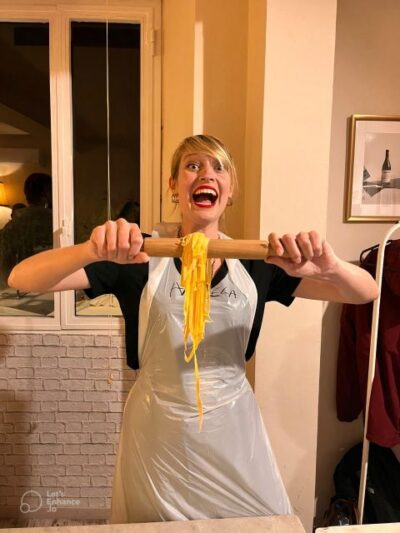
Pasta Making Class with Wine, Limoncello, and Dessert
Read our review →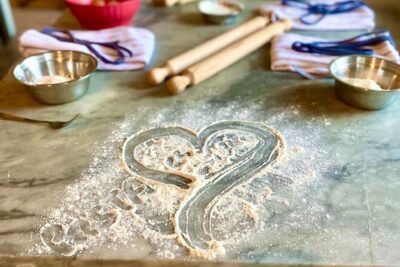
3-in-1 Fettuccine, Ravioli, and Tiramisu Cooking Class
Read our review →Browse the lists this tour appears in