
Reviewed · COOKING CLASSES
Rome: Pasta Cooking Class with Market Visit and Wine
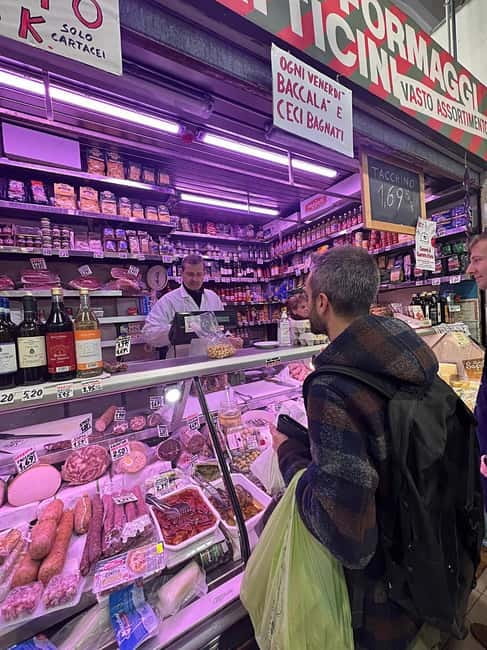
The best part of this Rome cooking class happens before you reach the kitchen. Chef Marco leads you to Nomentano Market, where you see the vegetables, cheese, meat, and other ingredients that shape the meal. Back at the Kitchen of Mamma, you work with your own station and learn several pasta styles, not just the usual carbonara.
I like the mix of market walk and hands-on cooking, and I like that the meal includes wine, coffee, limoncello, recipes, and a participation certificate. The main consideration is time: the advertised duration is six hours, although one group finished in about four, so keep your schedule flexible.
Key points at a glance
- Nomentano Market visit: Walk with Marco to a local market and learn how fresh ingredients are chosen for the meal.
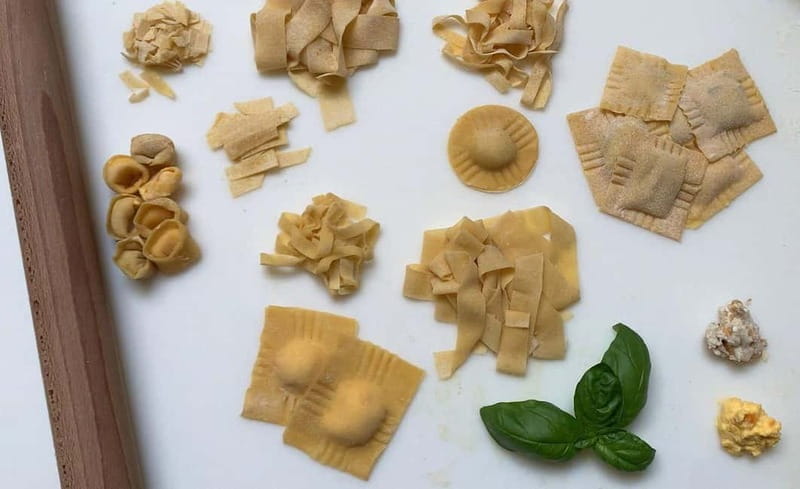
- Several pasta styles: Make dough, cut different pasta shapes, and help form ravioli and tortellini.
- Personal workstations: You work at your own place around the kitchen table, with Marco checking technique and offering help.
- A full Italian meal: Eat the pasta you make with sauces, Italian wine, coffee, and limoncello.
- Friendly instruction: Marco teaches in English or Italian and uses humor, clear explanations, and plenty of hands-on guidance.
- Useful take-home extras: You receive recipes and a participation certificate, so the class can continue in your own kitchen.
From Via Palestro to Nomentano Market
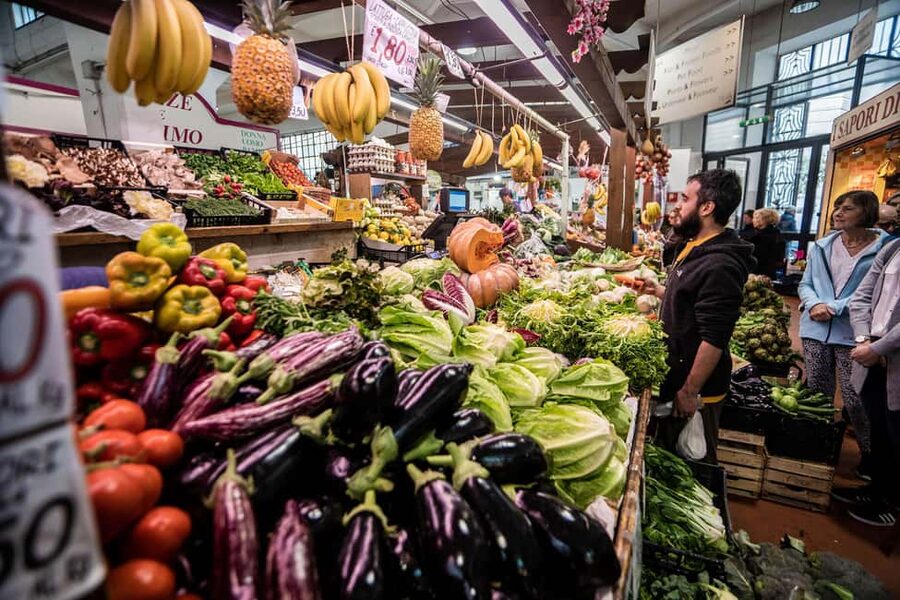
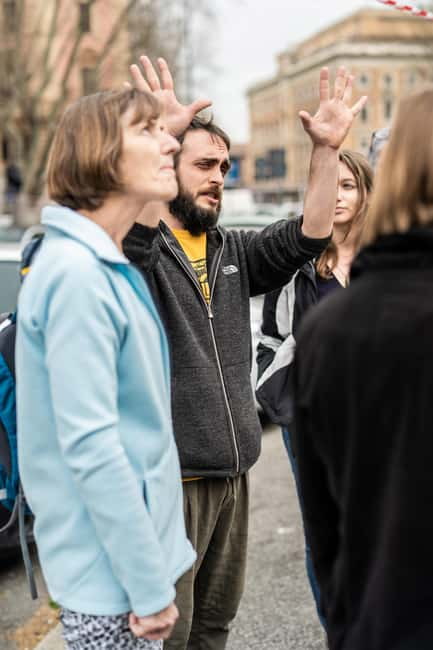
The experience begins at Via Palestro 51, near Rome’s central Termini area. Arrive at least 10 minutes early. From there, Marco leads the group on foot to Nomentano Market. The walk takes about five to ten minutes, depending on the exact route and pace.
This short stroll gives the class a welcome local feel. You are not simply dropped into a cooking studio with premeasured ingredients. You see where some of the food comes from and learn why particular vegetables, cheeses, and other products fit the recipes.
Marco also uses the walk to share stories about Rome and Italy. That detail matters because it connects the cooking to daily life. You get a small look at how a neighborhood market works, rather than treating Italian food as a set of restaurant dishes detached from their ingredients.
The market stop will appeal most to people who like food shopping as much as food eating. It is not a major sightseeing market tour, and you should not expect a long guided visit through every stall. The value is in seeing seasonal produce and watching Marco select ingredients for the class.
More Cooking Classes in Rome
- 3 in 1 Cooking Class near Navona: Fettuccine, Ravioli & Tiramisu
★ 5.0 · 7,376 reviews - Rome: Pasta & Tiramisu Class with Fine Wine by the Vatican
★ 4.9 · 4,852 reviews - Rome: Pasta Making Class with Wine, Limoncello, and Dessert
★ 4.9 · 3,177 reviews
Shopping for ingredients at Nomentano Market
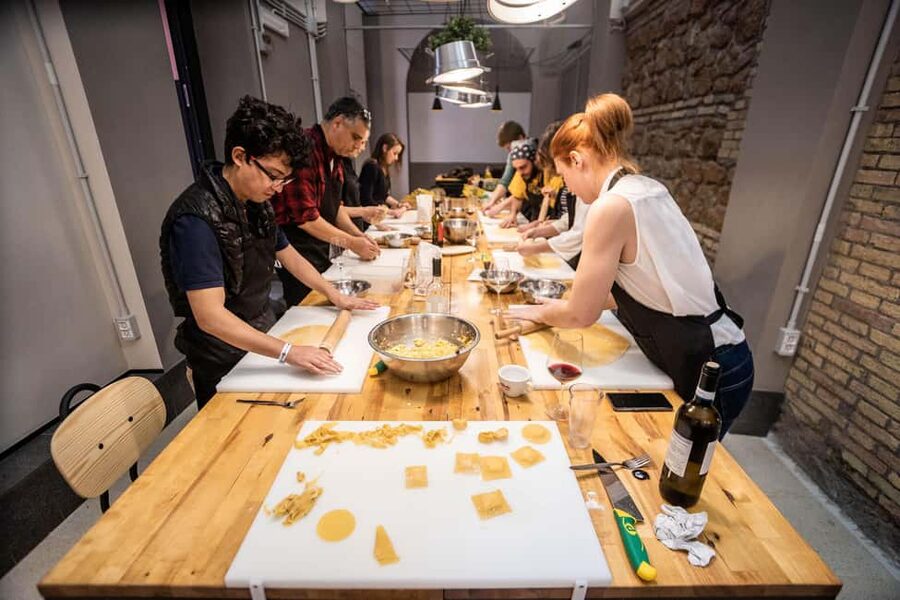
At the market, Marco introduces the group to local vendors and explains the qualities he looks for. The food used in the class may include vegetables, ricotta, pumpkin, sage, mushrooms, meat, and other fresh ingredients, depending on the day and the planned dishes.
One especially useful lesson is learning how ingredients work together. Pumpkin and ricotta can become a filling, sage can add a sharp herbal note, and mushrooms can bring a deeper flavor. You are not just collecting groceries. You are getting a quick lesson in how an Italian cook builds a meal.
The market also gives you a chance to ask questions before the practical work begins. If you are interested in regional food, this is one of the strongest parts of the class. Rome has plenty of famous dishes, but a market visit shows you the everyday ingredients behind them.
The drawback is that the shopping portion is relatively short. If you want a full food market tour with extensive vendor tastings, this class may feel focused on the cooking rather than the market. For most people, that is the sensible balance. The market supports the lesson instead of taking over the day.
Back at the Kitchen of Mamma
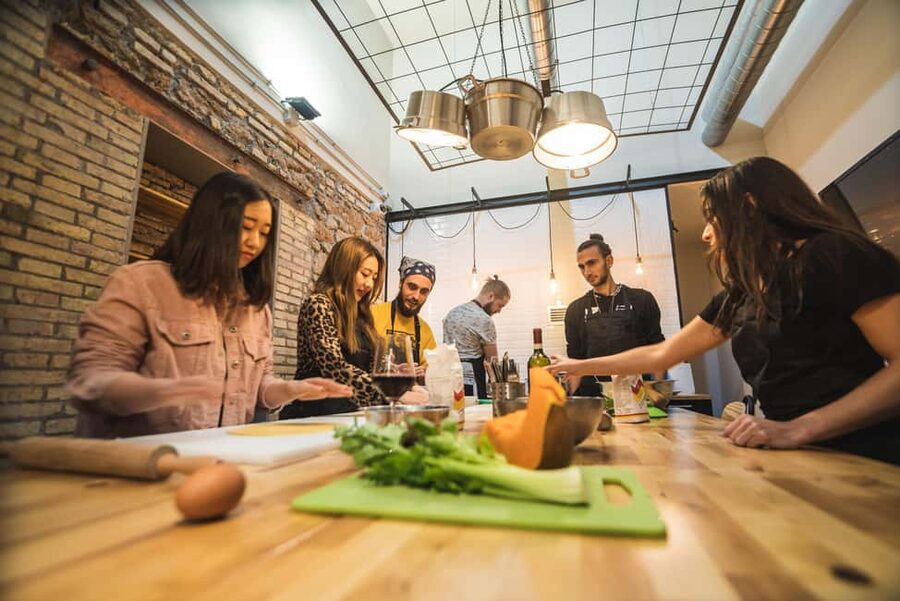
After the market, the group returns to the Kitchen of Mamma. The setting is arranged for practical work, with individual stations around a long table. Having your own workspace is important. You can mix, roll, cut, and shape the dough yourself instead of simply watching Marco demonstrate from a distance.
No previous cooking skill is required. Marco explains the process in clear steps and walks around the room to check each person’s dough. That hands-on attention helps if your mixture feels too wet, too dry, or uneven.
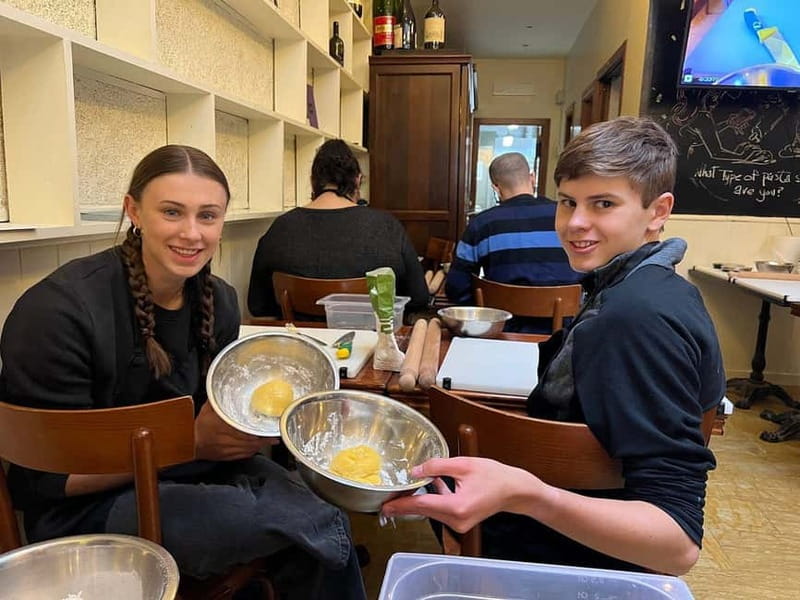
The core lesson begins with pasta dough. You learn how to combine the ingredients, work the dough, and prepare it for shaping. The class then moves beyond one basic noodle. You may cut several sizes of pasta and form filled varieties such as ravioli and tortellini.
One class included seven different pasta sizes, along with ravioli and tortellini. The exact selection can vary, but the point is clear: this is not a narrow lesson in making one type of spaghetti. You get a broader introduction to fresh pasta and the different ways it can be shaped.
Learning ravioli, tortellini, and sauces
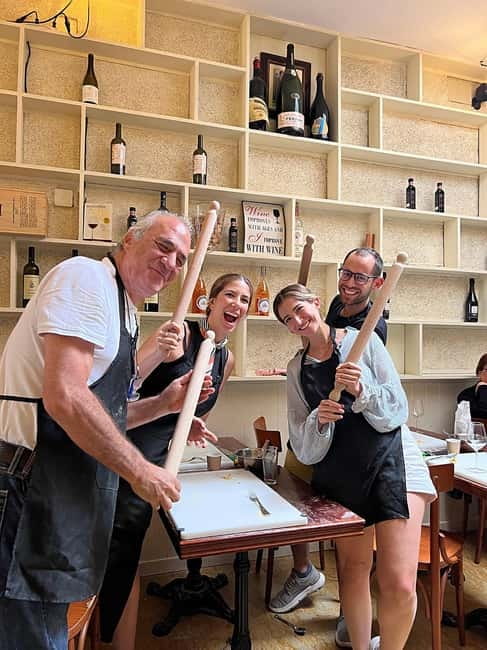
Filled pasta is often the most rewarding part of a class because small changes in folding and sealing can affect the final dish. Marco prepares fillings such as pumpkin and ricotta, then shows you how to place the filling, close the pasta, and shape it properly.
You may also work with tortellini and other forms. The work is repetitive in a good way. After the first few pieces, your hands begin to understand the movement, and you can focus on getting the edges neat and keeping the filling inside.
The sauces are prepared alongside the pasta. You might learn about a meat sauce, vegetable-based combinations, or sauces using ingredients selected at the market. The class has included bolognese, sauces for ravioli, and other preparations rather than serving every pasta with the same topping.
At times, Marco may handle some of the cooking himself while the group concentrates on the pasta. That is worth knowing if you expect to prepare every ingredient from start to finish. You still get the central hands-on pasta lesson, but this is a guided class, not a private chef apprenticeship.
Other classes where you do the cooking in Rome:
- Rome: 3-in-1 Fettuccine, Ravioli, and Tiramisu Cooking Class
★ 4.9 · 2,704 reviews - Rome: Fettuccine Pasta Cooking Class in Rome’s City Center
★ 4.8 · 2,414 reviews - Rome: Traditional Pasta with Cocktails Cooking Class
★ 5.0 · 2,374 reviews - Learn to Make Pasta & Tiramisu with Wine and Limoncello Included
★ 5.0 · 2,345 reviews
Why Marco makes a difference
The instructor is a major part of the experience. Marco is described as funny, patient, energetic, and attentive, but those words have practical meaning here. He keeps the room relaxed, helps people who are struggling with dough, and explains techniques without assuming prior skill.
His humor also helps when the pasta does not look perfect. Cooking classes work best when you can make a mistake without feeling you have spoiled the meal. Marco’s style appears suited to families, couples, solo participants, and mixed groups who may arrive with different levels of confidence.
He also connects the cooking to Italian culture and personal stories. During the walk, he discusses Rome and Italy. In the kitchen, he explains why ingredients and methods work together. This makes the class feel less like a mechanical recipe lesson.
Instruction is available in English and Italian. If you need precise technical help, stay close to the demonstration and ask questions as Marco comes around the table. The class is social, so you should expect conversation with the other people at your table rather than a quiet one-to-one lesson.
Lunch with wine, coffee, and limoncello
Once the pasta is ready, Marco cooks it and serves the dishes for lunch. This is where the earlier work pays off. Fresh pasta has a different texture from dried pasta, and filled shapes give you a chance to taste how the dough, filling, and sauce work together.
A glass of Italian wine is included. Some sessions have included both red and white wine, with generous pours. The wine is part of the social rhythm of the afternoon, but you can simply take it slowly and focus on the meal.
The class finishes with coffee and limoncello. These small details make the experience feel like a complete Italian lunch rather than a quick workshop followed by a rushed exit. You also have time to talk with Marco and the other participants while eating.
The meal may include substantial portions, but the exact dishes depend on the ingredients and recipes chosen that day. If you avoid pork or red meat, tell Marco at the start. He has asked about dietary restrictions and made adjustments for participants who did not eat those foods.
The stated information specifically warns that the activity is not suitable for people with gluten intolerance. Pasta is the focus of the class, so this is not an experience to book if you need a gluten-free meal. If you are pregnant or avoiding alcohol, explain your needs before the wine service. One participant received thoughtful help with safe drinks during the class, but you should raise your own requirements clearly.
How much value do you get for $141.61?
At $141.61 per person, this is not the cheapest meal in Rome. It is also more than a short pasta demonstration. You are paying for about six hours of activity, a market visit, instruction, several pasta preparations, lunch, wine, coffee, limoncello, recipes, and a certificate.
I see the strongest value in the amount of food work covered. Many cooking classes center on one dish, often carbonara or a single pasta shape. Here, you may make several cuts of pasta, ravioli, tortellini, fillings, and sauces. If you want skills you can repeat at home, that wider lesson helps justify the price.
The personal guidance adds value as well. A large demonstration can leave you unsure if your dough is right. With an individual station and Marco moving around the room, you have a better chance of leaving with techniques you can use again.
Still, the price may feel high if you mainly want lunch or if you dislike group activities. It is also a long block of time, and the actual session may finish earlier than the listed six hours. That can be useful if you want the rest of the day free, but do not plan another fixed activity too tightly around it.
Who should book this pasta class?
I would choose this for you if food is one of the main reasons you came to Rome. It suits first-time pasta makers because no skills are required, but experienced home cooks should also find enough variety in the filled pasta and different shapes.
Families can enjoy the shared work, especially if children are comfortable spending several hours around a cooking table. Couples and friends get a relaxed meal with a built-in activity. Solo participants can also fit in well because the format encourages conversation with the group.
This is a good choice if you want a taste of local life without leaving central Rome for a full-day countryside trip. The short walk to Nomentano Market keeps the outing simple, while the cooking gives you something more active than a restaurant meal.
I would think twice if you have a strict gluten-free diet, need a fully private lesson, or want a highly formal culinary course. The tone is social and informal. You will learn a lot, but the class is designed around enjoyment, food, and shared time as much as technical precision.
Practical details for a smoother day
The meeting point is Via Palestro 51, 00185 Rome. Arrive at least 10 minutes before the start time, since the group walks to the market and late arrivals could miss the opening section.
The activity is listed as six hours, but plan with some flexibility. A session can take closer to four hours, based on the pace of the group and the work completed. Check the available starting times when booking and avoid placing a timed attraction immediately afterward.
English and Italian instruction are offered. Mention dietary restrictions before cooking begins, and remember that gluten intolerance is listed as a reason not to take this class.
You can cancel up to 24 hours before the activity for a full refund. The reserve-now, pay-later option lets you hold a place without paying at once, which is useful while your Rome schedule is still changing.
Should you book it?
Book this class if you want more than a plate of pasta. The market walk, individual workstations, several pasta shapes, filled pasta, wine, and relaxed lunch create a full food experience with useful skills at the center.
The biggest reason to choose it is Marco’s teaching style. He brings humor, patience, and direct help to the table, which matters when you are learning dough and shaping pasta for the first time. Skip it if gluten is a problem, if you want a short activity, or if a private and highly structured lesson is more your style.
For most food-minded visitors, this is a strong use of half a day in Rome. You leave with recipes, a certificate, and a better idea of how fresh pasta moves from market ingredients to the table.
FAQ
Where does the Rome pasta class begin?
The activity begins at Via Palestro 51, 00185 Rome. You should arrive at least 10 minutes before the scheduled start time.
How long does the cooking class last?
The advertised duration is six hours. The actual session may finish sooner, with one reported experience lasting about four hours, so keep your schedule flexible.
What languages are available?
Instruction is available in English and Italian.
Is the market visit included?
Yes. The experience includes a walking visit to a local market called Nomentano Market, where you see fresh and seasonal ingredients before returning to the kitchen.
Is previous cooking experience required?
No. The class is designed for beginners, and the instructor explains the dough, pasta shapes, fillings, and sauces step by step.
Is the class suitable for someone with gluten intolerance?
No. The activity is specifically listed as unsuitable for people with gluten intolerance because handmade pasta is the focus.
More markets in Rome
- Rome: Colosseum, Roman Forum & Trajan’s Market Exterior Tour
★ 4.3 · 2,038 reviews - Rome: Food Tour with Market Visit
★ 4.9 · 200 reviews - Cooking Class and Lunch at a Tuscan Farmhouse with Local Market Tour from Florence
★ 5.0 · 4,831 reviews - Small Group Cooking Class & Market Food Tour in Florence
★ 5.0 · 1,574 reviews
More pasta to make and eat in Rome
- Become a Masterchef in Rome: Pasta, Ravioli and Tiramisù Class
★ 5.0 · 2,156 reviews - Pasta Cooking Class Near the Colosseum with 3 Spritz Cocktails
★ 5.0 · 1,686 reviews - Enjoy Spritz and Pasta Making in Piazza Navona
★ 5.0 · 1,681 reviews - Rome: Pasta & Tiramisu Cooking Class near the Spanish Steps
★ 4.8 · 1,395 reviews
Just added in Rome
- Civitavecchia Private Transfer: From the Port to Rome Airport★ 5.0 · 309 reviews
- Civitavecchia Shore Excursion: Best of Rome Private Tour★ 5.0 · 247 reviews
- Civitavecchia Private Transfer from ship to FCO airport or Rome★ 5.0 · 245 reviews
- Food Tasty and History Tour in Civitavecchia★ 5.0 · 256 reviews
- Palatine Hill and Roman Forum Tour with Fast-Track Entrance★ 4.2 · 417 reviews
- Tivoli: Villa D’Este & Villa Adriana Pass & App Audioguide★ 4.4 · 364 reviews
- Tivoli: Villa D’Este Entry Ticket and App Audio Guide★ 4.3 · 191 reviews
- Vatican Museums & Sistine Chapel Skip-the-Line Guided Tour★ 4.6 · 254 reviews
Cooking Classes, compared.
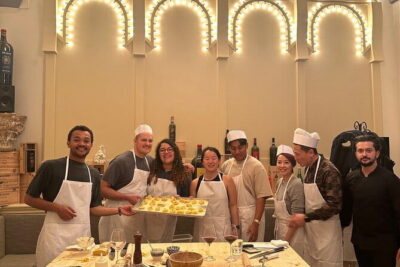
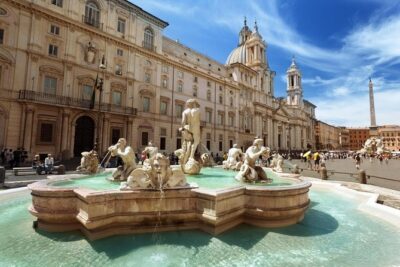
3 in 1 Cooking Class near Navona: Fettuccine, Ravioli & Tiramisu
Read our review →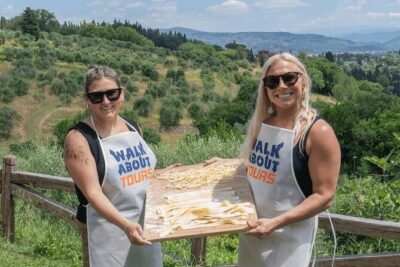
Florence Pizza or Pasta Class with Gelato Making at a Tuscan Farm
Read our review →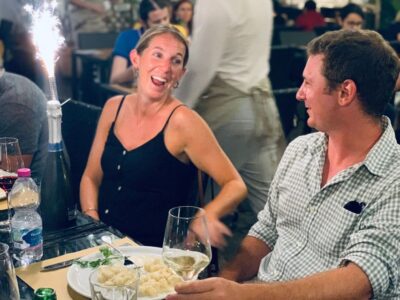
Pasta & Tiramisu Class with Fine Wine by the Vatican
Read our review →
Authentic Pizza Making Class in Naples with Appetizers and Drink
Read our review →
Pasta Making Class with Wine, Limoncello, and Dessert
Read our review →
3-in-1 Fettuccine, Ravioli, and Tiramisu Cooking Class
Read our review →Browse the lists this tour appears in