Reviewed · PASTA
Become a Masterchef in Rome: Pasta, Ravioli and Tiramisù Class
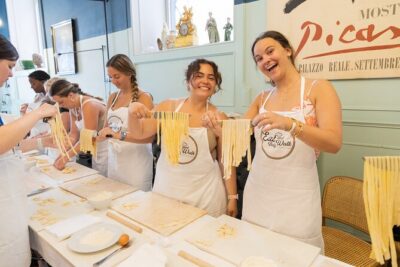
Rome’s best souvenir may be one you can cook at home. At this hands-on class, you make fresh fettuccine, filled ravioli, and tiramisù, then sit down to eat what you prepared. Your own wooden board, apron, and rolling pin make the lesson feel practical, not like a cooking show.
I like the relaxed social setup and the chance to work with several Roman staples in one sitting. I also like the clear help from chefs such as Carlo, Mersad, Manuela, and Vincenzo, who are repeatedly praised for patience, humor, and easy-to-follow instruction. The possible drawback is that pasta making takes effort, and the class can feel busy when everyone is shaping dough at once.
Key points to know before booking
- Three Roman favorites in one class: Make fettuccine, filled ravioli, and tiramisù from scratch.
- A personal work station: You receive an apron, wooden board, rolling pin, utensils, and ingredients.
- A social meal afterward: Eat your pasta at the restaurant with bruschetta, water, and one wine, beer, or soft drink.
- Small group, maximum 14 people: You get more direct help than in a large demonstration class.
- English instruction: Chefs guide the class throughout, with past sessions led by Carlo, Mersad, Manuela, Vincenzo, Matteo, Marina, and Manu.
- Dietary needs can be handled: Vegan, vegetarian, gluten-free, and dairy-free choices are available if arranged ahead of time.
What happens during the three-hour Rome class
The class begins at Via Andrea Doria 41 M, in Rome’s 00192 postal area. It is near public transportation, which matters because you will want an easy route to the meeting point before a session involving flour, dough, and several courses.
Plan on about three hours in all. Roughly two hours are devoted to cooking, followed by time to sit down and eat. The pace is active, but beginners are welcome. You do not need pasta-making experience, and you will not be expected to arrive with special equipment.
Your station includes a wooden board, apron, rolling pin, and cooking tools. Having your own setup is useful because you can work at your own speed and keep your hands busy instead of watching one shared demonstration from the back of the room.
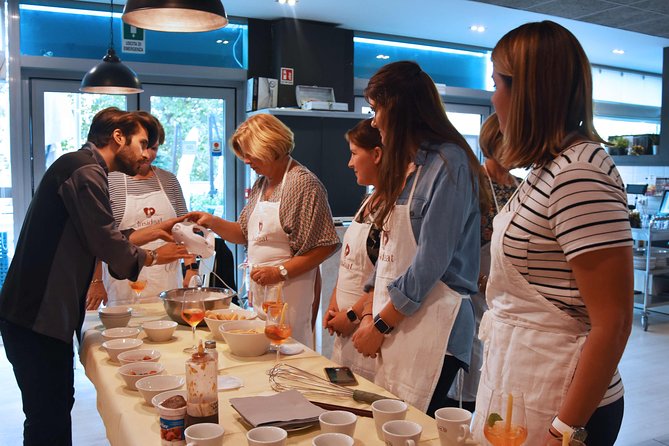
The opening is friendly and informal. You receive a welcome Spritz and handmade cheese and pepper chips, followed by a short introduction to the class. This gives you a drink and a snack while the chef explains the plan.
The class is held in an air-conditioned restaurant. That is a small but worthwhile detail in Rome, especially during hot weather. Rolling pasta and handling flour for two hours can become uncomfortable in a warm room, so the cool setting makes the practical work easier.
Other pasta to make in Rome:
- Rome: Pasta & Tiramisu Class with Fine Wine by the Vatican
★ 4.9 · 4,852 reviews - Rome: Pasta Making Class with Wine, Limoncello, and Dessert
★ 4.9 · 3,177 reviews - Rome: Fettuccine Pasta Cooking Class in Rome’s City Center
★ 4.8 · 2,414 reviews
Fresh fettuccine and the logic of Roman sauces
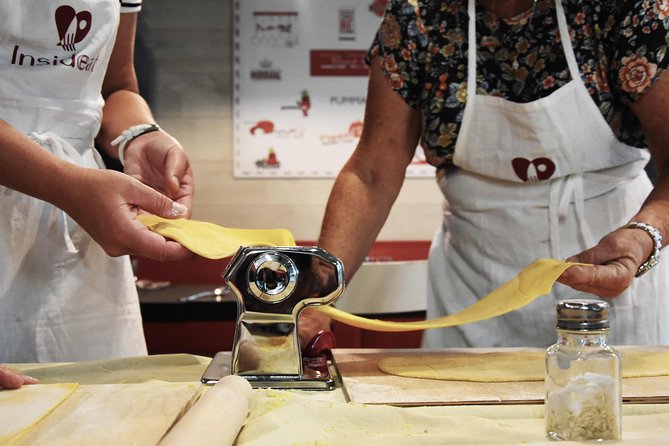
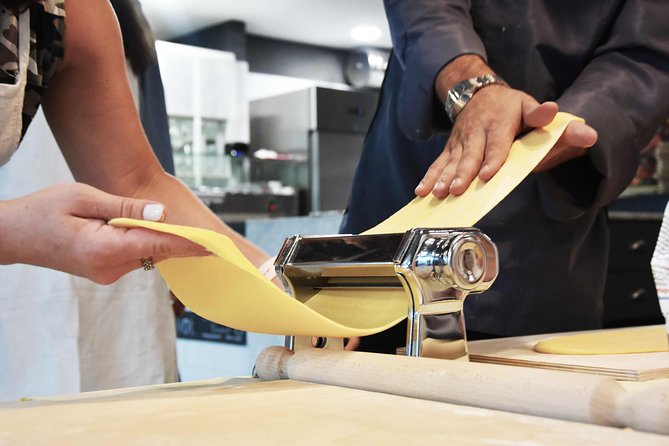
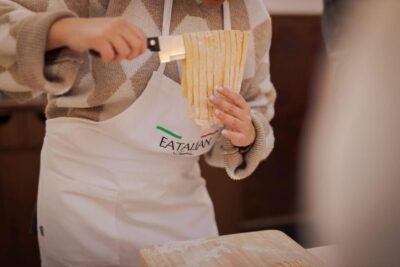
The first major task is fresh pasta. You work with the dough, roll it by hand, and prepare fettuccine. This is the part where you learn that good pasta is not just a matter of mixing flour and water and hoping for the best.
The process rewards attention. The dough has to be worked promptly, and one participant specifically noted that flour needs to be used quickly. You will get the best result by listening closely to the chef’s instructions rather than treating the dough like a craft project.
Your finished fettuccine is paired with Roman sauces. Cacio e pepe and carbonara are named choices, along with other options. These sauces are valuable teaching tools because they show two sides of Roman cooking: simple ingredients handled with care, and bold flavor built from cheese, pepper, egg, and other basic elements.
Cacio e pepe is especially useful for understanding restraint. It depends on the right balance of cheese, pepper, and pasta water. Carbonara also rewards technique, since the sauce must be creamy without becoming scrambled egg. The class does not turn you into a restaurant chef in one afternoon, but it gives you a better sense of why these dishes work.
Hand-shaped ravioli with help from the chef
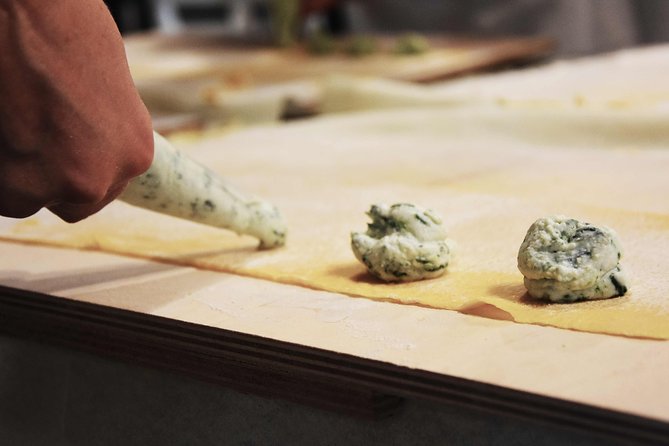
Next comes ravioli. You prepare the filling and shape the pasta by hand, learning how to place the filling, seal the edges, and avoid trapping too much air. This part usually asks for more care than fettuccine because the ravioli must hold together during cooking.
The chef finishes the ravioli with sauce, which helps keep the meal moving and gives you a chance to focus on the shaping. That division of work is sensible. You get the hands-on lesson without waiting too long for every piece of pasta to be cooked and plated.
Do not expect every raviolo to look identical. That is part of the point. You are learning a home-style skill, not producing factory-perfect pasta. The class works well for couples, families, solo participants, and people who simply want an activity that feels more useful than another restaurant meal.
Several instructors are praised for making nervous beginners feel comfortable. Carlo is described as energetic, patient, and good at mixing instruction with jokes. Mersad is also repeatedly singled out for keeping the room relaxed and bringing people together. Instructors can vary, so you should not book on the assumption that a particular chef will lead your session, but these names give you a sense of the teaching style.
Tiramisù you can adapt at home
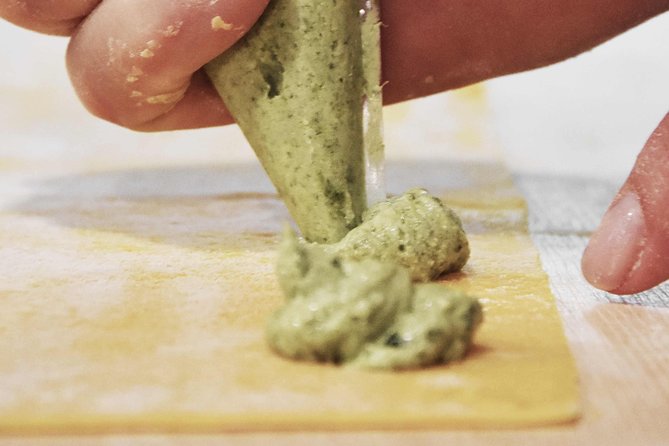
The dessert portion is more than a quick finish. You make your own tiramisù and customize it with different toppings. This adds a playful note to the class and gives you a recipe that is easier to repeat at home than some elaborate pastry.
Tiramisù is also a good choice for a mixed group. It does not require the same rolling and sealing skills as pasta, so people who are less confident with dough still have a chance to create something personal.
One practical tip: pay attention to the recipe instructions and save them. The class provides an exclusive cookbook filled with recipes, and the recipes are also available through a QR code. You will not remember every step, especially after an afternoon of pasta, conversation, and wine.
Dietary restrictions should be given in advance. Vegetarian and pescatarian diners are accommodated, and vegan, gluten-free, and dairy-free options are available. That advance notice is important because pasta and tiramisù normally rely on wheat, eggs, and dairy. Do not wait until you arrive and assume the kitchen can change every dish on the spot.
Other things to learn to make in Rome:
- 3 in 1 Cooking Class near Navona: Fettuccine, Ravioli & Tiramisu
★ 5.0 · 7,376 reviews - Rome: 3-in-1 Fettuccine, Ravioli, and Tiramisu Cooking Class
★ 4.9 · 2,704 reviews - Rome: Traditional Pasta with Cocktails Cooking Class
★ 5.0 · 2,374 reviews - Rome: Fettuccine and Tiramisu Cooking Class with Wine
★ 4.8 · 2,013 reviews
From cooking lesson to Roman meal
After the hands-on work, you move into the meal portion. The included menu begins with the welcome aperitif, cheese and pepper chips, and tomato bruschetta with garlic, oregano, basil, and tomato.
You then eat the fresh fettuccine and the ravioli you helped prepare, followed by your tiramisù. One meal drink is included: wine, beer, or a soft drink, along with water. A second drink is also listed with the post-class meal, so confirm the current serving arrangement when you arrive if that detail matters to you.
The restaurant has a cozy indoor area and an outdoor terrace. The terrace can make the meal feel more like a proper Roman evening, while the air-conditioned interior is the better choice on a hot day. The social table encourages conversation with other people in the class, which is useful if you are traveling alone or want a break from eating every meal with only your own group.
The food is partly prepared by you and partly finished by the kitchen. That is worth understanding before booking. This is not a class where you personally complete every cooking step from start to finish. The kitchen helps handle the final cooking and sauces so the meal arrives in good shape and the whole group can eat together.
Why the small group matters
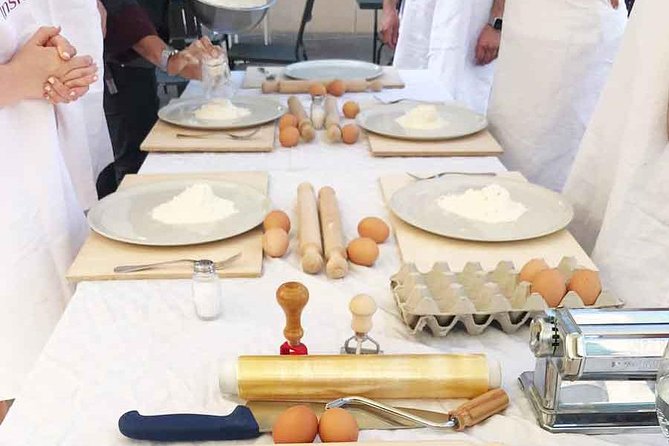
The class allows a maximum of 14 people. That is small enough for the chef to walk around, correct a technique, and help with dough that is too dry or too sticky. It is still large enough to feel social rather than private.
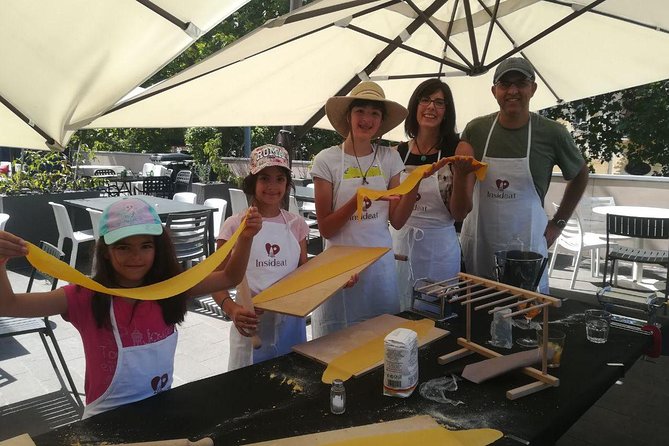
That size also explains why the experience suits first-time cooks. You can ask for help without having to stop the entire room. Parents bringing children should note that children must be accompanied by an adult. Families have used the class with children, including youngsters aged nine and twelve, and the format includes tasks that can be made approachable for younger cooks.
Solo visitors also fit comfortably here. The shared table gives you an easy way to meet other people, and the cooking itself gives everyone something to talk about. You will not be left sitting alone through a long demonstration.
The tradeoff is that 14 people is not the same as a private lesson. You may need to wait briefly while the chef helps someone else, particularly during ravioli shaping or the first pasta preparation. If you want quiet, one-on-one instruction, a private class would be a better match, but that is not what this affordable format offers.
Price, timing, and overall value
At $47.16 per person, the price covers the cooking lesson, all ingredients, equipment, apron, recipes, meal, water, and a drink. It is a solid value if you would otherwise pay for a full dinner and want an activity included.
The strongest value comes from the combination of food and instruction. You are not paying only to watch someone cook. You spend about two hours making the meal, then eat it in the same restaurant. The welcome Spritz, chips, bruschetta, and social table add to the sense that this is an evening out, not simply a class fee followed by an extra restaurant bill.
The value is less clear if your main goal is advanced culinary training. The class is designed for a broad audience, including beginners, families, and solo visitors. You will learn useful methods, but you should not expect professional certification or a long technical lecture on Italian food science.
The activity is commonly booked well ahead, on average about 37 days in advance. That suggests you should reserve early for a particular date, especially if you need a dietary adjustment or are planning around a tight Rome schedule.
You receive confirmation at booking, and free cancellation is available up to 24 hours before the start time. Changes or cancellations inside that window are not refundable. The activity also requires a minimum number of participants, so a cancellation by the provider can lead to another date, another experience, or a full refund.
Who should book this cooking class?
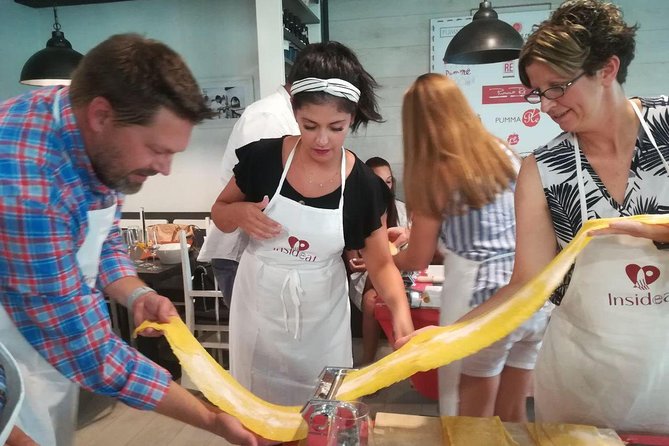
I would choose this class for you if you want a meal with a story attached to it. You will remember the flour on the board, the uneven ravioli, the first successful strand of pasta, and the moment you sit down to eat it.
It is especially good for:
- Couples looking for a shared Rome activity
- Families with children accompanied by an adult
- Solo visitors who enjoy meeting people at a shared table
- Beginners who want patient, practical instruction
- Repeat visitors who want a break from museums and churches
- Anyone traveling during rainy weather or a hot afternoon
It may not suit you if you dislike group activities, need a strictly private lesson, or want a highly technical course. It also requires some hands-on work, so this is not the right pick if you prefer a passive food tasting.
Should you book it?
Yes, if you want to cook a classic Roman meal, eat it afterward, and bring usable recipes home. The strongest parts are the personal work stations, the three-part menu, the small group, and the chefs’ easygoing teaching style.
Book with realistic expectations. The class is social and beginner-friendly, not an elite culinary workshop. You will share the room with up to 13 other people, and the kitchen will help finish parts of the meal. For most visitors, that is a fair trade for the price, the food, the instruction, and the chance to spend an afternoon or evening doing something distinctly Roman.
FAQ
Where does the cooking class meet?
The class begins at Via Andrea Doria, 41 M, 00192 Roma RM, Italy. The activity ends back at the same meeting point.
How long does the experience last?
The class lasts approximately three hours. About two hours are set aside for hands-on cooking, followed by the meal.
What dishes will I make?
You will prepare fresh fettuccine, filled ravioli, and tiramisù. The pasta is served with Roman sauces such as cacio e pepe and carbonara.
Is the class taught in English?
Yes. An English-speaking chef guides the class throughout.
What equipment is provided?
You receive an apron, cooking utensils, a wooden board, and a rolling pin at your personal station. Ingredients are included.
Is food and drink included?
Yes. The menu includes a welcome aperitif, cheese and pepper chips, bruschetta, the pasta you prepare, tiramisù, water, and one wine, beer, or soft drink. A second drink is also listed with the meal.
Can beginners join?
Yes. The class is suitable for beginners and experienced cooks. The chef provides instruction and practical help during the preparation.
Can children attend?
Yes, but children must be accompanied by an adult.
Can dietary restrictions be accommodated?
Vegetarian, pescatarian, vegan, gluten-free, and dairy-free options are available. You should provide dietary information before the class.
What is the cancellation policy?
You can cancel up to 24 hours before the start time for a full refund. Cancellations or changes made less than 24 hours in advance are not accepted for a refund.
Just added in Rome
- Civitavecchia Private Transfer: From the Port to Rome Airport★ 5.0 · 309 reviews
- Civitavecchia Shore Excursion: Best of Rome Private Tour★ 5.0 · 247 reviews
- Civitavecchia Private Transfer from ship to FCO airport or Rome★ 5.0 · 245 reviews
- Food Tasty and History Tour in Civitavecchia★ 5.0 · 256 reviews
- Palatine Hill and Roman Forum Tour with Fast-Track Entrance★ 4.2 · 417 reviews
- Tivoli: Villa D’Este & Villa Adriana Pass & App Audioguide★ 4.4 · 364 reviews
- Tivoli: Villa D’Este Entry Ticket and App Audio Guide★ 4.3 · 191 reviews
- Vatican Museums & Sistine Chapel Skip-the-Line Guided Tour★ 4.6 · 254 reviews
Pasta, compared.
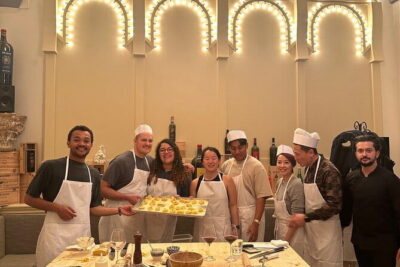
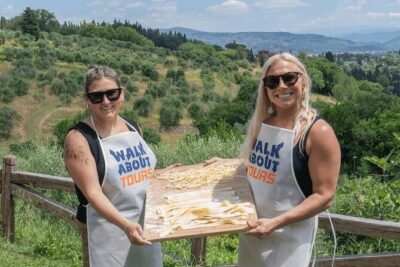
Florence Pizza or Pasta Class with Gelato Making at a Tuscan Farm
Read our review →
Pasta & Tiramisu Class with Fine Wine by the Vatican
Read our review →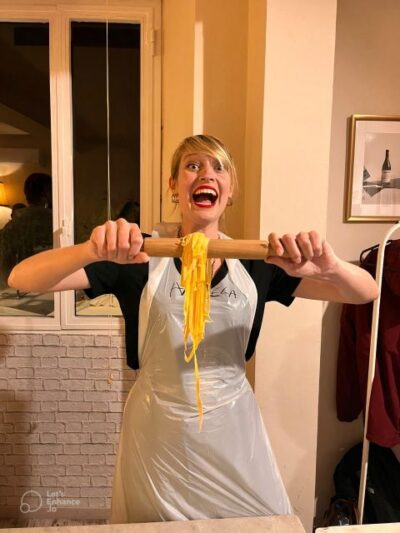
Pasta Making Class with Wine, Limoncello, and Dessert
Read our review →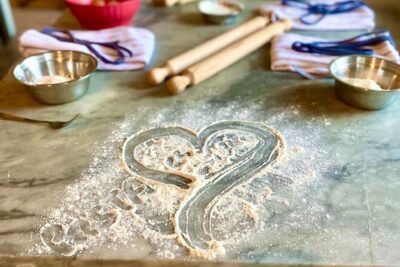
Fettuccine Pasta Cooking Class in Rome’s City Center
Read our review →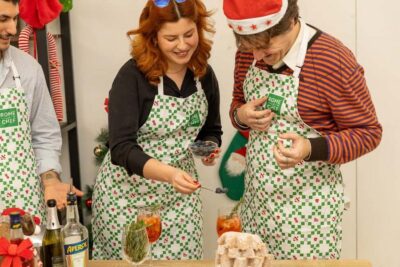
Traditional Pasta with Cocktails Cooking Class
Read our review →