
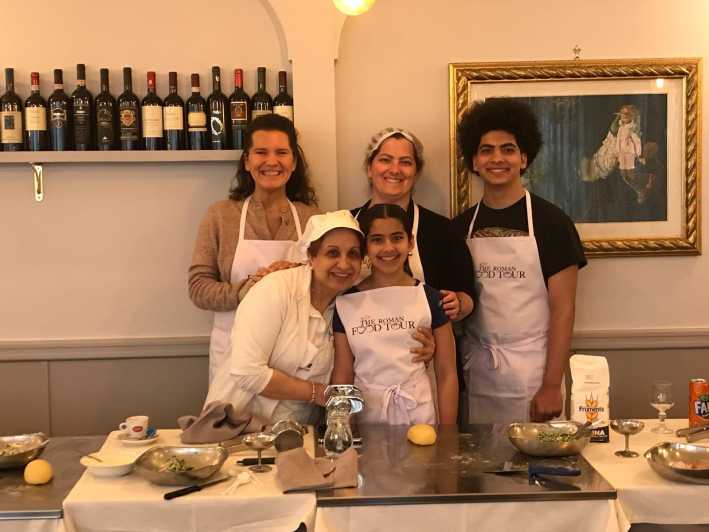
Reviewed · COOKING CLASSES
Milan: Pasta and Tiramisu Cooking Class with Wine
Milan’s best souvenir may be the ability to make fresh pasta from scratch. This three-hour class gets you into a working restaurant kitchen, starts with Prosecco, and ends with the food you prepared served at the table. I like the clear, hands-on format, especially the personal workstation and step-by-step lesson on flour, dough, pasta fresca, pasta secca, and tiramisu.
I also like the social side. The wine, shared meal, and hosts such as Mimo and Damiano make this a good pick for couples, friends, and solo visitors who want an evening with people. The main consideration is group size: some sessions have 15 to 20 people, so asking detailed questions can be harder than in a small class. Traditional recipes use gluten, dairy, and eggs, and substitutions do not guarantee a completely separate preparation area.
Key points to know before booking
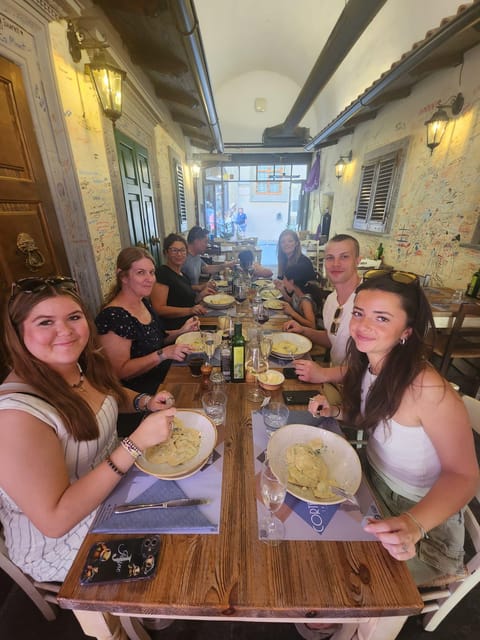
- You make two kinds of Italian food: Fresh pasta is prepared by hand, followed by the country’s familiar coffee and mascarpone dessert.
- Your own workstation keeps the class practical: You are not just watching a chef demonstrate. You prepare the dough and dessert yourself.
- The meal comes after the lesson: Staff cook the pasta and add the sauces, then you sit down together with wine.
- The opening Prosecco sets a social tone: This is part cooking lesson, part shared Italian meal.
- Mimo and Damiano are among the hosts: The class is conducted in English, with a warm, lively approach.
- Food restrictions need careful checking: Vegetarian substitutions are available, but the lesson centers on traditional recipes containing gluten, dairy, and eggs.
What the Milan cooking class is really like
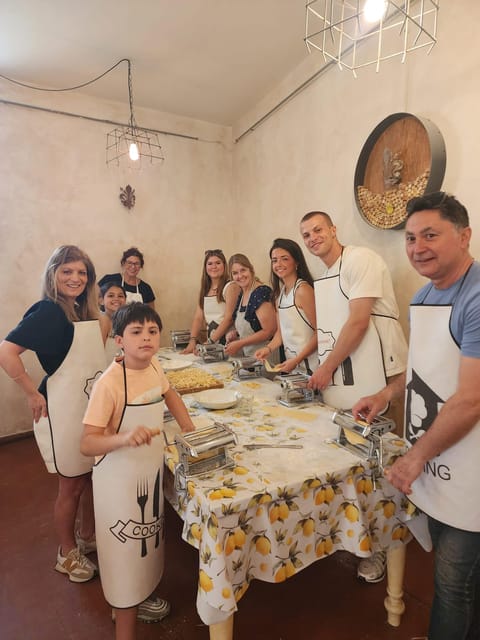
This is a food class with a meal attached, not a formal culinary school session. You arrive at the assigned meeting point, which can vary by the option you book, and enter a locally loved Milan restaurant. After a welcome glass of Prosecco, you get a look at how the restaurant operates before moving into the kitchen.
The class lasts three hours. That is enough time to prepare several dishes without turning your sightseeing day into a full-day commitment. I would plan it for an evening when you want a break from museums and churches, or for a midday slot when you want lunch to be the main event.
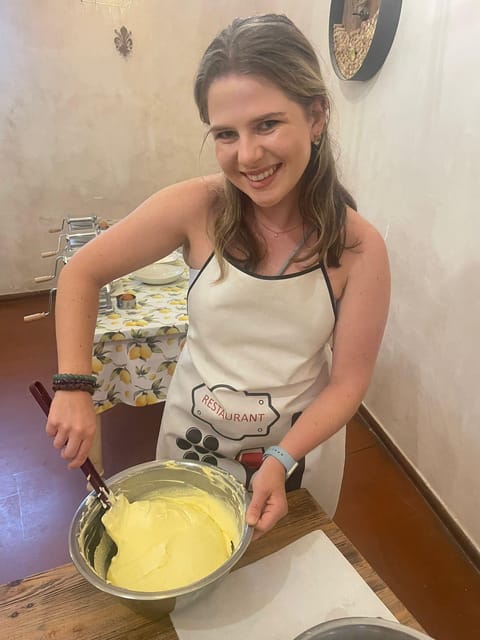
The tone is friendly and social. Hosts such as Mimo and Damiano have been singled out for keeping the room lively and welcoming. You will not simply sit at a table while someone else cooks. You tie on an apron, take your place at a workstation, and follow the instructions with the other participants.
That setup matters. A private work area gives you space to handle the flour, mix the dough, and take part in the preparation. It also makes the class more useful after your trip. You leave with a method you can attempt at home, rather than only a nice meal and a few photographs.
More Cooking Classes in Milan
- Milan: Pasta and Tiramisu Small Group Cooking Class with Wine
★ 5.0 · 660 reviews - Milan Cooking Class: Authentic Pizza & Gelato Making
★ 5.0 · 582 reviews - Milan: Italian Cooking Class with Food and Wine
★ 4.7 · 509 reviews
Starting with Prosecco and a look behind the restaurant
The welcome Prosecco is a small detail, but it tells you what sort of activity this is. The class is designed to feel like a relaxed Italian gathering, not a stiff technical workshop. You can settle in, meet the people around you, and get comfortable before the flour appears.
The short look behind the scenes adds context. You get a sense of how an authentic Italian restaurant is run before beginning the cooking lesson. The focus remains on the kitchen and the food, so do not book this expecting a guided tour of Milan or a long explanation of local landmarks.
That narrow focus is a good thing if you have already spent the day sightseeing. You can put away the map and do something with your hands. The class also gives you a chance to meet people outside your travel group, which helps make it a good choice for solo visitors.
Making fresh pasta from flour to dough
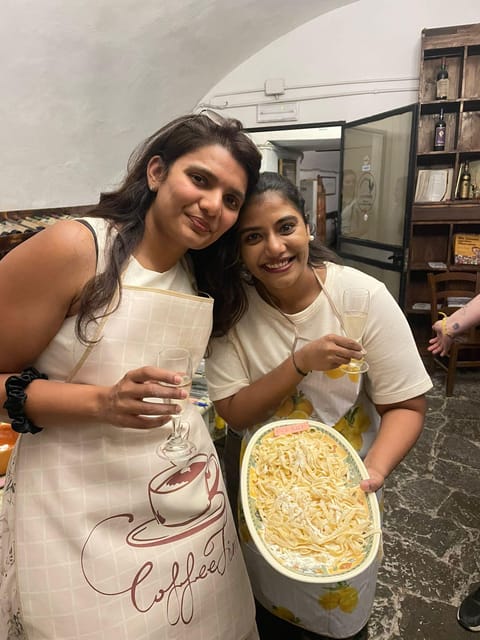
The pasta lesson begins with the basics. You learn which flour to use, how to prepare the dough, and how pasta fresca differs from pasta secca. Those terms are worth understanding: fresh pasta is made for immediate cooking, while dried pasta is prepared to last longer and has a different texture and cooking behavior.
The chef gives instructions step by step. You work at your station rather than trying to see everything from the back of a crowded demonstration area. This is especially helpful if you have never made pasta before or if your previous attempts ended with dough stuck to the counter.
The class covers some of the small choices that make a difference. Flour type, dough consistency, and handling all affect the result. You are not expected to arrive with cooking skills, and the simple sequence gives beginners a fair chance to keep up.
You may prepare two types of pasta during the session. The exact shapes or dishes can depend on the class, but the supplied experience describes the lesson as covering the region’s most famous pasta dishes. The finished pasta is paired with sauces prepared for the meal.
There is one practical limitation. In a group of 15 to 20 people, it can be harder to get an individual answer at the exact moment you need one. The hosts explain the method clearly, but a person who wants close correction on every fold or detail may prefer a smaller class.
For most people, though, the group size adds energy. You see how other people approach the same task, compare results, and have someone to laugh with when the dough refuses to cooperate. This is a social activity first, with useful cooking instruction built into it.
Tiramisu comes early, so the dessert has time to rest
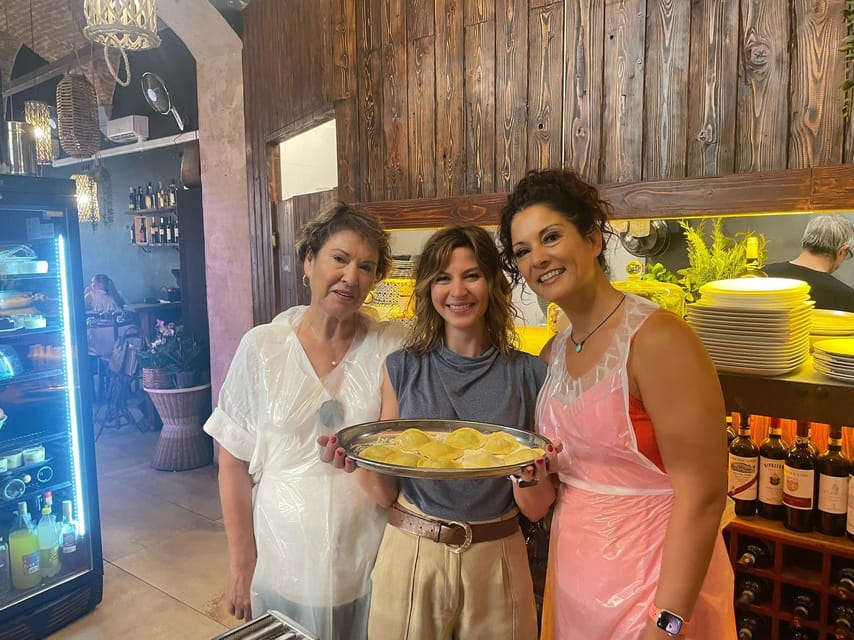
The tiramisu lesson is another major part of the class. In some sessions, the dessert is prepared first, before the pasta. That order makes practical sense because tiramisu benefits from time to rest while you work on the main course.
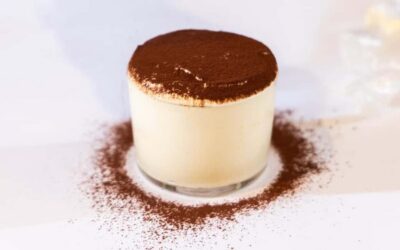
You learn the basic method for making Italy’s best-known coffee dessert. The class presents it as a traditional recipe, so expect the usual use of dairy and eggs unless the provider has arranged a suitable substitute. You will prepare the dessert yourself and later sample it as part of the shared meal.
Tiramisu is a good teaching dish for a group because the process is approachable. It also gives non-cooks an early success before the more physical pasta work begins. If pasta dough seems intimidating, starting with dessert can make the whole class feel manageable.
Do not expect to take a separate boxed dessert home. The stated format is to sample the food you prepare during the class. The reward is the meal at the end, not a takeaway package.
Other classes where you do the cooking in Milan:
- Small Group Cozy Cooking Class in a Typical Milanese Home.
★ 5.0 · 302 reviews - Learn to Cook Italian Recipes with an Italian Chef
★ 5.0 · 283 reviews - Milan: Pasta & Tiramisu Cooking Class with Premium Products
★ 5.0 · 255 reviews - Choose three recipes to cook from all the traditional cuisine
★ 5.0 · 214 reviews
The final meal, sauces, and wine
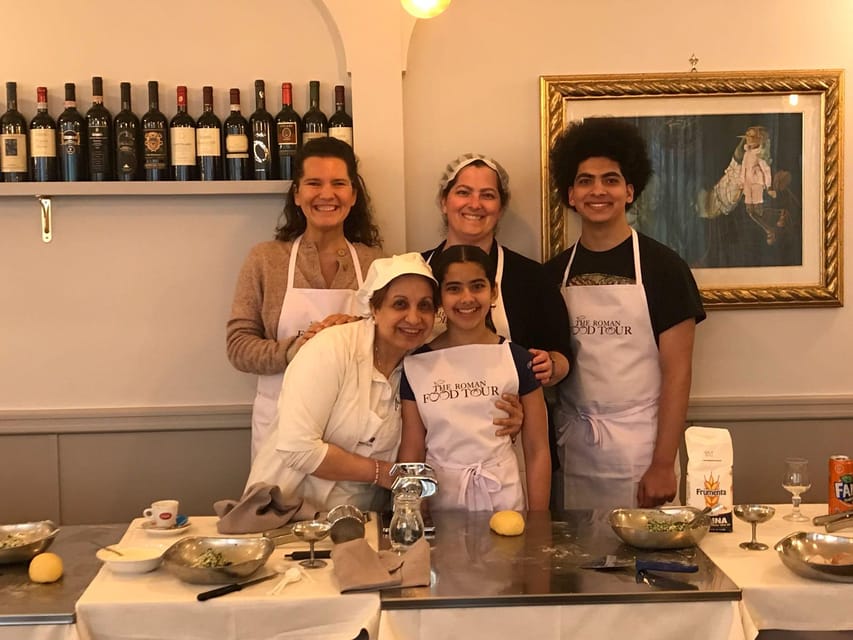
Once the pasta is ready, the restaurant staff cook it and add the sauces. You then sit down with the rest of the group for lunch or dinner. This is where the class shifts from instruction to dining.
The sauces are an important part of the experience. Fresh pasta needs the right sauce to show its texture, and the meal gives you a chance to taste the finished result without worrying about timing a pan or cleaning a work surface. The food is served as the practical payoff for the work you have just done.
Wine is included, and the meal is designed to pair it with the pasta. You also receive the Prosecco at the beginning, so drinks are part of the class rather than an extra cost added at the table.
The meal can be substantial. One account describes preparing tiramisu and two kinds of pasta, then finding there was a lot of food to eat. I would avoid scheduling another heavy dinner immediately afterward. A three-hour food activity can easily become the main meal of your day.
The shared table is also one of the strongest social features. You have a natural reason to talk with the people around you: compare the pasta, discuss the dough, and decide which sauce worked best. If you are traveling alone, this gives you a more natural social setting than simply joining a restaurant table of strangers.
Is $61 a fair price in Milan?
At $61 per person, the value depends on what you want from a cooking class. You receive a three-hour activity, an English-speaking chef, fresh pasta, tiramisu, Prosecco, wine, and a meal based on the food you prepare.
That is a fair package for Milan, especially because you are paying for more than dinner. You get instruction, ingredients, kitchen use, a host, and a social activity that occupies a meaningful part of the day. If you would otherwise pay for a restaurant meal and a separate entertainment activity, the combined value is stronger.
The price is less compelling for someone who wants an intimate lesson with extensive one-on-one coaching. A larger class means the experience feels more like a lively group workshop than a private chef session. You are paying for atmosphere and participation as much as technical precision.
I would book this for the experience of making and eating Italian food, not as a way to master professional pasta technique in one afternoon. You will learn useful principles, but repetition at home is what turns those principles into skill.
Food restrictions require an honest check
The food information needs careful reading. Vegetarian choices are available upon request, and the provider asks you to report allergies or food restrictions when booking. Other dietary needs may also be discussed in advance.
At the same time, the traditional instruction focuses on recipes containing gluten, dairy, and eggs. Substitutions may be offered, but the preparation area cannot be guaranteed to be completely free of cross contamination.
The supplied information lists vegans, people with gluten intolerance, and people with lactose intolerance as unsuitable for the activity. That is more restrictive than the general note about dietary options, so I would not assume a substitute will make the class safe or satisfying. Contact the provider before booking and explain your needs clearly.
If you have a mild preference rather than a medical allergy, ask what can be changed. If you have a serious allergy or need strict avoidance of gluten, dairy, or eggs, this is probably not the right activity.
Who will enjoy the three-hour format
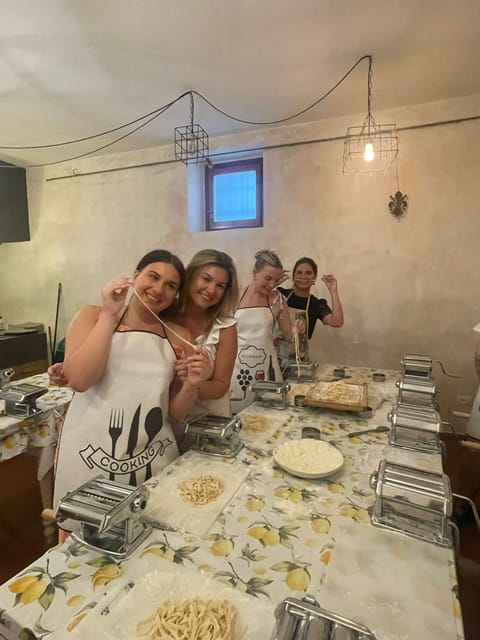
This class suits adults, couples, friends, and families with older children. Children under three are not suitable, and babies under one year are excluded. One account found it enjoyable for both adults and children, but the information does not provide a specific minimum age above three, so check the option details if you are booking for a child.
You should enjoy this class if you like food, do not mind working in a group, and want an activity that ends with a proper meal. It also works well for people who are not confident cooks. You are guided through the process, and the staff handle the final cooking of the pasta.
It is less suitable if you dislike shared activities, want a quiet dinner, or need a highly customized menu. You also may not enjoy it if you are looking for a small, technical workshop where the chef watches every movement.
The English instruction makes the class accessible to English-speaking visitors. The pace should be manageable for beginners, though you will get more from it if you stay engaged and ask questions when the chef pauses.
Timing, meeting point, and booking details
The activity lasts three hours, with starting times based on availability. The meeting point may vary according to the option you select, so check the exact location before you make plans around it. Do not assume every session begins at the same restaurant or at the same hour.
You can cancel up to 24 hours before the activity for a full refund. A reserve-now, pay-later option is also available, which helps if your Milan schedule is still changing.
I would allow extra time to reach the meeting point. The class starts with arrival and welcome drinks, and you do not want to rush in late with flour already being measured. Wear something comfortable and practical enough for kitchen work, although an apron is provided as part of the activity setup.
Should you book this Milan pasta class?
Book it if you want a friendly food experience with a real meal at the end, not just a demonstration. The strongest reasons are the hands-on workstations, the clear pasta lesson, the tiramisu, and the combination of Prosecco and wine for $61.
I would especially recommend it for first-time visitors to Italy, solo travelers looking for an easy social evening, and friends who want something more memorable than another restaurant reservation. The warm hosts, including Mimo and Damiano, add personality to the class.
Think twice if you need strict allergy control, dislike group activities, or expect private instruction. The 15 to 20 person format can limit detailed questions, and the traditional recipes rely on gluten, dairy, and eggs.
For most food-loving visitors, this is a practical and enjoyable use of three hours in Milan. You make the food, learn enough to repeat the basics at home, then sit down and eat what you prepared. That is a solid deal in a city where a good meal alone can cost a sizable part of the $61 price.
FAQ
How long is the Milan pasta and tiramisu class?
The activity lasts three hours. Starting times depend on availability.
What food do I prepare?
You prepare fresh pasta from scratch and make tiramisu. The class covers flour, pasta dough, the difference between pasta fresca and pasta secca, and the dessert preparation.
Do I eat the food made during the class?
Yes. You sample the dishes you prepare. The restaurant staff cook the pasta and add sauces before everyone sits down for lunch or dinner.
Are drinks included?
Yes. You receive a welcome glass of Prosecco and fine wine with the meal.
Is the class taught in English?
Yes. The listed instructor language is English.
Can I request vegetarian or other dietary options?
Vegetarian options are available upon request. You should tell the provider about allergies or food restrictions when booking.
Is the class suitable for vegans or people with food intolerances?
The activity information lists vegans, people with gluten intolerance, and people with lactose intolerance as unsuitable. Traditional recipes contain gluten, dairy, and eggs, and substitutes cannot guarantee that there will be no cross contamination.
What happens if I need to cancel?
You can cancel up to 24 hours in advance for a full refund. A reserve-now, pay-later option is also available.
More classes and workshops in Milan
- Milan: Pasta, Ravioli, and Gelato Class in a Glamorous Home
★ 4.9 · 268 reviews - Milan: Fresh Pasta and Tiramisù Class in A Historical Home
★ 4.9 · 195 reviews - Florence: Pasta Cooking Class with Unlimited Wine
★ 4.9 · 10,285 reviews - 3 in 1 Cooking Class near Navona: Fettuccine, Ravioli & Tiramisu
★ 5.0 · 7,376 reviews
More pasta to make and eat in Milan
- The Secrets to Learn Fresh Pasta and Tiramisù in a Glam Home
★ 5.0 · 1,182 reviews - Gnocchi, Pasta, Tiramisù and Wine Class
★ 5.0 · 691 reviews - Milan Culinary Experience: Pasta & Gelato or Tiramisù Class
★ 5.0 · 337 reviews - Milan: Traditional Pasta and Tiramisù Masterclass
★ 5.0 · 307 reviews
Just added in Milan
- Highlights and hidden gems of Milan Bike Tour★ 5.0 · 491 reviews
- Milan Gourmet Tour: A Premium Tasting Experience by Do Eat Better★ 5.0 · 241 reviews
- Private Milan Food Walking Tour of Brera★ 5.0 · 217 reviews
- Leonardo3 The World of Leonardo: Tickets for the Interactive Exhibition★ 4.0 · 220 reviews
- Da Vinci’s Last Supper and Santa Maria delle Grazie Church Tour★ 4.5 · 218 reviews
- Learn to Cook Italian Recipes with an Italian Chef★ 5.0 · 283 reviews
- La Scala Theatre and Museum guided experience★ 4.5 · 664 reviews
- La Scala Theatre and Museum Tour in Milan With Private Guide★ 3.5 · 384 reviews
Cooking Classes, compared.
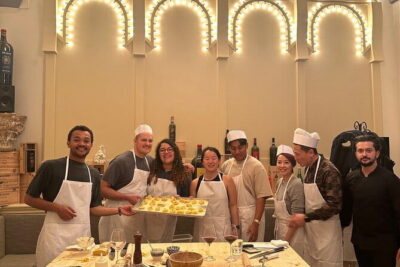

3 in 1 Cooking Class near Navona: Fettuccine, Ravioli & Tiramisu
Read our review →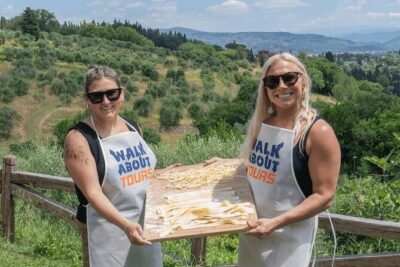
Florence Pizza or Pasta Class with Gelato Making at a Tuscan Farm
Read our review →
Pasta & Tiramisu Class with Fine Wine by the Vatican
Read our review →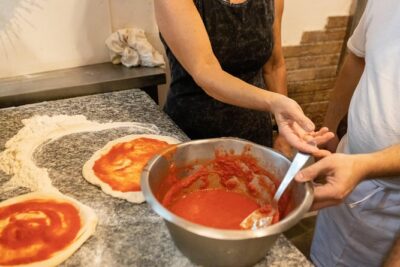
Authentic Pizza Making Class in Naples with Appetizers and Drink
Read our review →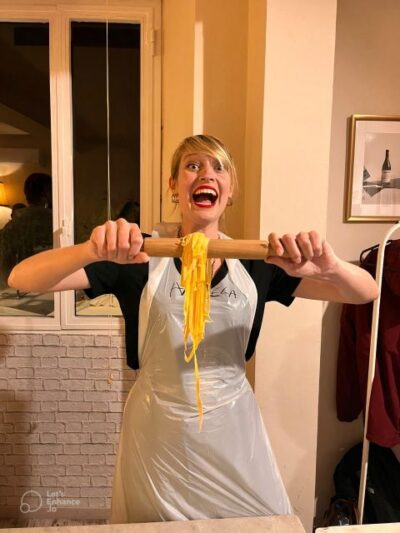
Pasta Making Class with Wine, Limoncello, and Dessert
Read our review →
3-in-1 Fettuccine, Ravioli, and Tiramisu Cooking Class
Read our review →Browse the lists this tour appears in