
Reviewed · OPERA & CLASSICAL CONCERTS
La Scala Theatre and Museum guided experience
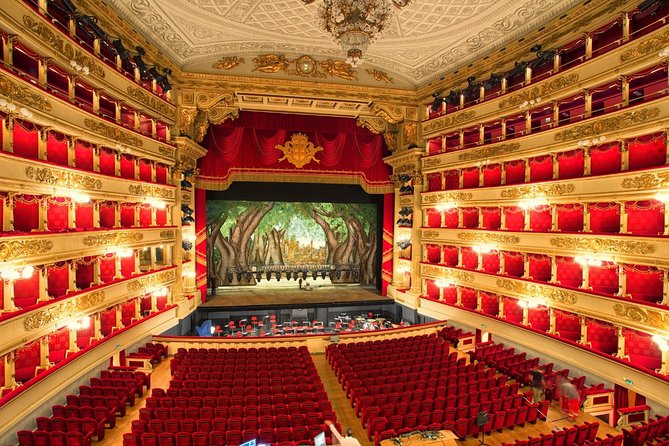
La Scala is more than a pretty opera house. It is a working theater, and that makes this 90-minute visit especially interesting. You may see the auditorium, peek at backstage activity, or watch a rehearsal, but access can be limited to the museum when the theater is in use.
I like the small group of up to 15 because it gives you room to ask questions. I also like the guides’ focus on the people behind the performances, from composers and singers to the crews who make an opera work. The main drawback is that theater access is not guaranteed, so you should book this for the story and museum as much as for the auditorium itself.
Key points to know before booking
- La Scala may be more than a museum visit: When rehearsals and private events allow, you can enter the famous auditorium and possibly see stage preparations.
- The guide makes the difference: Guides such as Giorgio, Simone, Maria, Lara, and Lorella have been praised for clear storytelling and strong knowledge of opera and Milan.
- Groups stay small: A maximum of 15 people makes it easier to hear the guide and ask questions.
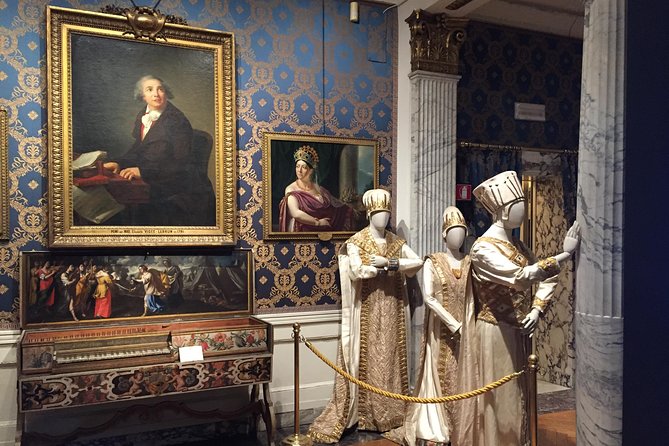
- The museum carries the visit: Costumes, portraits, instruments, and performance memorabilia give you plenty to see even when the theater is closed.
- Morning or rehearsal times may help: Several guides have been able to show the auditorium or a stage practice, but access depends on the theater schedule.
- A private option is available: Upgrade if you want more time for questions and a more personal pace.
Why La Scala is worth an hour and a half
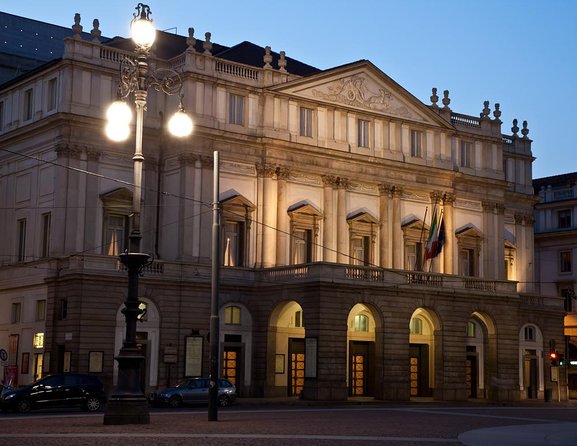
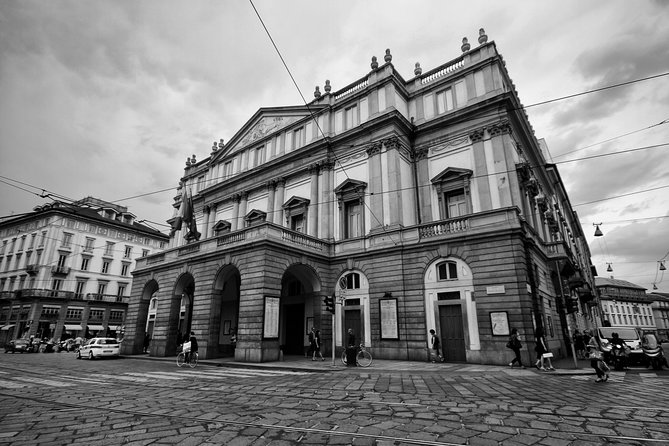
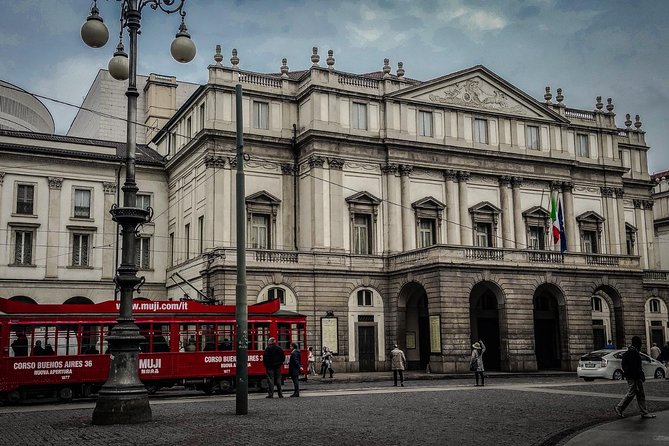
La Scala opened in 1778 after being designed by Giuseppe Piermarini. It is one of Milan’s most important cultural buildings and one of the world’s best-known opera theaters.
That fame can make a self-guided visit feel a little thin. You can look at the rooms, costumes, portraits, and displays, but a guide connects them to the singers, composers, conductors, performances, and changing life of the theater. I like that this experience treats La Scala as a living workplace rather than a frozen monument.
The tour lasts about 90 minutes, which is enough time for a proper introduction without taking over your day in Milan. You meet at the La Scala Museum on Largo Antonio Ghiringhelli, close to the center and public transportation, and return to the same meeting point at the end.
The advertised price is $56.84 per person. That is not the cheapest museum ticket in Milan, but it includes admission and a licensed guide. For me, the price makes sense if you care about opera, theater design, Milanese culture, or the practical work behind a major production. If you only want a quick look at an ornate auditorium, the value depends heavily on whether theater access is open on your date.
More Opera and Classical Concerts in Milan
- Milan’s Must See: Half-Day Tour of Last Supper, Duomo & La Scala
★ 4.0 · 4,193 reviews - Milan: La Scala Theater & Museum Guided Experience
★ 4.1 · 2,931 reviews - Milan: La Scala Theater and Museum Tour with Entry Tickets
★ 4.7 · 1,722 reviews
Starting at the Teatro alla Scala Museum
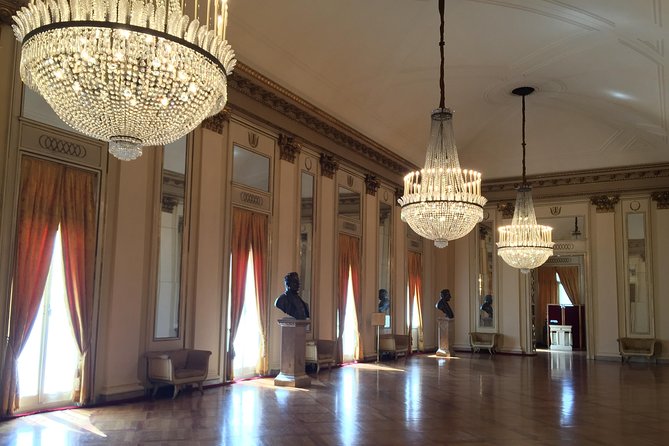
Your visit begins at the Museo Teatrale alla Scala, not at a distant hotel or an out-of-the-way office. That central meeting point is useful if you are already planning to see Milan’s main sights.
The museum provides the reliable core of the tour. You can expect displays connected with La Scala’s past, including portraits, costumes, instruments, and objects linked to famous performances and performers. The exhibits help explain how opera developed as both an art form and a large production effort.
This is where the guide’s storytelling matters most. Guides named in the feedback include Simone, Maria, Lara, Lorella, Giorgio, and Felix, although the person assigned to your tour can vary. The strongest guides have been praised for speaking clearly, answering questions, and bringing composers and singers to life without relying on notes.
You do not need to be an opera expert to enjoy the museum. The tour covers theater history and some Milan history, so the conversation can make sense even if you could not tell Verdi from Wagner before arriving. If you already know opera well, the best part may be the practical detail about staging, acoustics, performers, and the work done outside the spotlight.
Entering the auditorium when the schedule allows
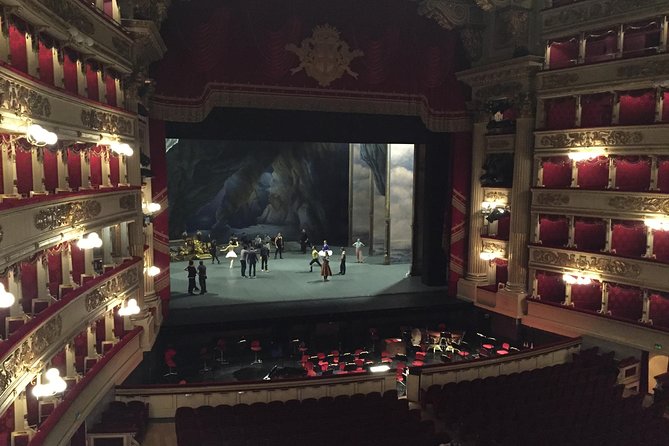
The most memorable part of the experience is usually the chance to see La Scala’s theater itself. You may enter the auditorium, view the boxes, and take photographs, subject to the theater’s schedule and staff restrictions.
The theater is still used for performances, rehearsals, and private events. That is both its charm and the reason access cannot be promised. On some dates, you may see stage work in progress or hear a rehearsal. One particularly striking visit included preparations for a Wagner opera, giving the group a glimpse of the technical work that happens before the audience arrives.
A rehearsal can be more revealing than a silent theater. You may see how the stage is prepared, hear the hall’s acoustics in use, and understand that opera involves far more than the people in costume under the lights. That sort of access is never guaranteed, but it is an excellent bonus when it happens.
At other times, the group may be allowed into the theater only during a break in rehearsal. One afternoon group reached the theater but had limited time before it closed. Another group could visit only the museum because the auditorium was unavailable.
I would not book this tour on the assumption that you will definitely enter the auditorium. Think of the visit as a museum and guided theater-history experience, with auditorium access when conditions permit. That expectation will keep the tour from feeling like a disappointment if the stage is closed.
What the guide adds to the visit
A good guide turns a building visit into a story. The strongest feedback centers on guides who are passionate, friendly, and able to explain how the theater operates.
Simone has been praised for making the visit enjoyable while explaining La Scala and the surrounding area. Giorgio has been singled out for arriving promptly, answering questions, and explaining the building in detail. Maria has been praised for connecting composers and singers with stories that made the past feel personal.
Lara reportedly kept a group interested for the full hour and a half without referring to notes. Lorella led a thorough visit that was considered good value. Other guides, including Felix and a guide identified as Anne, were also praised for clear explanations and a warm manner.
That said, guide quality can vary. One poor experience involved a guide who appeared underprepared. Another visit felt rushed and ended after about 70 minutes instead of the expected 90. Those cases seem to be exceptions in an overall rating of 4.6 from 664 reviews, with 90 percent of customers recommending the experience, but they are worth keeping in mind.
The small group helps. With no more than 15 people, you can usually hear the explanation and ask about a composer, a costume, an instrument, or the building’s design. From 10 participants onward, headphones are provided, which should help when the museum is busy or the guide is speaking from some distance.
Other evenings out in Milan:
- Milan: Entrance Ticket to La Scala Theatre Museum
★ 4.4 · 759 reviews - Milan: La Scala Theatre Skip-the-line Guided Tour
★ 4.5 · 728 reviews - Milan: Skip-the-Line La Scala Museum Tour + Hop On Hop Off
★ 4.3 · 406 reviews - La Scala Theatre and Museum Tour in Milan With Private Guide
★ 3.5 · 384 reviews
The museum, performers, and backstage work
The displays are not only decorative. They help you understand the network of people required to put on an opera or ballet.
You may see objects tied to performers, composers, and productions. The guide can explain why certain figures mattered and how La Scala became linked with major moments in music. The exact route and displays can change, but the museum gives the visit substance even when the theater cannot be entered.
I especially like the attention to backstage work. Several parts of the experience focus on acoustics, stage preparation, rehearsals, and the practical labor behind an opera. This is useful because a famous theater can otherwise become a quick photo stop.
The museum also gives you a closer look at La Scala’s visual character. The auditorium, when open, supplies the grand setting. The museum supplies the human story. Together, they make the visit useful for both opera fans and people simply curious about how a major theater functions.
If you have little interest in music or theater, the visit may feel more specialized than a standard Milan sightseeing stop. Still, the guide’s explanations about Milan and the building’s operation can make it worthwhile for a general visitor, especially if you enjoy architecture and cultural history.
Timing, access, and the rehearsal question
The time of day can affect what you see, but there is no guaranteed schedule that ensures auditorium access. Rehearsals, performances, private events, and theater closing times can all change the route.
Several morning visits included a chance to see stage practice. An afternoon visit at 4 p.m. allowed entry into one of the boxes, though the group had little time before the theater closed at 5 p.m. These examples suggest that timing matters, but they do not create a firm rule for your booking.
If seeing the auditorium is your top priority, ask about current access conditions before you reserve if that option is available. At the very least, leave room in your plans for the tour to take the full 90 minutes, even though one group finished early.
The experience is offered in English. The guide is licensed, and the group meets and ends at the museum. Food, drinks, hotel transportation, and extras are not included, so plan to arrive independently and arrange refreshments before or after the tour.
Is the $56.84 price good value?
At $56.84 per person, you are paying for more than entry. You get museum and theater admission, a licensed English-speaking guide, and a small group rather than a large crowd.
The value is strongest when the guide is engaging and the auditorium is open. A well-told explanation can point out details you would miss alone, explain the theater’s acoustics, and show how performers and production crews shaped La Scala’s story. The private option may be worth considering for couples or families who want to ask many questions and set a more personal pace.
The value is less certain if the theater is closed and you are mainly interested in taking photographs. In that case, your visit centers on the museum, and the tour becomes a guided cultural history experience rather than a full theater tour.
For a major Milan sight with a maximum group size of 15, the price is fair if you value interpretation. I would not choose it solely for the ticket. I would choose it because you want someone to explain why La Scala matters and how the building works.
Who should book this La Scala experience?
I would recommend it to first-time visitors who want a cultural stop beyond Milan’s cathedral and shopping streets. It also suits opera lovers, music students, architecture fans, and anyone curious about the work that happens behind a performance.
Families can benefit from the guide’s stories, especially if children need more than display cases to hold their attention. The 90-minute length is manageable, and the central location makes it easy to pair with other sights.
A private upgrade may suit couples, small families, or anyone with detailed questions about opera and theater design. The standard group is likely enough if you mainly want a clear introduction and a chance to see the museum.
I would hesitate only if you need guaranteed access to the auditorium. La Scala remains a working theater, and the museum may be the only part open on your date.
Cancellation and practical planning
You can cancel for a full refund up to 24 hours before the local start time. Changes made less than 24 hours before the tour are not accepted, and late cancellations are not refunded.
The tour requires a minimum number of participants. If that minimum is not met and the experience is canceled, you are offered another date or experience, or a full refund.
Book ahead if your Milan schedule is fixed. The experience is booked an average of 35 days in advance, which suggests that popular dates can fill early. Meet at the museum rather than expecting hotel pickup, and remember that food and drinks are not part of the price.
Should you book it?
Book this tour if you want La Scala explained by a guide who can connect the museum displays to composers, singers, performances, acoustics, and backstage work. The small group and central meeting point make it easy to fit into a day of sightseeing.
Go in with one clear expectation: auditorium access depends on rehearsals, private events, and theater operations. If you accept the museum as the guaranteed core and the theater or rehearsal as a valuable extra, this is a strong way to understand one of Milan’s most important buildings.
FAQ
Where does the La Scala tour begin?
The tour begins at the Teatro alla Scala Museum, Largo Antonio Ghiringhelli, 1, 20121 Milan, Italy.
Where does the experience end?
The tour ends back at the meeting point at the La Scala Museum.
How long does the tour last?
The experience lasts approximately 1 hour and 30 minutes.
Is the tour offered in English?
Yes. The guided experience is offered in English.
Is entry to La Scala included?
Yes. Tickets to La Scala Theatre and Museum are included in the price.
Can I enter the theater auditorium?
Auditorium access depends on rehearsals, private events, and theater operations. The visit may be limited to the museum.
How large is the group?
The tour has a maximum of 15 participants. Headphones are provided when the group has 10 or more participants.
Can I cancel for a full refund?
Yes. You can cancel at least 24 hours before the local start time for a full refund. Cancellations made less than 24 hours before the start time are not refunded.
More museums and galleries in Milan
- Milan: Science and Technology Leonardo da Vinci Museum Entry
★ 4.5 · 7,169 reviews - Official San Siro Stadium and Museum Guided Tour
★ 4.4 · 3,573 reviews - Milan: Leonardo3 The World of Leonardo Museum Entry Ticket
★ 4.4 · 3,241 reviews - Milan: Pinacoteca Ambrosiana & da Vinci Codex Exhibition
★ 4.6 · 1,816 reviews
Just added in Milan
- Highlights and hidden gems of Milan Bike Tour★ 5.0 · 491 reviews
- Milan Gourmet Tour: A Premium Tasting Experience by Do Eat Better★ 5.0 · 241 reviews
- Private Milan Food Walking Tour of Brera★ 5.0 · 217 reviews
- Leonardo3 The World of Leonardo: Tickets for the Interactive Exhibition★ 4.0 · 220 reviews
- Da Vinci’s Last Supper and Santa Maria delle Grazie Church Tour★ 4.5 · 218 reviews
- Learn to Cook Italian Recipes with an Italian Chef★ 5.0 · 283 reviews
- La Scala Theatre and Museum Tour in Milan With Private Guide★ 3.5 · 384 reviews
- Milan Last Supper and S. Maria delle Grazie Skip the Line Tour★ 5.0 · 1,031 reviews
Opera & Classical Concerts, compared.
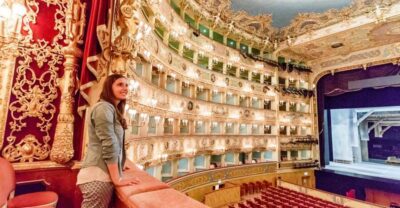
La Fenice Opera House Entry Ticket with Audio Guide
Read our review →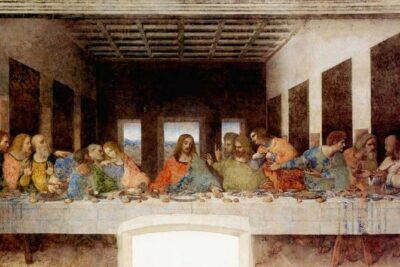
Milan’s Must See: Half-Day Tour of Last Supper, Duomo & La Scala
Read our review →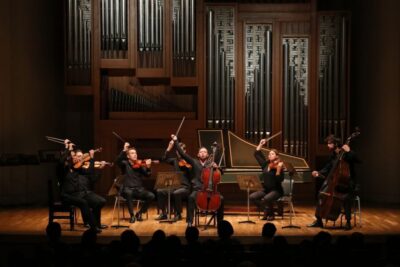
Interpreti Veneziani Concert at Church of San Vidal
Read our review →
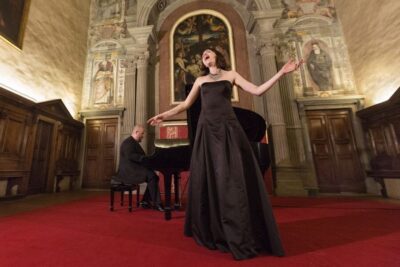
Santa Monaca Church Italian Opera Concert Ticket
Read our review →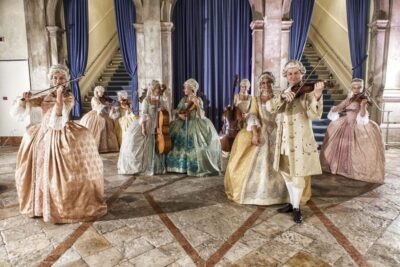
Vivaldi’s Four Seasons Live Classical Music Concert
Read our review →
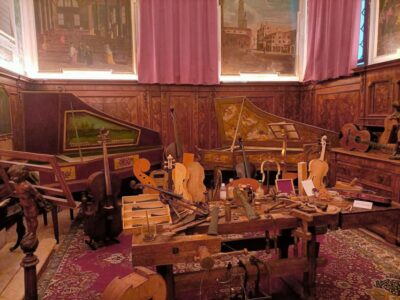
Vivaldi’s Four Seasons Concert & Music Museum Visit
Read our review →Browse the lists this tour appears in