
Reviewed · PASTA
Milan Culinary Experience: Pasta & Gelato or Tiramisù Class
Milan’s most useful cooking lesson may be the one that turns a market visit into lunch. At Towns of Italy above Mercato Centrale, you’ll shape ravioli, cut tagliatelle, watch gelato come together, and then sit down to eat what the class has made. The chefs, including Matteo, Fabrizio, and Alfredo, keep the session practical and light.
I like the hands-on pasta work and the easy central location, especially for a first visit to Milan. I also like that wine, soft drinks, recipes, and a certificate are included. The main drawback is that the group can reach 20 people, and the class may combine everyone’s pasta before serving it, so you may not eat the exact ravioli you shaped.
Key points at a glance
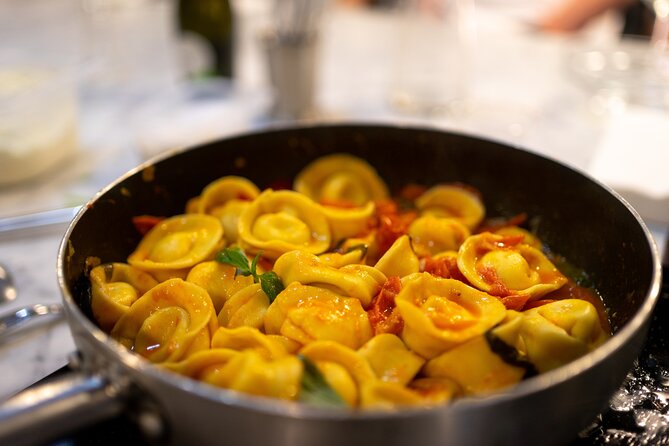
- Make two fresh pastas: Learn the basic steps for ravioli and tagliatelle, with seasonal sauces that can include pesto, carbonara, or other regional combinations.
- Learn from active chefs: Matteo, Fabrizio, Alfredo, and their assistants have been praised for clear instructions, humor, patience, and useful Milan food tips.
- Eat above Mercato Centrale: The school is on the market’s second floor, near Milano Centrale and public transport, but allow extra time to find the entrance.
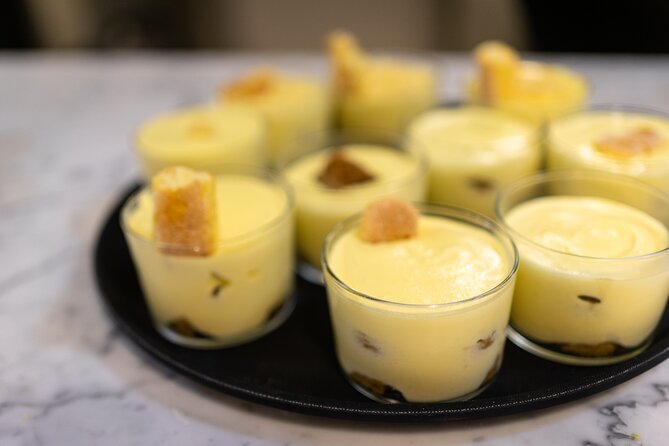
- Dessert changes by date: Gelato is included before March 1, 2026. Classes from that date feature tiramisù instead.
- Good social setting: Wine and shared cooking make this a natural pick for couples, families, and solo visitors who enjoy meeting people.
- Know the limits: The class is not suitable for people with celiac disease. Dietary restrictions and vegetarian requests should be given in advance.
Making pasta above Milan’s central market
The class starts at 11:00 a.m. at Towns of Italy Cooking School, located inside Milano Centrale’s Mercato Centrale at Via Giovanni Battista Sammartini 1, on the first floor according to the meeting details. Several class notes describe the school as being on the market’s second floor, so use the market and the school’s signs as your main landmarks and give yourself extra time.
That location is a practical choice. You can combine the class with a look around the food market, and public transportation makes the meeting point easy to reach. It is not a hotel pickup service, so you are responsible for arriving at the school.
Once the class begins, the focus is fresh pasta. You work with dough and learn how to roll, cut, fill, and shape it. The main preparations are ravioli and tagliatelle, with the exact sauces changing with the season. Pesto, carbonara, cheese fondue, and seasonal vegetable sauces can appear on the menu.
The instruction is aimed at ordinary home cooks, not trained chefs. That matters. You get the basic habits that make pasta work at home, including how to handle the dough and how to shape filled pasta. The lesson is not designed as a long culinary lecture. It is a social, practical session with enough demonstration to keep you moving.
Matteo has been singled out for being funny, welcoming, and clear. Fabrizio has also led smaller groups and is praised for his calm teaching style. Alfredo is especially good with families and children. The instructor can call on volunteers during demonstrations, so you may watch a technique first and then try it yourself.
Other pasta to make in Milan:
- The Secrets to Learn Fresh Pasta and Tiramisù in a Glam Home
★ 5.0 · 1,182 reviews - Milan: Pasta and Tiramisu Cooking Class with Wine
★ 4.8 · 1,106 reviews - Gnocchi, Pasta, Tiramisù and Wine Class
★ 5.0 · 691 reviews
Ravioli and tagliatelle: two different pasta lessons
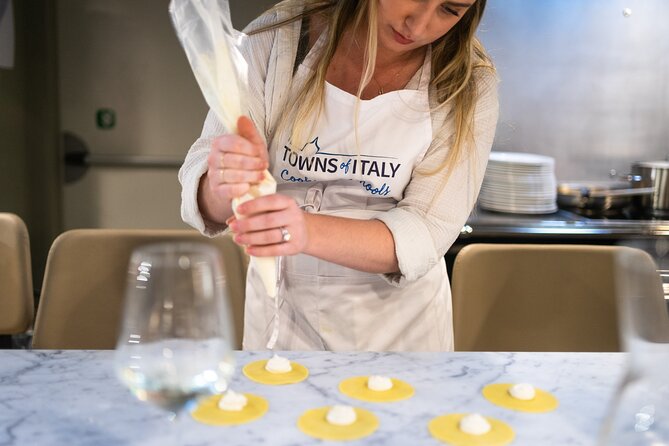
Ravioli gives the class its most useful hands-on moment. You learn to fill and seal the pasta, and some sessions include two different ravioli shapes. This is the part most likely to feel like a real skill rather than a cooking show.
Tagliatelle teaches a different lesson: how to make and cut long strands of pasta. You will see how the same dough can become a separate dish with a different texture and sauce. If you have taken a pasta class elsewhere in Italy, the Milan setting still gives you a regional variation and another chef’s method.
The exact menu is not fixed. It generally includes handmade pasta, sauces, cheese fondue, and dessert, but ingredients may change with the season. That is good for freshness, though it means you should not book expecting one precise sauce every time.
Vegetarians are welcome, and alternative recipes are available for vegetarian diets and other intolerances when you provide advance notice. The class is not suitable for people with celiac disease. If your needs are serious or medically important, contact the provider before booking rather than relying on a last-minute adjustment.
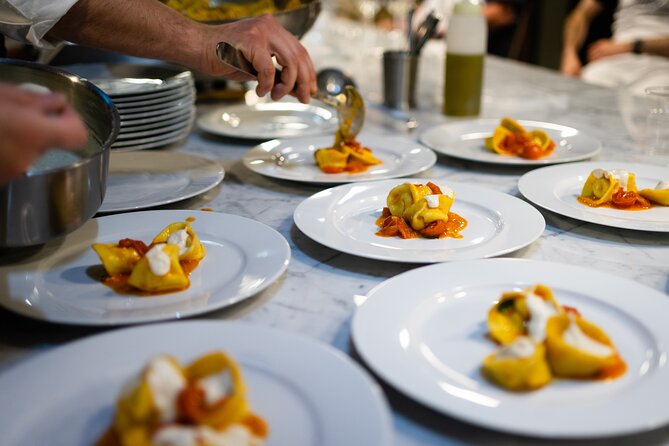
One practical point deserves attention. Some classes serve a combined selection of pasta made by the whole group. That makes cooking and timing easier, but it can disappoint you if you expect to eat only the ravioli you personally shaped. Other class sessions have allowed participants to eat what they cooked, so the serving method may vary. If this detail matters, ask before you reserve.
Gelato before March 1, 2026, tiramisù after
Before March 1, 2026, dessert is gelato. The chef demonstrates how to prepare it, explains natural flavors and freezing techniques, and shows you how to make a cone for eating it. You do not simply receive a scoop at the end. The dessert lesson helps explain why Italian gelato has a different texture and flavor from many commercial frozen desserts.
The demonstration is not as hands-on as the pasta work. You will watch the chef prepare the gelato rather than run a separate machine yourself. Still, it gives the class a sweet finish and a useful recipe to take home.
From March 1, 2026, the dessert changes to tiramisù. That is an important booking detail. The class title may mention pasta and gelato or tiramisù, but the date determines what you receive. If gelato is the reason you are interested, book a class before that change. If you prefer tiramisù, choose a date from March 1 onward.
The supplied information describes gelato as included before the change and tiramisù as the dessert afterward. It does not provide the exact tiramisù preparation, so do not assume that the later class includes the same gelato demonstration or cone-making lesson.
Lunch, wine, and a room full of new people
After the cooking, you eat the meal prepared during the class. This turns the lesson into a proper lunch rather than a short demonstration followed by a sample. You will have pasta, sauces, and dessert, with wine and soft drinks available.
The details describe wine in two slightly different ways: one section specifies two glasses, while another says unlimited wine is included. Since those statements do not match exactly, confirm the current serving arrangement when booking. Soft drinks are provided for children.
The social side is part of the appeal. A class of up to 20 people can include couples, families, solo visitors, and people from several countries. The wine helps conversation, though not every group will instantly feel relaxed. Some sessions may need a few minutes before people begin talking.
If you are traveling alone, this is a good way to spend a morning without eating lunch by yourself. A solo participant can work beside other cooks, trade Milan food tips with the chef, and share a meal at the end. The class also works for families, since Alfredo and the other instructors are used to helping children and adjusting to different skill levels.
For couples, the format gives you a shared activity with a clear payoff. You are not only watching a chef. You are making something together, then eating it. For a group of friends, the class can be a lively break from museums and churches.
Other things to learn to make in Milan:
- Milan: Pasta and Tiramisu Small Group Cooking Class with Wine
★ 5.0 · 660 reviews - Milan Cooking Class: Authentic Pizza & Gelato Making
★ 5.0 · 582 reviews - Milan: Italian Cooking Class with Food and Wine
★ 4.7 · 509 reviews - Small Group Cozy Cooking Class in a Typical Milanese Home.
★ 5.0 · 302 reviews
What the three hours feel like
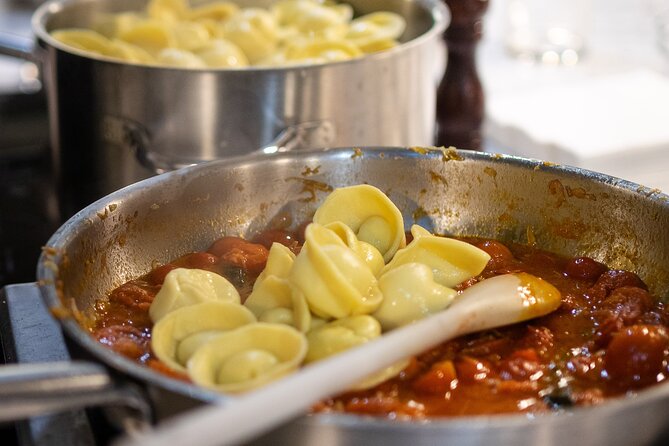
Plan on roughly three hours from the 11:00 a.m. start. The time includes the pasta lesson, sauce and dessert demonstrations, cooking, and lunch. The exact pace depends on the group size and the day’s menu.
A smaller group gives you more direct attention. Several sessions have had fewer than 10 people, while the stated maximum is 20. With a small group, the chef can watch your technique and answer more questions. With a full room, the atmosphere may be lively, but you may spend more time watching from your place.
The chefs use demonstrations and volunteers to keep the room involved. Matteo and Fabrizio have been praised for answering questions and giving advice beyond the recipes, including suggestions for Milan restaurants and gelato shops. That extra local guidance can be useful if the class falls early in your stay.
The facilities are described as clean and easy to use. You should still arrive early. The market has several levels and food counters, and one attendee lost time finding the school. The safest plan is to locate Mercato Centrale before 11:00 a.m., then follow the signs to the cooking school rather than arriving at the last minute.
Late arrival is a real risk. The start time is fixed, and entry may be refused if you miss the beginning. There is no hotel pickup or drop-off to rescue a delayed arrival.
Recipes, certificates, and useful take-home value
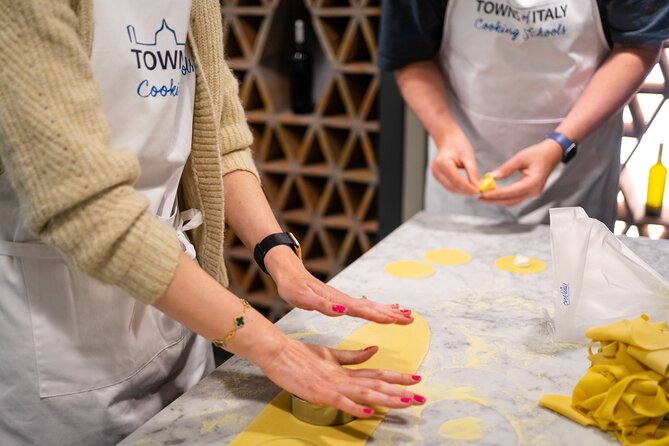
You receive a digital recipe booklet and a Graduation Certificate. The recipes give the class value beyond the three hours because you can try the pasta again at home.
The digital format has one weakness. The recipes may arrive through a QR code, and spotty internet can make access awkward. Save the booklet to your phone before leaving the school, or take a screenshot while you still have a reliable connection.
The best take-home lesson is not just a list of ingredients. It is the chef’s small corrections: how to handle the dough, how to shape the ravioli, and how to avoid common mistakes. These are the details that can help you repeat the meal in an ordinary kitchen.
Several people have gone home and made the pasta again. That is a useful measure of value. A class can be fun without teaching much, but this one is built around methods you can reuse for a pasta dinner at home.
Is $85.32 a fair price?
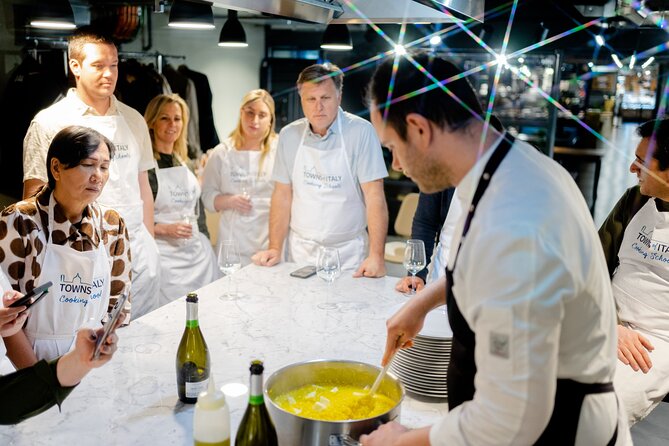
At $85.32 per person, this is not a cheap lunch. But the price covers about three hours of instruction, a full meal, wine and soft drinks, dessert, recipes, and a certificate. You also get the benefit of a central location and chefs who can adjust the lesson for different abilities.
The value improves if you would otherwise pay for a separate lunch and a shorter cooking demonstration. It also makes sense if you want an activity that works in poor weather and gives you a practical souvenir rather than another small object.
The price is less attractive if your main goal is to make and eat your own individual portion of pasta. The group may combine the pasta before serving, and a class of 20 may limit one-to-one attention. A smaller class can offer better value, so ask about expected group size if you have flexibility.
Wine is part of the package, but you should clarify the quantity because the activity details describe both two glasses and unlimited wine. You are also paying for the social setting, the chef’s guidance, and the meal, not simply for ingredients.
Who should book this Milan cooking class?
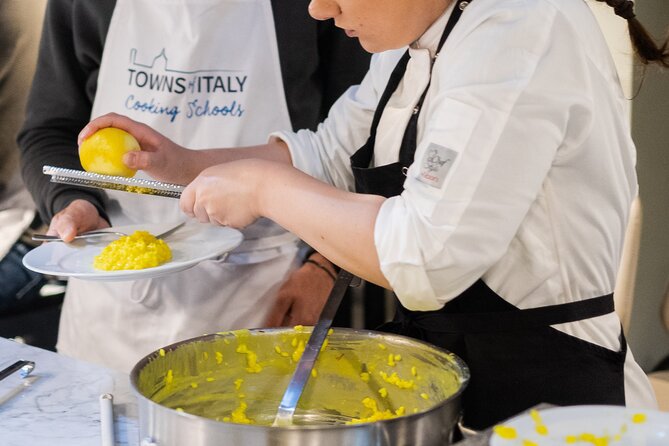
I would choose this for a first-time visitor who wants a friendly introduction to Italian food without committing to a full-day program. It is especially suitable for couples, families with an adult present, and solo visitors who like shared activities.
It is also a good choice if you are staying near Milano Centrale or need a convenient activity before an afternoon train. The 11:00 a.m. start gives you lunch at the end, though you should not eat a large breakfast if you want to enjoy the meal.
Families should note that anyone under 18 must be accompanied by at least one adult. The class is not suitable for celiac diners, and all dietary restrictions should be reported ahead of time.
I would hesitate if you dislike group cooking, want a private lesson, or need complete control over your own serving. You may also prefer another class if tiramisù or gelato is your main goal, since the dessert changes on March 1, 2026.
My booking advice
Book this class if you want to learn basic pasta skills, eat a generous lunch, and meet people in a central Milan setting. The strongest parts are the clear instruction, the friendly chefs, the chance to make two pasta styles, and the useful recipes for home.
Before paying, check three things: the dessert offered on your date, the current wine allowance, and the expected group size. Arrive early enough to find the school above Mercato Centrale. With those details settled, this is a practical and enjoyable way to spend a Milan morning, with skills you can use long after the certificate has gone into your suitcase.
FAQ
Where does the Milan cooking class begin?
It begins at Towns of Italy Cooking School at Milano Centrale’s Mercato Centrale, Via Giovanni Battista Sammartini, 1, 20125 Milan. The activity ends at the same meeting point.
What time does the class start?
The scheduled start time is 11:00 a.m. The session lasts approximately three hours.
What will I make during the class?
The main pasta dishes are ravioli and tagliatelle. Sauces vary with the season and may include options such as pesto, carbonara, cheese fondue, or seasonal sauces.
Is gelato always included?
No. Gelato is the dessert for classes before March 1, 2026. Classes starting March 1, 2026, feature tiramisù instead.
Are vegetarian diets and food intolerances accommodated?
Vegetarians and people with other intolerances or allergies are welcome, and alternative recipes are available. You should provide advance notice. The class is not suitable for people with celiac disease.
Are drinks included?
Wine and soft drinks are included. The details describe the wine allowance both as two glasses and as unlimited wine, so confirm the current arrangement before booking. Soft drinks are provided for children.
Can I cancel for a full refund?
You can cancel for a full refund up to 24 hours before the experience start time. Cancellations or changes made less than 24 hours before the start are not accepted for a refund.
Just added in Milan
- Highlights and hidden gems of Milan Bike Tour★ 5.0 · 491 reviews
- Milan Gourmet Tour: A Premium Tasting Experience by Do Eat Better★ 5.0 · 241 reviews
- Private Milan Food Walking Tour of Brera★ 5.0 · 217 reviews
- Leonardo3 The World of Leonardo: Tickets for the Interactive Exhibition★ 4.0 · 220 reviews
- Da Vinci’s Last Supper and Santa Maria delle Grazie Church Tour★ 4.5 · 218 reviews
- Learn to Cook Italian Recipes with an Italian Chef★ 5.0 · 283 reviews
- La Scala Theatre and Museum guided experience★ 4.5 · 664 reviews
- La Scala Theatre and Museum Tour in Milan With Private Guide★ 3.5 · 384 reviews
Pasta, compared.
Florence Pizza or Pasta Class with Gelato Making at a Tuscan Farm
Read our review →
Pasta & Tiramisu Class with Fine Wine by the Vatican
Read our review →
Pasta Making Class with Wine, Limoncello, and Dessert
Read our review →
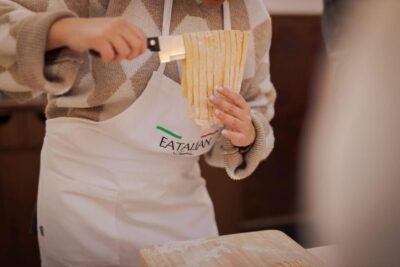
Fettuccine Pasta Cooking Class in Rome’s City Center
Read our review →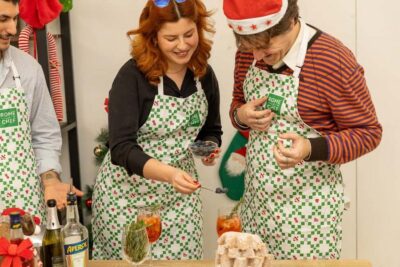
Traditional Pasta with Cocktails Cooking Class
Read our review →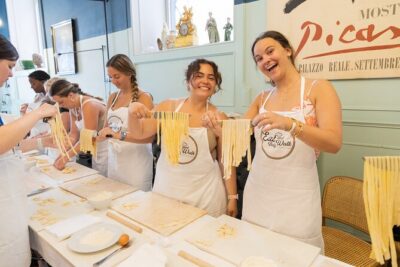
Learn to Make Pasta & Tiramisu with Wine and Limoncello Included
Read our review →Browse the lists this tour appears in