
Reviewed · COOKING CLASSES
Milan: Italian Cooking Class with Food and Wine
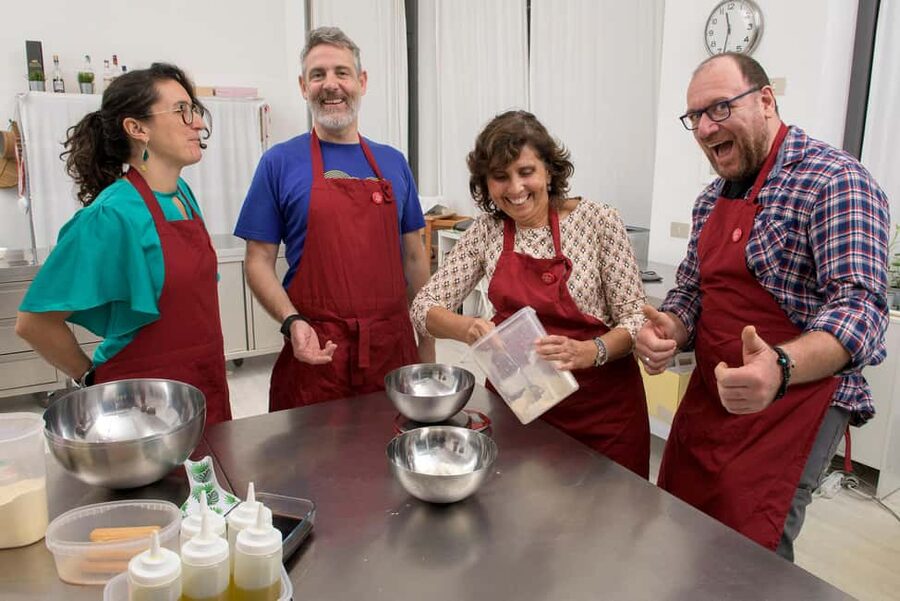
Fresh pasta is the star here. In a three-hour workshop at Chef and the City, you work at your own station, learn from an Italian chef, and then eat the meal you helped prepare. The menu can include bruschetta, tagliatelle, gnocchi, ravioli, tiramisù, biscotti, or strudel, so the exact dishes may vary.
I like the hands-on pasta making and the chance to sit down with wine after the work is done. I also like that you receive the recipes, including useful sauces such as ragù and cacio e pepe. One thing to keep in mind: some sauces are prepared ahead of time because they need longer than the class allows, so you may learn the technique without cooking every part from start to finish.
Key points at a glance
- Fresh pasta at your own station: Roll, shape, and handle the dough under direct guidance.
- Chef Ilaria’s lively instruction: Expect clear explanations, cooking tips, and stories about Italian food.
- Three dishes in three hours: The menu may include bruschetta, pasta, gnocchi, ravioli, or dessert.
- A social meal afterward: Sit with the group, taste the food you made, and drink red or white wine.
- Recipes to take home: Recreate the class dishes, plus sauces demonstrated or prepared during the session.
- Good value at $80: Food, wine, equipment, apron, gloves, and instruction are included.
Fresh pasta is the heart of the Milan cooking class
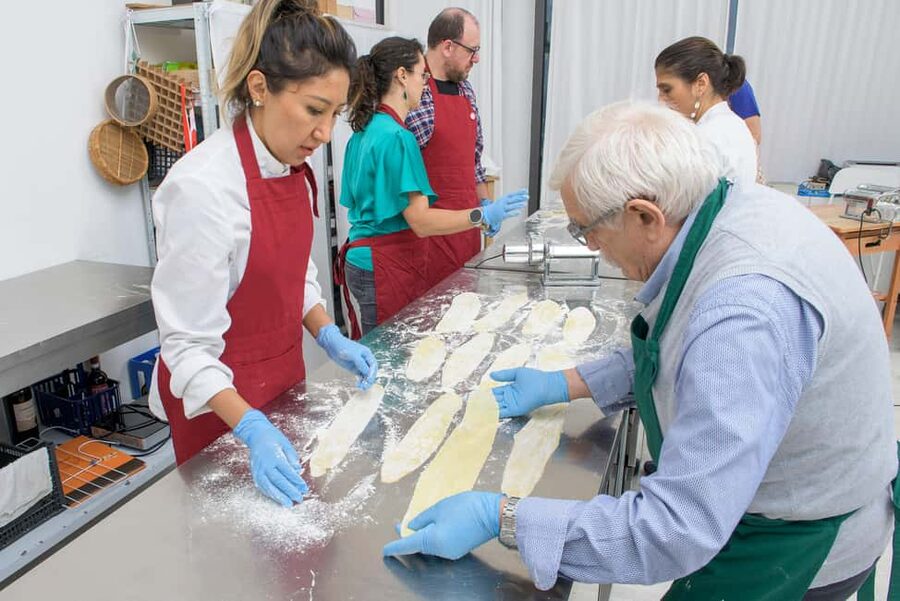
This experience works best if you want more than a restaurant meal but less than a full culinary school course. You spend about three hours cooking in a professional kitchen lab, with a chef guiding the group through three dishes.
The class is practical rather than showy. You handle ingredients, use cooking tools, and learn how dough changes as you mix, knead, roll, and shape it. If you have never made pasta, the process feels less mysterious by the end. If you already cook, you can focus on the small details that make Italian food work.
Chef Ilaria receives the strongest praise for her teaching style. She is described as funny, warm, energetic, and clear in English. That matters in a hands-on class, where a good explanation can save you from tough dough, badly shaped pasta, or a sauce that does not come together.
The tone is friendly, but the kitchen has rules. You cannot eat or drink while cooking, and you must tie back long hair. That may sound strict, but it keeps the workspace clean and safe. Snacks and drinks are available during suitable breaks, rather than beside your chopping board.
More Cooking Classes in Milan
- Milan: Pasta and Tiramisu Cooking Class with Wine
★ 4.8 · 1,106 reviews - Milan: Pasta and Tiramisu Small Group Cooking Class with Wine
★ 5.0 · 660 reviews - Milan Cooking Class: Authentic Pizza & Gelato Making
★ 5.0 · 582 reviews
Meeting Chef Ilaria at Chef and the City
The cooking school is a street-level shop with three large windows and red signs marked Chef and the City. When you arrive, ring the bell at the main windowed door.
The location is designed for cooking rather than dining-room theater. You work from your own personal desk, with cooking tools, gloves, and an apron supplied. That setup gives you space to follow the chef while still taking part in the work.
English is available, along with Italian. Several instructors or assistants may help, and the exact teacher can depend on scheduling. Chef Ilaria is frequently named as the main instructor, while Klara and Fernando have also led or assisted sessions.
You should arrive ready to cook, not to store your suitcase. Luggage and large bags are not allowed, and there is no luggage storage or private transportation included. Plan around that before you arrive, especially if the class falls between hotel check-out and a train or flight.
What happens during the three-hour session
The class usually follows a simple rhythm: introduction, preparation, cooking, and a shared meal. The exact order and menu can change, but the experience normally includes an appetizer, a main dish, and a dessert.
You may begin with light snacks such as cheese, sun-dried tomatoes, mortadella, and olives. Cookies, biscuits, candies, coffee, tea, infusions, and water are also available. These extras help make the class feel social, though they are not a replacement for the meal you prepare later.
The chef then introduces the menu and explains the ingredients and methods. This is where the class gains much of its value. You hear why a technique matters, how to avoid common mistakes, and how Italian cooks think about balance, texture, and simplicity.
The hands-on work can include chopping vegetables, mixing dough, shaping pasta, assembling an appetizer, or preparing a dessert. A typical combination might be bruschetta, fresh tagliatelle, and biscotti. Another session may feature gnocchi, tiramisù, and bruschetta, or ravioli with strudel.
That variation is worth noting. If you book because you have your heart set on gnocchi or tiramisù, you should understand that the menu is not fixed in every description or session. The activity presents several possible dishes, and the recipes made on your date may differ.
Making pasta, gnocchi, and other Italian staples
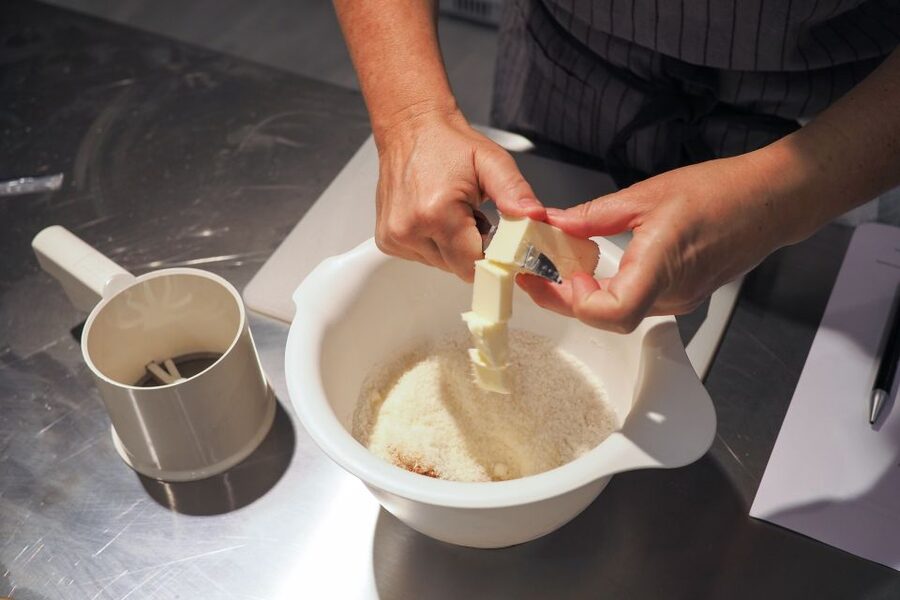
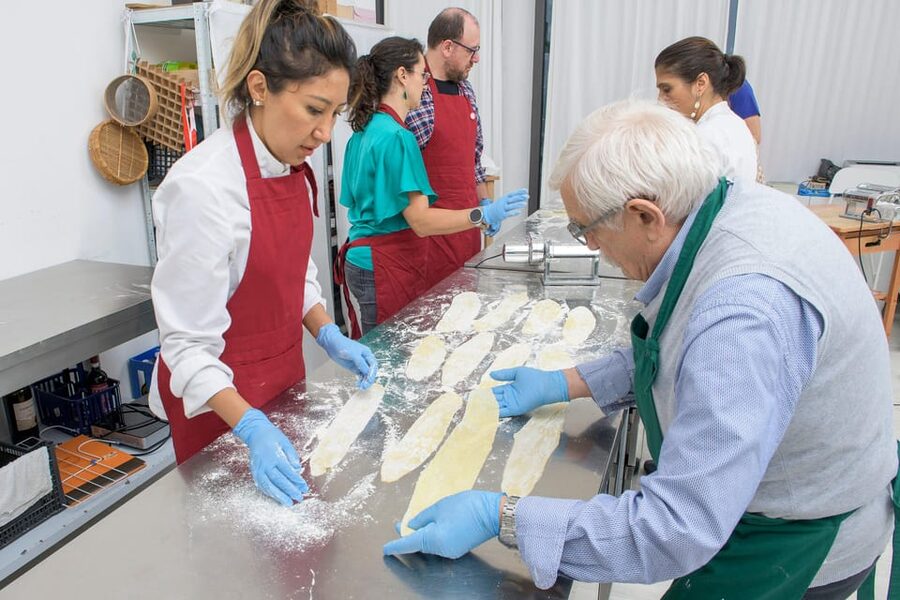
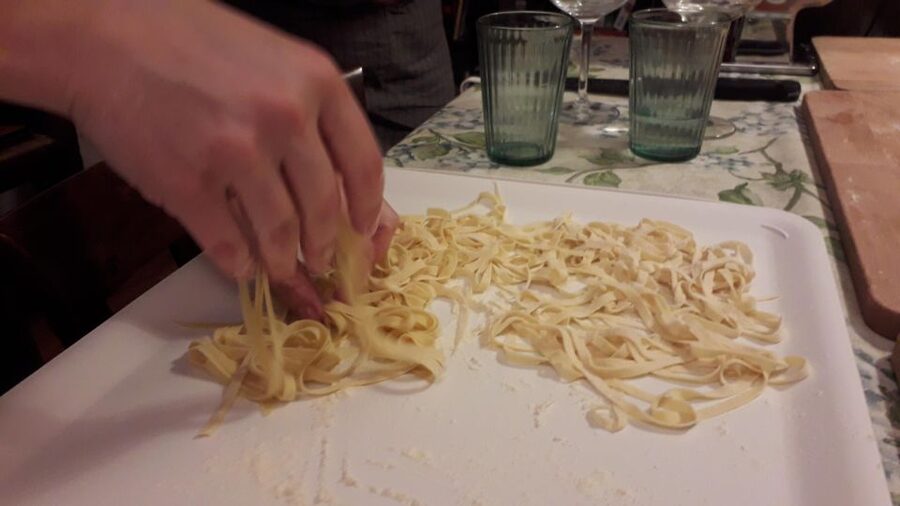
Fresh pasta is the most useful skill to take home. You learn how flour, eggs, and moisture become a workable dough, then how to roll and cut it. Some sessions use a pasta machine, which gives you a clear sense of how thin the sheets should be before cutting tagliatelle or shaping ravioli.
The process is tactile and forgiving. You will probably make uneven shapes at first. That is part of the lesson, and the chef can correct your technique before the mistakes reach the plate.
Gnocchi offers a different lesson. The dough must be handled lightly, and the pieces need the right texture before cooking. One class included butter and sage gnocchi, a simple dish that shows how much flavor can come from a few well-handled ingredients.
Ravioli requires patience and care. You need to seal the filling properly and avoid trapping too much air. When the class includes ravioli, the reward comes when the finished pasta holds together in the pot.
Appetizers and desserts keep the class from becoming only a pasta workshop. Bruschetta teaches you to build flavor with bread, toppings, seasoning, and good timing. Tiramisù, biscotti, cantucci, and strudel bring a sweet finish, although not every class makes the same dessert.
Other classes where you do the cooking in Milan:
- Small Group Cozy Cooking Class in a Typical Milanese Home.
★ 5.0 · 302 reviews - Learn to Cook Italian Recipes with an Italian Chef
★ 5.0 · 283 reviews - Milan: Pasta & Tiramisu Cooking Class with Premium Products
★ 5.0 · 255 reviews - Choose three recipes to cook from all the traditional cuisine
★ 5.0 · 214 reviews
Sauces, shortcuts, and what you may not cook yourself
The class makes a useful distinction between a dish and the parts that need long cooking. Ragù can take hours to develop. Some sauces therefore may be prepared in advance, while the chef explains the method and supplies the recipe.
This is a sensible time choice, but it affects your expectations. You may make the pasta from scratch yet taste it with a sauce that was started earlier. That still teaches you how the meal works, but it is not quite the same as cooking every element from raw ingredients during the three-hour session.
Cacio e pepe is another good example. It looks simple, but the sauce depends on technique. The right balance of pasta water, cheese, pepper, and heat matters. The chef may also use the class to explain Italian standards, such as the traditional view that carbonara does not need cream or bacon.
You will receive the recipes so you can repeat the dishes at home. This is especially helpful for the sauces that take longer. You can plan ahead, make the ragù properly, and pair it with the fresh pasta technique learned in class.
The meal and wine make the lesson feel complete
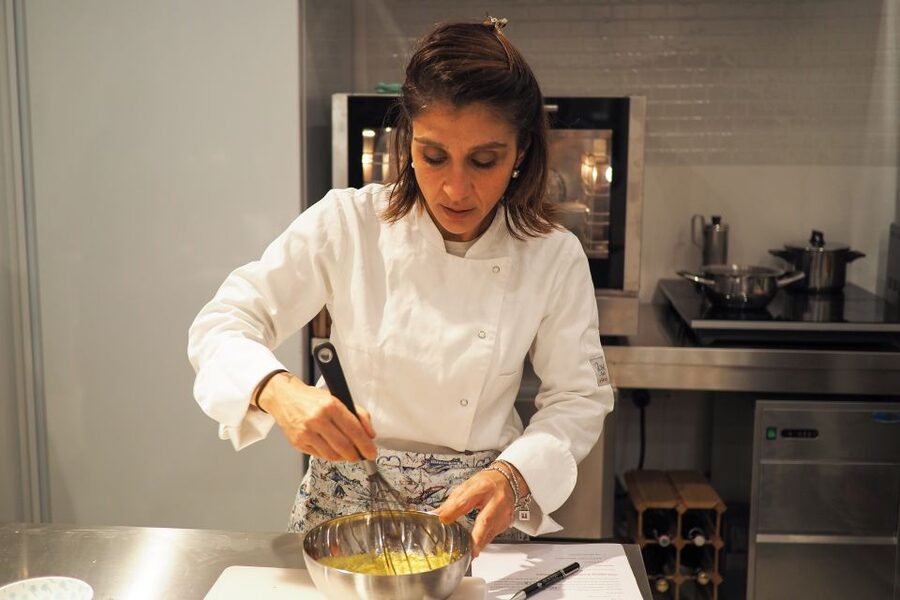
After the cooking, the group sits down to eat. This is not a rushed tasting at a counter. You share the food prepared during the workshop and chat with the other participants over wine.
Red and white wine are included, along with the food and nonalcoholic drinks. Several sessions are described as lively and social, with people from different countries cooking together. Solo visitors can fit in easily because the shared meal creates a natural way to meet people.
The meal also gives you a chance to judge the results. Pasta that seemed difficult while you were shaping it becomes a proper dish on the plate. Bruschetta, gnocchi, or dessert feels more satisfying because you know the work behind it.
Still, this is a group class, not a private dinner. The size and mood can vary. One session had only two people, which meant more personal attention but less group energy. A larger group can be more sociable, though you may wait briefly for help at busy moments.
Why the $80 price can be good value
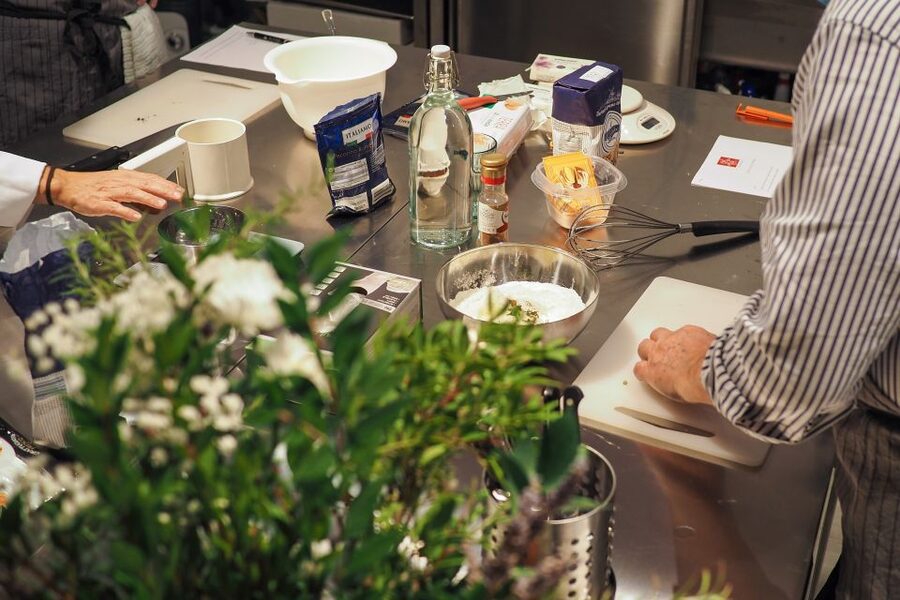
At $80 per person, the price covers three hours of instruction, food, wine, cooking equipment, gloves, and an apron. You also leave with recipes, not just a full stomach.
For a Milan activity, that is fair value if you use the class as both a meal and a practical lesson. A restaurant dinner would give you food and wine, but not the pasta-making practice or the chance to ask why a method works.
The value is strongest for beginners, couples, families with older children, and solo visitors who enjoy social activities. It is also useful for confident home cooks who want to learn fresh pasta in an Italian kitchen.
The price is less compelling if you mainly want a quiet gourmet dinner or a highly technical course. You will be cooking with a group, and the chef must keep the session moving. You should expect clear instruction and useful techniques, not a long private consultation at your own pace.
Dietary needs, age limits, and practical restrictions
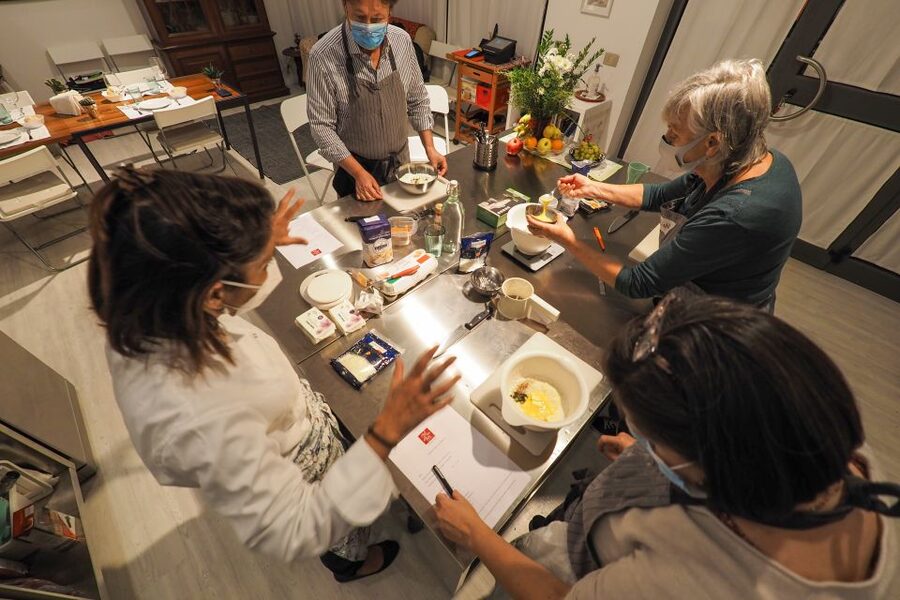
The activity is not suitable for children under 10 or people with mobility impairments. It is also not wheelchair accessible. Pets, smoking, large bags, and luggage are not allowed.
Dietary needs can sometimes be handled with advance notice. One session accommodated a gluten-free participant, and another instructor took food restrictions into account. You should still communicate your needs before arriving, since the menu and kitchen setup may limit what can be changed.
Because the class takes place in a professional cooking lab, follow the kitchen rules carefully. Do not taste food while cooking, do not bring drinks to the workstation, and tie up long hair.
The class is offered in Italian and English. English instruction has been praised for being easy to follow, but the experience still depends on listening closely and taking part. If you prefer to watch quietly, you may miss the best part.
Who will enjoy this Milan cooking experience
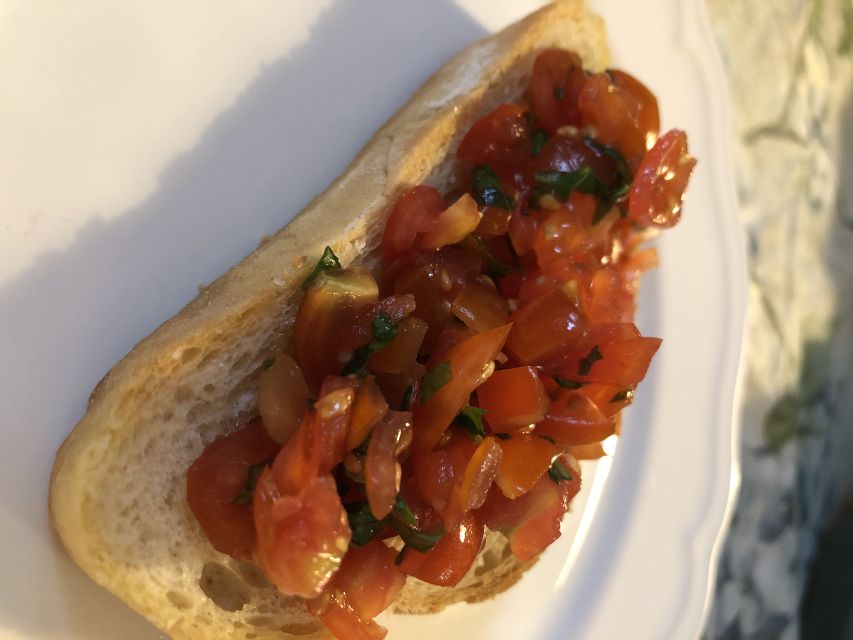
I would choose this class if you want an activity that combines food, instruction, and conversation. It is a good break from museums and churches, especially during a longer Milan stay when you want to do something with your hands.
It suits first-time pasta makers particularly well. The chef explains the reasons behind each step rather than simply telling you what to do. You can ask questions, correct your technique, and take the recipe home.
It also works for solo visitors. The group meal makes it easy to talk with people from different countries, and the cooking gives everyone an instant shared subject.
Couples and families with children aged 10 or older can enjoy it too. The kitchen work gives you something to do together, and the final meal provides a natural finish.
I would hesitate if you need guaranteed dishes, a private class, or a fully accessible venue. I would also hesitate if you dislike wine-centered social settings, although you are not required to drink.
Booking advice for the best experience
Read the menu details carefully and treat the dishes named there as examples unless the provider confirms the exact selection. If gnocchi, ravioli, or tiramisù matters to you, ask ahead of time.
Wear comfortable clothing suitable for kitchen work. Long hair must be tied back, and large bags should be left elsewhere. Since private transportation and luggage storage are not included, plan your route and belongings before the class.
Allow the full three hours. The cooking itself is only part of the experience. The explanations, shaping, cooking, and shared meal all matter, and leaving early would cut out the most enjoyable payoff.
Cancellation is free up to 24 hours before the activity, and you can reserve now and pay later. Starting times vary, so check availability for your date.
Should you book Chef and the City?
Book it if you want to learn a skill you can use at home, eat a complete Italian meal, and meet people in a relaxed setting. The strongest reasons are the hands-on pasta work, Chef Ilaria’s lively teaching, the included wine, and the recipes you take away.
Go in with realistic expectations. The menu can change, some sauces may be made ahead, and the class follows kitchen rules. If that sounds fair, $80 buys more than dinner. It gives you a practical Italian food lesson with a tasty ending.
FAQ
How long is the Milan Italian cooking class?
The experience lasts three hours, including the cooking instruction and shared meal.
What dishes might I make?
Possible dishes include fresh tagliatelle, gnocchi, ravioli, cacio e pepe, ragù, focaccia, eggplant parmigiana, bruschetta, tiramisù, biscotti, cantucci, and strudel. The exact menu can vary by session.
Is wine included?
Yes. Wine is included, and both red and white wine may be served with the meal.
Are cooking tools and protective clothing provided?
Yes. Cooking tools, gloves, and aprons are included.
Will I receive the recipes?
Yes. The chef provides copies of the recipes so you can prepare the dishes at home.
Is the class taught in English?
Yes. The activity is offered in English and Italian.
Can children join the class?
Children under 10 are not permitted. The experience is suitable only for children aged 10 or older, subject to the stated restrictions.
Can I bring luggage or a pet?
No. Pets, smoking, luggage, and large bags are not allowed. There is no luggage storage provided.
More food to try in Milan
- Delicious! Milan’s Favorite Food Tour
★ 5.0 · 268 reviews - Milan: Sunset Navigli Food & Drinks Tour with a Local
★ 4.6 · 264 reviews - Milan Gourmet Tour: A Premium Tasting Experience by Do Eat Better
★ 5.0 · 241 reviews - Private Milan Food Walking Tour of Brera
★ 5.0 · 217 reviews
More eating and drinking in Milan
- Milan’s Authentic Street Food tour: A Gourmet Experience
★ 4.5 · 717 reviews - Small-Group Barolo Wine Tasting, Alba & UNESCO Piedmont Hills
★ 5.0 · 689 reviews - Milan: Guided Street Food Walking Tour with Food Tasting
★ 4.8 · 654 reviews - Milan: Navigli Food & Drinks Tour with Eating Europe
★ 5.0 · 394 reviews
Just added in Milan
- Highlights and hidden gems of Milan Bike Tour★ 5.0 · 491 reviews
- Milan Gourmet Tour: A Premium Tasting Experience by Do Eat Better★ 5.0 · 241 reviews
- Private Milan Food Walking Tour of Brera★ 5.0 · 217 reviews
- Leonardo3 The World of Leonardo: Tickets for the Interactive Exhibition★ 4.0 · 220 reviews
- Da Vinci’s Last Supper and Santa Maria delle Grazie Church Tour★ 4.5 · 218 reviews
- Learn to Cook Italian Recipes with an Italian Chef★ 5.0 · 283 reviews
- Milan Last Supper and S. Maria delle Grazie Skip the Line Tour★ 5.0 · 1,031 reviews
- La Scala Theatre and Museum guided experience★ 4.5 · 664 reviews
Cooking Classes, compared.
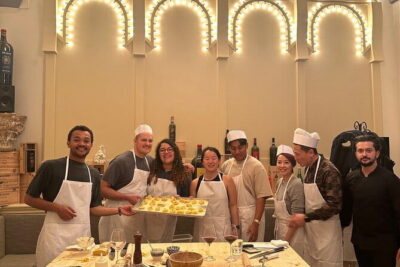

3 in 1 Cooking Class near Navona: Fettuccine, Ravioli & Tiramisu
Read our review →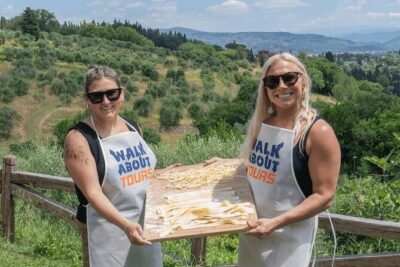
Florence Pizza or Pasta Class with Gelato Making at a Tuscan Farm
Read our review →
Pasta & Tiramisu Class with Fine Wine by the Vatican
Read our review →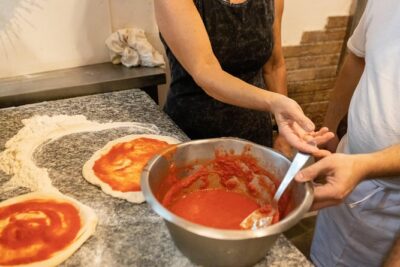
Authentic Pizza Making Class in Naples with Appetizers and Drink
Read our review →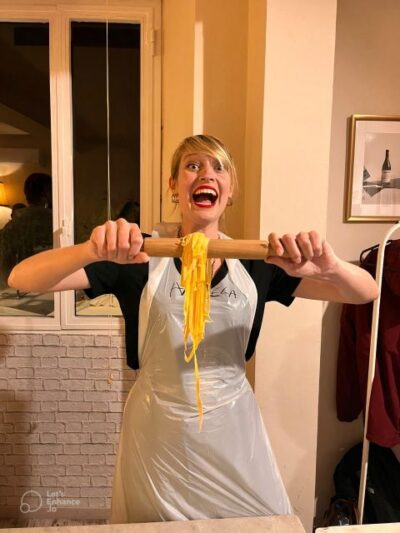
Pasta Making Class with Wine, Limoncello, and Dessert
Read our review →
3-in-1 Fettuccine, Ravioli, and Tiramisu Cooking Class
Read our review →Browse the lists this tour appears in