
Reviewed · TRAIN EXPERIENCES
Intimate Small-Group Bernina UNESCO Scenic Train on Swiss Alps
The Bernina train ride is the star here: a red Alpine railway climbing from Tirano toward glaciers, high passes, bridges, and snowy peaks. You also get a quick Lake Como stop, a look at the Valtellina valley, lunch time in Tirano, and a short walk in St. Moritz. It is a big day, but it packs a great deal into one outing.
I like the small group, capped at 18, and the personal care shown by guides such as Luca and Silvia. I also like that the return avoids repeating the rail route, which gets you back to Milan earlier than an all-train version. The tradeoff is plain: this is a minimum 13-hour day, with several hours in a minibus or regional train and little time for long visits in St. Moritz or Lake Como.
Key points at a glance
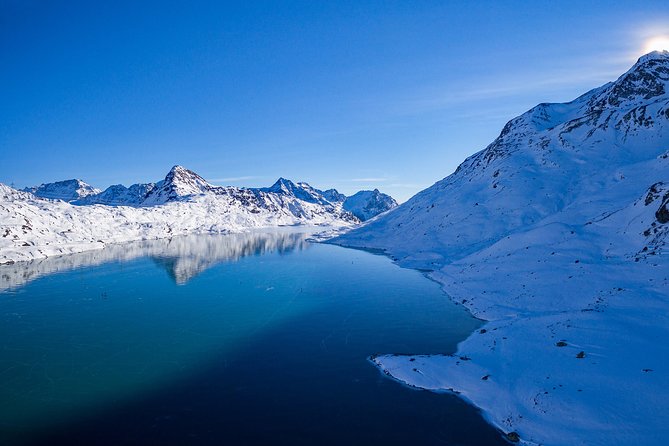
- The Bernina railway is the main event: Ride from Tirano toward the high point of the route, with a stop at Ospizio Bernina in summer or Diavolezza in winter.
- You see more than one Alpine setting: The day links Lake Como, the Valtellina valley, Italian mountain towns, and Swiss resort country.
- Small groups change the feel: With no more than 18 people, guides can help with train changes, photos, lunch suggestions, and timing.
- Guides add real value: Luca, Silvia, Paola, Ilaria, Julia, and others are named in the supplied experience details, with Luca especially noted for careful timing and personal attention.
- St. Moritz is a short stop: Expect a walk by the lake, stairs, an escalator to downtown, and about 45 minutes of free time in the listed schedule.
- Pack for the summit, not Milan: Bring a jacket in summer, and warm layers, gloves, a hat, scarf, and good shoes in winter.
Why the Bernina train makes this long day worthwhile
From Milan, the Bernina railway is not close. That is the central fact to understand before you book. You spend roughly an hour reaching the Lake Como area, about an hour and a half driving along the lake and through Valtellina, and around three hours returning to Milan after the Swiss portion. The train ride is memorable, but it sits inside a long chain of transfers.
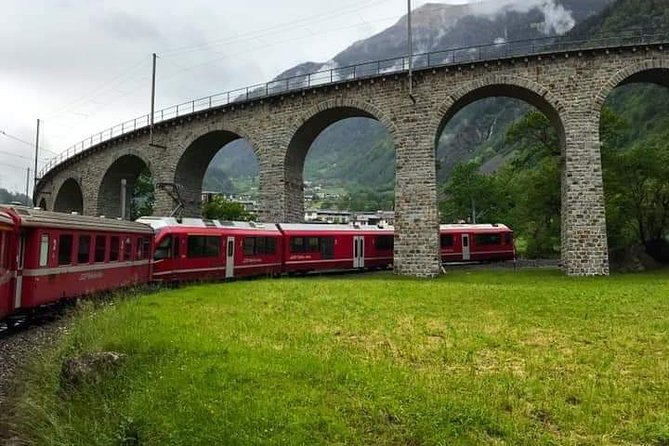
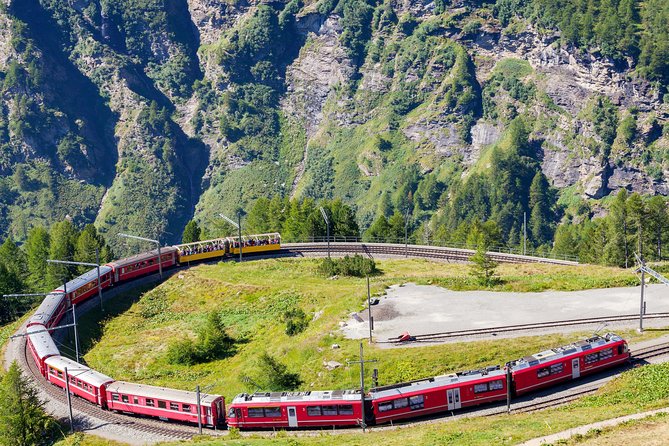
Still, the route earns its place on a Milan itinerary. The Bernina line climbs sharply through the Alps, crossing bridges and viaducts while the scenery shifts from Italian valleys to high mountain country. At the highest part of the journey, you can step off to take in the cold air and wide views.
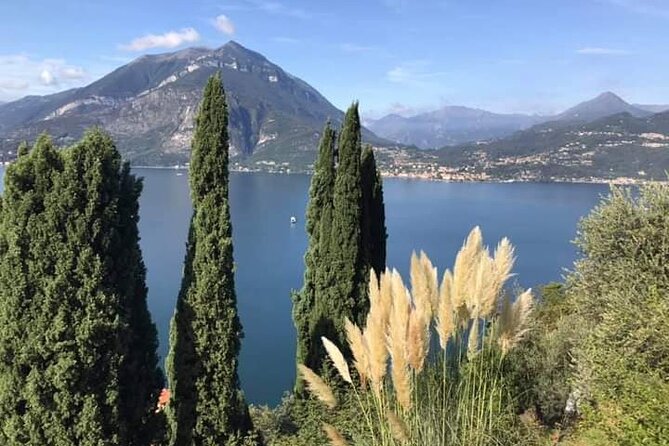
I especially like the way this trip gives you several kinds of scenery in one day. Lake Como provides the water and lakeside villages. Valtellina brings vineyards, mountain roads, and a quieter Italian valley. The Bernina railway supplies the grand Alpine views, and St. Moritz adds a polished Swiss resort town at the end.
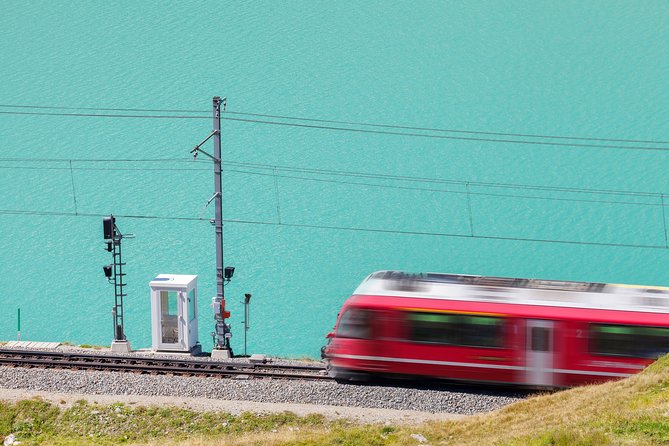
The rail portion may use a regular Bernina service rather than a fully panoramic carriage, depending on the day and railway operation. That is not necessarily a drawback. A regular train can have windows that open, which helps with photographs. The operator may reserve a carriage for the group, and guides can point out places to watch for along the route.
Other journeys by rail from Milan:
- Bernina Red Train, Swiss Alps & St Moritz From Milan
★ 5.0 · 2,954 reviews - Swiss Alps Bernina Red Train and St.Moritz Tour from Milan
★ 4.5 · 2,369 reviews - From Milan: Venice and Verona Full-Day Tour by Train
★ 4.1 · 217 reviews
Milan Central Station: an early start with several connections
The meeting point is outside Milan Central Station at 8:00 a.m. You may begin with a regional train or a small minibus, depending on the day’s arrangements. In some departures, the group takes a train toward Lecco and meets the guide and driver there. A coordinator may help you board the correct train and get off at the right stop.
This early handoff matters. You are not simply boarding one direct train from Milan to Switzerland. You are joining a coordinated chain of rail and road segments, and missing the first departure can mean missing the entire day. The operator does not provide transport from your hotel, so plan your own route to Milan Central Station and arrive early.
The small group helps here. A guide can count heads, explain the next step, and keep the party together. Guides such as Luca have been praised for answering messages quickly and keeping to the timetable. That kind of attention is useful on a day with several moving parts.
Lake Como: a short look, not a full lake tour
The first scenic pause is in a picturesque lakeside town. Bellano appears in the detailed trip accounts, while the exact town can depend on the day’s route. You get about 30 minutes to stretch your legs, take in the lake, use the facilities if available, and grab a coffee.
Do not book this expecting a full Lake Como visit. You will not have time for a boat ride, a long meal, or a museum. The stop works as a breath of fresh air after the first transfer and gives you a quick taste of the lake without turning the day into a standard Como excursion.
There may be stairs during the walk. Keep your camera ready, but do not let the photo stop become a scramble. The day has a tight schedule, and the guide needs to move the group onward toward Tirano.
Through Valtellina by minibus
After the lake, the route follows part of the shore and then heads through the Valtellina valley. This is one of the more underrated parts of the outing. You are not just sitting through a transfer. The road cuts between mountains, and the changing views help explain how the Bernina railway connects Italy with the Swiss high country.
The minibus is practical because it links places that would be awkward to combine by public transport in one day. It also lets the guide point out local areas along the way. The cost is comfort. Some departures use a compact vehicle with limited legroom, and the mountain roads include bends and switchbacks.
If you get carsick, bring the medication you normally use. One supplied account specifically recommends it for the winding roads, even while praising the driver’s care. You should also expect that bathroom stops may not come as often as you would like, so use each proper stop.
A short pause of about 30 minutes may take place in a small town, winery, or café. Some groups have visited a family winery and sampled Italian wine, though alcohol is not included. Others have stopped at a shop selling local cheeses, jams, and related products. Treat this as a flexible local pause rather than a guaranteed tasting program.
Same base, a different kind of day:
- Milan: Cathedral and Duomo’s Terraces Entrance Ticket
★ 4.6 · 61,054 reviews - Milan: Da Vinci’s Last Supper Guided Tour
★ 4.7 · 10,143 reviews - Milan: Science and Technology Leonardo da Vinci Museum Entry
★ 4.5 · 7,169 reviews - Milan: City Sightseeing Hop-On Hop-Off Bus with Audio Guide
★ 4.0 · 6,256 reviews
Tirano: lunch before the red train
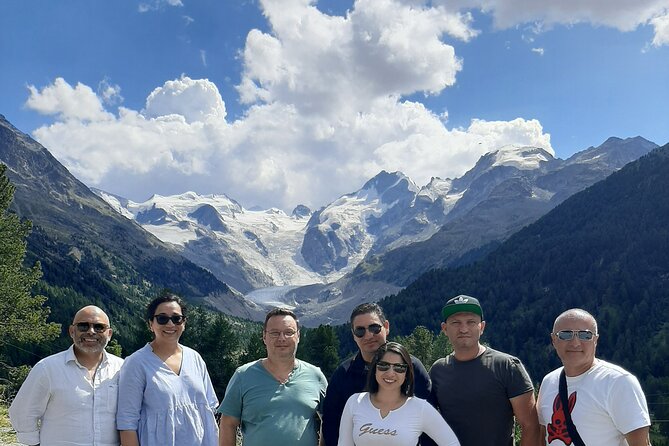
Tirano is the practical gateway to the Bernina railway. You leave the minibus and walk to the station, with stairs on the way. The schedule allows about an hour for lunch at your own expense before boarding.
This is the place to keep lunch simple. You need to eat, but you also need to reach the station on time. Guides can suggest restaurants, and Luca has sometimes helped arrange a table when the town is busy. Still, do not count on a long restaurant meal. The train departure controls the schedule.
Lunch and alcoholic drinks are not part of the $211.63 price. That price does include the Bernina train ticket, the English-speaking guide, small-group transport, and the road transfers. For me, the value is strongest if you want the route handled for you. Organizing Milan, Lake Como, Tirano, the cross-border rail journey, St. Moritz, and the return independently would take careful planning and still might not fit into one day.
The Bernina railway: open windows, bridges, and high snow
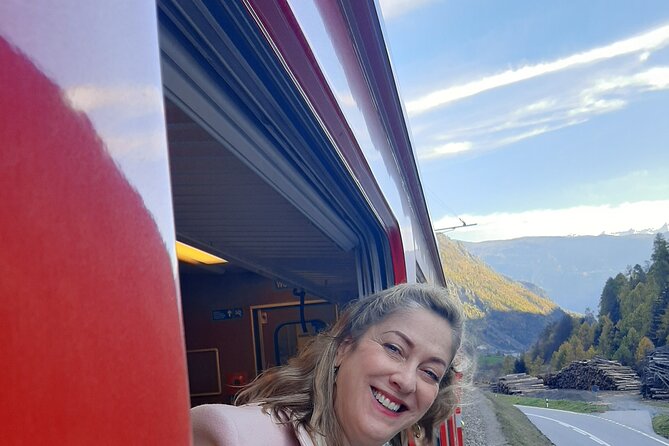
The train is where the tour earns its title. From Tirano, the line climbs through the Alps on a route known for dramatic curves, viaducts, mountain slopes, and high passes. The scenery changes quickly, so keep your phone or camera accessible rather than buried in your bag.
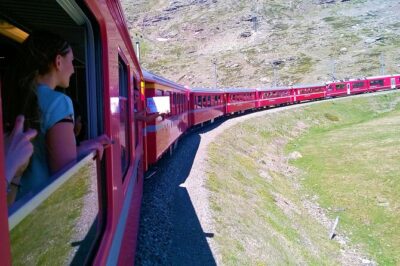
Some guides help passengers choose a carriage with views on both sides. On services with opening windows, you can get clearer photographs and a stronger sense of the mountain air. Be careful with loose items, especially in cold or windy weather, and follow railway rules.
The route reaches its highest point at Ospizio Bernina in summer. In winter, the scheduled stop is Diavolezza. Snow can make the winter trip especially striking, but it also means colder conditions and a greater chance of altered operations.
The operator gives an important weather warning. In unsafe conditions, the tour may be canceled for a full refund or moved to another date. If the train runs only partly, the group may not reach the high point or St. Moritz. This is a mountain excursion, not a guaranteed set of postcard conditions.
That uncertainty is part of the practical calculation. On a clear day, the rail segment can be the highlight of your time in northern Italy. In poor weather, you may still enjoy the train, but the broad views can be limited.
St. Moritz: a quick taste of Swiss resort life
After leaving the train, the group continues toward St. Moritz by coach or minibus. The listed plan gives about 45 minutes in town. You walk roughly 10 minutes beside the small Alpine lake, then use stairs and an escalator to reach the sloping downtown area.
This is enough time for a short look, a few photographs, and perhaps a quick stop at a shop. It is not enough for a relaxed meal, a museum, or a serious shopping session. The town itself is not the main reason to book this experience. The journey to it, especially the Bernina railway, is the point.
Off-season timing can make St. Moritz feel quiet, with many shops and restaurants closed. That may disappoint you if you picture a lively resort afternoon. On the other hand, the quieter streets leave more room for views and a brief walk without a packed schedule.
Wear shoes with a good grip. Even a short walk can include stairs, sloping streets, and cold or wet surfaces. The itinerary is not built for long hikes, but you do need to manage short walks at several stops.
The return to Milan: practical, scenic, and vulnerable to traffic
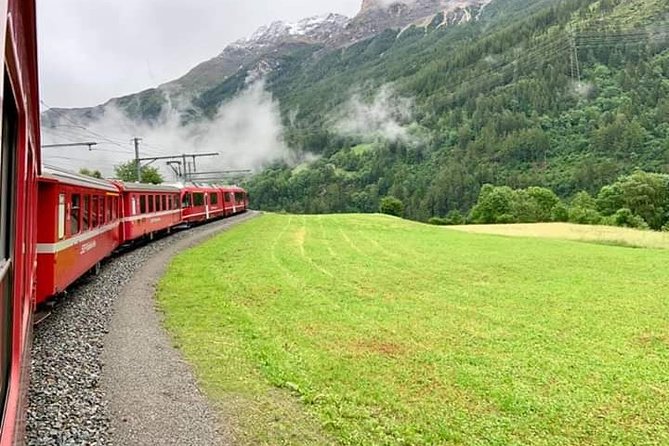
The return generally uses the minibus or coach for part or all of the route, with a regional train included on some departures. It does not repeat the Bernina railway all the way back to Milan. That choice keeps the return from stretching toward 11 p.m., but it also means road traffic can affect the final arrival.
The full day lasts about 12 hours and 45 minutes on paper, but the practical advice is to treat it as at least 13 hours. You may arrive tired, especially after the early start, mountain roads, and repeated transfers.
The return road can be scenic, but it is still a transfer. If you need a quiet afternoon or an early dinner reservation in Milan, this is not the right outing. I would leave your evening open and bring water, snacks, and a portable charger.
Guides, group size, and the human side of the trip
A maximum of 18 people is a real advantage here. The group is small enough for the guide to help with train boarding, explain meeting points, suggest lunch, and keep an eye on timing. Several guides are named in the supplied details, including Luca, Silvia, Paola, Ilaria, Giulia, Raffaele, Julia, and Salma.
Luca receives especially strong praise for clear explanations, humor, careful timing, and personal attention. Silvia is noted for giving advance warnings about scenic points and helping with photographs and translation. That does not mean you can select a particular guide unless the operator confirms it, but it does show the kind of service the company aims to provide.
The group format can also make a solo booking easier. The long day creates plenty of shared travel time, and one account describes a small party quickly feeling like friends on an outing. If you prefer total freedom, though, the fixed schedule may feel restrictive.
Who should book this Alpine day trip?
I would choose this for someone staying in Milan who wants a major mountain experience without arranging several separate train tickets. It suits couples, solo visitors, and families with children aged 12 or older who can manage a long day and short walks with stairs.
It is a good fit if you value scenery over extended time in each town. You will see Lake Como and St. Moritz, but neither receives the attention of a dedicated day tour. The Bernina train and the changing mountain views take priority.
I would think twice if you are very elderly, have a medical condition affected by long periods of sitting or mountain travel, or dislike winding roads. The operator specifically says the outing is not recommended for very elderly people, young children, or people with medical concerns. Bring your passport, since every passenger must carry a valid passport for the international journey.
For summer, pack at least a light sweater or jacket. For winter, bring a heavy jacket, scarf, gloves, a hat, and sturdy shoes. The summit can feel like a different season from Milan.
Should you book the Bernina train tour from Milan?
Book it if the train ride is your priority. For $211.63, you are paying for a carefully linked day rather than a slow visit to each destination. The small group, guide support, included rail ticket, and difficult-to-arrange route give the price solid value.
Skip it if you want a leisurely Lake Como visit, several hours in St. Moritz, or a relaxed day with few transfers. This is a long Alpine sweep, not a restful excursion.
Free cancellation is available up to 24 hours before departure for a full refund. If severe weather prevents safe operation, the operator offers another date or a full refund. For the right person, this is one of the most efficient ways to reach the Bernina high country from Milan, provided you accept the early start, long return, and limited time at the side stops.
FAQ
Where does the tour begin?
It begins at Milan Central Station, at Centrale FS, Piazza Duca d’Aosta, at 8:00 a.m.
How long does the experience last?
The listed duration is about 12 hours and 45 minutes. Practical information advises treating it as a minimum 13-hour round trip.
Is the tour offered in English?
Yes. An English-speaking guide accompanies the small group.
What is included in the price?
The price includes small-group transport, a small bus, an English-speaking guide, and the Bernina train ticket.
Is lunch included?
No. Lunch in Tirano is at your own expense. Alcoholic beverages are also not included.
How many people can join the group?
The maximum group size is 18 people.
Do I need to bring a passport?
Yes. Every passenger must carry a valid passport.
Is the tour suitable for children?
Children must be accompanied by an adult, and the minimum age is 12. The operator does not recommend the tour for young children because of its length, walking, and limited bathroom stops.
What happens if the weather is unsafe?
The tour may be canceled with a full refund or moved to another date. If the Bernina train operates only partly, the group may not reach the highest point or St. Moritz.
Just added in Milan
- Highlights and hidden gems of Milan Bike Tour★ 5.0 · 491 reviews
- Milan Gourmet Tour: A Premium Tasting Experience by Do Eat Better★ 5.0 · 241 reviews
- Private Milan Food Walking Tour of Brera★ 5.0 · 217 reviews
- Learn to Cook Italian Recipes with an Italian Chef★ 5.0 · 283 reviews
- Leonardo3 The World of Leonardo: Tickets for the Interactive Exhibition★ 4.0 · 220 reviews
- Da Vinci’s Last Supper and Santa Maria delle Grazie Church Tour★ 4.5 · 218 reviews
- La Scala Theatre and Museum guided experience★ 4.5 · 664 reviews
- La Scala Theatre and Museum Tour in Milan With Private Guide★ 3.5 · 384 reviews
Train Experiences, compared.
Bernina Red Train, Swiss Alps & St Moritz From Milan
Read our review →
Rome to Pompeii Guided Tour with Wine & Lunch by High Speed Train
Read our review →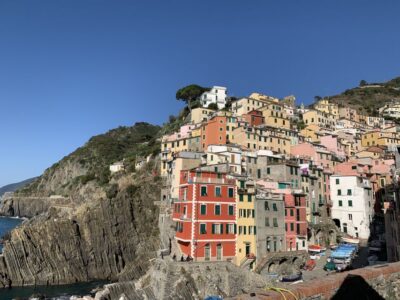
From La Spezia: Shore Excursion to Cinque Terre by Train
Read our review →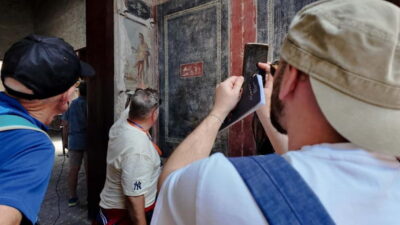
Guided tour of Pompeii skip-the-line and round-trip train
Read our review →
Browse the lists this tour appears in