
Reviewed · COOKING CLASSES
Learn to Cook Italian Recipes with an Italian Chef
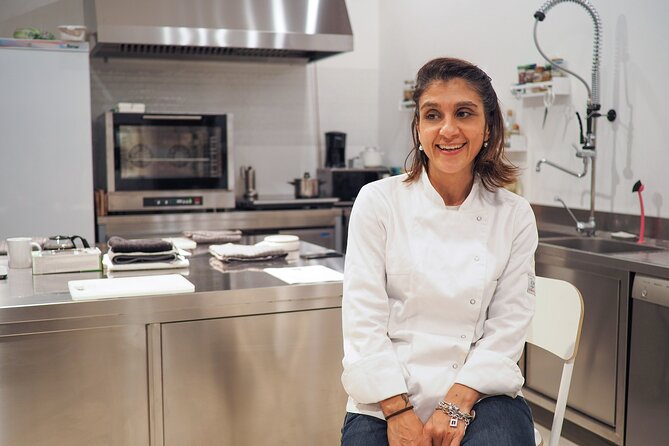
Milan’s Chef and the City cooking class is built around surprise: you do not arrive knowing the exact menu. Chef Ilaria may guide you through bruschetta, chickpea balls, eggplant parmigiana, focaccia, gnocchi, ravioli, tagliatelle, tiramisu, or cantucci. That changing menu makes the lesson feel more like a real kitchen than a fixed demonstration.
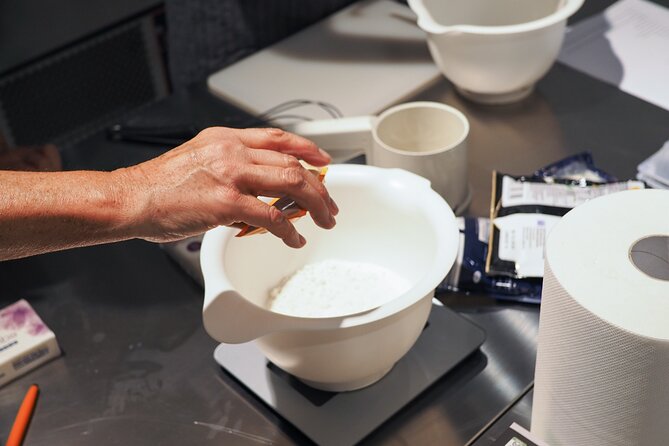
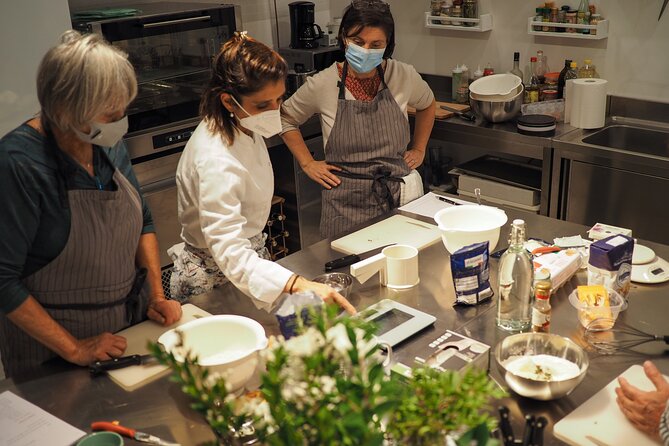
I like the hands-on format, where you mix, shape, roll, and cook rather than simply watch. I also like the practical teaching: the focus is on how, when, and why each step matters, with recipes sent home so you can repeat the meal later. The main consideration is that this is a shared class of up to 20 people, and the food may be seasoned for a broad range of tastes.
Key points to know before booking
- The menu is not fixed: You learn the day’s dishes only after class begins.
- Chef Ilaria leads many sessions: Alessandro and Dalia have also taught some classes.
- Three courses are prepared: Expect an Italian starter, fresh pasta or handmade dumplings, and dessert.
- You eat what the group makes: The lesson ends with a sit-down meal and Italian wine.
- The class is genuinely practical: Aprons, utensils, ingredients, water, coffee, tea, and welcome snacks are included.
- Bring no luggage: The street-level kitchen has no luggage storage, and smoking and animals are not allowed.
What makes this Milan cooking class different
Many Italian cooking classes promise pasta and deliver the same pasta every day. This one takes a different route. The menu changes, and you find out what you will prepare once you are in the kitchen.
That means you cannot choose a specific dish in advance. If your heart is set on ravioli or tiramisu, you may get them, but you may also prepare gnocchi, tagliatelle, focaccia, biscotti, or a Milanese dessert such as pan meino. The tradeoff is clear: less control, but more variety and a little more of the surprise that comes with cooking in someone else’s home kitchen.
The class aims to teach methods rather than just hand you a recipe. You learn how dough should feel, when a preparation is ready, why ingredients are added in a certain order, and how simple components become a complete Italian meal.
That practical approach suits you if you want to cook at home after your trip. It is less suited to someone who wants a polished food tasting with no kitchen work or someone who needs a guaranteed menu.
More Cooking Classes in Milan
- Milan: Pasta and Tiramisu Cooking Class with Wine
★ 4.8 · 1,106 reviews - Milan: Pasta and Tiramisu Small Group Cooking Class with Wine
★ 5.0 · 660 reviews - Milan Cooking Class: Authentic Pizza & Gelato Making
★ 5.0 · 582 reviews
Arriving at Via Laura Ciceri Visconti
The class meets at Via Laura Ciceri Visconti 4 in Milan. The laboratory is at street level, with three windows marked by a red Chef and the City sign. Ring the front door bell when you arrive.
The location is near public transportation, though private transportation is not included. Plan to arrive without bags. The rules specifically forbid luggage, and there is no storage available at the kitchen. That detail matters if you are stopping between hotels, trains, or flights.
The class is offered in English. Confirmation arrives at booking, and the activity returns to the same meeting point after about three hours. Because the minimum number of participants must be met, a class can be moved or refunded if it is canceled for that reason.
Welcome snacks and the first kitchen lesson
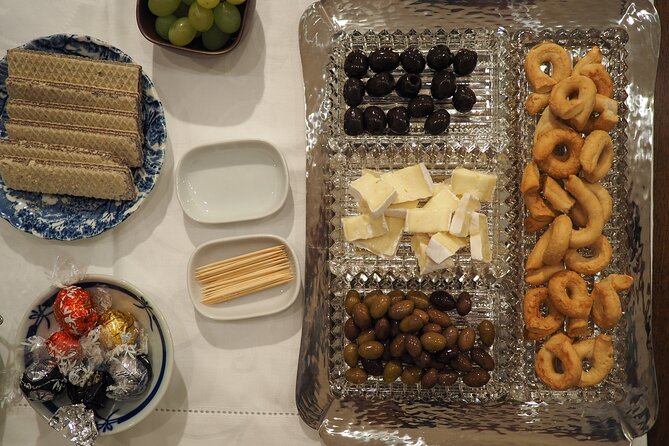
The experience begins with Italian-style welcome snacks, along with bottled natural or sparkling water. Coffee, tea, and infusions are also available, so you can settle in before the cooking starts.
Chef Ilaria is known for a warm, energetic teaching style. Her lessons mix instruction with stories about Italian food and family traditions, including memories of her grandmother. That personal touch gives the food some context without turning the class into a lecture.
You will be given an apron and the cooking tools needed for the session. The aim is to get everyone involved, even if the group includes people with very different levels of kitchen experience. Beginners can take part, while confident home cooks can focus on technique and timing.
The size of the group can vary. Some sessions have been intimate, with only a handful of students, while the maximum is 20. A smaller group gives you more direct help at the counter. A larger one can feel more social, but you may wait your turn for certain tasks.
The starter: simple ingredients, useful technique
The first dish is usually a traditional Italian starter. Possibilities include bruschetta, focaccia, eggplant parmigiana, chickpea preparations, or another seasonal-style appetizer.
This part of the class shows why Italian cooking often depends more on method than on a long ingredient list. You may work with bread, vegetables, legumes, herbs, or cheese, then learn how texture and seasoning affect the finished dish.
The hands-on work is part of the value. You are not just shown a plate of bruschetta or parmigiana. You help prepare it from scratch and see how small choices change the result.
One point to keep in mind is that the final seasoning may be fairly gentle. A few participants have found the food too mild, while others appreciate the balanced approach. If you prefer strong heat or bold seasoning, pay attention during the lesson and ask questions about how to adjust the recipe at home.
Other classes where you do the cooking in Milan:
- Milan: Italian Cooking Class with Food and Wine
★ 4.7 · 509 reviews - Small Group Cozy Cooking Class in a Typical Milanese Home.
★ 5.0 · 302 reviews - Milan: Pasta & Tiramisu Cooking Class with Premium Products
★ 5.0 · 255 reviews - Choose three recipes to cook from all the traditional cuisine
★ 5.0 · 214 reviews
Fresh pasta, gnocchi, or dumplings
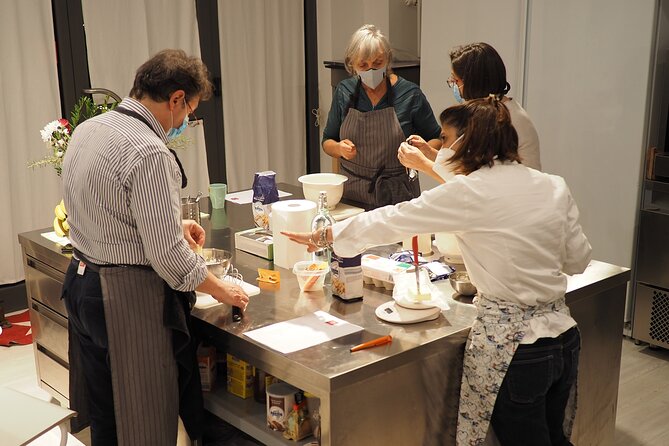
The main course is usually the heart of the class. You may make gnocchi, tagliatelle, ravioli, another fresh pasta, or handmade dumplings, then prepare a sauce to go with it.
Pasta making is especially rewarding because the progress is easy to see. A few basic ingredients become dough, then sheets, ribbons, parcels, or dumplings. The instructor explains the useful details: how to handle the dough, how to shape it, and how to judge when it is ready.
Past sessions have included potato-stuffed ravioli, gnocchi with sauce, and handmade pasta. If you have never made pasta before, this is the part where the class earns its keep. You leave with a technique you can try again, not just a photograph of someone else’s plate.
The group format means you may not personally complete every single task. Cooking is shared, and everyone works through the preparations together. That is good for meeting people from different countries, but less ideal if you want a private lesson where every dish is yours from start to finish.
Dessert changes with the day
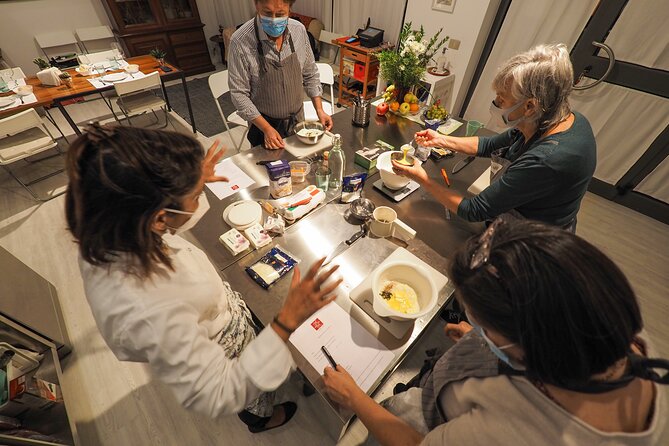
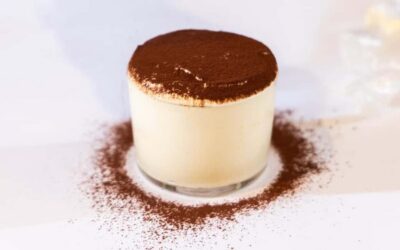
Dessert may be tiramisu, Tuscan cantucci, Milanese pan meino, chocolate tortini, amaretti, or another traditional sweet.
This changing dessert menu adds a useful local angle. Tiramisu is familiar around the world, but pan meino offers a more specifically Milanese connection. Cantucci and amaretti also show how Italian sweets can be built around simple doughs, nuts, and careful baking.
The dessert is prepared as part of the same three-course meal, rather than treated as a separate tasting. You see how an Italian kitchen moves from savory dishes to something sweet, then sit down to enjoy the full result.
Sitting down to eat what you made
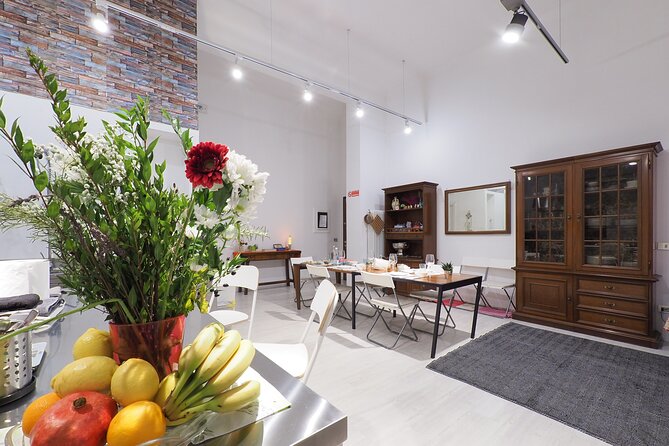
After the preparation, the class becomes dinner. You sit with the group and eat the starter, main course, and dessert prepared during the session.
Italian wine is served with the meal. The included wine is shared, with one bottle for every three people. This is not an unlimited wine tasting, and additional drinks cost extra. That distinction is worth knowing before you book, especially if wine is a major reason you are considering the class.
Other included drinks are bottled still and sparkling water, American coffee, tea, and infusions. The meal and drinks add real value to the roughly $82.27 price, since you are paying for instruction, ingredients, equipment, an apron, and a dinner rather than only an hour of pasta practice.
The meal is also a social finish. You may share a table with people from several countries, compare family cooking habits, and talk through the recipes while eating. If you want a quiet restaurant dinner, this is not the right setup. If you like the idea of making friends over food, it works well.
How much value do you get for $82.27?
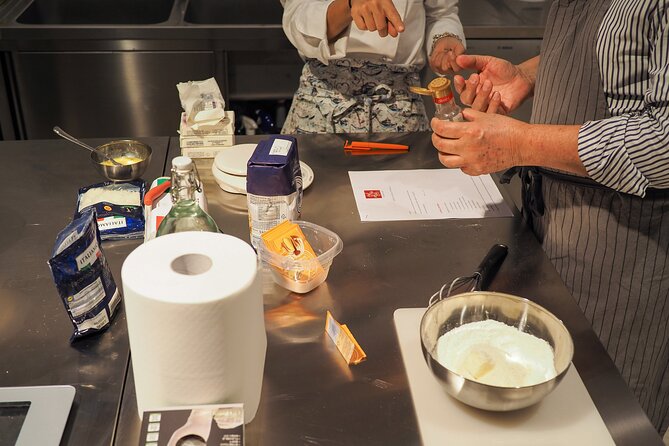
At $82.27 per person, this is not the cheapest way to eat in Milan. A normal meal can cost less, especially if you choose a casual restaurant. But a restaurant meal does not give you three hours of instruction, kitchen time, an apron, ingredients, recipes, wine, and the chance to make the food yourself.
The value is strongest for people who will actually use the recipes afterward. You receive the recipes at the end, and the class is designed to explain the reasons behind each step. That gives the experience a life beyond your afternoon in Milan.
The price also covers a full meal, not just a snack. You prepare a starter, a main course, and dessert, then eat them together. For a first cooking class in Italy, the combination of food, teaching, and a social evening is fair.
I would not choose it purely for a luxury dining experience. The setting is a working teaching kitchen, the group size can reach 20, and the dishes are meant to be approachable. Think useful cooking lesson with dinner, not a formal chef’s table.
Who will enjoy it most?
This class is a good match for:
- First-time pasta makers who want direct instruction
- Couples looking for an activity beyond Milan’s museums and fashion shops
- Families with older children or teenagers who enjoy practical activities
- Solo visitors who like meeting people over a shared meal
- Home cooks who want recipes they can repeat
- Groups with mixed cooking ability
You do not need strong kitchen skills. The lessons are structured for different levels, and the chef works through the preparations with the group.
Families should note that the activity is not a sightseeing tour. Children and teenagers need to be willing to listen, cook, and share tasks. One family found the class especially engaging for teens, but the experience still depends on everyone cooperating in a shared kitchen.
People with dietary needs should contact the provider before booking. One gluten-free requirement was accommodated, but the supplied information does not promise that every allergy or dietary request can be handled.
A few practical cautions
The class is shared and collaborative. If you dislike waiting for instructions, working alongside strangers, or eating food prepared by the whole group, you may prefer a private class.
Chef Ilaria expects the room to listen while she explains key steps. That can feel strict if you want constant conversation during the cooking. In a group setting, though, quiet during instructions helps everyone hear the recipe and work safely.
The menu is another important caution. Do not book this experience expecting the exact dishes shown in an example menu. You may prepare gnocchi one day and ravioli another. The changing format is part of the design.
Wine is included with the final meal, but not as unlimited service throughout the whole class. If you want more than the shared amount, you pay extra. Knowing that in advance prevents an awkward surprise.
Finally, leave your suitcase at your accommodation. Luggage is forbidden, and no storage is provided. The laboratory is street level, but the available information does not promise a fully accessible setup beyond that detail.
Should you book Chef and the City?
I would book this class if you want to do more than eat Italian food in Milan. The strongest reasons are the practical teaching, the changing menu, the chance to make fresh pasta or dumplings, and the recipes you take home.
I would skip it if you need a fixed menu, private attention, unlimited wine, or a refined restaurant atmosphere. For everyone else, the 4.8 out of 5 rating and 94 percent recommendation reflect what the experience does best: it gives you a friendly, useful introduction to Italian home cooking, followed by a meal you helped create.
Book at least several weeks ahead if your dates are fixed. It is commonly reserved about 25 days in advance, and sessions require a minimum number of participants. You can cancel for a full refund up to 24 hours before the start time, but late changes and cancellations are not refunded.
FAQ
Where does the cooking class meet?
It meets at Via Laura Ciceri Visconti 4, 20137 Milan, Italy. The laboratory is at street level and has three windows with a red Chef and the City sign.
How long does the experience last?
The class lasts approximately three hours and ends back at the meeting point.
Is the class offered in English?
Yes. The experience is offered in English.
What dishes will I cook?
You will prepare three Italian dishes: a starter, a first course such as fresh pasta or handmade dumplings, and a dessert. The exact menu changes, and you find out what you will cook during the class.
Are the cooking tools and an apron included?
Yes. Each participant receives an apron, and the cooking tools needed for the course are included.
Is food and drink included?
Yes. The experience includes the meal you prepare, Italian-style welcome snacks, shared Italian wine with dinner, bottled still and sparkling water, coffee, tea, and infusions.
Can I bring luggage?
No. Luggage is forbidden, and there is no luggage storage at the laboratory.
How many people can join the class?
The maximum group size is 20 people. The actual number can be smaller.
Can I cancel for a refund?
You can cancel at least 24 hours before the local start time for a full refund. Cancellations or changes made less than 24 hours in advance are not refunded or accepted.
Just added in Milan
- Highlights and hidden gems of Milan Bike Tour★ 5.0 · 491 reviews
- Milan Gourmet Tour: A Premium Tasting Experience by Do Eat Better★ 5.0 · 241 reviews
- Private Milan Food Walking Tour of Brera★ 5.0 · 217 reviews
- Leonardo3 The World of Leonardo: Tickets for the Interactive Exhibition★ 4.0 · 220 reviews
- Da Vinci’s Last Supper and Santa Maria delle Grazie Church Tour★ 4.5 · 218 reviews
- La Scala Theatre and Museum guided experience★ 4.5 · 664 reviews
- La Scala Theatre and Museum Tour in Milan With Private Guide★ 3.5 · 384 reviews
- Milan Last Supper and S. Maria delle Grazie Skip the Line Tour★ 5.0 · 1,031 reviews
Cooking Classes, compared.
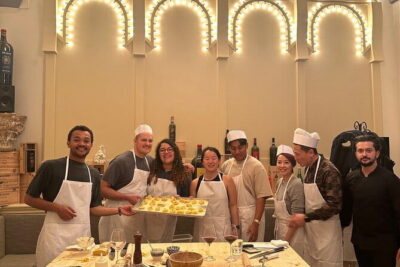

3 in 1 Cooking Class near Navona: Fettuccine, Ravioli & Tiramisu
Read our review →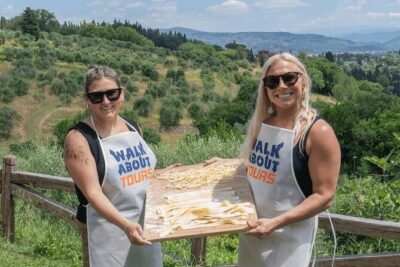
Florence Pizza or Pasta Class with Gelato Making at a Tuscan Farm
Read our review →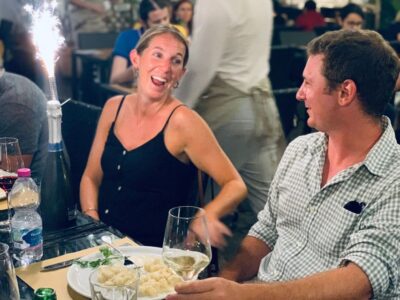
Pasta & Tiramisu Class with Fine Wine by the Vatican
Read our review →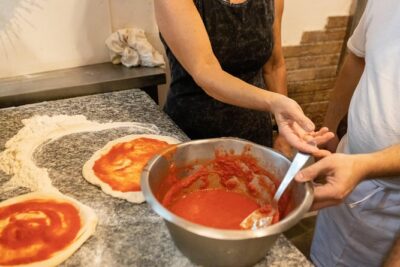
Authentic Pizza Making Class in Naples with Appetizers and Drink
Read our review →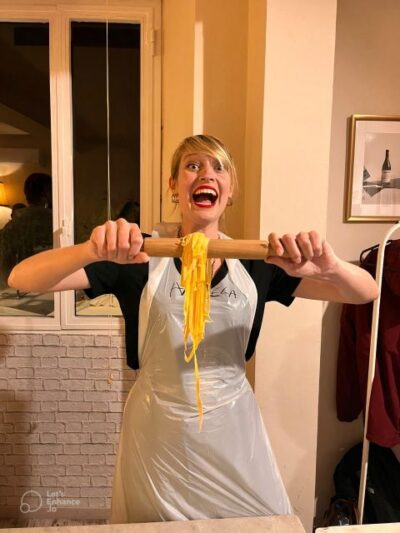
Pasta Making Class with Wine, Limoncello, and Dessert
Read our review →
3-in-1 Fettuccine, Ravioli, and Tiramisu Cooking Class
Read our review →Browse the lists this tour appears in