
Reviewed · GOLF CART TOURS
Rome: Highlights Golf Cart Tour with Pizza Snack & Gelato
Rome is too big for a short visit, and this small-group golf cart tour tackles that problem neatly. In 3.5 hours, you can pass the Colosseum, cross the Tiber, climb Gianicolo Hill, pause at the Trevi Fountain, and still finish with pizza and gelato. It is a smart first look at the city, especially if Rome is one stop on a cruise itinerary.
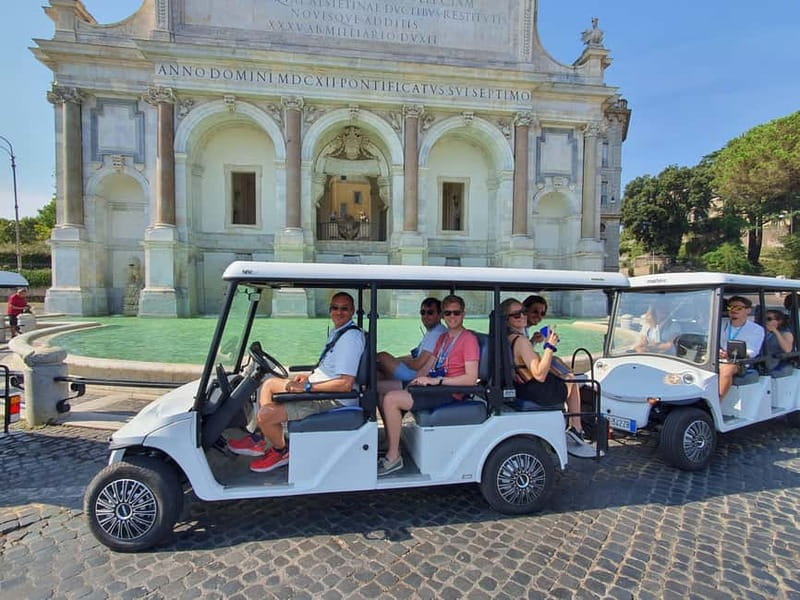
I like the maximum group size of seven, which keeps the ride personal and makes it easier to ask questions. I also like the mix of major sights and less obvious corners, from the Acqua Paola fountain to the Servian Walls and the Pyramid of Caius Cestius. The tradeoff is simple: this is a sightseeing ride, not an in-depth visit, and backward-facing seats can make some drive-by views awkward.
Key points at a glance
- A fast orientation of Rome: Cover the ancient center, Trastevere, the Vatican area, the historic heart, and several hilltop viewpoints in one outing.
- Small group, live English guide: The cart holds no more than seven participants, with headsets to help you follow the commentary.
- Photo stops, not interior visits: You stop outside the Colosseum and at selected viewpoints, but this tour does not include entry to the Colosseum, Pantheon, or other monuments.
- Roman snacks included: Expect a slice of pizza, a soft drink, cold water, and gelato.
- Strong guide element: Antonella, Martin, Anna, Dave, David, and Meteo are among the guides praised for humor, local detail, and careful driving.
- Useful for short stays: The route begins and ends at Via Cavour 138, close to Termini Station, Metro Cavour, and the Colosseum.
Why a golf cart works well in Rome
Rome rewards walking, but it also punishes ambitious plans. The historic center is spread across hills, busy roads, broad piazzas, and winding lanes. In summer heat, winter rain, or after a long flight, covering all these sights on foot can leave you too tired to enjoy them.
The golf cart gives you a rolling overview. You sit while your driver-guide handles Rome’s traffic and points out the places that might otherwise blur together. Headsets are included, which matters when the cart is moving or city noise rises around you.
This format is especially useful during a short stay. You can get a map in your head before deciding which places deserve a longer return visit. One guide, Martin, is praised for helping a jet-lagged solo visitor understand the city without assuming a strong interest in ancient history. That is the right spirit for this tour: enough context to make the sights meaningful, without turning the outing into a classroom.
The cart is also more flexible than a large sightseeing bus. It can reach areas and viewpoints that standard coaches cannot, and the group size allows the guide to make brief stops for photographs. Still, do not mistake flexibility for unlimited stopping time. The route covers a lot of ground, so many locations are viewed from the vehicle.
Other easy ways to cover Rome:
- Rome by Golf Cart Private Tour: Beyond the Landmarks
★ 5.0 · 4,361 reviews - Rome on a Golf Cart Semi-Private Tour Max 6 with Private Option
★ 5.0 · 2,502 reviews - Rome Highlights by Golf Cart Private Tour
★ 5.0 · 2,379 reviews
Starting at Via Cavour near Termini
The meeting point is Via Cavour 138, beside Hotel Valle or in front of Hotel Borromeo. It is about a five-minute walk from Termini Central Station and Metro Cavour, or roughly ten minutes on foot from the Colosseum.
That location is practical if you are arriving by train, staying near Termini, or visiting the Colosseum before the tour. The activity returns to the same place, so you do not need to plan a separate ride across town at the end.
Plan to arrive with the meeting point clearly identified. The route ends where it begins, and hotel pickup is not included. Bring a light layer even in warmer weather. One visitor specifically advised warm clothing, and an open-sided cart can feel cool when moving, especially after sunset.
The tour operates rain or shine. Plastic covers can protect riders in wet weather, but the ride will naturally be less comfortable in heavy rain. Comfortable clothing and shoes are sensible, even though this is not a walking tour in the usual sense.
Ancient Rome from the Colosseum to the Pyramid
The route opens with several major pieces of ancient Rome. The Colosseum receives an outside stop, giving you time for photographs and an introduction to the amphitheater’s role in Roman public life. You do not enter, so anyone wanting the underground levels, arena floor, or interior galleries will need a separate ticket and visit.
The cart then passes the Palatine Hill and Circus Maximus. These sights are close together but represent different chapters of the ancient city. Palatine Hill is tied to Rome’s imperial palaces and foundation legends, while Circus Maximus was the vast racing ground where chariots once competed before huge crowds.
A drive-by of Piazza Albania and the Servian Walls adds a less familiar note. The walls belong to Rome’s early defenses, and the stop helps show that ancient Rome was not confined to the Colosseum area. The Pyramid of Caius Cestius is another unusual sight on the route. Its sharp Egyptian form looks surprising among Rome’s later buildings and offers a quick reminder of how Roman tastes changed after contact with Egypt.
These early stops show the strength and limitation of the format. You see a wide slice of the city with little effort, but you will not have time to study inscriptions, enter ruins, or wander through archaeological areas. I would use the tour to decide where to return, not as a replacement for an archaeological visit.
Crossing the Tiber into Trastevere
The cart continues toward the Tiber River and Tiber Island, then passes through Trastevere. This gives you a broader feel for Rome beyond the most famous monuments.
Tiber Island sits in the river at the center of Rome and has long been tied to the city’s medical traditions. From the cart, the value is mainly visual and geographic: you see how the river divides the historic center and how the island links the two banks.
Trastevere brings a different mood from the monumental avenues around the Colosseum. Its name means across the Tiber, and its narrow streets and older neighborhoods help you see Rome as a living city rather than an open-air museum. Because this is a drive-by, do not expect time to browse shops or settle into a café. The point is to get oriented and note where you may want to return on foot.
For a first day, this section is useful. It shows you that Rome is more than the standard triangle of Colosseum, Vatican, and Trevi Fountain. You will see residential streets, river views, and a neighborhood with its own character without spending an hour navigating there yourself.
Same base, a different kind of day:
- Vatican: Museums & Sistine Chapel Entrance Ticket
★ 4.5 · 144,003 reviews - Vatican Museums & Sistine Chapel Tour with Optional Basilica
★ 4.3 · 67,413 reviews - Colosseum, Roman Forum & Palatine Guided Tour
★ 4.7 · 63,148 reviews - Vatican Museums, Sistine Chapel & St Peter’s Basilica Guided Tour
★ 4.5 · 39,149 reviews
Acqua Paola and the view from Gianicolo Hill
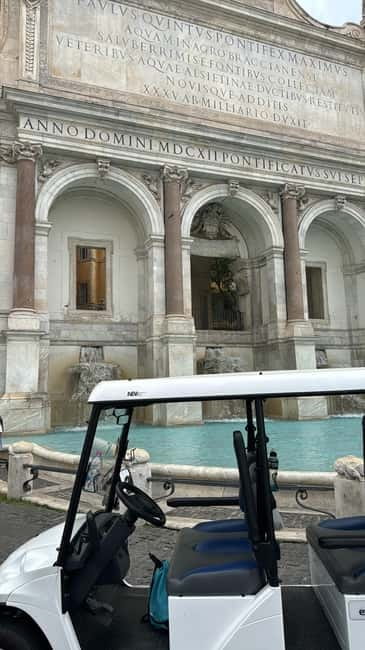
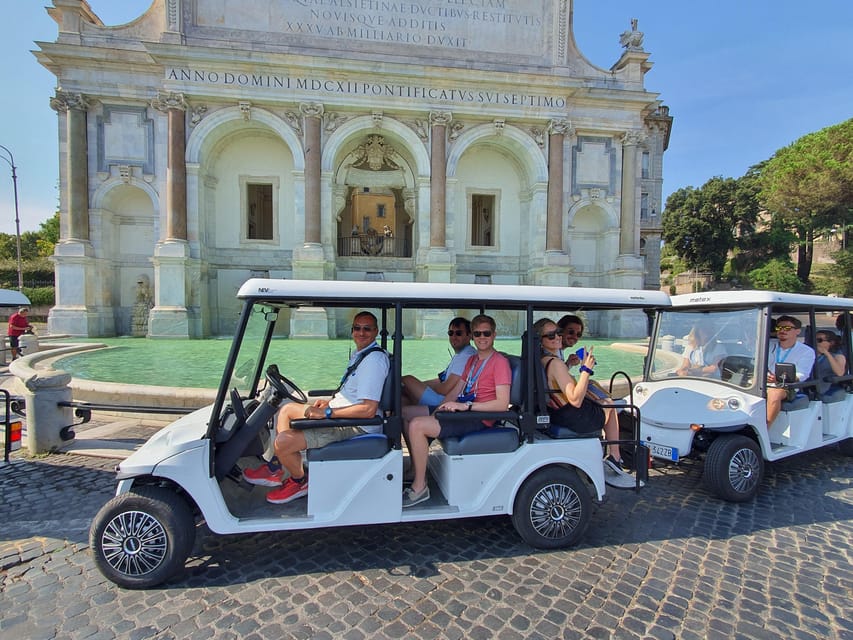
One of the most appealing parts of the route is the climb toward the Fontana dell’Acqua Paola and Gianicolo Hill. The Acqua Paola fountain is a grand seventeenth-century water fountain, known for its broad basins and dramatic setting. It is less familiar to many first-time visitors than Trevi, but it makes an excellent photo stop.
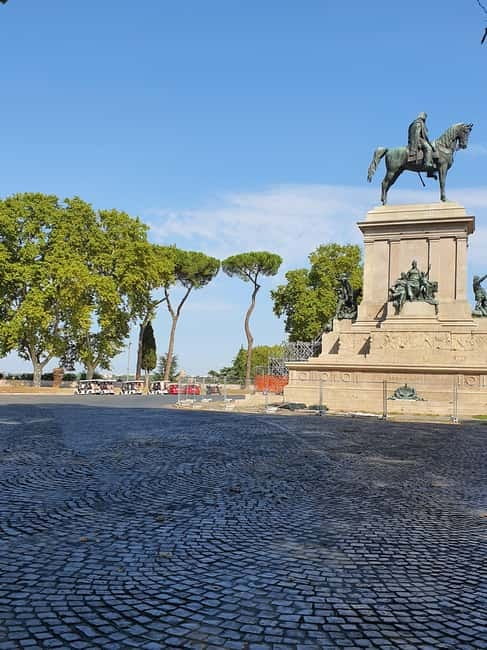
From Gianicolo Hill, Rome opens out below you. The viewpoint gives useful geographic context, letting you connect the domes, rooftops, river, and historic center that you have been seeing in separate pieces. Guides often use this kind of stop to explain how Rome is arranged, and it is one of the places where a golf cart saves real effort.
This part of the tour also shows why the vehicle matters. Gianicolo is uphill, and walking there takes energy that you may prefer to save for a later museum or evening stroll. The ride makes the viewpoint accessible within a packed itinerary.
St. Peter’s Square and Castel Sant’Angelo
The cart then heads toward St. Peter’s Square and Castel Sant’Angelo. Both are viewed from outside, so you should plan a separate Vatican visit if you want to enter St. Peter’s Basilica, the Vatican Museums, or the Sistine Chapel.
St. Peter’s Square is one of Rome’s most recognizable spaces, with its sweeping colonnades and central obelisk. Seeing it from the cart gives you a quick sense of scale. Castel Sant’Angelo, originally built as a mausoleum and later used as a fortress and papal refuge, sits beside the Tiber and makes a strong visual link between ancient Rome and the papal city.
This is a good example of the tour’s practical rhythm: arrive, hear the essential story, take photographs if the stop allows, and move on. If you want quiet time to inspect architecture or wait for the best angle, you will need to come back independently.
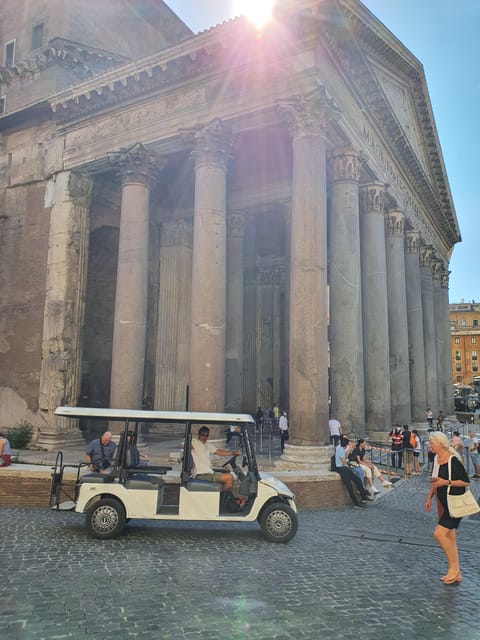
Piazza Navona, the Pantheon, and Largo Argentina
The central part of the itinerary brings you into some of Rome’s most rewarding public spaces. Piazza Navona is built over the footprint of an ancient stadium and is known for its long oval shape, fountains, and Baroque architecture. It is a place where Rome’s ancient foundations and later artistic ambitions sit side by side.
Largo di Torre Argentina adds a more unusual stop. The area contains the remains of ancient temples and is also known for its cat sanctuary. The cats are part of the site’s modern identity, while the ruins point back to Rome’s republican period. It is a useful reminder that famous Roman history is not limited to imperial monuments.
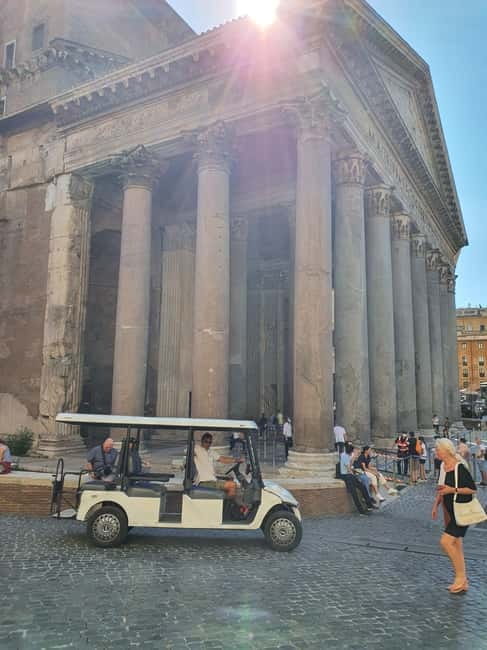
At Piazza della Minerva, look for the small elephant sculpture carrying an obelisk. The square is close to the Pantheon, so these stops connect naturally. The Pantheon itself is one of Rome’s most impressive ancient buildings, with a famous domed interior and a long later life as a church. On this tour, expect an outside view and an explanation rather than an interior visit.
This stretch is packed with details. If you enjoy taking photographs, keep your camera ready and listen for the guide’s cue about when the cart will stop. Several participants appreciated being able to hop out at different points, but the timing remains brisk.
Piazza Venezia, Trajan’s Column, and the Trevi Fountain
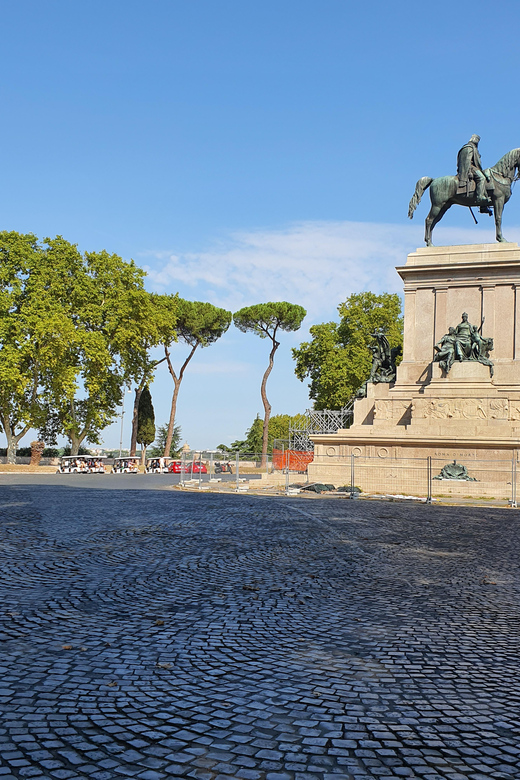
Piazza Venezia provides one of the clearest views of Rome’s grand civic center. The broad square is dominated by the Victor Emmanuel II monument, while Trajan’s Column nearby carries a spiral relief showing scenes from a Roman military campaign.
The guide can help you read these sights in sequence. Instead of seeing a white monument, a column, and a busy intersection as separate objects, you begin to understand how Rome’s ancient, medieval, and modern layers overlap.
The Trevi Fountain is the route’s great crowd-pleaser. It is beautiful, theatrical, and usually busy. The cart lets you reach it without spending the whole day walking between distant sights, but you should be realistic about the stop. The tour cannot control crowd levels, and you may have only a short time for photographs.
This is also where the included gelato earns its place. After several hours of moving through the city, a cold dessert gives the outing a pleasant pause. The food is not a full meal, so do not skip lunch if you need more than a pizza slice and gelato.
Spanish Steps and the Roman feeling
The final major stop is the Spanish Steps. The guide may help you see both the lower and upper sections, giving you the classic staircase view as well as the higher perspective over the surrounding streets.
The steps are a good ending because they place you in one of Rome’s most social areas. You can watch the city move around you, admire the architecture, and understand why this corner has long been a favorite meeting place.
One practical note: the Spanish Steps are not universally loved as a tour stop. One participant felt the overall outing was slightly long and suggested skipping this section. If you have already visited the steps, you may agree. If this is your first Rome visit, the stop gives you a recognizable finish and another useful point on your mental map.
Pizza, gelato, and what is included
The price is $147.27 per person. That is not cheap for a three-and-a-half-hour city tour, but it includes more than transportation. You receive an English-speaking guide, headsets, cold bottled water, pizza by the slice, a soft drink, and gelato.
The value depends on how you would otherwise see Rome. If you are comfortable walking long distances, using public transport, and researching every sight yourself, you can explore more slowly for less money. If you have only a day or two, are arriving by cruise ship, or want someone else to handle the route and traffic, the price becomes easier to justify.
The food is best viewed as a welcome snack rather than a dining experience. It breaks up the sightseeing and adds a local touch, but extra food and drinks cost more. The major value is the time saved and the number of areas covered.
Guides, group size, and the ride itself
The guide can make or break a fast city tour. Names praised for warmth, humor, driving, and clear explanations include Antonella, Martin, Anna, Dave, David, and Meteo. Martin is especially noted for funny stories, strong English, and helpful answers, while Meteo is praised for storytelling and for reaching viewpoints that larger vehicles cannot.
Those details matter because the route moves quickly. A dry list of dates would not be enough. You want a guide who can explain why a fountain matters, point out a detail you might miss, and keep the ride moving without making you feel rushed.
The maximum group size is seven. That is small enough for a more personal outing, but it does not guarantee every passenger gets the best seat. Some riders sat facing backward and found the combination of reverse motion and oncoming headlights unpleasant, particularly on evening departures.
Ask about seating when you arrive if that matters to you. The available information does not promise a particular seat arrangement, so you should treat the cart as a shared vehicle rather than a private ride.
Who should book this Rome tour?
I would choose this tour if you have limited time, are visiting Rome during a cruise stop, or want a broad first look before planning independent visits. It also suits anyone who finds Rome’s hills and long distances tiring but still wants to see far more than the immediate area around the hotel.
Families and mixed-age groups may appreciate the seated format, though the tour data does not specify age limits or special accessibility arrangements. If you have mobility concerns, ask the operator directly before booking rather than assuming the cart will meet your needs.
I would not choose it as your only Colosseum or Vatican experience. The itinerary gives you outside views and drive-bys, not interior visits. Pair it with separate entry tickets if those sites are your main reason for coming to Rome.
Book if you want orientation, convenience, and a friendly guide more than long visits at individual monuments. Skip it if you prefer slow photography, museum time, or a quiet walk through one neighborhood. For many first-time visitors, the best plan is to take this tour early, note the places that catch your interest, then return to two or three of them on foot.
Cancellation is free up to 24 hours before the start, and reserve-now-pay-later booking is available. Check the current departure time before committing, since the schedule varies.
FAQ
Where does the Rome golf cart tour start and finish?
It starts at Via Cavour 138, beside Hotel Valle or in front of Hotel Borromeo. The tour ends at the same location.
How long does the tour last?
The stated duration is 3.5 hours. Check availability for the departure times offered on your date.
How many people can join the tour?
The group is limited to seven participants.
Is the tour conducted in English?
Yes. The live tour guide language is English.
Are pizza and gelato included?
Yes. The tour includes pizza by the slice, a soft drink, gelato, and a bottle of cold water. Extra food and drinks are not included.
Does the tour enter the Colosseum or other monuments?
No. The Colosseum, Palatine Hill, Circus Maximus, St. Peter’s Square, Castel Sant’Angelo, the Pantheon, and other sights are visited from outside or viewed during drive-bys. Separate admission is needed for interior visits.
Just added in Rome
- Civitavecchia Private Transfer: From the Port to Rome Airport★ 5.0 · 309 reviews
- Civitavecchia Shore Excursion: Best of Rome Private Tour★ 5.0 · 247 reviews
- Civitavecchia Private Transfer from ship to FCO airport or Rome★ 5.0 · 245 reviews
- Food Tasty and History Tour in Civitavecchia★ 5.0 · 256 reviews
- Palatine Hill and Roman Forum Tour with Fast-Track Entrance★ 4.2 · 417 reviews
- Tivoli: Villa D’Este & Villa Adriana Pass & App Audioguide★ 4.4 · 364 reviews
- Tivoli: Villa D’Este Entry Ticket and App Audio Guide★ 4.3 · 191 reviews
- Vatican Museums & Sistine Chapel Skip-the-Line Guided Tour★ 4.6 · 254 reviews
Golf Cart Tours, compared.
Rome by Golf Cart Private Tour: Beyond the Landmarks
Read our review →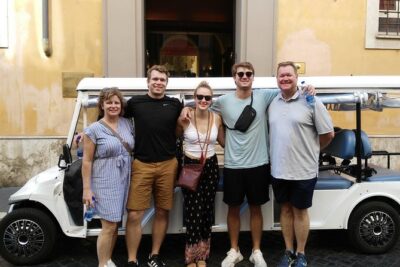
Rome on a Golf Cart Semi-Private Tour Max 6 with Private Option
Read our review →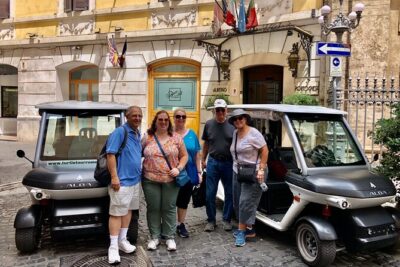
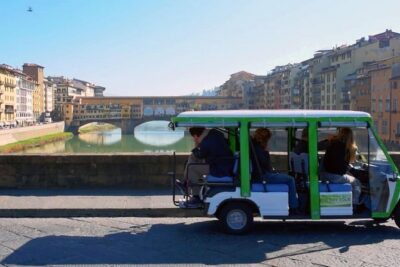
Golf Cart Tour to Fiesole Roman Theatre and Museum
Read our review →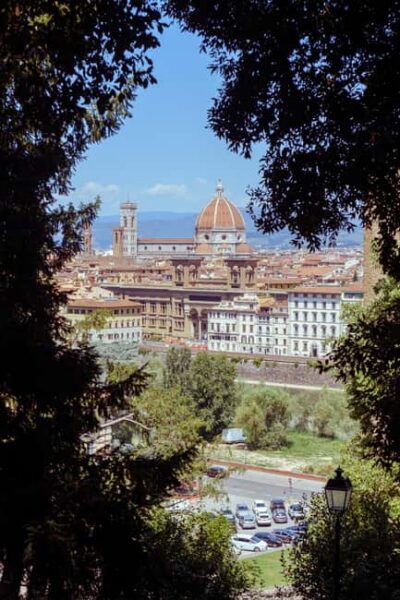
Eco-Friendly Golf Cart City Tour with Audio Guide
Read our review →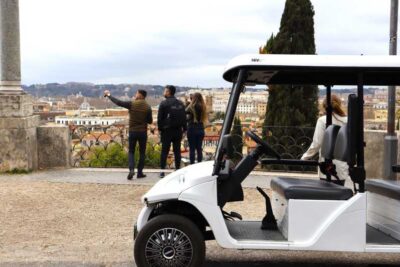
City Highlights Golf Cart Tour with Local Guide
Read our review →Browse the lists this tour appears in