
Reviewed · MUSEUMS
Rome: Gladiator Show and Museum Tickets
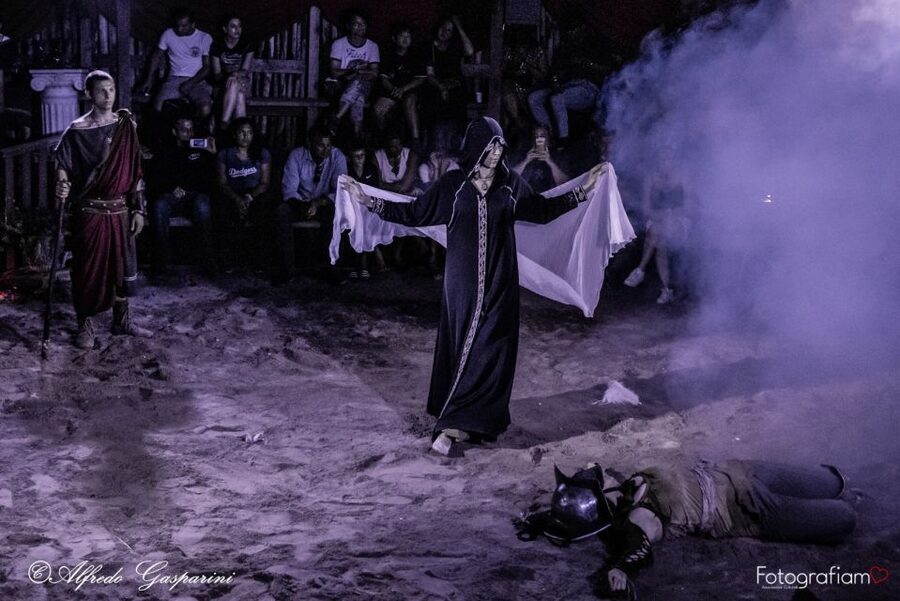
Rome’s gladiator show is less a quiet museum visit than a full evening of Roman theater. You move from weapons and armor to dancing, rituals, comedy, and staged combat, with music, lights, incense, and audience participation filling out the ancient setting. I like the variety, and I like that the performers welcome photos and questions rather than keeping you at arm’s length. The main catch is the out-of-the-way location, especially after the 22:00 finish when buses may no longer be running.
- Real weapons and armor: Historical reenactors perform with authentic-looking equipment and real weapons.
- More than swordplay: The program includes ancient dances, Vestal rites, pantomime, comedy, and gladiator training.
- A small Roman museum first: See armor and weapons before the arena performance begins.
- Roman-style refreshments: Expect simple snacks, wine, and a cocktail in the armory rather than a full dinner.
- Audience participation: You may be asked to join the action, pose for photos, or take part in comic moments.
- Best transport plan: Buses 118 and 218 can help you reach the site, but arrange a taxi home in advance.
A Roman evening that favors fun over solemn history
This experience gives you a theatrical version of ancient Rome, not a scholarly lecture and not a reconstructed Colosseum. At the Gruppo Storico Romano’s headquarters, about 3.5 kilometers from the Colosseum, you enter an equipped arena where costumed performers stage the sounds, rituals, and action of a gladiator spectacle.
That distinction matters. If you expect a formal museum with carefully labeled displays, the setting may feel modest. If you want a lively night that helps children and first-time Rome visitors picture Roman public entertainment, the format works well. The show has earned a rating of 4.5 from 237 ratings, and the praise centers on the same things I find most useful here: enthusiastic performers, a good mix of acts, and a friendly atmosphere.
The production runs from May through September, with the 2026 dates scheduled in that period. Entrance is at 20:45, and the event finishes around 22:00. That late timing gives the evening a special feel, but it also makes your return journey worth planning before you arrive.
Starting with armor, artifacts, and Roman snacks
The evening begins with a visit to the Museo storico-didattico del legionario romano, described as the historical and educational museum of the Roman legionary. Think of it as a compact introduction to the show rather than a major museum on the scale of the Colosseum or the Capitoline Museums.
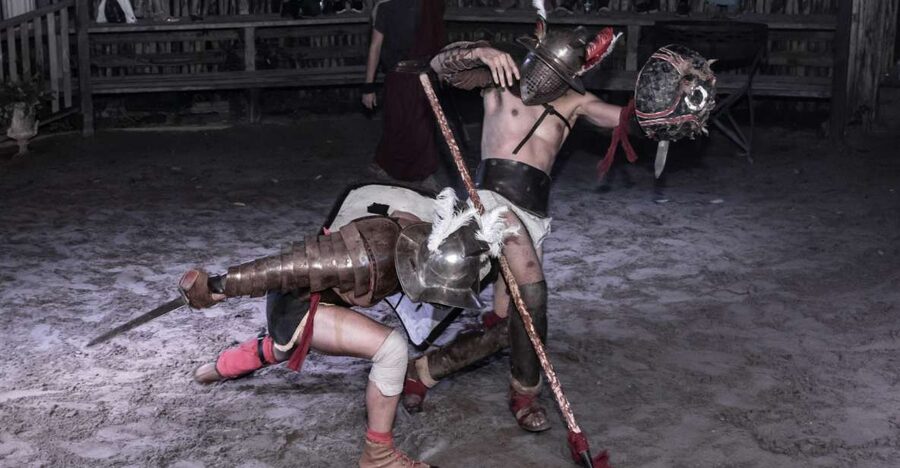
You can see gladiator weapons and armor, and some visitors have been able to try pieces on themselves. That hands-on touch is especially useful for children. It turns a distant historical subject into something physical: heavy-looking armor, shields, helmets, and the tools of combat become part of the evening rather than just names in a textbook.
The museum portion also helps you understand the later performance. When you see the fighters enter the arena, you have already had a chance to look closely at the equipment they use. I like that order. It gives the show a little context without slowing the evening down with a long lecture.
Allow realistic expectations about the museum. It is a small didactic collection, not a large formal institution, and a bigger group can make it harder to examine everything closely. One account specifically found the museum crowded when attendance was high. If the displays are important to you, arrive promptly and look carefully before the arena portion begins.
Refreshments are served during this early period or around the show. You may receive simple Roman-style nibbles, wine, or a cocktail in the armory. Some visitors particularly enjoyed wine with honey, presented as a period-style drink. This is a pleasant extra, but it is not dinner. Eat beforehand if you need a proper meal, since there may not be a restaurant close to the venue.
Other museums and galleries in Rome:
- Vatican: Museums & Sistine Chapel Entrance Ticket
★ 4.5 · 144,003 reviews - Vatican Museums & Sistine Chapel Tour with Optional Basilica
★ 4.3 · 67,413 reviews - Vatican Museums, Sistine Chapel & St Peter’s Basilica Guided Tour
★ 4.5 · 39,149 reviews
Meeting the performers before the fight
Part of the appeal is the access to the cast. You can take photographs, speak with performers, and see the people behind the helmets and costumes. The atmosphere begins with Roman music and, according to one account, incense, which helps the venue feel different from an ordinary evening attraction.
The presenter plays an important role. A strong, sonorous guide introduces the setting and explains the customs or events about to unfold. One named guide, Dafydd, received particular praise for making the evening special, while another guide and owner was described as especially helpful and willing to answer questions. The exact presenter may vary, but you can expect a host who keeps the audience involved rather than simply announcing each act.
This personal contact is one of the better reasons to choose the show over a passive stage performance. You are not just watching people in costumes from a dark seat. The cast may pose for pictures, respond to questions, and involve you in the action. That friendliness also appears at the end, when staff have helped arrange taxis for people worried about getting back safely.
The crowd itself can shape the mood. The experience works for a small group, but a larger audience can make the museum section less easy to explore. During the performance, a larger crowd may add energy, while a smaller one may lead to more direct interaction. Either way, expect a participatory evening rather than a silent presentation.
What happens in the 60-minute arena show
The central performance lasts about an hour within the total 90-minute event. It combines several short sections, so you are not watching one extended sword fight from beginning to end.
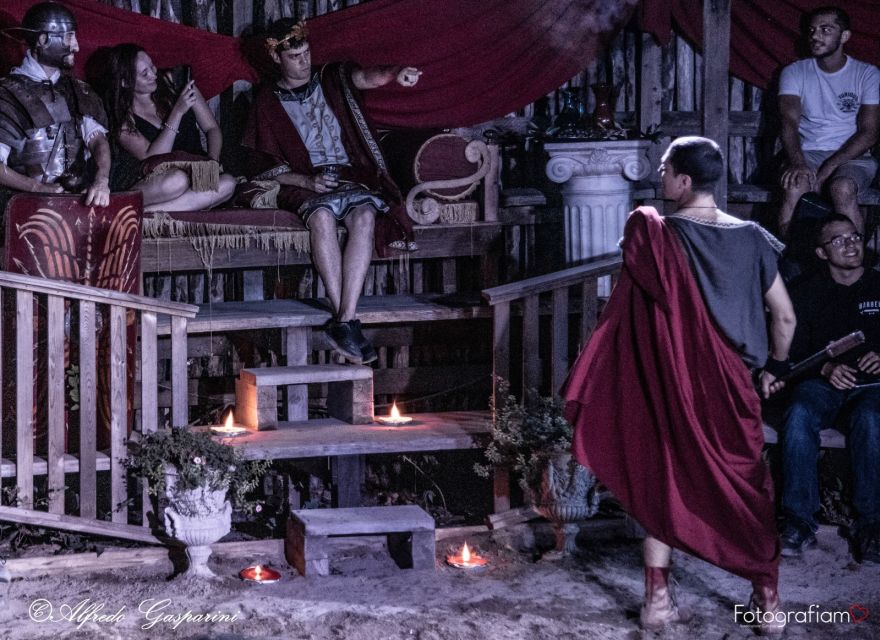
A comic or pantomime opening warms up the audience. This matters because the show is not grim from the start. It uses humor to bring children and adults into the story, then shifts into more serious-looking scenes of gladiator training and combat.
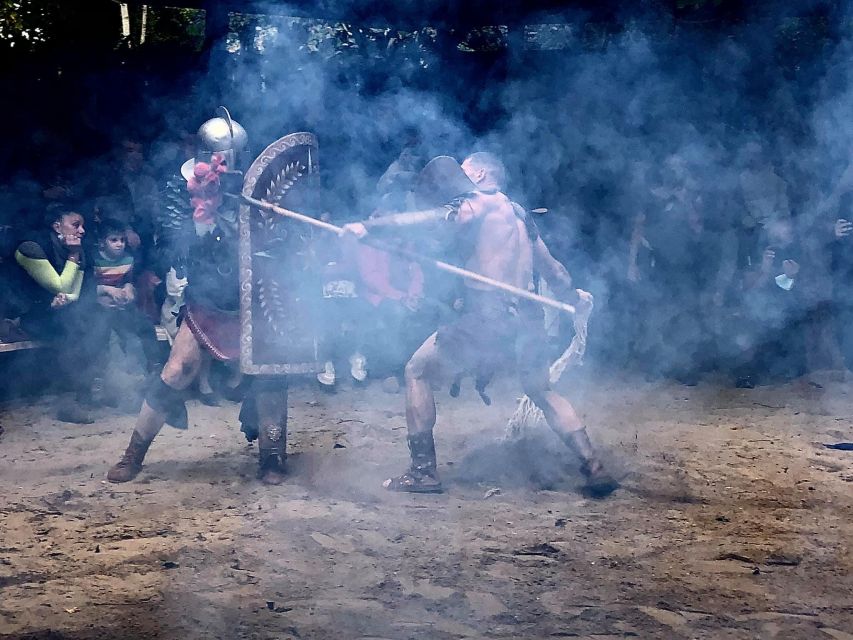
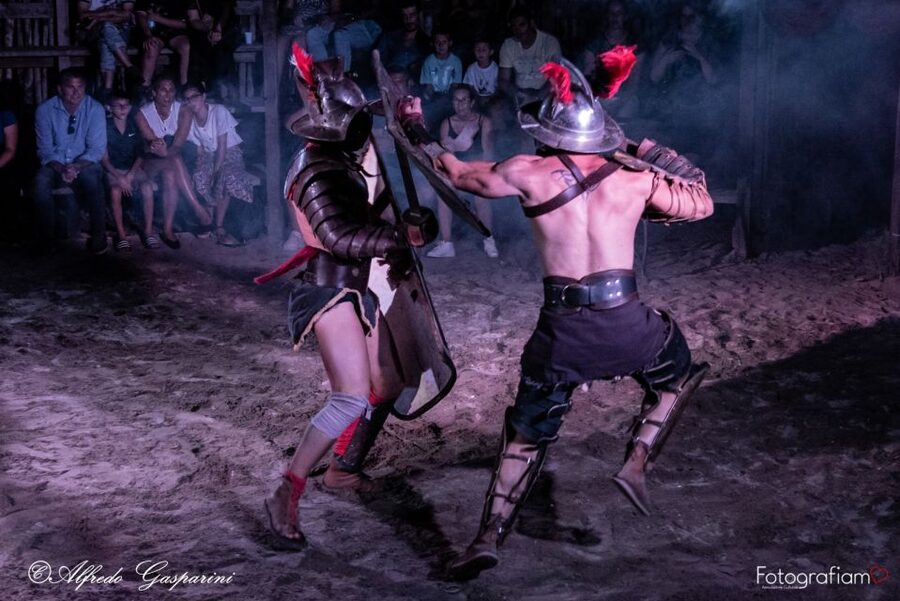
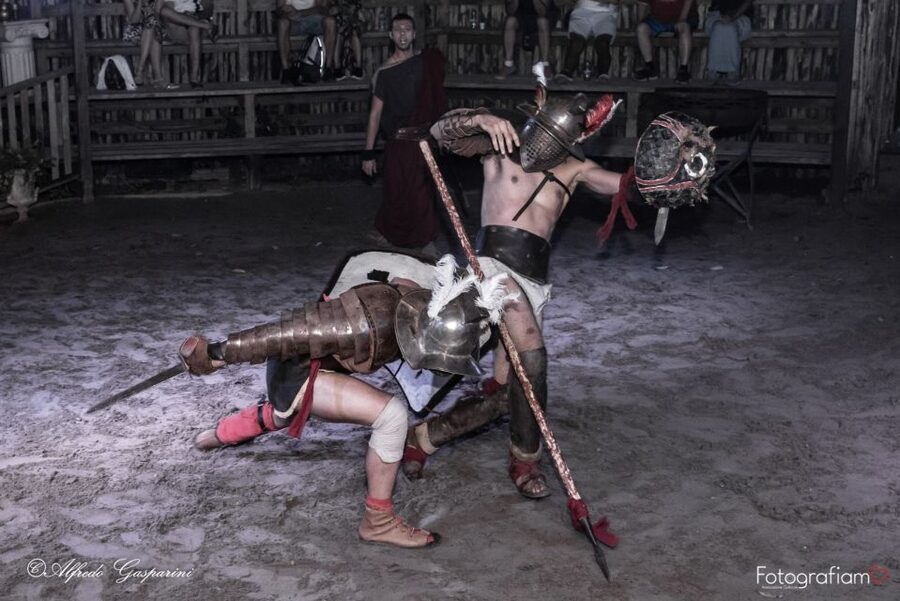
The gladiator fights are the main attraction. The reenactors use real weapons and armor, and the swordplay is designed to look forceful and immediate. Quick movements, falls, and performers sprawled in the dirt can make the action seem surprisingly real. The purpose is theatrical entertainment, not actual violence, but the show does not present a gentle children’s puppet theater either. Very young children or anyone uncomfortable with staged combat may find parts of it intense.
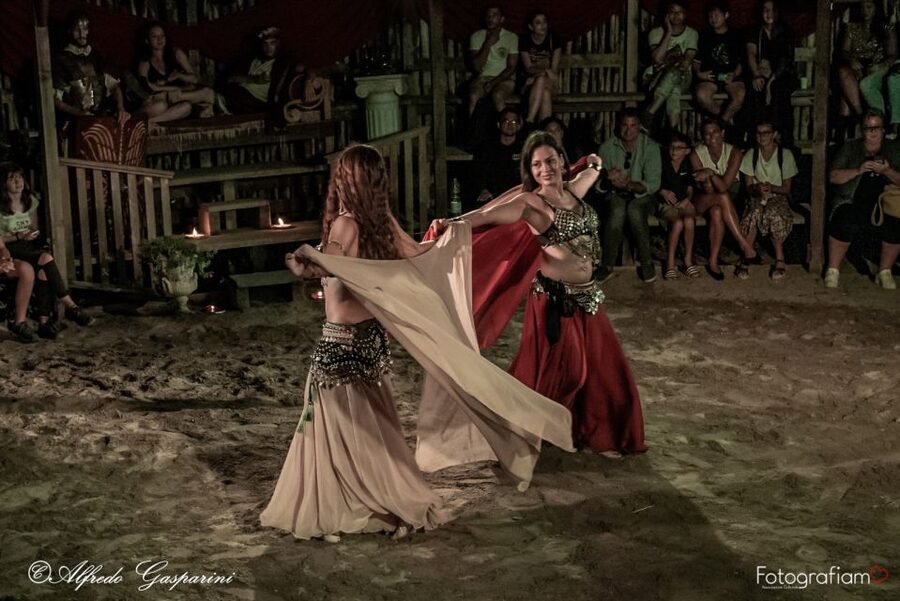
Ancient dances add a different rhythm. The show also includes Vestal rites and Roman-style ceremony, giving you a glimpse of the religious and social performance that surrounded public spectacles. These sections keep the evening from becoming a simple sequence of duels.
Pantomime and comedy return at intervals, and audience members may be pulled into the action. You might find yourself helping with a comic scene, responding to the presenter, or taking part in a staged moment. The exact details can vary, which is part of the fun. The show asks you to play along.
The format is especially good for families with children old enough to follow a performance. Several families found that children around ten were captivated, while adults enjoyed the humor and theatrical energy. Solo visitors can also fit in easily, since the host brings the crowd together quickly. You do not need expert Roman history to enjoy it, and the visual action works even if English is not your first language.
Authenticity, theater, and a little cheese
The costumes, weapons, and rituals aim for historical atmosphere, but this is still a stage show. Some moments are deliberately broad, comic, or melodramatic. One honest description called it cheesy but fun, which is probably the fairest way to set your expectations.
I would not book this expecting a precise reconstruction of a day at the Colosseum. The show compresses many elements of Roman life into a lively package. It uses music, lights, visual effects, strong character roles, audience participation, and exaggerated action to make the past entertaining.
That does not make it worthless as history. The museum, explanations, armor, and rituals provide useful points of reference, especially for children. You can leave with a clearer sense of how weapons looked, how public performance might have used ceremony, and why gladiators were such powerful figures in Roman culture.
The key is to enjoy it on its own terms. The phrase authentic demonstration should not be read as a claim that the fight is real. The weapons and armor are real or historically based, and the performers are serious reenactors, but the combat is staged. You are buying a Roman-themed performance with historical elements, not witnessing an actual fight.
Other shows to book in Rome:
- Rome: Welcome To Rome Immersive Multimedia Show
★ 4.6 · 3,161 reviews - Glass Blowing Show Visit Murano Glass Factory & Showroom OMG
★ 4.2 · 679 reviews
Is $29 good value?
At $29 per person, the price is reasonable if you use the whole evening. Your admission covers the museum visit and show, and the program adds refreshments, photo opportunities, live music, costumes, several performance styles, and audience interaction.
The value is strongest for families and groups who would otherwise pay for separate entertainment after a day of sightseeing. A 90-minute program gives you more than a brief sword demonstration. You get an introduction in the museum, time around the armory, and a full arena program with fighting, dancing, comic scenes, and ritual.
The value is weaker if you want a major archaeological collection or a serious academic presentation. The museum is compact, and the refreshments are snacks rather than a meal. You should also include the cost of reaching the venue and getting home. A taxi can change the final price, especially if you cannot use a late bus.
Still, the show’s range makes the admission fair. You are paying for a complete evening activity, not just a seat for a ten-minute reenactment. I would consider it a good buy for someone who has already seen the major ruins and wants a relaxed, social night connected to Roman history.
Getting there and getting back after 22:00
The meeting point is the Rome Gladiator School, identified with Gruppo Storico Romano. The site is about 3.5 kilometers from the Colosseum, but that distance can feel greater at night because it is not in the center of Rome’s main sightseeing zone.
Buses 118 and 218 have been used to reach the venue, and one account describes a stop about a five-minute walk away. Another person made the journey by bus and then found that public transport had stopped by the end of the show. This is the practical issue I would take most seriously.
Do not assume that the same route you use to arrive will work at 22:00. Service can be limited, and the area has few nearby services. Some attendees arranged taxis through the staff, who have helped call or organize a ride after the event. That assistance is useful, but I would still make your return plan before the show starts.
Do not arrive expecting to find a convenient restaurant nearby for a late dinner. Have a meal earlier, bring only what you need, and decide if you will use a taxi, a prearranged ride, or a bus that is confirmed to be running. The venue is wheelchair accessible, which is helpful, though the supplied information does not describe specific route or restroom arrangements.
Who should book this Roman show?
I would recommend it most strongly to:
- Families looking for an evening activity that holds children’s attention.
- First-time Rome visitors who want history presented through action and humor.
- Adults who enjoy costume performance and do not mind a little theatrical exaggeration.
- Solo visitors who like joining a friendly, interactive crowd.
- People who want photos with performers and hands-on contact with armor or props.
You may want to skip it if your priority is a quiet, museum-quality study of ancient artifacts. You may also prefer another activity if staged violence, crowd participation, or broad comedy is not your style.
The show does not replace the Colosseum. Instead, it gives you a different way to think about gladiators after seeing the ancient arena itself. The combination of weapons, ritual, dance, and crowd involvement helps explain that Roman spectacles were not only fights. They were public theater, ceremony, and social entertainment.
Booking details worth knowing
The event is offered from May through September, including the listed 2026 dates. Plan for a 20:45 entrance and an end around 22:00. The total duration is 1.5 hours.
You can cancel up to 24 hours before the activity for a full refund, and the reserve-now, pay-later option keeps your plans flexible. Check the available date and start time before booking, since the supplied details do not give a single operating schedule for every date.
The price is listed at $29 per person. The included elements are the museum visit and show, with refreshments described in the evening program. Since the venue is outside the central sightseeing core, factor transport into your budget.
Should you book it?
Book this gladiator show if you want lively Roman entertainment, not a formal history lesson. The best parts are the enthusiastic cast, the mix of combat and dance, the chance to see and try armor, and the way the presenter draws the audience into the performance.
I would call it particularly worthwhile for families, history-minded visitors who enjoy theater, and anyone wanting something different after a day among ruins. Set aside the idea of a full dinner, accept that some scenes are knowingly cheesy, and arrange your return ride before the final applause.
For $29, it offers a generous 90-minute evening with a museum component, refreshments, and a varied show. The location is the one real nuisance. Solve that transport problem, and this becomes a cheerful, memorable addition to a Rome itinerary.
FAQ
Where does the gladiator show take place?
It takes place at the Rome Gladiator School, the headquarters of Gruppo Storico Romano, about 3.5 kilometers from the Colosseum.
How long does the activity last?
The full event lasts 1.5 hours. Entrance is at 20:45, and the evening ends around 22:00.
What is included in the ticket?
The ticket includes the Museo storico-didattico del legionario romano visit and the gladiator show. Refreshments such as snacks and drinks are served during the evening.
Is this a real gladiator fight?
The combat is a staged historical reenactment. Performers use real weapons and armor, but the fight is presented as theater and entertainment.
Is the experience suitable for children?
Yes. The program includes comedy, dancing, audience participation, costumes, and fights, and it has been enjoyed by families and children. Some combat scenes may feel intense for very young children.
How can I get back after the show?
Buses 118 and 218 can help you reach the venue, but late public transport may not be available after the 22:00 finish. Staff can help arrange a taxi, and planning your return ride in advance is advisable.
Just added in Rome
- Civitavecchia Private Transfer: From the Port to Rome Airport★ 5.0 · 309 reviews
- Civitavecchia Shore Excursion: Best of Rome Private Tour★ 5.0 · 247 reviews
- Civitavecchia Private Transfer from ship to FCO airport or Rome★ 5.0 · 245 reviews
- Food Tasty and History Tour in Civitavecchia★ 5.0 · 256 reviews
- Palatine Hill and Roman Forum Tour with Fast-Track Entrance★ 4.2 · 417 reviews
- Tivoli: Villa D’Este & Villa Adriana Pass & App Audioguide★ 4.4 · 364 reviews
- Tivoli: Villa D’Este Entry Ticket and App Audio Guide★ 4.3 · 191 reviews
- Vatican Museums & Sistine Chapel Skip-the-Line Guided Tour★ 4.6 · 254 reviews
Museums, compared.
Vatican: Museums & Sistine Chapel Entrance Ticket
Read our review →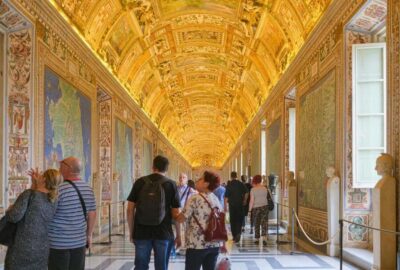
Vatican Museums & Sistine Chapel Tour with Optional Basilica
Read our review →
Vatican Museums, Sistine Chapel & St Peter’s Basilica Guided Tour
Read our review →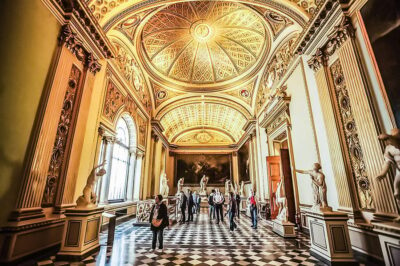
Skip-The-Line Uffizi Gallery Timed Entry Ticket
Read our review →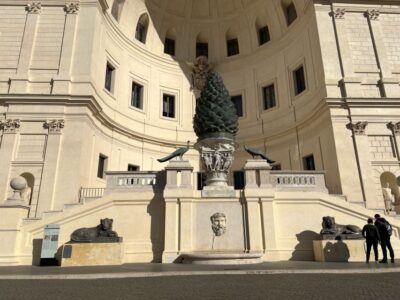
Vatican Museums & Sistine Chapel Skip-the-Line Entry Ticket
Read our review →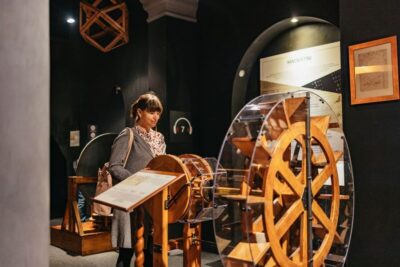
Browse the lists this tour appears in