Reviewed · TOURS IN ROME
Rome: Welcome To Rome Immersive Multimedia Show
Rome can feel like several cities piled on top of one another. Ancient forums sit beside Renaissance churches, Baroque fountains, modern traffic, and apartment blocks. Welcome To Rome gives you a quick visual key to that puzzle, showing how the city changed over 2700 years in a 27-minute projection show.
I like two things in particular: the floor model makes Rome’s growth easy to follow, and the four interactive models turn famous monuments into something you can inspect rather than simply photograph. The audio guide also comes in nine languages, which makes the presentation easy to follow for an international audience.
The main consideration is price. At $21 per person, this is not a bargain basement attraction for an experience that lasts roughly an hour from entry to exit. The show itself is short, though, so you should see it as a compact orientation to Rome rather than a substitute for visiting the real monuments.
Key points to know before you go
- Rome in 27 minutes: A continuous projection show traces the city from its beginnings through the imperial period and later centuries.
- A floor model shows the city changing: Watch Rome expand and transform while projections appear on the walls and ceiling.
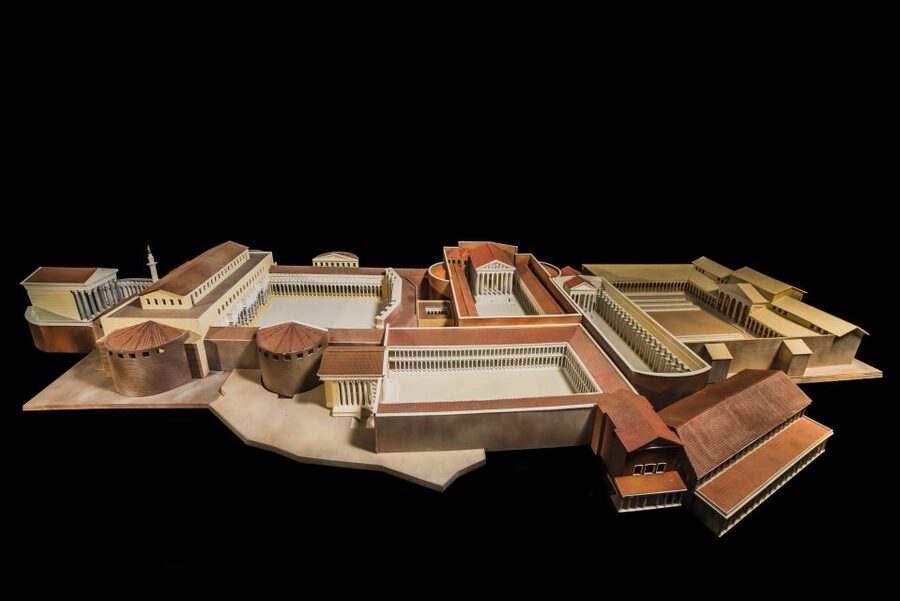
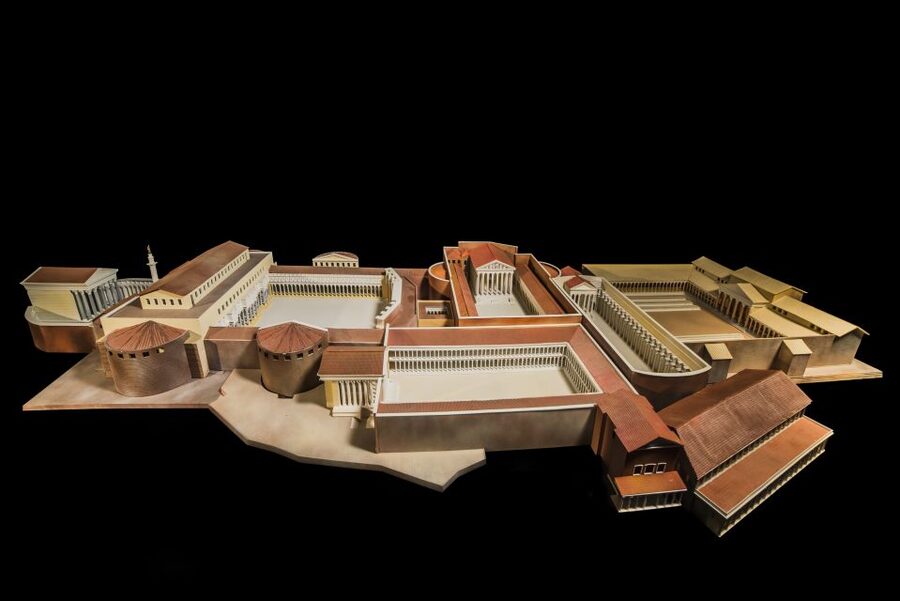
- Four monuments get special attention: Explore models of the Imperial Forum, Augustus Forum, Mausoleum of Hadrian, and St. Peter’s Basilica.
- Best early in your Rome visit: The show helps you recognize the layers behind the ruins, churches, and streets you will see afterward.
- Easy to fit into a sightseeing day: The venue is a few hundred meters from Piazza Navona, and you can begin during opening hours.
- Accessible and multilingual: The projection and interactive displays are wheelchair accessible, with audio available in nine languages.
What Welcome To Rome is really offering
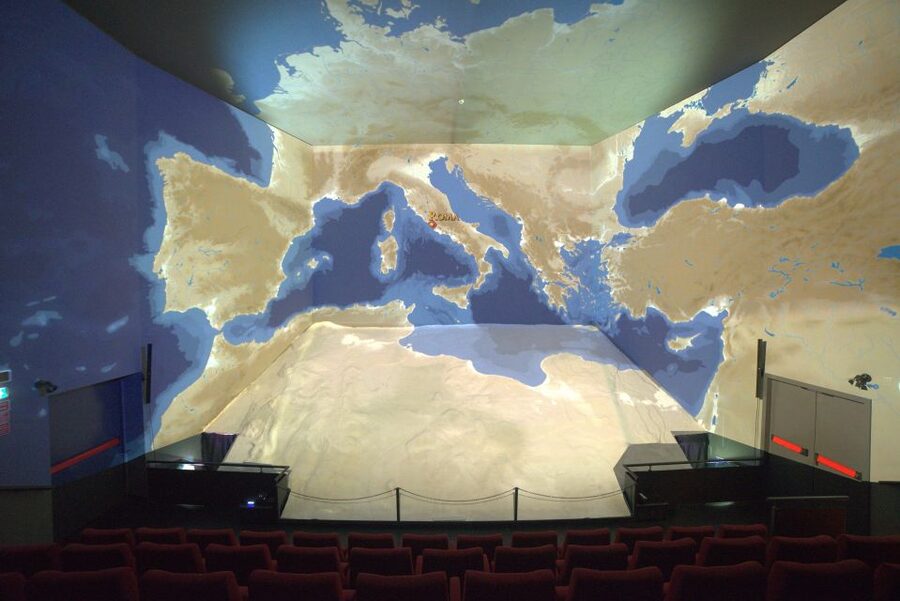
This is not a traditional guided walking tour. Nobody leads you through Rome’s streets, and you do not enter the Colosseum, Roman Forum, or St. Peter’s Basilica. Instead, you step into the ex-Cinema Augustus on Corso Vittorio Emanuele II and watch the city appear around you through projected images, sound, narration, and models.
The central presentation lasts 27 minutes. Walls and ceilings become moving screens, while a large model on the floor lights up to show the changing shape of Rome. The effect is designed to give you the sensation of moving above the city and through its monuments.
That format matters because Rome is hard to understand from ground level. At the Forum, you see fragments. At the Pantheon, you see one extraordinary building. Along a modern street, you may have no idea what stood there centuries ago. This show connects those separate pieces into a timeline.
The presentation moves through the major periods that shaped Rome’s identity. You see the city develop from its ancient beginnings into imperial Rome, then through later religious and architectural changes. The aim is not to teach every date or political detail. It gives you the broad structure first, so the individual sites make more sense afterward.
Other shows to book in Rome:
- Rome: Gladiator Show and Museum Tickets
★ 4.5 · 237 reviews - Glass Blowing Show Visit Murano Glass Factory & Showroom OMG
★ 4.2 · 679 reviews
The 27-minute projection show
The main show is the heart of the experience. The room uses large projections on the walls and ceiling, with the floor model acting almost like a three-dimensional map. Rome expands, changes, and fills with monuments as the narration moves through the centuries.
I find this kind of overview especially useful before visiting the ruins. Ancient Rome can be difficult to picture because so much of it survives only in pieces. A projection can show the Forum as an active center rather than a field of columns and broken walls.
The same applies to the city’s later periods. Rome did not stop changing when the empire declined. Churches, palaces, roads, and public squares were built into and around older structures. The presentation helps you see why a ruined Roman wall may sit beside a church or a modern street without seeming out of place.
The audio guide supplies the narration in Italian, English, Spanish, French, German, Russian, Chinese, Croatian, and Japanese. You select the language you need, so the show works well for mixed-language families and groups.
The visual quality is one of the strongest reasons to come. The projections are more than a slideshow. You get the sense of flying over the city, passing through monuments and looking down on its changing layout. It is a modern presentation, but the subject remains firmly rooted in Rome’s physical sites.
The show runs continuously during opening hours. You do not need to arrive for one fixed performance time. That flexibility is useful when Rome’s traffic, queues, and unpredictable sightseeing schedule interfere with your plans.
The important timing detail is that the last show begins one hour before closing. Do not arrive near closing and assume you can enter immediately. Check the available opening hours for your date and leave enough time for the presentation and models.
The four interactive models after the show
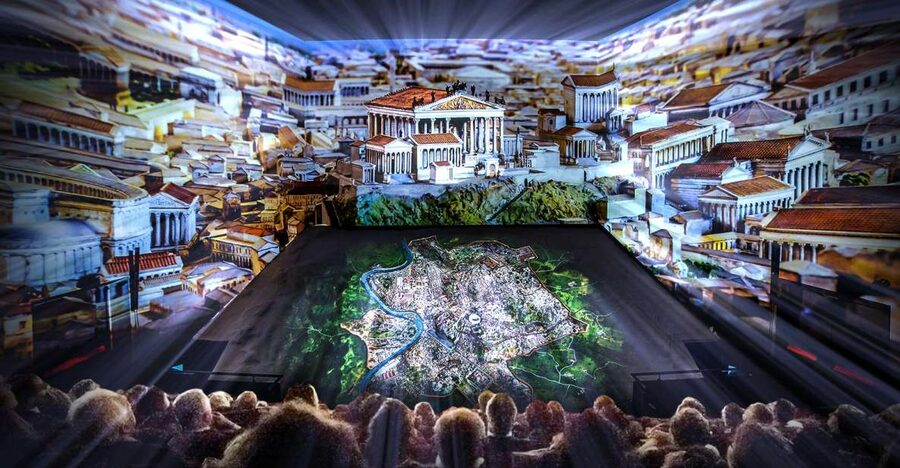
After the projection, you can examine four large interactive models. These are not just decorative displays. They focus on specific places and give you another way to understand their design and development.
The Imperial Forum
The Imperial Forum helps place Rome’s monumental center in context. When you walk among the ruins, it can be hard to tell which remains belong to which ruler or building project. A model lets you see the full arrangement rather than isolated columns and fragments.
This is particularly helpful if you plan to visit the Roman Forum later. You will still need a guide or audio tour for detailed information on individual structures, but the model gives you a clearer sense of the area as an organized public and political center.
Same base, a different kind of day:
- Vatican: Museums & Sistine Chapel Entrance Ticket
★ 4.5 · 144,003 reviews - Vatican Museums & Sistine Chapel Tour with Optional Basilica
★ 4.3 · 67,413 reviews - Colosseum, Roman Forum & Palatine Guided Tour
★ 4.7 · 63,148 reviews - Vatican Museums, Sistine Chapel & St Peter’s Basilica Guided Tour
★ 4.5 · 39,149 reviews
The Forum of Augustus
The Augustus Forum receives its own model, allowing you to see how a ruler used architecture to shape the city’s image. The display can help you understand the difference between a surviving ruin and the original scale and purpose of the site.
It is a good example of the show’s larger strength. Instead of asking you to memorize names, it gives you a picture of how the monuments fit together and why the city was designed in such a grand way.
The Mausoleum of Hadrian
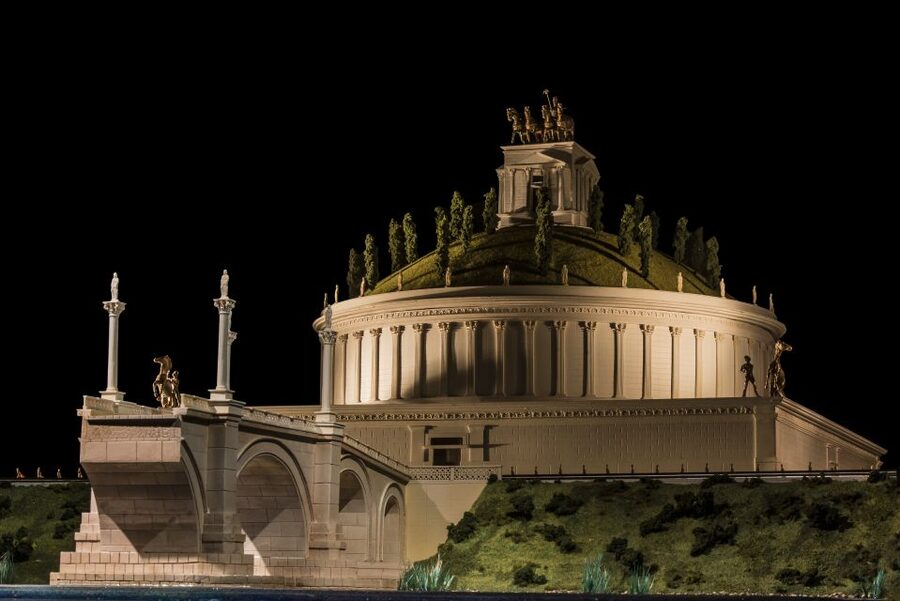
The Mausoleum of Hadrian, now associated with Castel Sant’Angelo, is another place where a model adds useful context. From the street, the building’s long transformation is not always obvious. A model can show the original structure and help explain how a monument changed over time.
If Castel Sant’Angelo is on your itinerary, this display gives you a preview of the building’s shape and importance. It also reinforces the main lesson of the show: Rome’s monuments often served different purposes in different eras.
St. Peter’s Basilica
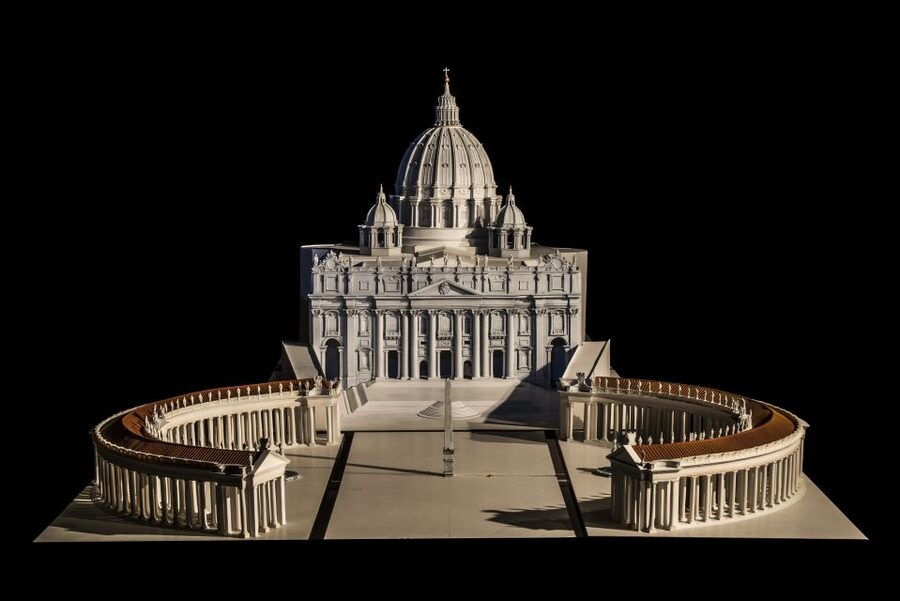
The St. Peter’s Basilica model shifts attention from ancient imperial Rome to the city’s Christian and Renaissance identity. The basilica is enormous, and its design is much easier to grasp from a model than from the square below.
You can see the relationship between the basilica and the surrounding area in a way that is difficult to notice while dealing with crowds and security lines. It also helps you appreciate how dramatically Rome’s center of power and public life changed across the centuries.
Why the timing matters on a Rome trip
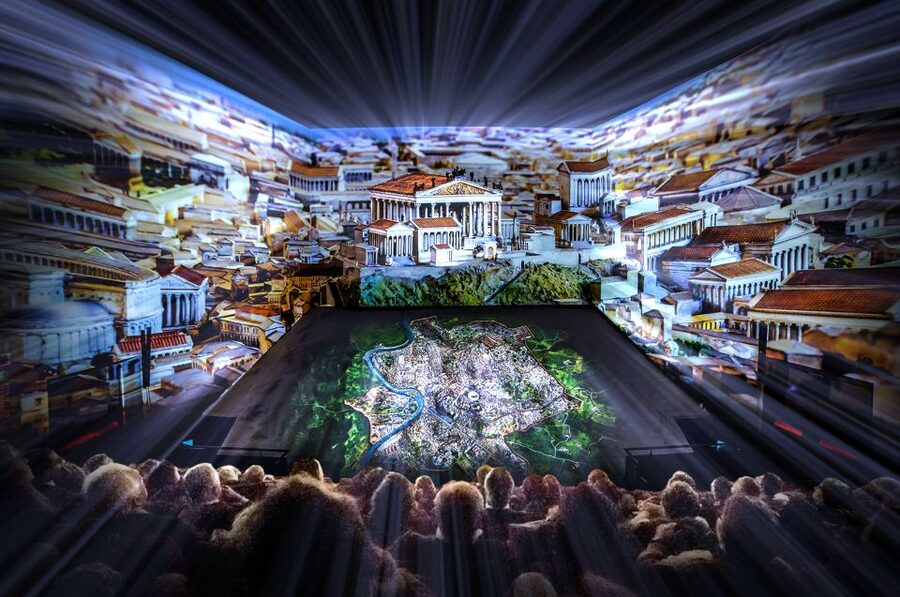
I would place Welcome To Rome near the beginning of your visit, ideally on your first day or early in your sightseeing plan. Rome becomes easier to read once you have seen its basic timeline.
For example, the Colosseum is impressive on its own, but its role becomes clearer when you understand the city’s imperial development. The Roman Forum feels less random when you have already seen the larger layout. Churches and palaces also gain context when you know that many parts of Rome were built around older foundations.
You can also visit after seeing the major sites. In that order, the show works as a review. It may connect details you noticed but could not place, especially the way ancient, medieval, Renaissance, and modern Rome overlap.
Several people use it as a break during a busy day. The indoor setting provides a place to sit during the central projection and escape Rome’s heat for a while. One practical limitation is that the other display areas may require more standing, so visitors who cannot stand for long should keep that in mind.
The attraction is close to Piazza Navona, on Corso Vittorio Emanuele II at number 203. That makes it easy to combine with central Rome sightseeing. You can visit around a walk through Piazza Navona, the Pantheon area, or other nearby sites, though you should allow enough time to enjoy the models instead of rushing through them.
Is it good for children?
The visual format works well for families. A 27-minute presentation is short enough to hold the attention of many school-age children, and the changing projections are easier to follow than a long historical lecture.
The models add a hands-on element. Children can see buildings from above and understand their shape and placement. That can be more memorable than hearing a list of dates.
Still, do not expect this to entertain very young children from start to finish. The content is educational, and the narration moves through a large amount of history. The experience is likely to work best for children who are interested in cities, monuments, maps, or visual effects.
For a family visiting Rome, it can be a useful first stop. Once children recognize a building from the show, the real monument may seem less abstract. The presentation gives them a story to carry into the rest of the trip.
How much value do you get for $21?
At $21, Welcome To Rome is reasonably priced only if you want a historical orientation and enjoy modern museum-style presentations. It is not a low-cost alternative to sightseeing, and it does not replace entry to any major Roman monument.
The value comes from the way it organizes information. You receive a 27-minute city overview, four interactive models, an audio guide, and the freedom to arrive during opening hours. For someone with limited time, that package can save confusion later.
I would be more cautious if your main goal is traditional archaeology. The show simplifies a huge subject and favors visual impact over detailed scholarship. You will not leave knowing every emperor, architectural phase, or political turning point.
Still, the production gives you something that a guidebook map often cannot: a moving picture of Rome over time. If you plan to visit several historic sites, that context can make the $21 easier to justify.
The overall rating is 4.6 from more than 3,000 reviews, and the most consistent praise centers on the clear timeline, strong visuals, helpful staff, and usefulness as a first activity in Rome. The main criticism is that the price feels high for a short show, with some visitors feeling a lower price would be fairer.
Practical details for your visit
Your ticket covers admission to the Welcome To Rome multimedia show. The attraction is valid for one day, but the central presentation itself lasts 27 minutes. In practice, allow about an hour if you want to watch the show and examine the four models without hurrying.
You can start at any time during opening hours because the show runs continuously. This is more convenient than a fixed theater performance, especially if you are combining the attraction with timed tickets elsewhere.
The entrance is at Corso Vittorio Emanuele II, 203, a few hundred meters from Piazza Navona. The central location makes it a useful stop during a day in Rome’s historic center.
The show and interactive displays are wheelchair accessible. Audio is available in nine languages: Italian, English, Spanish, French, German, Russian, Chinese, Croatian, and Japanese.
Free cancellation is available up to 24 hours in advance, and you can reserve now and pay later. Those options are useful if your Rome plans are still shifting, but always check the available starting times and the final entry rule before booking.
Who should book Welcome To Rome?
I recommend it most strongly for first-time visitors, families, and anyone who wants Rome to make sense before tackling its major monuments. It is also useful if you have only a short stay and want a quick framework for the city’s long story.
History fans will appreciate the chance to see the ancient sites in their original setting, even if the show remains a broad introduction. Repeat visitors can also get something from it, especially if they want a fresh look at how Rome’s different periods overlap.
I would skip it if you are looking only for a live walking tour, detailed archaeological study, or a major museum collection. The presentation is polished and visual, but it is still a short overview.
For most visitors, the best plan is simple: see it near the start of your trip, then use the rest of your sightseeing to test what you learned. Rome can be confusing at street level. This show gives you a helpful map in your head before the city begins throwing emperors, popes, ruins, and fountains at you from every direction.
FAQ
How long does the Welcome To Rome show last?
The main multimedia projection lasts 27 minutes. Allow about an hour if you also want time for the four interactive models.
Where is Welcome To Rome located?
The entrance is at Corso Vittorio Emanuele II, 203, in Rome. It is a few hundred meters from Piazza Navona.
Does the show run at one fixed time?
No. The show runs continuously during opening hours, so you can begin your visit at any available time.
When does the last show begin?
The last show starts one hour before closing time.
What language options are available?
The audio guide is available in Italian, English, Spanish, French, German, Russian, Chinese, Croatian, and Japanese.
What monuments are shown in the interactive models?
The four models cover the Imperial Forum, the Forum of Augustus, the Mausoleum of Hadrian, and St. Peter’s Basilica.
Is Welcome To Rome wheelchair accessible?
Yes. The projection and interactive exhibits are accessible to visitors with disabilities.
Is the activity suitable for children?
Yes, the visual presentation and models can work well for children, particularly school-age children. Very young children may not remain entertained throughout the historical narration.
Is the attraction best visited before or after Rome’s main sights?
It is especially useful at the start of your visit because it provides a timeline and context for the monuments. You can also visit afterward to reinforce what you have already seen.
What does the ticket include?
The ticket includes entrance to the Welcome To Rome multimedia show. An audio guide is included in the listed languages.
Can I cancel my booking?
Yes. You can cancel up to 24 hours in advance for a full refund.
Can I reserve now and pay later?
Yes. The reserve now and pay later option lets you hold your plans without paying at the time of booking.
Just added in Rome
- Civitavecchia Private Transfer: From the Port to Rome Airport★ 5.0 · 309 reviews
- Civitavecchia Shore Excursion: Best of Rome Private Tour★ 5.0 · 247 reviews
- Civitavecchia Private Transfer from ship to FCO airport or Rome★ 5.0 · 245 reviews
- Food Tasty and History Tour in Civitavecchia★ 5.0 · 256 reviews
- Palatine Hill and Roman Forum Tour with Fast-Track Entrance★ 4.2 · 417 reviews
- Tivoli: Villa D’Este & Villa Adriana Pass & App Audioguide★ 4.4 · 364 reviews
- Tivoli: Villa D’Este Entry Ticket and App Audio Guide★ 4.3 · 191 reviews
- Vatican Museums & Sistine Chapel Skip-the-Line Guided Tour★ 4.6 · 254 reviews
Tours in Rome, compared.
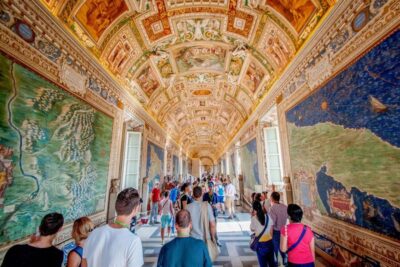
Vatican: Museums & Sistine Chapel Entrance Ticket
Read our review →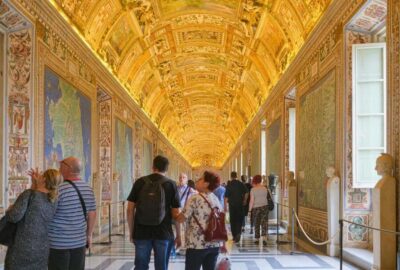
Vatican Museums & Sistine Chapel Tour with Optional Basilica
Read our review →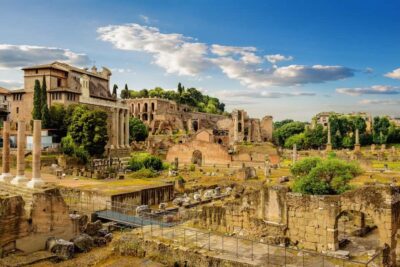
Colosseum, Roman Forum & Palatine Guided Tour
Read our review →
Vatican Museums, Sistine Chapel & St Peter’s Basilica Guided Tour
Read our review →
Colosseum & Forum with Audio Guide App -Optional Arena
Read our review →
Pantheon Fast-Track Ticket and Official Audio Guide
Read our review →
City Sightseeing Hop-on Hop-off Bus with Audioguide
Read our review →