Reviewed · TOURS IN ROME
Rome: Bioparco di Roma Zoological Garden Entry Ticket
Rome’s Bioparco puts an entire animal kingdom inside Villa Borghese, one of the city’s best places to escape the traffic and stone streets. In a few hours you can see lemurs, chimpanzees, bears, tigers, elephants, giraffes, birds, and a strong collection of reptiles.
I like the easy-to-follow layout and the amount of green space, which makes this feel like a proper day out rather than a quick row of cages. I also like the Reptile House, often the highlight for visitors who want something beyond the usual zoo animals. The main drawback is that some enclosures are being improved, and a few may feel too small or plain for a modern zoo.
Key points to know before you go

- About 1,200 animals: See roughly 200 species from five continents, including mammals, birds, reptiles, and amphibians.
- Inside Villa Borghese: The zoo covers about 42 acres, so allow three hours or more if you want to take your time.
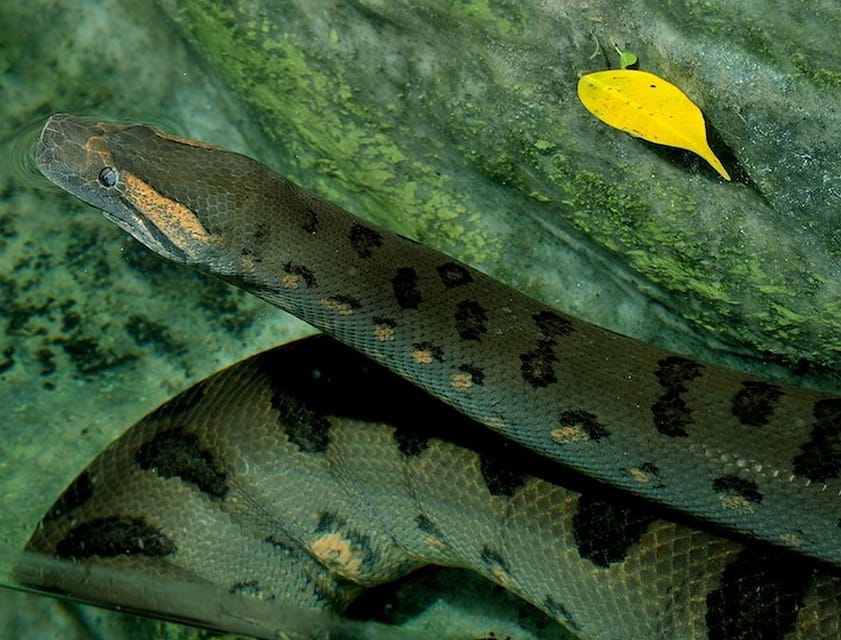
- The Reptile House is a highlight: Expect iguanas, snakes, and lizards in a useful indoor stop.
- Best timing: Morning visits offer cooler temperatures and a better chance of seeing animals active during feeding time.
- Food is available, but limited: Picnic areas and seating make bringing your own lunch a sensible choice.
- Child tickets use height, not age: Children under 1 meter enter free. Children over 1 meter and up to age 10 need the child rate.
A city zoo with room to breathe

Bioparco di Roma occupies part of the old Villa Borghese estate, so the setting is a major part of the appeal. You are not walking through a tightly packed urban attraction. Instead, the animal areas sit among paths, trees, lawns, play areas, and places to stop.
That matters in Rome. After the Colosseum, Roman Forum, and crowded lanes around the Trevi Fountain, a zoo gives you a slower day with space to move. I especially like it for families who need a break from monuments, and for adults who simply want a change of pace.
The grounds are large enough to make this a proper outing. Some people see the main collection in about two hours, while others spend three to four hours walking, stopping at exhibits, eating, and using the play areas. One energetic visitor walked roughly six miles in total when going from the Trevi Fountain to the zoo and back, so do not treat this as a tiny city-center attraction.
A few more things to do in Rome
- Vatican: Museums & Sistine Chapel Entrance Ticket
★ 4.5 · 144,003 reviews - Rome: Pantheon Fast-Track Ticket and Official Audio Guide
★ 4.3 · 21,008 reviews - Rome:Hop-On Hop-Off Panoramic Open Bus Ticket 3 Circuits x 1
★ 4.0 · 15,405 reviews
What you see along the route
The collection covers about 200 species, with animals from five continents. You can expect a mix of familiar favorites and species you may not often see in British or North American zoos.
The primate areas include lemurs and chimpanzees. These are often good early stops, since animals can be more active before the heat of the day. The big mammals include elephants, giraffes, tigers, lions, bears, and wolves. There are also birds from different parts of the world, plus amphibians and reptiles.
The paths are laid out in a way that generally lets you keep moving forward without constantly retracing your steps. A printed or posted map helps you get your bearings, and the animal signs are usually written in both Italian and English. That bilingual information is useful if you want more than a quick look at each enclosure.
Do not rush from one large animal to the next. The smaller exhibits can be just as interesting, especially if you have children who want to stop and compare unusual species. Peacocks may roam freely around the grounds, adding a bit of old-fashioned park character.
Why the Reptile House deserves extra time

The Reptile House is one of the strongest parts of the visit. It offers a good variety of iguanas, snakes, and lizards, and it gives you a break from the outdoor paths on hot or rainy days.
Reptiles also reward patient viewing. A tiger or giraffe is easy to spot, but a well-camouflaged lizard may take longer to find. The indoor setting lets you slow down and read the information panels without worrying about the weather.
If your schedule is tight, you could walk through the main outdoor exhibits in two hours and still make time for the Reptile House. If you have most of the day, give it a careful look rather than treating it as a quick indoor corridor.
Animal activity depends on the hour
The zoo can be excellent early in the day, when animals are more likely to be awake and moving. Feeding times can add activity, although exact feeding schedules are not provided with this ticket, so you should not plan your whole visit around a particular presentation.
In warm weather, some animals may rest, hide, or remain less active. Several visitors found that certain animals were asleep or not visible, while others saw plenty of movement. This is normal in any zoo, but it is worth knowing before you arrive. A ticket does not guarantee that every animal will be out when you pass its enclosure.
The Italian summer can be especially tough. A visit in the middle of a very hot day may feel exhausting, with long outdoor paths and limited shade in some areas. I would choose the morning, or a later afternoon time if the opening hours allow it. Bring plenty of water.
Rain does not necessarily ruin the visit, since the Reptile House and indoor areas provide shelter, but you will want waterproof clothing and shoes with a decent grip. On cooler weekdays, the zoo can feel calm and uncrowded, making it easier to stop at each viewing area.
Same base, a different kind of day:
- Vatican Museums & Sistine Chapel Tour with Optional Basilica
★ 4.3 · 67,413 reviews - Colosseum, Roman Forum & Palatine Guided Tour
★ 4.7 · 63,148 reviews - Vatican Museums, Sistine Chapel & St Peter’s Basilica Guided Tour
★ 4.5 · 39,149 reviews - Rome: Colosseum, Palatine Hill and Roman Forum Guided Tour
★ 4.8 · 32,814 reviews
Enclosures and conservation work
Bioparco presents itself as more than a place to look at animals. Its work includes conservation of endangered species, environmental education, and scientific research. That gives the visit a useful purpose, especially for children who are learning about threatened animals and habitats.
The information panels help connect the animals to wider conservation issues. I like this educational side because it gives you something to think about after you leave, rather than reducing the experience to taking photographs.
The condition of the enclosures is mixed. Many areas look clean and well maintained, and several enclosures provide clear views. Some visitors found the brown bear area particularly well cared for, with a view down toward the water where the bears could swim and play.
At the same time, you may notice areas that feel dated or limited in size. The sea lion, tiger, and lion areas have drawn criticism for not offering as much room to roam as they should. You may also see an animal repeating a movement or appearing bored. These concerns are worth taking seriously, even though the animals generally appear to be in good physical condition.
This is the kind of attraction where you can enjoy the collection while keeping a critical eye. The conservation message is valuable, but it does not erase the need for good enclosure design and enrichment. Your own impression may vary by exhibit and by the behavior of the animals on the day.
Food, water, toilets, and picnic planning
Food and drinks are sold inside the zoo, with cafés and snack points around the grounds. Choices can include burgers, hot dogs, chicken nuggets, soft drinks, ice cream, and ice lollies. That is enough for a basic meal, but it is not a major dining destination.
I would bring a picnic if you have room in your day bag. There are places to sit, including a picnic area, and several visitors found it easier and better value to eat food bought outside before entering. Drinks from snack bars may cost more than expected, while vending machines can offer a cheaper option.
Toilets are available at several points around the site. This is a small detail, but it matters when you are visiting with young children or spending four hours on foot.
There are also play areas for children and a small gift shop. Those extras help make the zoo work as a family day, especially if younger children tire of looking at animals. Adults and teenagers can enjoy it too, particularly if they want a relaxed break from Rome’s major historic sights.
How long should you allow?

For a quick visit, two hours is possible. You can follow the route, see the main animals, and spend limited time at the indoor exhibits.
Three hours is a more realistic minimum if you want to pause at the Reptile House, read the bilingual signs, and stop for a snack. Four hours works well for families, photographers, or anyone who likes to sit and watch animals rather than simply check them off.
A full day is possible, especially if you include lunch, play areas, rest stops, and the surrounding Villa Borghese park. The zoo is not a fast stop between the Pantheon and the Vatican. It works best as the main activity for a morning or afternoon.
Weekdays are usually the calmer choice. Weekends can bring more families and busier viewing areas. If you want a quiet visit, go early on a weekday when possible.
Getting there and using the ticket

The zoo is in Villa Borghese, not beside Rome’s main ancient monuments. You can walk through the gardens from central Rome, but the distance may be greater than it first appears. Bus connections are available near the zoo, and one route can take you toward the Trevi Fountain afterward.
A taxi is another option. One reported fare from the Best Western Universo area was about €10 to €14 each way, but fares depend on the starting point and traffic. Use care with taxi choices and check the current local arrangements before setting off.
The $25 ticket includes skip-the-line entry through a separate ticket line. This can save time, especially on a busy weekend, though a quiet weekday may have only a short queue anyway. You still need to follow the entry instructions and show the ticket at the gate.
The ticket is valid for one day. It is non-refundable, so check your schedule and the forecast before buying. The activity is wheelchair accessible, but the large grounds and long walking distances may still make a mobility plan useful.
There is a confusing point for families: child pricing is based on height rather than age. Children under 1 meter enter free. A child over 1 meter and up to 10 years old needs the child ticket, and height may be checked at the entrance. If the wrong rate was selected, you must settle the difference on site.
People with a certified disability rated at 100 percent can collect a free ticket at the zoo ticket office, with the required documents. A companion can also enter free under the stated policy.
The activity information also refers to tramezzino pickup between 11 a.m. and 5 p.m. at Bar Ninfeo, Ristorante Mascagni, Chiosco Oasi del Lago, or Bar Voliera. Check the exact terms attached to your booking, since the listed ticket inclusion is the zoo entry itself.
Is $25 good value?

At $25 per person, this is not the cheapest quick attraction in Rome, but it can be good value if you use the whole day. You are paying for a 42-acre site, about 1,200 animals, indoor and outdoor exhibits, play areas, seating, and skip-the-line access.
The value is strongest for families. A child may get more from three hours at the zoo than from another crowded church or museum, and the open setting gives everyone room to move. It also suits adults and teenagers who have already seen Rome’s main sights and want something different.
The value is less clear if you only have one day in Rome or dislike zoos. If you want to see the Colosseum, Vatican Museums, Pantheon, and other essentials, the Bioparco should not replace those priorities. It is a leisure day, not a core ancient Rome sight.
Who should book Bioparco di Roma?
I would book this if you are traveling with children, enjoy animals, or need a slower day in Rome. It is also a good choice for anyone staying several days and looking for an activity beyond churches, ruins, and piazzas.
I would choose a weekday morning, bring water and a picnic, and allow at least three hours. If your family includes a child close to the 1-meter height limit, measure the child before booking so the ticket choice does not cause a surprise at the gate.
I would skip it if you want a small, polished attraction that can be finished in under an hour, or if your Rome schedule is already packed. Some enclosures may feel dated, and not every animal will be visible. But for a relaxed family outing with a broad collection and a useful conservation message, Bioparco offers a fair amount for the price.
FAQ
How much does the Bioparco di Roma ticket cost?
The listed price is $25 per person.
How long is the ticket valid?
The ticket is valid for one day.
How many animals are at Bioparco di Roma?
The zoo has more than 1,200 animals representing about 200 species from five continents.
What animals can I see at the zoo?
You can see lemurs, chimpanzees, tigers, bears, elephants, giraffes, lions, wolves, birds, reptiles, amphibians, and other species.
Is the Reptile House included?
Yes. The Reptile House is part of the zoological garden entry and includes iguanas, snakes, and lizards.
Are children under a certain age free?
Child entry is based on height, not age. Children under 1 meter enter free. Children over 1 meter and up to 10 years old should use the child rate.
Is the zoo wheelchair accessible?
Yes, the activity is listed as wheelchair accessible.
Is food available inside Bioparco?
Yes. Cafés and snack points sell food and drinks, but choices may be limited. Picnic areas are available, so bringing your own food is an option.
Just added in Rome
- Civitavecchia Private Transfer: From the Port to Rome Airport★ 5.0 · 309 reviews
- Civitavecchia Shore Excursion: Best of Rome Private Tour★ 5.0 · 247 reviews
- Civitavecchia Private Transfer from ship to FCO airport or Rome★ 5.0 · 245 reviews
- Food Tasty and History Tour in Civitavecchia★ 5.0 · 256 reviews
- Palatine Hill and Roman Forum Tour with Fast-Track Entrance★ 4.2 · 417 reviews
- Tivoli: Villa D’Este & Villa Adriana Pass & App Audioguide★ 4.4 · 364 reviews
- Tivoli: Villa D’Este Entry Ticket and App Audio Guide★ 4.3 · 191 reviews
- Vatican Museums & Sistine Chapel Skip-the-Line Guided Tour★ 4.6 · 254 reviews
Tours in Rome, compared.

Vatican: Museums & Sistine Chapel Entrance Ticket
Read our review →
Vatican Museums & Sistine Chapel Tour with Optional Basilica
Read our review →
Colosseum, Roman Forum & Palatine Guided Tour
Read our review →
Vatican Museums, Sistine Chapel & St Peter’s Basilica Guided Tour
Read our review →
Colosseum & Forum with Audio Guide App -Optional Arena
Read our review →
Pantheon Fast-Track Ticket and Official Audio Guide
Read our review →
City Sightseeing Hop-on Hop-off Bus with Audioguide
Read our review →