Reviewed · PASTA
Milan: Pizza or Pasta and Gelato-Making Class with Wine
Milan’s best food lesson may be the one that lets you eat dinner at the end. In three hours, you make either pizza or fresh pasta, prepare gelato, and sit down with wine or a soft drink to enjoy what you cooked. Chefs including Matteo, Alfredo, Fabrizio, and Diego keep the pace friendly and practical.
I like the choice between two menus, and I like that the class is genuinely hands-on rather than a cooking demonstration watched from the sidelines. The digital recipes and certificate are useful keepsakes, too. The main catch is that the meeting point can vary, and some people have found the venue near Milano Centrale hard to locate.
Key points to know before booking
- Choose pizza or pasta at checkout: The menu is not one fixed class, so select carefully when you book.
- Gelato is included with both options: You also learn about the mixture, churning, and making a cone.
- The chef does the teaching: Matteo, Alfredo, Fabrizio, and Diego are among the instructors praised for patience, humor, and clear guidance.
- Dinner is part of the class: You eat the pizza or pasta and gelato you help prepare.
- Good for families and solo visitors: Children and teenagers can take part, while solo participants can easily join a mixed group.
- Plan extra time to find the venue: The meeting point varies, and directions may require close attention.
Making the choice: pizza or pasta
The first decision is simple but important. At checkout, choose either the pizza and gelato class or the pasta and gelato class. You should not assume you can switch once you arrive.
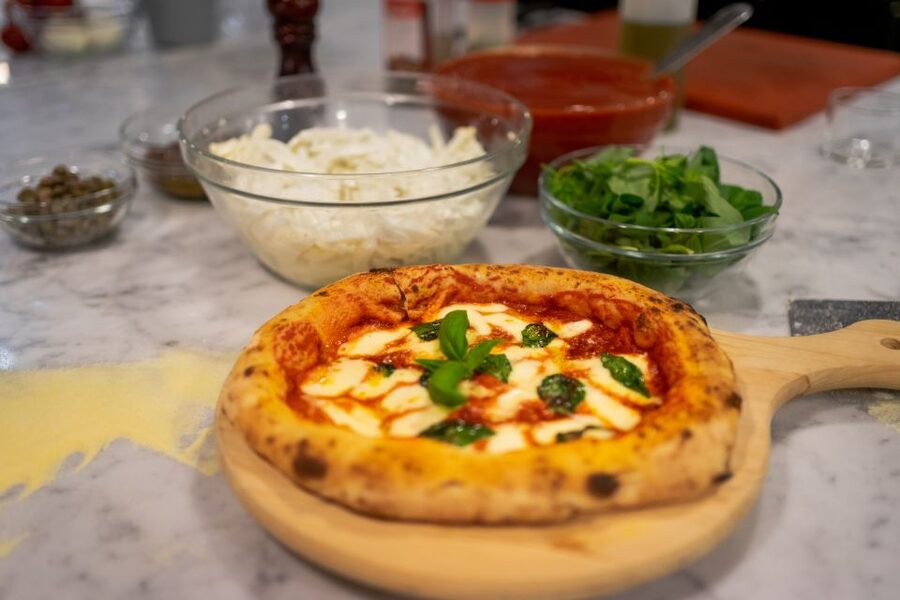
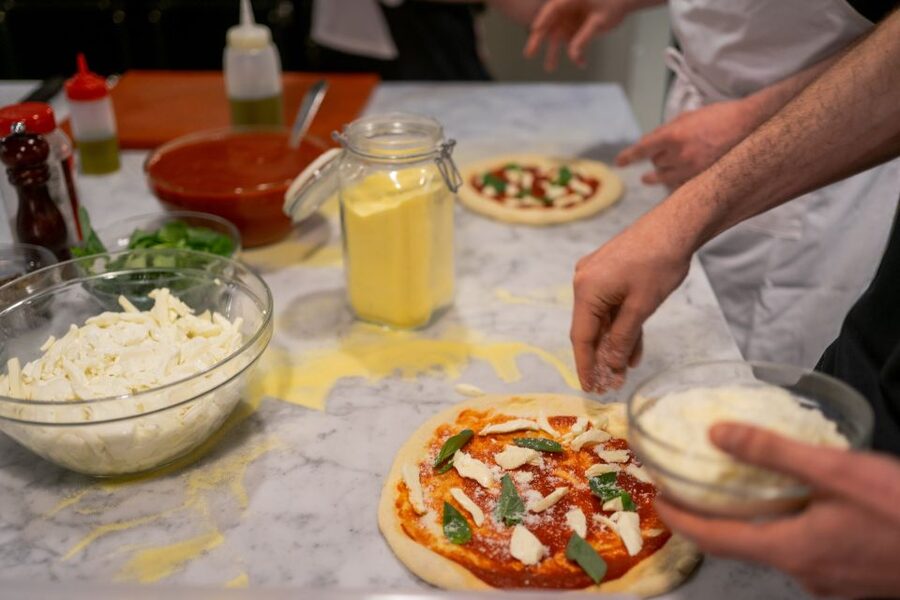
The pizza session focuses on yeast dough, tomato sauce, toppings, seasoning, and baking. You work toward a personal pizza, with the chef showing you how to knead the dough until it becomes pliable. You then roll it out, add sauce and toppings, and send it to the oven.
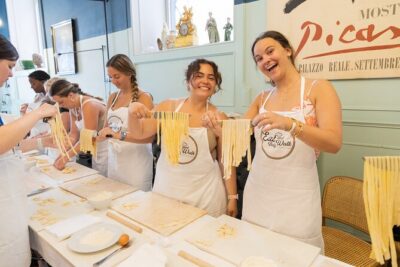
The pasta option takes a different route. You make fresh pasta from scratch, and the class can include pasta and ravioli. This is the better pick if you want a skill you can repeat with a rolling pin and a bowl at home. Pizza is more theatrical and immediate, while pasta gives you a clearer lesson in shaping and handling dough.
Both choices include gelato, so dessert does not depend on your menu. If your family cannot agree, the practical answer is to book different options only if the provider allows it for your session. Since the meeting point and format may vary, confirm the details before booking.
Other pasta to make in Italy:
- Florence: Pasta Cooking Class with Unlimited Wine
★ 4.9 · 10,285 reviews - Florence Pizza or Pasta Class with Gelato Making at a Tuscan Farm
★ 5.0 · 6,801 reviews - Florence: Pasta & Tiramisu Cooking Class with Unlimited Wine
★ 4.9 · 6,708 reviews
Inside the Milan cooking studio
The class takes place in a professional cooking school in central Milan. Several participants have described a venue near Milano Centrale, though the meeting point can vary by booking option. This location can be convenient if you are staying near the station or using Milan as a base for day trips.
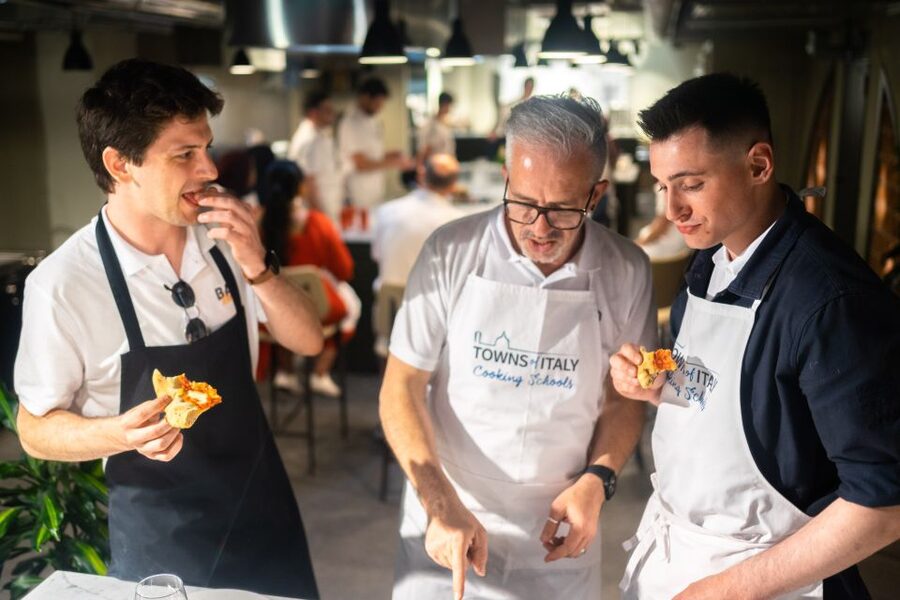
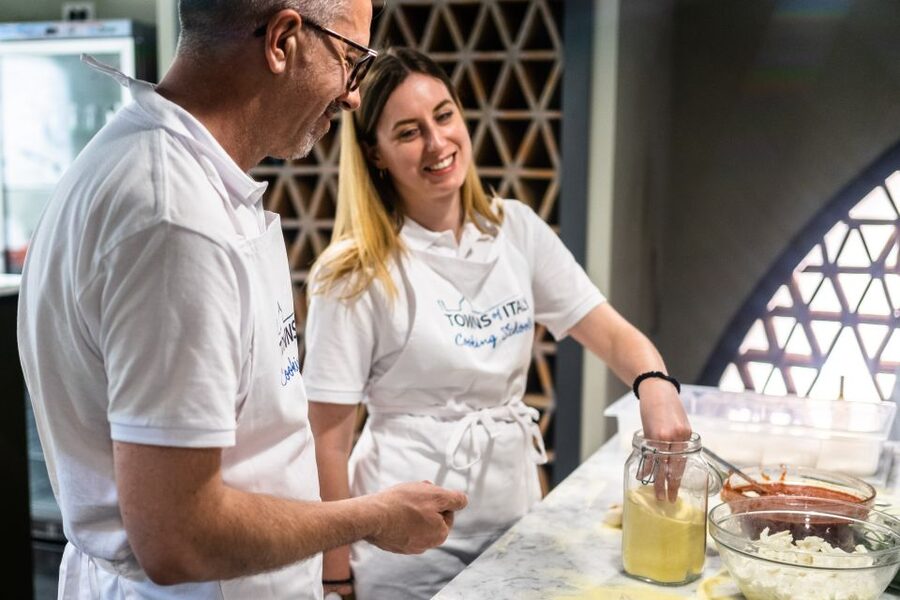
The setting is designed for work, not just display. You receive an apron, utensils, and ingredients, then follow the chef through each stage. Group size is not fixed in the information provided. Sessions have ranged from a more intimate group of eight to about twenty people, so the amount of individual attention may change.
That point matters. In a small class, you may get more direct help with dough and shaping. In a larger class, the mood can feel more social, but you may need to watch closely and ask for assistance when several people need help at once. The instructors are used to mixed abilities, and the class is structured so that beginners can take part without feeling tested.
You do not need to be an experienced cook. The best approach is to arrive ready to handle flour, follow directions, and accept that your first pizza or pasta shape may not look perfect. That is part of the fun, and the chef can help correct common problems with dough.
Rolling pizza dough with a pizzaiolo
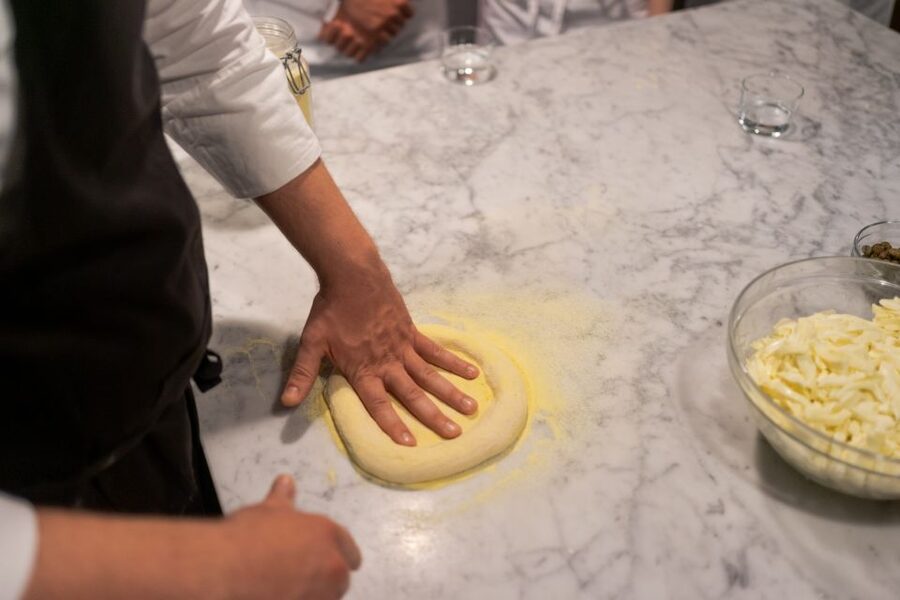
The pizza portion begins with the basics of dough. You learn how yeast dough changes as you knead it and how to work it until it becomes soft and flexible. The chef demonstrates the process, then you try it yourself.
This is where the class earns its keep. A restaurant pizza gives you a finished product, but it does not show you why dough tears, sticks, or refuses to stretch. Here, you can see those problems happen and receive an immediate fix. Chef Alfredo, for example, has been praised for explaining ways to handle common dough mistakes.
After the dough rests, you prepare a light tomato sauce. The lesson is not only about loading on toppings. You learn how much sauce to use, how to season the pizza, and how to keep the base from becoming heavy.
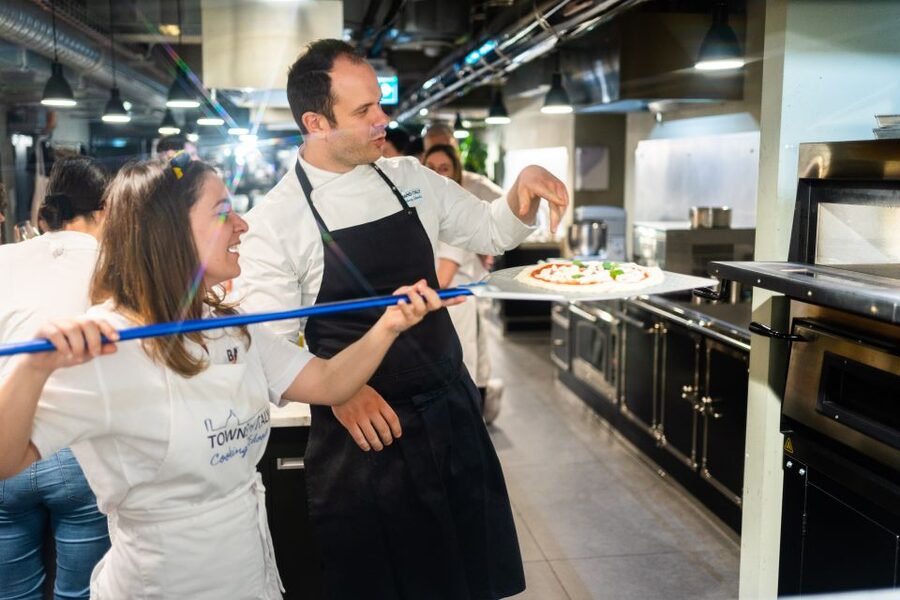
You then roll out the dough and choose your toppings. The emphasis is on participation, so you should expect flour on your hands and a little movement around the workstations. The finished pizza goes into the oven, and you wait for the smell to do its work.
Several instructors are especially good at keeping children involved. Matteo has been singled out for patience and encouragement with teenagers, while other chefs use jokes and stories to keep the room relaxed. That makes this a stronger family activity than a formal lesson where children simply watch an adult cook.
Making fresh pasta from scratch
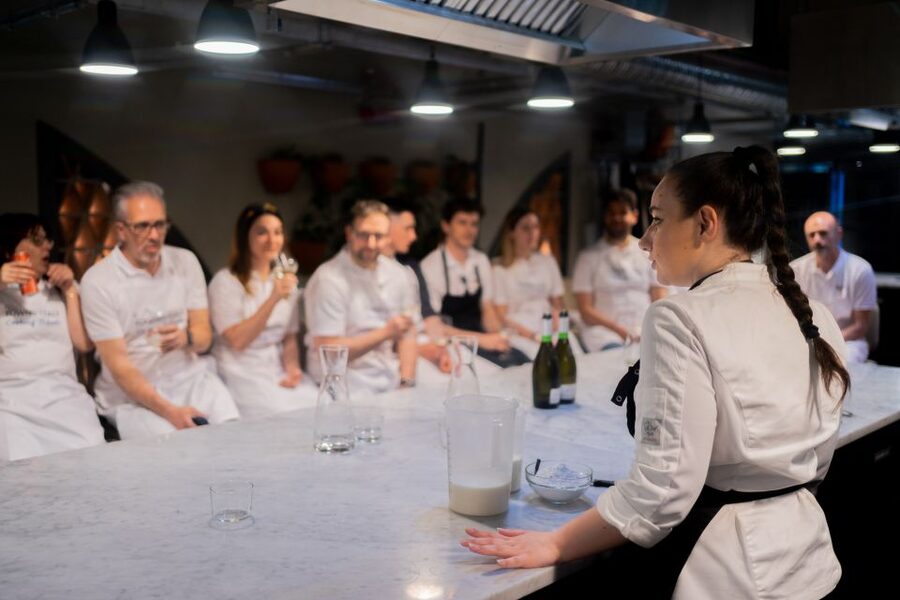
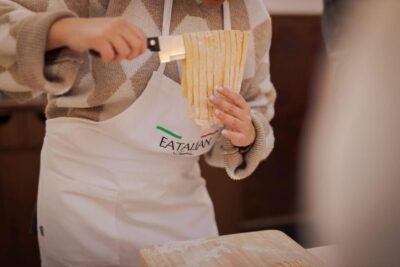
The pasta class gives you a slower, more tactile lesson. You mix and work the dough, then shape the pasta under the chef’s direction. Some sessions include ravioli, which adds another step and gives you a more memorable result than plain noodles alone.
I would choose this option if you already expect to eat plenty of pizza in Milan. It also suits anyone who wants a kitchen skill that does not depend on owning a pizza oven. The digital recipe booklet means you can try the process at home, though your flour, equipment, and kitchen conditions may produce a slightly different result.
The pasta option is still a social meal, not a quiet technical workshop. You cook alongside people from different countries and ability levels, then eat together at the end. That mix is part of the appeal for solo visitors. You have a built-in activity and conversation without needing to arrange a separate dinner.
The trade-off is that the pasta format may be less dramatic for children who want to stretch dough and add toppings. If your child is excited by pizza, choose pizza. If they enjoy shaping, cutting, and making something from basic ingredients, pasta may hold their attention better.
Other things to learn to make in Italy:
- 3 in 1 Cooking Class near Navona: Fettuccine, Ravioli & Tiramisu
★ 5.0 · 7,376 reviews - Florence: Pasta Cooking Class with Unlimited Wine
★ 5.0 · 6,413 reviews - Naples: Pizza-Making Workshop with Drink and Appetizer
★ 4.9 · 5,411 reviews - Rome: Pasta & Tiramisu Class with Fine Wine by the Vatican
★ 4.9 · 4,852 reviews
Gelato, chocolate, and the homemade cone
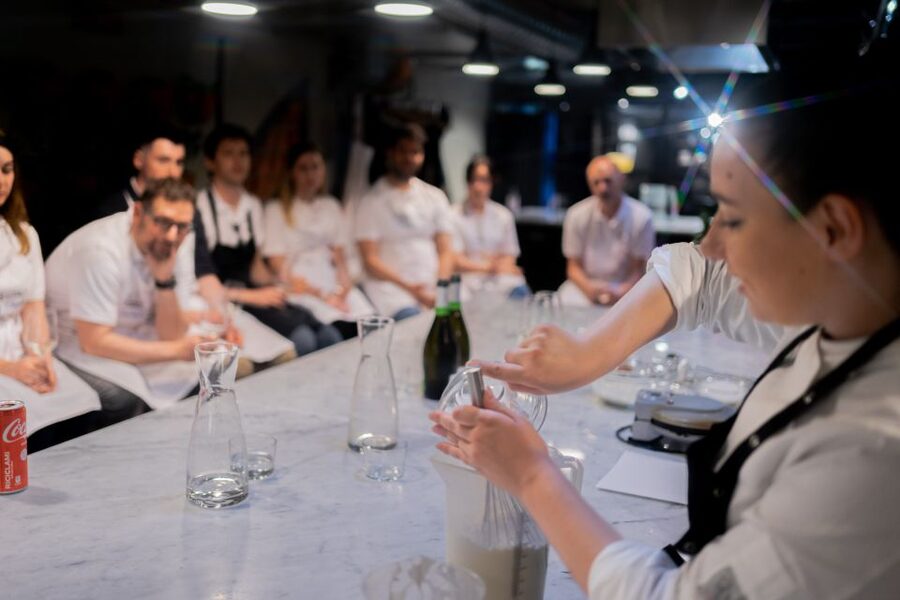
The dessert lesson runs alongside the main dish. You learn about the ingredients used in Italian gelato and watch the mixture come together. The class may include chocolate melting into cream, followed by mixing and churning.
You also prepare the batter for a cone. That is a nice touch because it shows that the dessert is not simply scooped from a tub at the end. You see how the cone fits into the whole process, then enjoy the gelato with your meal.
Do not expect a long technical course in frozen desserts. Gelato is one part of a three-hour class that also includes pizza or pasta. Still, it gives you enough context to understand why the texture and mixture matter, and it adds a sweet finish that keeps the activity appealing to younger participants.
Some sessions have included waffle-style cones or waffles alongside the gelato. Since formats can vary, treat the cone as part of the lesson rather than expecting a specific extra dessert every time.
Wine, dinner, and the social rhythm
A short break during the cooking lets you sample Diadema wines and olive oil. Soft drinks are also available, and the included refreshment is described as either soft drinks or a glass of wine. If you do not drink alcohol, you can still take part fully.
The final meal is not a separate restaurant dinner. You eat the pizza or pasta and gelato made during the class. That gives the evening a satisfying shape: instruction, hands-on work, cooking, then a shared meal.
I like this format because it avoids the awkward gap that can follow a cooking lesson. You are not left holding a recipe card and wondering where to eat. You sit down with the group and see what everyone created.
The class has also been described as relaxed but full. Three hours is enough time to learn several techniques, though it can feel long if you dislike structured group activities or have little interest in cooking. The pace is generally active, with the pizza portion taking much of the time in some sessions.
The chefs make the difference
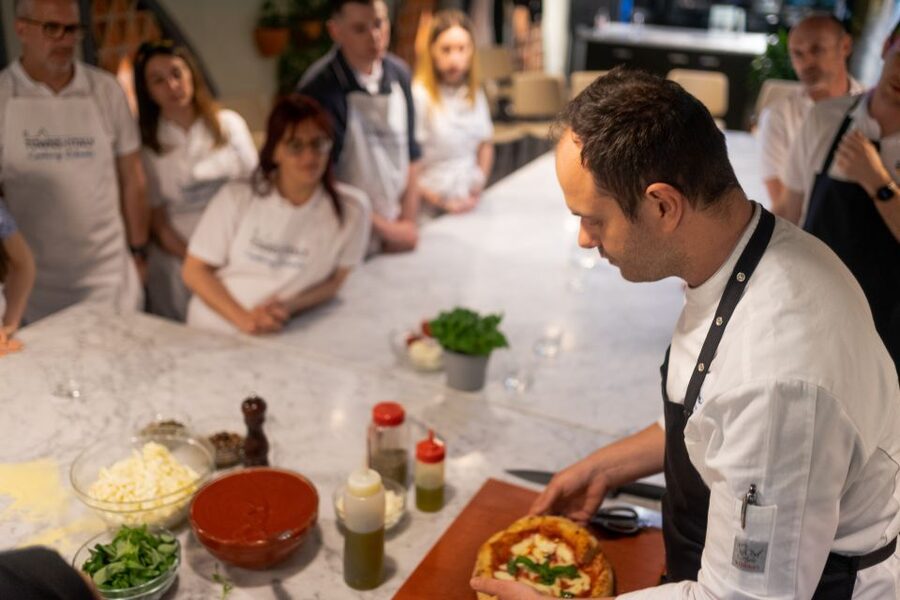
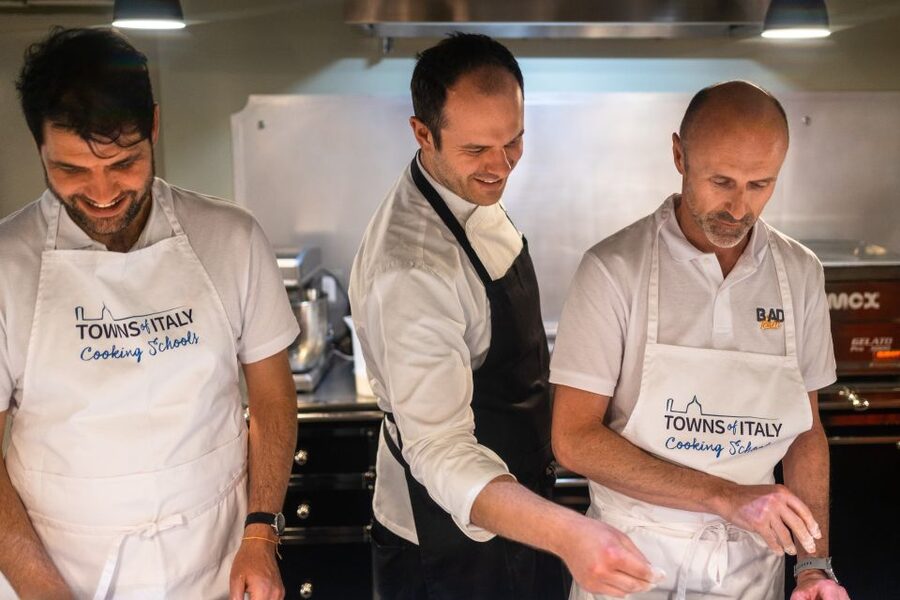
The instructor is the most important variable in a class like this. Matteo is often praised for being funny, patient, and encouraging. Alfredo is known for clear explanations and a friendly manner. Fabrizio has been described as good at involving the whole group, and Diego has hosted smaller sessions with a personal touch.
You should expect the exact chef to vary. That is not a problem, since the teaching style is consistently built around demonstrations, support, and humor. The instructors also share food tips and, in some cases, suggestions for restaurants and sights around Milan.
This is not a silent lesson. You will hear stories about pizza, gelato, and Italian food, along with practical advice about what you are doing. The chef’s energy helps when dough becomes stubborn or when the room has a wide range of cooking skills.
If you have impaired mobility, provide details when booking so the local partner can try to help. The activity is not suitable for wheelchair users, and the class is not suitable for people with celiac disease or gluten intolerance. Vegetarian and other dietary needs can be supported when reported in advance, but the provider should know before the day of the class.
Price and practical value at $101
At $101 per person, this is not the cheapest meal in Milan. You could buy pizza and gelato for much less. The value comes from combining dinner with instruction, ingredients, an apron, utensils, drinks, a professional chef, a digital recipe booklet, and a certificate of attendance.
I would call it good value for families, first-time cooks, and anyone who wants an evening activity rather than another restaurant reservation. The certificate is a small souvenir, but the recipe booklet has more lasting use. You can take the pizza or pasta method home and try it again.
The value is weaker if you mainly want to eat. A cooking class requires effort, attention, and time. You will not simply be served a polished restaurant dish. Your result depends partly on your own hands, which is exactly why the meal can feel rewarding.
The price also covers the social side of the event. Solo visitors can join a mixed group, and families can cook together rather than splitting up for separate activities. For a three-hour experience in central Milan, the package is fair if you plan to participate fully.
Getting there without a last-minute scramble
Read the meeting instructions carefully before you leave. The meeting point varies by option, and the venue near Milano Centrale can be difficult to find inside a large station or food hall area. Allow time to get your bearings, and do not rely on spotting a large sign from the street.
This is the clearest practical weakness. Some people have had trouble understanding how to enter and where to walk once they reached the station. If your voucher includes detailed directions, save them on your phone before leaving your hotel.
Hotel pickup and drop-off are not included. You make your own way to the class and leave independently afterward. That is easy if you are already in central Milan, but less convenient if you are staying far outside the center.
The activity is conducted in English. You should also notify the provider about dietary needs or impaired mobility when booking. Unaccompanied minors and pets are not allowed.
Who should book this class?
I would recommend it to families with children or teenagers, couples wanting a shared evening activity, solo visitors who enjoy meeting people, and food lovers who want more than a restaurant meal. It is especially useful early in a Milan trip because the chef may offer food and sightseeing suggestions for the days ahead.
Pick pizza if you want the most visual, hands-on option. Pick pasta if you would rather learn a kitchen skill that is easy to repeat without specialized equipment. Both menus include gelato, wine or soft drinks, dinner, recipes, and the certificate.
I would skip it if you have celiac disease, gluten intolerance, or mobility needs that the venue cannot accommodate. I would also skip it if your main goal is a quiet meal or a small private class, since group size can vary.
Cancellation is free up to 24 hours before the activity, and you can reserve now and pay later. Those terms help if your Milan schedule is still shifting, but they do not remove the need to confirm the meeting point and menu choice.
Should you book it?
Book this class if you want to work with your hands, eat a dinner you helped make, and spend three social hours with an English-speaking chef. The strongest reasons are the patient instruction, the choice of pizza or pasta, and the fact that gelato and the final meal are built into the experience.
My advice is simple: choose your menu carefully, check the meeting point twice, and arrive early. With those details handled, this is a practical and cheerful way to turn Italian food into a skill you can carry home.
FAQ
How long does the Milan cooking class last?
The class lasts three hours.
Can I choose between pizza and pasta?
Yes. You choose either the pizza option or the pasta option at checkout.
Is gelato included with the pasta class?
Yes. Both the pizza and pasta options include gelato-making.
Is dinner included?
Yes. You sit down to eat the pizza or pasta and gelato you help prepare.
Are drinks included?
Yes. Soft drinks or a glass of wine are included. The class also features Diadema wines and olive oil.
Is the class taught in English?
Yes. The listed language is English.
Can children join the class?
Yes. The activity is suitable for families, but unaccompanied minors are not allowed.
Is the class suitable for people with celiac disease or gluten intolerance?
No. The activity is not suitable for people with celiac disease or gluten intolerance. Other dietary needs should be reported when booking.
Just added in Italy
- Highlights and hidden gems of Milan Bike Tour★ 5.0 · 491 reviews
- Milan Gourmet Tour: A Premium Tasting Experience by Do Eat Better★ 5.0 · 241 reviews
- Private Milan Food Walking Tour of Brera★ 5.0 · 217 reviews
- Leonardo3 The World of Leonardo: Tickets for the Interactive Exhibition★ 4.0 · 220 reviews
- Da Vinci’s Last Supper and Santa Maria delle Grazie Church Tour★ 4.5 · 218 reviews
- Learn to Cook Italian Recipes with an Italian Chef★ 5.0 · 283 reviews
- La Scala Theatre and Museum guided experience★ 4.5 · 664 reviews
- La Scala Theatre and Museum Tour in Milan With Private Guide★ 3.5 · 384 reviews
Pasta, compared.
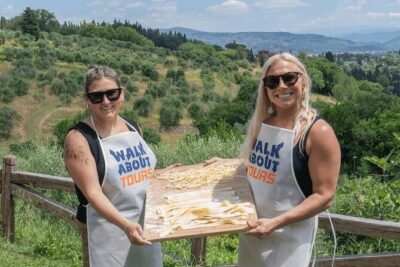
Florence Pizza or Pasta Class with Gelato Making at a Tuscan Farm
Read our review →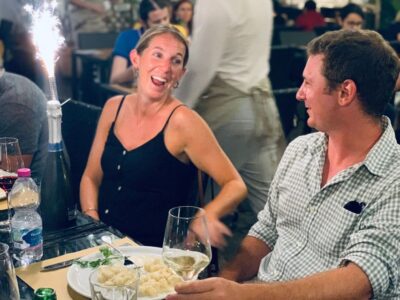
Pasta & Tiramisu Class with Fine Wine by the Vatican
Read our review →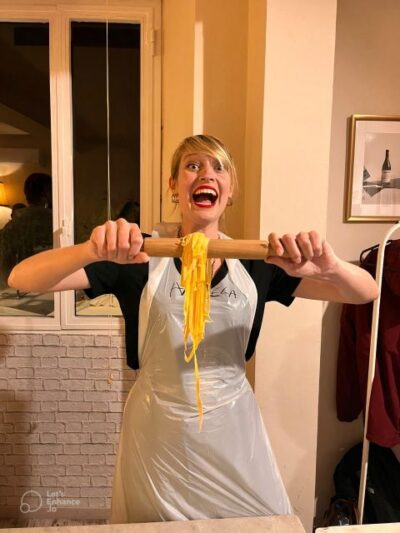
Pasta Making Class with Wine, Limoncello, and Dessert
Read our review →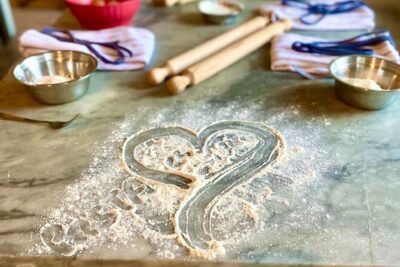
Fettuccine Pasta Cooking Class in Rome’s City Center
Read our review →
Traditional Pasta with Cocktails Cooking Class
Read our review →