
Reviewed · HOP-ON HOP-OFF BUS TOURS
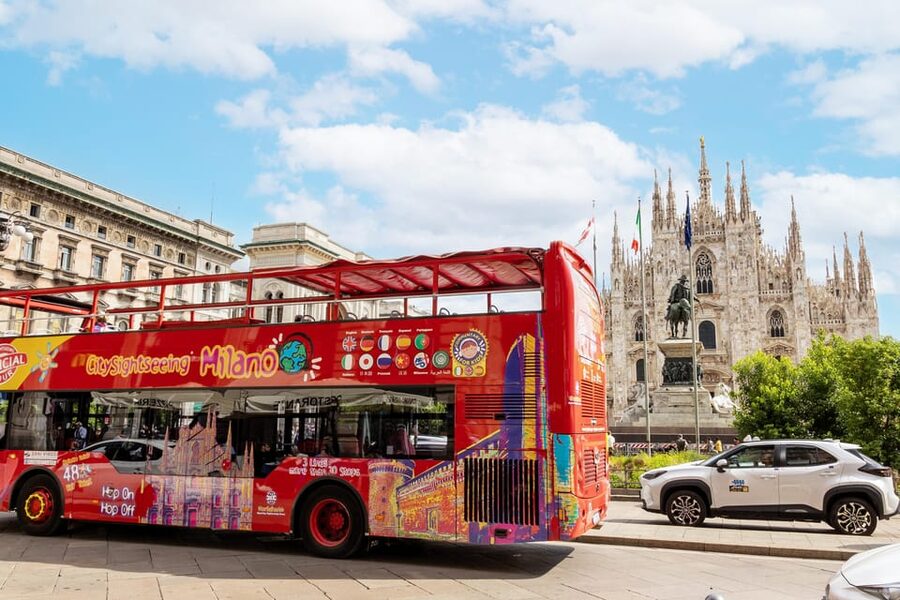
Milan: City Sightseeing Hop-On Hop-Off Bus with Audio Guide
Milan’s four connected bus routes let you cover far more ground than a walking tour, from Duomo and La Scala to Navigli, Brera, CityLife, and San Siro. I like the easy line changes and the chance to see the city first, then decide where to spend your time. The audio commentary adds useful facts, including the story of panettone and the recipe for cotoletta alla Milanese. The main drawback is traffic: buses can run late, and some waits may approach 50 minutes.
I also like the practical value of the one to three-day pass, especially if you want to use the bus for sightseeing and some short city transfers. The open-top view is a pleasant way to get your bearings. Just note that the routes repeat several central sights, and the main starting point at Foro Bonaparte can be hard to locate in the broad square.
Key points to know before you book
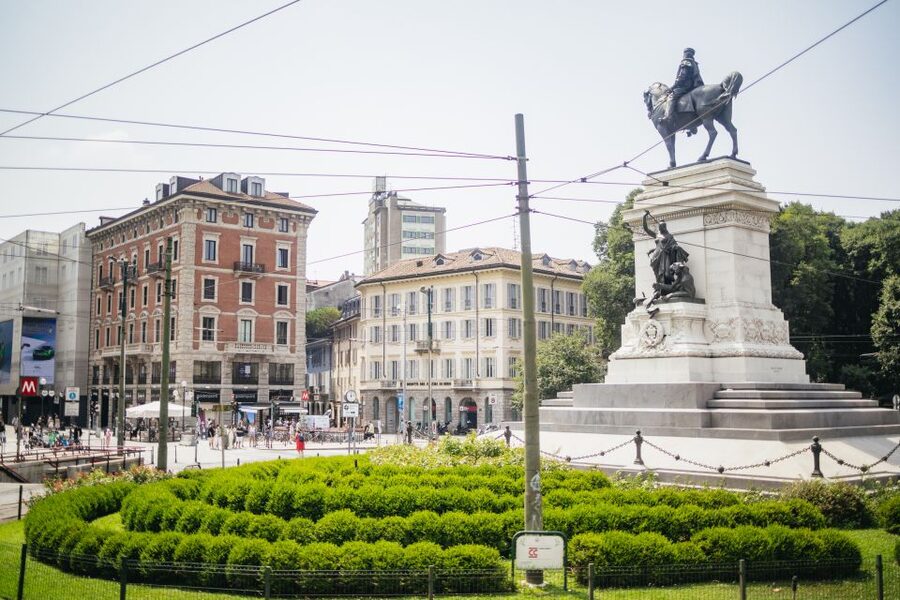
- Four routes in one ticket: Cover the historic center, Navigli, Brera, CityLife, San Siro, and Milan’s northern districts.
- Best for a first look: Use the bus on your first day to decide which museums, churches, neighborhoods, and stadium sights deserve more time.
- Useful audio content: Choose from 10 languages, with a separate commentary option for children.
- Strongest value over two days: A longer pass gives you time to ride all four lines and still get off for sightseeing.
- Traffic affects timing: The schedule may be accurate, but Milan’s traffic lights and busy roads can slow the circuit.
- Bring your attraction plan: Tickets to the Duomo, Cenacolo, La Scala, Castello Sforzesco, and San Siro are not included.
What the Milan bus tour actually gives you
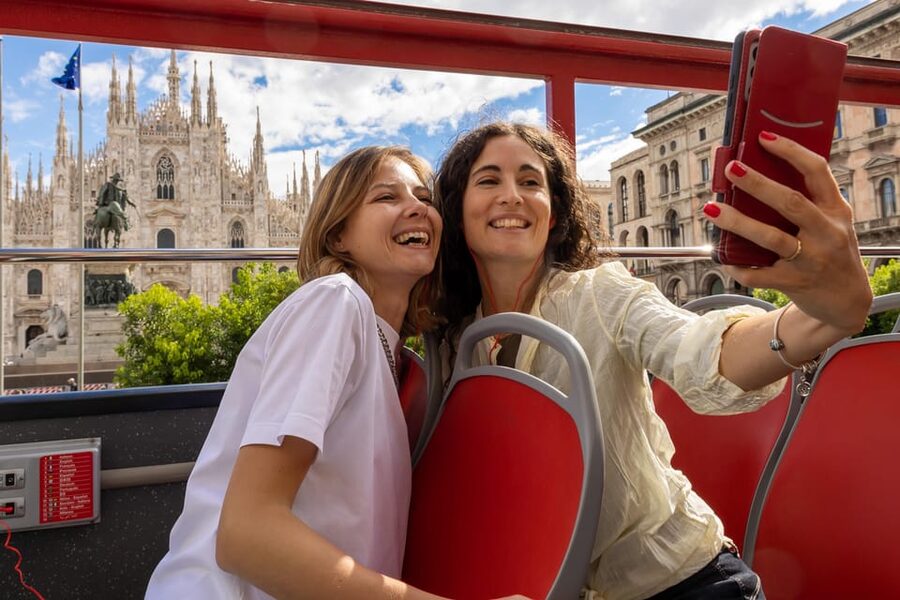
This is not simply a ride around the Duomo. Your ticket covers four separate but connected routes, so you can switch lines and shape the day around your interests. You can ride continuously for an overview, hop off at a major sight, and catch a later bus when you are ready to move on.
The bus is open-top, giving you a higher view of Milan’s streets and buildings. In warm weather, that upper deck offers a welcome breeze. In cooler or wet conditions, the lower level is the safer choice, though the exact seating and equipment can vary from bus to bus.
The audio guide is available in English, Italian, Spanish, French, German, Portuguese, Russian, Japanese, Chinese, and Arabic. You also get special commentary for children, which can make the ride more useful for families. The narration covers architecture and local customs, not just stop names. You will hear about the Opera House, Castello Sforzesco, Milanese food, cotoletta alla Milanese, and the origins of panettone.
Wi-Fi is included, along with a city map. The mobile app adds free walking tours in five languages. Those extras are most useful when you treat the bus as a sightseeing base rather than a ride you take once and forget.
More Hop-On Hop-Off Bus Tours in Milan
- Milan: Gray Line Milan Open Tour Hop-On Hop-Off Bus Tour
★ 4.0 · 1,549 reviews - Milan Hop-On Hop-Off Bus Tour with Four Routes
★ 3.5 · 1,214 reviews - Milan: Skip-the-Line La Scala Museum Tour + Hop On Hop Off
★ 4.3 · 406 reviews
Line A: Milan’s classic center from Castello to Moscova
Line A is the most natural first ride if you want Milan’s best-known central sights. It begins at Castello and continues through Cadorna, the Cenacolo area, Corso Magenta, the Duomo, Monte Napoleone, Manin, and Moscova.
Castello Sforzesco is a strong starting point. The large fortress sits beside Parco Sempione and houses museums, so you can use this stop for a quick look at the courtyards or plan a longer visit. Attraction admission is not part of the bus ticket, so allow extra time and budget if you want to go inside.
Cadorna is useful for making connections and reaching the area around Santa Maria delle Grazie. The Cenacolo stop serves Leonardo da Vinci’s Last Supper, one of Milan’s most sought-after visits. You need a separate admission ticket, and the bus pass does not reserve one for you. If this painting is a priority, arrange that visit independently before building the rest of your bus day around it.
Corso Magenta gives you a feel for Milan’s elegant central streets. The route then reaches the Duomo, the city’s essential stop and the place where several lines meet. This is the busiest point for boarding and changing buses, so give yourself extra time here. The cathedral, rooftop, and nearby museum require separate tickets.
Monte Napoleone takes you into Milan’s luxury shopping district. You may not be shopping, but the area helps explain the city’s polished fashion identity. Manin and Moscova are useful for seeing a slightly less concentrated side of central Milan, with Moscova providing access toward Brera and the northern center.
Line A works well as a half-day introduction. If you ride the full circuit without getting off, you will see the main central sights quickly. If you stop at the Duomo, Castello, or the Cenacolo area, the line can fill most of a day.
Line B: Duomo, Central Station, and Porta Venezia
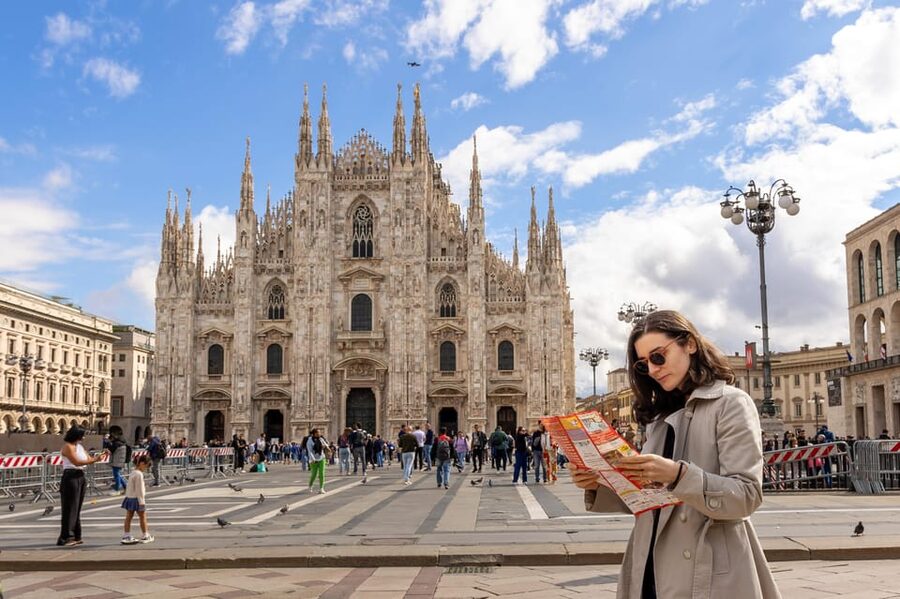
Line B begins at Piazza Duomo and heads through Monte Napoleone, Manin, Repubblica, Palazzo Lombardia, Stazione Centrale, Buenos Aires, Porta Venezia, and San Babila.
This is the line to choose if you want to connect the cathedral area with Milan’s major railway station and northern shopping districts. Stazione Centrale is an imposing stop, even if you are not catching a train. Palazzo Lombardia gives you a look at the city’s newer office district, while Repubblica provides another view of Milan’s changing skyline.
Buenos Aires is known for its long shopping avenue. Porta Venezia is a useful stop for a neighborhood visit rather than a single famous monument. San Babila brings you back toward the central sights and the Duomo.
Line B is less about checking off one landmark after another and more about seeing how Milan changes from historic center to modern commercial city. It can also help if your accommodation is near one of these stops. You do not need to begin every ride at the Duomo, despite its central role. A nearby stop may save you a walk across crowded streets.
Line C: CityLife, San Siro, and western Milan
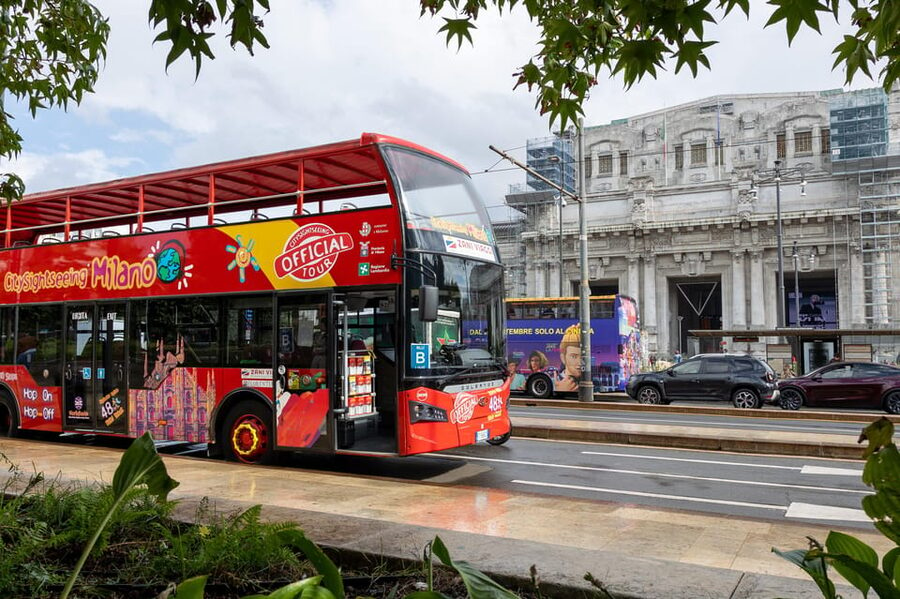
Line C covers the broadest spread of destinations outside the historic core. It begins at Castello and includes Triennale, Arco della Pace, CityLife, Casa Milan, Mico Congress Centre, Lotto, Lido, Ippodromo, San Siro Stadium, Buonarroti, Pagano, Conciliazione, and Parco Sempione.
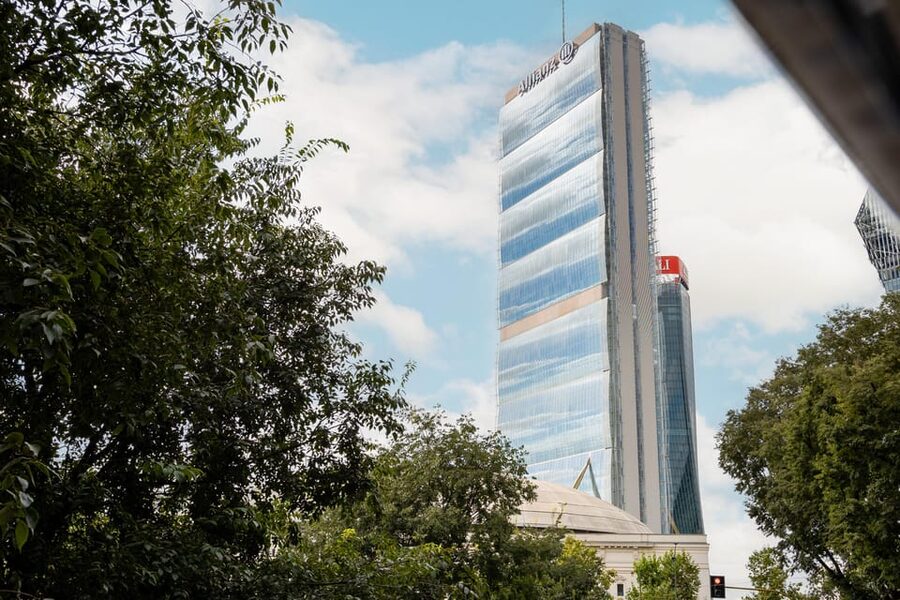
The Triennale stop serves Milan’s design and art district. Arco della Pace leads toward the monumental arch at the edge of Parco Sempione, while CityLife offers a sharp contrast to old Milan with modern towers and planned public spaces.
Casa Milan is the natural stop for football fans. The route then continues toward San Siro Stadium, one of the most distinctive stops on the network. You may get off for a stadium visit, but admission is separate. Pay attention to the next departure: one account of the schedule described a brief photo stop followed by a much longer wait for the next bus. That makes San Siro a place to plan carefully, not a casual stop where you can assume another bus will appear in a few minutes.
Lido, Ippodromo, and the surrounding western stops show parts of Milan that many short city visits miss. Lotto provides another connection point, while Buonarroti, Pagano, Conciliazione, and Parco Sempione bring you back toward central attractions.
Line C is especially helpful if you have two days, like football or design, or have already seen the Duomo and want a broader look at the city. It is less efficient for a quick one-day itinerary because the distances are longer and traffic can build.
Other sightseeing routes around Milan:
- Milan Duomo Rooftops Tour + Optional Hop-on-Hop-off ticket
★ 4.3 · 271 reviews - Milan: Duomo & Rooftop Tour with Optional Hop-On Hop-Off Bus
★ 4.5 · 262 reviews - Skip-the-Line Duomo & La Scala Museum Tour + Hop On Hop Off
★ 4.3 · 189 reviews - Rome: City Sightseeing Hop-on Hop-off Bus with Audioguide
★ 4.0 · 16,045 reviews
Line D: Navigli and Brera in one circuit
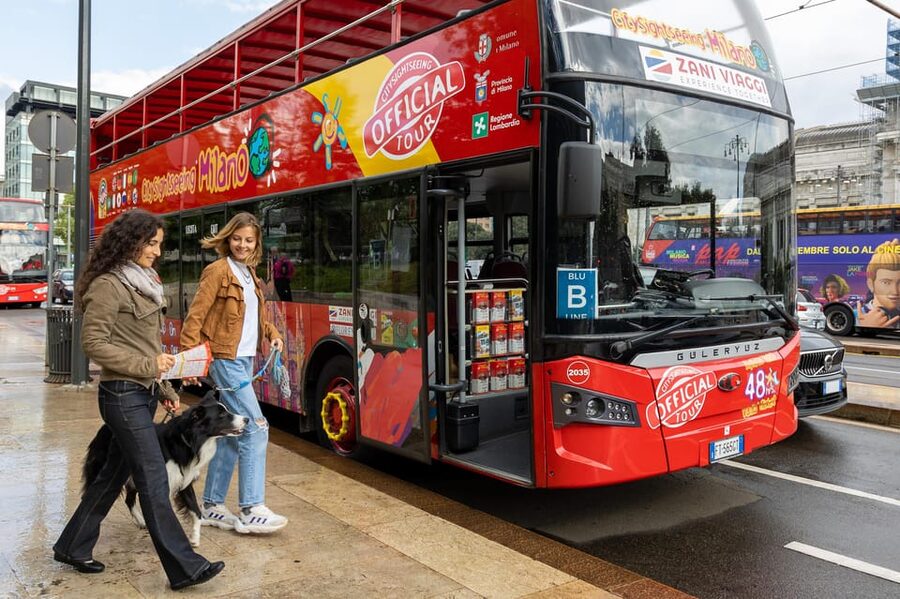
Line D begins at Castello and follows Cadorna, Cenacolo, Navigli, Piazza XXIV Maggio, Duomo, Monte Napoleone, and Brera.
Its main appeal is the link between Milan’s historic center and Navigli, the canal district. The waterway gives you a different view of Milan, with a more relaxed street scene than the streets around the cathedral. Piazza XXIV Maggio is a useful point for exploring the area on foot.
The route also serves Brera, one of the city’s most appealing central neighborhoods. Brera is known for its artistic character, narrow streets, galleries, cafes, and the Pinacoteca di Brera. The art gallery requires its own ticket, but even a walk through the neighborhood adds a welcome change from Milan’s grand monuments.
Line D repeats some stops from Line A, including Castello, Cadorna, the Cenacolo area, Duomo, and Monte Napoleone. That repetition is not a mistake. It lets you switch between routes without returning to the same starting point, but it also means the four lines do not give you four entirely separate city tours.
If canals and neighborhoods interest you more than modern offices or football, Line D may be your favorite circuit.
How to plan one, two, or three days
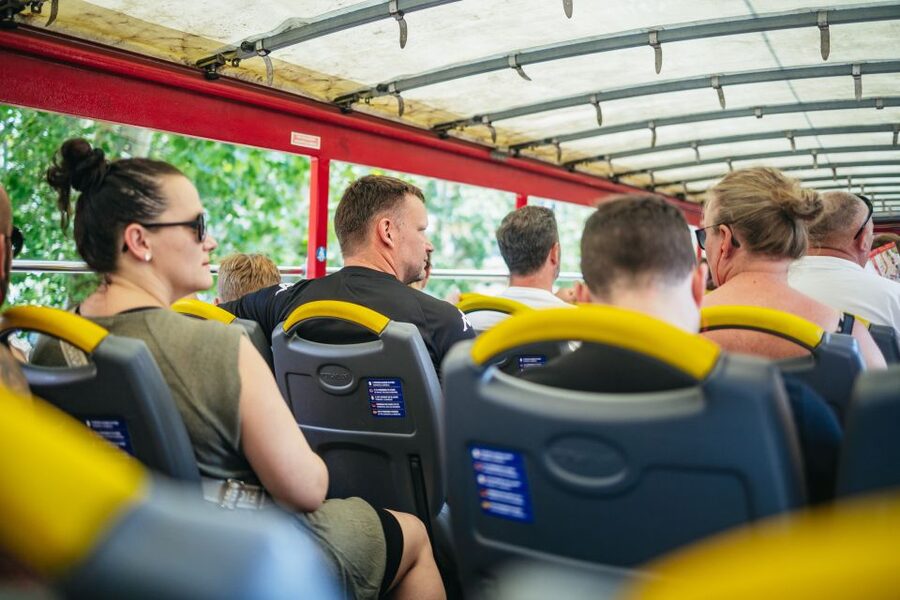
A one-day pass works if your goal is a fast overview. Start at Foro Bonaparte for Lines A, C, or D, or at Piazza Duomo for Line B. Ride one central circuit first, then get off at the two or three places you most want to explore.
For a one-day plan, I would give priority to Line A or D in the morning, with time at the Duomo or Castello. Use Line D later if Navigli and Brera appeal to you. Trying to complete all four lines in one day is possible, but it leaves little time for museums or interiors. One visitor managed all four lines in a day, but that is a sightseeing ride, not a relaxed visit to Milan.
A two-day pass is the best balance for many visitors. Spend the first day on the central routes, then use the second for Line C and the western city. This gives you time to get off, eat, visit an attraction, and wait for the next bus without feeling that every stop is a race.
A three-day pass suits a slower trip or anyone who wants to use the bus as part of their transport plan. You can ride all four lines, revisit the neighborhoods that appeal to you, and build around timed attraction tickets.
The $26 starting price is reasonable if you use the pass for several hours or across more than one day. It becomes less compelling if you only want a single continuous loop, since Milan’s main central sights are often walkable from one another. The value improves when you include outer stops such as San Siro, CityLife, or parts of Navigli and when you want a break from walking.
Timing, traffic, and finding the stops
The timetable is reported to be accurate, but Milan traffic still controls the real journey time. Buses may pause at traffic lights, crawl through busy roads, or arrive full when you change lines. One practical complaint is a wait of around 50 minutes between buses, which can feel long if you have just missed one.
Main stops usually have staff nearby, and the buses are easy to spot. Still, do not assume every stop is obvious. Foro Bonaparte is a large area, and the meeting point can be confusing. Look for the corner near the travel information point rather than relying only on a broad address or a photograph.
At Duomo, allow time to find the correct boarding point among crowds and several transport services. If you are staying near a less famous stop, use that stop instead of walking to the cathedral simply because it is the advertised starting place.
The bus can become crowded during line changes, particularly near the Duomo. If you want an upper-deck seat or need a particular audio socket, boarding earlier in the circuit may help.
Audio equipment and comfort
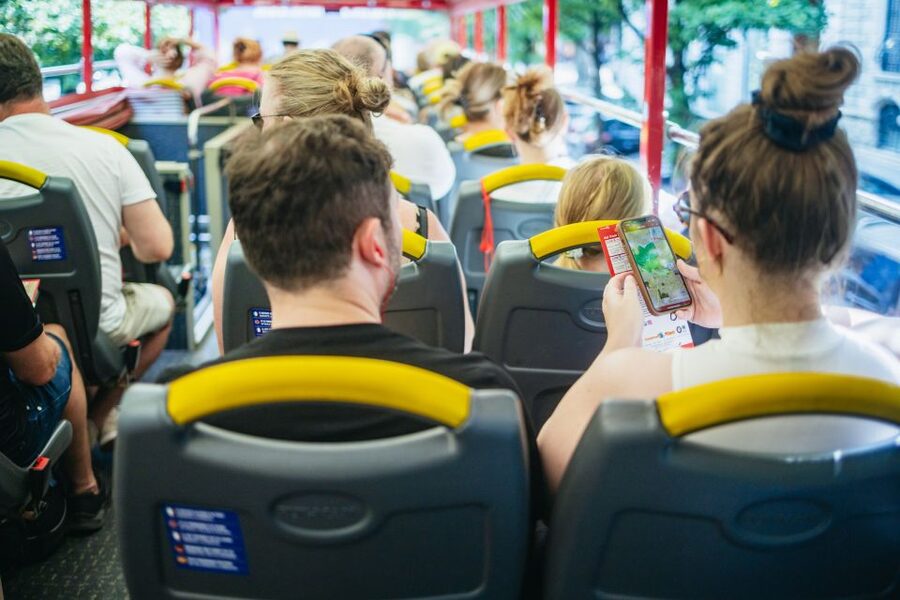
The audio system is a useful part of the experience, but check it as soon as you sit down. A few seats have had faulty headphone sockets, and some passengers have found that moving seats or changing headphones solved the problem. Staff can usually help, but it is better to discover the issue before the bus leaves the stop.
The commentary gives the ride structure. Instead of passing a building with no context, you get a short explanation of its purpose or place in Milan. Food details such as cotoletta alla Milanese and panettone add local flavor without requiring a separate food tour.
The open top is best on a clear day. In hot weather, the airflow helps, though direct sun can be tiring. On a rainy or cold day, the lower deck is more practical. The buses are described as clean, and Wi-Fi is included, though connection quality can depend on the route and city traffic.
Who should book this Milan pass
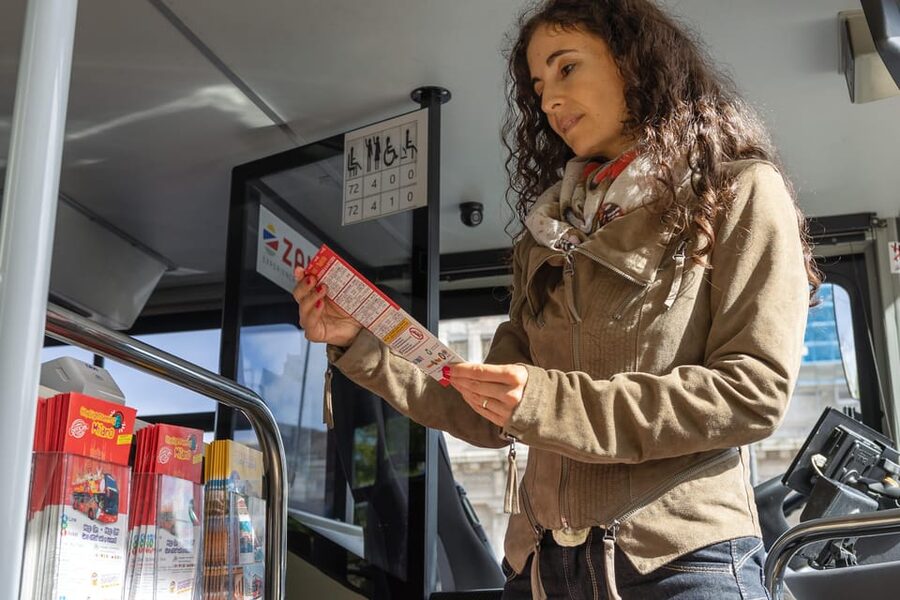
I would choose this bus tour if you have only one full day, are visiting with children, dislike long walks, or want to see districts beyond the Duomo. It is also useful if you like to get your bearings before committing to museums and paid attractions.
Families may appreciate the children’s audio option and the simple hop-on, hop-off format. Older visitors and anyone who finds Milan’s wide streets tiring can use the bus to reduce walking between districts.
I would be more cautious if you are staying in the historic center and plan to visit only the Duomo, La Scala, Brera, and Castello. Those sights are close enough to combine on foot, and traffic can make the bus slower than expected. The pass also does not include entry to the attractions that give Milan much of its cultural weight.
Cancellation is available up to 24 hours before departure for a full refund, and you can reserve without paying immediately. During the period affected by the Winter Olympic Games, check the current route notices. The supplied information warns that Green Line Stop 2 may be closed for the Games and that Castello is suspended on Saturday, February 21.
Should you book the Milan hop-on hop-off bus?
Book it if you want breadth and flexibility more than a tightly guided walking route. Four lines let you see central Milan, Navigli, Brera, CityLife, and San Siro without arranging separate transport for every district.
Choose one day for a quick overview, two days for the best balance, and three days if you want to ride slowly and use the buses between visits. I would not buy it solely for the central sights, but for a first visit with limited time, the open-top view, useful audio, and broad route map make it a practical introduction to Milan.
FAQ
How many bus lines are included?
The ticket includes four connected bus lines: Lines A, B, C, and D.
Where do Lines A, C, and D begin?
The first stop for Lines A, C, and D is at Foro Bonaparte.
Where does Line B begin?
Line B begins at Piazza Duomo.
Which languages are available for the audio guide?
The audio guide is available in Spanish, Chinese, English, French, German, Italian, Russian, Portuguese, Japanese, and Arabic.
Is there audio commentary for children?
Yes. A special audio commentary for children is included.
Are attraction tickets included?
No. Admission to attractions such as the Duomo, the Cenacolo, La Scala, Castello Sforzesco, and San Siro is not included.
How long can I use the ticket?
You can choose a pass lasting one, two, or three days. Availability and starting times should be checked for your selected date.
Just added in Milan
- Highlights and hidden gems of Milan Bike Tour★ 5.0 · 491 reviews
- Milan Gourmet Tour: A Premium Tasting Experience by Do Eat Better★ 5.0 · 241 reviews
- Private Milan Food Walking Tour of Brera★ 5.0 · 217 reviews
- Leonardo3 The World of Leonardo: Tickets for the Interactive Exhibition★ 4.0 · 220 reviews
- Da Vinci’s Last Supper and Santa Maria delle Grazie Church Tour★ 4.5 · 218 reviews
- Learn to Cook Italian Recipes with an Italian Chef★ 5.0 · 283 reviews
- La Scala Theatre and Museum guided experience★ 4.5 · 664 reviews
- La Scala Theatre and Museum Tour in Milan With Private Guide★ 3.5 · 384 reviews
Hop-On Hop-Off Bus Tours, compared.

City Sightseeing Hop-on Hop-off Bus with Audioguide
Read our review →
Hop-on Hop-off Bus Tour: 24, 48 or 72-Hour Ticket
Read our review →
City Sightseeing Rome Hop-On Hop-Off Bus Tour
Read our review →
Hop-on Hop-off Sightseeing Bus Tour with Audioguide
Read our review →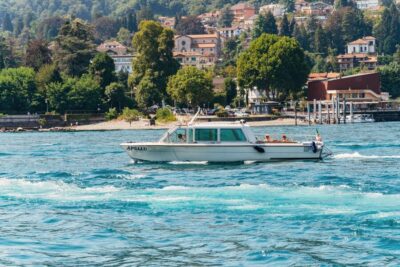
Stresa: 3 Borromean Islands Hop-On Hop-Off Boat Tour
Read our review →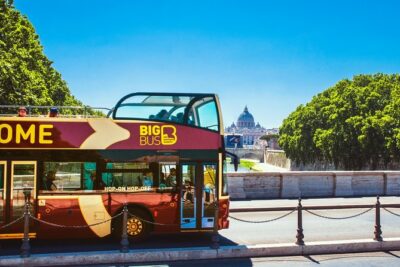
Big Bus Hop-on, Hop-off Open-Top Sightseeing Tour
Read our review →
Gray Line Milan Open Tour Hop-On Hop-Off Bus Tour
Read our review →Browse the lists this tour appears in