
Reviewed · ANCIENT RUINS & TEMPLES
Naples: National Archaeological Museum Ticket & Audio App
The most rewarding part of this museum is how it changes your view of Pompeii and Herculaneum. Here, everyday objects, wall paintings, mosaics, glassware, cooking pots, and grand statues are gathered under one roof, so the ruined streets below Vesuvius start to feel like real homes and lived-in places rather than an empty archaeological site.
I like the Pompeii and Herculaneum displays, and I like the Farnese sculptures and marbles, which give the museum plenty to see beyond the Roman towns. The main drawback is the digital audio app. It has proved slow or unhelpful for some people, and it is not the same as a full museum audio guide.
I would give this museum at least three hours, and four or five if ancient art is your main reason for coming to Naples. The ticket is good for one entry on one day, and you must exchange your smartphone voucher at the museum ticket office before going through security.
Key points to know before you go
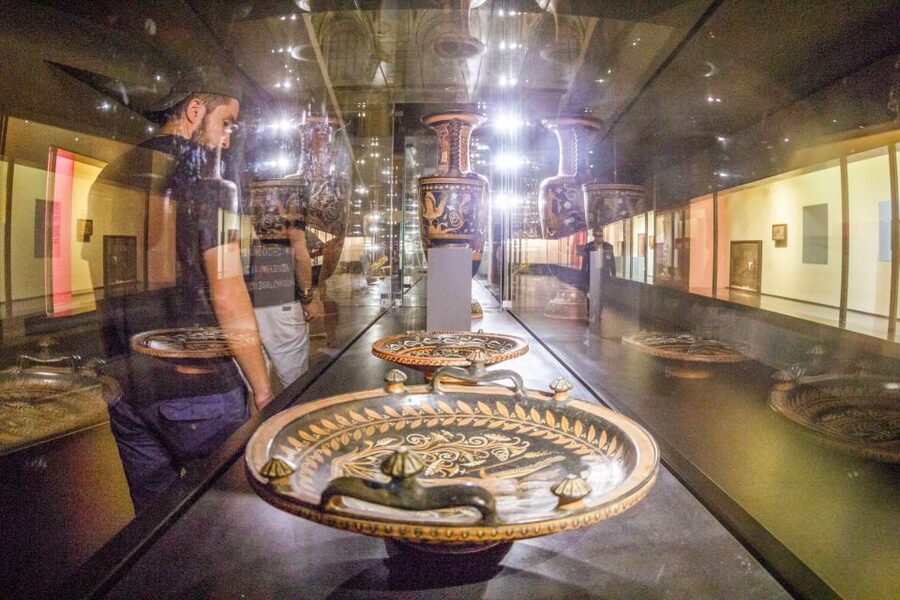
- Pompeii in a museum setting: See frescoes, mosaics, vessels, furniture, and other objects removed from Pompeii and Herculaneum.
- Farnese masterpieces: The museum’s older core includes engraved gems, Roman sculpture, and the famous Farnese Marbles.
- A full half-day visit: Three hours covers the major rooms, while four to five hours allows time for the museum’s many side collections.
- The Secret Cabinet: The erotic art section offers a direct look at Roman attitudes toward sex and private life.
- Audio app limitations: The included digital app may take time to download and may not provide the detailed commentary you expect from a traditional audio guide.
- One entry only: Once you leave, you cannot reenter with the same ticket.
Why this museum belongs before or after Pompeii
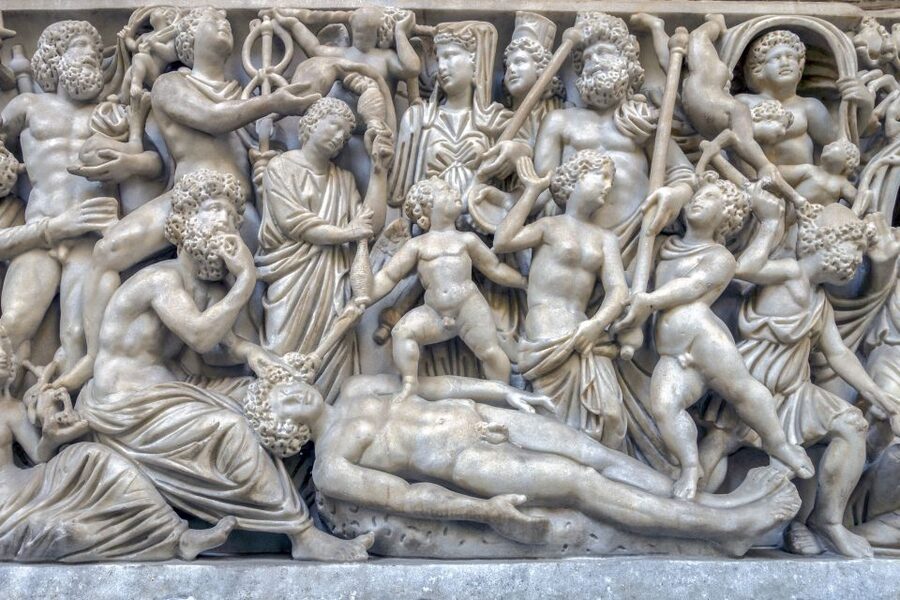
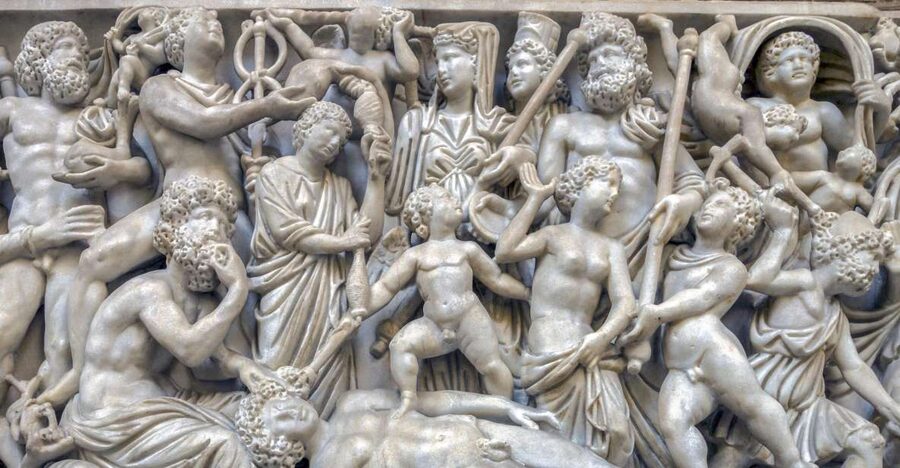
Naples’ National Archaeological Museum is one of the best places in Italy to see ancient Greek and Roman art in one setting. Its importance comes from two main sources: the Farnese family collection and objects taken from Pompeii, Herculaneum, and related sites around the Bay of Naples.
That combination makes the museum especially useful when paired with an archaeological site visit. At Pompeii, you walk through houses, streets, shops, and public buildings. At the museum, you see the paintings, statues, mosaics, and household objects that once filled those spaces.
I like visiting the museum before Pompeii because it gives you a visual vocabulary. A fresco or bronze vessel is easier to appreciate at the ruins after you have already seen similar pieces displayed carefully indoors. If you have already been to Pompeii, the museum fills in the missing pieces and adds detail to what may have been a hot, tiring day among the ruins.
Herculaneum receives less attention from many people, but the museum helps correct that imbalance. Objects from both sites reveal the domestic side of Roman life: meals, decoration, bathing, entertainment, religion, and private pleasure. You see that these were not simply disaster sites. They were busy communities with taste, money, humor, and ordinary routines.
Other ruins to walk round near Naples:
- From Naples: Pompeii Ruins & Mount Vesuvius Day Tour
★ 4.3 · 11,459 reviews - Naples: National Archaeological Museum of Naples Guided Tour
★ 4.8 · 498 reviews - Naples: City Walking Tour w/ Underground Roman Ruins Ticket
★ 4.5 · 247 reviews
The Farnese collection and the museum’s grandest art
The museum began taking shape in the mid-18th century under Charles III of Spain. One of its central holdings came from the Farnese Collection, which was inherited by the Bourbon family and brought together with archaeological discoveries from southern Italy.
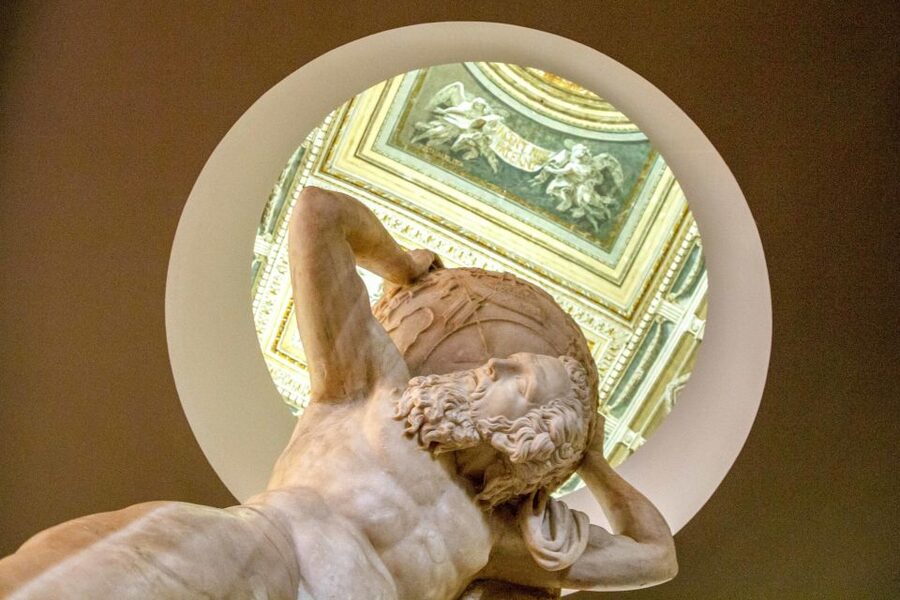
The Farnese material gives the museum a different character from the Pompeii rooms. Instead of small household objects and wall fragments, you encounter large-scale sculpture, engraved gems, and the Farnese Marbles. These works show how ancient sculpture was collected, copied, moved, and admired long after the Roman period ended.
The sculpture galleries can feel almost too large for a quick visit. That is good news if you enjoy ancient art, but it can be tiring if you are trying to see everything in one sweep. Give yourself permission to choose. Spend time with pieces that catch your eye, then move on rather than treating the museum like a checklist.
You may also notice how the building itself shapes the visit. This is a grand museum with broad rooms and a lot of visual information. It is not a small, tidy collection you can absorb in 45 minutes. The scale is part of the appeal, but it calls for a sensible plan.
Pompeii and Herculaneum objects that bring daily life close
For many people, the most moving rooms are those devoted to finds from Pompeii and Herculaneum. The collection includes frescoes, mosaics, glass vessels, cooking equipment, and other objects connected with daily life.
The grand paintings deserve attention, but do not rush past the smaller pieces. A cooking pot or drinking vessel can say as much about Roman life as a marble statue. These objects show how people ate, stored food, decorated rooms, and entertained themselves.
The frescoes are especially useful after seeing Pompeii in person. At the archaeological site, many walls are damaged, exposed to weather, or difficult to read from a distance. In the museum, important paintings can be studied at close range. Their colors, details, and composition are easier to understand when you are not standing in the sun or sharing a narrow room with a crowd.
The museum also includes a miniature model and a video presentation connected with Pompeii. These displays can help you understand the scale and layout of the town. A model is useful when the ruins begin to blur together, and the video gives the disaster a clearer visual setting.
Plan to spend much of your visit here if Pompeii and Herculaneum are your main interests. The collection is large enough to support a return visit, but you do not need to see every case to gain something from it.
The Secret Cabinet and the private side of Rome

The Secret Cabinet, known in Italian as the Gabinetto Segreto, presents erotic objects and images from the ancient Roman world. This section adds an important, if sometimes surprising, view of Roman private life.
The display is not simply a collection of amusing curiosities. It shows how sexuality appeared in art, household decoration, and protective symbols. You may find the subject direct by modern standards, but that directness is part of what makes the room useful. It reminds you that ancient life did not fit neatly into the polite categories often used in museums.
Access details and display arrangements can change, so check the current setup when you arrive. Still, the section is one of the museum’s best-known features and worth seeking out if you want more than a standard parade of statues.
Other museums and galleries in Naples:
- Vatican: Museums & Sistine Chapel Entrance Ticket
★ 4.5 · 144,003 reviews - Vatican Museums & Sistine Chapel Tour with Optional Basilica
★ 4.3 · 67,413 reviews - Vatican Museums, Sistine Chapel & St Peter’s Basilica Guided Tour
★ 4.5 · 39,149 reviews - Florence: Skip-The-Line Uffizi Gallery Timed Entry Ticket
★ 4.5 · 27,832 reviews
Greek and Roman art beyond Pompeii
The museum is not only a Pompeii museum. Its wider Greek and Roman collections give you a much fuller picture of ancient art.
You can expect rooms devoted to sculpture, engraved gems, mosaics, frescoes, coins, and other antiquities. Some pieces come from archaeological sites, while others arrived through historic collecting families such as the Farnese.
This range matters because it shows different scales of ancient life. One room may focus on a monumental statue, while another offers small objects that once belonged to an individual household. The best visit moves between those extremes instead of staying only with the most famous works.
The coin display is another useful addition. Coins are small, but they connect rulers, trade, images, and daily transactions. If you are already tired from the sculpture galleries, this section offers a change of pace.
The museum also has new or updated displays from time to time. Since room arrangements can change, do not build your whole visit around a particular gallery without checking the current plan at the entrance.
The digital audio app: useful extra or unnecessary add-on?

The ticket includes access to a digital audio app, but you should set realistic expectations. It is not presented as a live guided tour, and it may not function like the dedicated audio devices available at some museums.
The app requires an internet connection or download time, and some people have found it slow to load. Others have stopped using it after a few minutes because the commentary was not easy to follow or did not add enough to the visit.
I would try it if you like visiting with your phone and want basic guidance. Download or open it before you get deep into the galleries, and bring your own headphones if you plan to listen for a long time. But I would not choose this ticket solely because of the audio component.
The museum provides written information in Italian and English in many areas, which can be enough for an independent visit. If you want detailed interpretation, you may prefer to study the collection beforehand or arrange a separate guide. This booking does not include a guided tour.
How much time should you allow?
Three hours is a sensible minimum. That gives you time for the main Farnese sculpture rooms, the Pompeii and Herculaneum displays, and at least one or two special sections.
Four hours is better if you want to read labels and pause at the major works. Five hours is reasonable for an ancient-art enthusiast, especially if you include the Secret Cabinet, coin displays, Egyptian material when open, and a café break.
The museum can be mentally tiring. There is simply a lot to absorb, and the rooms do not all carry the same weight for every person. I would choose two or three priorities before entering:
- Pompeii and Herculaneum objects
- Farnese sculpture
- The Secret Cabinet
- Egyptian artifacts
- Coins and smaller collections
Then treat the rest as extra. This approach keeps the visit enjoyable instead of turning it into an endurance test.
The café and bookstore can also make a long visit easier. A short break helps, especially if you are combining the museum with Pompeii on another day or arriving after a morning of walking through Naples.
Ticket exchange, entry, and practical details
The booking uses a smartphone voucher, but you must exchange it at the Museo Archeologico di Napoli ticket office for an official entrance ticket. That extra step is easy to overlook, so do not head straight to security with only the phone voucher.
You will pass through a security check before entering. Bring your passport or identity card, as requested for the booking.
The ticket is valid for one day and one entry only. It does not allow reentry, so finish your lunch break and any nearby errands before you leave the building.
At $29 per person, the value depends on how much time you give the museum. For a quick hour-long visit, the price feels harder to justify. For three to five hours with access to the Farnese Collection, the Pompeii and Herculaneum rooms, the Secret Cabinet, and other galleries, it becomes a fair price for a major museum visit.
The booking allows cancellation up to 24 hours in advance for a full refund, and you can reserve now and pay later. Those terms are useful if your Naples schedule depends on weather, train plans, or a Pompeii day that may shift.
The museum is wheelchair accessible, though the Vittorio Emanuele apartments are not accessible to people with impaired mobility. If that area matters to you, ask staff about current access before planning around it.
When to go and how to pace the visit
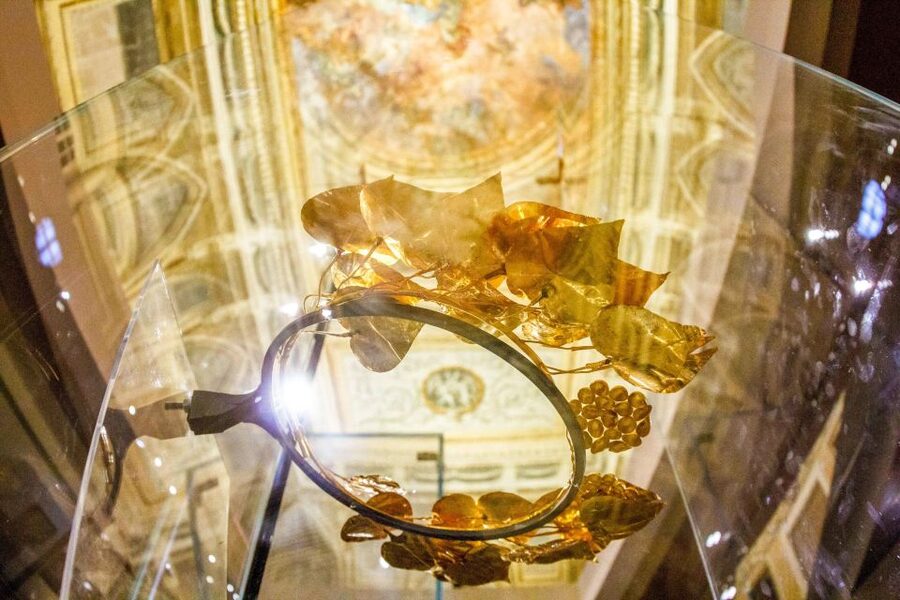
Early entry is the safest choice if you want quieter rooms and clearer photographs. The museum can become crowded later, and narrow galleries are less enjoyable when you are constantly stopping to let people pass.
Still, crowd levels vary by season. In quieter periods, you may find no line at the ticket counter and a relaxed atmosphere inside. In busier periods, reserving ahead can save time, though you still need to exchange the digital voucher for the official ticket.
A visit after Pompeii can be especially satisfying because the objects have immediate context. A visit before Pompeii may be better if you want background first. Both orders work, but I would avoid placing the museum and Pompeii on the same rushed day. Each deserves enough energy to make the details meaningful.
Who will enjoy this museum most?
You should book this experience if you like ancient art, archaeology, Roman domestic life, or large museum collections. It is also a strong choice if Pompeii or Herculaneum is a major part of your Naples plans.
Families with older children may find the Roman household objects, coins, models, and erotic art especially memorable. Younger children may enjoy the statues and visual displays, but the size of the museum can become tiring.
This is less suitable if you want a short, tightly guided activity. There is no included live guide, the audio app may disappoint, and the museum rewards independent pacing. You need to decide what interests you and accept that you will not see every room in one visit.
Should you book the National Archaeological Museum ticket?
Yes, if you plan to spend at least three hours and want to understand the art and daily life behind Pompeii and Herculaneum. The museum’s strongest points are the exceptional archaeological objects, the Farnese sculpture, and the chance to see both grand masterpieces and humble household items in one place.
Book with the audio app as a small extra, not the main reason to buy. If you already know your dates and want flexibility, the cancellation and pay-later terms add practical value. If the museum is quiet when you arrive, you may be able to buy directly, but advance booking can be useful when lines grow.
My advice is simple: visit Pompeii or Herculaneum, then make time for this museum. The ruined streets show where ancient life happened. Naples shows you what filled those rooms.
FAQ
How long is the ticket valid?
The ticket is valid for one day, with the starting time selected through availability.
Can I reenter the museum after leaving?
No. The ticket allows a single entry and does not include reentry.
Is a guided tour included?
No. The booking includes museum admission and access to a digital audio app, but not a live guided tour.
Do I need to exchange my smartphone voucher?
Yes. Exchange the smartphone voucher at the Museo Archeologico di Napoli ticket office for the official entrance ticket before entering.
What should I bring?
Bring your passport or identity card. You will also need to pass through a security check.
Is the museum wheelchair accessible?
The activity is wheelchair accessible, but the Vittorio Emanuele apartments are not accessible to people with impaired mobility.
Just added in Naples
- Boat excursion with lunch on board to discover Ischia★ 5.0 · 474 reviews
- Tour of the island of Ischia in schooner★ 5.0 · 208 reviews
- Vesuvius National Park Skip-the-Line Ticket★ 3.8 · 221 reviews
- Naples: The Holy Mile 3-Hour Guided Tour★ 4.9 · 711 reviews
- Procida: Boat Tour with Swimming Stops and Underwater Photos★ 5.0 · 322 reviews
- Pompeii and Vesuvius Full-Day Tour from Amalfi Coast★ 4.4 · 319 reviews
- From Naples: Pompeii and Herculaneum Tour with Lunch★ 4.3 · 444 reviews
- From Naples: Pompeii & Herculaneum with Archaeologist Guide★ 4.8 · 665 reviews
Ancient Ruins & Temples, compared.
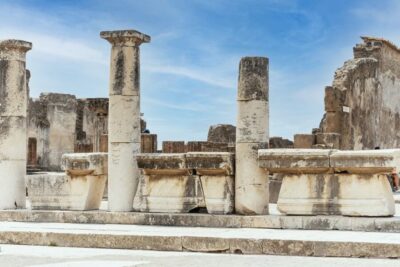
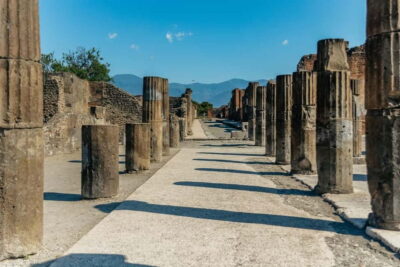
Archaeological Park Tour with Ticket on request
Read our review →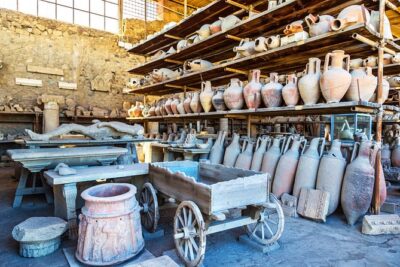
Discover the Ancient Ruins of Pompeii: Day Trip from Rome
Read our review →
Agrigento: Valley of the Temples Skip-the-Line Sunset Tour
Read our review →
Agrigento and the Valley of the Temples Day Tour
Read our review →
Agrigento: Valley of the Temples Ticket & App Audioguide
Read our review →
Pompeii Ruins Private Tour with Optional Skip-the-Line Entry
Read our review →
Agrigento: Valley of the Temples E-Scooter Tour
Read our review →Browse the lists this tour appears in