Reviewed · TOURS IN ROME
Jewish Ghetto and Trastevere Tour Rome
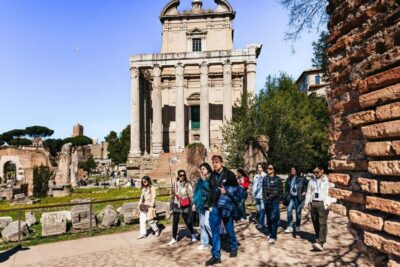
Rome’s Jewish Ghetto gives you a side of the city that the Colosseum and Trevi Fountain cannot. This walk links the quarter’s synagogue and memorials with Campo de’ Fiori, Piazza Farnese, Tiber Island, and Trastevere, so you get both serious history and lively street scenes in one compact route. I especially like the way the tour brings attention to places you could easily pass without understanding.
I like the low price and the choice of morning, afternoon, or early evening departures. I also like the guides’ storytelling. Names praised in the tour feedback include Axel, Caitlin, Fabiana, Lulu, Camila, Etienne, and Yousef. The main consideration is that this is a pay-what-you-wish style walk with a booking or processing fee, and the guide depends on tips. The route can also give more time to the Jewish Ghetto than to Trastevere.
Key points to know before you book
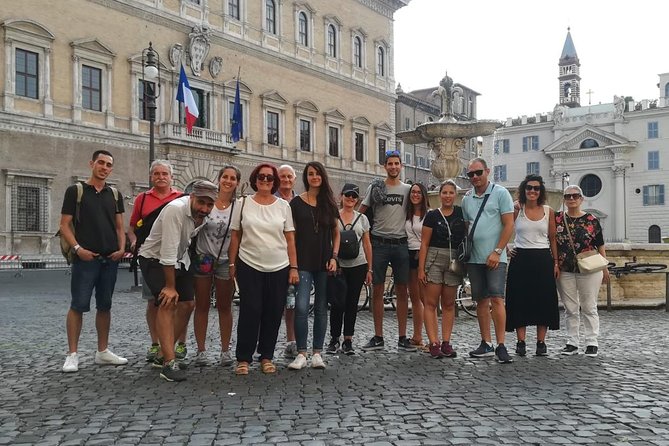
- The route covers three historic areas: Rome’s Jewish Ghetto, the Campo de’ Fiori area, and Trastevere.
- The Great Synagogue is a major stop: You see one of Europe’s largest synagogues from the outside as part of the walk.
- The tour lasts about 90 minutes to two hours: It is manageable for most people, with time for questions.
- The group can reach 30 people: A smaller group may feel more personal, but the largest departures may be harder to hear.
- The walk ends in Trastevere: You finish at Piazza Santa Maria in Trastevere, well placed for an evening meal or further exploring.
- The price needs careful reading: The listed amount is a reservation or processing charge for a free-style tour, and tips are not included.
Why Rome’s Jewish Ghetto deserves part of your day
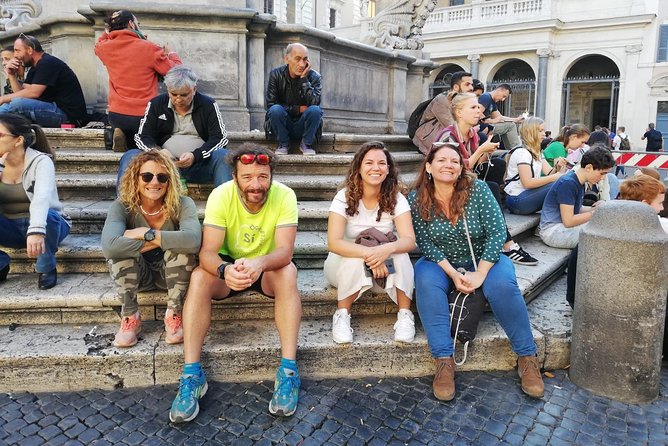
The strongest part of this experience is its focus on Rome’s Jewish Ghetto, traditionally the city’s Jewish quarter. You begin near Palazzo Venezia and head into an area where the streets carry layers of Roman, Jewish, religious, and wartime history.
I find this a useful first or second-day walk because it helps you read the city differently. Rome can feel like one enormous collection of monuments. Here, the guide connects buildings and streets with the lives of the people who lived through them. That human scale gives the route purpose.
The Great Synagogue is one of the main sights. The tour stops by one of Europe’s largest synagogues, but admission to the synagogue is not included. If you want to enter, visit the Jewish Museum, or spend more time inside the quarter, plan a separate visit around the walk rather than assuming the tour includes it.
The subject matter can be moving, especially when the guide discusses the Nazi occupation and the deportation of Roman Jews to concentration camps. You do not need a Jewish background to benefit from this part of the tour. You only need an open mind and a willingness to listen.
The best guides make this section feel like a conversation rather than a lecture. Yousef is praised for turning the story of Rome’s Jewish community into something memorable, while Axel is noted for answering questions and sharing useful suggestions for the rest of a Rome visit. Guide assignments can change, so book this for the route and subject rather than for a particular person.
Other days out people book in Rome:
- Vatican: Museums & Sistine Chapel Entrance Ticket
★ 4.5 · 144,003 reviews - Vatican Museums & Sistine Chapel Tour with Optional Basilica
★ 4.3 · 67,413 reviews - Colosseum, Roman Forum & Palatine Guided Tour
★ 4.7 · 63,148 reviews
From Palazzo Venezia into the old Jewish quarter
The meeting point is in front of Palazzo Venezia at Piazza di San Marco 48. This is a central start, but Rome’s streets can be confusing, so give yourself time to locate the exact meeting place. The tour ends in a different part of the city, at Piazza Santa Maria in Trastevere.
From Palazzo Venezia, the route moves toward the Jewish Ghetto. This opening section is useful because you leave the broad traffic-heavy center and enter streets where the tour’s themes become more focused.
Expect the guide to stop at landmarks and points of interest that are easy to miss on your own. The format is simple: walk, pause, listen, ask questions, then continue. The tour does not appear to include museum admissions, food, or drinks, so its value comes from the guide’s explanation and the route itself.
The group limit is 30 people. That is not a tiny private walk, and a full group may make it harder to hear in noisy streets. One piece of practical feedback notes that the tour uses no headsets. If you have trouble hearing, stay near the guide and ask to move closer when the group gathers.
The Jewish Ghetto stop takes the largest share of time
The scheduled stop in the Jewish Ghetto lasts about 40 minutes, far longer than the stops at Campo de’ Fiori, Piazza Farnese, or Santa Maria in Trastevere. That tells you where the tour’s center of gravity lies.
I see this as a strength if you want a serious introduction to Jewish life in Rome. You get time for background, questions, and the difficult events of the twentieth century. The guide can explain the quarter instead of rushing through it for a photograph.
It is also the main reason to set your expectations correctly. The title includes Trastevere, but this is not an equal two-neighborhood tour. One participant felt the Jewish Ghetto received much more attention than Trastevere. If you want a detailed look at Trastevere’s churches, lanes, restaurants, and local life, you may need a separate walk.
The pace is generally easy. The total route takes about 90 minutes to two hours, and one description calls it an easy walk with not an enormous amount of walking. Etienne is specifically praised for adjusting the pace for someone with mobility limits. Still, Rome has uneven pavement and the tour operates in all weather, so wear practical shoes and dress for the forecast.
Campo de’ Fiori adds a livelier Roman scene
The next listed stop is Campo de’ Fiori, with about 10 minutes set aside. The square is known for its food market, so the feel of this part can vary with the time of day and the market schedule.
This is a shorter stop, but it gives the tour a welcome change of mood. After the weight of the Jewish Ghetto, Campo de’ Fiori offers a more everyday view of central Rome, with food stalls and the open square providing a chance to look around.
Do not plan to shop or eat your way through the market during the tour. Ten minutes is enough for an explanation and a quick look, not a relaxed meal. Food and drinks are not included, so use the stop as a preview and return later if you want to browse properly.
The guide may also point out details that you would miss while crossing the square alone. This is where a good local guide earns the small booking cost and your tip. The sights themselves are free, but the context helps connect them to the rest of the route.
Same base, a different kind of day:
- Vatican Museums, Sistine Chapel & St Peter’s Basilica Guided Tour
★ 4.5 · 39,149 reviews - Rome: Colosseum, Palatine Hill and Roman Forum Guided Tour
★ 4.8 · 32,814 reviews - Rome: Guided Tour of Colosseum, Roman Forum & Palatine Hill
★ 4.7 · 27,897 reviews - Rome: Colosseum & Forum with Audio Guide App -Optional Arena
★ 4.2 · 24,770 reviews
Piazza Farnese is a brief but worthwhile pause
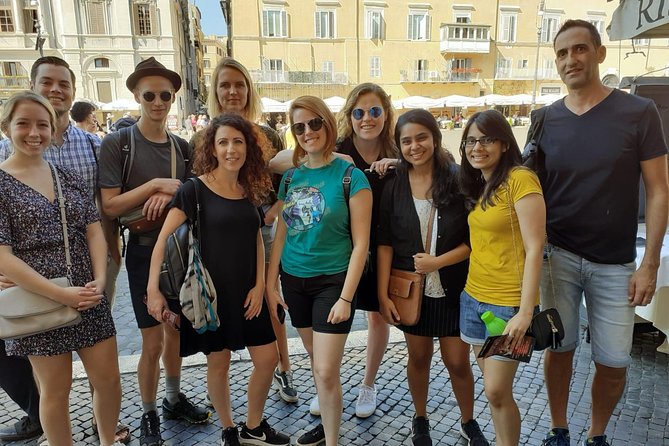
Piazza Farnese receives roughly 10 minutes. It is a compact stop, so you should think of it as part of the walking narrative rather than a full visit.
This kind of pause works well on a city introduction. You get a chance to take in the architecture, hear why the square matters, and then continue before the route loses momentum. The guide’s job is to point out what deserves your attention, not to keep you standing in one place for half an hour.
If you have already seen Rome’s major monuments, these shorter urban stops can be especially useful. The walk does not pretend to replace the Colosseum, Roman Forum, or Vatican Museums. Instead, it fills in the spaces between those famous places and shows you how Rome’s neighborhoods fit together.
Crossing toward Tiber Island
The route continues over one of Rome’s oldest bridges toward Tiber Island. The information provided does not name the bridge, so I would not book this expecting a specific bridge tour or a long stop on the water.
Still, this transition is one of the route’s appealing features. You move from the Jewish Ghetto toward Trastevere rather than taking a taxi or public transport between unrelated neighborhoods. The river crossing gives the walk a clear sense of movement and helps you understand Rome’s geography.
This is also one of the longer walking sections, and the feedback suggests that some stretches may have little commentary while you are moving. If you enjoy a guide speaking continuously, this may feel quiet. I prefer to use those moments for photographs, conversation, and simply watching the city pass by.
Trastevere closes the walk at Santa Maria
The tour ends in Piazza Santa Maria in Trastevere, in front of the church. The scheduled stop at the piazza lasts about 10 minutes, followed by roughly 20 minutes in the Trastevere neighborhood.
Trastevere is a pleasant place to finish because you can continue exploring after the guide leaves. The neighborhood offers restaurants and narrow streets, and the central piazza gives you an obvious landmark for meeting friends or finding your way onward.
Keep the tour’s limits in mind. The Trastevere section is not designed as a full neighborhood tour. The guide introduces the area and its setting, but the Jewish Ghetto gets more detailed attention. If your main goal is Trastevere, choose a tour built around that neighborhood instead.
I would use this ending as a launch point for your own evening. Ask the guide for a restaurant suggestion, as Lulu is praised for giving a useful recommendation, but remember that any restaurant advice is informal and not part of the included service.
The guides are the heart of the experience
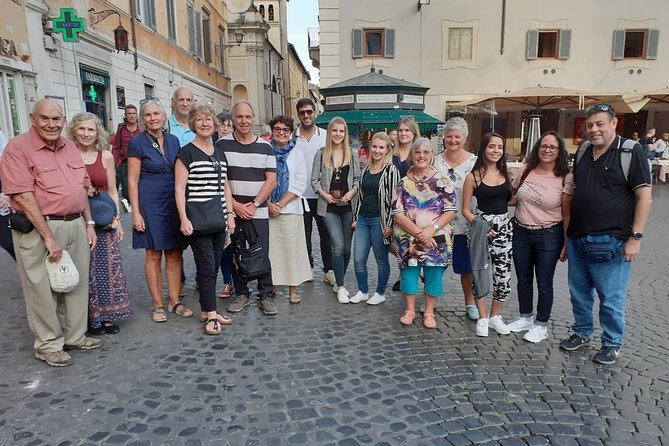
The guide can make this walk engaging or merely adequate. The strongest feedback focuses on clear explanations, warmth, humor, and storytelling rather than on elaborate production.
Axel is praised for his friendly manner, answers to questions, and practical tips for the rest of a Rome visit. Caitlin receives similar praise for combining historical knowledge with kindness and an easy manner. Fabiana is described as a strong storyteller who kept the group interested throughout the walk.
Other guides named in the feedback include Yousef, Lulu, Camila, Etienne, Luara, Katelyn, and Arkaprovo. Yousef is especially praised for explaining both Rome and its Jewish community. Lulu is noted for detailed explanations and restaurant advice. Camila is praised for fun facts and a well-paced morning tour.
That range suggests a personal, guide-led experience rather than a fixed audio script. It also means the tone may vary from one departure to another. One guide received criticism for giving excellent information at stops but offering little explanation while walking. That is a fair limitation to keep in mind.
Price, tips, and the real value
The advertised amount is $4.62 per person, which makes this one of the cheapest guided introductions to central Rome. But read the payment structure carefully. This is presented as a free or pay-what-you-wish tour, and the booking amount functions as a reservation or processing fee rather than a standard admission ticket.
The guide is not paid through a normal fixed tour price and tips are not included. You should budget for a tip if the guide provides the useful, thoughtful walk you want. The final cost can therefore be higher than the displayed amount, depending on what you choose to give.
At this price, I would judge the experience by its route and guide rather than expecting museum entry, a private group, or advanced equipment. You receive a local guide, a professional guide-led walk, and a convenient path through several historic areas. That is good value for a first orientation to Rome, especially if you would otherwise wander through the Jewish Ghetto without understanding its story.
The value is weaker if you dislike tip-based tours or expected a fully paid commercial excursion. One booking issue also appears in the supplied feedback: a solo booking was canceled when the minimum number was not met, with a later date offered. The tour has a minimum required number of participants, so keep your schedule flexible if this walk is essential to your plans.
Timing, weather, and group comfort
You can choose morning, afternoon, or early evening departure times. I like this flexibility because it lets you place the walk around museum reservations, a long lunch, or the hottest part of the day.
The tour operates in all weather. Bring water in warm conditions, a rain layer when needed, and shoes that can handle Rome’s hard, uneven streets. There are no included food or drinks, so plan a snack before or after the walk.
The group limit is 30 people. Most people can participate, and service animals are allowed. The tour is near public transportation, though the supplied details do not specify a particular bus, tram, or metro route.
Confirmation arrives at booking. The chat function is not instant, so do not rely on it for a last-minute rescue. If you need the operator, call or send a WhatsApp message using the contact details in your confirmation.
Who should book this Rome walk?
I would choose this tour for a first-time Rome visitor who wants more than the headline monuments. It is also a good choice for anyone interested in Jewish history, urban history, or the way religious communities shaped the city.
It suits a budget-conscious schedule because the route is inexpensive, short, and easy to fit between larger attractions. The early evening option may work well before dinner in Trastevere.
I would hesitate if you want a detailed Trastevere tour, a private group, continuous commentary, or entry into the synagogue and Jewish Museum. I would also think twice if you have a tight schedule and cannot tolerate a possible cancellation when the minimum number is not reached.
The cancellation terms are straightforward: cancel at least 24 hours before the start for a full refund. Cancellations or changes inside 24 hours are not refunded, and a tour canceled for lack of the minimum number should bring an alternative date or a full refund.
Should you book the Jewish Ghetto and Trastevere Tour?
Yes, if you want a low-cost introduction to Rome’s Jewish Ghetto with a short extension through Campo de’ Fiori, Tiber Island, and Trastevere. The history-focused section is the real reason to go, and guides such as Yousef, Axel, Caitlin, Fabiana, and Lulu have shown the warmth and storytelling skills that make the route worthwhile.
Book it with clear expectations. This is a tip-based walk, not a paid museum tour. Trastevere is the ending and final chapter, not the main subject. If that balance suits you, the tour offers a thoughtful way to see Rome beyond the usual monuments.
FAQ
How long does the Jewish Ghetto and Trastevere Tour last?
The tour lasts approximately 1 hour 30 minutes to 2 hours.
Where does the tour start?
It starts at Palazzo Venezia, Piazza di San Marco 48, Rome.
Where does the tour end?
It ends at Piazza Santa Maria in Trastevere, in front of the church.
What neighborhoods does the walk visit?
The route includes Rome’s Jewish Ghetto, the Campo de’ Fiori area, the area around Piazza Farnese, Tiber Island, and Trastevere.
Is admission to the synagogue included?
No. The tour stops at one of Europe’s largest synagogues, but admission tickets are not listed as included.
Are food and drinks included?
No. Food and drinks are not included in the tour.
How many people can join the tour?
The maximum group size is 30 people.
Are morning and evening departures available?
Yes. You can choose from morning, afternoon, and early evening start times.
What is the cancellation policy?
You can cancel at least 24 hours before the start time for a full refund. Cancellations or changes made less than 24 hours before the start are not refunded.
Just added in Rome
- Civitavecchia Private Transfer: From the Port to Rome Airport★ 5.0 · 309 reviews
- Civitavecchia Shore Excursion: Best of Rome Private Tour★ 5.0 · 247 reviews
- Civitavecchia Private Transfer from ship to FCO airport or Rome★ 5.0 · 245 reviews
- Food Tasty and History Tour in Civitavecchia★ 5.0 · 256 reviews
- Palatine Hill and Roman Forum Tour with Fast-Track Entrance★ 4.2 · 417 reviews
- Tivoli: Villa D’Este & Villa Adriana Pass & App Audioguide★ 4.4 · 364 reviews
- Tivoli: Villa D’Este Entry Ticket and App Audio Guide★ 4.3 · 191 reviews
- Vatican Museums & Sistine Chapel Skip-the-Line Guided Tour★ 4.6 · 254 reviews
Tours in Rome, compared.
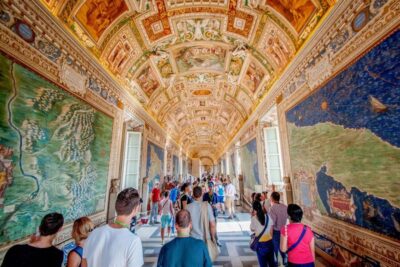
Vatican: Museums & Sistine Chapel Entrance Ticket
Read our review →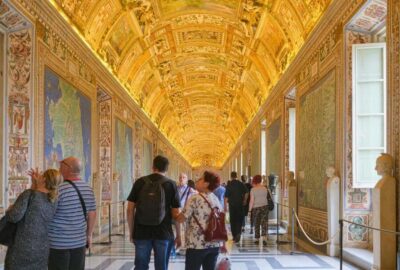
Vatican Museums & Sistine Chapel Tour with Optional Basilica
Read our review →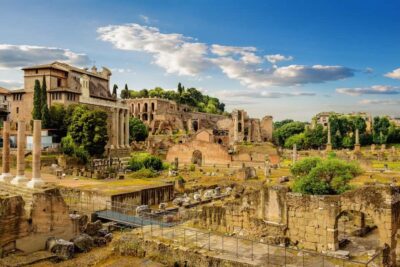
Colosseum, Roman Forum & Palatine Guided Tour
Read our review →
Vatican Museums, Sistine Chapel & St Peter’s Basilica Guided Tour
Read our review →
Colosseum & Forum with Audio Guide App -Optional Arena
Read our review →
Pantheon Fast-Track Ticket and Official Audio Guide
Read our review →
City Sightseeing Hop-on Hop-off Bus with Audioguide
Read our review →