
Reviewed · COOKING CLASSES
Cooking Art Brunelleschi
Inside a 13th-century medieval tower near Brunelleschi’s Dome, you’ll turn flour and eggs into ravioli, tortelli, and pappardelle. The setting gives this class a real Florence connection, while the hands-on work keeps you busy rather than parked at a demonstration table.
I like the three different pasta shapes and the fact that you eat a full meal with Tuscan wine or unlimited soft drinks. Chefs such as Valentino, Lorenzo, Victoria, Arturo, and Eno have earned praise for patient, lively instruction. The main catch is that this is a shared-group class: pasta may be combined in one pot, and the room can feel warm and crowded.
Quick takeaways
- Cook in Dante-era Florence: The class takes place in a medieval tower once linked to the family of Dante Alighieri’s wife, just steps from the Duomo.
- Make three pastas: You work on ravioli, tortelli, and pappardelle, each paired with a different sauce.
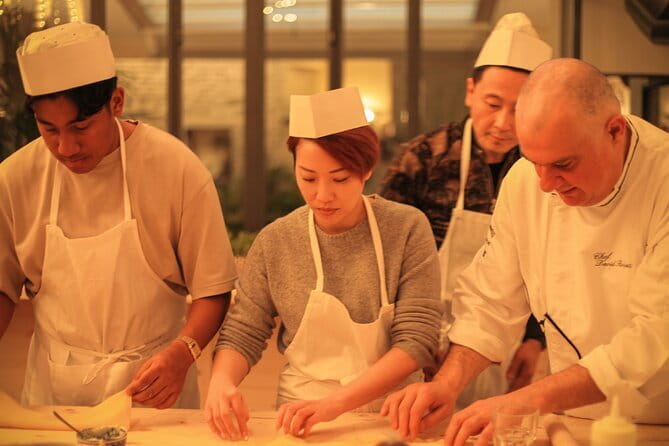
- Expect a social class: The maximum is listed as 19 people, with tables and smaller chef-led groups inside the larger venue.
- Come hungry: The pasta you prepare becomes lunch, with Tuscan wine, water, and unlimited soft drinks included.
- Good for mixed ages: Families with children and teens, couples, solo visitors, and beginners can all take part.
- Dress lightly: The cooking room can get hot, especially when the class is full.
A pasta class beside Brunelleschi’s Dome
Cooking Art Brunelleschi meets at Via de’ Bardi 23r, in central Florence. The location is convenient for a day of sightseeing, and the activity ends at the same place. Public transportation is nearby, but you may find walking easiest if you are already touring the historic center.
The unusual setting is part of the appeal. You are not cooking in a modern school outside town. You are working inside a stone tower dating from the 1200s, close to Brunelleschi’s famous dome. The space connects the meal to the city around you, particularly to Florence’s medieval and Renaissance past.
The connection to Dante gives the building an extra story. The tower belonged to the family of Dante’s wife, so the room is tied to one of the figures who helped shape the Italian language. That does not change the recipes, but it gives you something meaningful to notice while your dough rests.
The class is offered in English, and confirmation arrives when you book. Since the experience is often reserved about 26 days ahead, I would not leave it until the last moment during a busy Florence visit.
More Cooking Classes in Florence
- Florence: Pasta Cooking Class with Unlimited Wine
★ 4.9 · 10,285 reviews - Florence Pizza or Pasta Class with Gelato Making at a Tuscan Farm
★ 5.0 · 6,801 reviews - Florence: Pasta & Tiramisu Cooking Class with Unlimited Wine
★ 4.9 · 6,708 reviews
What happens during the three-hour class
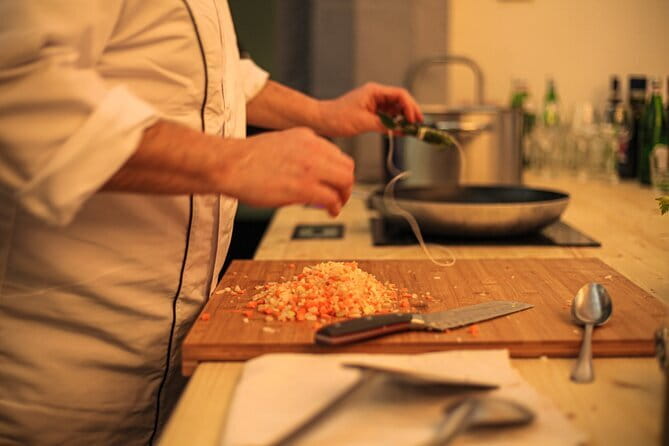
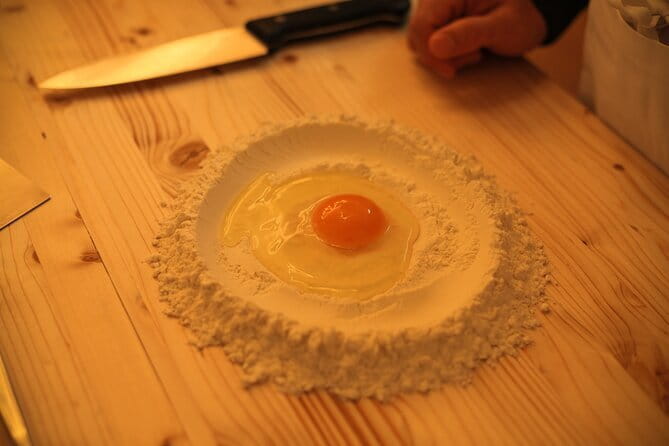
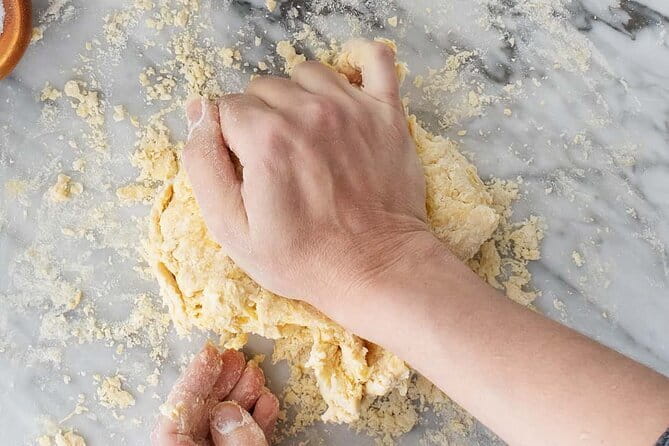
The class begins with the basic work: flour, dough, kneading, and rolling. The chef guides you through each stage and moves around the tables to correct technique. This is useful for beginners because fresh pasta looks simple, but the dough needs the right texture and thickness.
You should expect to work with the group rather than prepare a fully separate meal from start to finish. One important practical detail is that the finished pasta can be combined and cooked together in a shared pot. If you want to eat only the pasta you personally shaped, this may bother you. If you are happy treating the class as a communal meal, it is a small trade-off.
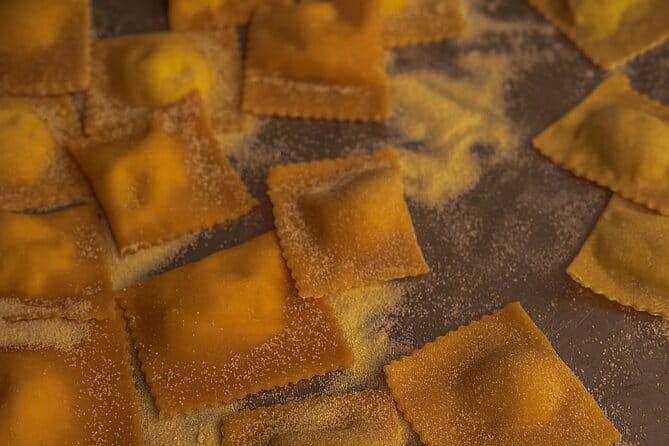
The first shapes are usually the filled pastas, ravioli and tortelli. You learn to roll the dough thin, add filling, fold it, and seal the edges. The shapes are similar, but the lesson helps you see how small changes in folding and size affect the final dish.
Pappardelle brings a different skill. This broad, ribbon-like pasta needs to be rolled and cut evenly. It is a hearty partner for Tuscan ragù, and many people find it the easiest shape to recreate at home once they have practiced the cutting.
While you work, the chef prepares the sauces. The sample menu includes ravioli with butter and sage, tortello all’arrabbiata, and pappardelle with old-fashioned Tuscan ragù. The sauces are not an afterthought. They show why different pasta shapes are matched with different textures and flavors.
The class then shifts from workshop to lunch. You eat the pasta prepared during the session, with Tuscan wine and unlimited soft drinks available. Water is also provided. The portions are generous enough that several people have treated the meal as dinner rather than a light midday tasting.
Three pastas, three different lessons
The strongest part of this activity is its range. A class focused on one shape might give you more time to perfect it, but this one lets you compare three forms in a single sitting.
Ravioli with butter and sage is the gentlest pairing. The sauce lets the pasta and filling do most of the talking. It is also a useful home-cooking lesson because butter and sage require little equipment or preparation.
Tortello with arrabbiata adds heat and a brighter tomato flavor. The name can be used for different filled pasta shapes in Italy, and the class presents it as part of the wider Italian pasta tradition rather than as one rigid formula.
Pappardelle with Tuscan ragù is the most substantial dish. The broad noodles hold a thick meat sauce well, making this the course most likely to satisfy a hungry sightseer after a morning of museums and churches.
Seasonal vegetables and Italian ingredients are selected for the class. You are not simply learning to boil dried noodles. You get a practical look at the relationship between dough, shape, sauce, and regional cooking habits.
The chefs make the difference
The chef leading your table matters a great deal. The class has featured instructors including Valentino, Lorenzo, Victoria, Arturo, Eno, Andrea, Francesca, Giordano, Jacob, Sal, Antonio, and others. Their teaching styles may differ, but the pattern is clear: the best sessions rely on an energetic chef who gives hands-on help while keeping the pace moving.
Valentino is praised for bringing humor and individual attention, including with children aged 12 and 17. Jacob has been singled out for detailed instruction on kneading and rolling the dough thin. Lorenzo has been praised for combining cooking skill with stories about Florence and the region.
That personal help is important. You will not need to arrive with pasta-making experience, and the equipment is supplied. A good chef can show you when the dough is too sticky, how firmly to seal ravioli, and how thin the sheets should be.
The English instruction also makes the class workable for international visitors. Still, teaching quality can vary from one session to another because the chef changes. You should book this for the activity itself, not with the expectation of receiving a specific instructor.
Other classes where you do the cooking in Florence:
- Florence: Pasta Cooking Class with Unlimited Wine
★ 5.0 · 6,413 reviews - Cooking Class and Lunch at a Tuscan Farmhouse with Local Market Tour from Florence
★ 5.0 · 4,831 reviews - Pastamania – Florence Pasta Making Class
★ 5.0 · 3,050 reviews - Florence: Cooking Class Pasta & Tiramisu Making Unlimited Wine
★ 5.0 · 2,234 reviews
How social and crowded is it?
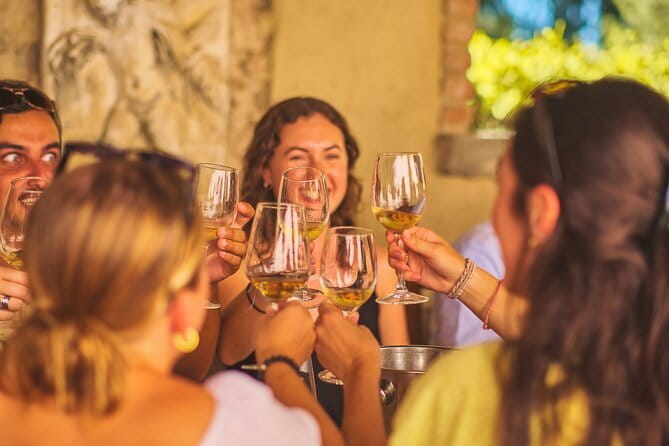
This is a group cooking class, not a private lesson. The stated maximum is 19 participants, and the venue may arrange people at separate tables with a chef guiding each group. That format gives you the chance to meet other visitors, but it also means some noise and less personal space than you would have in a small home kitchen.
The room can feel tight when the class is full. Several people have also found it hot, so light clothing is sensible. Smooth floor tiles have been noted, so take care if you have limited mobility or are unsteady on your feet.
The class can also reflect the behavior of the group around you. Wine is included, and one particularly chaotic session became loud and disruptive at another table. That is not the normal expectation, but it is a reminder that the atmosphere is partly social and partly unpredictable.
I would choose this class if you enjoy meeting people and do not mind a little bustle. If you want quiet instruction, precise control over every ingredient, or a private chef, choose a smaller class instead.
Is the $39.92 price good value?
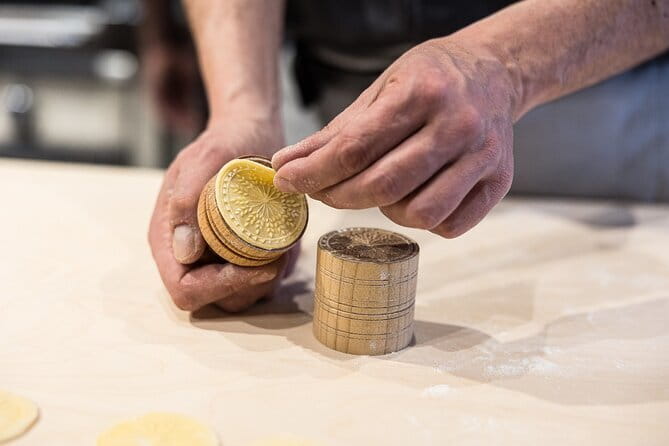
At $39.92 per person, the value is strong if you think of the activity as both a cooking lesson and lunch. The fee includes the chef, ingredients, equipment, three pasta dishes, Tuscan wine, water, and unlimited soft drinks. You do not need to buy a separate meal afterward.
The price also includes something you can use later. Once you understand the dough, rolling, filling, and cutting, you can repeat the process at home. The lesson is not just a plate of pasta served to you, although the shared cooking pot means you should set realistic expectations about personal control.
The included wine adds to the value, especially for adults. Alcohol is available only to people aged 18 and over. The wine is intended as part of the meal, not as a formal tasting, so do not book this expecting rare bottles or a lesson in Tuscan vineyards.
Some sessions may also provide a coupon for free gelato at another establishment connected with the restaurant. That gelato stop is not at the cooking site and may involve a walk of about 15 minutes. Treat it as a bonus rather than the reason to book.
Who will enjoy this most?
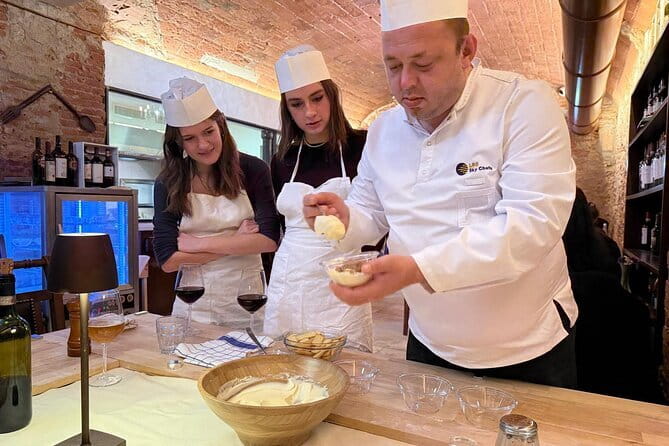
Families are a particularly good match. Children and teens can take part in shaping and cutting the dough, and the class provides a welcome change from museums and church interiors. The food is familiar enough for many younger eaters, and there is plenty to keep hands busy.
Couples can use it as a relaxed meal with an activity attached. Solo visitors may also find it easy to meet people because tables are shared and the class has a naturally social rhythm.
It works for beginners, too. You receive the ingredients and tools, and the chef explains the process step by step. You do not need to bring special equipment.
I would be more cautious if you have strict dietary needs, since the supplied information confirms that meat-free diners can be accommodated but does not describe a full allergy or dietary menu. Ask before booking if your restrictions are serious.
A few practical tips before you go
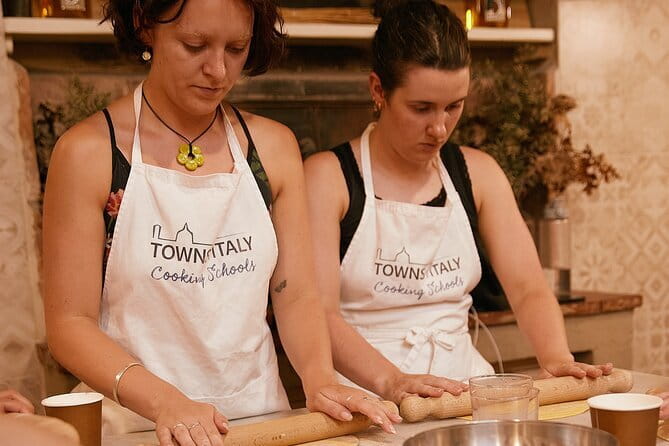
Arrive ready to cook, not dressed for a formal dinner. The kitchen can become warm, and flour, sauce, and movement make comfortable light clothing the sensible choice.
You need to bring nothing for the lesson. All equipment and ingredients are supplied. The meeting point is Via de’ Bardi 23r, and the class returns there at the end.
Plan roughly three hours for the full experience. The time includes instruction, pasta preparation, sauce work, cooking, and the meal. Do not schedule a museum ticket at the exact finishing time.
If you need to cancel, you can receive a full refund when you cancel at least 24 hours before the start time. Changes or cancellations made less than 24 hours ahead are not accepted for a refund.
Should you book Cooking Art Brunelleschi?
Book it if you want a practical Florence activity that combines food, local setting, and a full meal. The best reasons are the three pasta shapes, the lively chefs, the medieval tower, and the chance to take a useful skill home.
Skip it if you dislike shared food preparation, crowded rooms, warm kitchens, or group activities. The pasta may be mixed together for cooking, and the class is not designed for people who want to control every step of their own portion.
For most families, couples, and first-time pasta makers, the price is fair and the format works well. I would reserve ahead, wear light clothes, arrive hungry, and think of it as a friendly communal cooking lesson rather than a private culinary workshop.
FAQ
Where does the cooking class meet?
The meeting point is Via de’ Bardi, 23r, 50100 Firenze FI, Italy.
Where does the activity end?
The class ends back at the meeting point.
How long does the class last?
The experience lasts approximately three hours.
What pastas will I make?
You will prepare three types of fresh pasta: ravioli, tortelli, and pappardelle.
What sauces are included?
The sample menu includes butter and sage, arrabbiata, and old-fashioned Tuscan ragù.
Is lunch included?
Yes. You eat the pasta prepared during the class, and lunch is included in the price.
Are drinks included?
Yes. Tuscan wine, water, and unlimited soft drinks are included. Alcohol is available only to people aged 18 and over.
Do I need to bring cooking equipment?
No. All equipment and ingredients for the fresh pasta course are provided.
Is the class taught in English?
Yes. The experience is offered in English.
How many people can attend?
The activity has a maximum of 19 travelers.
Can I cancel for a full refund?
Yes, if you cancel at least 24 hours before the experience start time. Cancellations made less than 24 hours ahead are not refunded.
Just added in Florence
- Wine Tasting Experience in Ponte Vecchio: Best Tuscany selection!★ 5.0 · 197 reviews
- Walking Food Tour of Florence with Tastings and Wine★ 5.0 · 518 reviews
- Wine Experience In Chianti Hills from Florence★ 4.5 · 195 reviews
- Florence Sunset Food Tour with Wine & Dine at a Tuscan farmhouse★ 5.0 · 194 reviews
- Val d’Orcia Brunello Wine Tour with Montalcino and Montepulciano★ 4.5 · 359 reviews
- Uffizi and Accademia Small Group Guided Tour★ 4.5 · 449 reviews
- Uffizi Gallery Timed Entry Admission Tickets★ 4.0 · 392 reviews
- Uffizi Gallery Small Group Tour with Guide★ 4.5 · 879 reviews
Cooking Classes, compared.
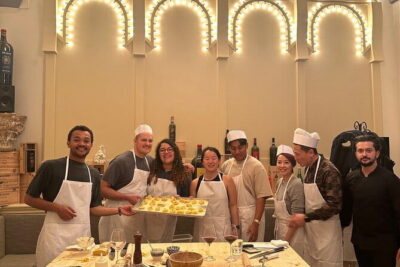
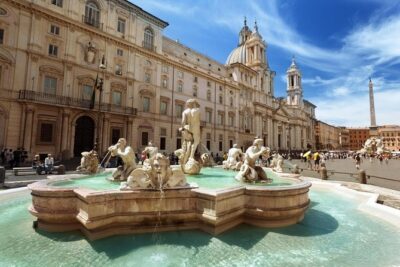
3 in 1 Cooking Class near Navona: Fettuccine, Ravioli & Tiramisu
Read our review →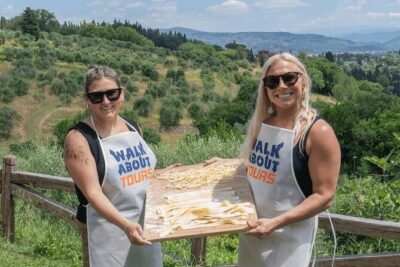
Florence Pizza or Pasta Class with Gelato Making at a Tuscan Farm
Read our review →
Pasta & Tiramisu Class with Fine Wine by the Vatican
Read our review →
Authentic Pizza Making Class in Naples with Appetizers and Drink
Read our review →
Pasta Making Class with Wine, Limoncello, and Dessert
Read our review →
3-in-1 Fettuccine, Ravioli, and Tiramisu Cooking Class
Read our review →Browse the lists this tour appears in