Reviewed · TOURS IN FLORENCE
Florence: Medici Chapels Guided Tour
The Medici Chapels turn Florence’s most powerful family into a cast of human characters: bankers, patrons, schemers, parents, rivals, and rulers. You’ll move from the grand Chapel of the Princes to Michelangelo’s more restrained New Sacristy, with stories of poisonings, betrayals, illegitimate children, and family power filling in what the stone alone cannot explain.
I like two things here. First, a guide gives the tombs and sculptures a clear story, so you are not simply looking at names and marble. Second, the 90-minute format fits neatly into a day of sightseeing. The drawback is just as clear: if you want a long, slow art visit, this can feel rushed, and some of the crypt material may interest you less than the chapels above.
Key points at a glance
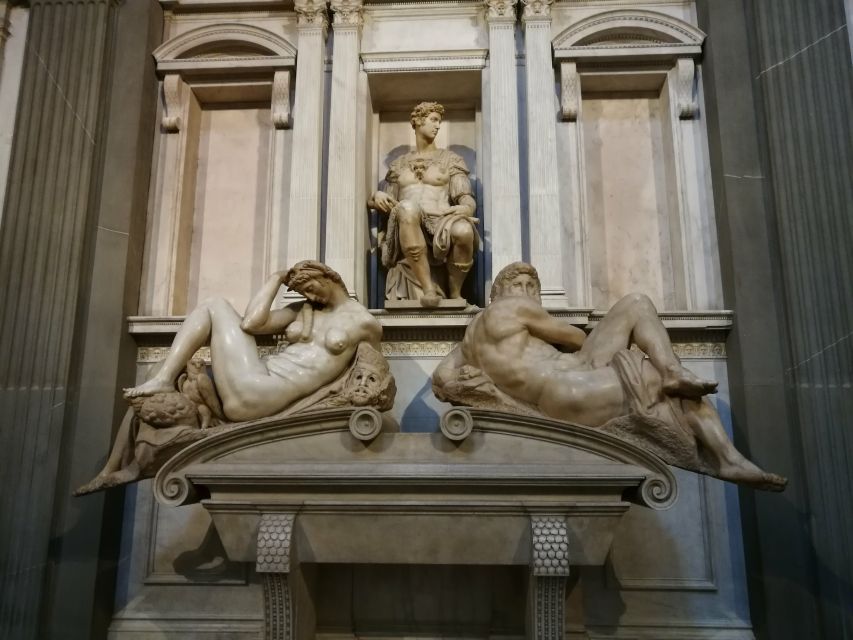
- Michelangelo’s Medici tombs: See distinctive sculpture connected with Michelangelo in the New Sacristy.
- The Chapel of the Princes: Take in the grand burial chapel and its ornate setting.
- Medici intrigue: Hear stories of family rivalry, poisonings, betrayals, and illegitimate children.
- A focused 90 minutes: Get useful context without giving up half a day in Florence.
- Strong guide-led experience: Guides such as Marta, Ivan, Francesca, and Elisabetta are praised for clear, lively explanations.
- Fast entry with a caveat: Skip the ticket line, but still allow time for security checks and possible queues.
Why the Medici Chapels deserve your time
Florence is packed with major sights, and the Medici Chapels can be easy to overlook beside the Uffizi, Accademia, and Palazzo Vecchio. I would not make that mistake. This is one of the city’s best places to see how political power, family memory, and art were tied together.
The Medici were not simply wealthy Florentine bankers. They shaped the city through money, marriages, politics, church connections, and patronage. Their tombs were designed to keep that influence visible long after their deaths. Once you understand that purpose, the chapels feel less like a collection of decorated rooms and more like a carefully planned family statement.
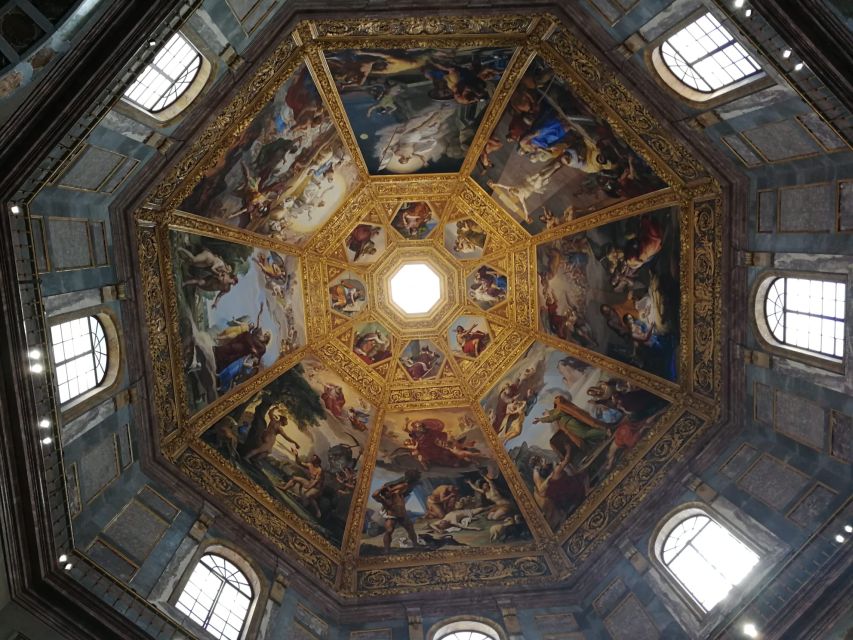
That context matters most in the Chapel of the Princes. The family wanted a setting that matched its status, and the result is grand rather than modest. Your guide can explain how the chapel’s scale and decoration fit the Medici image, giving you a useful way to read the room instead of treating it as a stop for quick photographs.
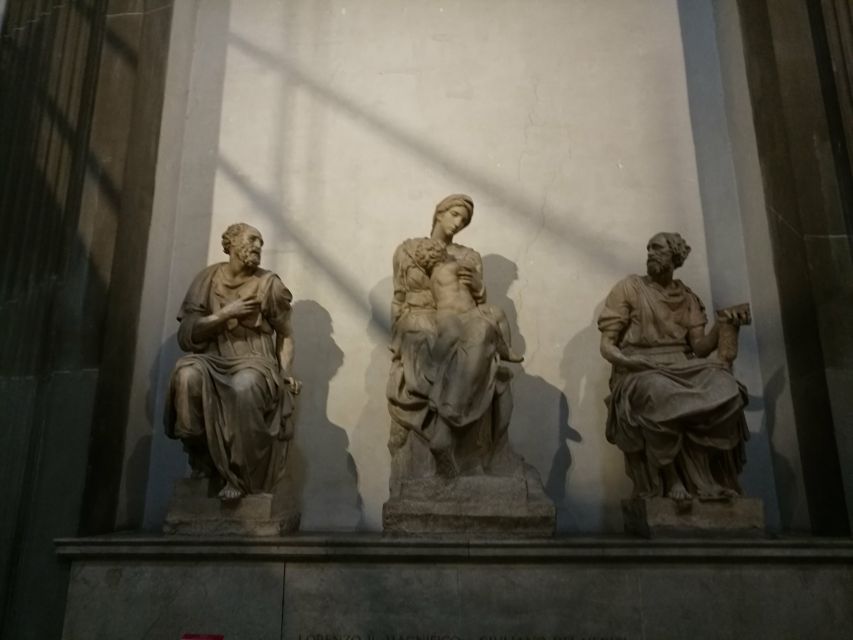
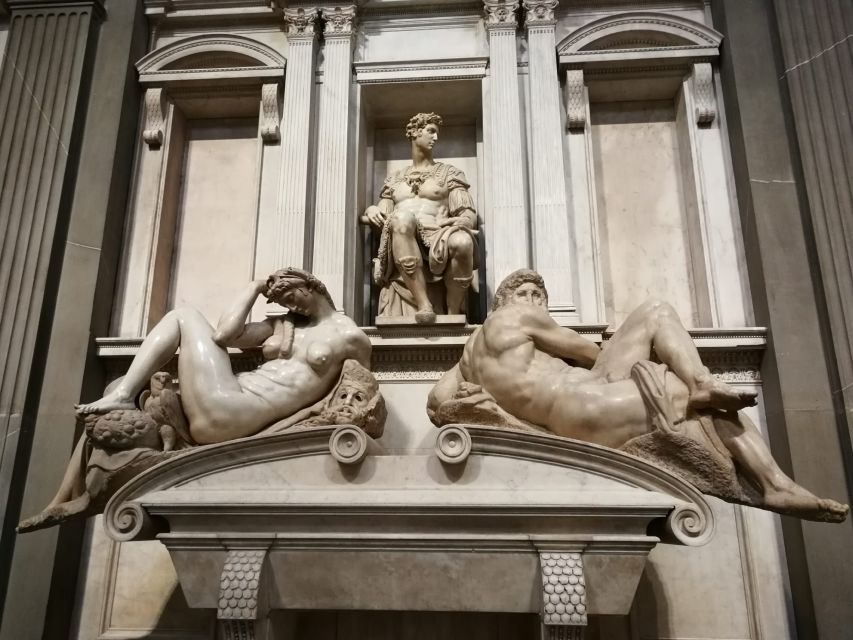
The tour also reaches the Chapel of the New Sacristy, where Michelangelo’s work gives the visit its artistic focus. You will see sculpture connected to Medici tombs and learn how the figures, poses, and surrounding architecture work together. Even if you know little about Renaissance art, a good explanation helps you notice why these works matter.
A few more things to do in Florence
- The Best tour in Florence: Renaissance & Medici Tales – guided by a STORYTELLER
★ 5.0 · 12,316 reviews - Florence: Duomo Cathedral Guided Tour
★ 3.9 · 5,970 reviews - Uffizi Gallery Small Group Tour with Guide
★ 4.5 · 4,923 reviews
From bankers to dynastic power
The Medici story is easier to follow when it is told as a family drama. The tour brings in well-known figures such as Lorenzo the Magnificent, whose burial place is here, and connects individual personalities with the broader story of Florence.
This is where the guide makes the largest difference. A room full of family names can blur together without help. Stories about rivalries, suspicious deaths, illegitimate children, and political betrayals give you a reason to remember who did what and why it mattered.
The best guides do not turn the visit into a dry list of dates. Ivan, for example, is praised for using wit and humor while explaining the family. Marta has been especially effective at answering questions and adding detail, even when the group was very small. Francesca is noted for combining a personable manner with clear explanations, while Elisabetta brings strong enthusiasm for Florentine history and art.
Those differences matter because this tour depends heavily on delivery. The buildings and sculptures are fixed, but the experience can feel either lively or flat depending on how the guide connects the pieces. One less enthusiastic guide left a visitor wishing for more energy, a useful reminder that no guided tour is identical from one day to the next.
The Chapel of the Princes
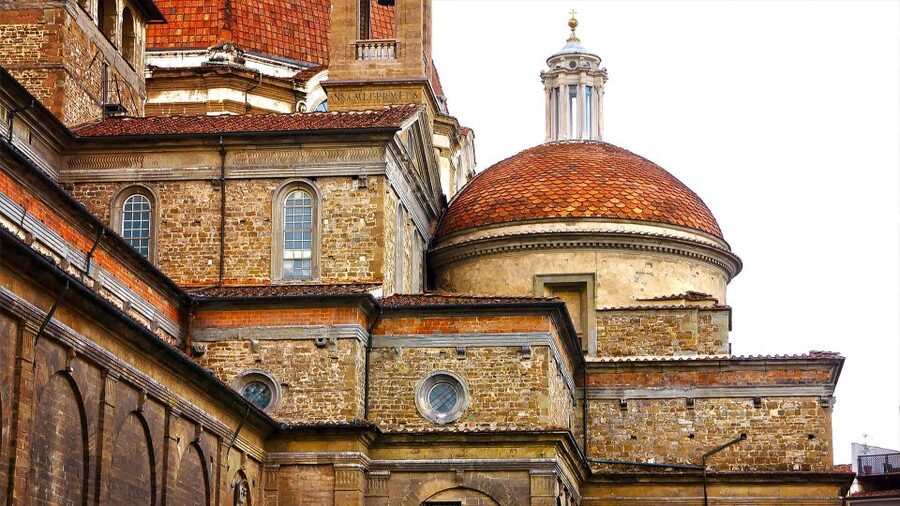
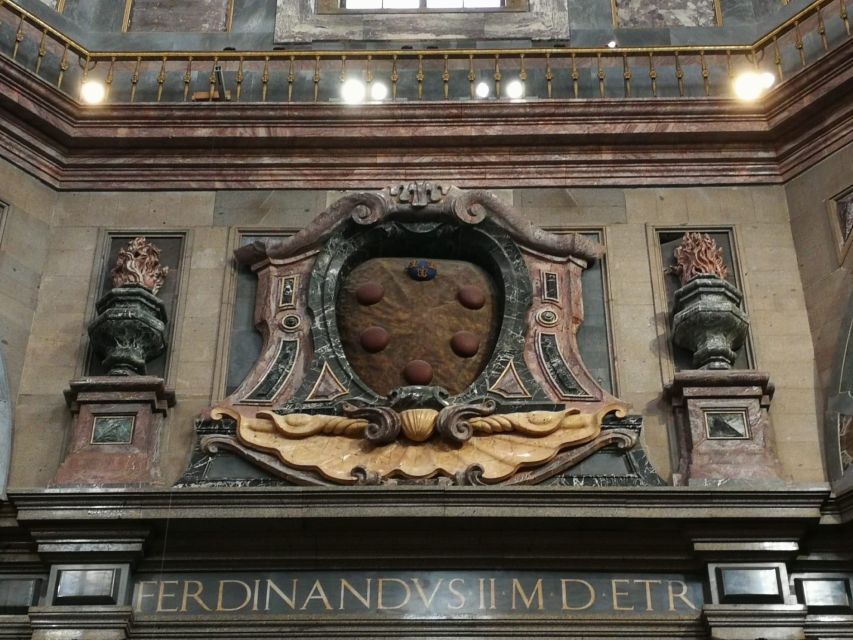
The Chapel of the Princes is the visual shock of the visit. It was designed as a grand memorial to the Medici family, and you should give yourself a moment to take in the setting before focusing on individual details.
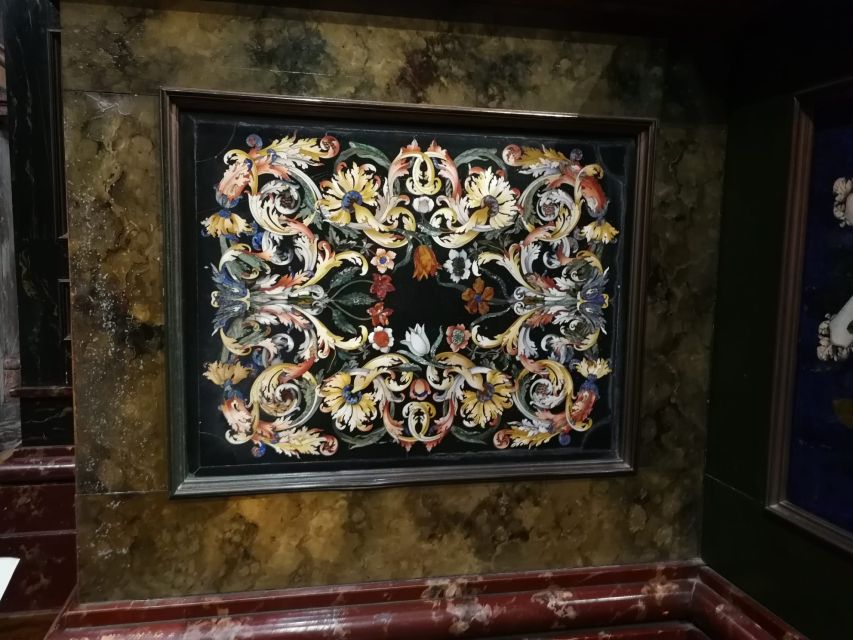
Your guide will help explain what the chapel was meant to communicate. The scale, decoration, and use of precious materials were not random choices. They reflected a family determined to present itself as worthy of lasting admiration and respect.
I find this part most rewarding when you look beyond surface decoration. Ask yourself what the Medici wanted future generations to think about them. The chapel is a place of burial, but it is also a statement about status and power.
The room can feel like a lot at once. If you are traveling with children or with someone who prefers sculpture to architecture, the explanation needs to stay clear and well paced. One reported issue was a guide focusing mainly on adults, which made it harder for children to hear and follow. Stay near the guide and speak up if your group is being left behind.
Michelangelo in the New Sacristy
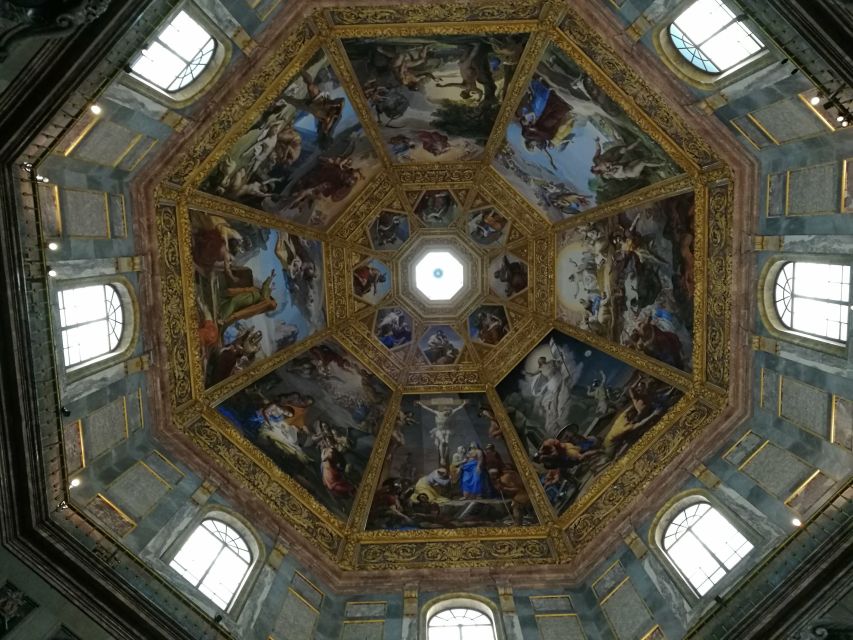
The New Sacristy is the artistic heart of this visit. Michelangelo’s sculptures give the chapel a very different mood from the grander Chapel of the Princes. Here, the architecture and tomb sculpture ask you to look carefully at the relationship between the human figures, the tombs, and the room around them.
A guide can point out details you would likely miss alone, then explain how Michelangelo’s work fits the purpose of the chapel. Several visitors who had already been to the site without a guide found that the sculpture became more meaningful once someone explained its symbolism and setting.
You do not need a background in art history to enjoy this section. You only need time to look and a guide who can explain without burying you in technical terms. The best commentary gives you a few strong ideas, then lets you study the work for yourself.
The main limitation is time. Ninety minutes is enough for a solid introduction, but not enough for an unhurried art lesson in every room. If Michelangelo is your main reason for coming, plan to use the final part of the tour for your own close look, rather than expecting the guide to pause at length for every sculpture.
Same base, a different kind of day:
- Florence: Skip-The-Line Uffizi Gallery Timed Entry Ticket
★ 4.5 · 27,832 reviews - Tuscany Day Trip from Florence: Siena, San Gimignano, Pisa and Lunch at a Winery
★ 5.0 · 21,634 reviews - Florence: Timed Entrance Ticket to Michelangelo’s David
★ 4.6 · 16,983 reviews - Florence: Michelangelo’s David Skip-the-Line Entry Ticket
★ 4.5 · 12,764 reviews
Crypts, burial places, and the human side of the family
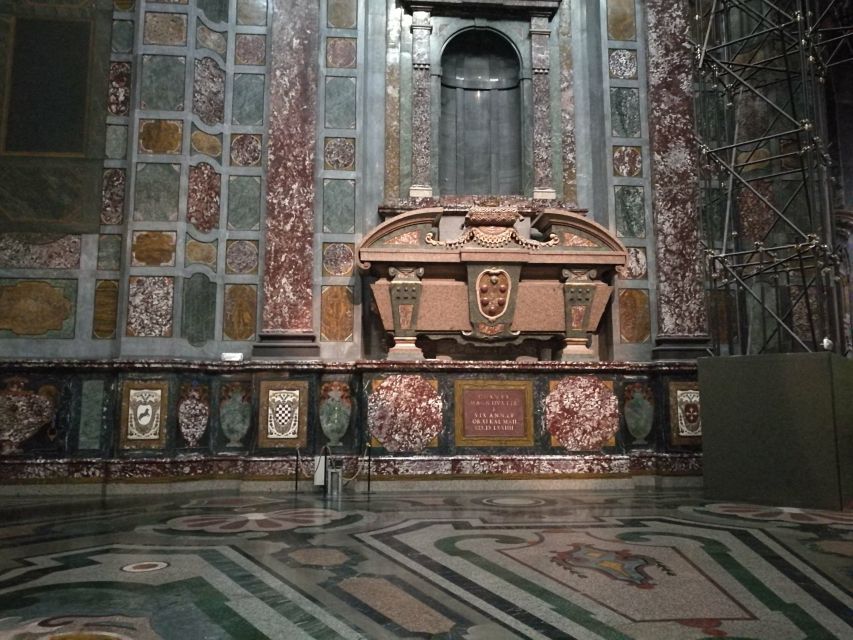
The Medici Chapels are not only grand rooms and famous sculpture. The crypts and burial areas add a more personal side to the visit. They bring the family back from the level of public image to the reality of death, succession, and family memory.
Some people find the crypts less visually powerful than the main chapels. One useful criticism is that the tour can spend more time there than some visitors would prefer. If you are mainly interested in Michelangelo and architecture, you may want to ask your guide how much time remains for the upper chapels.
Still, the crypts help explain why the building exists. They are not an unrelated basement stop. They connect the public grandeur above with the family members buried below, including Lorenzo the Magnificent and other major Medici figures.
The guide’s storytelling is especially helpful here. Without context, a crypt can feel quiet and hard to interpret. With a clear explanation, you begin to see the family structure, the importance of burial, and the way the Medici used art to preserve their memory.
What a 90-minute visit feels like
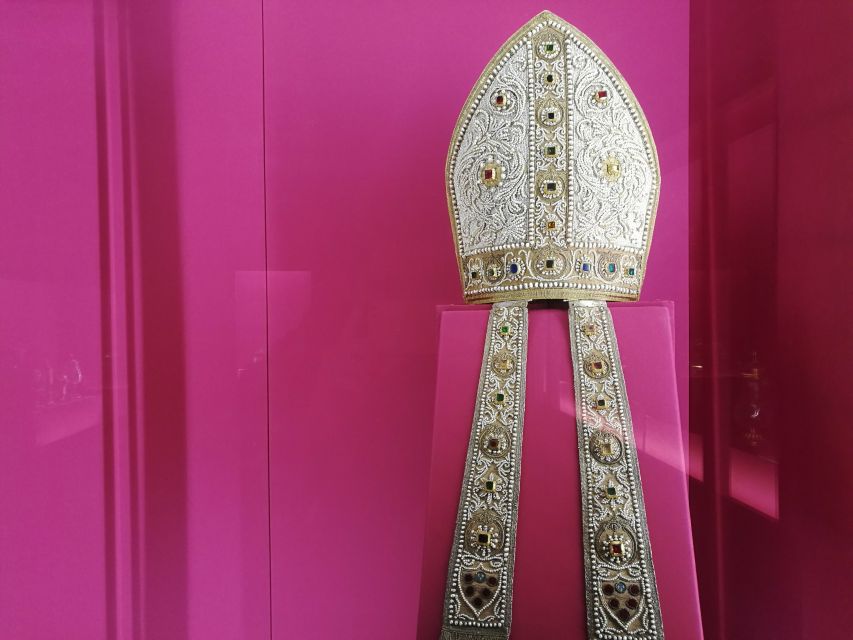
The tour is short enough to fit between other Florence sights, but it is not a token walk-through. In roughly an hour and a half, you can expect an introduction to the Medici family, time in the principal chapel areas, the New Sacristy, burial spaces, and commentary on Michelangelo’s work.
I would plan this after visiting another major Florentine sight rather than placing it directly before a long museum visit. One useful approach is to see the Accademia, Pitti Palace, or Palazzo Vecchio first, then use the Medici Chapels tour to answer questions about Florence’s rulers, artists, and social structure.
The length also suits visitors who want a focused experience. You will not need to spend an entire morning here, and the guide keeps the visit moving. For a first visit to Florence, that balance has real value. You get a clear introduction, then can continue through the city with a better sense of who funded its art and why.
The tradeoff is that you will not have unlimited time to wander. If you prefer to stop at every sculpture and read every label, visit independently or allow extra time around the guided portion if your admission arrangements permit it.
The guide can make or break the experience
The most important part of this tour is not the ticket. It is the person holding the microphone, or speaking to the group. The strongest guides combine facts with personality, and that combination appears often in the guide feedback.
Marta is praised for detailed explanations, patience with questions, and giving a very small group more time than expected. Ivan is known for a funny, lively way of presenting the family story. Francesca receives praise for clear explanations and an accommodating manner. Elisabetta is especially appreciated for her passion for Florentine history and art.
Other guides named in positive comments include Alessandra, Annette, Emanuela, Stephie, Veronica, Viola, and Ivano. English, Italian, and Spanish tours are available, and a private group option is offered.
Headphones are supplied when more than six people take part. That is useful in a crowded room, though a small group can feel more personal and may not need them. A very small tour can also mean more opportunity to ask questions. One participant found that a guide patiently waited after a late arrival, but you should not rely on that kindness. Arrive early, especially because the meeting point can vary by booking option.
Price, entry, and practical value
At $50 per person, this is not the cheapest way to enter a Florence museum. The real question is what you want from the visit. If you only want to see the chapels and are happy to read about them yourself, independent admission may offer better value if available at your chosen time.
For many first-time visitors, the guide justifies the cost. The Medici story is complicated, and the artistic details are not always obvious. Paying for context can turn a short stop into one of the more memorable history experiences in Florence.
Fast-entry tickets help reduce the risk of wasting time in the ticket line. Do not mistake that for instant entry, though. Security includes metal detectors, and a queue can still form. Build in a little breathing room around your start time.
The first Sunday of each month is a special case. Entrance is free then, but tickets cannot be reserved ahead of time, so entry is not guaranteed. If that is your only possible day, the paid guided option may not solve every issue, and you should check the current arrangements before relying on a visit.
You can cancel up to 24 hours in advance for a full refund, and the reserve-now, pay-later option gives you some flexibility while arranging a Florence itinerary.
Who should book this tour?
I would recommend it most strongly to first-time Florence visitors, anyone curious about the Medici family, and people who enjoy art more when someone explains what they are seeing. It also suits you if you want a compact activity that fits around larger museums and churches.
It is a good choice for a couple or small group that expects to ask questions. A private group is available if you want a more personal pace, though the standard tour may be enough for most people.
Families should stay alert to the group dynamics. Keep children close to the guide and make sure they can hear. The material includes political intrigue and family scandal, which can be engaging for older children, but the tour is not designed specifically for young kids.
Art specialists may want more time than 90 minutes provides. If your main goal is a detailed study of Michelangelo, treat this as an introduction rather than a complete art lesson. You will gain useful context, but you may wish to return or continue your study elsewhere.
My verdict on the Medici Chapels tour
I would book this tour if you want the Medici Chapels to make sense, rather than simply appear beautiful. The combination of family politics, burial spaces, the Chapel of the Princes, and Michelangelo’s sculpture gives you several ways into the site.
The strongest reason to go with a guide is the storytelling. A good explanation turns confusing family names into a memorable human drama and helps you read the sculptures with more care. The main caution is the fixed 90-minute pace, plus the possibility that the crypt section may take more time than you prefer.
Book it if context and clear guidance matter more to you than absolute freedom to wander. Skip the guide only if you already know the Medici story, prefer independent visits, or want a long period of quiet study.
FAQ
How long is the Medici Chapels guided tour?
The tour lasts 1.5 hours, or 90 minutes.
How much does the tour cost?
The listed price is $50 per person.
Which languages are available?
Live guided tours are available in Italian, English, and Spanish.
Is a private group available?
Yes. A private group option is available when booking.
Does the tour include fast entry?
Yes. Fast-entrance tickets are included, allowing you to skip the ticket line.
Will I still need to wait at the entrance?
Possibly. Security checks include metal detectors, so a queue can still form even with fast-entry tickets.
What sites are included during the visit?
The tour includes the Medici Chapels, including the Chapel of the Princes, the Chapel of the New Sacristy, and burial areas such as the crypts.
Can I see Michelangelo’s work?
Yes. The tour includes the chance to admire Michelangelo’s sculptures connected with the Medici tombs.
Are headphones provided?
Headphones are provided when more than six participants are on the tour.
What happens if I visit on the first Sunday of the month?
Entrance is free on the first Sunday of each month, but tickets cannot be reserved in advance, so entry is not guaranteed.
Can I cancel the booking?
Yes. You can cancel up to 24 hours in advance for a full refund.
Is hotel pickup included?
No. Hotel pickup and drop-off are not included.
Just added in Florence
- Wine Tasting Experience in Ponte Vecchio: Best Tuscany selection!★ 5.0 · 197 reviews
- Florence Sunset Food Tour with Wine & Dine at a Tuscan farmhouse★ 5.0 · 194 reviews
- Walking Food Tour of Florence with Tastings and Wine★ 5.0 · 518 reviews
- Wine Experience In Chianti Hills from Florence★ 4.5 · 195 reviews
- Uffizi and Accademia Small Group Guided Tour★ 4.5 · 449 reviews
- Val d’Orcia Brunello Wine Tour with Montalcino and Montepulciano★ 4.5 · 359 reviews
- Uffizi Gallery Timed Entry Admission Tickets★ 4.0 · 392 reviews
- Uffizi Gallery Small Group Tour with Guide★ 4.5 · 879 reviews
Tours in Florence, compared.
Skip-The-Line Uffizi Gallery Timed Entry Ticket
Read our review →
Tuscany Day Trip from Florence: Siena, San Gimignano, Pisa and Lunch at a Winery
Read our review →
Timed Entrance Ticket to Michelangelo’s David
Read our review →
Michelangelo’s David Skip-the-Line Entry Ticket
Read our review →

The Best Tour in Florence: Renaissance and Medici Tales
Read our review →