Reviewed · TOURS IN ROME
From Rome: Villa D’Este and Hadrian’s Villa Tivoli Day Tour
Hadrian’s Villa and Villa d’Este show two very different sides of Tivoli. One is the sprawling country retreat of a Roman emperor, the other a Renaissance pleasure palace where fountains, frescoes, stairways, and gardens do much of the talking. Seeing both in one trip gives you a sharper sense of how the area outside Rome served the powerful for centuries.
I like the easy bus connection and the fact that entry fees are handled for you. I also like the contrast between Hadrian’s engineering and Villa d’Este’s garden artistry. The main drawback is the limited time at each villa, plus the sometimes confusing pickup process in Rome. You’ll want good walking shoes, a clear head at the meeting point, and modest expectations for the included lunch.
Key points to know before booking
- Two very different villas in one day: Ancient Roman architecture at Hadrian’s Villa, followed by Renaissance fountains and gardens at Villa d’Este.
- A practical escape from Rome: The bus ride takes about 30 to 45 minutes each way, avoiding the effort of arranging separate local transport.
- Small-group options are available: Groups can be private or small, with one recent group numbering about 14 people.
- Guide quality matters here: Guides such as Marcia have been singled out for clear explanations, friendly pacing, and strong knowledge of both sites.
- Lunch is optional: The supplied meal may be convenient, but Tivoli offers other places to eat during the roughly 90-minute break.
- Expect stairs and open-air walking: Villa d’Este includes large staircases, and the tour is not suitable for wheelchair users.
Why Tivoli makes a fine break from Rome

Tivoli is close enough to Rome for a day trip, but the two villas feel far removed from the city’s crowded historic center. The journey gives you a change of pace without asking you to plan a complicated rail and bus connection.
The trip begins at one of two possible meeting points around Via della Inversata in the Castro Pretorio area. The exact location depends on the option you book, so check your confirmation carefully. Pickup and drop-off at your hotel are not included.
Once aboard, the ride to Hadrian’s Villa takes about 45 minutes. The return from Villa d’Este takes about the same time, with a shorter transfer of roughly 30 minutes between the two villas. That transport is a major part of the value. Tivoli is not impossibly far from Rome, but seeing both sites independently in one day would require more planning and careful timing.
The pickup arrangements may not feel polished. You might have to look for a representative with a passenger list or confirm which bus is yours. Instructions at the Rome meeting point can be brief, so arrive early and ask directly if you are uncertain. Once the group is assembled, the day generally follows a straightforward route.
Other days out people book in Rome:
- Vatican: Museums & Sistine Chapel Entrance Ticket
★ 4.5 · 144,003 reviews - Vatican Museums & Sistine Chapel Tour with Optional Basilica
★ 4.3 · 67,413 reviews - Colosseum, Roman Forum & Palatine Guided Tour
★ 4.7 · 63,148 reviews
Hadrian’s Villa: an emperor’s private world
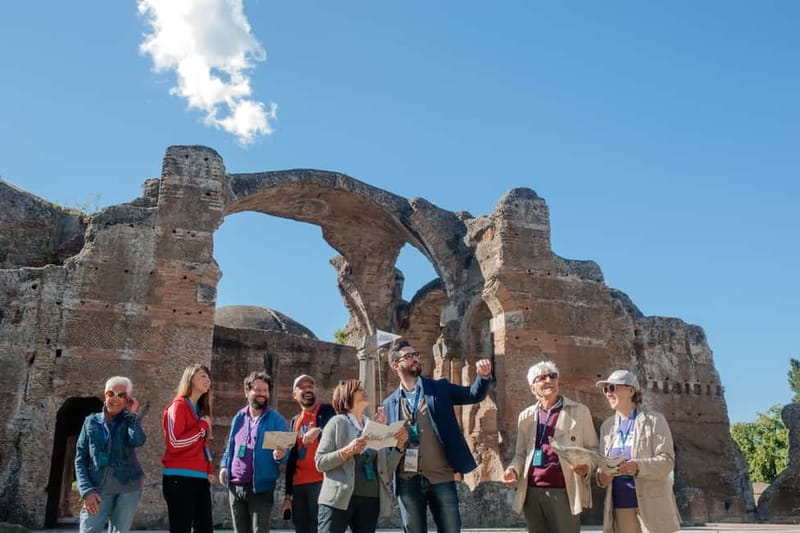
Hadrian’s Villa is not a single house in the usual sense. It is a vast imperial complex built in the second century by Emperor Hadrian, with palaces, temples, theaters, baths, pools, and gardens spread across a large area.
That scale is the first thing you need to understand. You are not simply entering a well-preserved building and moving from room to room. You are walking through the remains of an entire royal retreat, built to support court life, ceremony, relaxation, and the emperor’s private interests.
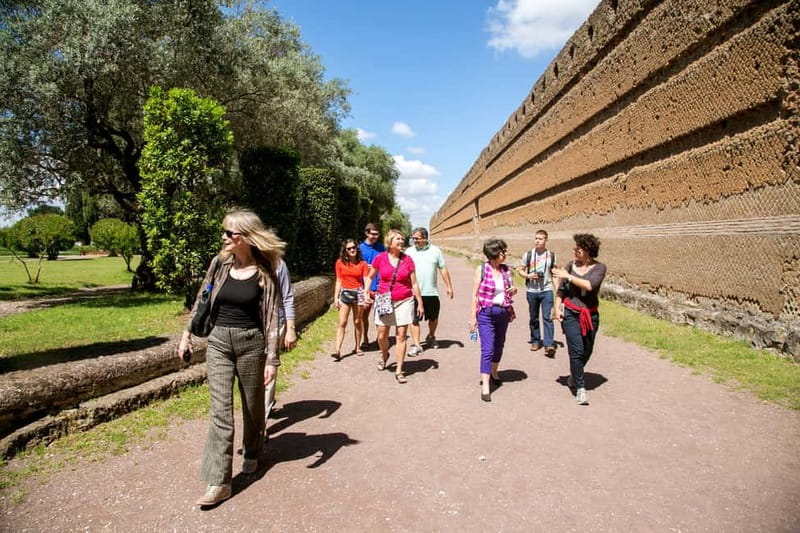
The guided visit lasts about one hour. That is enough to introduce the major areas and explain what you are seeing, but it is not enough to inspect every corner. I recommend staying close to the guide at the start, since the site is broad and the most interesting details can be easy to miss without context.
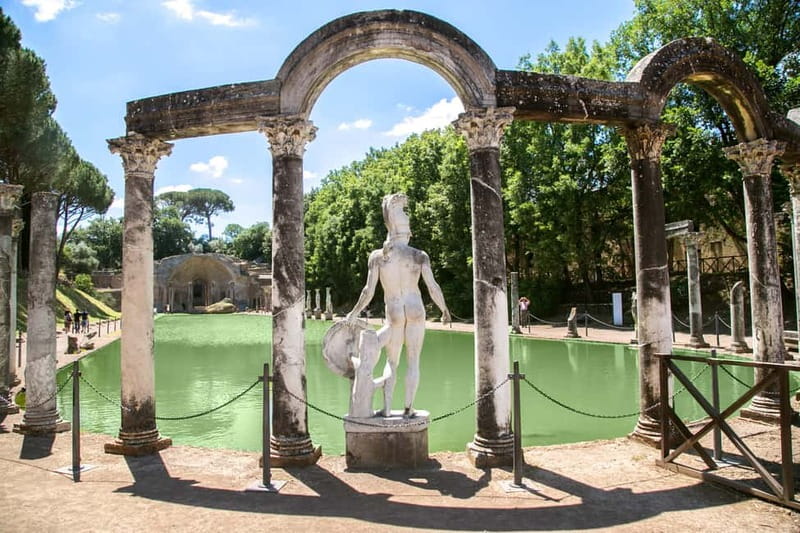
The Canopus and Serapeum are among the most memorable stops. This long pool was decorated with caryatids and columns, and the artificial setting recalled the Egyptian city of Canopus and its temple to Serapis. The combination of water, sculpture, and imperial display gives you a clear picture of how Roman power borrowed ideas from across the empire.
The Maritime Theatre offers a different mood. A small circular structure surrounded by water is thought to have served as a private retreat from the demands of court life. It is a useful reminder that Hadrian’s Villa was not only about public grandeur. The emperor also wanted quiet spaces set apart from official business.
You’ll see traces of Roman engineering throughout the site. Pools, baths, water systems, and carefully planned buildings reveal how much infrastructure was needed to maintain an imperial residence. The ruins are often more impressive in their layout than in their surviving decoration, so listen closely when the guide explains how the pieces once related to one another.
The ground can be uneven, and this is an outdoor visit rather than a museum stop. Wear shoes with a firm sole. The hour goes quickly, especially if you enjoy photography or want time to study the ruins after the explanation.
The lunch break in Tivoli
After Hadrian’s Villa, the group transfers into Tivoli for a break of about 90 minutes. This gives you time to eat before visiting Villa d’Este, and it also lets you see a little of the town rather than spending the entire day at archaeological sites.
Lunch may be added when you book. I would think carefully before choosing that option. The provided meal is described as acceptable, but not a major highlight, and Tivoli has several places where you might prefer to choose your own food.
The benefit of pre-booking lunch is convenience. You do not need to spend part of your break searching for a table or worrying about returning to the group. The downside is less choice and less control over how you use the stop.
If you eat independently, keep an eye on the time. The break is generous enough for a relaxed meal, but it is not an open-ended town visit. The next stop includes stairways and walking, so avoid turning lunch into a long, heavy pause. One useful bit of advice: go easy on alcohol. Villa d’Este has large staircases, and the afternoon is more enjoyable when your legs and balance are cooperating.
Villa d’Este: fountains, frescoes, and grand stairways
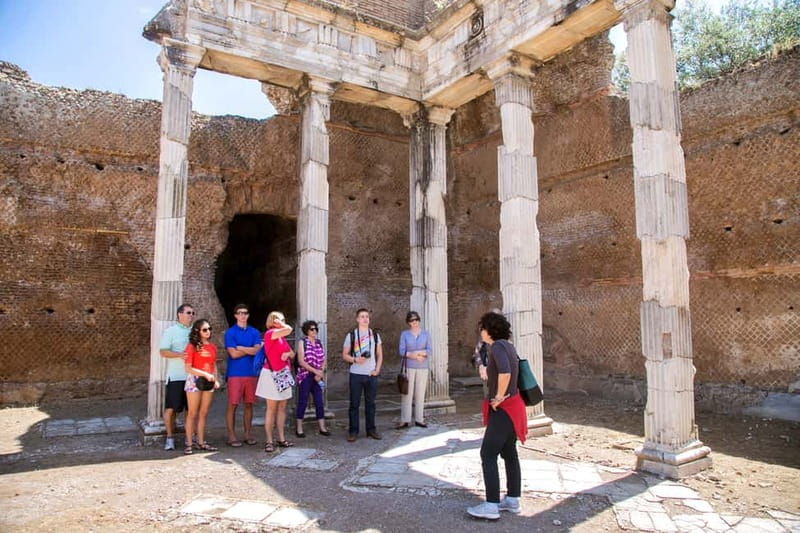
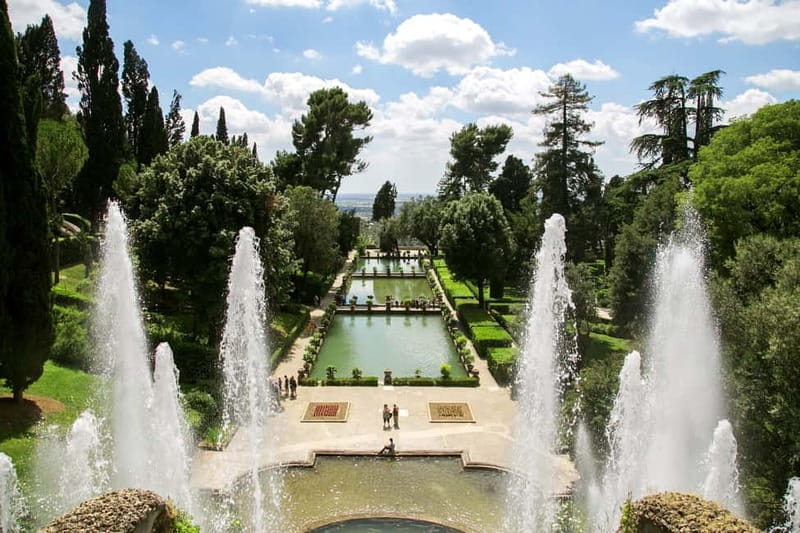
Villa d’Este was created in the late Italian Renaissance and is best known for its gardens. The villa itself contains frescoes, while the grounds unfold through terraces, waterfalls, grottoes, pools, and fountains.
This stop feels completely different from Hadrian’s Villa. At the ancient site, you are piecing together the remains of Roman power. At Villa d’Este, the design is more theatrical. Water runs through the garden as decoration, engineering, and sound. Every level offers another view across the grounds.
The tour includes about one hour with a guide. That introduction is valuable because the gardens are large and their design can seem like a series of beautiful objects unless you understand the larger plan. The guide can point out how the terraces, water features, and palace relate to one another.
The history adds a personal layer to the visit. Villa d’Este was once connected with the family of Lucrezia Borgia’s son, and the property reflects the taste of a powerful Renaissance court. You are looking at a residence designed not simply for living, but for display, ceremony, and controlled pleasure.
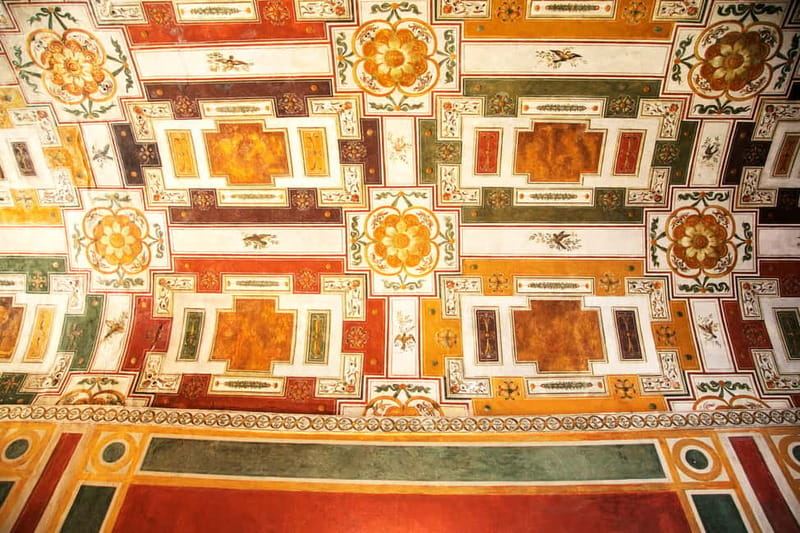
The fountains are the obvious stars, but do not rush past the interior frescoes. The villa’s rooms help explain who commissioned the property and how the garden fit into the wider idea of status. The artificial grotto and pool are also worth attention. They show how Renaissance designers used nature as something to be shaped, framed, and staged.
Expect stairs. The gardens drop down across several terraces, and returning to the upper areas takes effort. The tour is not suitable for wheelchair users, and anyone with limited mobility should consider this carefully before booking. Pets and large bags are not allowed, so pack lightly.
Same base, a different kind of day:
- Vatican Museums, Sistine Chapel & St Peter’s Basilica Guided Tour
★ 4.5 · 39,149 reviews - Rome: Colosseum, Palatine Hill and Roman Forum Guided Tour
★ 4.8 · 32,814 reviews - Rome: Guided Tour of Colosseum, Roman Forum & Palatine Hill
★ 4.7 · 27,897 reviews - Rome: Colosseum & Forum with Audio Guide App -Optional Arena
★ 4.2 · 24,770 reviews
How the guiding affects the day
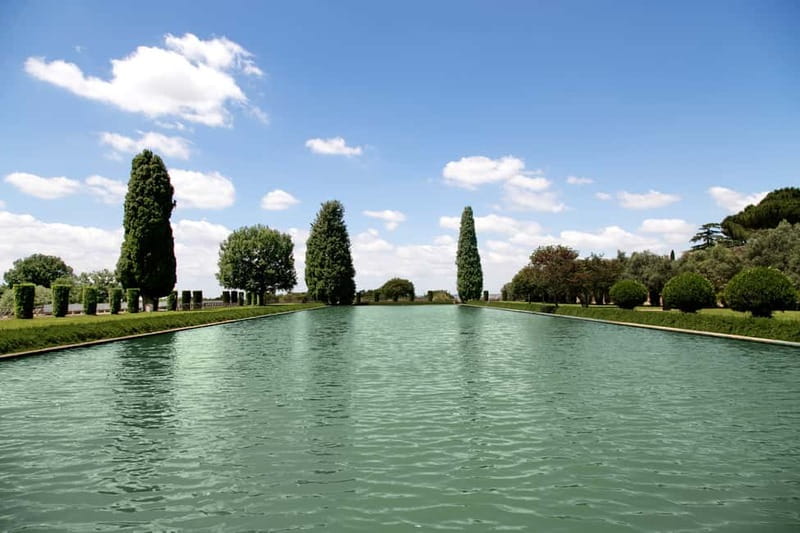
This experience works best with a guide who can connect scattered ruins and elaborate gardens into a clear story. The villas are visually impressive, but without explanation you may miss why a pool, column, or small circular building mattered.
Marcia has been especially well regarded for her friendly manner, smooth handling of the group, and detailed explanations. She is also described as attentive to individual needs, which matters on a day involving uneven ground, heat, stairs, and several changes of location. Another guide might lead your departure, but English and Italian are the listed tour languages.
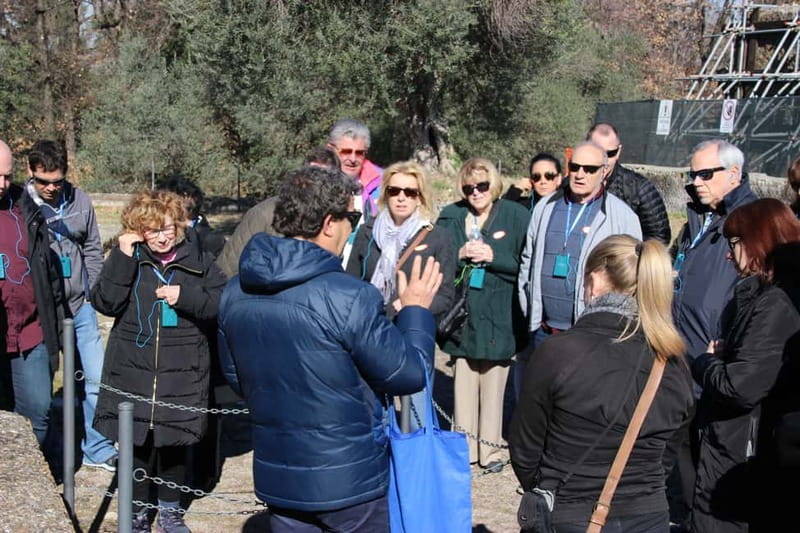
Headsets are included. That may sound minor, but it is useful at outdoor sites where the group spreads out. You can hear the explanation without pressing against everyone else or missing the guide while taking a photograph.
The tour may be offered as a private experience or in a small group. A group of around 14 people is a comfortable size for this route. Smaller groups usually make it easier to ask questions and keep a steady pace, though the exact group size depends on the option you choose.
The strongest guides allow some free time at each location after explaining the main points. That balance matters. You want the history, but you also want a few quiet minutes to look at the fountains or ruins without listening continuously.
Is the $77 price good value?
At about $77 per person, the tour is reasonably priced if you want a guided visit to both villas and do not want to arrange transport yourself. Admission fees, bus transfers, headsets, and a guide are included. That removes several separate expenses and saves you the trouble of coordinating two major sites outside Rome.
The value is strongest for first-time visitors to Tivoli and for anyone who has already spent several days in Rome’s center. You get two major cultural sites in one outing, with a guide to supply context and a planned route between them.
The value is less clear if you prefer slow visits. Each villa receives roughly an hour of guided attention, and both sites deserve more time than that. You will see the principal highlights, but an independent visitor with a full day at each location could explore at a more relaxed pace.
Lunch is the main optional extra to consider carefully. Adding it may simplify the day, but it does not necessarily provide the best meal in Tivoli. I would choose the lunch option for convenience, not for culinary excitement.
Free cancellation up to 24 hours before departure and the ability to reserve now and pay later add flexibility. Those policies are useful if your Rome schedule is still shifting, but confirm the exact meeting point and option details before you finalize the booking.
Who will enjoy this Tivoli tour most?

I would recommend this trip to you if you want to see beyond Rome’s central monuments but do not want to spend your holiday working out regional transport. It suits history fans, garden lovers, first-time visitors to Tivoli, and people who prefer a clear structure to the day.
It is also a good choice for anyone who likes contrast. Hadrian’s Villa is about imperial scale, engineering, and ancient leisure. Villa d’Este is about Renaissance design, water, gardens, and visual drama. The two stops do not blur together.
You may want a different arrangement if you need step-free access, dislike organized timing, carry large luggage, or want several hours for quiet photography. The tour does not allow pets or large bags, and the stairways at Villa d’Este require reasonable mobility.
Families and older visitors should think about the walking pace. The guide can help the group, but the itinerary still involves outdoor paths, ruins, stairs, and a full transfer schedule. Comfortable shoes and water are sensible choices.
Should you book it?
Book this Tivoli day trip if you want the most practical way to combine Hadrian’s Villa and Villa d’Este from Rome. The transport, admission, headsets, and guide make the $77 price fair, especially when you value convenience.
Choose the no-lunch option if you want to select your own meal in Tivoli. Arrive early at the meeting point, confirm the bus before boarding, and keep your bags small. If you accept the limited time at each villa and can manage the stairs, this is a strong addition to a Rome visit.
FAQ
How long does the Tivoli tour last?
The listed duration can vary from 1.5 to 7 hours depending on the option and schedule. The stated route includes about 45 minutes of travel from Rome, one hour at Hadrian’s Villa, 30 minutes between sites, a 1.5-hour break, one hour at Villa d’Este, and about 45 minutes returning to Rome.
What sites does the tour visit?
The tour visits Hadrian’s Villa and Villa d’Este in Tivoli. At Hadrian’s Villa, you see imperial palaces, temples, theaters, baths, pools, the Canopus and Serapeum, and the Maritime Theatre. Villa d’Este is known for its Renaissance villa, gardens, fountains, waterfalls, grottoes, and frescoes.
Is transportation included?
Yes. Bus or coach transportation to and from the villas is included. Hotel pickup and drop-off are not included.
Where does the tour meet in Rome?
The meeting point may vary according to the option booked. One listed location is Via della Inversata 27 in the Castro Pretorio area. Check your booking details for the exact meeting point.
Is lunch included?
Lunch is included only if you select the lunch option. You also have about 1.5 hours for a break in Tivoli, where you can choose to eat independently.
Are admission fees included?
Yes. Admission fees for the two villas are included, along with the guide and headsets.
What languages are available?
The tour is offered with a live guide in English or Italian.
Is the tour suitable for wheelchair users?
No. The activity is listed as unsuitable for wheelchair users. Villa d’Este also includes large staircases and the route involves outdoor walking.
Can I cancel the booking?
You can cancel up to 24 hours in advance for a full refund. The activity also offers a reserve-now-and-pay-later option.
Just added in Rome
- Civitavecchia Private Transfer: From the Port to Rome Airport★ 5.0 · 309 reviews
- Civitavecchia Shore Excursion: Best of Rome Private Tour★ 5.0 · 247 reviews
- Civitavecchia Private Transfer from ship to FCO airport or Rome★ 5.0 · 245 reviews
- Food Tasty and History Tour in Civitavecchia★ 5.0 · 256 reviews
- Palatine Hill and Roman Forum Tour with Fast-Track Entrance★ 4.2 · 417 reviews
- Tivoli: Villa D’Este & Villa Adriana Pass & App Audioguide★ 4.4 · 364 reviews
- Tivoli: Villa D’Este Entry Ticket and App Audio Guide★ 4.3 · 191 reviews
- Vatican Museums & Sistine Chapel Skip-the-Line Guided Tour★ 4.6 · 254 reviews
Tours in Rome, compared.
Vatican: Museums & Sistine Chapel Entrance Ticket
Read our review →
Vatican Museums & Sistine Chapel Tour with Optional Basilica
Read our review →
Colosseum, Roman Forum & Palatine Guided Tour
Read our review →
Vatican Museums, Sistine Chapel & St Peter’s Basilica Guided Tour
Read our review →
Colosseum & Forum with Audio Guide App -Optional Arena
Read our review →
Pantheon Fast-Track Ticket and Official Audio Guide
Read our review →
City Sightseeing Hop-on Hop-off Bus with Audioguide
Read our review →