
Reviewed · WALKING TOURS
Alternative Walking Tour of Rome’s City Center & Hidden Gems
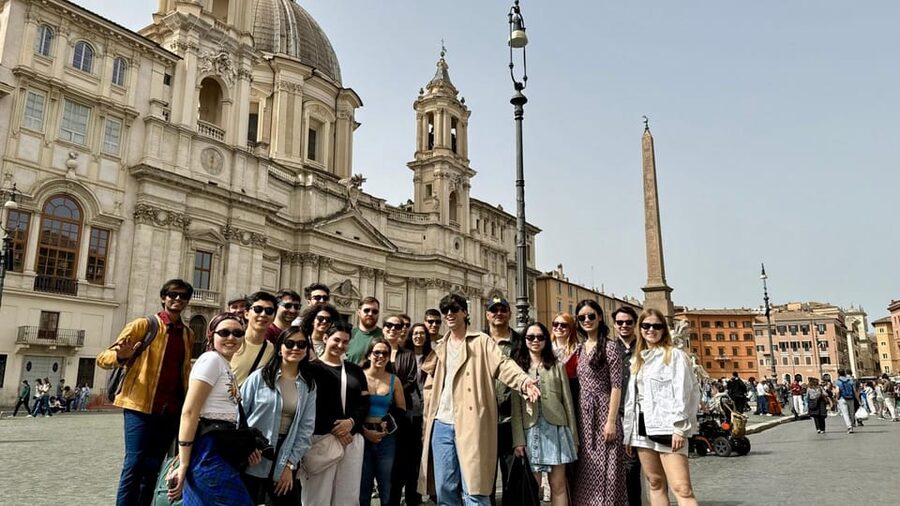
Rome’s famous center becomes much more interesting when you connect its monuments to the families, popes, artists, criminals, and political schemers who shaped them. This walk does that well, moving from Trajan’s Column to Piazza Navona while adding lesser-known churches and secret stops to the usual postcard sights.
I like the sharp focus on power and personality, and I like that guides such as Simone, Jacopo, and Iris make room for questions instead of simply reciting dates. The main consideration is the pay-what-you-want system: the advertised booking price is only a small reservation charge, and you are expected to tip the guide, usually between €10 and $50.
Key points at a glance
- Roman power told through people: Learn how emperors, popes, and major Roman families influenced the streets and buildings around you.
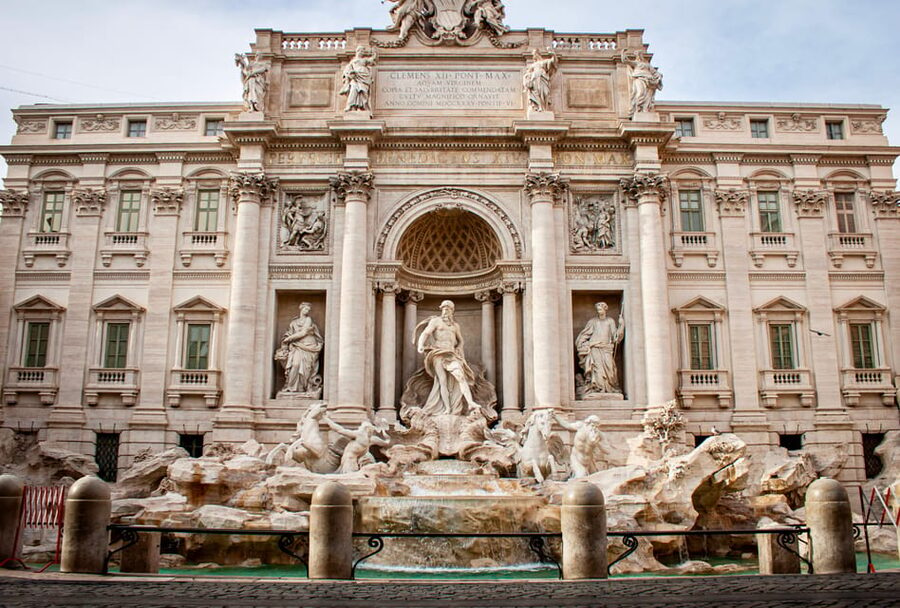
- Famous sights with a different angle: Trevi Fountain, the Pantheon, and Piazza Navona come with stories of propaganda, scandal, rivalry, and ambition.
- Strong guide-led storytelling: Simone, Jacopo, Iris, and other guides are praised for clear explanations, humor, energy, and their willingness to answer questions.
- A useful first walk in Rome: The route gives you a broad introduction to central Rome without entering the Colosseum or Vatican Museums.
- A tip-based price: The low booking cost does not represent the full expected payment, so budget for a tip at the end.
- A steady 2.5-hour route: You walk between central sights, with stops inside churches and time for photographs.
Rome’s power brokers are the real subject
This is not simply a march from one famous fountain to the next. The guide uses the streets of central Rome to explain how the city was shaped by competing families, church leaders, artists, emperors, and invaders.
That approach gives the tour a useful thread. At Trajan’s Column, you are not only looking at an ancient monument. You are also thinking about how rulers used public art to display military success and political authority. At churches and fountains, the subject shifts to papal influence, family ambition, artistic rivalry, and the use of architecture as public messaging.
I particularly like this angle if you have already seen Rome’s major sights and want more context. A first-time visitor can use the walk to understand the city, while a returning visitor may find a new reason to look up at a building or read an inscription.
The tone is lively rather than solemn. Expect stories involving corruption, murder, betrayal, crime, war, and family rivalry, along with dark humor and jokes that may be politically incorrect. That will suit you if you prefer history with personality. It may not suit you if you want a quiet, formal lecture or a strictly academic presentation.
Other walks around Rome:
- Rome: Trastevere & Campo de Fiori Street Food Walking Tour
★ 4.9 · 2,768 reviews - Rome: Paranormal Night Walking Tour & Secret Backstreets
★ 4.9 · 1,921 reviews - Rome by Night Walking Tour – Legends & Criminal Stories
★ 4.5 · 1,003 reviews
Starting beside Trajan’s Column
The meeting point is on the steps of Chiesa del Santissimo Nome di Maria al Foro Traiano, beside Trajan’s Column and Trajan’s Forum. Look for the guide holding a sign with the tour name.
This is a sensible place to begin. You are already in an area where ancient Rome, later government buildings, and modern city traffic sit close together. The opening stop helps set up the tour’s main idea: Rome is not one period of history, but many layers built over one another.
The planned visit to Trajan’s Column lasts about 15 minutes. That is enough time for an explanation, photographs, and a close look at the carved scenes on the column. Do not expect a full archaeological tour of Trajan’s Forum. The value here is the story and the wider setting.
From there, the group makes a short stop at Piazza Venezia. The listed time is about five minutes, so think of this as a viewing and orientation point rather than a long visit. It helps you place the ancient forum area within the modern city center.
The secret stop and monastery visit
The itinerary includes a short secret stop, followed by about 25 minutes at a monastery. The exact details of the secret location may vary with the guide or the day, and that uncertainty is part of the appeal. You are not simply following a standard route of Rome’s largest attractions.
The monastery visit is one of the places where this tour can move beyond ordinary sightseeing. You may hear about church power, art, religious practice, or the people connected with the building. One particularly useful feature of this experience is the chance to see places that can be missed when you walk directly between the Trevi Fountain and the Pantheon.
One guide was even able to persuade a priest to let the group see an area not normally open to the public. That kind of access cannot be promised, so you should treat it as a possible bonus rather than a guaranteed part of every departure.
The walk is also a chance to ask questions. Several guides are described as encouraging conversation, and one group even had no other participants, creating a private-feeling experience. Group size is not stated in advance, so do not book expecting a private tour, but smaller departures can happen.
Trevi Fountain with stories behind the marble
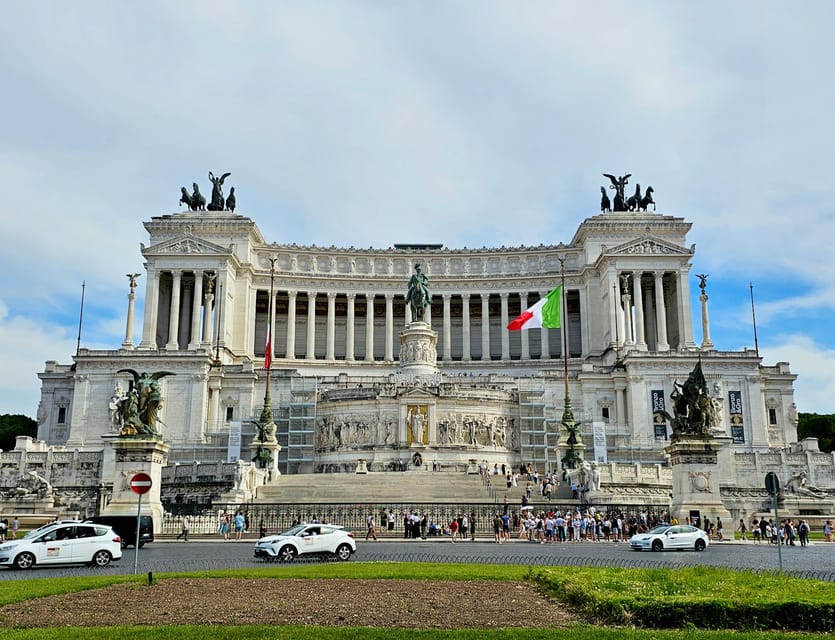
The Trevi Fountain gets around 15 minutes, including a break, photographs, guided commentary, and free time. That is a practical amount of time for a busy public space.
You will see the fountain, but the guide’s job is to explain why fountains matter in Rome. They are not just decoration or places for photographs. They have long been tied to water supply, public display, religious symbolism, and the desire of powerful patrons to leave their mark on the city.
The timing also matters. Trevi is often crowded, so a short, focused stop keeps the group from getting stuck. You will have time to look, listen, and take pictures, but this is not an invitation to linger for an hour at the basin.
If you want a long break for coffee or a relaxed fountain photo session, you may find the schedule too tight. If you want a clear explanation and then prefer to continue walking, the arrangement works well.
A few more things to do in Rome
- Rome: City Sightseeing Hop-on Hop-off Bus with Audioguide
★ 4.0 · 16,045 reviews - City Sightseeing Rome Hop-On Hop-Off Bus Tour
★ 3.5 · 5,446 reviews - Rome: Fettuccine Pasta Cooking Class in Rome’s City Center
★ 4.8 · 2,414 reviews - Vatican City: Vatican Museums & Sistine Chapel Entry Ticket
★ 4.3 · 2,185 reviews
Sant’Ignazio and the art of surprise
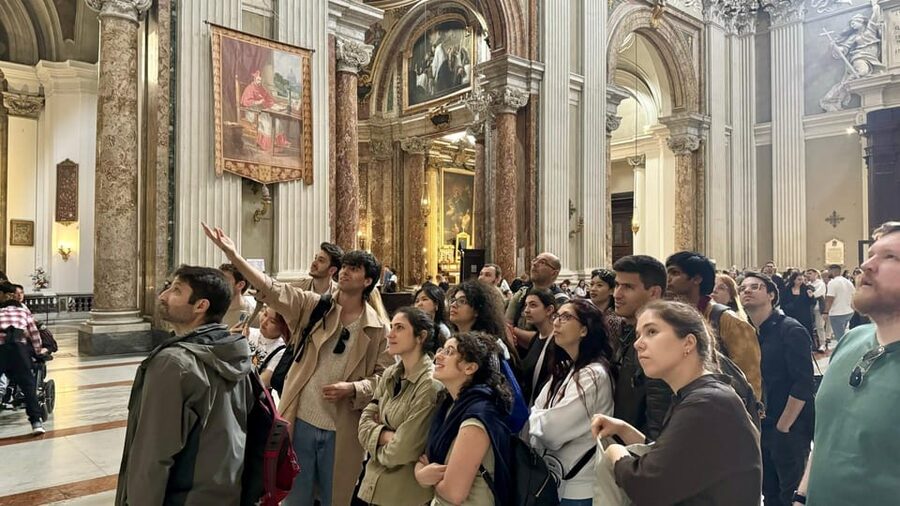
The Church of Sant’Ignazio di Loyola receives about 10 minutes. This is one of the most rewarding stops on the route because its interior offers a strong lesson in how art can alter your sense of space.
The church is known for its striking ceiling fresco, and the guide may explain the visual tricks and religious message behind it. You do not need to be an art specialist to enjoy this stop. A good explanation changes the way you look upward, and it also helps you understand why Rome’s churches are such a major part of the city experience.
The tour also addresses a basic question many visitors have: why does Rome have so many churches? The answer connects religion, politics, family patronage, art, neighborhood life, and the long role of the papacy.
Ten minutes is brief, but that is useful when the route has several stops. You get an introduction and a reason to return later if the church interests you. If you prefer long interior visits, plan to come back on your own.
The Pantheon in a five-minute stop
The Pantheon is listed for about five minutes. That may seem short, especially if you want to study the interior, but it reflects the tour’s purpose. This is a city walk, not a full guided visit to every monument.
The guide connects the Pantheon to the larger story of Rome’s changing identity. Ancient building methods, later religious use, inscriptions, and the survival of old structures all fit the theme of a city that repeatedly reuses its past.
The short timing is also a warning. You may not have enough time for an extensive look inside, a long queue, or a quiet architectural study. Check the schedule and any current entry conditions before you go, since the supplied details do not promise a full interior visit or reserved admission.
Still, the Pantheon works well as part of the route. You are not seeing it in isolation. You have already heard about emperors, churches, families, and public power, so the building becomes another piece of the larger Roman story.
Finishing at Piazza Navona
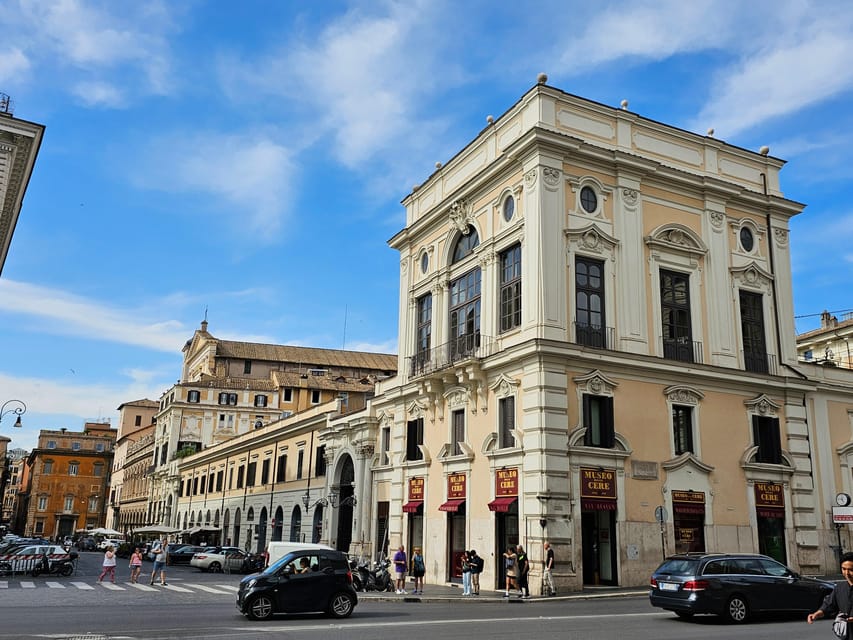
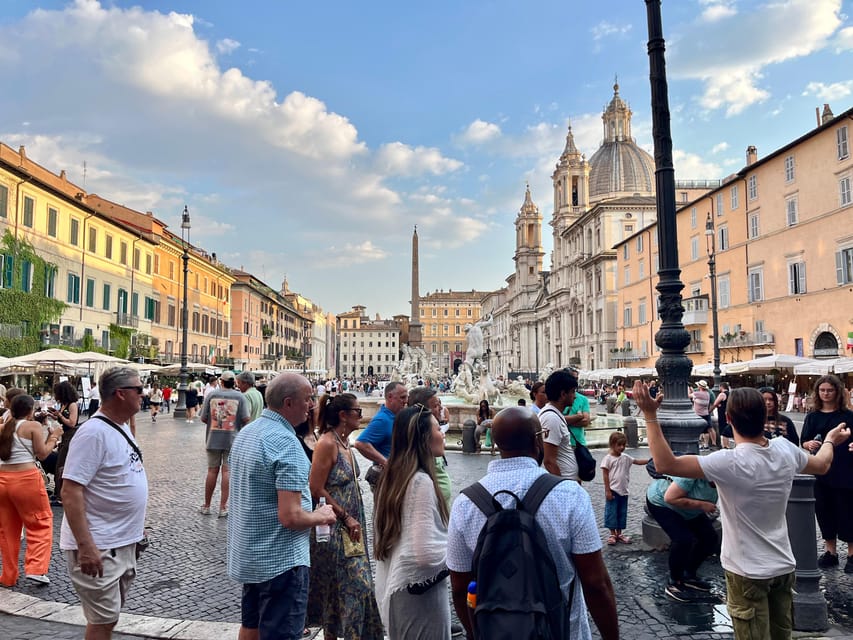
The tour ends at Piazza Navona after roughly 15 minutes there. This is a good final stop because the square brings several themes together: public spectacle, fountains, church authority, art, and competition between powerful patrons.
You can expect discussion of the square’s architecture and the stories tied to its fountains and surrounding buildings. The guide’s wider explanation of Roman fountains gives this stop more meaning than a quick photograph would provide.
Ending here is convenient. Piazza Navona is central and surrounded by places to eat, continue sightseeing, or simply sit and watch the city. Guides may also offer suggestions for other places to visit, and one guide gave a useful list of recommendations at the end.
The route does not include the Colosseum, Roman Forum, or Vatican Museums. That is not a flaw, but it matters when you compare tours. This experience is strongest as a central-Rome orientation walk, not as a complete overview of every major Roman attraction.
What the guides add to the walk
The guide is the main reason to book this experience. Simone is repeatedly described as energetic, funny, clear, and deeply familiar with Roman political and architectural history. He has also been praised for reading Latin and Ancient Greek, which lets him explain old marble inscriptions in a more direct way.
Jacopo, also referred to as Jacob in some accounts, is noted for his strong knowledge of ancient Rome and its family histories. He is also described as patient, easy to understand, and good at adjusting the pace to the group.
Iris receives praise for combining information with humor and animation. Other guides named in the feedback include Simon, Simona, and Irene. Since you may not be able to choose a guide when booking, treat the individual names as examples of the guiding style rather than a promise of who will lead your departure.
A useful detail is that the tour generally does not use headphones. That means you can speak directly with the guide and ask questions. The tradeoff is that you need to stay reasonably close, especially in noisy streets or crowded squares.
Is the $3.77 booking price a real bargain?
The listed price is $3.77 per person, but this is a tip-based walk. The guides work for tips, and the stated usual contribution is between €10 and $50 at the end.
That makes the value question more honest than simply calling it cheap. If you give €10, your total remains low for a 2.5-hour guided walk. If you give substantially more because the storytelling and access were excellent, the final cost becomes closer to a standard paid tour.
The advantage is flexibility. You can judge the experience yourself and pay according to what you think it was worth. The drawback is that some people find tip-based pricing unclear or uncomfortable, especially when the expected range is broad.
I would budget the tip before booking. Think of the $3.77 as the reservation cost, not the final cost of the activity.
The booking terms are practical. You can cancel up to 24 hours before the start for a full refund, and you can reserve now and pay later. The tour lasts 2.5 hours, with starting times depending on availability.
Who will enjoy this Rome walking tour?
I would choose this tour if you want the major center sights explained through people and power rather than dates alone. It is especially useful during your first days in Rome because it gives you a map of the city and a list of places to explore afterward.
It also suits repeat visitors. One person who had already seen Rome’s main attractions used the walk to find new places and collect ideas for a future visit. The route gives you familiar landmarks, but the family stories, church details, political connections, and lesser-known stops change the emphasis.
You should be comfortable walking for 2.5 hours and standing during explanations. The supplied details do not give a distance, accessibility information, or a firm group size, so ask the operator directly if you have mobility concerns or need a slower pace.
This is a good choice for adults and older children who enjoy stories about rivalry, scandal, and politics. The dark humor may not be right for every family or every group, and the short visits may disappoint anyone hoping for extended time inside each monument.
Should you book it?
Book this walk if you want Rome to make more sense, not just look impressive. The combination of Trajan’s Column, Trevi Fountain, Sant’Ignazio, the Pantheon, Piazza Navona, and less obvious stops gives you a strong central-city introduction.
The best reason to go is the guiding. Simone, Jacopo, Iris, and the other named guides are praised for clear English, energy, humor, and answers that go beyond a memorized script. The main caution is the tip system and the brief time at certain monuments.
I would book it early in a Rome visit, then use the guide’s suggestions to plan the next few days. If you want a full archaeological tour, guaranteed private access, or long visits inside each landmark, choose a more specialized paid tour instead.
FAQ
How long does the walking tour last?
The tour lasts 2.5 hours.
Where does the tour begin?
It begins on the steps of Chiesa del Santissimo Nome di Maria al Foro Traiano, beside Trajan’s Column and Trajan’s Forum. The guide holds a sign with the tour name.
Where does the tour finish?
The tour finishes at Piazza Navona.
Which languages are available?
The live tour guide service is available in English and Spanish.
Is the tour really free?
It is a tip-based tour. The listed booking price is $3.77 per person, and you are expected to give the guide a tip at the end. The stated usual tip is between €10 and $50.
What happens if I need to cancel?
You can cancel up to 24 hours in advance for a full refund. You can also reserve your place and pay later.
Just added in Rome
- Civitavecchia Private Transfer: From the Port to Rome Airport★ 5.0 · 309 reviews
- Civitavecchia Shore Excursion: Best of Rome Private Tour★ 5.0 · 247 reviews
- Civitavecchia Private Transfer from ship to FCO airport or Rome★ 5.0 · 245 reviews
- Food Tasty and History Tour in Civitavecchia★ 5.0 · 256 reviews
- Palatine Hill and Roman Forum Tour with Fast-Track Entrance★ 4.2 · 417 reviews
- Tivoli: Villa D’Este & Villa Adriana Pass & App Audioguide★ 4.4 · 364 reviews
- Tivoli: Villa D’Este Entry Ticket and App Audio Guide★ 4.3 · 191 reviews
- Vatican Museums & Sistine Chapel Skip-the-Line Guided Tour★ 4.6 · 254 reviews
Walking Tours, compared.

Guided Walking Tour & Last Supper Visit with Ticket
Read our review →
Rialto Bridge & Offbeat Unusual Venice Walking Tour
Read our review →
Private 3 hrs Venice Tour: St Mark’s, Walking tour & Boat tour
Read our review →
Skip the line: Uffizi and Accademia Small Group Walking Tour
Read our review →Browse the lists this tour appears in