
Reviewed · COOKING CLASSES
Siena: Pasta and Tiramisu Cooking Class with Wine
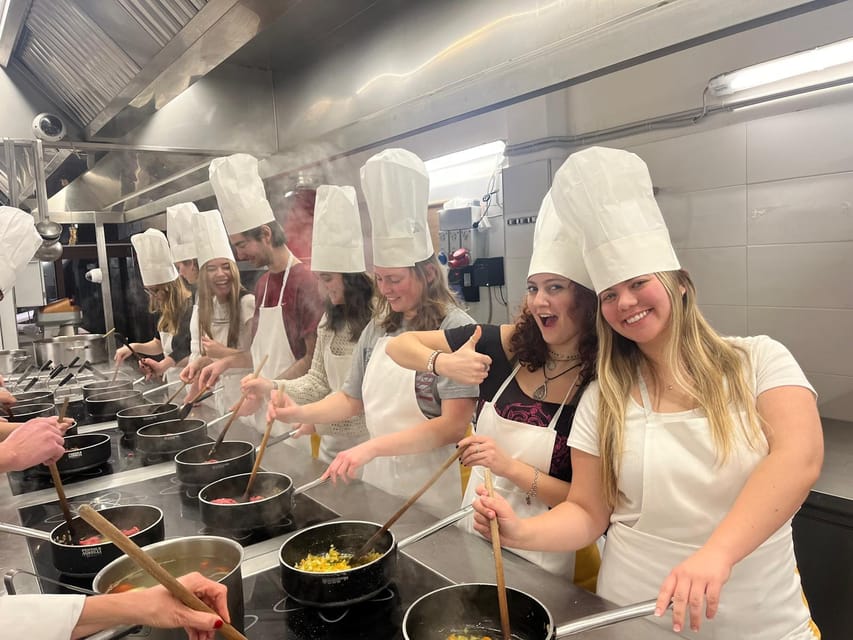
The best part of this Siena cooking class is that you do not simply watch a chef toss pasta in a pan. You make three kinds of dough yourself, then sit down to eat the results with wine. I like the hands-on work with egg pasta, pici, and gnocchi, and I like the easy social setup, where a group of about 12 can cook together and share a meal afterward. The main catch is that you make the pasta, while the restaurant prepares the sauces, and tiramisu may be demonstrated more than fully made by each participant.
I also like the welcome Prosecco and the sensible three-hour length. Guides including Dennis and Natalia are praised for clear English, patience, and humor. The class is a good rainy-day or hot-afternoon choice in Siena, but anyone with serious allergies, gluten intolerance, or lactose intolerance should think carefully because substitutes may be offered without any promise of avoiding cross-contamination.
Key points at a glance
- Three pasta doughs in one class: Learn traditional egg pasta, egg-free pici, and potato-based gnocchi.
- A proper meal follows: Eat the pasta and tiramisu you prepared, with a glass of red or white wine.
- Friendly English instruction: Guides such as Dennis and Natalia explain the dough by texture and stay nearby to help.
- A social Siena evening: Groups cook and dine together, making this a good choice if you are traveling alone.
- Useful for different skill levels: The work is basic enough for beginners, yet practical enough to repeat at home.
- Allow three hours: The time includes the welcome drink, cooking, dessert preparation, and seated meal.
Starting with Prosecco at Trattoria Fonte Giusta
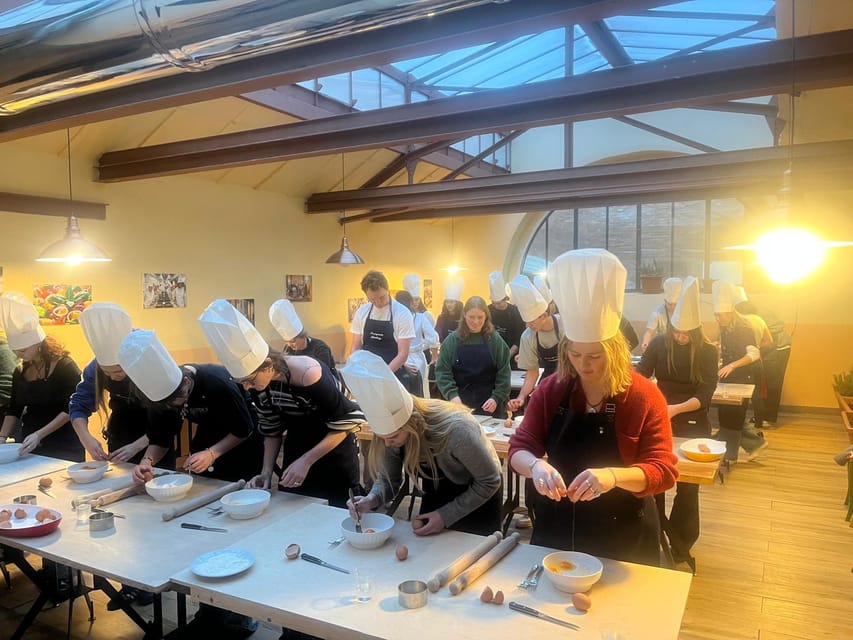
You meet inside Trattoria Fonte Giusta in Siena. There is no hotel pickup, so plan to reach the restaurant on your own and allow a little time to find the entrance. The class begins with a glass of Prosecco, a small but welcome touch that gets the room talking before anyone starts measuring flour.
This is held in a working restaurant rather than a private villa or countryside farmhouse. That gives the class a useful sense of place. You are learning Italian food in a restaurant that serves meals, with the dining room close by for the final course. It is less of a staged show and more of a practical restaurant-based lesson.
After washing your hands and putting on an apron, you move to a workstation. Equipment and aprons are included, so you do not need to bring cooking tools. The English-speaking chef explains the steps, then walks around to check each person’s dough. That personal attention matters more than a long speech. Pasta dough can look simple on paper, but the feel changes with moisture, flour, and pressure.
The group size appears to be around a dozen people in many sessions. Each group has its own work area and pace, even when several groups are cooking at the same time. That arrangement helps keep the class organized, though it also means this is a group activity, not a private lesson.
Other classes where you do the cooking in Siena:
- Florence: Pasta Cooking Class with Unlimited Wine
★ 4.9 · 10,285 reviews - 3 in 1 Cooking Class near Navona: Fettuccine, Ravioli & Tiramisu
★ 5.0 · 7,376 reviews - Florence Pizza or Pasta Class with Gelato Making at a Tuscan Farm
★ 5.0 · 6,801 reviews
Making egg pasta, pici, and gnocchi
The pasta portion is the real heart of the experience. You work through three different dough styles, each showing a different side of central Italian cooking.
First comes traditional pasta dough with eggs. This is the familiar foundation for noodles such as tagliatelle and filled pasta such as ravioli. You learn to combine the ingredients, knead the dough, and judge when it has the right consistency. The chef does not just tell you to follow a clock. You are shown what the dough should feel and look like when it is ready.
That is useful knowledge to take home. A recipe can tell you how much flour to use, but your kitchen may have different humidity, your eggs may vary in size, and your hands may work the dough differently. Learning to recognize the texture gives you a better chance of making fresh pasta again.
The class also covers pasta without eggs for pici, a thick, rustic noodle closely linked with Tuscany. Pici is less delicate than fine egg noodles and has a pleasingly simple character. You work with the dough and shape the pasta by hand, learning why this style does not need the same ingredients as traditional fresh pasta.
Finally, you learn potato-based gnocchi. This dough behaves differently from both egg pasta and pici. It needs care because too much handling or flour can make the finished dumplings heavy. The class gives you a quick lesson in how ingredients change the way you work, rather than treating all pasta as one basic recipe.
Some sessions also produce tagliatelle and ravioli, depending on the day’s format and the chef’s demonstration. The exact shapes may vary, so do not book this expecting a single fixed menu of pasta cuts. The consistent promise is three types of pasta dough, with the class focused on technique rather than fancy presentation.
You should also know what you are not doing. The restaurant prepares the sauces served with the meal. That is not a flaw, since making three doughs already fills the cooking portion, but it does limit the lesson. If your main goal is to learn ragù, tomato sauce, or a full pasta plate from start to finish, this class will not cover every component.
The tiramisu lesson and the short rest
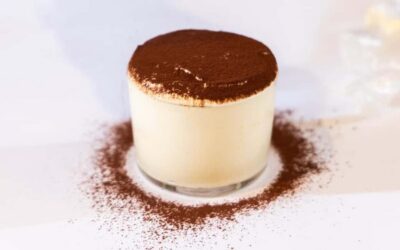
Once the pasta work is done, the pace changes. You take a seat while the chef explains how to make the cream for tiramisu and demonstrates the mixing technique. Depending on the session, you may assemble your own portion, but the dessert section is not as hands-on as the pasta work.
That distinction is worth keeping in mind. The class is best described as a pasta-making lesson with a tiramisu component, not a full pastry workshop. Still, the demonstration gives you the main method: how the cream is mixed, how the ingredients are combined, and how the dessert is put together.
The seated break is practical. Kneading and shaping several kinds of dough takes effort, and the chance to rest your legs keeps the three-hour session from feeling like nonstop kitchen work. You also get time to chat with the people in your group, which is a major part of the evening for many participants.
The social side works particularly well for solo visitors. You may arrive knowing no one, then find yourself sitting with people from several countries over pasta and wine. Couples and families can enjoy the class together, while a solo participant has a natural way to meet others without needing to force conversation.
Children under three are not accepted. One family brought a 12-year-old who enjoyed the activity, but the supplied information does not set a general minimum age beyond excluding children under three. Use your judgment for younger children, since the class involves flour, dough, standing, and following instructions.
Eating your pasta in the restaurant
At the end, you move to the restaurant for lunch or dinner. The kitchen finishes the pasta with sauces, then serves the food to the group. Past sessions have included tomato sauce and meat sauce, with a choice of red or white wine. The exact sauce selection is not guaranteed, but the meal is designed to use the pasta you helped make.
This final meal is more than a reward. It lets you judge the difference between dough you have just worked by hand and dried pasta from a supermarket. It also shows why sauce matters. The restaurant handles the cooking and seasoning, so the meal is a joint effort between your preparation and the professional kitchen.
You receive one glass of wine with the meal, in addition to the Prosecco at the start. The class provides a generous amount of food, and one session even offered a doggy bag for leftovers. Do not count on that every time, but you should not plan another large meal immediately afterward.
The meal can last longer than the formal cooking portion because the group stays at the table to eat and talk. That is part of the value, but it also means the advertised three hours may feel full rather than leisurely. If you have an evening train or a fixed reservation afterward, leave extra time.
Other pasta to make in Siena:
- Florence: Pasta & Tiramisu Cooking Class with Unlimited Wine
★ 4.9 · 6,708 reviews - Florence: Pasta Cooking Class with Unlimited Wine
★ 5.0 · 6,413 reviews - Rome: Pasta & Tiramisu Class with Fine Wine by the Vatican
★ 4.9 · 4,852 reviews - Rome: Pasta Making Class with Wine, Limoncello, and Dessert
★ 4.9 · 3,177 reviews
What the teaching is really like
The strongest feature here is the teaching style. Dennis is often described as lighthearted, patient, and clear, while Natalia is praised for friendly guidance and strong English. Other chefs, including Safe, have also been singled out for kindness and careful instruction.
You should not expect a serious culinary-school lecture. This is a relaxed lesson for ordinary visitors, including people who have never made pasta before. The chef demonstrates, you try the technique, and help comes around the room when needed. That makes the activity suitable for mixed ability levels.
The class also gives you recipes or useful instructions to take home in at least some sessions. That is a worthwhile extra because pasta dough is easy to admire in Italy and harder to repeat at home unless you remember the proportions and method.
The tone can vary with the chef and the group. A lively group may turn the dinner into a long conversation, while a quieter one may focus more on the food. You have less control over that than you would in a private class, but the shared table is part of the appeal.
Dietary needs and who should skip it
The provider says vegetarian, vegan, lactose-free, and other dietary options can be discussed when booking. At the same time, the practical restrictions are more serious than that broad wording suggests. The teaching centers on traditional recipes containing gluten, dairy, and eggs, and substitutes may not follow the full lesson.
There is also no guarantee of a completely separate preparation area. Cross-contamination is possible. The activity information specifically says it is not suitable for vegans, people with food allergies, people with gluten intolerance, or people with lactose intolerance. Take that warning seriously, even if you contact the provider in advance.
For a vegetarian who eats eggs and dairy, this may work well, but you should still state your needs when booking. The class is not suitable for anyone who must avoid even traces of an allergen.
Is $81 a fair price?
At $81 per person, the cost is not cheap for a meal in Siena, but it covers more than dinner. You get the Prosecco, three hours of instruction, ingredients, apron and equipment, the pasta and tiramisu lesson, a full meal, and a glass of wine.
The value depends on what you want from a cooking class. If you only want to eat fresh pasta, you can likely find a less expensive restaurant meal. If you want a private chef, a market visit, detailed sauce instruction, or a small luxury setting, this is not that kind of experience.
I think the price works best for someone who values the combination of food and company. You receive a basic skill you can use at home, a substantial meal, and a chance to meet people from around the world. The class also gives you a useful indoor activity when Siena is too hot or rainy for comfortable sightseeing.
Reserve-and-pay-later booking is available, and cancellation is allowed up to 24 hours before the class for a full refund. Starting times vary, so check the schedule against your dinner plans before booking.
Who will enjoy this Siena cooking class?
I would choose this for a first-time pasta maker, a couple wanting a shared activity, or a solo visitor who likes meeting people at the table. It also suits families with older children who can follow kitchen instructions and stay engaged for several hours.
The class is a good match if you want:
- A practical introduction to fresh pasta
- A meal included after the cooking
- A social group rather than a private setting
- English instruction
- A flexible activity for a rainy or very hot day
- Recipes and techniques you can try at home
I would choose something else if you want to make every part of the meal, including sauces, or if tiramisu is your main interest. The dessert is partly a demonstration, and the sauces come from the restaurant kitchen.
Should you book it?
Book this Siena pasta and tiramisu class if you want a friendly, filling, hands-on introduction to Tuscan cooking. The three doughs give you more variety than a basic tagliatelle lesson, and the final meal makes the experience feel complete.
The best reason to book is the balance: enough instruction to learn something real, enough food to count as dinner, and enough group time to make the evening social. Just keep your expectations exact. You are mainly making pasta, not preparing an entire restaurant menu, and dietary restrictions can be a serious barrier.
FAQ
Where does the cooking class take place?
The class takes place at Trattoria Fonte Giusta in Siena. You should enter the restaurant at the stated meeting point, as hotel pickup and drop-off are not included.
How long does the activity last?
The cooking class lasts three hours. That time includes the Prosecco welcome, pasta and tiramisu preparation, and the lunch or dinner afterward.
What kinds of pasta will I learn to make?
You will learn three kinds of dough: traditional pasta with eggs, egg-free dough for Tuscan pici, and potato-based dough for gnocchi. Some sessions also shape pasta such as tagliatelle or ravioli.
Is food and wine included?
Yes. The class includes the pasta and tiramisu you prepare, a meal in the restaurant, a welcome glass of Prosecco, and one glass of red or white wine with the meal.
Is the class suitable for dietary restrictions?
Dietary needs should be stated when booking. Substitutes may be available, but the instruction focuses on traditional recipes containing gluten, dairy, and eggs, and cross-contamination cannot be ruled out. The activity is not suitable for vegans, people with food allergies, gluten intolerance, or lactose intolerance.
Is the class taught in English?
Yes. The activity includes a live English-speaking guide. Guides such as Dennis and Natalia provide step-by-step instruction during the cooking portion.
More classes and workshops in Siena
- Naples: Pizza-Making Workshop with Drink and Appetizer
★ 4.9 · 5,411 reviews - Cooking Class and Lunch at a Tuscan Farmhouse with Local Market Tour from Florence
★ 5.0 · 4,831 reviews - Authentic Pizza Making Class in Naples with Appetizers and Drink
★ 5.0 · 3,178 reviews - Pastamania – Florence Pasta Making Class
★ 5.0 · 3,050 reviews
Just added in Siena
- From Siena: Pienza and Montepulciano Small-Group Tour★ 4.9 · 220 reviews
- Siena: Educational Wine Tour & Tasting★ 5.0 · 203 reviews
- Discover Siena: Guided Walking Tour and Cathedral Visit★ 4.3 · 314 reviews
- Siena Walking Tour with Cathedral and Crypt & Museum Option★ 4.9 · 380 reviews
- Siena: San Gimignano, Chianti & Montalcino Small-Group Tour★ 4.6 · 195 reviews
- Montepulciano: Winery Tour and Tasting★ 4.6 · 187 reviews
- Montalcino: Guided Winery Tour and Wine Tasting★ 4.8 · 200 reviews
- From Siena: Tuscany Hills Wine Tour★ 4.1 · 323 reviews
Cooking Classes, compared.
3 in 1 Cooking Class near Navona: Fettuccine, Ravioli & Tiramisu
Read our review →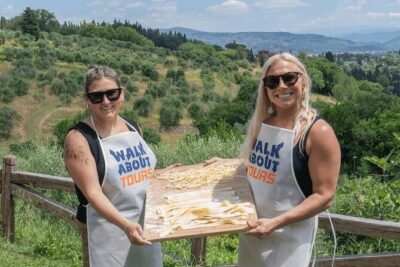
Florence Pizza or Pasta Class with Gelato Making at a Tuscan Farm
Read our review →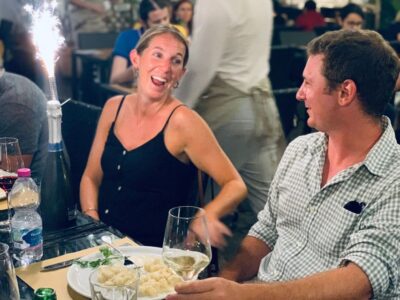
Pasta & Tiramisu Class with Fine Wine by the Vatican
Read our review →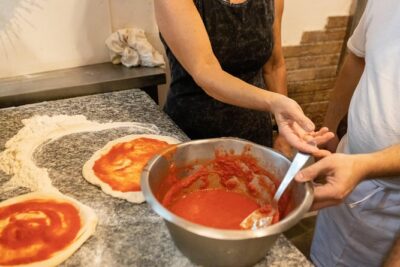
Authentic Pizza Making Class in Naples with Appetizers and Drink
Read our review →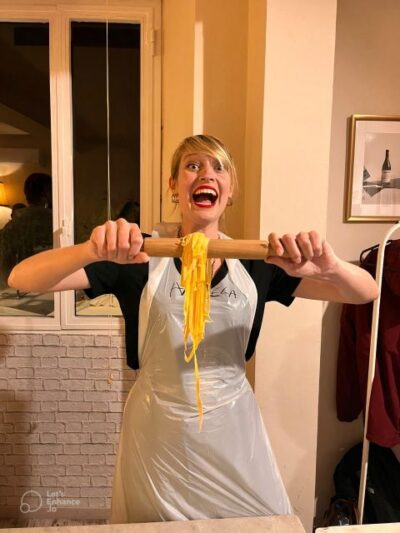
Pasta Making Class with Wine, Limoncello, and Dessert
Read our review →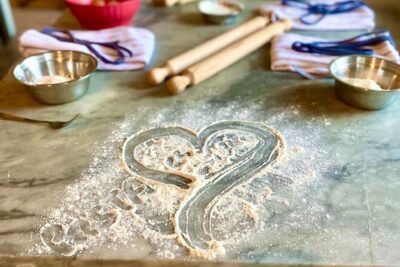
3-in-1 Fettuccine, Ravioli, and Tiramisu Cooking Class
Read our review →Browse the lists this tour appears in