
Reviewed · FOOD TOURS
Rome: Trastevere or Jewish Quarter Street Food Tour
Rome’s best street food often arrives in small, informal bites: a crisp supplì split open to reveal melted cheese, a slice of pizza eaten standing, or a scoop of gelato at the end. This tour lets you sample those staples while walking through Trastevere or the Jewish Quarter, rather than spending your whole afternoon inside one restaurant.
I like the wide range of food, from cured meats and cheese to pizza, supplì, cannoli, and gelato. I also like the way guides such as Ramona, Mattia, Marco, and Francesca mix food with stories about churches, ancient monuments, and neighborhood life.
The main drawback is simple: you eat while standing, and this tour is not suitable for vegans or people with gluten intolerance. Vegetarian options are possible with advance notice, but you should not expect a seated meal or a fully flexible menu.
Key points to know before booking
- Two distinct routes: Pick Trastevere and Tiber Island, or Campo de’ Fiori and the Jewish Quarter.
- Five food tastings: Expect Roman street food, cured meats, pizza, sweets, and gelato, with wine and beer samples.
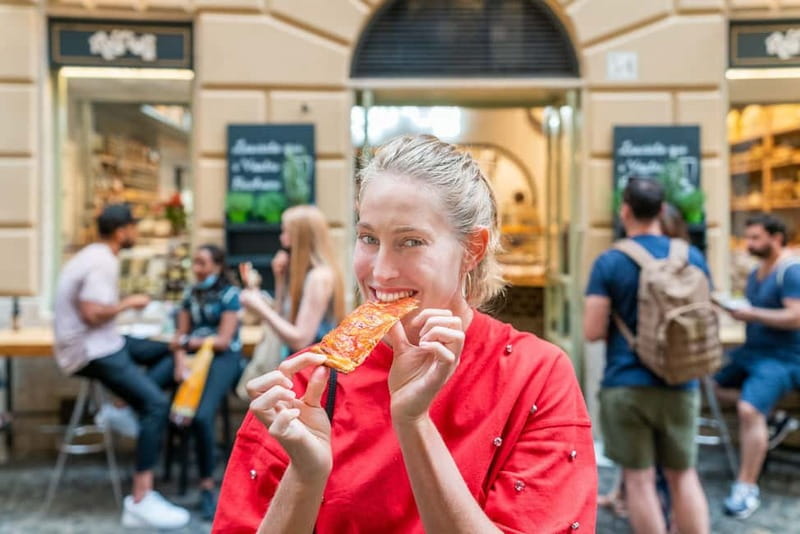
- Supplì is a highlight: This fried rice ball is one of the most useful introductions to everyday Roman food.
- The morning matters: Campo de’ Fiori’s food market is open only during the morning tour.
- History comes between bites: The route includes Santa Maria in Trastevere, Portico of Octavia, the Turtle Fountain, and a pass by the Pantheon.
- Good value at $51: Five tastings plus drinks and a guided neighborhood walk can add up to a full meal.
Why this food walk works well in Rome
Rome is not only a city of grand ruins and famous pasta dishes. It is also a city of quick snacks, bakery counters, market stalls, butcher shops, and small places where locals grab something salty before moving on.
That makes a walking food tour a useful first activity. You get a basic map of Roman eating, learn the names of foods you might otherwise pass by, and find places worth returning to later. Several guides, including Mattia, Marco, and Tiziano, are praised for explaining both the food and the streets around it.
The 2.5-hour length is about right. It gives you time for five tastings and a proper walk without turning the day into an all-afternoon eating contest. You should arrive hungry, since the portions together can amount to a full lunch, or more than one if you snack beforehand.
At $51 per person, the value depends on what you want. If you simply want the cheapest way to eat in Rome, you can buy individual snacks for less. But this price includes an English-speaking guide, five tastings, a sample of wine, a sample of beer, and a neighborhood tour. You are also paying for help choosing good stops and for the local context between them.
More Food Tours in Rome
- Winner 2025 Rome Twilight Trastevere Food Tour by Eating Europe
★ 5.0 · 5,157 reviews - Rome Food Tour: Unlimited Tastings with Fine Wine & Barolo
★ 5.0 · 3,365 reviews - Rome: Trastevere Food tour with Free-Flowing Fine Wine
★ 5.0 · 2,853 reviews
Choosing between Trastevere and the Jewish Quarter
The two options offer different moods, so choose based on the kind of walk you want.
The Trastevere and Tiber Island route begins at Piazza San Bartolomeo All’Isola, on Tiber Island. The island gives you a scenic starting point and places you close to one of Rome’s most atmospheric neighborhoods.
From there, the walk moves through Trastevere’s narrow streets and squares. Piazza di Santa Maria in Trastevere is the main visual anchor, with the Basilica of Santa Maria in Trastevere at its center. The church is one of Rome’s oldest, and its presence gives the food stops a useful sense of place.
This route has a strong food focus. You might taste cheesy supplì, cured meats, pizza, Sicilian cannoli, and gelato, along with other Roman specialties. One particularly useful lesson is learning where to find a good supplì. Mattia’s recommendation was so persuasive that one group returned to the same place the next day for another.
The Trastevere route suits you if you want pretty squares, a social neighborhood feel, and an easy introduction to Roman snacks. It also works well for families and first-time visitors who want food and sightseeing mixed together.
The Jewish Quarter and Campo de’ Fiori route begins at Campo de’ Fiori. This option puts the market first, but only if you book a morning departure. The market is not open during the afternoon, so do not choose a later start expecting the same scene.
Campo de’ Fiori gives the route a more market-centered opening. You may see produce and other food goods, then stop for a tasting and a sample of wine. The market visit is brief, listed at about 20 minutes, so think of it as an introduction rather than a long shopping session.
From there, the walk continues toward Via dei Chiavari and the Jewish Ghetto. You will taste regional street food and learn about the area’s long Jewish and Roman connections. Tiziano is noted for bringing humor and strong local context to this part of the walk, while Denise is praised for making the food and lesser-known stories easy to follow.
This route suits you if you want architecture and neighborhood history alongside food. It also gives you a chance to see parts of central Rome that can be missed when you stick only to the Colosseum, Trevi Fountain, and Pantheon.
Supplì, pizza, and the Roman street-food lesson
Supplì deserves special attention. It is a deep-fried rice ball, usually crisp on the outside and soft inside, often with melted cheese at the center. The dish is practical Roman food: portable, filling, inexpensive, and far more interesting than a generic snack.
If you have never tried one, this tour gives you a low-risk introduction. The tasting is small enough that you can keep walking, but memorable enough to help you recognize supplì on later menus. It is also one of the foods most likely to send you back for another serving.
Pizza is another useful stop. This is not necessarily a long restaurant meal with a whole pie. The point is to sample Roman-style pizza as street food, alongside other small bites. That variety matters because it lets you compare textures and flavors instead of filling up on one large dish.
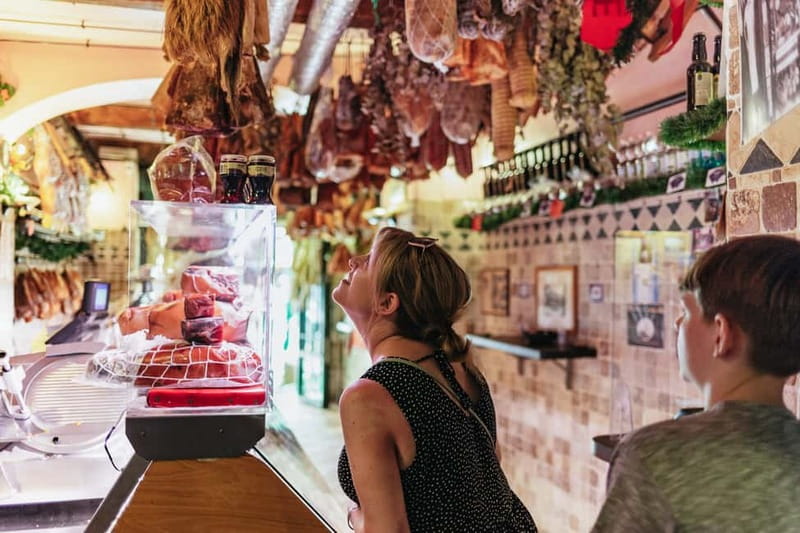
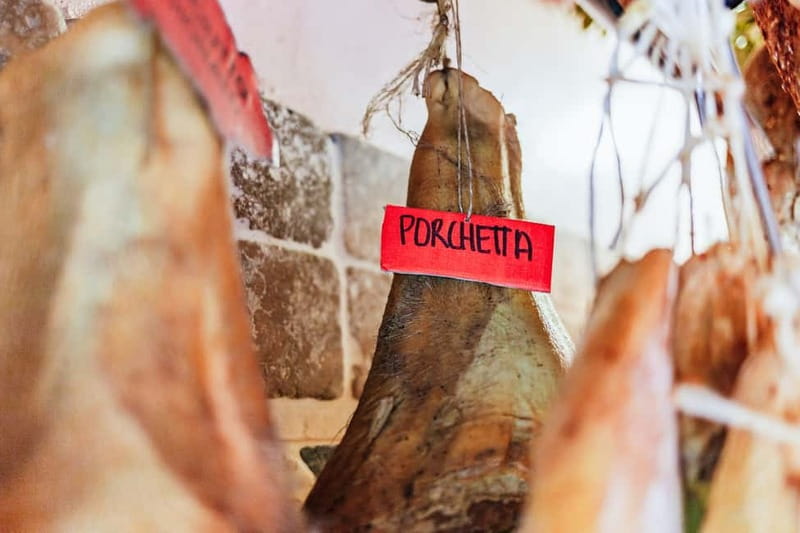
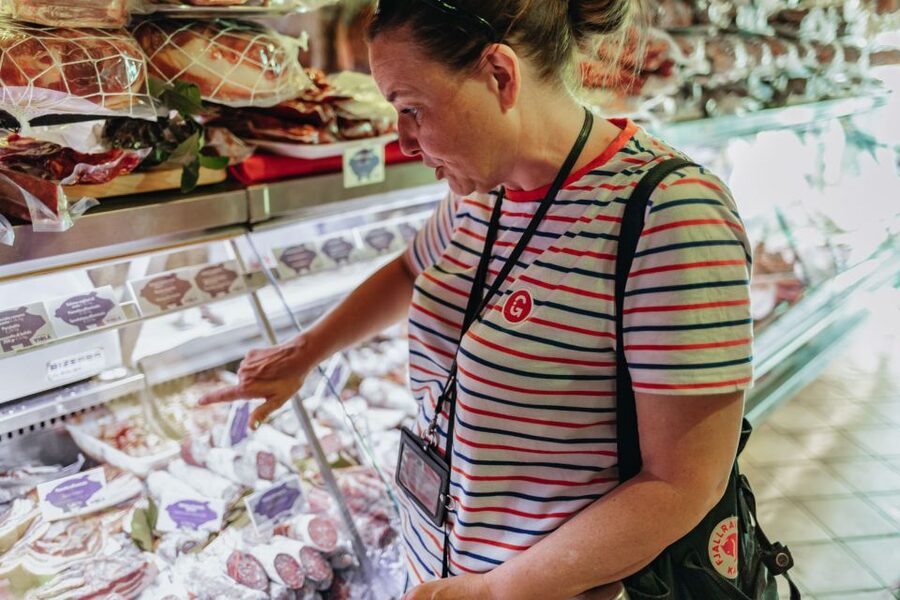
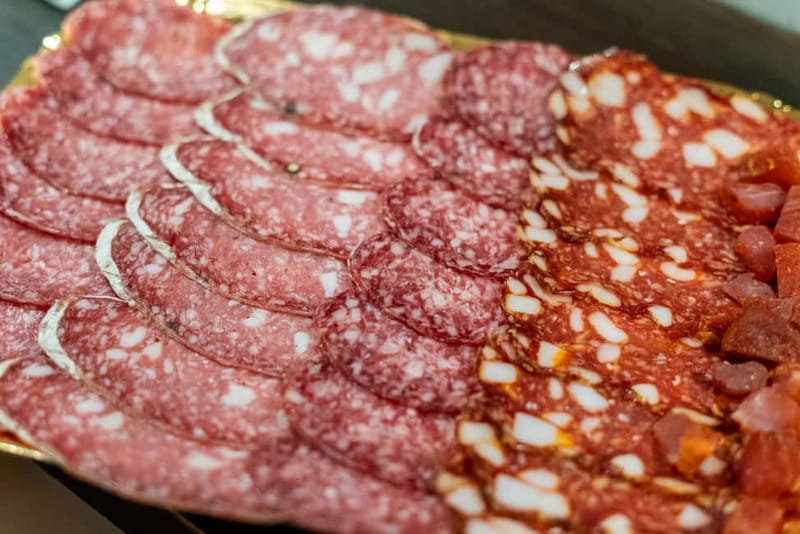
Cured meats and cheese add a different note. They slow the pace a little and show how Roman eating moves between quick snacks and simple, carefully chosen ingredients. A stop at a butcher shop is described as especially good, and it gives the tour a more local feel than a string of famous dessert shops.
The tastings are not presented as a formal banquet. You may eat standing, often near the shop or food stop. That keeps the route moving, but it also means you should wear comfortable shoes and avoid bringing anything awkward to carry.
Five tastings, wine, beer, and a sweet finish
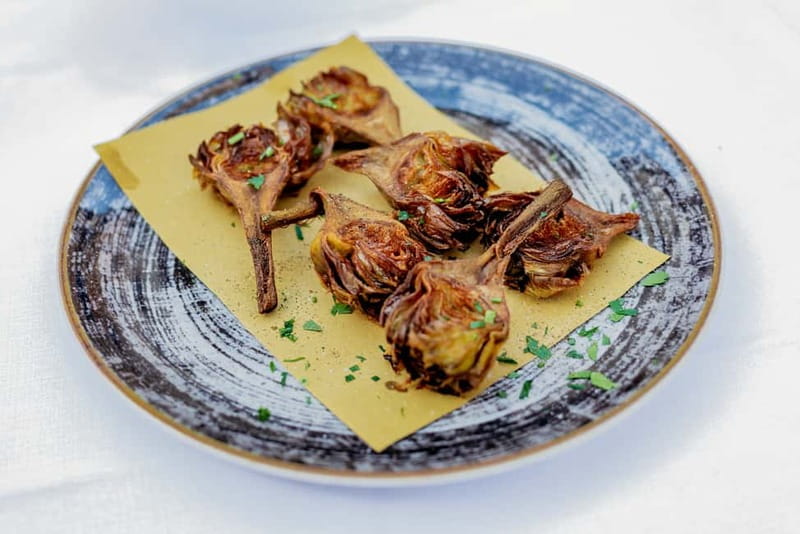
The food package includes five street-food tastings. The exact mix can vary by route and day, but the main group of foods includes supplì, cured meats, pizza, cannoli, and gelato.
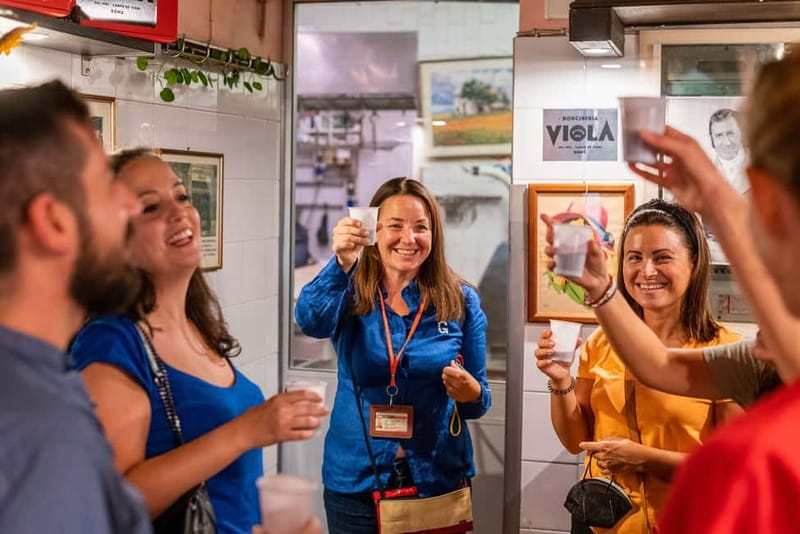
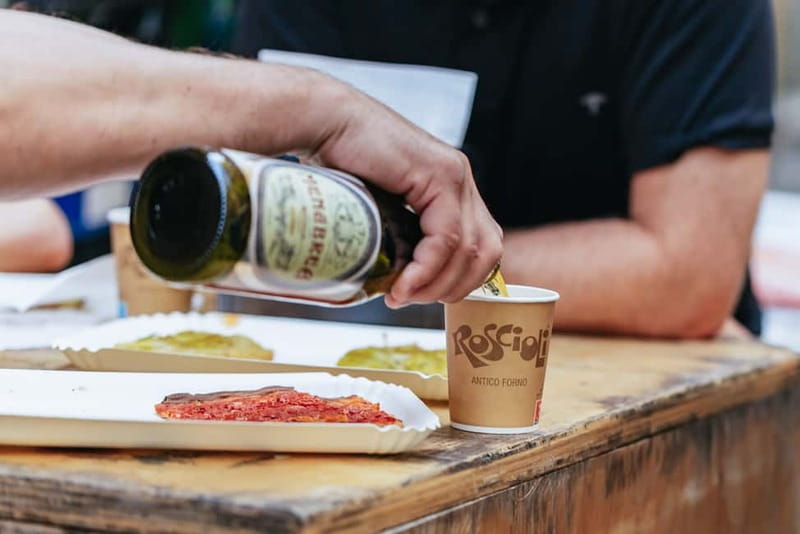
The tour also includes one sample of wine and one sample of beer. These may be served in plastic cups, so do not book this expecting a polished wine-tasting setup. The drinks are small additions to the food walk, not the main event.
The finish is sweet. In Trastevere, Sicilian cannoli may appear among the tastings. On the central route, the dessert stop is connected with Sant’Eustachio, and the tour ends with a Roman gelato-style treat or another sweet tasting described in the route.
I like this order because the tour moves from savory food toward dessert. You get the heavy flavors early, then finish with something cool or sweet. It also leaves you with a clear list of foods to seek out during the rest of your stay.
Do not eat a large breakfast or lunch before starting. The portions are tastings, but the combination of five foods, drinks, and walking can add up quickly. Several participants found the amount enough for a full meal.
Other eating walks in Rome:
- Rome: Trastevere & Campo de Fiori Street Food Walking Tour
★ 4.9 · 2,768 reviews - Rome Street Food Tour with Local Guide
★ 5.0 · 2,361 reviews - Rome: Award Winning Trastevere Group Food Tour with Wine
★ 5.0 · 2,273 reviews - Rome: Guided Food Tour in Trastevere
★ 4.8 · 2,266 reviews
The Jewish Quarter route, from Campo de’ Fiori to Portico of Octavia
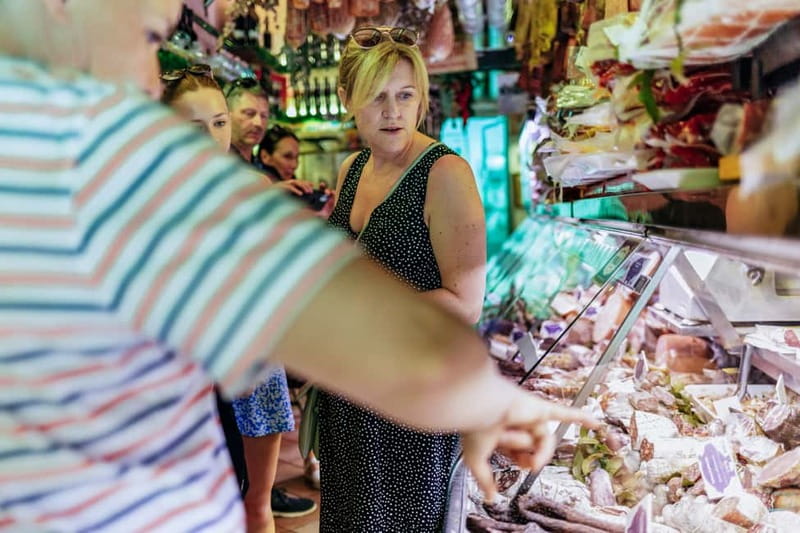
The central route has the most clearly defined sightseeing sequence. After the market and early tastings, you walk through the Jewish Ghetto and toward the Portico of Octavia.
The Portico was originally built under Augustus, Rome’s first emperor. You stop briefly for photographs, but the value is not only the picture. The monument helps connect the food walk to Rome’s older layers, showing how ordinary neighborhood streets sit beside structures from the ancient city.
The Turtle Fountain is another visual stop. Its bronze turtles are associated with Bernini and Della Porta, and the fountain is one of those details that is easy to miss if you rush from one major sight to the next.
The route also passes by the Pantheon. It is not a full guided visit, so do not book this as a Pantheon tour. Still, seeing it on the way adds a major Roman landmark without breaking the food-focused rhythm.
At Sant’Eustachio, you get a dessert stop and a chance to end on a lighter note. The walk then returns toward the starting area, with scenic views along the way. The route is compact, but you should still expect steady walking over roughly two and a half hours.
The Trastevere route, from Tiber Island to Santa Maria
Trastevere has a more intimate neighborhood feel. Starting on Tiber Island gives the route a clear meeting point and scenic views before you enter the side streets.
The district is famous for its lanes, small squares, church facades, and evening atmosphere. During the tour, your guide uses those streets to explain local customs and food traditions. Guides such as Ramona and Mattia are praised for being friendly, engaging, and able to keep a group moving at a comfortable pace.
Piazza di Santa Maria in Trastevere is the main sightseeing stop. The basilica gives the neighborhood a strong historical center, but you are not simply walking from monument to monument. Food breaks make the route feel more connected to daily life.
The mix of pizza, meats, cheese, supplì, cannoli, and gelato is especially good for families or groups with different tastes. Teenagers can usually find something familiar, while adults can try foods they might not order on their own.
One caution: Trastevere is popular, and the streets can feel crowded at busy times. The tour is still a walking route through an active neighborhood, not a quiet museum visit. Stay close to the guide and expect to pause in public spaces rather than in private dining rooms.
Guides and the value of local explanation
The guide can make or break a food walk. This one is offered in English, and the guide names associated with strong feedback include Ramona, Mattia, Marco, Tiziano, Debora, Francesca, Barbara, Luca, Denise, and Christian.
The praise is consistent in the useful ways. Guides explain the history of the streets, connect food to local customs, answer questions, and keep the pace relaxed. Christian is noted for combining food with a strong history lesson, while Luca adds humor. Debora and Francesca are praised for clear explanations and a friendly manner.
That matters because the food itself is only half the point. A fried rice ball is tasty, but it becomes more memorable when you understand why it belongs in Roman street food. A walk through the Jewish Quarter is also stronger when your guide points out the meaning behind buildings and streets rather than simply naming them.
The tour seems especially helpful for first-time visitors. You get bearings in central Rome and a practical list of food stops to revisit. People who have taken other food tours can still find value here because the focus is specifically on street food, not just restaurant dishes.
Practical details that affect your day
The meeting point depends on the route you choose. The Trastevere option starts at Piazza San Bartolomeo All’Isola, while the Jewish Quarter option starts at Campo de’ Fiori. The activity ends back at the meeting point, so plan your next reservation with that return in mind.
The full duration is 2.5 hours. Starting times vary, and the morning option is the important one if you want the Campo de’ Fiori market.
Food is served while standing. There may be limited seating at some stops, but you should plan on being upright for much of the walk. Comfortable shoes will help more than dressy footwear.
Vegetarians can be accommodated with advance notice. The tour is not suitable for vegans or people with gluten intolerance. If you have allergies, contact the provider before booking and explain exactly what you need. One guide, Marco, made a special effort to find safe food for a participant with peanut, tree nut, and sesame allergies, but you should still arrange this in advance rather than rely on an adjustment during the tour.
Cancellation is free up to 24 hours before the activity, and you can reserve now and pay later. Those terms are useful if your Rome plans are still shifting.
Who should book this Rome food tour
I would choose this tour for a first or second day in Rome, especially if you want food guidance before making your own restaurant choices. It is also a good fit for families, mixed-age groups, and curious eaters who want a meal without committing to a long sit-down lunch.
Pick Trastevere if you care most about neighborhood atmosphere, pretty squares, Tiber Island, and classic Roman snacks. Pick the Jewish Quarter route if you want Campo de’ Fiori, the market, the Portico of Octavia, the Turtle Fountain, and a stronger focus on central Rome’s layered past.
I would skip it if you need a seated meal, want a vegan menu, cannot eat gluten, or dislike group walking at a steady pace. I would also avoid the afternoon Jewish Quarter option if the market is your main reason for booking.
At $51, the tour earns its price through variety, guidance, and the amount of food. You are not just buying five samples. You are getting a neighborhood walk, drinks, food recommendations, and a useful introduction to Roman street eating.
Should you book it?
Book this tour if you want to taste several Roman classics in one outing and learn where to return later. The strongest reasons are the well-paced route, the range of tastings, and the guides’ focus on both food and local history.
Choose carefully between the two neighborhoods, and book the Jewish Quarter route in the morning if you want Campo de’ Fiori at market time. For most visitors who enjoy trying unfamiliar foods, this is a practical and good-value way to get oriented in Rome.
FAQ
How long does the Rome street food tour last?
The tour lasts 2.5 hours. Starting times vary, so check availability when booking.
Which neighborhoods can I choose?
You can choose a walking tour of Trastevere and Tiber Island, or a tour of Campo de’ Fiori and the Jewish Quarter.
How many food tastings are included?
Five street-food tastings are included. Foods can include supplì, cured meats, pizza, cannoli, gelato, and other Roman specialties.
Are drinks included?
Yes. The tour includes one sample of beer and one sample of wine. Extra drinks are not included.
Is the Campo de’ Fiori market open on every tour?
No. The Campo de’ Fiori food market is open only during the morning tour.
Can vegetarians join the tour?
Yes, vegetarian options are available with prior notice. The tour is not suitable for vegans.
Is the tour suitable for people with gluten intolerance?
No. The tour is listed as unsuitable for people with gluten intolerance.
More food to try in Rome
- Rome: E-Bike Night Tour with Food and Wine Tasting
★ 4.9 · 1,131 reviews - Rome: Trastevere Guided Food and Wine Tour with 20+ Tastings
★ 4.9 · 1,022 reviews - Rome: Food Tour and Wine Tasting in a Traditional Trattoria
★ 4.7 · 962 reviews - Rome: Eat Like a Roman Ghetto & Campo de’ Fiori Food Tour
★ 5.0 · 743 reviews
More eating and drinking in Rome
- Rome: Tuscany & Montepulciano Day Trip with Lunch & Wine Tasting
★ 4.5 · 5,232 reviews - Rome: Food Tour with Unlimited Food and Barolo Wine
★ 4.8 · 1,883 reviews - Pasta Making & Wine Tasting with Dinner in Frascati from Rome
★ 5.0 · 1,326 reviews - Rome:Appian Way E-bike Tour with Catacombs, Aqueducts & Food
★ 4.9 · 1,210 reviews
Just added in Rome
- Civitavecchia Private Transfer: From the Port to Rome Airport★ 5.0 · 309 reviews
- Civitavecchia Shore Excursion: Best of Rome Private Tour★ 5.0 · 247 reviews
- Civitavecchia Private Transfer from ship to FCO airport or Rome★ 5.0 · 245 reviews
- Food Tasty and History Tour in Civitavecchia★ 5.0 · 256 reviews
- Palatine Hill and Roman Forum Tour with Fast-Track Entrance★ 4.2 · 417 reviews
- Tivoli: Villa D’Este & Villa Adriana Pass & App Audioguide★ 4.4 · 364 reviews
- Tivoli: Villa D’Este Entry Ticket and App Audio Guide★ 4.3 · 191 reviews
- Vatican Museums & Sistine Chapel Skip-the-Line Guided Tour★ 4.6 · 254 reviews
Food Tours, compared.
Winner 2025 Rome Twilight Trastevere Food Tour by Eating Europe
Read our review →
Cinque Terre Park Day Trip with Optional Street Food
Read our review →
Rome Food Tour: Unlimited Tastings with Fine Wine & Barolo
Read our review →
Eat Like a Local: Venice 3-Hour Small-Group Food Tasting Tour
Read our review →
Trastevere Food tour with Free-Flowing Fine Wine
Read our review →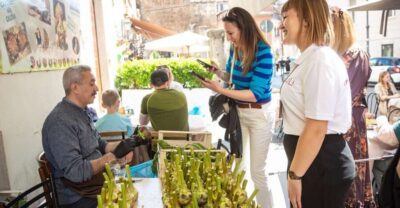
Trastevere & Campo de Fiori Street Food Walking Tour
Read our review →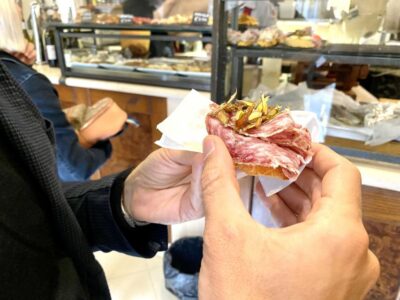
Street Food Tour with a Local Guide and Tastings
Read our review →Browse the lists this tour appears in