
Reviewed · OPERA & CLASSICAL CONCERTS
Rome: The Four Seasons by Vivaldi
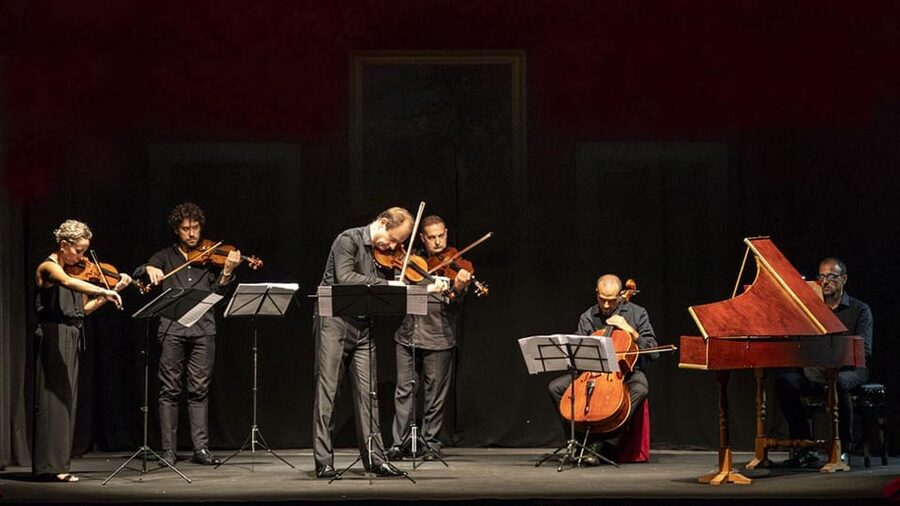
Rome: The Four Seasons by Vivaldi turns a familiar piece into a close-up musical experience. Elvin Dhimitri leads the performance on first violin, backed by a string quintet and harpsichord, in venues that range from a church to a hall overlooking the Trevi Fountain.
I like the intimate scale, which lets you watch the musicians work rather than hear them from a distant stage. I also like the program’s clear storytelling: birds in spring, summer storms, autumn hunts, and winter rain all come through in Vivaldi’s quick changes of rhythm and mood.
The main thing to watch is the venue. The advertised location can vary, seats are unnumbered, and some performances have been moved at short notice. In warm weather, a church or hall may also feel hot, while some winter performances can be chilly.
Key points to know before booking
- Elvin Dhimitri leads from the first violin, combining the soloist’s role with that of conductor.
- The program includes all four concertos, plus additional Baroque works for strings and harpsichord.
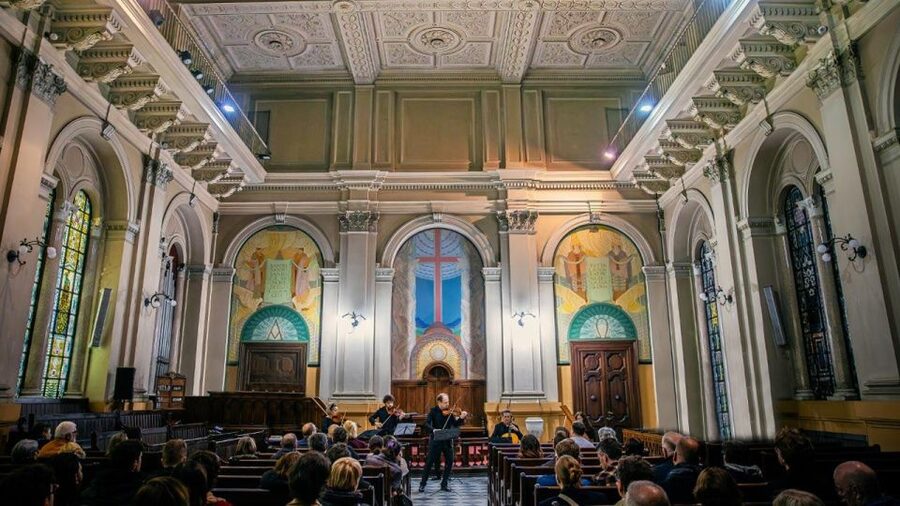
- The venue may change, with performances listed at Chiesa Evangelica Metodista, Sala Dante of Palazzo Poli, or Horti Sallustiani.
- Sala Dante offers a special Rome setting, with views toward the Trevi Fountain.
- Seats are not numbered, so arriving early matters if you want a clear view.
- The $35 price is strong value for live classical music in central Rome, especially for a full evening program lasting about 80 minutes.
Hearing Vivaldi’s seasons in central Rome
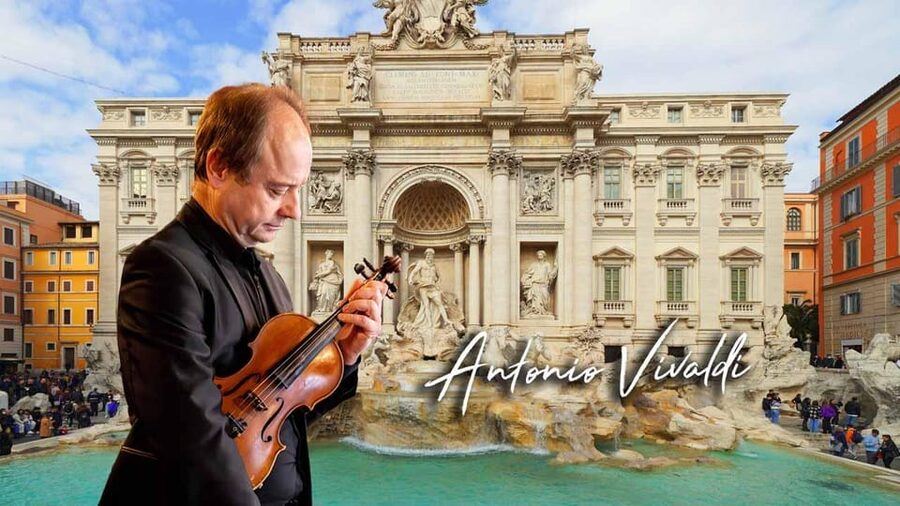
Vivaldi’s Four Seasons works because it does more than create a pleasant sound. Each concerto tells a small story through instruments alone. Spring brings bird calls and dancing; summer grows tense with heat and thunder; autumn turns to peasant songs, sleep, and the hunt; winter gives you shivering cold, hard rain, and sudden movement.
That program makes this a good first classical concert. You do not need to know Baroque music to follow the mood. The music gives you plenty to hold on to, and the live setting lets you see how the solo violin drives the action.
The performance is presented by Opera e Lirica, with Dhimitri as first violin and conductor. The supporting group is a strings quintet with harpsichord. That combination keeps the sound focused and transparent. You can hear the solo violin answer the other players, then push ahead of them as the music becomes more dramatic.
I especially like the balance between a famous work and a compact format. You get the complete Four Seasons program, not just a few recognizable movements, along with other pieces such as Concerto per archi RV 127 and RV 151 and Concerto XI No. 4 in A Major. The evening has enough variety to feel like a concert rather than a single extended encore.
More Opera and Classical Concerts in Rome
- Rome: “The Most Beautiful Opera Arias” Concert
★ 4.3 · 2,495 reviews - Rome: Opera Concert at Palazzo Poli – Fontana di Trevi
★ 4.7 · 1,026 reviews - Rome: The Three Tenors at St. Paul’s Church Concert Ticket
★ 4.7 · 699 reviews
Elvin Dhimitri and the first violin
Dhimitri is not simply placed in front of the ensemble as a featured soloist. He also leads the group, which gives the performance a direct, energetic feel. The first violin carries much of the drama, and you can watch the communication between the lead player and the other strings.
His background includes work with the Bilkent Youth International Symphony Orchestra, the Luglio Musicale Symphony Orchestra of Trapani, the La Nuova Scarlatti Symphony Orchestra of Naples, and the Toscanini Symphony Orchestra of Parma. He was also appointed first violin with the Rome Philharmonic Orchestra and has been a member of the Rome and Lazio Symphony Orchestra since 1997.
Those details matter because the Four Seasons demands more than accurate notes. The soloist has to shift quickly from delicate bird calls to sharp storms and from relaxed dance rhythms to nervous winter passages. Dhimitri’s role gives the evening a strong musical center.
The harpsichord is another welcome part of the sound. It supplies the rhythmic and harmonic base beneath the strings, adding the crisp Baroque color you would expect from this repertoire. If you have only heard orchestral recordings, the smaller group can make the separate musical lines easier to follow.
The church setting at Via XX Settembre
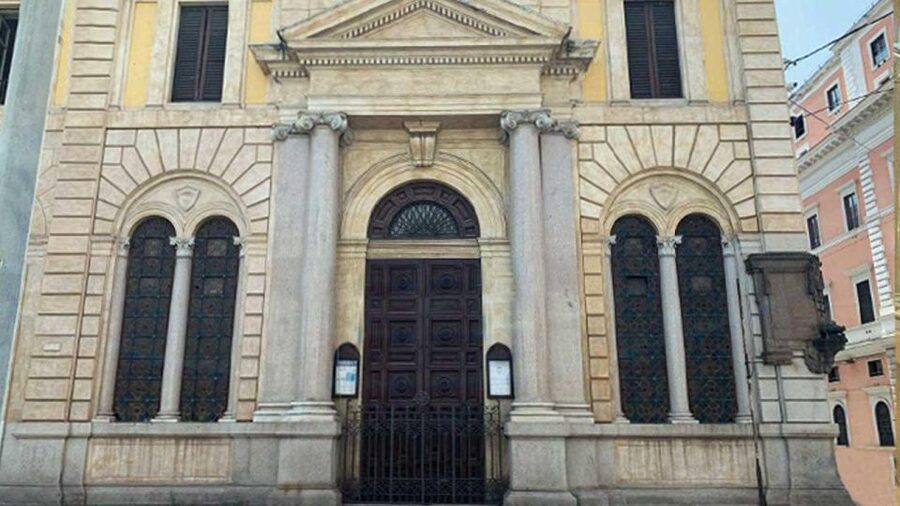
The listed meeting point is Chiesa Evangelica Metodista at Via XX Settembre 122 c. This is the setting most often associated with the concert, and it gives the music a close, ecclesiastical atmosphere without the distance of a large concert hall.
A church can suit Vivaldi beautifully. The sound has room to travel, and the setting adds a sense of occasion without requiring formal concert-hall behavior. Several performances have been praised for strong acoustics and a moving atmosphere, while one concertgoer found the church acoustics less successful. That difference is worth keeping in mind: a church’s sound can be generous, but it may not have the precise balance of a purpose-built music venue.
The seating arrangement is practical rather than polished. Seats are unnumbered and assigned on a first come, first served basis. Rows may not be staggered perfectly, so a person in front can affect your view. If seeing Dhimitri’s hands and the whole ensemble matters to you, arrive with enough time to choose your place.
Temperature is another practical point. Reports describe the church as hot during summer evenings and chilly at other times of year. Light layers make sense, and a small hand fan may be useful in July or August. You are sitting for about 80 minutes, so comfort can shape the experience more than you might expect.
Sala Dante and the Trevi Fountain view
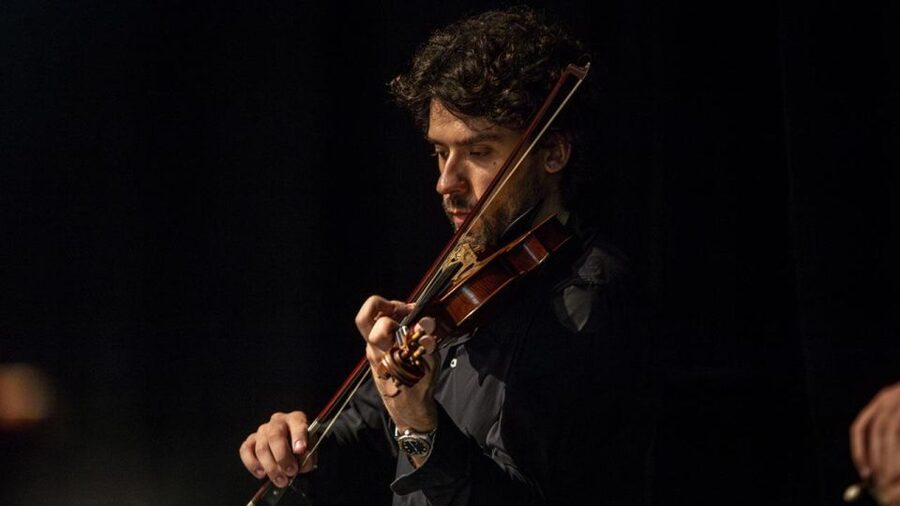
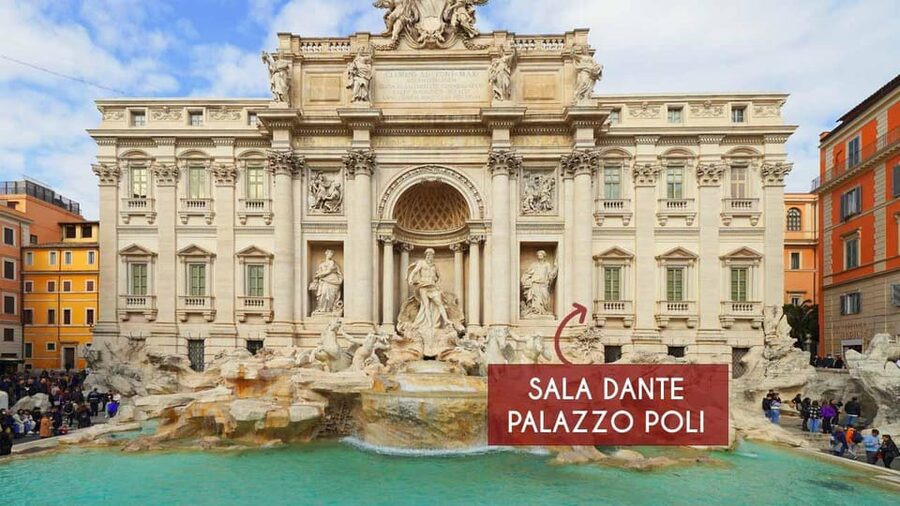
Another listed setting is Sala Dante in Palazzo Poli, at Via Poli 54. This venue brings a very different kind of Rome into the evening. The room sits beside the Trevi Fountain, and some seats or windows may give you a view over the monument.
That combination is unusual: Vivaldi inside, one of Rome’s most famous fountains outside. The view is not the main event, and you should not book this solely for a guaranteed panorama, but it can add a memorable visual layer before or after the music.
The Sala Dante setting may feel less like a church concert and more like a city-center cultural evening. That can be a plus if you want to connect the performance with Rome’s monuments. It also makes the exact venue especially important when booking. Check the current location rather than assuming every date takes place beside Trevi Fountain.
A change of venue has disappointed some ticket holders when they expected a church and found a different hall. The issue is not the quality of the musicians. It is the gap between what you imagined and what you receive. Read the final venue information carefully, especially if the setting is a major reason you are choosing this event.
Other evenings out in Rome:
- Rome: La Traviata at St. Paul’s Within the Walls
★ 4.4 · 683 reviews - Rome: Italian Opera Concert and Traditional Dinner
★ 4.1 · 453 reviews - Rome: Giuseppe Verdi’s “La Traviata” Live Performance
★ 4.3 · 435 reviews - Rome: St. Paul’s Within the Walls Church Opera Arias Ticket
★ 4.6 · 312 reviews
Horti Sallustiani and the two evening times
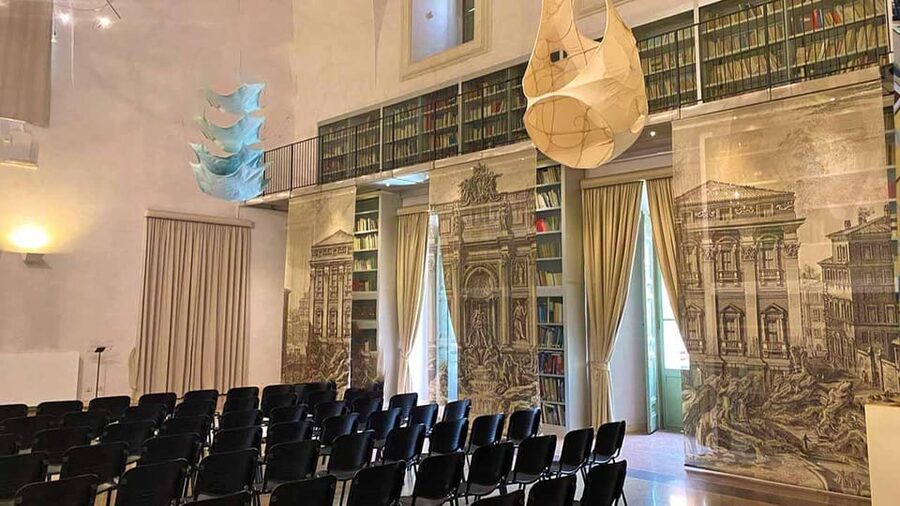
Some dates are listed at Horti Sallustiani, Piazza Sallustio 21, with two performances at 7:00 pm and 9:00 pm. This gives you more choice than a single fixed concert time, which can help you fit music around dinner or sightseeing.
The earlier performance is useful if you want to keep the rest of your evening open. The later one may suit you better after a full day around Rome, though you will want to consider how it fits with your plans afterward. The supplied information does not promise a different program between the two times, so you should expect the same basic concert experience rather than two separate productions.
As with Sala Dante, Horti Sallustiani is a reminder to check the date-specific venue. The activity is sold under the same Vivaldi program, but the surroundings can change the feel of the night. A church gives you traditional acoustics and religious architecture; a city hall or historic site may put you closer to Rome’s urban character.
What the 80-minute program includes
The evening opens with additional Baroque works before moving into the four seasonal concertos. The stated program includes Concerto per archi RV 127 and RV 151, followed by Concerto XI No. 4 in A Major, then the four concertos that make up The Four Seasons.
The seasonal order is:
- Spring in E Major, RV 269
- Summer in G Minor, RV 315
- Autumn in F Major, RV 293
- Winter in F Minor, RV 297
Spring includes the familiar Allegro, a slower Largo, and the final Allegro with its pastoral dance. Summer moves between heat, stillness, and storm. Autumn brings a peasant dance, sleeping drinkers, and the hunt. Winter alternates between cold agitation, a slower Largo, and a fast final movement.
You do not need to memorize the titles to enjoy the music. Listen for the way the violin imitates the natural world. The birds are light and quick. The storm is restless and forceful. The winter Largo slows the room down, then the final movement brings back the scrape and speed of bad weather.
The program also places Vivaldi in the wider Baroque period. Artists of the time were fascinated by nature, motion, drama, and the relationship between people and the world around them. Vivaldi’s music reflects that interest with sharp contrasts and vivid instrumental images.
Is $35 a fair price?
At $35 per person, this is a reasonably priced cultural evening in central Rome. You get a live string performance, a named violin soloist, harpsichord, and the complete Four Seasons program in a venue that may be a historic church or a prominent city-center hall.
The value is strongest if you already plan to spend an evening near the center. You do not need to commit to a long opera production, and the 80-minute length leaves room for dinner or a walk afterward. Families may also find the duration manageable. A performance of about an hour to 80 minutes is easier for younger children than a full-length opera, though very young children may still struggle with quiet concert etiquette.
The price does not guarantee a numbered seat or a perfect view. It also does not promise that the concert will take place at the venue you first had in mind. Think of the ticket as payment for the music first, with the architecture and fountain view as setting-dependent extras.
That is still a good deal for many visitors. Live music in Rome can cost much more, and this program gives you one of the most accessible works in the classical repertoire. The main compromise is production polish: seating can be basic, lighting may feel too bright, and temperature or air quality can vary by room.
Timing, seating, and comfort
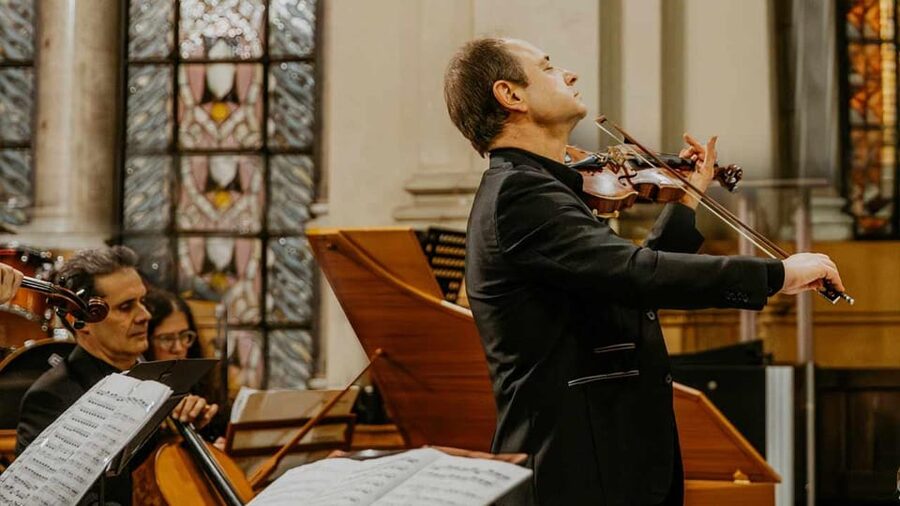
Plan to arrive early if you care about your sightline. Since there are no numbered seats, the best places can go quickly. A central position should give you a better view of the ensemble, while a side seat may still sound fine but offer less direct sight of the musicians.
Lighting is not always part of the concert’s strongest appeal. Some performances have been described as needing softer, dimmer lighting. That is a small issue, but it can affect the atmosphere, particularly if you expect candlelit Baroque drama.
Temperature deserves more attention than most booking pages give it. Summer concerts in the church can become very warm, and musicians have been seen performing in uncomfortable heat. Other dates can feel cool inside. Bring a light layer, and do not assume an evening outside will tell you how warm the concert room will be.
One performance also raised concerns about stale air in the hall. This does not define every date or venue, but it is another reason to check the location and prepare for a simple, historic interior rather than a modern concert auditorium.
The activity is wheelchair accessible according to the supplied information. If you need more specific details about entrances, seating position, or restroom access, confirm those details with Opera e Lirica before booking.
Who will enjoy this concert most?
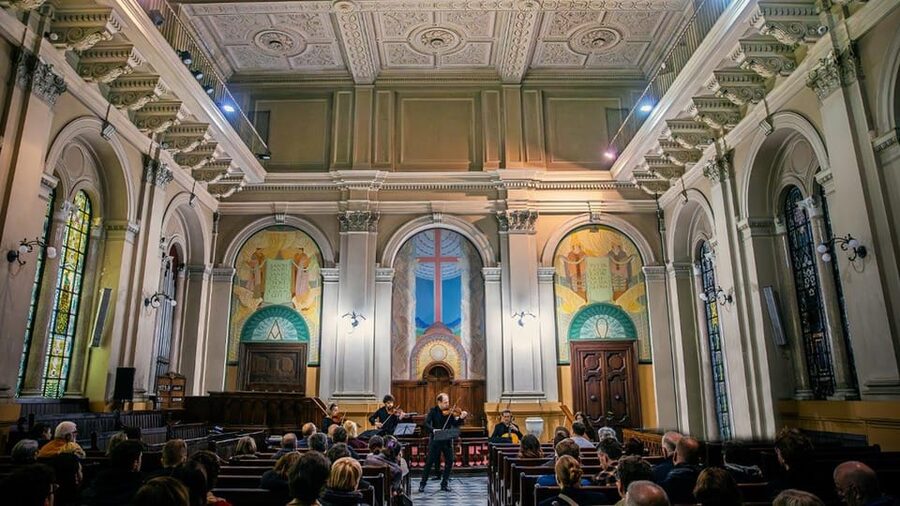
I would point this toward you if you want an easy cultural night between Rome’s major sights. It suits first-time classical concertgoers because the music is familiar, strongly visual, and not too long. The clear seasonal structure gives you a way into the performance even if you know little about instruments or Baroque music.
It also works well for couples looking for a quieter evening, families with older children, and anyone who wants music in a more personal setting. The small ensemble makes the players feel close, and Dhimitri’s visible role gives the performance a human focus.
You may want to think twice if your priority is a flawless concert-hall setup. Unnumbered seating, shifting venues, uneven chair alignment, heat, cold, and lighting are real considerations. Someone choosing this primarily for the Trevi Fountain view should also confirm the venue for the specific date.
If you enjoy watching musicians as much as listening to them, the modest scale is a strength. You can see the lead violinist work through the difficult passages, and the smaller group makes the conversation between soloist and strings easier to follow.
How this fits into a Rome evening
The concert’s central locations make it easy to pair with other plans, though the exact venue matters. Sala Dante is beside Trevi Fountain, while the church on Via XX Settembre and Horti Sallustiani place you in different parts of central Rome.
You can build the evening around the concert rather than treating it as an all-night commitment. A 7:00 pm performance leaves time afterward, while a 9:00 pm performance can follow dinner. The schedule information does not include transport arrangements, so you should plan your own route to the confirmed venue.
The best approach is to avoid packing the hour before the concert too tightly. Rome’s streets can slow you down, and first come, first served seating rewards a little spare time. Arriving early also gives you a chance to settle in before the opening notes rather than entering while the musicians are preparing.
Should you book Rome’s Four Seasons by Vivaldi?
I would book it if you want a compact, affordable classical concert with strong musicians and an unmistakable Roman setting. The music is familiar but still powerful live, and the combination of Dhimitri’s first violin, strings, and harpsichord gives the evening plenty of energy.
Book with realistic expectations. You are not buying a guaranteed Trevi Fountain panorama or a numbered seat. You are buying an 80-minute Baroque program in a venue that may change, with occasional comfort and sightline compromises.
For most visitors, the $35 price makes those limits reasonable. Check the exact venue, arrive early, dress for the temperature, and choose your seat carefully. If those details work for your plans, this is a smart way to hear Vivaldi in Rome without giving up an entire evening.
FAQ
How long does the Vivaldi concert last?
The stated duration is 80 minutes. Some past performances have felt closer to one hour, so allow roughly an hour to 80 minutes for the concert itself.
How much does the ticket cost?
The listed price is $35 per person.
Where does the concert take place?
The listed venues are Chiesa Evangelica Metodista at Via XX Settembre 122 c, Sala Dante of Palazzo Poli at Via Poli 54, and Horti Sallustiani at Piazza Sallustio 21. Check the venue for your chosen date.
Can I see the Trevi Fountain during the concert?
Sala Dante of Palazzo Poli is beside the Trevi Fountain, and views toward the fountain may be available from the room. The fountain view is not part of every venue option.
Who performs the Four Seasons?
Elvin Dhimitri performs as first violin and leads the concert. He is accompanied by a strings quintet and harpsichord from Opera e Lirica.
Are the seats assigned?
No. Seats are unnumbered and offered on a first come, first served basis.
Is the concert wheelchair accessible?
The activity is listed as wheelchair accessible.
Are there different concert times?
At Horti Sallustiani, the information lists two performances, at 7:00 pm and 9:00 pm. Starting times vary by date, so check availability for the performance you want.
Can I cancel the booking?
You can cancel up to 24 hours in advance for a full refund. A reserve now and pay later option is also listed.
Just added in Rome
- Civitavecchia Private Transfer: From the Port to Rome Airport★ 5.0 · 309 reviews
- Civitavecchia Shore Excursion: Best of Rome Private Tour★ 5.0 · 247 reviews
- Civitavecchia Private Transfer from ship to FCO airport or Rome★ 5.0 · 245 reviews
- Food Tasty and History Tour in Civitavecchia★ 5.0 · 256 reviews
- Palatine Hill and Roman Forum Tour with Fast-Track Entrance★ 4.2 · 417 reviews
- Tivoli: Villa D’Este & Villa Adriana Pass & App Audioguide★ 4.4 · 364 reviews
- Tivoli: Villa D’Este Entry Ticket and App Audio Guide★ 4.3 · 191 reviews
- Vatican Museums & Sistine Chapel Skip-the-Line Guided Tour★ 4.6 · 254 reviews
Opera & Classical Concerts, compared.
La Fenice Opera House Entry Ticket with Audio Guide
Read our review →
Milan’s Must See: Half-Day Tour of Last Supper, Duomo & La Scala
Read our review →
Interpreti Veneziani Concert at Church of San Vidal
Read our review →
Santa Monaca Church Italian Opera Concert Ticket
Read our review →
Vivaldi’s Four Seasons Live Classical Music Concert
Read our review →
Vivaldi’s Four Seasons Concert & Music Museum Visit
Read our review →Browse the lists this tour appears in