
Reviewed · FOOD TOURS
Rome: Food Tour and Wine Tasting in a Traditional Trattoria
Rome’s best food lesson may happen one bite at a time. This four-hour walk links Campo de’ Fiori with Trastevere, stopping for cured meats, cheese, fried cod, supplì, Roman pasta, wine, and gelato. It is not just a meal with a guide. It is a moving introduction to the foods Romans order, share, and argue about.
I like the wide range of tastes, from crispy baccalà and fried zucchini flowers to creamy cacio e pepe and artisanal gelato. I also like the way the route uses small food stops, shops, and a sit-down restaurant, so you see several sides of Rome’s eating life.
The main consideration is the walking and the group size. You may cover lively streets for much of the four hours, and one past group had more than 20 people, which made it harder to stay together. This tour is not wheelchair accessible, and you should arrive hungry.
Key points to know before booking

- Start in Campo de’ Fiori: Meet your English-speaking guide in front of La Carbonara, then begin with Italian ham, cheese, and wine.
- Try Roman Jewish cuisine: Dar Filettaro serves fried salted cod, a classic Roman specialty with a long local connection.
- Eat street food in Trastevere: Da Venanzio is known for crisp supplì filled with tomato rice and melted mozzarella.
- Finish with a real Roman dinner: At Ristorante Spaghetteria, you taste cacio e pepe, amatriciana, fried zucchini flowers, and two Italian wines.
- Plan for a generous meal: The food portions are substantial, not token samples, so skip a heavy lunch.
- Guide quality matters: Catia and Fiammetta are among the guides praised for mixing food advice, Roman stories, and practical suggestions for the rest of your stay.
Starting with cheese and cured meat in Campo de’ Fiori
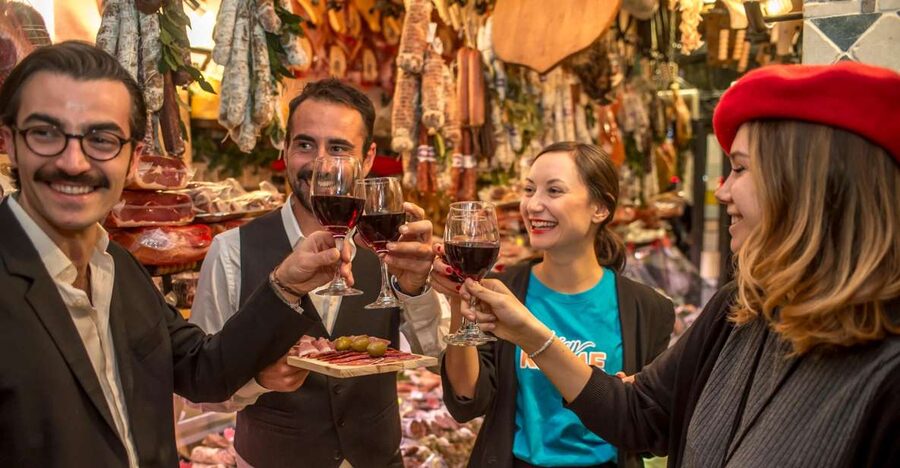
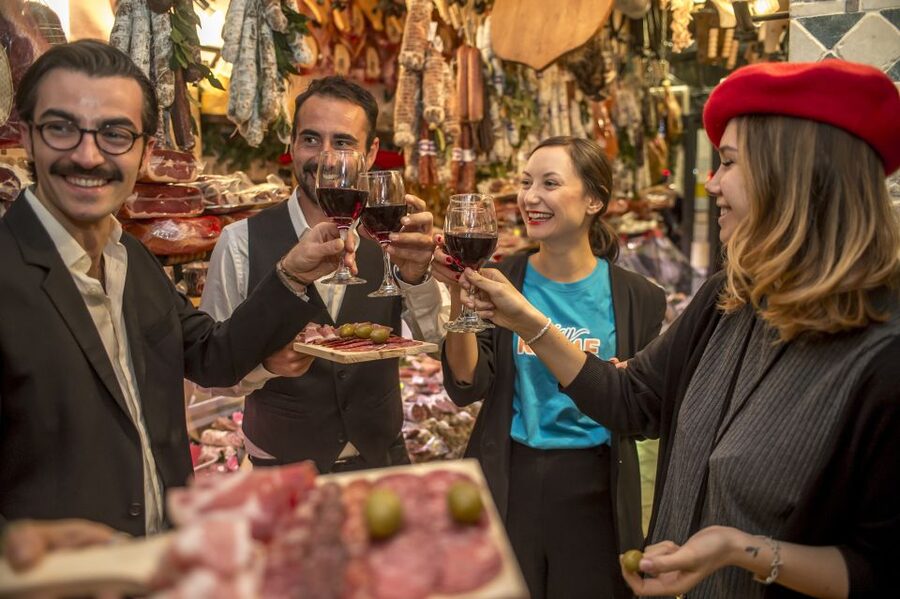
The meeting point is easy to identify: Campo de’ Fiori, in front of the restaurant La Carbonara. From here, the tour gets to the point quickly with one of Italy’s simplest and most satisfying combinations: cured ham and cheese.
At Viola, you taste Italian ham alongside cheeses from different parts of the country. This opening stop gives your guide a chance to explain regional differences without turning the evening into a lecture. You get a practical lesson in how much flavor can come from good ingredients, careful aging, and a well-chosen pairing.
I like beginning here because it gives you a calm first taste before the route moves into fried foods and pasta. It also sets up an important idea: Italian food is not one single cuisine. The cheese may come from one region, the ham from another, and the wine may offer a third point of reference.
The tour includes wine with the tastings, and the pairings are selected rather than left entirely to chance. Do not expect a formal wine course, though. This is a food walk with wine alongside it, not a dedicated lesson in vineyards or production methods.
Campo de’ Fiori also gives the guide a useful setting for local stories. As you move through central Rome, you can expect historical details about the streets and places around you. Guides such as Catia and Fiammetta were especially appreciated for connecting the food to the city rather than simply naming each dish.
More Food Tours in Rome
- Winner 2025 Rome Twilight Trastevere Food Tour by Eating Europe
★ 5.0 · 5,157 reviews - Rome: Trastevere or Jewish Quarter Street Food Tour
★ 4.8 · 3,839 reviews - Rome Food Tour: Unlimited Tastings with Fine Wine & Barolo
★ 5.0 · 3,365 reviews
Fried baccalà at Dar Filettaro
The next major taste is fried baccalà, or salted cod. At Dar Filettaro, the fish arrives crisp outside and tender inside, paired with a glass of Italian wine.
Baccalà has a strong place in Roman food culture, and this version is linked to the Jewish-Roman tradition. That background gives the dish more meaning than a standard fried fish snack. You are tasting a food shaped by preservation, local custom, and the long exchange of ideas that has marked Rome’s cooking.
This is one of the more distinctive stops on the route. Pizza and pasta are familiar to almost everyone, but Roman-style fried cod is less likely to appear on a first-time Rome menu. If you enjoy trying foods with a clear local identity, this may be one of the evening’s best stops.
The practical point is simple: eat it while it is hot. Fried food loses its charm when it sits around, and this stop is built around the contrast between the crisp coating and soft fish. If you do not eat fish, tell the tour provider about dietary needs when booking. The information provided does not promise a specific replacement.
Supplì, Rome’s crisp rice ball
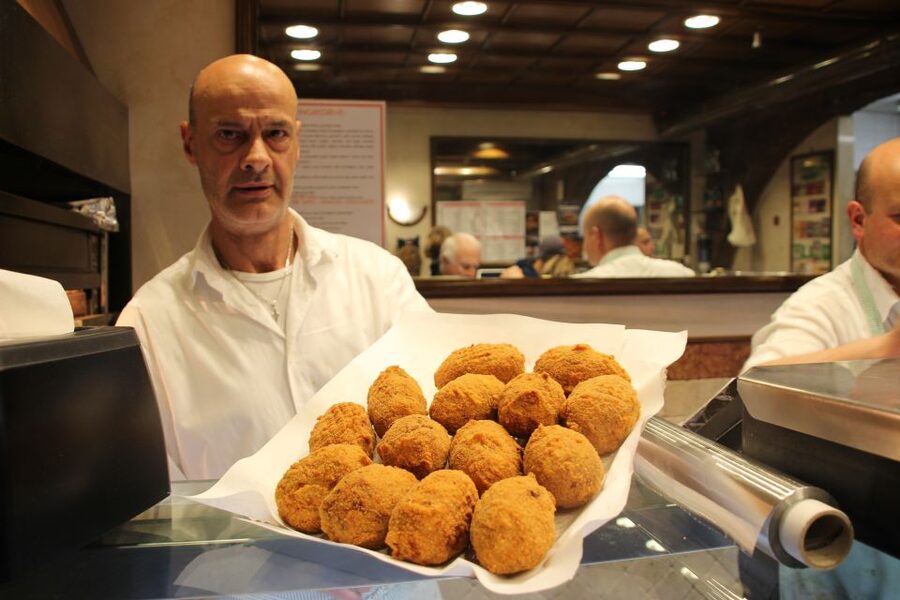
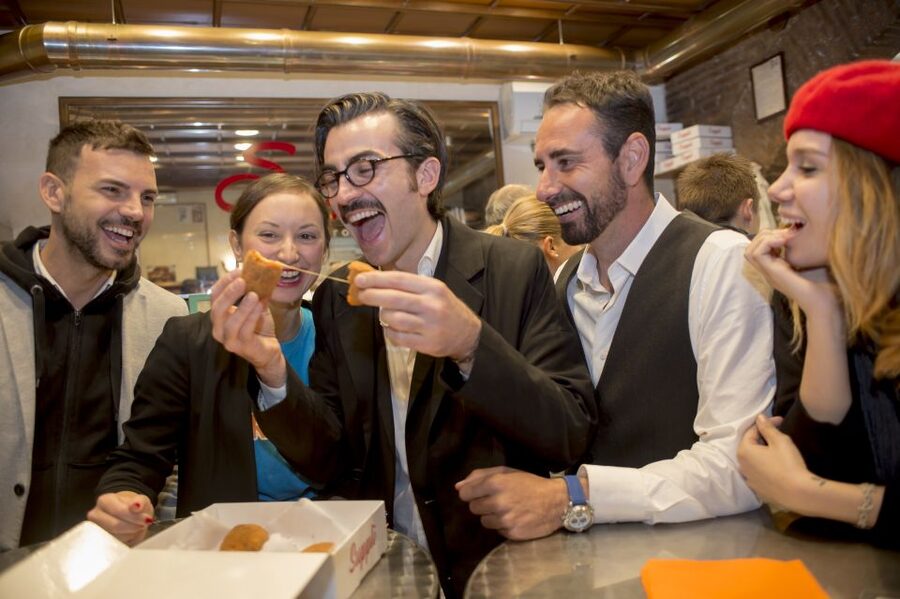
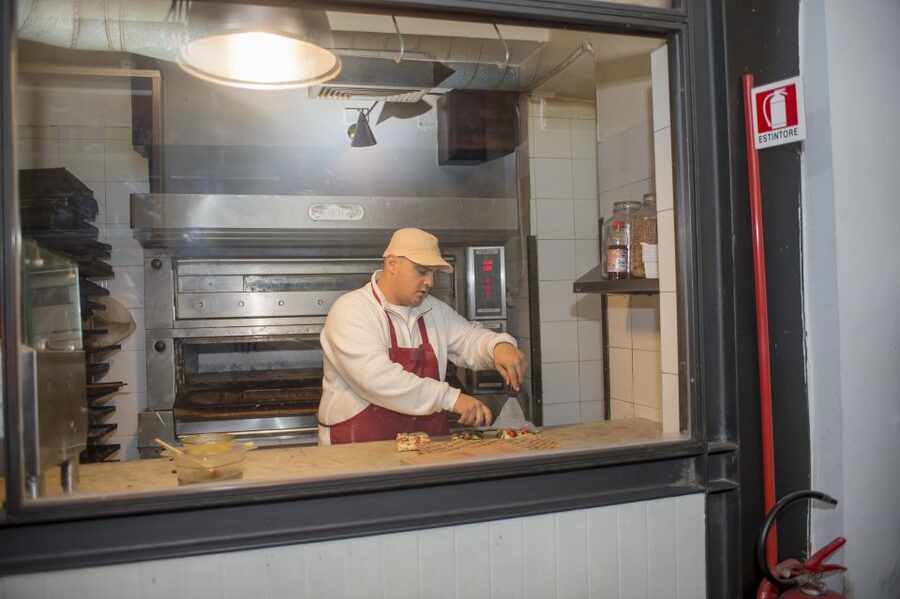
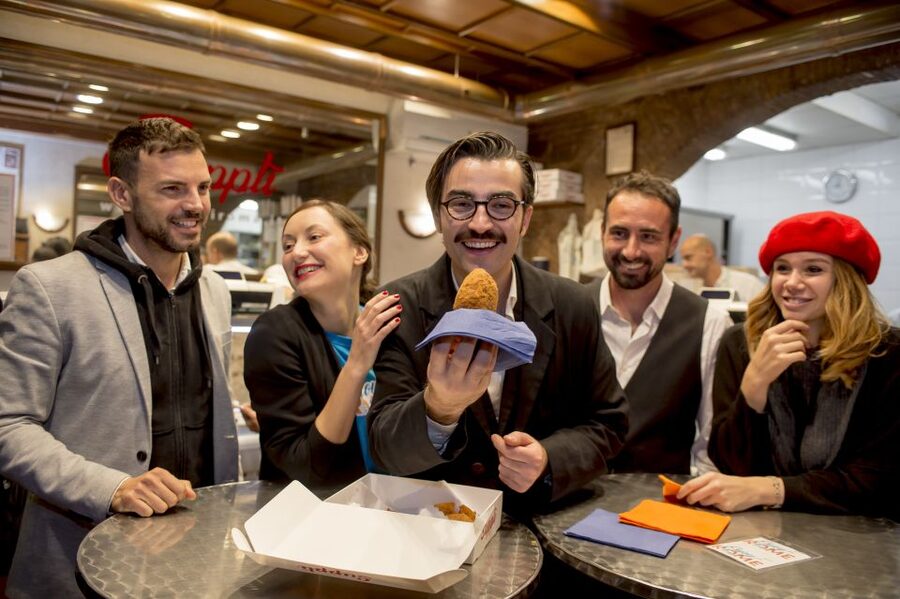
As the walk heads toward Trastevere, you stop at Da Venanzio for supplì. This Roman street food is a fried rice ball filled with tomato rice and melted mozzarella. Break one open and the cheese should stretch from the center, which is part of the fun.
Supplì is a useful introduction to everyday Roman snacking. It is filling, portable, and less formal than sitting down to a plate of pasta. The stop also balances the fish course with something warm, savory, and familiar in texture but distinctly Roman in form.
Da Venanzio is described as highly rated and known for its crisp preparation. That matters because a good supplì depends on texture. The outside should offer a firm crunch, while the rice and cheese inside stay soft.
By this stage, you may already be eating more than expected. Several people who took the tour found the portions generous and recommended arriving without a full stomach. Take that advice seriously. You still have a restaurant meal and gelato ahead.
The main meal in Trastevere
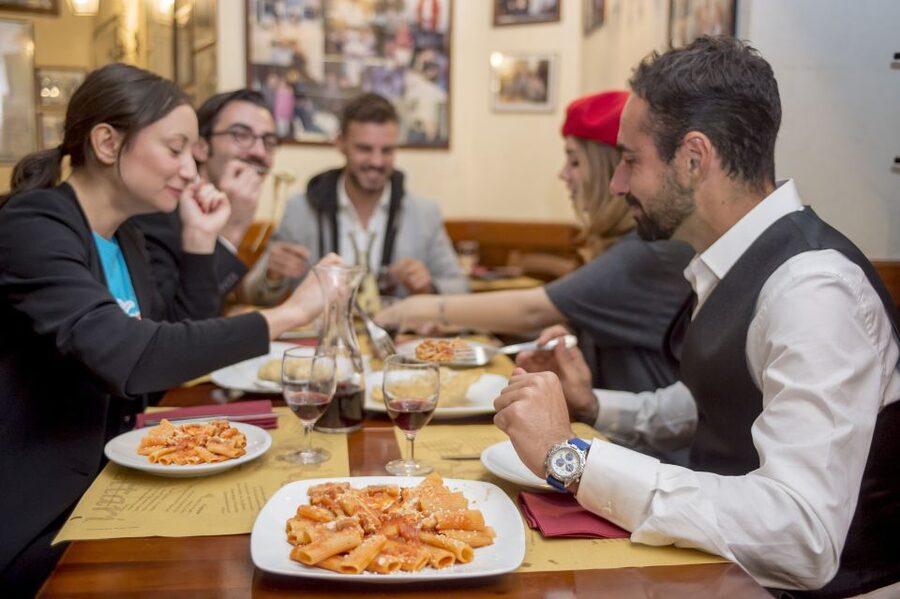
The evening’s anchor is Ristorante Spaghetteria in Trastevere. Here, the tour shifts from standing tastings to a proper sit-down meal with an antipasto, two first courses, fried zucchini flowers, and two Italian wines with protected production and origin.
The pasta is the heart of the stop. You taste cacio e pepe, the Roman combination of cheese and black pepper, along with amatriciana, a richer sauce built around tomato and cured pork. These are two of Rome’s most famous pasta dishes, and tasting them at the same table makes the differences clear.
Cacio e pepe should feel creamy even though it contains no cream. Its texture comes from the emulsion of cheese, pasta water, and pepper. Amatriciana brings a stronger tomato character and a different kind of savory depth. If you are trying to decide what to order during the rest of your time in Rome, this side-by-side tasting gives you a useful start.
The fried zucchini flowers add another Roman favorite. They are delicate compared with the supplì and baccalà, but they keep the meal focused on crisp textures and simple ingredients.
You also receive an antipasto and two different Italian wines. The precise labels are not given, so do not book this expecting a particular bottle or vintage. The value lies in tasting several pairings as part of a full meal, not in receiving a private wine tasting.
Trastevere is a natural place to end the savory part of the tour. The district is known for its restaurants, and the walk through its streets helps you see the neighborhood at dinner time. The route is as much about moving through Rome as it is about sitting down to eat.
More Wine Tours in Rome
- Rome: Tuscany & Montepulciano Day Trip with Lunch & Wine Tasting
★ 4.5 · 5,232 reviews - Rome: Food Tour with Unlimited Food and Barolo Wine
★ 4.8 · 1,883 reviews - Pasta Making & Wine Tasting with Dinner in Frascati from Rome
★ 5.0 · 1,326 reviews - Rome: E-Bike Night Tour with Food and Wine Tasting
★ 4.9 · 1,131 reviews
Ending with gelato at Gelateria Gunther
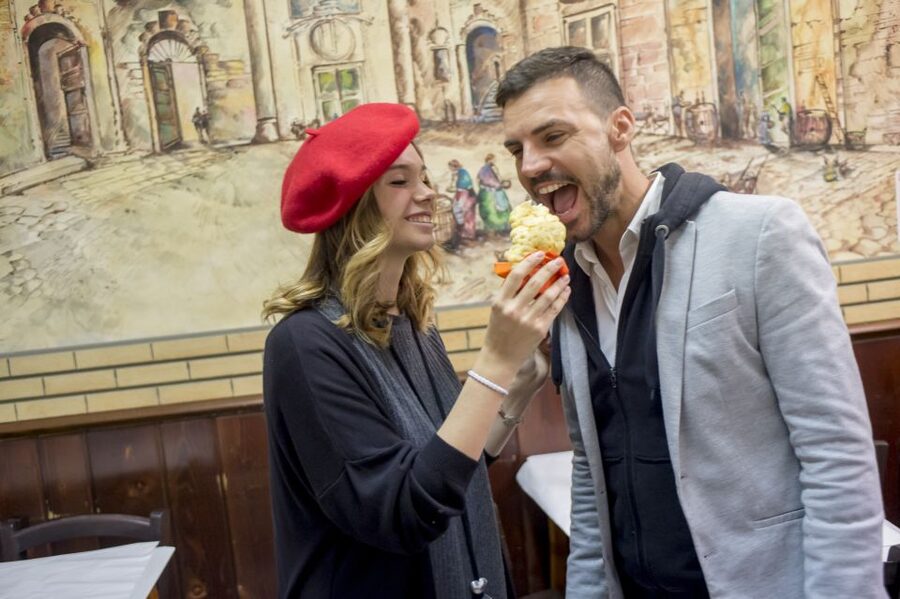
The final stop is Gelateria Gunther, where you choose artisanal gelato in flavors typical of a well-known Roman gelateria. It is a sweet finish after a long sequence of salty, fried, and savory dishes.
Gelato works well here because it gives you a chance to keep walking while tasting. You are not simply handed dessert at the restaurant and sent home. Instead, you end among the streets of Trastevere with one last Italian food ritual in hand.
The exact flavor choices are not specified, so selection may vary. The important point is that this is presented as high-quality artisanal gelato rather than a generic frozen dessert.
By the time you reach this stop, you may be full. Take a smaller serving if that is possible, or treat it as a final taste rather than another full course. The tour is generous enough that restraint can help you enjoy the last bite.
What the guides add to the food
Food tours rise or fall on the guide, and this one gives you a strong reason to pay attention to who is leading your group. Catia is repeatedly praised for combining Roman pride with food knowledge and suggestions for other things to do in the city. Fiammetta is also noted for making the group feel relaxed while explaining the dishes and the places you visit.
Guide names can vary, so you should not book on the promise of one specific person. Still, the pattern is clear: the guide is expected to do more than point out the next snack. You get stories about Rome, explanations of the food, and help understanding what makes each stop different.
The social side is part of the design. You walk and eat with people from several countries, then share a table for the pasta courses. That can be a pleasure if you enjoy conversation with strangers. It can also make the tour feel less personal than a private food walk.
Group size deserves attention. One large group had more than 20 people, and keeping everyone together was difficult. Other groups found the shared setting friendly and fun. If you want quiet conversation and close attention, ask about the expected group size before booking. If you like meeting people while eating, the larger-group possibility may not bother you.
Is $100 good value?
At $100 per person, this is not the cheapest way to eat in Rome. It can still be good value if you would otherwise pay for several separate snacks, a full restaurant dinner, wine, and gelato.
The tour includes the food, wine, live English-speaking guide, and walking route. It does not include pickup or drop-off, so you need to reach Campo de’ Fiori yourself and arrange your own way back afterward.
The strongest value comes from the amount and variety of food. You receive cured meats and cheese, fried cod, supplì, an antipasto, two pasta dishes, fried zucchini flowers, several wine servings, and gelato. This is much closer to a progressive dinner than a few small bites.
The cost makes less sense if you are a very light eater, avoid wine, or already know Rome’s food neighborhoods well. It also may not suit anyone who dislikes shared meals or extended walking. For a first visit, though, the combination of eating and orientation can save you from spending your first evening guessing at menus.
Timing, walking, and useful preparation
The activity lasts four hours, and the route runs from Campo de’ Fiori to Trastevere. A moderate amount of walking is involved, so wear comfortable shoes and avoid scheduling it immediately after another demanding tour.
There is no hotel pickup or drop-off. Plan your arrival at the Campo de’ Fiori meeting point, in front of La Carbonara, with enough time to find the guide.
You should also avoid a large meal beforehand. The food is plentiful, and the dinner course comes late in the route. Arriving hungry is not a minor tip here. It changes how much you can enjoy the final restaurant stop.
The tour is not wheelchair accessible. Pets are not allowed. Specific dietary requirements should be given at booking, but the available information does not guarantee that every diet can be accommodated.
Cancellation is flexible up to 24 hours before the tour for a full refund, and you can reserve now and pay later. Those terms help if your Rome schedule is still moving around.
Who should book this Rome food tour?
I would choose this for a first or second visit to Rome, especially if you want a guided introduction to Roman dishes without spending time researching every restaurant. It is also a good first-night activity because the guide can point out areas, foods, and further ideas for your stay.
Food-focused couples, solo visitors, and social groups should fit well. The shared format makes it easy to meet other people, and the route offers enough variety to keep the evening interesting.
You should think twice if you need wheelchair access, prefer private tours, dislike walking, or have strict dietary restrictions that need a guaranteed menu. The tour is also not ideal for anyone hoping for a short tasting session. Four hours and a full dinner require energy.
Should you book it?
Book this tour if you want Roman classics, plenty of food, wine with the meal, and a guide who adds city stories along the way. The baccalà and supplì make the route more distinctive than a basic pizza-and-pasta outing, while the Trastevere dinner gives it enough substance to replace an evening meal.
Skip it if you want a small, quiet, highly tailored experience. For everyone else, $100 buys a substantial introduction to Rome’s food culture, with the practical bonus of walking through two central districts as you eat.
FAQ
How long does the Rome food tour last?
The tour lasts four hours.
Where does the tour begin?
Meet the guide in Campo de’ Fiori square, in front of the restaurant La Carbonara.
Where does the tour finish?
The route finishes in the Trastevere district, at Gelateria Gunther after the restaurant stop.
What language is the tour conducted in?
The live tour guide speaks English.
What food is included?
The tastings include Italian ham and cheese, fried baccalà, supplì, cacio e pepe, amatriciana, fried zucchini flowers, a Roman antipasto, and artisanal gelato.
How much wine is included?
Wine is served at several stops, including a glass with the fried baccalà, wine with the restaurant courses, and additional selected Italian wine pairings.
Is hotel pickup included?
No. Pickup and drop-off are not included.
Is the tour wheelchair accessible?
No. The tour is not suitable for wheelchair users.
Is there a lot of walking?
A moderate amount of walking is involved as the group travels from Campo de’ Fiori to Trastevere.
Can I request food accommodations?
You should advise the tour provider of specific dietary requirements at the time of booking. The available information does not specify which substitutions are possible.
More food to try in Rome
- Rome: Guided Food Tour in Trastevere
★ 4.8 · 2,266 reviews - Rome:Appian Way E-bike Tour with Catacombs, Aqueducts & Food
★ 4.9 · 1,210 reviews - Rome: Trastevere Guided Food and Wine Tour with 20+ Tastings
★ 4.9 · 1,022 reviews - Rome: Eat Like a Roman Ghetto & Campo de’ Fiori Food Tour
★ 5.0 · 743 reviews
More eating and drinking in Rome
- Rome: Trastevere Food tour with Free-Flowing Fine Wine
★ 5.0 · 2,853 reviews - Rome: Trastevere & Campo de Fiori Street Food Walking Tour
★ 4.9 · 2,768 reviews - Rome Street Food Tour with Local Guide
★ 5.0 · 2,361 reviews - Rome: Award Winning Trastevere Group Food Tour with Wine
★ 5.0 · 2,273 reviews
Just added in Rome
- Civitavecchia Private Transfer: From the Port to Rome Airport★ 5.0 · 309 reviews
- Civitavecchia Shore Excursion: Best of Rome Private Tour★ 5.0 · 247 reviews
- Civitavecchia Private Transfer from ship to FCO airport or Rome★ 5.0 · 245 reviews
- Food Tasty and History Tour in Civitavecchia★ 5.0 · 256 reviews
- Palatine Hill and Roman Forum Tour with Fast-Track Entrance★ 4.2 · 417 reviews
- Tivoli: Villa D’Este & Villa Adriana Pass & App Audioguide★ 4.4 · 364 reviews
- Tivoli: Villa D’Este Entry Ticket and App Audio Guide★ 4.3 · 191 reviews
- Vatican Museums & Sistine Chapel Skip-the-Line Guided Tour★ 4.6 · 254 reviews
Food Tours, compared.
Winner 2025 Rome Twilight Trastevere Food Tour by Eating Europe
Read our review →
Trastevere or Jewish Quarter Street Food Tour
Read our review →
Cinque Terre Park Day Trip with Optional Street Food
Read our review →
Rome Food Tour: Unlimited Tastings with Fine Wine & Barolo
Read our review →
Eat Like a Local: Venice 3-Hour Small-Group Food Tasting Tour
Read our review →
Trastevere Food tour with Free-Flowing Fine Wine
Read our review →
Trastevere & Campo de Fiori Street Food Walking Tour
Read our review →Browse the lists this tour appears in