

Reviewed · MUSEUMS
Museum of Senses Milan admission ticket
The Museum of Senses Milan turns a museum visit into a hands-on puzzle for your body. You move through spaces devoted to sight, hearing, smell, touch, taste, and balance, with exhibits designed to make ordinary sensations feel strange again.
I like the easy mix of fun and learning, and I like that the ticket includes the special socks for the tactile floors plus a Taste Box. The main caution is time: one visitor found the visit lasted no more than 30 minutes, so the $18 price may feel high if you expect a full afternoon attraction.
Key points to know before you go

- Six senses guide the visit: The rooms focus on sight, hearing, smell, touch, taste, and balance rather than traditional displays.
- Your feet become part of the experience: Special socks, included in the €5 Senses Kit, let you feel the tactile floors.
- The Taste Box is included: It is used in the taste area, though the food element may feel less clear than the other exhibits.
- Staff can add context: Explanations and extra information are available during your visit.
- Allow about 30 minutes: The official ticket can be valid for a chosen date across a wide booking window, but the actual museum experience may be brief.
- Families can join in: Activities are designed for adults and children, with safety instructions marked beside specific installations.
Entering a museum built for your senses
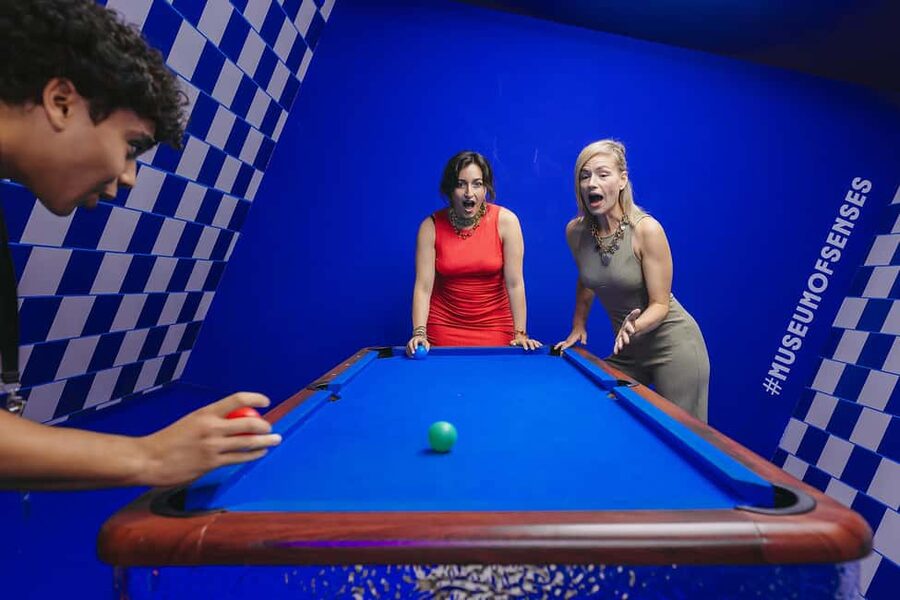
You do not come here to read long rows of labels or admire old objects behind glass. The point is to touch, listen, smell, taste, look closely, and test your balance.
That makes the Museum of Senses a good change of pace after Milan’s churches, galleries, and grand architecture. You are asked to take part instead of simply looking. The rooms aim to make you question what your body tells you, often through small surprises and altered viewpoints.
The experience is suitable for both adults and children. Children may enjoy the physical play, while adults may find the exhibits more interesting as simple demonstrations of how easily perception can be fooled. You are likely to get the most from the visit if you approach it with curiosity rather than expecting a conventional museum.
The price is $18 per person. That is reasonable for an interactive attraction if you spend time trying each installation and listening to the explanations. It is less appealing if you rush through in half an hour. The length matters here more than it would at a large art museum, since there is no wider collection to extend your visit.
Other museums and galleries in Milan:
- Milan: Science and Technology Leonardo da Vinci Museum Entry
★ 4.5 · 7,169 reviews - Official San Siro Stadium and Museum Guided Tour
★ 4.4 · 3,573 reviews - Milan: Leonardo3 The World of Leonardo Museum Entry Ticket
★ 4.4 · 3,241 reviews
Sight: learning not to trust your eyes
The sight area is likely to be the most familiar part of the experience. Museums built around perception often use visual tricks, unusual perspectives, and confusing environments to show how your brain interprets what your eyes receive.
The useful part is not simply being fooled once. Pay attention to how quickly your brain chooses an explanation, then how that explanation changes when you shift position or look again. This can turn a quick photo opportunity into a small lesson about perception.
You should expect this section to reward patience. Take a second look before moving on, and let children explain what they think they see. The museum is designed for active discovery, so there is value in talking through each effect rather than treating the rooms as a line of photo stops.
The dedicated photo spaces are a practical bonus. You can take unusual pictures without having to invent your own pose in front of a standard display. Still, photos are only part of the fun. If you focus too much on getting the perfect image, you may miss the point of the exhibit.
Hearing: when sound changes the room
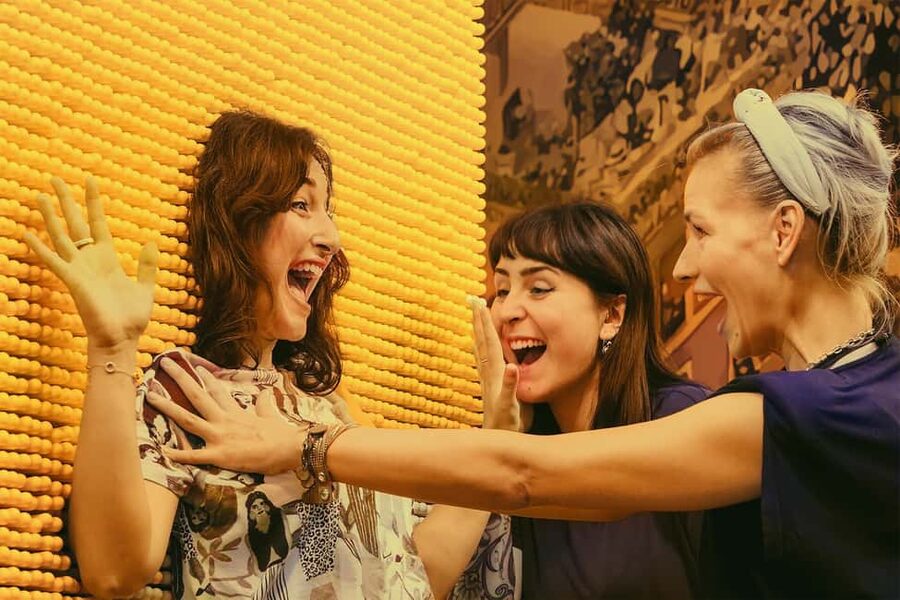
The hearing section shifts the focus from what you see to what you notice around you. Interactive sound exhibits can make you pay attention to direction, volume, rhythm, and the way your mind connects sound with a place.
This is especially useful for families because it gives children a clear task: listen carefully, respond, and compare what each person hears. Adults may find the same installations more thoughtful than expected, since sound often slips into the background during a busy day in Milan.
The experience is not presented as a formal science lesson. Instead, information comes through doing. Staff are available to explain the exhibits and add context, which can help you understand why an effect happens rather than simply label it as strange.
Because no guide names or scheduled tour leaders are provided, do not expect a traditional guided tour with a named host leading a group from room to room. You move through the areas yourself, with staff support available when you want more explanation.
Smell and taste: the less predictable parts
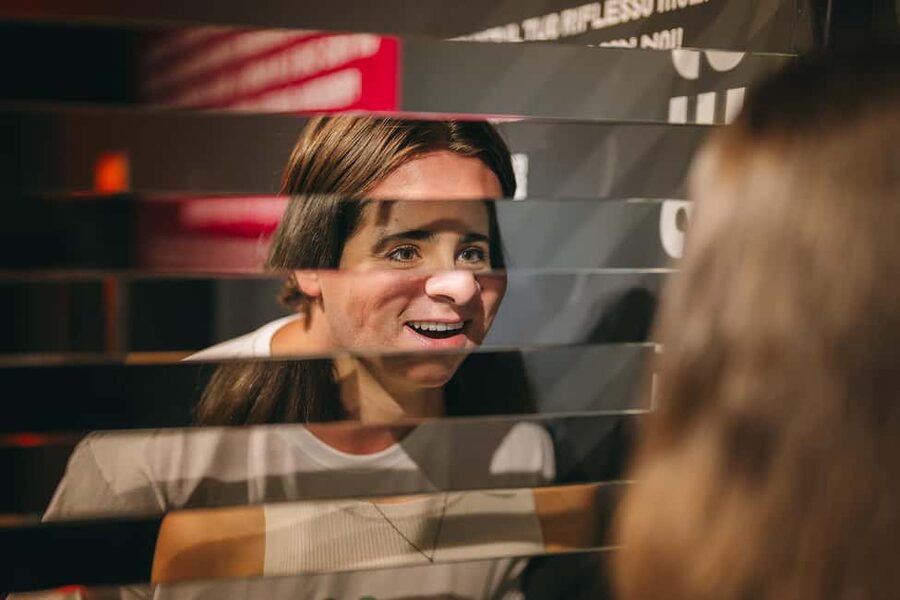
Smell is one of the harder senses to display well, but it is also one of the most personal. A scent can be familiar to one person and difficult to identify for another. That makes this section a good test of memory as much as smell.
Take your time here. Try to describe what you notice before looking for an answer, and compare your reaction with the people you are visiting with. The activity works best when you treat uncertainty as part of the game.
Taste has a special setup. Your ticket includes a Taste Box, part of the Senses Kit provided for the visit. This means the taste area is not simply a room with an explanation. You have something specific to use as part of the activity.
One point needs a little caution. The taste element may not be as immediately clear as the sight or touch installations. A visitor found the sweets difficult to understand in relation to the main idea of the museum. If you are expecting a strong food experience, keep your expectations modest. Think of the Taste Box as a small sensory exercise, not a Milanese tasting session.
The included kit does improve the value of the ticket. It is listed as a €5 value and combines the Taste Box with the special socks. You are receiving useful materials for the activities rather than paying an extra fee once inside.
A few more things to do in Milan
- Milan: Cathedral and Duomo’s Terraces Entrance Ticket
★ 4.6 · 61,054 reviews - Milan Cathedral: Duomo Terraces Ticket (No Church Access)
★ 4.6 · 6,111 reviews - Milan: Guided Walking Tour & Last Supper Visit with Ticket
★ 4.7 · 5,409 reviews - Milan: Duomo Rooftop and Cathedral Guided Tour with Tickets
★ 4.8 · 2,678 reviews
Touch begins with the special socks
Touch is where the visit becomes more physical. The museum provides special socks so you can walk across tactile floors and feel different surfaces with your feet. They are included with admission, and you need them to take part fully in this part of the experience.
This detail matters because it changes the visit from a look-but-don’t-touch museum into something more direct. You are encouraged to notice texture, pressure, softness, and the difference between surfaces. The activity may be especially appealing to children, though adults should join in rather than stand back and watch.
The socks are part of the Senses Kit and have a stated value of €5. That is a useful inclusion, particularly because you do not need to bring special equipment or pay separately for the tactile portion.
Follow the instructions posted beside each installation. The museum is suitable for everyone in general, but certain attractions may not be suitable for all visitors. Specific warnings and directions are marked clearly inside, so read them before taking part.
Balance puts your body in charge

The balance area asks you to notice how your body responds when its usual sense of stability is challenged. This can make a simple movement feel unfamiliar and may help you understand how sight, touch, and balance work together.
You do not need to treat it as a competition. The useful part is noticing what changes when your surroundings provide less reliable information. If you are visiting with children, let them take their time and follow the posted instructions.
The museum has wheelchair access, which is important for planning. At the same time, wheelchair accessibility does not mean every installation will suit every person. The warnings beside each attraction are the best guide to what you can safely attempt.
How long should you plan for?
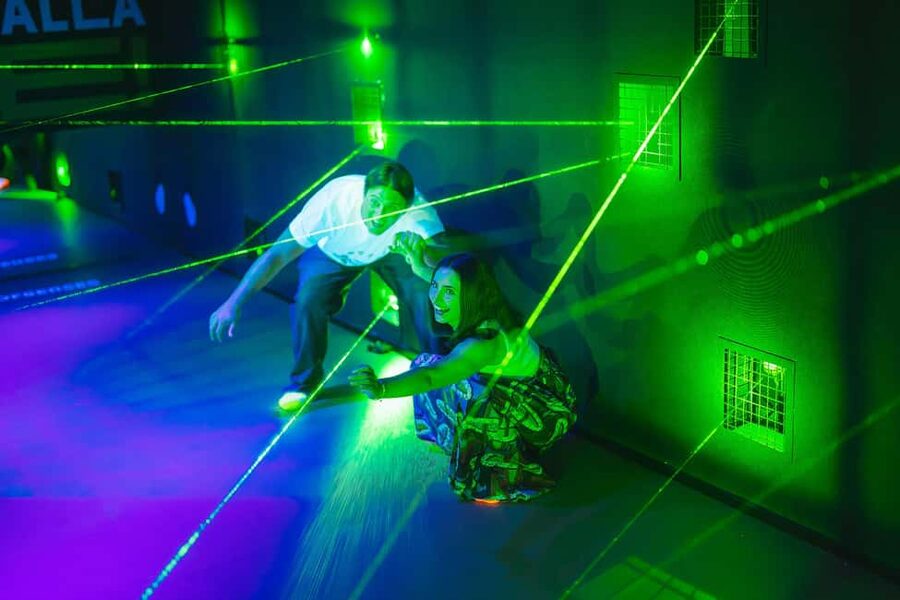
The ticket is described as valid for a period ranging from one to 365 days, with starting times checked through availability. That wording concerns the booking window, not the amount of time you should expect to spend inside.
For the visit itself, plan conservatively. One experience lasted about 30 minutes and felt too short for the price. You may spend longer if you stop for explanations, repeat favorite activities, take photos, and give each room proper attention. Still, this is not an attraction to schedule as a half-day outing.
That short length can be a benefit. The museum fits neatly into a busy Milan day, perhaps between larger sights or during a break from walking. Families may also appreciate an activity that does not require several hours of sustained attention.
The drawback is value. At $18 per person, a 30-minute visit works out as a relatively expensive quick stop. I would be happier with the price if you treat the ticket as a compact interactive experience and not as the main attraction of your day.
Who will enjoy this most?
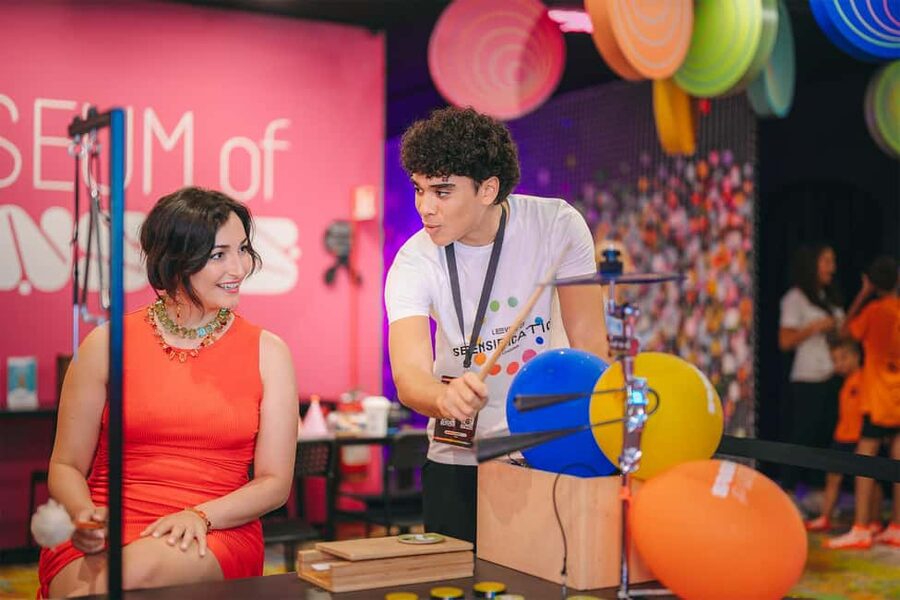
I would recommend the museum most strongly to families with children, curious adults, and anyone who enjoys interactive exhibits more than long written explanations. It gives you permission to touch and test things, which makes it a welcome change from Milan’s more formal cultural sights.
It also suits a mixed-age group. Children can focus on the physical challenges and visual tricks, while adults can think about perception, memory, and the way the senses work together. Staff explanations help bridge that gap.
You may be less satisfied if you want a long visit, a large collection, or a clearly structured historical story. This is a small, activity-based attraction. Its success depends on how much you participate.
People with particular sensitivities should read the posted instructions carefully. Some installations may not suit certain categories of visitors, and the museum makes warnings visible beside the relevant attraction. Animals are not allowed.
Is the $18 ticket good value?
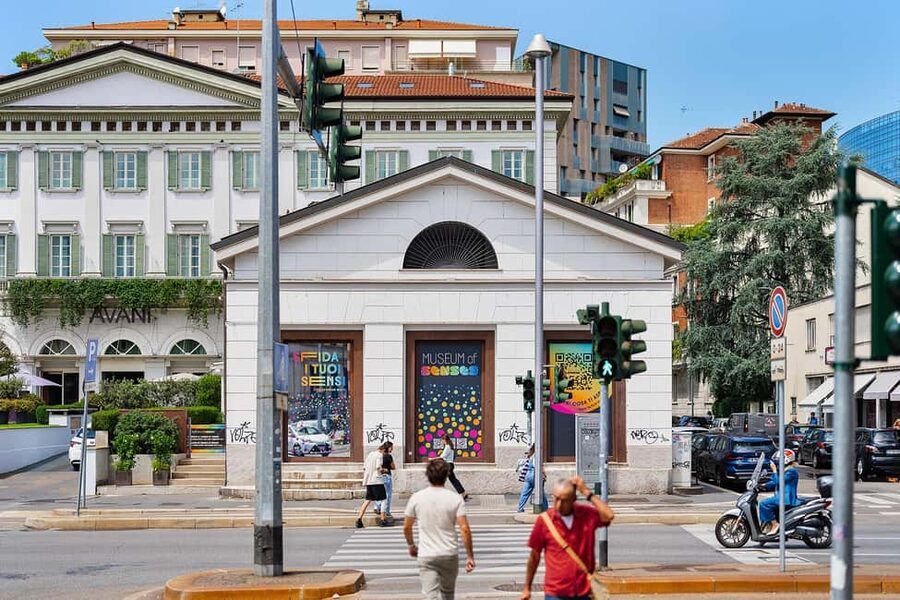
The best value comes from the combination of access and included extras. Your ticket covers all areas and interactive exhibits, the six sensory sections, staff explanations, photo spaces, the special socks, and the Taste Box.
The socks and Taste Box matter because they are part of the actual visit, not decorative add-ons. The socks let you use the tactile floors, while the Taste Box gives the taste section a physical activity. Since the kit is listed as a €5 value, the inclusion makes the ticket feel more complete.
The weaker point is duration. If you spend only 30 minutes inside, you are paying $18 for a short experience. That can still be fair for a convenient family activity, but it is not the strongest value for someone counting minutes and comparing the ticket with a larger Milan museum.
Reserve and pay later is available, and you can cancel up to 24 hours in advance for a full refund. Those terms are useful if your Milan schedule is still changing. The attraction also accepts wheelchair users, while animals are not permitted.
Practical ways to enjoy the visit
Start with a simple rule: take part in every section. The museum is not designed to be appreciated from the doorway, and the touch and balance areas lose much of their purpose if you avoid the physical activities.
Read the instructions before each installation. This keeps the visit safe and helps you understand what each exhibit is asking you to do. The warnings are clearly marked, so do not skip them in the rush to reach the next room.
Use the staff when an installation seems confusing. The purpose of the museum is sometimes easier to grasp after a short explanation, especially in the taste area. You are not required to know the science in advance.
Allow time for photographs, but do not let the camera control the visit. The museum includes spaces made for unusual pictures, yet the strongest moments may come from noticing a change in your own perception.
Finally, plan the museum as one short stop within a larger day. That approach makes the limited length feel useful rather than disappointing. If you expect a long attraction, the $18 price may bother you. If you want a compact activity that gives your senses a break from ordinary sightseeing, it fits better.
Should you book the Museum of Senses Milan?
Book it if you want a playful, hands-on break from Milan’s churches and art museums, especially if you are visiting with children. The six sensory areas, included socks, Taste Box, staff help, and photo spaces give you plenty to try in a compact visit.
Skip it if you need a long museum experience or want strong value measured by hours inside. The reported 30-minute visit is the key warning. For the best match, schedule it when you have a spare part of the day, follow every activity, and treat the museum as a short experiment in how your body sees, hears, smells, tastes, touches, and balances.
FAQ
How much does admission to the Museum of Senses Milan cost?
Admission costs $18 per person.
How long is the Museum of Senses ticket valid?
The ticket can be valid from one to 365 days. Check availability for the starting times connected with your booking.
How long does the museum visit take?
The supplied experience information does not set a fixed visit length. One visitor spent about 30 minutes inside, so you should plan for a relatively short attraction.
What is included with admission?
Your ticket includes access to all museum areas and interactive exhibits, activities based on sight, hearing, smell, touch, taste, and balance, staff explanations, photo spaces, special tactile-floor socks, and a Taste Box.
Is the Museum of Senses Milan wheelchair accessible?
Yes. The museum is wheelchair accessible, although some individual installations may not suit every visitor. Read the instructions and warnings posted beside each attraction.
Are animals allowed inside the museum?
No. Animals are not allowed.
Just added in Milan
- Highlights and hidden gems of Milan Bike Tour★ 5.0 · 491 reviews
- Milan Gourmet Tour: A Premium Tasting Experience by Do Eat Better★ 5.0 · 241 reviews
- Private Milan Food Walking Tour of Brera★ 5.0 · 217 reviews
- Leonardo3 The World of Leonardo: Tickets for the Interactive Exhibition★ 4.0 · 220 reviews
- Da Vinci’s Last Supper and Santa Maria delle Grazie Church Tour★ 4.5 · 218 reviews
- Learn to Cook Italian Recipes with an Italian Chef★ 5.0 · 283 reviews
- La Scala Theatre and Museum guided experience★ 4.5 · 664 reviews
- La Scala Theatre and Museum Tour in Milan With Private Guide★ 3.5 · 384 reviews
Museums, compared.

Vatican: Museums & Sistine Chapel Entrance Ticket
Read our review →
Vatican Museums & Sistine Chapel Tour with Optional Basilica
Read our review →
Vatican Museums, Sistine Chapel & St Peter’s Basilica Guided Tour
Read our review →
Skip-The-Line Uffizi Gallery Timed Entry Ticket
Read our review →
Vatican Museums & Sistine Chapel Skip-the-Line Entry Ticket
Read our review →
Browse the lists this tour appears in