
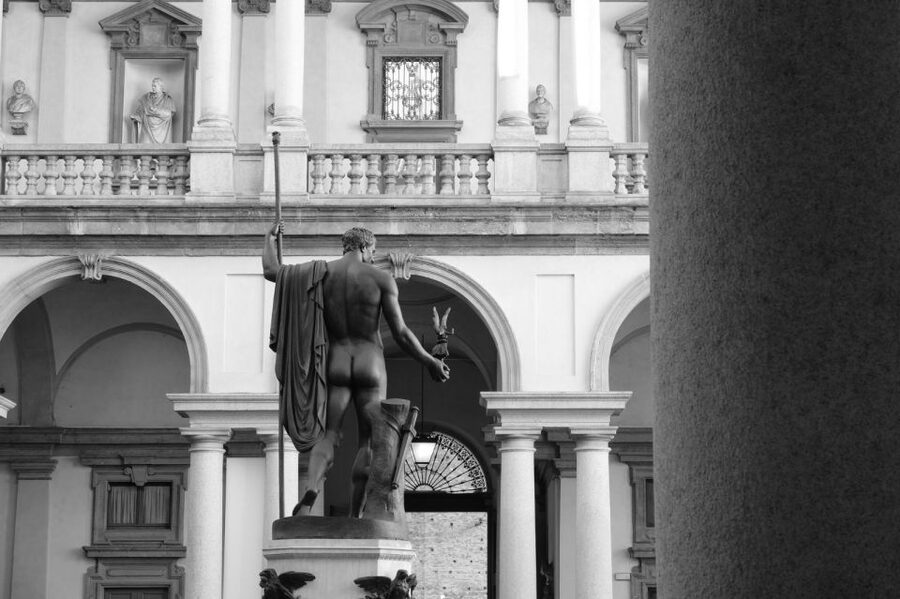
Reviewed · MUSEUMS
Milan: Pinacoteca Art Gallery and Brera District Guided Tour
The best part of this Milan tour is the way it links great paintings with the streets that shaped the city’s artistic life. You begin inside the Pinacoteca di Brera, then head into Brera itself, where small studios, perfume shops, and stores selling canvases and paints give the neighborhood its creative character.
I like the focused two-hour format, and I like that the guide explains more than names and dates. You learn how artists worked, what details to notice, and why a painting mattered in its time. The main drawback is pace: the Pinacoteca holds far more than you can absorb in two hours, and some people have found the Brera walk brief or missed it altogether.
Key points at a glance
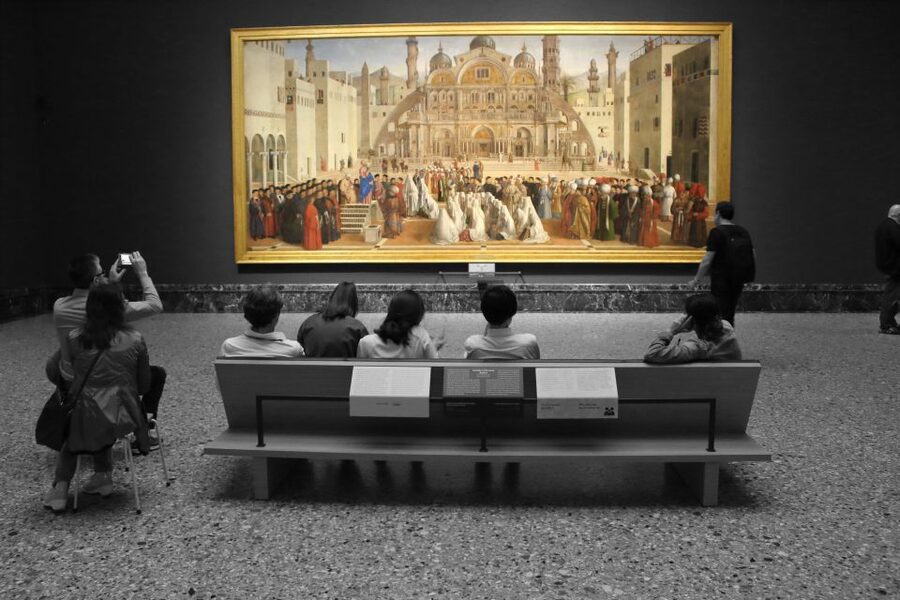
- Caravaggio and Raffaello take center stage: You see major works by two of Italy’s most important painters, along with paintings by Hayez and other artists from the 13th to the 20th century.
- The guide shapes the experience: Giorgio, Laura, Simone, and other guides have been praised for clear storytelling, art-history context, and lively details.
- The museum comes first or second: The order can vary. Some tours begin with Brera, while others start in the gallery.
- Brera adds local texture: The walk brings you past art studios and shops selling paints, canvases, and perfumes.
- Two hours is efficient but tight: It works well for a first look, but you will not see every painting in depth.
- Headphones are included: You can follow the guide more easily in the gallery, especially when other groups are nearby.
Why the Pinacoteca di Brera is worth your Milan time
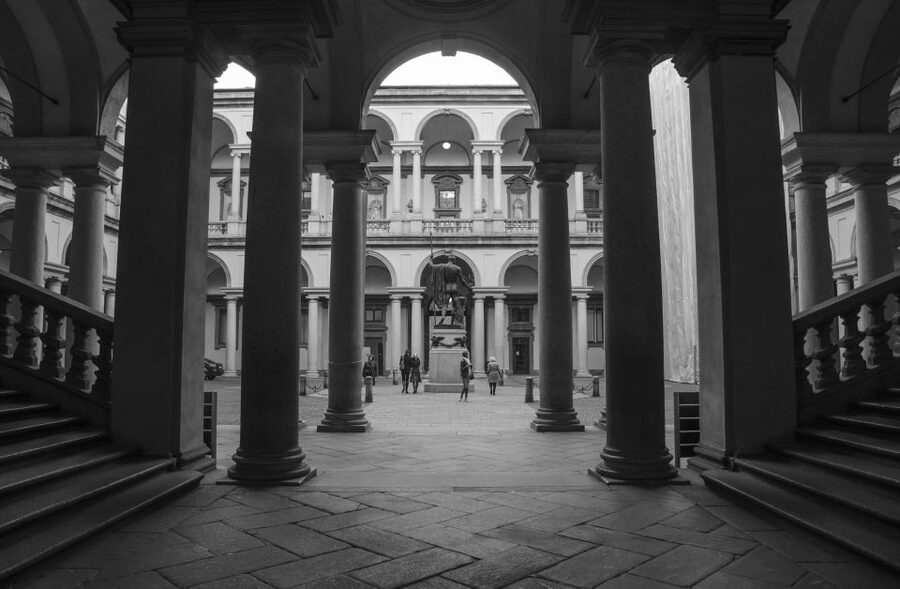
Milan is often associated with fashion, design, and Leonardo da Vinci, but the Pinacoteca di Brera offers a strong dose of Italian painting in one compact visit. Its collection covers works from the 13th through the 20th century, with a clear emphasis on major Italian artists and the development of painting across several centuries.
I find a guided visit especially useful here because a museum room can otherwise become a blur of gold backgrounds, saints, noble figures, and grand religious scenes. A good guide gives you a path through the collection. Instead of trying to read every label, you can focus on a handful of important works and understand what makes them worth your attention.
The gallery includes paintings by Raffaello, Caravaggio, and Francesco Hayez, among many others. Those names give you a sense of the range. Raffaello represents the balance and grace associated with the Renaissance. Caravaggio brings drama, sharp light, and human presence. Hayez belongs to a later period, showing how Italian painting continued to change long after the Renaissance.
The point is not simply to collect famous names. Your guide helps place each work in its artistic and social setting. You may hear about technique, the artist’s life, the subject of the painting, and the small visual clues that are easy to miss when you walk through on your own.
Other museums and galleries in Milan:
- Milan: Science and Technology Leonardo da Vinci Museum Entry
★ 4.5 · 7,169 reviews - Official San Siro Stadium and Museum Guided Tour
★ 4.4 · 3,573 reviews - Milan: Leonardo3 The World of Leonardo Museum Entry Ticket
★ 4.4 · 3,241 reviews
How the two-hour visit unfolds
The exact meeting point and order can vary by the option you book. Some guides begin with the Pinacoteca and take you through Brera afterward. One reported itinerary began with a walk around Brera before entering the gallery, so check the details attached to your chosen departure.
Inside the museum, expect a selective tour rather than a room-by-room study session. The Pinacoteca has enough material to fill much longer visits, so the guide must make choices. That is good news if you want a clear introduction, but less ideal if you already have a particular artist or painting you hope to study at length.
The strongest guides appear to adjust their explanations to the group. Simone, for example, was praised for covering the main works and adding more context without overwhelming the group. Another guide used an iPad to compare paintings in Brera with works from other parts of the world, a useful way to show how the collection fits into wider art history.
You also receive headphones so you can hear the guide clearly. That small detail matters in a gallery, where low voices, hard floors, and other groups can make a normal conversation difficult.
The walk itself may come before or after the museum. Either order works, but each creates a different mood. Brera first gives you a sense of place before you see the paintings. The gallery first lets you understand the neighborhood’s artistic identity afterward.
The paintings: what you gain from a guide
I would not book this tour simply to tick off Caravaggio and Raffaello. You can see their names on a museum map. The value comes from learning how to look.
Guides have explained hidden details in paintings, the techniques used to create particular effects, and the meaning behind scenes that can seem familiar at first glance. A strong explanation can turn a formal religious painting into a story about power, belief, patronage, and daily life.
You may also hear about the people behind the works. Several guides have been praised for sharing unusual or amusing facts about the artists, not just formal art criticism. That balance helps keep the tour accessible if you do not have a background in art history.
At the same time, this is still a classical-art tour. One earlier participant found that family members lost interest after about an hour because the visit focused so closely on paintings. That is a fair warning. If your ideal museum visit means moving quickly through many different types of objects, you may find the concentration demanding.
If you enjoy Renaissance and later Italian painting, the format makes good sense. You get a framework for understanding the collection, then you can return to favorite rooms on your own. One useful detail reported by a past participant is that the gallery ticket may permit repeated visits over a period of two or three months. Confirm the current ticket terms before relying on that benefit, since admission rules can change.
Caravaggio, Raffaello, and the art of choosing highlights
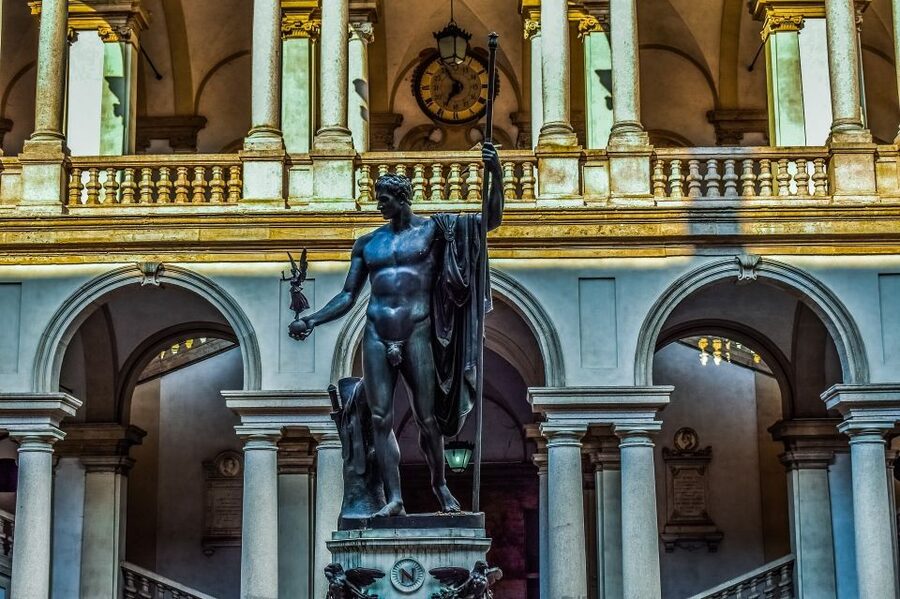
The gallery’s famous works deserve time, but the guide’s selection is just as important as the paintings themselves. A two-hour visit cannot give equal attention to everything. The best approach is to let the guide create a story through the collection.
Caravaggio is a natural anchor because his dramatic lighting and forceful figures make an immediate impression. Raffaello offers a different kind of experience, with a more controlled and harmonious style. Seeing them in the same visit helps you notice that Italian painting was never one single look.
Hayez adds another turn in the story. His work helps extend the visit beyond the standard Renaissance checklist and shows the continuing role of history, emotion, and national identity in Italian art.
Your guide may point out details that do not register during a casual visit: a gesture, a gaze, a change in light, or a feature that links one painting to another. This is where the tour earns its price. The information is not just a pile of dates. It gives you a way to slow down in front of the works.
Still, you should not expect a full academic lecture. The most effective guides keep the explanation moving. One guide was praised for giving plenty of context without making the tour feel heavy, while another participant found the visit somewhat hurried and wished for an extra 30 minutes. Both reactions make sense. The two-hour limit forces a tradeoff between coverage and close looking.
A few more things to do in Milan
- Milan: Da Vinci’s Last Supper Guided Tour
★ 4.7 · 10,143 reviews - Milan: City Sightseeing Hop-On Hop-Off Bus with Audio Guide
★ 4.0 · 6,256 reviews - Milan: Guided Walking Tour & Last Supper Visit with Ticket
★ 4.7 · 5,409 reviews - Milan: Fast-Track Milan Cathedral and Terraces Guided Tour
★ 4.7 · 5,240 reviews
Walking Brera beyond the museum doors
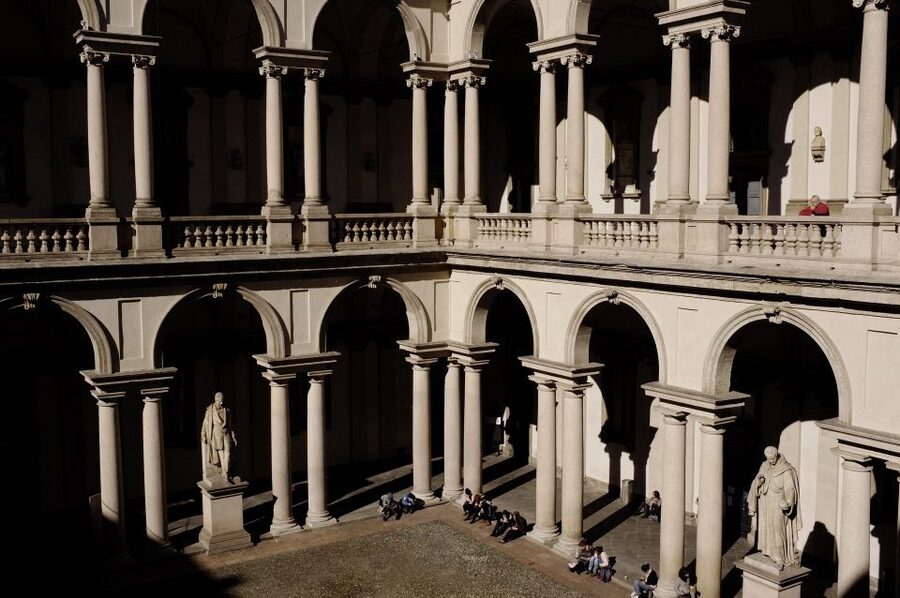
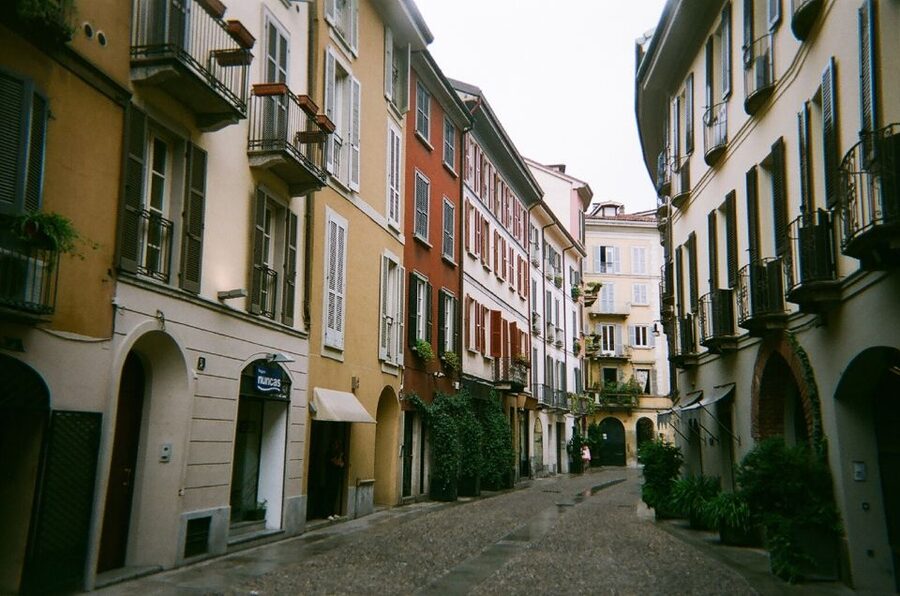
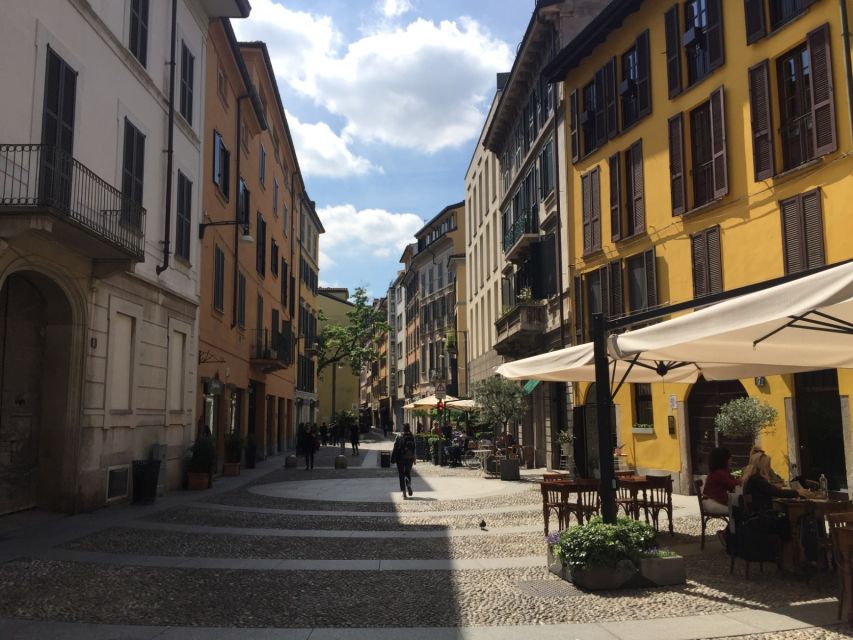
Brera is one of the most appealing areas in central Milan for a walk without a fixed sightseeing checklist. Its narrow streets and creative businesses give it a different feel from the city’s grand shopping avenues.
The tour introduces you to small studios and local shops connected with painting and design. You might see stores selling canvases, paints, and perfumes, all signs of the neighborhood’s long artistic identity. The walk is not simply a transfer from the museum to the next stop. It adds a human, everyday layer to the gallery visit.
The guide may also explain how Brera changed over time. One particularly useful account described its shift from a former red-light area into a fashionable district filled with restaurants and creative businesses. That kind of detail helps you see beyond the polished façades.
Do not expect a long architectural tour or a full food walk. The supplied information describes a guided stroll, not a meal or tasting experience. One participant received a restaurant suggestion nearby, but food and drinks are not included.
Weather can also affect this part of the experience. Rain shortened one visitor’s walk, which is a reminder that the outdoor portion is less predictable than the museum visit. If Brera is a major reason for booking, allow time to explore the area independently afterward.
The guides make the difference
The guide is the biggest variable in a tour like this. The languages offered are Italian, English, German, French, and Spanish, and the experience can be booked as a private group in some options.
Several guides receive especially warm praise. Giorgio is described as passionate, clear, and good at selecting key works. He has also used comparisons with paintings from around the world to give the gallery a wider context. Laura is praised for combining art history with background information that made the paintings easier to understand. Simone is noted for finding a good balance between detail and pace.
Other guides, including Daniella, Tiziana, Lina, Mary, and Lara, have been praised for keeping the visit engaging and answering questions patiently. You cannot assume you will receive a particular guide unless your booking confirms it, but these comments give you a sense of the standard to hope for.
One four-star experience points to a useful consideration: even with only two people, a guide may not always invite questions or conversation. If you want a highly interactive visit, say so early. Ask about a painting, mention an artist you care about, or explain whether you prefer technique, biography, or social history.
Is $61 a fair price?
At $61 per person, the tour costs more than entering the gallery alone, but the comparison is not quite fair. You are paying for admission, a live guide, headphones, and a planned route through a collection that can be difficult to navigate efficiently on your first visit.
I see the price as reasonable if you have limited time in Milan or do not feel confident interpreting classical painting on your own. The guide can help you spend two hours well instead of wandering through rooms without knowing which works deserve your attention.
The value is weaker if you already have a strong art-history background or plan to spend half a day in the gallery. In that case, you may prefer independent admission and the freedom to study a few paintings for as long as you like.
A private group option may make the cost easier to justify for families or friends who want to ask many questions. For a larger group, the personal pace and ability to focus on shared interests can matter more than the basic entry ticket.
The tour includes no food or drinks, so plan a café or restaurant stop separately. Brera is well suited to that, but the meal will be your own expense.
Who should book this tour?
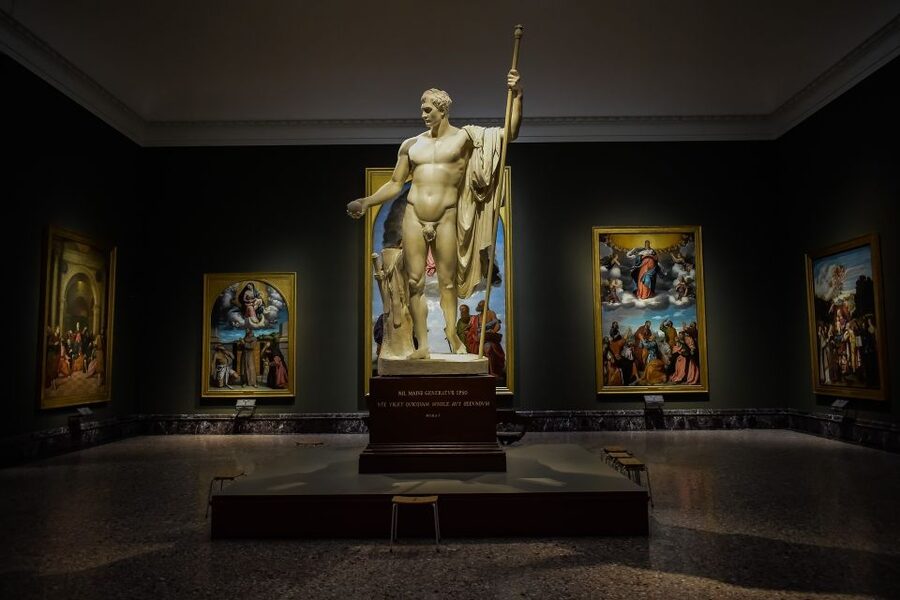
I would recommend it to a first-time visitor to Milan who wants a clear introduction to Italian painting without spending an entire day in a museum. It also suits couples and small groups who enjoy history, biography, and visual detail but do not want a dry lecture.
It is a particularly good fit if you are unsure how to approach old master paintings. The guide gives you a set of questions to carry into the rest of your trip: Where does the light come from? What is the artist asking you to notice? Who paid for the painting? What changed between one period and the next?
Families should think about attention spans. A younger visitor or anyone who prefers modern art may find the museum-heavy format slow after an hour. The Brera walk helps, but it is still a short tour centered on classical painting.
The experience is wheelchair accessible, and cancellation is free up to 24 hours before the start time. You can also reserve now and pay later, which helps if your Milan schedule is still shifting.
My verdict on the Pinacoteca and Brera tour
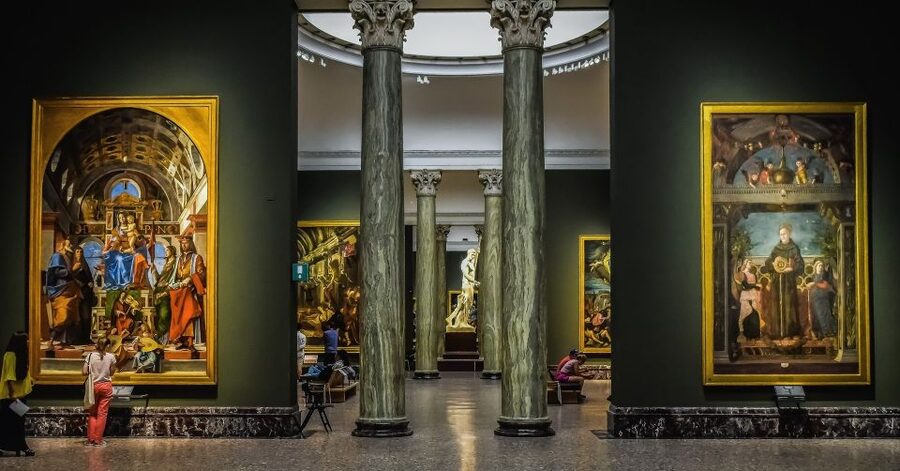
Book this if you want meaning and context, not just museum entry. The gallery holds enough major art to justify a visit on its own, but the guide helps you see why the paintings matter and how they connect to Milan’s artistic character.
Keep your expectations realistic. Two hours is enough for a strong introduction, not a complete survey of the collection. The Brera walk may be brief, the order may change, and the quality of the conversation depends on the guide and the group.
For most visitors, the combination works well. You get Caravaggio, Raffaello, Hayez, stories about artists and technique, then a walk through a district where art remains part of daily business. If you have only one museum visit planned in Milan, this is a sensible and well-focused choice.
FAQ
How long does the Pinacoteca and Brera tour last?
The tour lasts two hours.
What does the tour include?
It includes Pinacoteca entry tickets, a live tour guide, and headphones to hear the guide clearly.
Is food or drink included?
No. Food and drinks are not included.
Which artists can I expect to see?
The tour highlights works by artists including Caravaggio, Raffaello, and Hayez, along with paintings by many other artists from the 13th to the 20th century.
Is the Brera district included?
Yes. The experience includes a guided stroll through Brera, although the order and length of the walk can vary.
Can the tour start with Brera instead of the gallery?
Yes. The order may vary by the option booked. Some visits begin with the Brera walk, while others begin inside the Pinacoteca.
What languages are available?
Live guides are available in Italian, English, German, French, and Spanish.
Is the tour wheelchair accessible?
Yes, the activity is listed as wheelchair accessible.
Can I book a private group?
Yes. A private group option is available.
What is the cancellation policy?
You can cancel up to 24 hours in advance for a full refund. You can also reserve now and pay later.
Just added in Milan
- Highlights and hidden gems of Milan Bike Tour★ 5.0 · 491 reviews
- Milan Gourmet Tour: A Premium Tasting Experience by Do Eat Better★ 5.0 · 241 reviews
- Private Milan Food Walking Tour of Brera★ 5.0 · 217 reviews
- Learn to Cook Italian Recipes with an Italian Chef★ 5.0 · 283 reviews
- Leonardo3 The World of Leonardo: Tickets for the Interactive Exhibition★ 4.0 · 220 reviews
- Da Vinci’s Last Supper and Santa Maria delle Grazie Church Tour★ 4.5 · 218 reviews
- La Scala Theatre and Museum guided experience★ 4.5 · 664 reviews
- La Scala Theatre and Museum Tour in Milan With Private Guide★ 3.5 · 384 reviews
Museums, compared.
Vatican: Museums & Sistine Chapel Entrance Ticket
Read our review →
Vatican Museums & Sistine Chapel Tour with Optional Basilica
Read our review →
Vatican Museums, Sistine Chapel & St Peter’s Basilica Guided Tour
Read our review →
Skip-The-Line Uffizi Gallery Timed Entry Ticket
Read our review →
Vatican Museums & Sistine Chapel Skip-the-Line Entry Ticket
Read our review →
Browse the lists this tour appears in