
Reviewed · MUSEUMS
Milan: Pinacoteca Ambrosiana & da Vinci Codex Exhibition
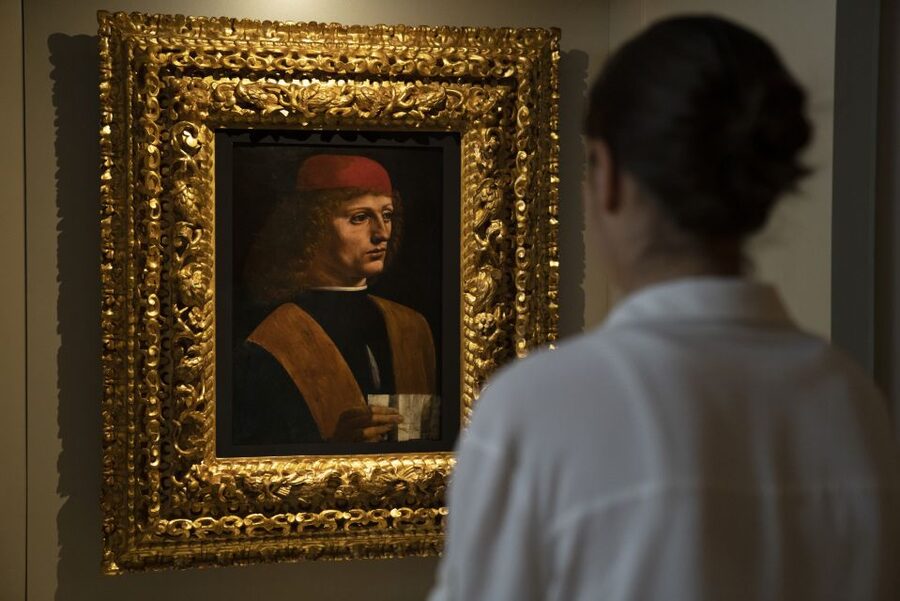
The star here is Leonardo da Vinci’s Codex Atlanticus, the world’s largest collection of original Leonardo drawings. His pages reveal not just finished art, but machines, buildings, anatomy, mathematics, and restless problem-solving. You see the working mind behind the famous name.
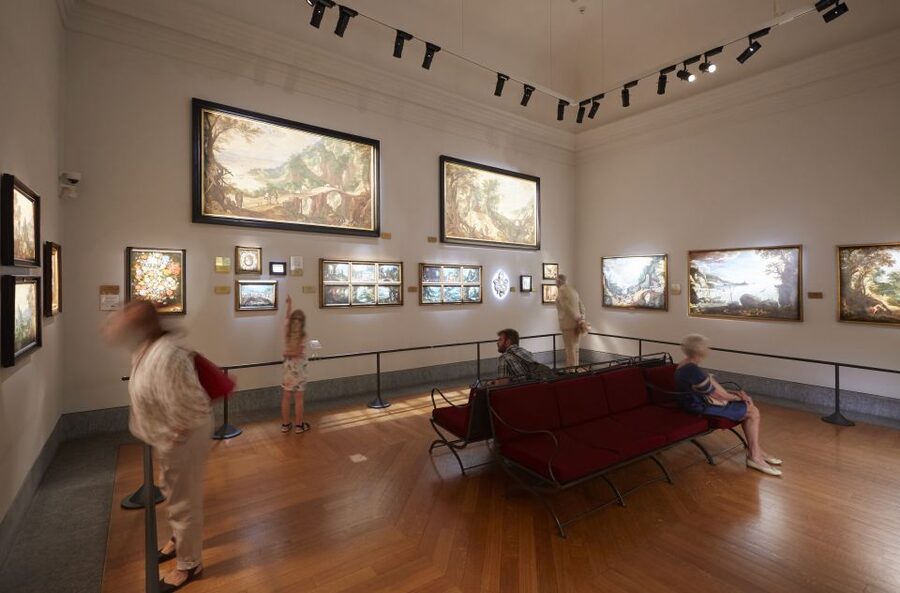
I like two things right away: the compact scale makes the art manageable, and the building itself, with its historic library rooms, gives the visit a special setting. I also like the mix of painters, sculpture, pottery, books, and old artifacts. The main drawback is wayfinding. The rooms can be confusing, and some labels are hard to read in low light.
Key points to know before you go
- Leonardo’s original drawings: See pages from the Codex Atlanticus, including engineering sketches and studies from across his long career.
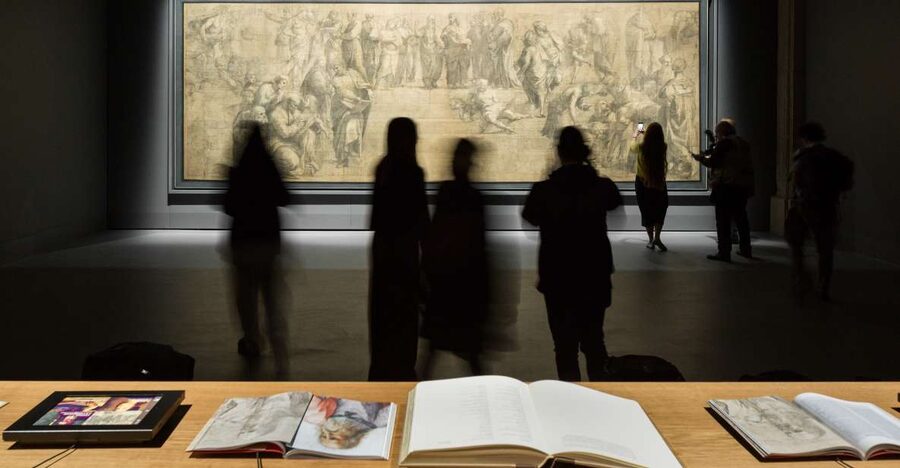
- Raphael’s School of Athens cartoon: A major highlight, with helpful material explaining how the full-size design was transferred to a wall.
- A quieter alternative in central Milan: The museum is close to the Duomo and usually feels calmer than Milan’s larger headline attractions.
- A €4 audio guide can add real value: It is available in six languages and can be downloaded to your device for listening after the visit.
- Plan 1.5 to 3 hours: A quick visit covers the main works, but extra time lets you follow the map and read the labels.
- Tickets cover the main collections: The separate crypt, mentioned by some visitors as worthwhile, may require an extra fee.
Why the Ambrosiana deserves a place on your Milan list
Milan has no shortage of major sights, so the Ambrosiana can be easy to skip. That would be a mistake if you enjoy painting, drawing, books, or old objects. This is not a huge museum where you spend half the day marching through room after room. It is a focused visit with several strong reasons to stop.
The museum combines the Pinacoteca Ambrosiana art collection with a historic library setting. That combination changes the mood. You are not seeing only framed paintings in neutral galleries. You are moving through rooms connected to collecting, study, preservation, and scholarship.
I especially like the contrast between the polished masterpieces and the rough, practical Leonardo sketches. A painting by Raphael asks you to look at composition and color. A Leonardo page may pull you toward a wheel, a bridge, a wing, or a curious mechanical detail. Together, they show two sides of Renaissance creativity: art made for the eye and ideas made to test what might be possible.
The price of about $21 is reasonable for Milan, especially because it includes both the Ambrosiana collections and the Leonardo exhibition. You can make a short visit if your schedule is tight, but the museum rewards a slower pace. If you have only 45 minutes, you will need to choose your priorities. Give it at least 90 minutes if you want the main collection and Codex display to feel like more than a quick stop.
Other museums and galleries in Milan:
- Milan: Science and Technology Leonardo da Vinci Museum Entry
★ 4.5 · 7,169 reviews - Official San Siro Stadium and Museum Guided Tour
★ 4.4 · 3,573 reviews - Milan: Leonardo3 The World of Leonardo Museum Entry Ticket
★ 4.4 · 3,241 reviews
Finding the museum near the Duomo
The meeting point is the Ambrosiana at Piazza Pio XI 2. From the central sights, the easiest metro stops are Cordusio on the red line or Duomo on the red and yellow lines. Tram lines 12, 14, and 16 stop at Orefici Cantù, while lines 2 and 3 stop at Duomo.
This central location makes the museum easy to pair with other Milan sights. You can visit before or after the Duomo, Galleria Vittorio Emanuele II, or an afternoon walk through the center. The entrance is not presented as a guided tour meeting point, so read your booking details carefully. The admission is essentially a ticket for independent exploration, not a scheduled walking tour with a guide.
The museum is easy to reach, but the interior is less straightforward. Take the map offered at the entrance and use it. It is possible to miss rooms if you simply follow the first obvious route. Clearer signs would help, especially when you are trying to find the Leonardo display or a particular major work.
Begin with the Pinacoteca’s major paintings
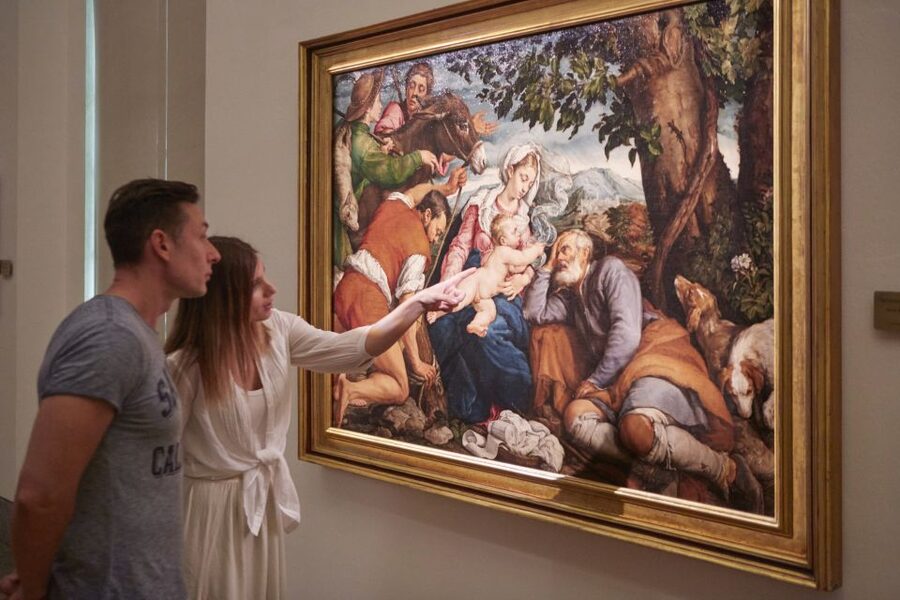
Start with the Pinacoteca collection rather than rushing straight to Leonardo. The Ambrosiana includes works associated with Botticelli, Raphael, Titian, Caravaggio, and other Italian masters. The collection is varied enough to keep the visit moving, but not so large that your attention fades quickly.
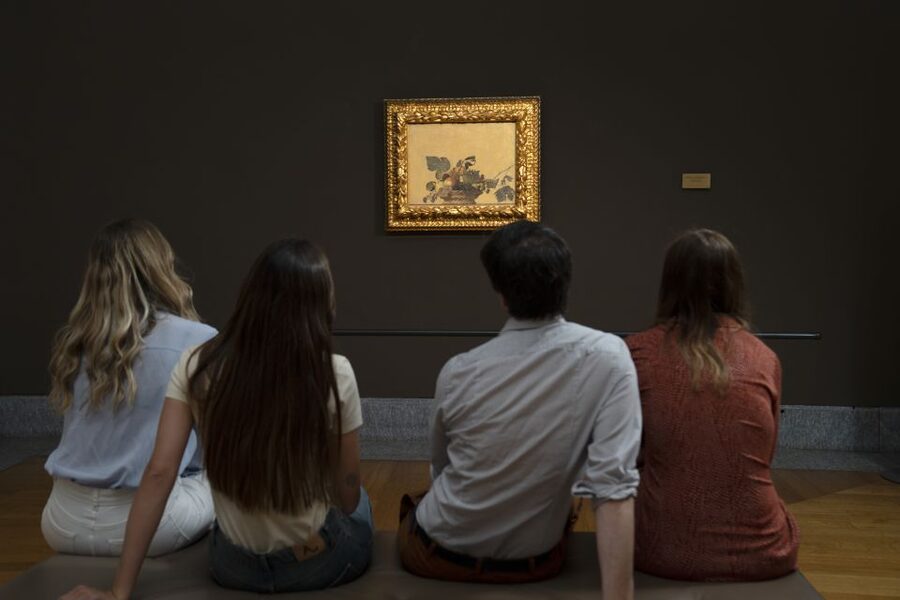
Caravaggio’s still-life work gives you a close look at his interest in ordinary objects and careful observation. The paintings are not just famous names on a wall. They provide a useful range of styles and subjects, so you can compare the drama of one artist with the balance or restraint of another.
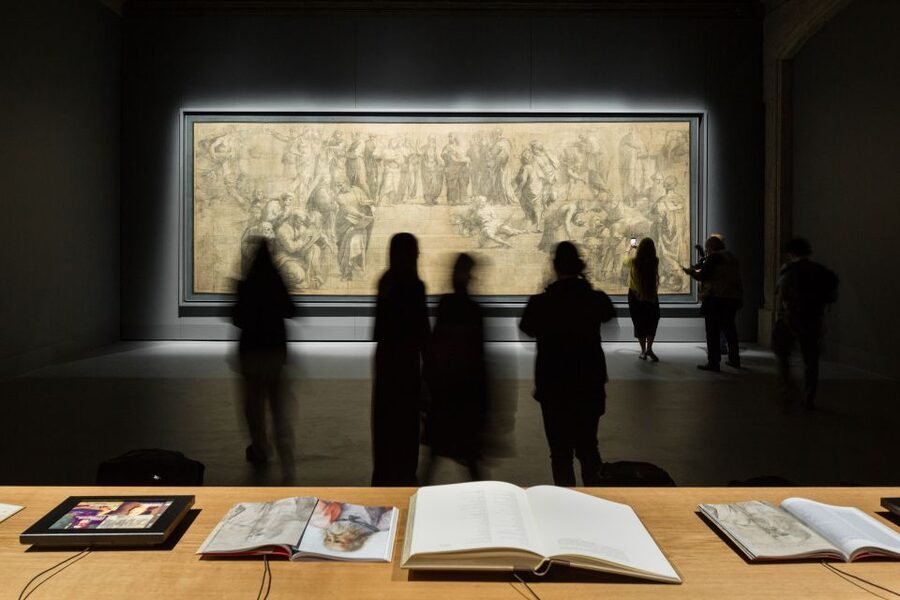
Raphael’s cartoon for the School of Athens is one of the strongest reasons to come. A cartoon in this setting is not a humorous drawing. It is a full-size preparatory design used to plan a major fresco. The Ambrosiana display helps explain the process of transferring the design to a wall, which makes the work easier to understand.
You can get close enough to study the drawn figures and the planning behind the finished composition. The School of Athens is often remembered as a completed fresco, but this preparatory work reminds you how much design and labor came before the paint reached the wall.
The Raphael display may be the best choice if you want one work that explains Renaissance art in practical terms. Leonardo is the headline attraction, but Raphael gives the visit a powerful second focus.
Follow Leonardo from art to engineering
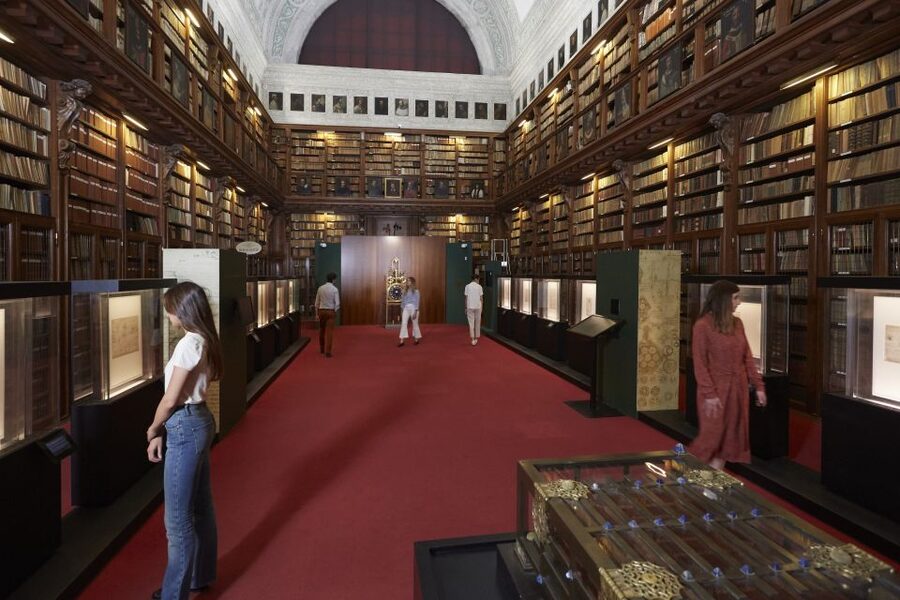
The Codex Atlanticus display is where the visit changes character. Leonardo’s original drawings cover ideas from many fields, and the pages do not feel like polished gallery pieces. You see lines, notes, diagrams, studies, and repeated attempts. That unfinished quality is part of the appeal.
Some pages concern machines and engineering. Others show studies of buildings, movement, or design. You are looking at evidence of how Leonardo thought, not only at a finished portrait or painting. The exhibition presents an overview of work gathered from more than 40 years of research, helping place the drawings in the wider story of his life and interests.
Do not expect every drawing to be large or instantly legible. These are often delicate pages with small details. The displays are best approached slowly. Take a moment to look at the overall arrangement, then move closer to the lines and diagrams.
Lighting is an important part of the experience. Several areas are kept fairly dark, which helps protect sensitive works and creates a calm atmosphere. The tradeoff is that some labels and descriptions can be difficult to read. Bring patience, and use the audio guide if you want more context without straining over every panel.
The Leonardo section also gives you a chance to see the artist beyond the familiar image of the Mona Lisa painter. The sketches show an investigator who kept returning to problems, testing shapes and systems. If your interest in Leonardo comes mainly from paintings, this is a useful correction. Much of his creative energy went into questions that do not fit neatly inside an art gallery.
Same base, a different kind of day:
- Milan: Cathedral and Duomo’s Terraces Entrance Ticket
★ 4.6 · 61,054 reviews - Milan: Da Vinci’s Last Supper Guided Tour
★ 4.7 · 10,143 reviews - Milan: City Sightseeing Hop-On Hop-Off Bus with Audio Guide
★ 4.0 · 6,256 reviews - Milan Cathedral: Duomo Terraces Ticket (No Church Access)
★ 4.6 · 6,111 reviews
The Federiciana Room and the library setting
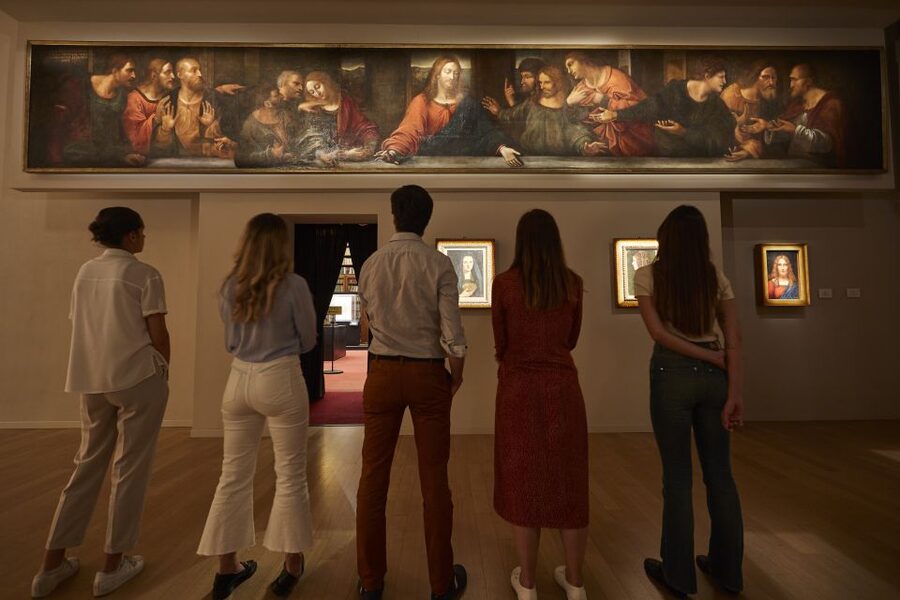
The Federiciana Room of the Ambrosiana Library adds another layer to the visit. The library spaces help explain why the institution feels different from a standard picture gallery. Books, documents, art, and collected objects belong together here.
The library is one of the building’s visual highlights. Its historic rooms and multi-level arrangement make the setting part of what you came to see. You might find yourself paying as much attention to the architecture, shelving, and room design as to a painting.
That is especially true if you enjoy old libraries. You do not need to be an art specialist to appreciate the building. The atmosphere is quiet, and the displays are generally arranged in a calm, orderly way. Several rooms include sculpture, pottery, and artifacts, so the visit is not limited to paintings and drawings.
Use the entrance map as a checklist. One easy mistake is to see the Codex and Raphael, then assume you have covered the museum. The Ambrosiana has more small rooms and side displays than you may expect from its compact size.
Choosing the audio guide
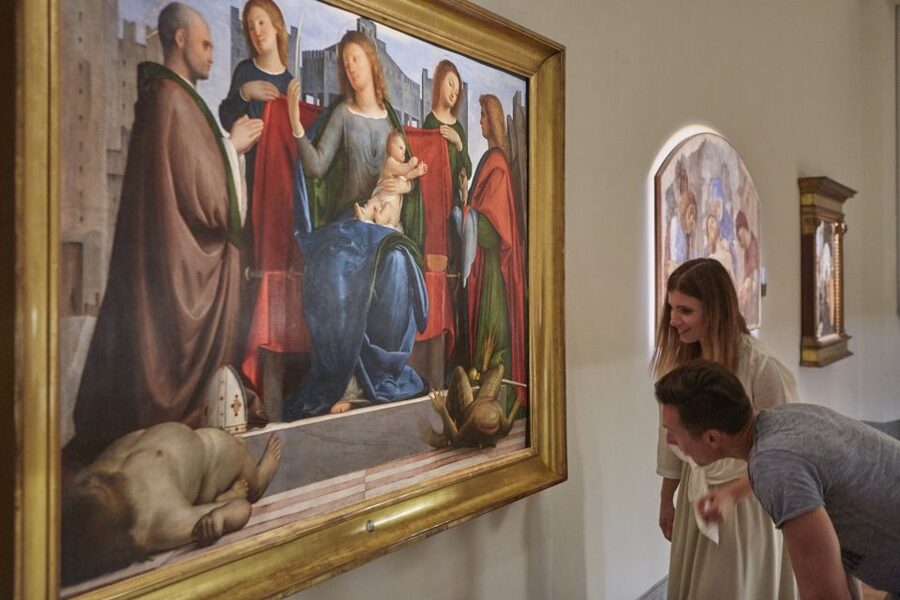
The audio guide costs €4 and is available in six languages. You can purchase it through GetYourGuide or at the ticket office. The guide can also be downloaded to your device and listened to after the visit.
I would add it if you want background on the artists or if you plan to stay longer than an hour. The works are rewarding on their own, but several paintings become more interesting once you know what to look for. The explanation of Raphael’s cartoon and its connection to the School of Athens is particularly useful.
There is one practical catch. The app may begin in a short, one-hour visit mode. If you plan to spend two or three hours inside, switch it to the longer visit setting. Otherwise, it may guide you through only a small selection of works.
The audio guide is not a live tour. That means you control the pace and can pause, skip, or replay sections. For many people, that is better than being tied to a group schedule. If you prefer reading labels and making your own connections, you can skip the extra fee.
How long to spend inside
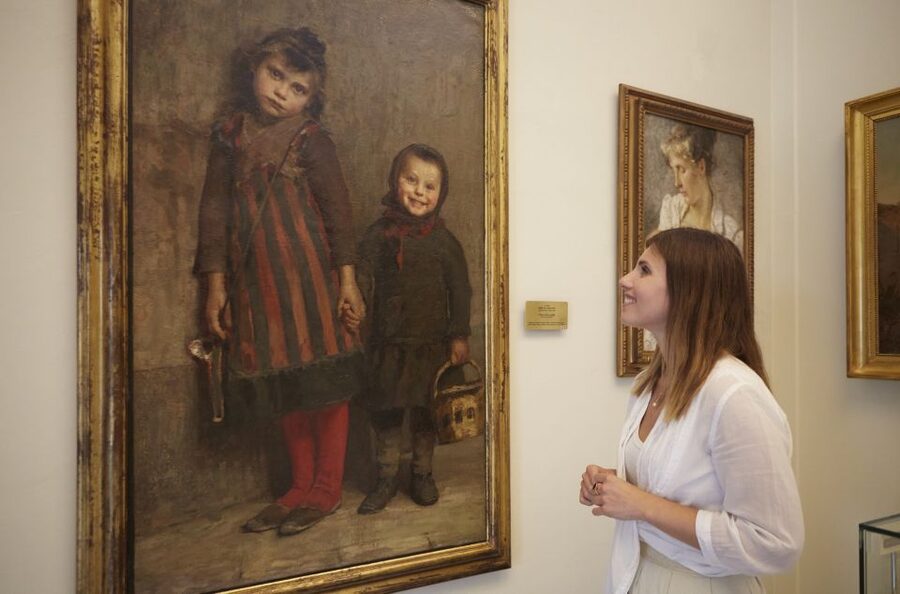
A fast visit can cover the main Leonardo drawings, Raphael’s cartoon, and several major paintings in about 90 minutes. That is the minimum I would suggest if you want the museum to feel worthwhile rather than hurried.
Two hours gives you time to follow the collection in a sensible order, stop at the library rooms, and read selected labels. Three hours suits visitors who enjoy close study, use the longer audio-guide setting, or want to include the less obvious displays.
There are places to sit, which helps if you are traveling with a full sightseeing day. The museum can also provide a cool, air-conditioned break in hot Milan weather. The calm setting makes it a useful pause between busier city sights.
Parents should check arrangements for strollers before arriving. Some areas may not allow a baby buggy inside, and one reported setup required leaving it near the entrance. If that matters to your visit, ask staff at the start so you can plan around the restriction.
The optional crypt and other practical details
The main ticket includes the Ambrosiana collections and the Leonardo Codex Atlanticus exhibition. Some visitors choose to pay extra for the crypt, describing it as an old church space with historic marble flooring. It is not part of the included ticket information, so confirm the current fee and access arrangements before counting on it.
Staff can help if you are unsure where to go, but the museum’s layout is not always obvious. If you cannot find the Codex section, ask for the exact room rather than simply following general directions. The map is your best tool.
The experience is valid for one day, with available starting times shown during booking. You can cancel up to 24 hours in advance for a full refund, and the reserve-now, pay-later option can help if your Milan plans are still shifting.
Who will enjoy the Ambrosiana most
This visit suits you if you like Renaissance art but do not want a massive museum that takes an entire day. It is especially good for anyone curious about Leonardo’s drawings, since the Codex pages reveal a very different side of him than his best-known paintings.
Art students, sketchers, engineers, architects, and history-minded visitors will find plenty to examine. Families with older children may also like the mechanical drawings because they invite questions about how things work. The library rooms help keep the visit varied.
You might prefer another Milan activity if your main goal is a large collection of modern art, a highly structured guided tour, or a museum with simple one-way navigation. This experience asks you to pay attention to the map and make your own route.
Should you book the Ambrosiana?
I would book it if Leonardo, Raphael, or historic libraries are high on your Milan list. The $21 admission is fair because it covers a strong mix of original drawings, major Renaissance painting, and an unusual museum setting. Add the €4 audio guide if you want the collection explained rather than simply viewed.
Prioritize Raphael’s School of Athens cartoon, the Codex Atlanticus section, and the library rooms. Then use any remaining time for Caravaggio, Botticelli, Titian, sculptures, pottery, and the smaller displays.
Skip it only if your schedule is extremely tight or you want a large, easy-to-navigate art museum. For most art-minded visitors, the Ambrosiana is a smart central-Milan stop, with enough substance to justify the time and a quieter pace than the city’s biggest attractions.
FAQ
Where is the Pinacoteca Ambrosiana?
It is at Piazza Pio XI 2 in Milan. The nearest metro stops are Cordusio on the red line and Duomo on the red and yellow lines.
What does the admission ticket include?
The ticket includes entry to the Ambrosiana collections and the exhibition of Leonardo da Vinci’s original drawings from the Codex Atlanticus.
Is a tour guide included?
No live tour guide is included in the ticket information. You visit independently, with an optional audio guide available for €4.
In which languages is the audio guide available?
The audio guide is available in six languages. You can get it through GetYourGuide or at the museum ticket office.
How long should I allow for the visit?
Allow at least 1.5 hours for the main highlights. Two to three hours gives you more time for the library, smaller displays, labels, and the longer audio-guide route.
Is the crypt included in the ticket?
The provided ticket information does not include the crypt. An extra fee may apply, so confirm the current arrangements at the museum.
Can I cancel the booking?
You can cancel up to 24 hours in advance for a full refund. A reserve-now, pay-later option is also available.
Just added in Milan
- Highlights and hidden gems of Milan Bike Tour★ 5.0 · 491 reviews
- Milan Gourmet Tour: A Premium Tasting Experience by Do Eat Better★ 5.0 · 241 reviews
- Private Milan Food Walking Tour of Brera★ 5.0 · 217 reviews
- Da Vinci’s Last Supper and Santa Maria delle Grazie Church Tour★ 4.5 · 218 reviews
- Learn to Cook Italian Recipes with an Italian Chef★ 5.0 · 283 reviews
- Leonardo3 The World of Leonardo: Tickets for the Interactive Exhibition★ 4.0 · 220 reviews
- La Scala Theatre and Museum guided experience★ 4.5 · 664 reviews
- La Scala Theatre and Museum Tour in Milan With Private Guide★ 3.5 · 384 reviews
Museums, compared.
Vatican: Museums & Sistine Chapel Entrance Ticket
Read our review →
Vatican Museums & Sistine Chapel Tour with Optional Basilica
Read our review →
Vatican Museums, Sistine Chapel & St Peter’s Basilica Guided Tour
Read our review →
Skip-The-Line Uffizi Gallery Timed Entry Ticket
Read our review →
Vatican Museums & Sistine Chapel Skip-the-Line Entry Ticket
Read our review →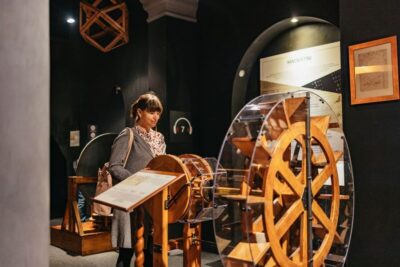
Browse the lists this tour appears in