
Reviewed · VATICAN & SISTINE CHAPEL TOURS
Rome: Vatican Museums, Sistine Chapel Tour & Basilica Access
The Vatican’s great strength is also its challenge: there is far too much to see in one visit. This tour gives you a fast route through the Vatican Museums, with a guide pointing out the works most worth your attention instead of leaving you to wander through miles of galleries on your own. You’ll see the Belvedere Courtyard, Gallery of Maps, Renaissance textiles, and Michelangelo’s famous Sistine Chapel ceiling.
I like two things here. First, skip-the-line entry can save a large part of your day, especially when the outdoor queue stretches for hours. Second, guides such as Simona, Federica, Alessandra, Davide, and Tonia Alba have been praised for making the art easier to understand with stories, humor, and visual aids. The main drawback is pace: crowded corridors, limited time for photographs, and headsets that may be hard to hear in noisy rooms.
Key points to know before booking
- Skip the long museum queue: Your ticket bypasses the ticket line, a major advantage during busy periods.
- See the Vatican’s major galleries: The route includes the Belvedere Courtyard, Gallery of Maps, Gallery of Candelabra, and Renaissance textiles.
- Michelangelo is the grand finale: The Sistine Chapel includes the Creation of Adam and the Last Judgment.
- Basilica access is an option: St. Peter’s Basilica can be added, but the guide may leave you to explore independently.
- Expect a brisk walking tour: Comfortable shoes matter, and there is little time to stop for every photograph.
- Dress for Vatican rules: Cover your shoulders and knees, and bring photo identification for security.
What this Vatican tour does well
At about $130.28 per person, this is not a cheap museum ticket. You are paying for more than admission, though. The price covers a licensed guide, skip-the-line access to the Vatican Museums and Sistine Chapel, headsets, and assistance at the meeting point.
For a first visit to Rome, I think the price can make sense. The Vatican Museums are vast, the entrance process can be confusing, and the route is packed with famous works that are easy to miss without direction. A guide who can explain why a sculpture, map, or fresco matters adds real value.
The best guides bring the collection to life without turning the tour into a lecture. Alessandra has been noted for finding the right balance between detail and brevity. Simona is especially enthusiastic about Michelangelo, while Davide is praised for keeping the group moving through heavy crowds. Other guides, including Federica, Fred, Hillary, and Tonia Alba, have been singled out for warmth, humor, and clear explanations.
Still, you should know what kind of experience this is. It is a highlights tour, not a quiet museum visit. You will walk quickly through grand corridors filled with other groups. The guide may pause beside a major work, explain its meaning, and then move on before you have had much time to take photographs.
That tradeoff is built into the Vatican. If you want to study every painting at your own pace, an independent visit may suit you better. If you want help deciding what deserves your attention, this format is practical.
Other ways to see the Vatican:
- Vatican: Museums & Sistine Chapel Entrance Ticket
★ 4.5 · 144,003 reviews - Vatican Museums & Sistine Chapel Tour with Optional Basilica
★ 4.3 · 67,413 reviews - Vatican Museums, Sistine Chapel & St Peter’s Basilica Guided Tour
★ 4.5 · 39,149 reviews
Meeting at Via Vespasiano 24
The tour starts at the local partner’s office on Via Vespasiano, 24. You do not meet at St. Peter’s Square, so take that detail seriously. Arriving at the square and assuming you are already in the right place could leave you rushing.
The easiest public transport option is Metro Line A to Ottaviano. From the station, the office is about a 10-minute walk. The local team is available at the meeting point, and free WiFi is offered there. Headsets are provided so you can hear the guide while walking through crowded rooms.
Arrive early. The Vatican is strict about timed entry, and latecomers may not be admitted or refunded. Bring your passport or another photo ID for the security check. A small amount of preparation here saves a great deal of stress later.
Belvedere Courtyard and the Vatican’s first great views
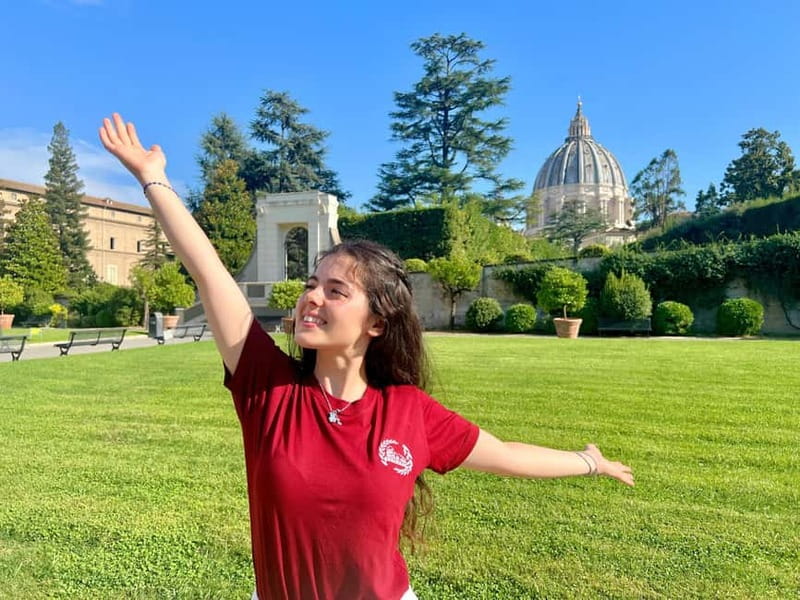
The tour typically begins with the Cortile del Belvedere, or Belvedere Courtyard. This area gives you an early sense of the Vatican’s scale and its long connection to classical art.
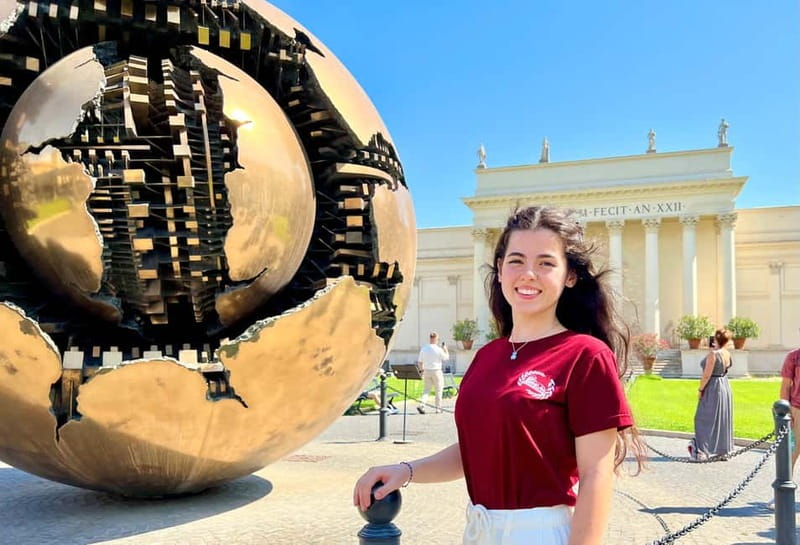
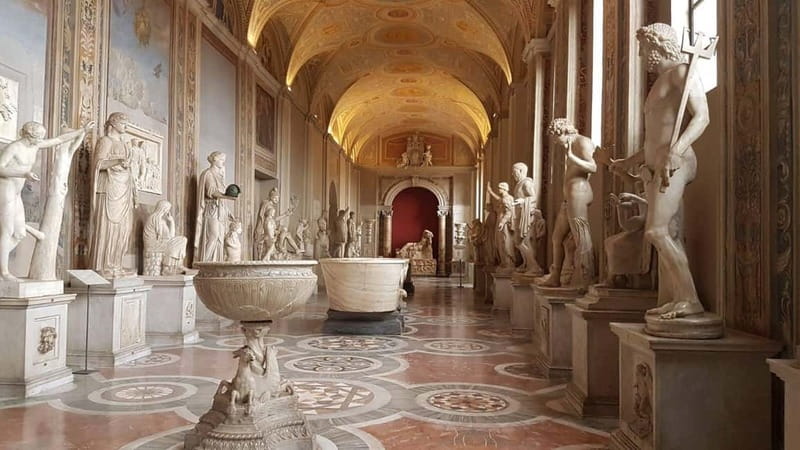
The courtyard is linked with the Pio Clementino Museum, where you can see celebrated ancient sculptures including the Laocoön and Apollo Belvedere. These works are not just decorative stops. They show how Renaissance artists and popes looked back to the ancient world for ideas about the human body, movement, power, and beauty.
I find this opening useful because it gives context before the route becomes a steady stream of rooms. Your guide can help you see how the Vatican collection grew through centuries of papal interest in art and archaeology.
The drawback is that the courtyard and sculpture rooms can become crowded. You may need to stay close to your guide and listen through the headset rather than standing in front of a work for long. The group’s pace matters here, especially if you want photographs.
The Vatican Museums and the Gallery of Candelabra
From the courtyard, you move into the Vatican Museums, a huge collection spread through connected galleries and corridors. You will not see everything in a two-and-a-half to three-hour visit. The guide’s job is to choose a route through the most important sections.
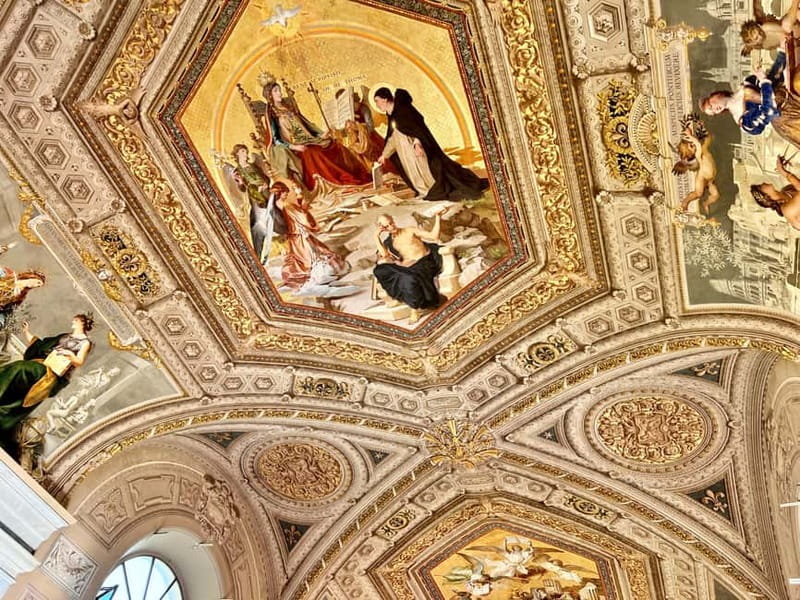
The Gallery of Candelabra is one of the early stops. Its name comes from the large marble candelabra displayed along the corridor. Look up and around as you walk. The decoration is part of the experience, with painted ceilings, ornate walls, sculpture, and objects gathered from different periods.
This is where a live guide earns the admission price. Without context, the rooms can blur together. A good explanation helps you understand what you are seeing and why the Vatican placed these objects together.
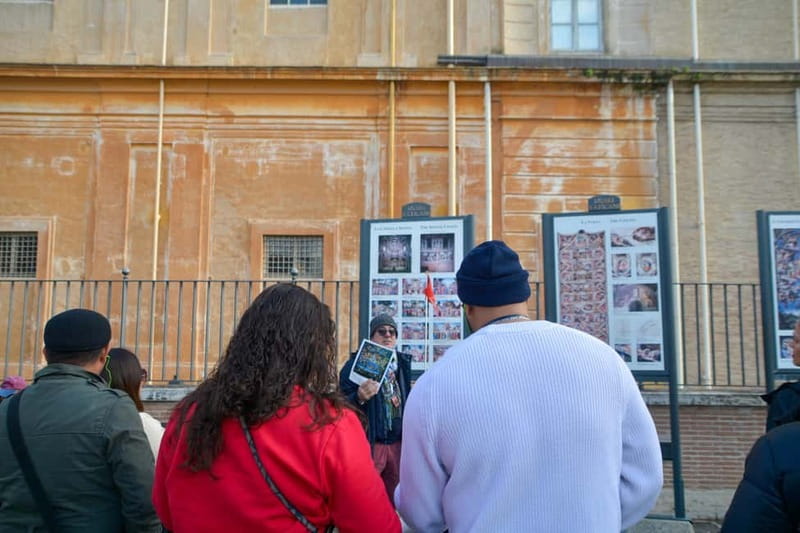
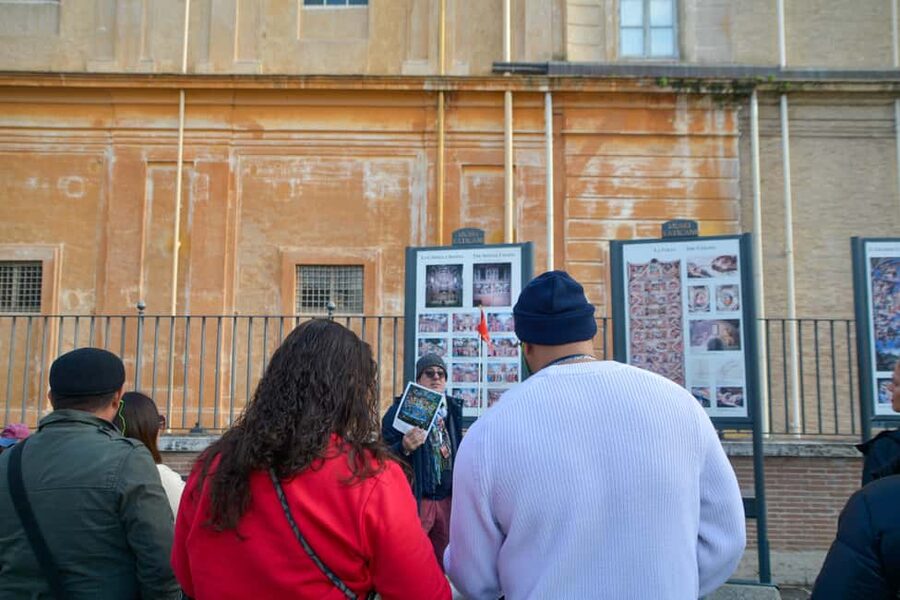
Guides have used books and printed images to explain details that are hard to see in a crowded gallery. That approach can be especially helpful when a fresco or ceiling scene is high above you. It also makes the visit more memorable than simply hearing a list of artists and dates.
The tradeoff is time. You may feel that you are being led past rooms rather than invited to linger. Keep your camera ready, but prioritize listening. The most useful explanations may happen while the group is already moving.
Other museums and galleries in Rome:
- Rome: Vatican Museums, Sistine Chapel & Basilica Tour
★ 4.3 · 13,872 reviews - Vatican Museums & Sistine Chapel Skip-the-Line Entry Ticket
★ 4.4 · 13,838 reviews - Rome: Vatican Museums, Sistine Chapel & Basilica Tour
★ 4.7 · 13,217 reviews - Rome: Vatican Museums & Sistine Chapel Guided Tour
★ 4.3 · 12,117 reviews
Gallery of Maps and Renaissance textiles
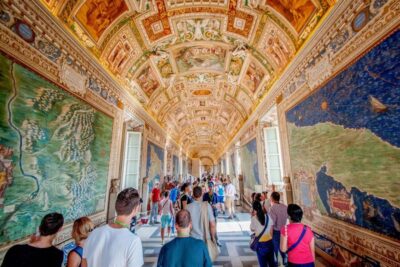
The Gallery of Maps is one of the route’s most rewarding sections. Its walls are covered with 16th-century maps of Italy, and the long corridor creates one of the Vatican’s most memorable visual stretches.
You can use the maps to see how people pictured Italy before modern surveying and satellite imagery. They are works of art as much as geographical records, with decorative borders, regional details, and a strong sense of place.
The ceiling competes for attention. Like much of the Vatican, this is a room where you should look in several directions rather than focus only at eye level. Your guide can point out details that you might otherwise pass without noticing.
The route also includes the Gallery of Tapestries. To avoid the prohibited terminology requested for this article, think of it as the Vatican’s gallery of large Renaissance woven wall hangings. These textiles show how art moved beyond painted panels and frescoed walls. They were costly, portable, and designed to signal wealth and power.
One practical warning: this corridor is a prime place to lose sight of a guide. Stay close, especially if the group is large or the museum is crowded. The headsets help, but several comments have noted that the audio connection can become difficult in noisy spaces.
The Sistine Chapel and Michelangelo’s ceiling
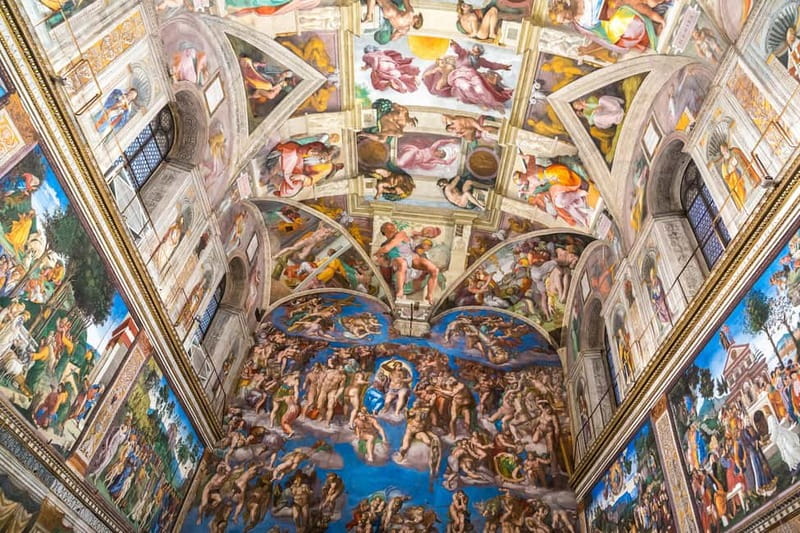
The Sistine Chapel is the emotional center of the visit. The rules change inside. Photography is not allowed, and visitors are expected to remain quiet. Your guide will explain the chapel before entry or from an approved location, then you enter with the images and stories fresh in mind.
Michelangelo’s Creation of Adam is the famous scene, but it is only one part of the ceiling. The surrounding panels show stories from the Book of Genesis, while figures of prophets and other biblical characters fill the wider design.
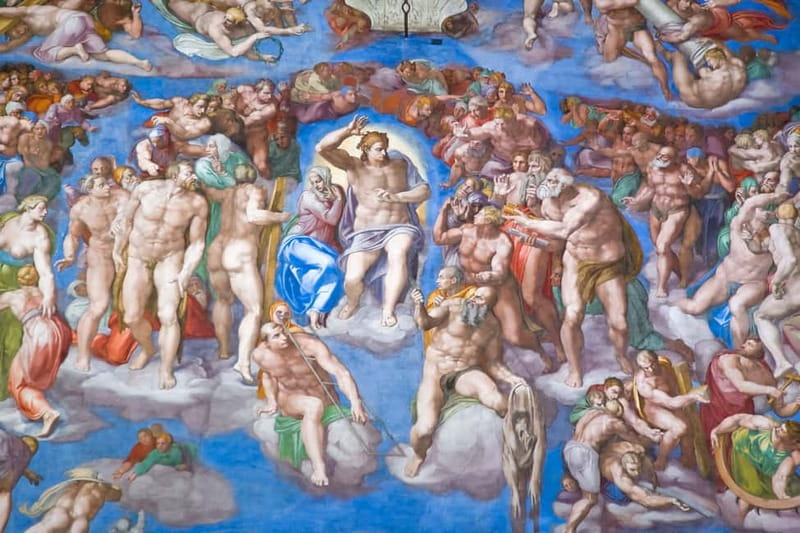
The Last Judgment covers the altar wall. It presents a darker and more forceful vision than the ceiling scenes, with figures moving through a vast account of salvation and judgment. A good guide can explain how the two works differ in mood, purpose, and period.
This is also the point where expectations matter. You may imagine a peaceful room where you can stand beneath the ceiling for as long as you like. In practice, the chapel can be crowded, and the visit is controlled. You may have a few moments to look upward before continuing.
The most useful preparation is to study a simple layout before you enter. Fred reportedly gave his group a picture showing the chapel’s arrangement, which made it easier to understand what they were seeing. You can also ask your guide where to look before the group enters. Since photographs are forbidden, careful looking matters more than trying to record the room.
Optional St. Peter’s Basilica access
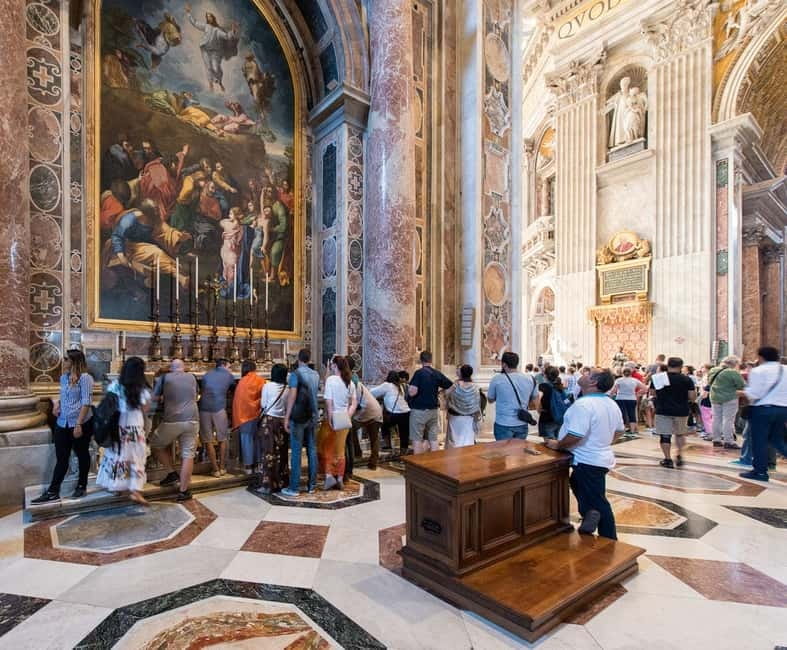
You can select the option that includes St. Peter’s Basilica. This adds one of Rome’s most important churches, with Michelangelo’s Pietà, Bernini’s baldachin, and the great dome as major sights.
The basilica is architecturally and spiritually different from the museum route. The Vatican Museums focus on galleries and collections, while St. Peter’s gives you an enormous ceremonial church filled with sculpture, chapels, monuments, and architectural drama.
Be clear about what the add-on means. The guide may take you to the basilica entrance and then leave you to explore independently. Several tour experiences have worked this way, with visitors receiving access but no guided explanation inside. If you want a detailed basilica tour, confirm that before booking rather than assuming the museum guide will continue.
The basilica is closed on Wednesdays and during religious holidays. The Jubilee year may also bring unexpected closures. Tours starting after 2:00 p.m. do not include access to St. Peter’s Basilica, so check the start time carefully if this part is important to you.
The tour information gives the end locations as the Sistine Chapel and St. Peter’s Basilica, while the general meeting information says the activity ends back at the meeting point. Because these details can vary with the chosen option and day, confirm your exact end point when booking.
Timing, walking, and the Vatican dress code
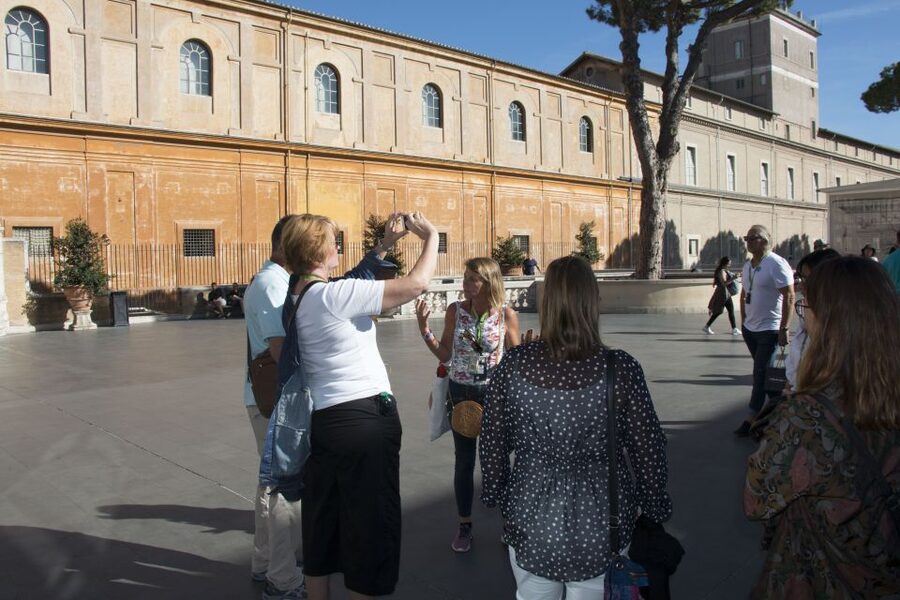
The experience lasts about 2.5 to 3 hours. That is enough time for a strong overview, but it is a demanding stretch of walking and standing.
Wear comfortable shoes. The route takes you through long corridors and crowded rooms, and there is little chance to slow down whenever you wish. If you tire easily, think carefully about the pace before booking.
The Vatican requires shoulders and knees to be covered. Shorts, short skirts, and sleeveless shirts are not allowed. This rule applies to the museums and chapel, and it is wise to dress conservatively from the start rather than try to improvise at the entrance.
The tour is not suitable for wheelchair users according to the activity information. Disabled visitors can receive free entry to the Vatican Museums, but you need to mention this when booking so the staff can handle the request.
Temporary Sistine Chapel closure
A temporary notice says the Sistine Chapel will be closed to the public from April 28 until the election of the new Pope. During that period, other sections of the Vatican Museums will be offered instead.
This is a major change because the chapel is the tour’s advertised finale. If your visit falls in that period, confirm the current plan before paying. The alternative museum route may still include excellent art, but it will not provide the same experience as standing beneath Michelangelo’s ceiling.
Who should book this Vatican experience?
I would choose this tour if you are visiting Rome for the first time, have limited time, or dislike dealing with long ticket queues. It is also a good fit if you want a guide to explain the main works rather than simply point you toward the next room.
Families and mixed-age groups may appreciate the storytelling and the clear route, though the brisk pace can be tiring. Art lovers should book only if they are comfortable seeing highlights rather than conducting a slow study of individual works.
I would think twice if your priority is photography, quiet contemplation, or a fully guided visit inside St. Peter’s Basilica. The crowds, headset issues, and quick movement may frustrate you. An independent museum visit gives you more control, but you will need to arrange entry and make your own plan.
The cancellation policy allows a full refund when you cancel at least two days ahead. That is useful if your Roman schedule is still changing, but it does not protect you from arriving late. The timed entrance remains strict.
Is the $130.28 price worthwhile?
For a simple admission ticket, $130.28 is high. For a timed entry combined with a licensed guide, headsets, meeting-point assistance, and a route through the Vatican’s major galleries, the value is easier to defend.
The biggest saving is time. Waiting in the museum queue can consume a large part of a day, especially during busy seasons. The second saving is mental effort. You do not need to map out the galleries, decide which corridors matter, or research every major work before arrival.
The price works best when you treat the tour as an introduction. You will see the major rooms, hear the main stories, and learn what deserves a second look if you return. It works less well if you expect a slow, private art lesson or a full guided tour of St. Peter’s.
Should you book it?
Book this experience if your Rome schedule is tight and you want the Vatican’s major sights explained in a single visit. Skip-the-line entry, a strong guide, and a clear route can turn an overwhelming museum into a manageable morning or afternoon.
Before booking, check three things: the exact starting time, whether the Basilica option is included, and whether the Sistine Chapel is open on your date. If those details match your plans, this is a practical way to see the Vatican without losing half a day in line. Just arrive early, dress properly, stay close to the guide, and accept that the Vatican is best experienced as a focused highlights tour rather than a leisurely museum stroll.
FAQ
Where does the tour start?
The meeting point is the local partner’s office at Via Vespasiano, 24. From Ottaviano Metro station on Line A, the office is about a 10-minute walk. St. Peter’s Square is not the meeting point.
How long does the Vatican tour last?
The activity lasts approximately 2.5 to 3 hours. Starting times vary, so check availability for the date you want.
What languages are available?
Live guides are available in English, Spanish, French, Portuguese, German, and Italian.
Is St. Peter’s Basilica included?
Access to St. Peter’s Basilica is included only when you select that option. Basilica access is not included for tours beginning after 2:00 p.m., and the basilica may be closed on Wednesdays, religious holidays, or during unexpected Jubilee-related closures.
What should I wear and bring?
Bring a passport or other photo ID and wear comfortable shoes. Shoulders and knees must be covered. Shorts, short skirts, and sleeveless shirts are not allowed.
Is the Vatican tour suitable for wheelchair users?
The activity is listed as unsuitable for wheelchair users. Disabled visitors may receive free entry to the Vatican Museums, but you must mention this when booking so staff can arrange the request.
Just added in Rome
- Civitavecchia Private Transfer: From the Port to Rome Airport★ 5.0 · 309 reviews
- Civitavecchia Shore Excursion: Best of Rome Private Tour★ 5.0 · 247 reviews
- Civitavecchia Private Transfer from ship to FCO airport or Rome★ 5.0 · 245 reviews
- Food Tasty and History Tour in Civitavecchia★ 5.0 · 256 reviews
- Palatine Hill and Roman Forum Tour with Fast-Track Entrance★ 4.2 · 417 reviews
- Tivoli: Villa D’Este & Villa Adriana Pass & App Audioguide★ 4.4 · 364 reviews
- Tivoli: Villa D’Este Entry Ticket and App Audio Guide★ 4.3 · 191 reviews
- From Rome: Villa D’Este & Villa Adriana Day Trip with Lunch★ 4.4 · 289 reviews
Vatican & Sistine Chapel Tours, compared.
Vatican: Museums & Sistine Chapel Entrance Ticket
Read our review →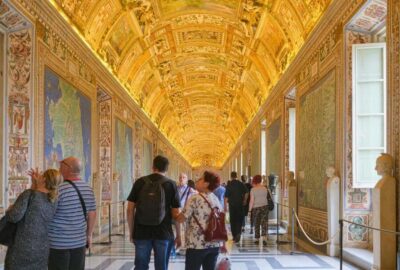
Vatican Museums & Sistine Chapel Tour with Optional Basilica
Read our review →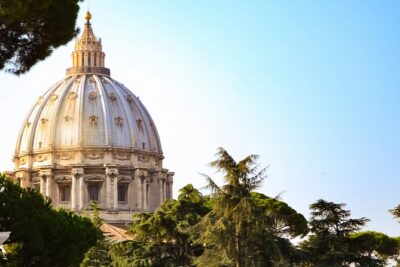
Vatican Museums, Sistine Chapel & St Peter’s Basilica Guided Tour
Read our review →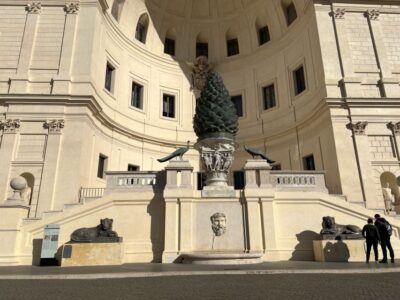
Vatican Museums & Sistine Chapel Skip-the-Line Entry Ticket
Read our review →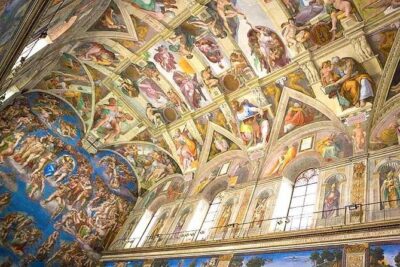
Skip-the-Line Group Tour of the Vatican, Sistine Chapel & St. Peter’s Basilica
Read our review →Browse the lists this tour appears in