

Reviewed · PANTHEON & TREVI FOUNTAIN TOURS
Rome: Trevi Fountain District Underground Tour and Ice Cream
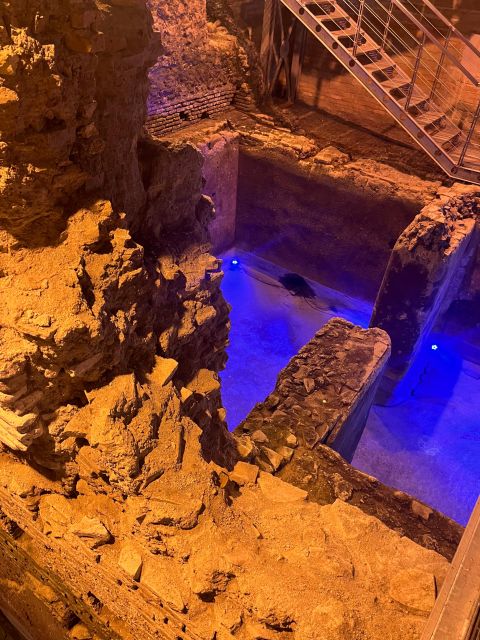
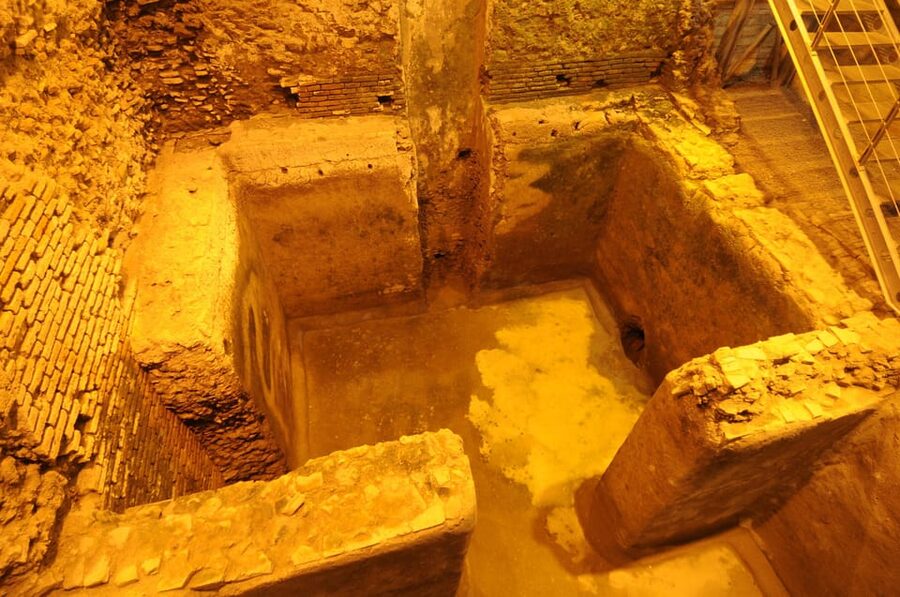
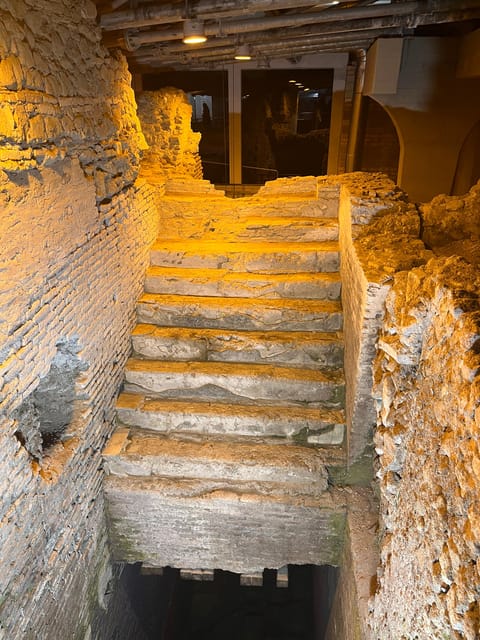
The most surprising part of this Trevi experience is not the famous fountain above street level, but the ancient water system beneath it. At Vicus Caprarius, you see Roman masonry, a luxury Domus residence, old pipes, and objects recovered from the site, including coins and an African oil amphora.
I like the way the tour connects the Trevi Fountain to the Virgo aqueduct and the way guides such as Carla, Erika, and Noemi make a small archaeological site easier to understand. I also like the cool underground setting and the gelato at the end. The main drawback is scale: the underground area is compact, and the fountain stop is brief, with no guarantee of a close, crowd-free view.
Key points to know before booking
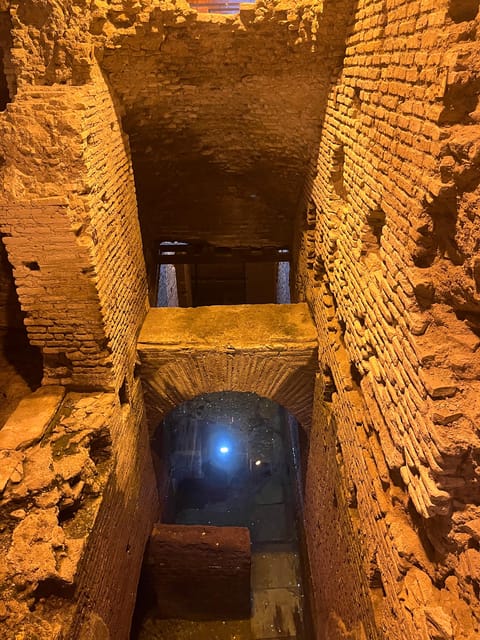
- Ancient water still shapes the visit: See how water associated with Trevi passes through the old masonry and continues toward the Domus pools and pipes.
- The underground site is small but packed with detail: Three sections of the antiquarian display coins, amphorae, marble fragments, and other finds.
- The tour lasts one hour: About 40 minutes are spent at Vicus Caprarius, followed by a short Trevi Fountain explanation and gelato.
- The guides are the star of the experience: Carla, Erika, Noemi, Alessia, and other English-speaking guides are praised for clear, lively explanations.
- The fountain viewing is not the whole tour: Expect an archaeological visit first, with the Trevi Fountain serving as the starting point and closing subject.
- Comfortable shoes matter: The experience is not suitable for wheelchair users or people with mobility impairments.
Why go beneath the Trevi District?
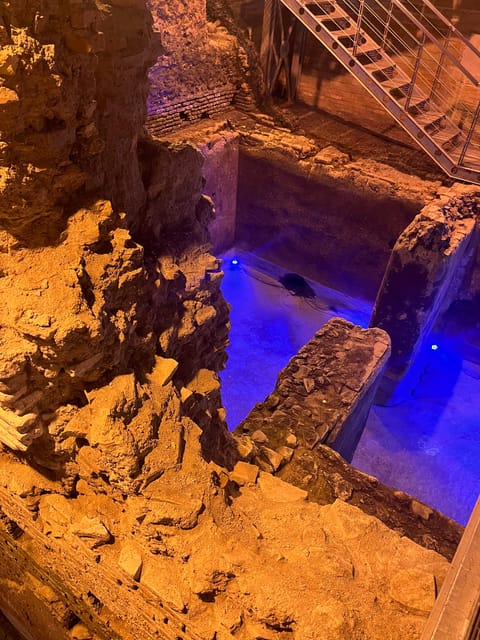
Rome is a city of layers. The grand streets and famous monuments often sit above older buildings, drains, roads, and water channels. This tour gives you a quick, focused look at those lower layers without asking you to spend half a day in an enormous museum.
Vicus Caprarius is especially useful for understanding why this part of Rome is called the City of Water. The Trevi Fountain is tied to the Virgo aqueduct, and the water does not simply appear at the monument. It moves through a long network of masonry, pipes, and pools, some of which you can examine below the streets.
That connection gives the tour more purpose than a standard fountain photo stop. You are not just hearing that Rome had advanced engineering. You can see the remains that carried and managed water, then look up at the Baroque fountain that still celebrates the same supply.
The site also shows how Roman buildings changed over time. Excavation uncovered parts of a Domus residence, along with decorative marble and household objects. You get a compact picture of Roman construction, wealth, water use, and later layers of city life in one visit.
More Underground Tours in Rome
- Colosseum: Underground and Ancient Rome Tour
★ 4.7 · 12,691 reviews - Rome: Crypts and Catacombs Underground Tour with Transfers
★ 4.6 · 5,341 reviews - Expert Guided Tour of Colosseum Arena OR Underground, and Forum
★ 4.5 · 5,041 reviews
Starting at Vicolo del Puttarello 25
Your meeting point is at Vicolo del Puttarello, 25, close to the Trevi Fountain. Arrive at least 15 minutes before your selected start time. This is sensible advice in the Trevi area, where crowds and busy lanes can slow you down.
The tour begins with the fountain area, but the main archaeological visit is at Vicus Caprarius. Your English-speaking guide leads the group below street level and explains what you are seeing as you move through the site.
The experience includes a reserved entry ticket for Vicus Caprarius and a guided visit. The tour information also refers to assistance and a Trevi Fountain access ticket, though the actual fountain portion is short. Plan on a guided explanation rather than a private viewing platform or a long period beside the basin.
A small practical point matters here: arrive early, and do not rely on a last-minute walk from another Rome sight. One visitor had trouble reaching the meeting point because of the number of people around Trevi, although the operator still allowed the group to join. Rome rewards a few spare minutes.
Inside Vicus Caprarius: Rome below street level
The underground visit lasts about 40 minutes. That is enough time for a focused explanation, but not enough for a large, slow archaeological museum visit. The site is compact, so the quality of the guide makes a real difference.
You move through three sections of the antiquarian area. Along the way, the guide explains the buildings, water channels, and objects found during excavation. The point is not simply to look at old stones. It is to understand how the Roman city was built over, adapted, and supplied with water.
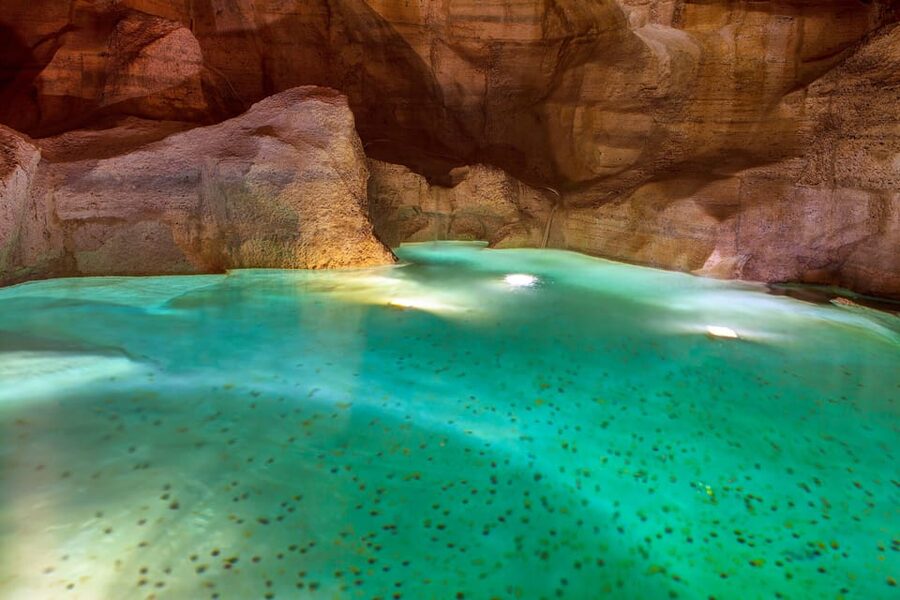
One of the most interesting details is the way water from the Trevi system filters through the old masonry. The flow continues toward pipes and pools connected with the luxurious Domus residence. That gives you a direct link between Roman engineering and daily life. Water was not only a public convenience. It was also part of private comfort and status.
The remains may look modest beside the scale of the Colosseum or the Pantheon. I would not book this tour expecting a huge underground complex. Instead, expect a small site where a guide points out details you could easily miss on your own.
That is where guides such as Carla, Erika, Noemi, and Alessia earn their fee. Their job is to turn a low-ceilinged archaeological space into a clear story about ancient Rome. The strongest guide reports describe friendly explanations, good humor, patience with children, and an ability to answer questions without making the visit feel like a lecture.
Headsets have also been used on some tours, which helps when the group is in a tight space. You can hear the guide without requiring her to raise her voice, and you have a better chance of following the explanation when other groups are nearby.
The objects that make the ruins memorable
The archaeological displays add substance to the visit. You may see precious polychrome marble coverings, showing the care given to the Domus and its decoration. These fragments help you picture a finished residence rather than only a foundation wall.
The famous head of Alessandro Helios is another notable find. It gives the collection a human face and helps break up the run of masonry, tiles, and pipes. Your guide provides the context for why such pieces matter and how they fit into the site.
A treasure trove of about 800 coins was also found during excavation. Coins can seem less dramatic than a statue, but they offer a useful clue to the people and periods connected with the building. They also make the site feel tied to ordinary exchange and daily life, not just imperial monuments.
The Spatheia is a particularly unusual object. It is an African amphora used to transport oil. Its presence points to trade links across the Roman world and shows that this district was connected to supplies arriving from far beyond the city.
These details are valuable because the underground visit is short. A good explanation helps you connect a marble fragment, a coin hoard, or an amphora to a larger story about homes, trade, water, and changing buildings.
Other landmarks within a walk in Rome:
- Rome: Pantheon Fast-Track Ticket and Official Audio Guide
★ 4.3 · 21,008 reviews - Pantheon Reserved Entry Ticket with Audio Guide
★ 4.0 · 4,486 reviews - Rome: Pantheon Timeless Marvel Guided Tour with Entry Ticket
★ 4.9 · 4,002 reviews - Rome: Pantheon Priority Entry Ticket & Audio Guide App
★ 4.1 · 3,234 reviews
The Domus and the City of Water
The Domus residence is central to the visit. It represents the private side of Roman water use, with pools and pipes supplied through the wider water network. You see how engineering served both the city and well-off households.
The phrase City of Water makes more sense once you see the relationship between the aqueduct, the underground channels, and the fountain above. Rome’s water system was not a single grand structure. It was a web of routes, masonry, storage, and distribution.
This is also the part of the tour that suits anyone interested in Roman engineering. You do not get a long technical lecture, but the guide shows how the system worked and why the site was important. Several guides are praised for making complicated ancient systems easy to follow, especially for people who already know a little Roman history but want to understand the practical side.
The cool underground setting is useful in summer. The site offers a break from the heat, and one tour participant specifically appreciated being inside during a hot spell. In cooler months, the underground environment may feel more enclosed, so bring shoes you can walk comfortably in and allow yourself time to adjust.
A short look at Trevi Fountain
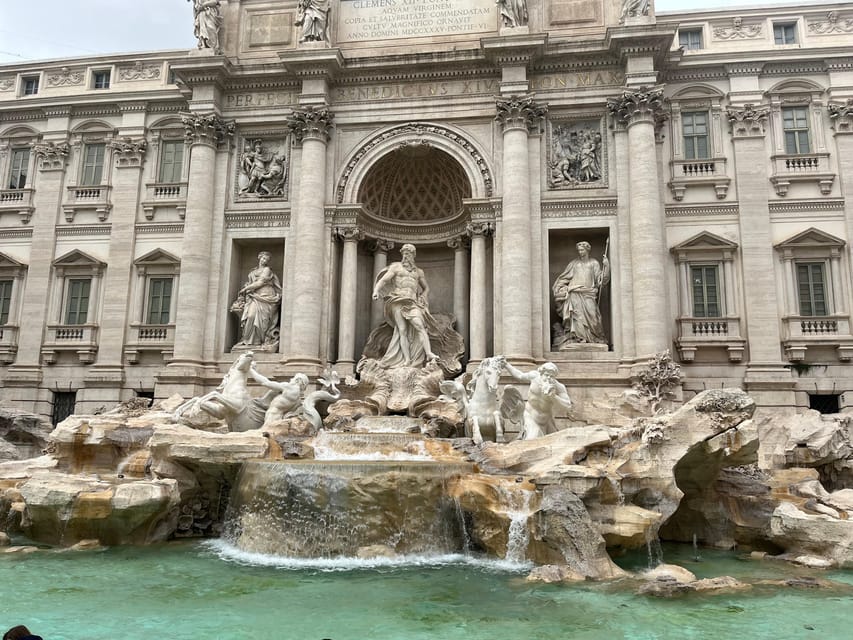
The visit begins or ends with a guided look at Trevi Fountain, the city’s largest Baroque fountain. You get an explanation of the monument and its connection with the water system, plus time for photographs and basic viewing.
Keep your expectations realistic. The fountain plaza is crowded, and the tour does not promise a private area or special access directly beside the water. One account describes seeing the fountain from the crowd side in the middle of the plaza rather than from a close position. That is normal for this part of Rome, especially at busy times.
The fountain segment lasts about five minutes in the stated schedule. Some guides may offer extra advice or a little more time, and Erika was praised for helping with photographs and nearby suggestions, but you should not plan on a long guided tour of the monument.
That short stop works best as a link between the underground archaeology and the famous view above. You learn why water reaches this part of Rome, then see the Baroque expression of that system. If your main goal is an in-depth Trevi Fountain history lesson, this tour will feel too brief. If you want the fountain placed in a wider Roman setting, it does the job.
Gelato from a historic shop
The final treat is Italian gelato from a historic shop near Trevi Fountain. The tour includes the gelato, and the practical arrangement may be a voucher that you use at the shop after the guided portion. That gives you some freedom over when to claim it rather than forcing everyone to eat at the exact same moment.
The gelato is more than a decorative extra. After a short underground walk and a crowded fountain visit, it gives the experience a relaxed finish. Several guides also point people toward nearby sights or useful photo spots, so you can continue exploring the Trevi area afterward.
Do note that the tour may not escort the entire group into the shop and supervise the order. You may receive the voucher and make your own way to the gelato counter. That is convenient for some people and less convenient for anyone expecting a seated food stop.
Is $52 good value for one hour?
At $52 per person, this is not a cheap gelato-and-fountain outing. The value depends on how much you want a guide at Vicus Caprarius.
The fee covers the reserved archaeological entry, the guided visit, assistance, the Trevi portion, and gelato. For a visitor who would otherwise walk past the site without understanding it, the guide is the main reason to pay. The ruins are small, and the objects are easier to appreciate when someone explains the water system, the Domus, the coin hoard, and the amphora.
I think the price makes the most sense if you are already interested in Roman construction, aqueducts, archaeology, or the way Rome developed in layers. It is also a sensible choice if you want a one-hour activity near Trevi that is indoors and not physically demanding in the usual walking-tour sense.
The value is weaker if you want a grand, long underground expedition or a full Trevi Fountain tour. You are paying for a concise, guide-led explanation of a compact site, not an entire morning of sightseeing.
The reserve-now, pay-later option and free cancellation up to 24 hours before the tour make planning easier, but they do not change the basic question: are you interested in the archaeology below the fountain? If yes, the fee is easier to justify.
Who will enjoy this tour most?
I would recommend it to first-time Rome visitors who want more context for the Trevi Fountain, repeat visitors looking for a new side of the city, and anyone curious about Roman waterworks.
It is especially good for:
- People who enjoy archaeology but prefer a short visit.
- Families whose children can manage a guided explanation in a small underground space.
- Architecture fans interested in old buildings, marble, pipes, and water channels.
- Summer visitors who appreciate a cool indoor stop.
- Anyone who wants a guide rather than a self-guided display.
The tour can work well with children when the guide is attentive. Alessia was praised for keeping an active child involved, and Michelle was described as patient with children. Still, the subject is archaeology, so very young children may not find every section exciting.
It is not suitable for wheelchair users or people with mobility impairments. Comfortable shoes are required. The supplied information does not give a detailed step count or surface description, so anyone with limited mobility should ask the operator for current access details before booking.
Useful timing and planning advice
Allow more than the stated one hour in your day if you want to enjoy the fountain and gelato without rushing. The guided portion is one hour, but the Trevi area itself can slow you down, especially when you are finding the meeting point or moving through the crowd.
Choose shoes you can wear comfortably on an archaeological visit. Arrive 15 minutes early, and keep your phone ready for the meeting instructions. If photographs matter to you, listen for the guide’s advice, since some guides make a point of allowing time for pictures.
The tour is offered in English with a live guide. Guide quality can vary by person, but the named guides associated with especially strong experiences include Carla, Erika, Noemi, Alessia, Naomi, Viola, and Michelle. Their common strength is clear storytelling rather than a dry list of dates.
Should you book the Trevi underground tour?
Book it if you want to understand what lies beneath the Trevi District and you enjoy the practical side of Roman history. The water channels, Domus remains, 800 coins, colorful marble, Alessandro Helios head, and African oil amphora give the visit plenty to discuss, even though the site itself is small.
Skip it if your priority is a long, close-up Trevi Fountain visit or a major underground complex. The fountain stop is brief, and crowded conditions can limit the view.
For the right audience, this is a smart one-hour addition to a Rome itinerary. You get a cool archaeological site, a clear link between aqueduct and fountain, lively English explanations, and gelato at the finish. That is a useful amount of history for a compact stop in one of the city’s busiest districts.
FAQ
How long does the tour last?
The tour lasts one hour. About 40 minutes are scheduled for the guided visit at Vicus Caprarius, followed by a short Trevi Fountain visit and the gelato portion.
Where does the tour meet?
The meeting point is Vicolo del Puttarello, 25.
How early should I arrive?
Arrive at least 15 minutes before your selected start time.
What language is the tour conducted in?
The live guided tour is conducted in English.
What is Vicus Caprarius?
Vicus Caprarius is an underground archaeological area in the Trevi District. The visit covers Roman ruins, water channels, a Domus residence, and ancient objects found during excavation.
Will I see the Trevi Fountain?
Yes. The experience includes a guided Trevi Fountain visit, but that portion is brief and may involve viewing the fountain from the public crowd area.
Is gelato included?
Yes. Italian gelato from a historic shop near the Trevi Fountain is included.
What should I bring?
Bring comfortable shoes.
Is the tour suitable for wheelchair users?
No. The experience is not suitable for wheelchair users or people with mobility impairments.
Can I cancel the booking?
You can cancel up to 24 hours in advance for a full refund. A reserve-now, pay-later option is also available.
More sweet stops around Rome
- Rome: Pasta Making Class with Wine, Limoncello, and Dessert
★ 4.9 · 3,177 reviews - Florence: Handmade Pasta & Dessert Class with Unlimited Wine
★ 4.8 · 788 reviews - Florence: Pasta Class with Wine, Limoncello and Dessert
★ 4.9 · 674 reviews
Just added in Rome
- Civitavecchia Private Transfer: From the Port to Rome Airport★ 5.0 · 309 reviews
- Civitavecchia Shore Excursion: Best of Rome Private Tour★ 5.0 · 247 reviews
- Civitavecchia Private Transfer from ship to FCO airport or Rome★ 5.0 · 245 reviews
- Food Tasty and History Tour in Civitavecchia★ 5.0 · 256 reviews
- Palatine Hill and Roman Forum Tour with Fast-Track Entrance★ 4.2 · 417 reviews
- Tivoli: Villa D’Este & Villa Adriana Pass & App Audioguide★ 4.4 · 364 reviews
- Tivoli: Villa D’Este Entry Ticket and App Audio Guide★ 4.3 · 191 reviews
- Vatican Museums & Sistine Chapel Skip-the-Line Guided Tour★ 4.6 · 254 reviews
Pantheon & Trevi Fountain Tours, compared.

Pantheon Fast-Track Ticket and Official Audio Guide
Read our review →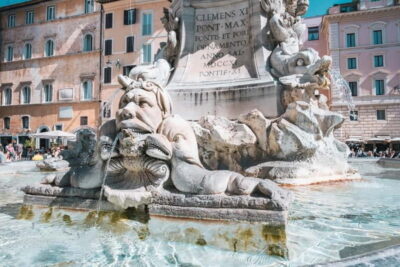
Pantheon Reserved Entry Ticket with Audio Guide
Read our review →
Pantheon Timeless Marvel Guided Tour with Entry Ticket
Read our review →
Pantheon Priority Entry Ticket & Audio Guide App
Read our review →
Pantheon Elite Guided Tour – Rome’s Iconic Ancient Temple
Read our review →
Pantheon Small-Group Guided Tour with Entry Ticket
Read our review →
Opera Concert at Palazzo Poli – Fontana di Trevi
Read our review →Browse the lists this tour appears in