
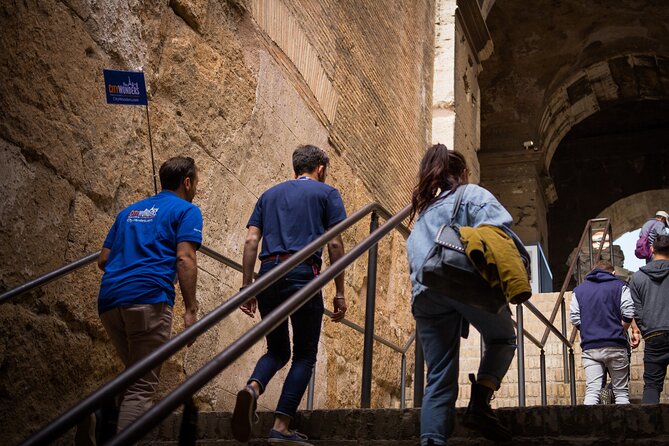
Reviewed · COLOSSEUM & ROMAN FORUM TOURS
Rome: Colosseum, Roman Forum and Palatine Hill Guided Tour
The most rewarding part of this tour is the context. The Colosseum is impressive on its own, but the Forum and Palatine Hill can look like a jumble of old stone without someone explaining who used each building and why it mattered. A local guide links the arenas, temples, streets, and imperial homes into one understandable picture of Ancient Rome.
I like the small group of up to 25 people, plus the headsets that help you hear the guide in crowded spaces. I also like the practical approach: guides such as Silvia, Andrea, Francesca, and Filomena are praised for clear stories, good pacing, and shade breaks in hot weather. The main drawback is that the full route can feel brisk, especially when crowds, heat, or timed entry reduce the time inside one site.
Key points to know before booking
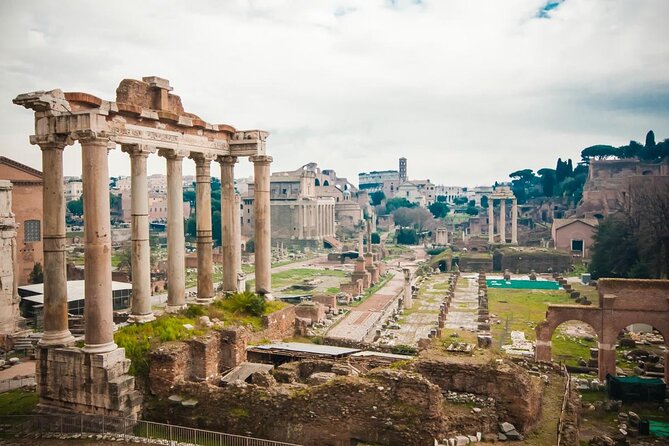
- Three major Roman sites in one walk: Visit the Colosseum, Palatine Hill, and Roman Forum with one admission package.
- English only: The live guide and included audio support are offered in English.
- Up to 25 people: This is smaller than a large coach tour, though it is not a private visit.
- Guide quality matters: Silvia, Andrea, Francesca, Filomena, Francesco, and others receive praise for storytelling and thoughtful pacing.
- Bring official identification: Full names and ages are required at booking, and you must carry an ID or driver’s license.
- Expect uneven ground and sun: Comfortable shoes, water, sunscreen, and breathable clothing are essential.
Why the guided route works in Ancient Rome
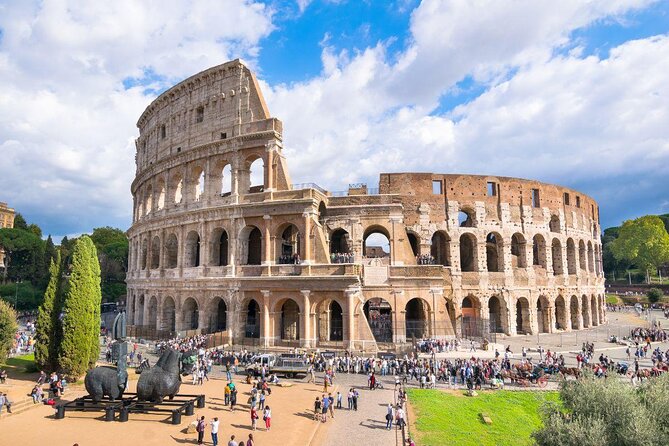
Ancient Rome is not a single monument. It is a set of overlapping places where politics, religion, entertainment, and daily life once met. The Colosseum is the easiest site to understand at a glance. The Roman Forum and Palatine Hill ask more of you, since much of what remains is fragmentary.
That is where a guide earns the admission price. A good explanation can turn a broken column into part of a temple, a low wall into a former street, or a hilltop ruin into the residence of an emperor. Guides on this experience include certified local professionals, art historians, and archaeologists. The strongest ones use stories and visual references rather than reciting dates.
You receive a headset, so you can keep looking at the ruins while hearing the explanation. That matters in busy areas, where standing close to the guide is not always possible. The maximum group size is 25, manageable but still large enough that you should stay alert when the group moves.
The tour operates in English only. If you need another language, this is not the right choice.
Other ways into ancient Rome:
- Colosseum, Roman Forum & Palatine Guided Tour
★ 4.7 · 63,148 reviews - Rome: Colosseum, Palatine Hill and Roman Forum Guided Tour
★ 4.8 · 32,814 reviews - Rome: Guided Tour of Colosseum, Roman Forum & Palatine Hill
★ 4.7 · 27,897 reviews
Entering the Colosseum and following the gladiator story
The Colosseum is usually the emotional high point. The tour includes entry and a guided visit of the first level, with the overview also describing access to the first and second levels. Your guide explains the building as a working arena, not merely a grand shell for photographs.
You can expect discussion of gladiators, emperors, public spectacles, and the structure that allowed large crowds to enter and leave. The value here is scale. From inside, the arches and tiers make more sense when someone points out how the building held its audience and framed the action below.
The Colosseum section is listed as about one hour. That is enough for a strong orientation, but it is not a slow architectural study. You will have time for photographs and major viewpoints, yet the guide must keep the group moving through a heavily visited monument.
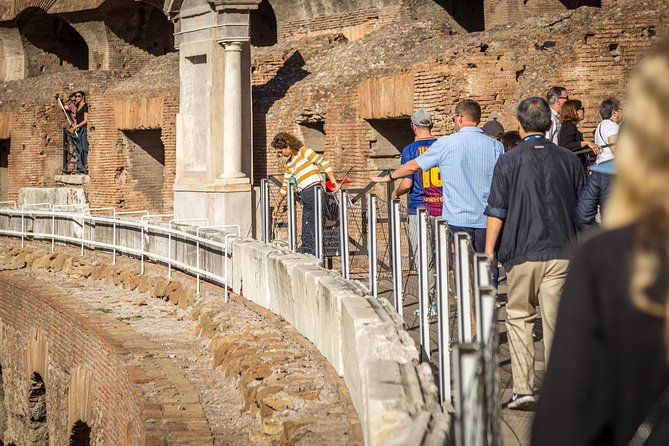
Crowds are a real factor. Several tour times can place you in a packed interior, especially during the warmer months. One useful detail from the tour experience is that guides often position the group at the edges of crowded areas and use shaded spots when possible. In summer, this can make the difference between an enjoyable hour and a tiring one.
The order can change. Your tour may begin at the Colosseum or at Palatine Hill and the Forum, depending on the booked option and the attraction schedule. Do not worry if the route begins somewhere other than the Colosseum, but read the meeting instructions carefully.
Palatine Hill, where Rome’s elite lived
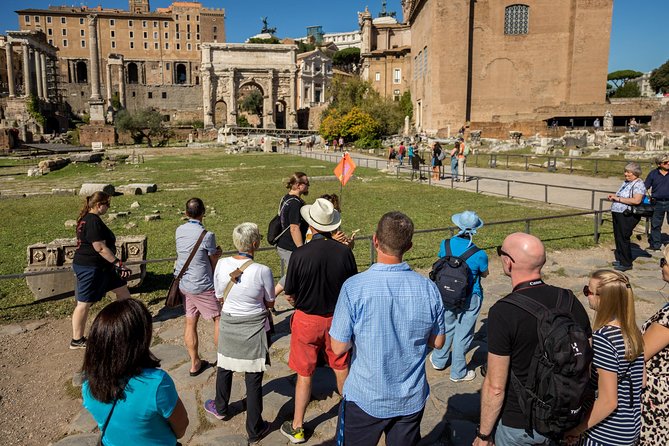
Palatine Hill is more than a viewpoint. It is tied to Rome’s earliest legends and later became the address of emperors and wealthy Roman families. The ruins here are spread over a broad area, with walls, courtyards, and remains of grand residences.
This is one of the places where I most strongly recommend a guide. On your own, it is easy to walk past a wall without knowing if it belonged to a palace, a public building, or a later reconstruction. A good guide gives the hill a plan and helps you picture its original scale.
The hill also provides elevated views toward the Forum and the surrounding city. Your guide may pause at useful photo points and explain how the hill connected to the political center below. The walking surface can be uneven, and you will need to manage steps and inclines, so wear shoes with a firm sole.
Heat deserves attention here. There is less continuous shade than many first-time visitors expect. Guides such as Silvia, Lorena, Mariangela, and others have been praised for moving the group into shade when explaining the ruins and for helping people refill water where possible. Even so, bring your own water and sun protection.
The listed plan allows about one hour for Palatine Hill. That gives you an organized look at the main remains, but not every corner. If you want an unhurried archaeological visit, you may find the schedule too tight. If you want help seeing the most important parts without wandering aimlessly, the pace is useful.
Walking the Roman Forum from temples to government
The Roman Forum is the most rewarding and the most confusing part of the route. This long valley once held temples, basilicas, government buildings, monuments, and public meeting places. Today, columns and foundations are scattered across open ground, and the original street plan is not always obvious.
The tour highlights remains such as the Temple of Saturn and the Temple of Hadrian. These are not simply photo stops. Their position helps explain how religion, public finance, imperial power, and civic life occupied the same center of Rome.
You will also hear about ordinary Roman life alongside the stories of emperors and battles. That balance matters. The Forum was not just a backdrop for famous rulers. It was where people conducted business, worshipped, argued, celebrated victories, and moved through the city.
A guide can also help you read the ruins in layers. Marble fragments, brick walls, columns, and later changes may belong to different periods. Without explanation, it is easy to treat everything as one ancient moment. With a clear narrative, the Forum becomes a city in stages rather than a field of leftovers.
The drawback is physical and practical. The Forum is open, exposed, and uneven. You may spend an hour walking and standing while listening, with limited shade depending on the route and time. Good guides adjust their stops, but you should still arrive prepared for sun and warm stone.
The tour may finish near the Colosseum or Roman Forum, depending on the route. Hotel pickup and drop-off are not included, so plan your onward journey from the ancient-site area.
A few more things to do in Rome
- Vatican Museums, Sistine Chapel & St Peter’s Basilica Guided Tour
★ 4.5 · 39,149 reviews - Rome: Colosseum & Forum with Audio Guide App -Optional Arena
★ 4.2 · 24,770 reviews - Rome: Colosseum, Roman Forum and Palatine Hill Guided Tour
★ 4.5 · 23,903 reviews - Rome: Pantheon Fast-Track Ticket and Official Audio Guide
★ 4.3 · 21,008 reviews
How the guides shape the experience
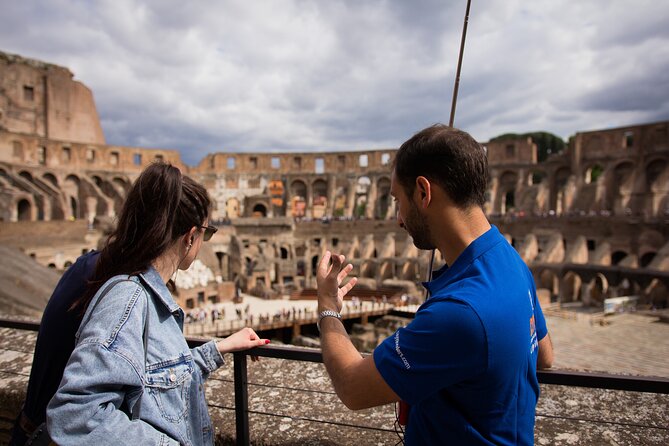
The guide is the main variable in a historical walking tour. The names most often praised in the supplied feedback include Silvia, Andrea, Francesca, Francesco, Filomena, Lorena, Simona, Italo, Rosa, and others. You cannot assume a particular guide will lead your departure, but the pattern is clear: strong guides here tend to combine facts with stories and keep the group involved.
Silvia is noted for making the history work for both adults and children. Andrea is praised for detailed explanations and a strong sense of storytelling. Filomena, who has an archaeology background, is described as especially good at explaining landmarks and choosing useful photo positions. Francesco is praised for clear explanations and for maintaining a friendly tone in difficult weather.
The best guides also handle practical problems. They answer questions, adjust the pace for children, find shade during heat waves, and keep the group together in rain or crowded passages. One reported scheduling problem shortened the Colosseum portion, but the guide compressed the explanation and kept the visit worthwhile. That is helpful to know, though it also shows that the schedule is not entirely in the guide’s hands.
Audio headsets are included. They are useful when the group spreads out, although an accent or fast delivery may occasionally make details harder to catch. Stay near the guide when possible and ask questions during pauses.
Timing, heat, and the real pace of the walk
The advertised duration ranges from one to two and a half hours, with the full route often taking around two and a half hours. The itinerary describes roughly an hour at each of the three main stops, so you should treat the timing as flexible rather than fixed.
The express option focuses on the Colosseum only. Choose it if you have limited time or want to avoid a longer walk through exposed ruins. The full option is better if this is your main Ancient Rome visit and you want the relationship between the arena, the political center, and the imperial hill.
Morning and cooler-season departures are usually the sensible choice for comfort, based on the way heat affected several tours. Summer crowds can build as the day goes on. A morning start may also help you avoid entering the Colosseum at the hottest part of the day, though no time guarantees low crowds.
Wear breathable clothing and comfortable walking shoes. Bring water, sunscreen, and a hat. The supplied information lists strollers, wheelchairs, large backpacks, suitcases, and other bulky items as not allowed. Walking sticks, crutches, electric wheelchairs, drones, bikes, weapons, and sharp objects are also prohibited.
This tour is not suitable for wheelchair users. It is also a poor fit if you need a slow, fully accessible route or dislike standing outdoors for extended periods.
Is $58 a fair price?
At $58 per person, the tour sits above the cost of basic admission but includes entry to the Colosseum, Palatine Hill, and Roman Forum. The stated adult ticket value is €18, so the rest pays for the guide, reservation arrangements, headset, and the convenience of seeing three difficult sites in one organized visit.
I see the value mainly in the Forum and Palatine Hill. Buying entry and walking in alone may save money, but it will not automatically give you a clear route or explain what you are seeing. The Colosseum can be appreciated without a guide more easily than the Forum, where the remains need interpretation.
The price is less attractive if you only want quick photographs or already have strong knowledge of Roman archaeology. In that case, the express Colosseum-only option may make more sense. For a first visit, especially when your time in Rome is limited, the full tour gives you a useful framework.
Cancellation terms are strict enough to notice. Cancellation up to 24 hours before the tour provides a 50 percent refund. No refund is offered for late arrival, no-shows, or missing names and ages, and changes cannot be made within four days of the date. Provide every participant’s full name and age when booking.
Who should book this Ancient Rome tour?
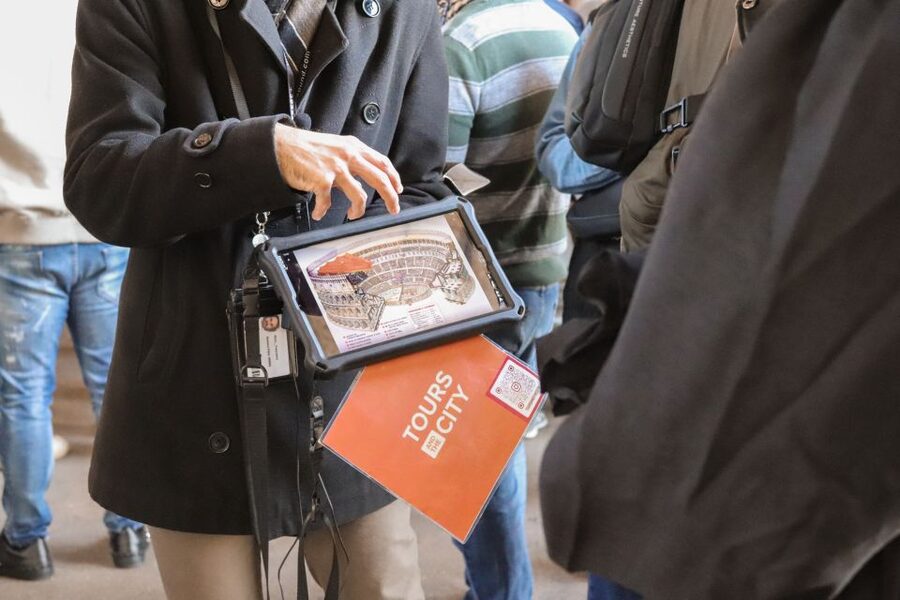
I would choose this for a first visit to Rome, families with older children, and anyone who wants the major ancient sites explained in plain English. It is also a good match if you find large archaeological areas overwhelming or prefer an organized route.
Families can benefit from the storytelling and the manageable group size. Guides have adjusted their explanations for children and accommodated a fussy infant, although the site rules do not allow baby strollers. Bring a carrier if needed, but confirm that your own arrangement meets the entry rules.
I would hesitate if you want a private guide, a slow photography session, a language other than English, or a fully accessible outing. The group can reach 25 people, and the full walk involves uneven ground, open sun, and a firm schedule.
Should you book it?
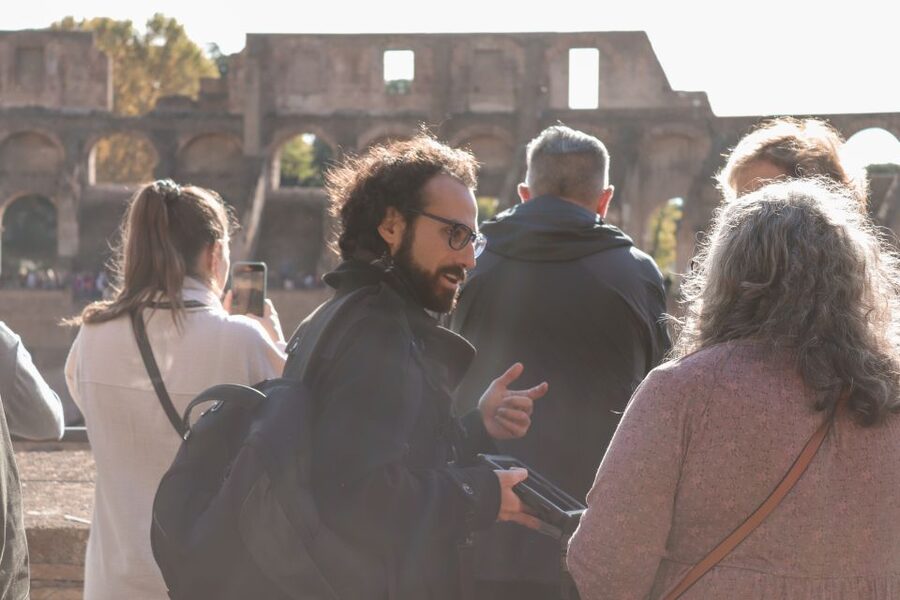
Book the full experience if you want the Colosseum, Roman Forum, and Palatine Hill explained as one connected story. The strongest value is not simply skipping confusion at the entrance. It is understanding why these sites belong together and knowing what you are looking at once you leave the arena.
Choose the express Colosseum option if your schedule is tight or the heat makes a longer walk unappealing. Either way, arrive early, carry official ID, wear practical shoes, and expect the guide to manage a moving group rather than provide a private, leisurely visit.
FAQ
Is the tour offered in languages other than English?
No. The live guide and included audio support are offered in English only.
What sites are included in the full tour?
The full tour includes the Colosseum, Palatine Hill, and Roman Forum, with entry tickets for all three.
Is there a Colosseum-only option?
Yes. An express option is available for visitors who want a guided Colosseum visit without the full Palatine Hill and Roman Forum route.
How long does the tour last?
The activity is listed as lasting from one to two and a half hours. The full route is often around two and a half hours, while the exact timing can vary.
How large is the group?
The group can include up to 25 participants.
Are entry tickets included?
Yes. Entry tickets for the Colosseum, Palatine Hill, and Roman Forum are included. The stated adult entry value is €18.
Do I need to bring identification?
Yes. You must bring an official ID or driver’s license. Full names and ages are required when booking nominal tickets.
Can I bring a stroller or large backpack?
No. Strollers, suitcases, and large backpacks are not allowed. Weapons, drones, bikes, walking sticks, alcohol, and drugs are also prohibited.
Is the tour suitable for wheelchair users?
No. The activity is not suitable for wheelchair users, and electric wheelchairs and crutches are listed among the items not allowed.
What happens if I arrive late or need to cancel?
Late arrivals and no-shows are not refundable. Cancellation up to 24 hours in advance provides a 50 percent refund, and changes cannot be made within four days of the scheduled date.
Just added in Rome
- Civitavecchia Private Transfer: From the Port to Rome Airport★ 5.0 · 309 reviews
- Civitavecchia Shore Excursion: Best of Rome Private Tour★ 5.0 · 247 reviews
- Civitavecchia Private Transfer from ship to FCO airport or Rome★ 5.0 · 245 reviews
- Food Tasty and History Tour in Civitavecchia★ 5.0 · 256 reviews
- Palatine Hill and Roman Forum Tour with Fast-Track Entrance★ 4.2 · 417 reviews
- Tivoli: Villa D’Este & Villa Adriana Pass & App Audioguide★ 4.4 · 364 reviews
- Tivoli: Villa D’Este Entry Ticket and App Audio Guide★ 4.3 · 191 reviews
- Vatican Museums & Sistine Chapel Skip-the-Line Guided Tour★ 4.6 · 254 reviews
Colosseum & Roman Forum Tours, compared.
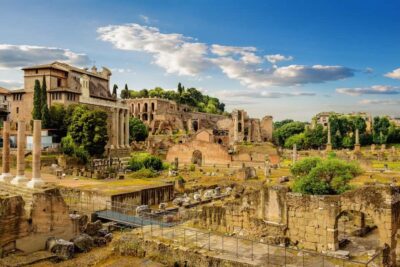
Colosseum, Roman Forum & Palatine Guided Tour
Read our review →
Colosseum & Forum with Audio Guide App -Optional Arena
Read our review →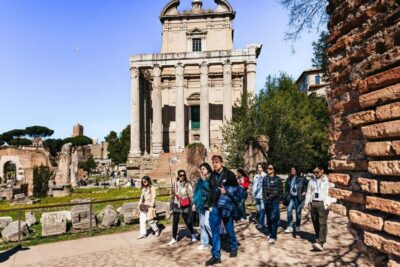
Colosseum, Forum & Palatine Hill Tour & Optional Arena
Read our review →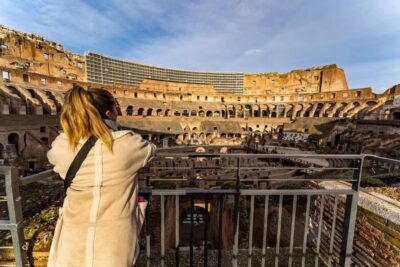
Colosseum, Roman Forum, Palatine with Multimedia Video
Read our review →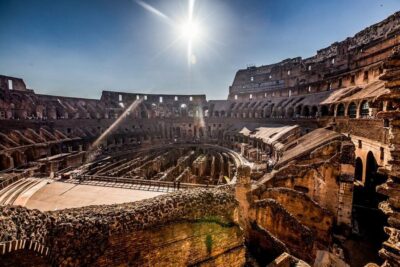
Colosseum: Underground and Ancient Rome Tour
Read our review →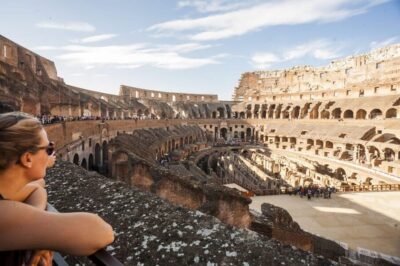
Colosseum, Forum, Palatine Hill Entry & Audioguide App
Read our review →Browse the lists this tour appears in