
Reviewed · CATACOMBS & UNDERGROUND TOURS
Perugia: Entry Ticket and Guided Tour of Perugia Underground
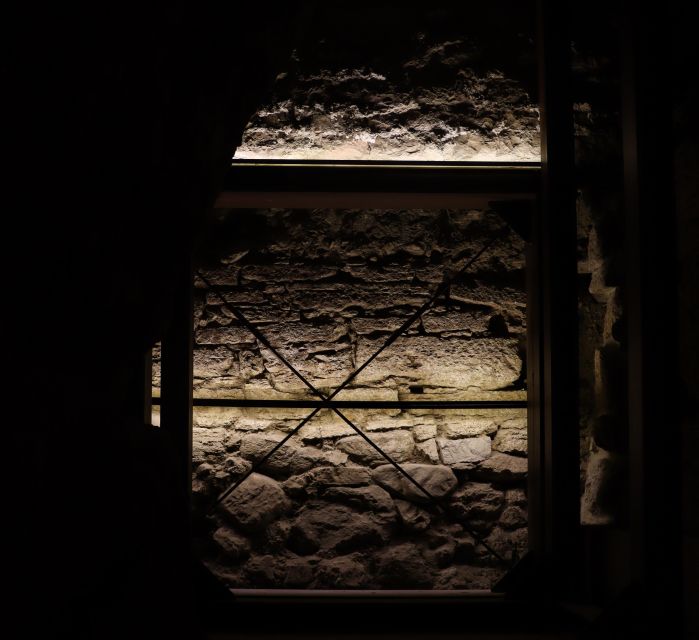
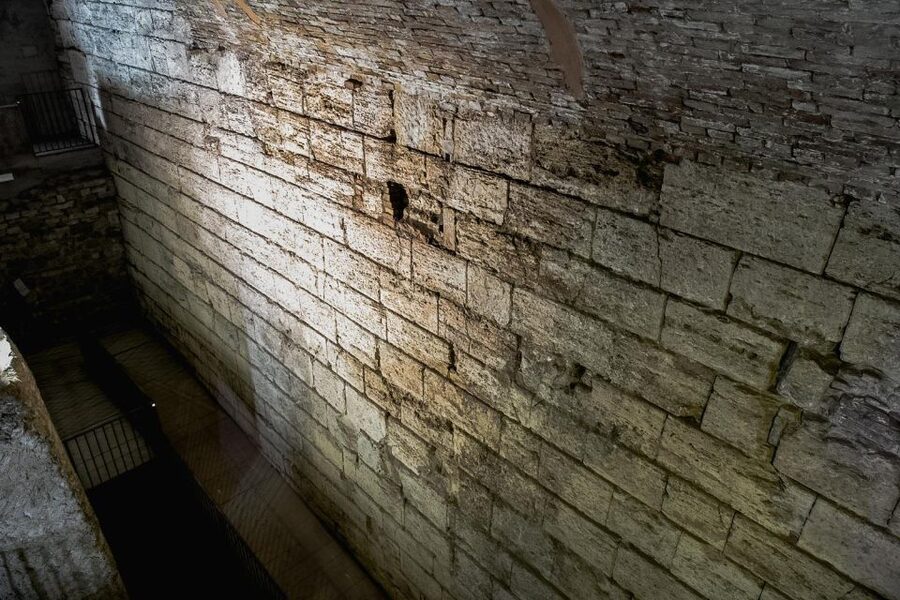
Beneath Perugia’s cathedral lies a layered city, with Etruscan walls, Roman roads, and medieval structures packed into one short archaeological route. The tour reaches about 15 meters below the present level of Saint Lawrence Cathedral, making the city’s long story feel physical rather than abstract.
I like the clear progression through 2,500 years of history, and I especially like the virtual reality finale, which helps you picture how the vanished parts of Perugia once looked. The main drawback is that the live tour is in Italian, so English speakers rely on a translated tablet and may need to read while the group moves on.
Key points to know before you go
- The route begins in Saint Lawrence Cathedral’s cloister: Enter through the large portal on Piazza IV Novembre, next to Libreria delle Volte.
- You descend 15 meters below today’s street level: Expect several flights of stairs and uneven archaeological surfaces.
- The tour covers three major periods: Etruscan, Roman, and medieval remains appear along the underground path.
- The live guide speaks Italian: A tablet provides translated material for visitors who do not understand Italian.
- The VR presentation ties the story together: It offers a visual reconstruction of earlier versions of Perugia.
- The visit lasts about 50 minutes and costs $14: That is a fair price for a guided archaeological visit with the VR addition.
From Piazza IV Novembre to the city beneath your feet
The meeting point is in the cloister of Saint Lawrence Cathedral, part of the Saint Lawrence Island monumental complex. Look for the large entrance portal beside the bookstore called Libreria delle Volte. The ticket office and tour start inside this cloister, not simply somewhere in the open square.
I would allow a few extra minutes to find the entrance. The meeting instructions can feel less obvious than expected, especially in the busy center of Perugia. If you arrive at Piazza IV Novembre and do not immediately see the ticket desk, look for the cathedral cloister entrance rather than waiting in the middle of the piazza.
The setting gives you a useful introduction before the descent begins. You are starting at the center of Perugia, beside the cathedral and in one of the city’s most important public spaces. Then the route turns downward, taking you from the visible medieval city into older layers hidden beneath it.
This is the central idea of the visit: Perugia was not built once. Each period used, altered, and built over what came before. The underground route lets you see that process in a compact space.
Other things to see below Italy:
- Naples: Naples Underground Entry Ticket and Guided Tour
★ 4.4 · 21,781 reviews - Colosseum: Underground and Ancient Rome Tour
★ 4.7 · 12,691 reviews - Naples: Catacombs of San Gennaro Entry Ticket & Guided Tour
★ 4.6 · 7,941 reviews
Etruscan foundations and the oldest layer
The first major story belongs to the Etruscans, whose presence in Perugia reaches back more than 2,500 years. You will see remains connected with the early city and learn about the construction skills that helped shape the hilltop settlement.
The Etruscan material is one of the most rewarding parts for visitors who know little about this period. The guide explains how advanced the builders were and how their work created the base for later urban development. You are not just looking at old stones. You are seeing the first version of a city that continued to grow in the same place for centuries.
Because the tour is only 50 minutes, the explanation moves at a brisk pace. The guide cannot stop for a long lecture at every wall or foundation. Still, the route gives you a useful framework for understanding Perugia’s origins, especially if you plan to visit other ancient sites in Umbria.
The exact amount of detail can depend on the guide and the pace of the group. Beatrice has been singled out for bringing the layers beneath the city to life, while Lorenzo has been praised for explaining the remains and wider historical setting with energy. Guides can change, but the Italian presentation is part of the normal format.
Roman roads, houses, and the siege of Perugia
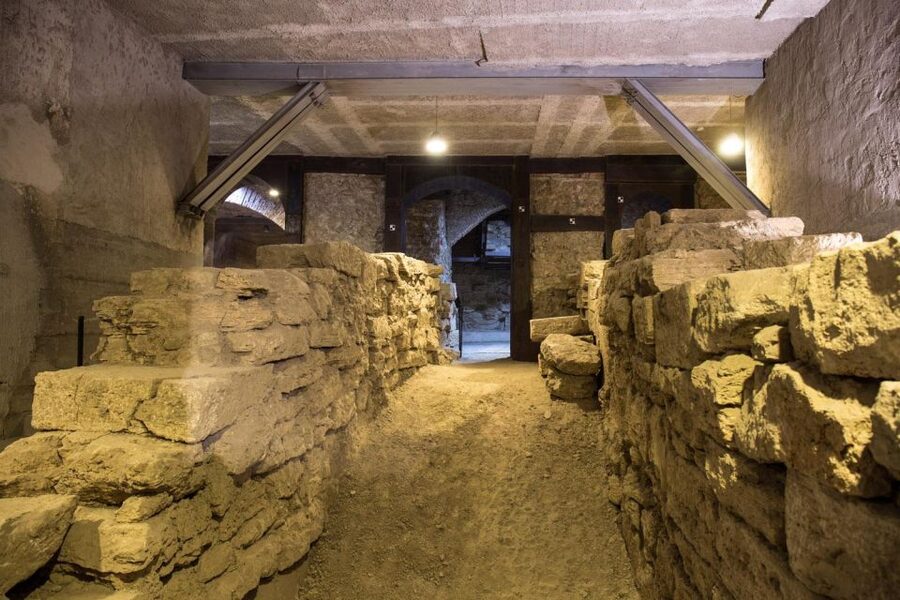
The Roman section makes the ancient city easier to picture. You can see evidence of Roman roads and houses, not just isolated fragments with little context. The remains show how Roman urban planning was fitted into a much older Etruscan settlement.
The tour also reaches wider political history, including the Roman period associated with Julius Caesar and Gaius Octavius Caesar Augustus. The siege of Perugia is another important part of the story, linking the local ruins to the struggles that shaped the Roman world.
The Gate of Augustus is mentioned as part of this historical setting. The underground tour does not replace seeing Perugia’s visible Roman monuments, but it helps you connect the surviving gateway and other remains with the city’s buried structure.
This is where the visit works best as a first stop in Perugia. It explains why the city can feel confusing at street level. Roads, buildings, and walls were repeatedly adjusted around earlier construction, and the underground remains show that process more clearly than a standard walk through the modern center.
You may wish for more displayed objects from the excavations. The emphasis is on the architectural remains and the guide’s explanation rather than a large collection of artifacts. If you prefer museums filled with small finds, this route may feel spare. If you enjoy seeing the actual foundations and road surfaces in place, it makes good use of its limited time.
Medieval layers beneath Saint Lawrence Cathedral
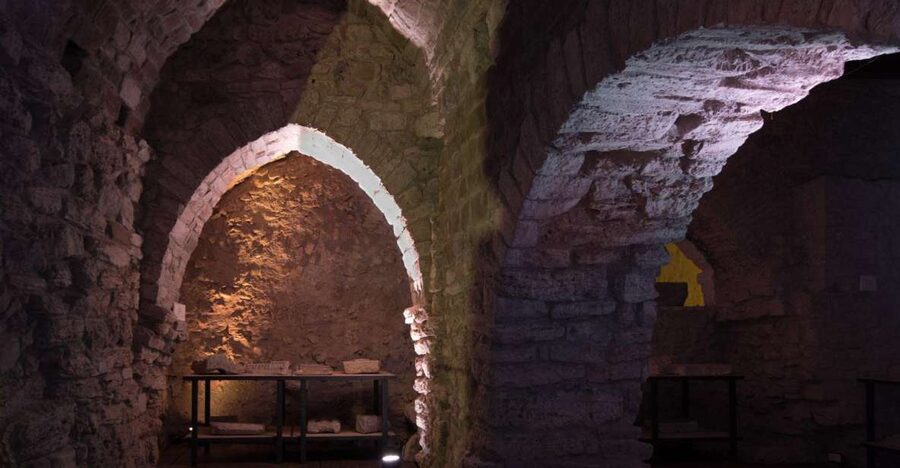
After the Etruscan and Roman material, the route continues through the medieval development of Perugia. The setting beneath the cathedral makes this section especially meaningful. You are not visiting a detached ruin outside the city. You are moving through the foundations and earlier structures beneath one of Perugia’s central religious buildings.
The medieval material helps explain how the hill was reused as the city changed. The tour takes you through different periods rather than presenting one archaeological moment in isolation. That chronological movement is the main strength of the visit.
I find this kind of route more useful than a long list of dates. You watch the city grow downward as well as upward. The current cathedral and surrounding streets sit on top of earlier construction, and the underground path shows how successive generations adapted the same urban space.
The route is guided only, which is sensible here. Archaeological areas can be difficult to read without interpretation, and the guide points out features that you might otherwise pass without noticing. The tradeoff is that you cannot wander at your own pace or linger as long as you like at one wall.
A few more things to do in Italy
- Vatican: Museums & Sistine Chapel Entrance Ticket
★ 4.5 · 144,003 reviews - Milan: Cathedral and Duomo’s Terraces Entrance Ticket
★ 4.6 · 61,054 reviews - Venice: Doge’s Palace Reserved Entry Ticket
★ 4.6 · 42,716 reviews - Florence: Skip-The-Line Uffizi Gallery Timed Entry Ticket
★ 4.5 · 27,832 reviews
The Italian guide and translated tablet
The live guide speaks Italian. For visitors who do not understand Italian, a tablet with translated material is provided. This arrangement allows you to follow the historical content, but it is not quite the same as having a live guide speak your language.
You may find yourself switching attention between the physical remains, the tablet, and the movement of the group. One English-speaking visitor found the translated version slower than the guide’s Italian presentation, which made it hard to finish each section before the group moved ahead. Another noted that carrying the tablet made photography less convenient.
That is the main practical limitation for English speakers. The translation gives you access to the information, but you need to manage the device as you walk. If possible, read the material while the guide is explaining the area, then look up from the screen to study the remains.
The Italian delivery can also add a lively quality to the tour, especially with guides such as Beatrice or Lorenzo. Their enthusiasm and personal explanations are part of the appeal, even when you are following the translated content. Just book this with the right expectation: it is an Italian-led tour with translation support, not an English-language walking tour.
The VR finale and what it adds
The virtual reality presentation comes at the end. You use the headset to see a reconstruction of parts of Perugia and understand how the city may have looked in earlier periods.
This is more than a flashy extra. Archaeological foundations can be hard to imagine in three dimensions, especially when you are looking at low walls and partial structures. The VR sequence gives you the missing height, shape, and surrounding city, helping the earlier explanations fall into place.
The VR section has been praised as an entertaining and informative finish. It is also useful for visitors who want a clearer visual sense of the ancient city than the physical remains alone can provide. Several people have found it the strongest part of the visit.
There is a reasonable debate about timing. Some visitors would prefer to see the VR reconstruction first, as an overview before walking through the archaeological remains. I understand that view. Starting with the big picture could make the underground route easier to follow.
Still, placing the VR at the end has a benefit. You first see the real remains, hear the historical explanation, and then receive a visual summary. By that point, the headset has specific walls, roads, and periods to bring back to life.
How much time to allow and what the price means
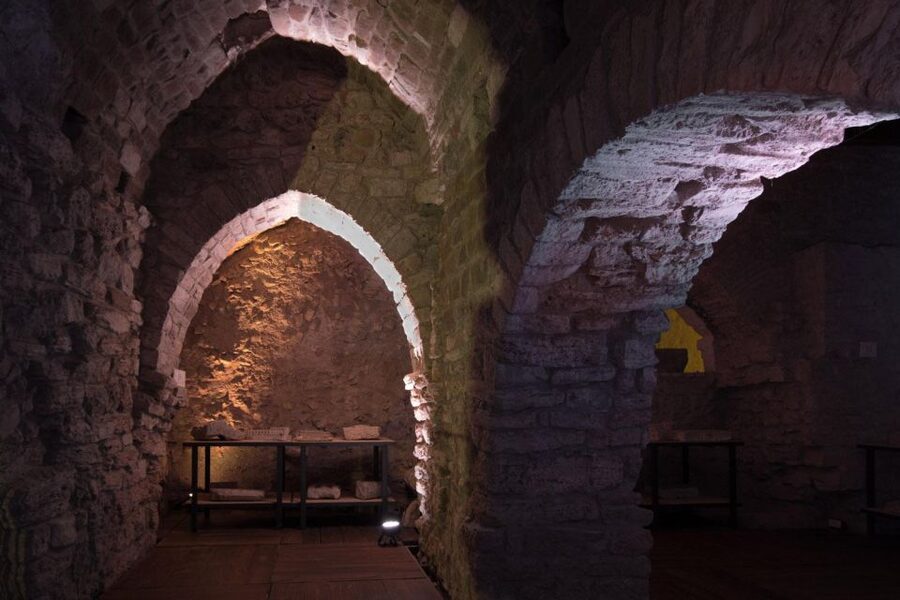
The advertised duration is 50 minutes. Some visits may run a little longer, but this is a short tour rather than a half-day archaeological program. That makes it easy to fit between a cathedral visit, a meal, or a walk through central Perugia.
At $14 per person, I consider it good value. The price includes admission, a guided visit, translated tablet material if needed, and the VR segment. You are paying for interpretation as much as entry, since the buried remains would be harder to understand on your own.
The value is strongest if you enjoy history but do not want a long museum visit. In less than an hour, you get a compact introduction to the city’s Etruscan, Roman, and medieval development. It also gives you useful context for Perugia’s visible monuments, including the cathedral complex and the Gate of Augustus.
The value is less clear if you want an extensive collection of objects or a leisurely archaeological study. The route is fairly short, some visitors feel rushed, and there may not be much time afterward to explore a museum area. Think of it as a focused orientation to Perugia’s buried past.
Free cancellation up to 24 hours before the start and the reserve-now, pay-later option make it easier to fit into a changing itinerary. You should still check the available starting time before booking, since the tour has set departures.
Stairs, temperature, and other practical details
You will encounter several flights of stairs. The route is not suitable for wheelchair users, people with significant mobility difficulties, or visitors using baby strollers. This is not a minor warning: the underground setting and stair access shape the entire visit.
Wear comfortable shoes with secure soles. The information provided does not describe the surface in detail, so I would not choose delicate footwear for an archaeological route with steps and uneven sections.
The temperature underground is slightly different from the streets above. Bring a light layer or another garment that you can put on easily. You do not need to prepare for extreme cold, but a thin jacket can make the transition more comfortable.
Pets, food, and drinks are not allowed. Plan to finish snacks and drinks before entering, and arrange care for pets before you arrive.
Photography may be possible in parts of the route, but the tablet can make it awkward to take pictures while keeping up with the group. I would treat the visit as a chance to look closely rather than a photo-heavy stop.
Who will enjoy this Perugia underground tour?
I would recommend it most strongly to anyone who wants a quick explanation of how Perugia developed. The route suits first-time visitors, history fans, and anyone who enjoys seeing ancient structures in their original urban setting.
Families with older children may also find the VR presentation appealing, provided everyone can manage the stairs. The visual element gives younger visitors a clear way into a subject that can otherwise feel abstract.
It is a good match for you if:
- You want a short activity in central Perugia.
- You are interested in Etruscan and Roman history.
- You like guided interpretation rather than wandering through ruins alone.
- You can use stairs without assistance.
- You are comfortable following an Italian-speaking guide with tablet translation.
- You want a VR element that connects the remains to a reconstructed city.
I would hesitate if you need step-free access, want a fully English-speaking guide, or prefer a large museum collection with many displayed artifacts. The tour is also not ideal if you dislike moving at a group pace.
Should you book Perugia Underground?
Book it if you want an affordable, tightly organized look at Perugia’s oldest layers. The combination of Etruscan foundations, Roman roads and houses, medieval remains, and a VR reconstruction gives you more context than the short duration suggests.
Go in knowing that the live commentary is in Italian and the English support comes through a tablet. Find the cloister entrance carefully, bring a light layer, and allow for stairs. If those points suit you, this is a smart way to understand the city before continuing through Perugia above ground.
FAQ
Where does the Perugia Underground tour start?
The ticket office and meeting point are in the cloister of Saint Lawrence Cathedral. Enter through the large portal on Piazza IV Novembre, beside Libreria delle Volte.
How long does the tour last?
The visit lasts about 50 minutes. Check the available starting times when booking.
How much does admission cost?
The listed price is $14 per person. It includes the entrance ticket, guided tour, translated tablet when needed, and VR experience.
What languages are available?
The live tour guide speaks Italian. A tablet provides translated material for visitors who need it.
Is the tour suitable for wheelchair users?
No. The route includes flights of stairs and is not suitable for wheelchair users or people with significant mobility difficulties.
Can I bring a baby stroller?
No. Baby strollers are not allowed, and the route is not suitable for strollers because of the stairs.
What historical periods does the tour cover?
The route covers Etruscan, Roman, and medieval remains, with Perugia’s history extending back more than 2,500 years.
Is food or drink allowed?
No. Food and drinks are not allowed during the visit. Pets are also not allowed.
Just added in Italy
- Highlights and hidden gems of Milan Bike Tour★ 5.0 · 491 reviews
- Milan Gourmet Tour: A Premium Tasting Experience by Do Eat Better★ 5.0 · 241 reviews
- Private Milan Food Walking Tour of Brera★ 5.0 · 217 reviews
- Da Vinci’s Last Supper and Santa Maria delle Grazie Church Tour★ 4.5 · 218 reviews
- Learn to Cook Italian Recipes with an Italian Chef★ 5.0 · 283 reviews
- Leonardo3 The World of Leonardo: Tickets for the Interactive Exhibition★ 4.0 · 220 reviews
- La Scala Theatre and Museum guided experience★ 4.5 · 664 reviews
- La Scala Theatre and Museum Tour in Milan With Private Guide★ 3.5 · 384 reviews
Catacombs & Underground Tours, compared.
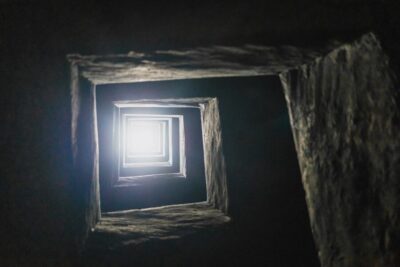
Naples Underground Entry Ticket and Guided Tour
Read our review →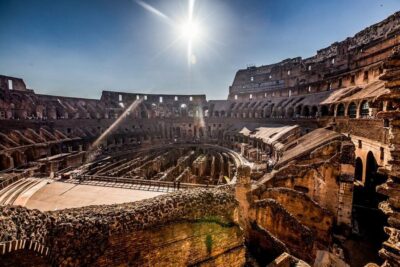
Colosseum: Underground and Ancient Rome Tour
Read our review →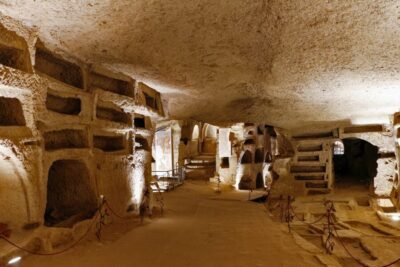
Catacombs of San Gennaro Entry Ticket & Guided Tour
Read our review →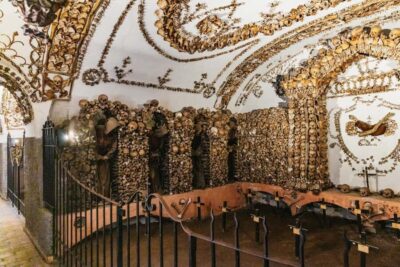
Crypts and Catacombs Underground Tour with Transfers
Read our review →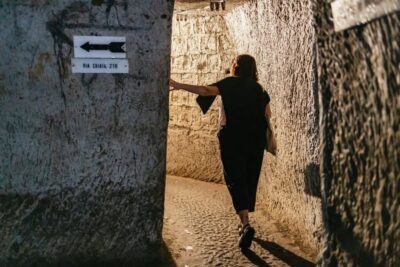
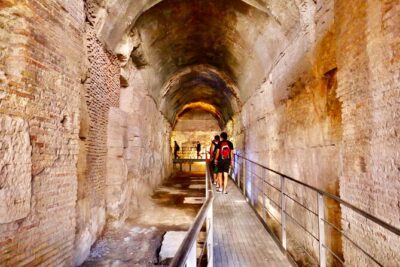
Expert Guided Tour of Colosseum Arena OR Underground, and Forum
Read our review →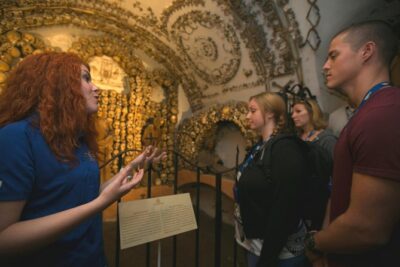
The Original Roman Crypts and Catacombs Tour with Transfers
Read our review →
Colosseum Underground Small Group Guided Tour
Read our review →Browse the lists this tour appears in