
Reviewed · ITALY
Orvieto: Pozzo della Cava Entry Ticket
Orvieto’s Pozzo della Cava is not just a hole in the ground. It is a nine-cavern time capsule beneath the city, where one short walk takes you from Etruscan engineering to medieval homes and Renaissance construction. For about $5, you can see how people used the rock below Orvieto long before modern plumbing and electric lights.
I like the self-guided pace, which lets you stop at the panels and study the details without being tied to a group. I also like the cool underground temperature, especially in summer, and the clear explanations in Italian, English, and French. The main drawback is scale: this is a compact visit, usually around 30 minutes, and it sits on the far side of Orvieto from the Duomo.
Key points
- Nine underground caverns reveal layers of Orvieto’s Etruscan, medieval, and Renaissance past.
- The oldest section includes an Etruscan well and cistern lined with cocciopesto plaster.
- Medieval basements show how homes extended three stories below street level.
- Interpretive panels replace a live guide, with information in Italian, English, and French.
- A child-friendly route makes the archaeological details easier for younger visitors to follow.
- The visit takes about 30 minutes to an hour, making it a useful short stop between larger Orvieto sights.
What you are really seeing beneath Orvieto
Pozzo della Cava gives you a close look at the underground side of Orvieto’s oldest district, known in medieval times as Urbs Vetus. The city sits above soft volcanic rock, and people have been cutting, shaping, storing, building, and burying things below its streets for roughly twenty-eight centuries.
That long span is what makes the site worthwhile. You are not looking at one isolated monument from one period. Instead, the route shows how the same underground spaces changed as the city changed above them.
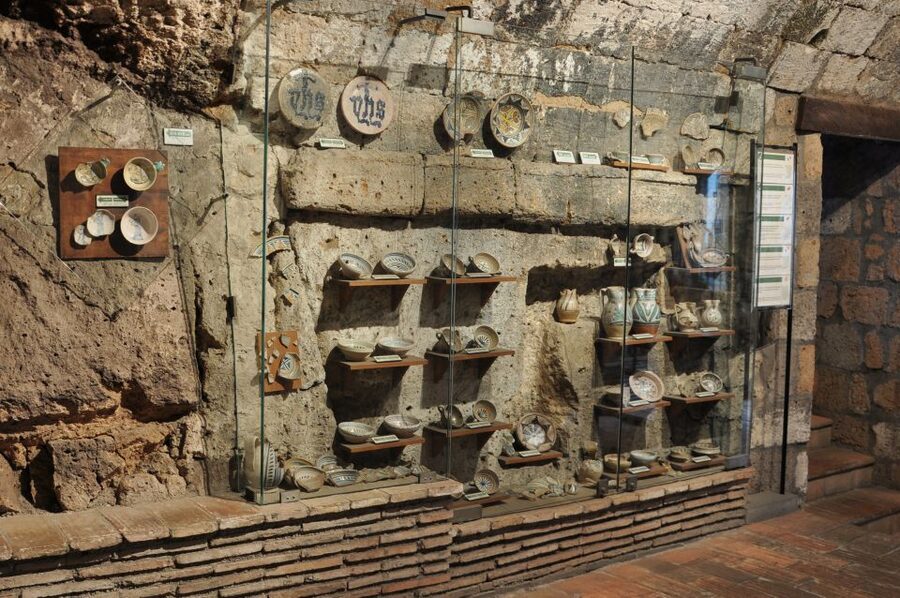
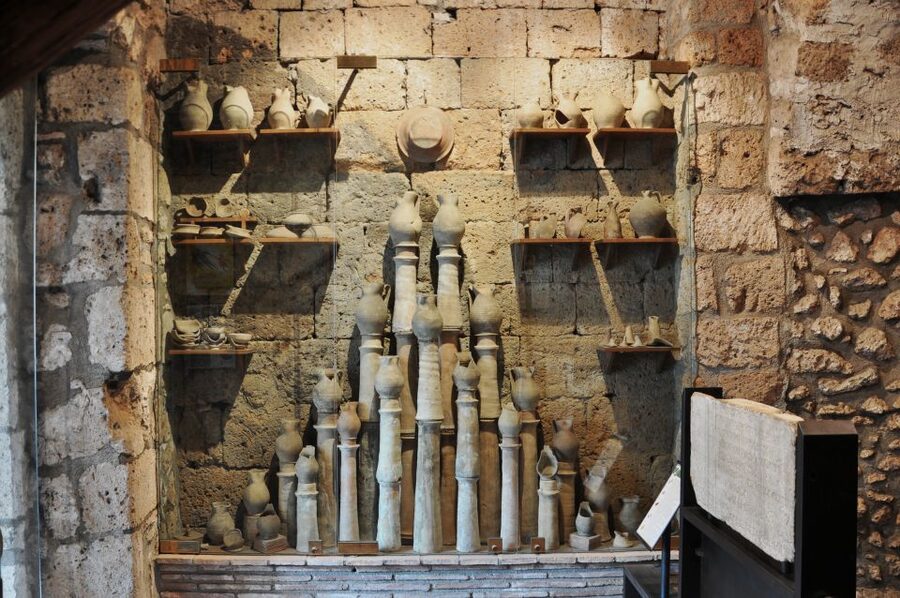
The complex contains nine caverns, each connected to the broader story of life beneath the medieval streets. You will see archaeological remains, water infrastructure, house basements, and later excavations. The setting feels practical rather than polished, which suits the subject. This is a place built around work, survival, and clever use of limited space.
It is also important to set your expectations. Pozzo della Cava is not a large underground city, and it is not a guided expedition. It is a short, self-paced archaeological visit with signs to read. I would treat it as one focused chapter in an Orvieto day, not the main event.
A few more things to do in Italy
- Vatican: Museums & Sistine Chapel Entrance Ticket
★ 4.5 · 144,003 reviews - Milan: Cathedral and Duomo’s Terraces Entrance Ticket
★ 4.6 · 61,054 reviews - Venice: Doge’s Palace Reserved Entry Ticket
★ 4.6 · 42,716 reviews
Starting with the Etruscan well and cistern
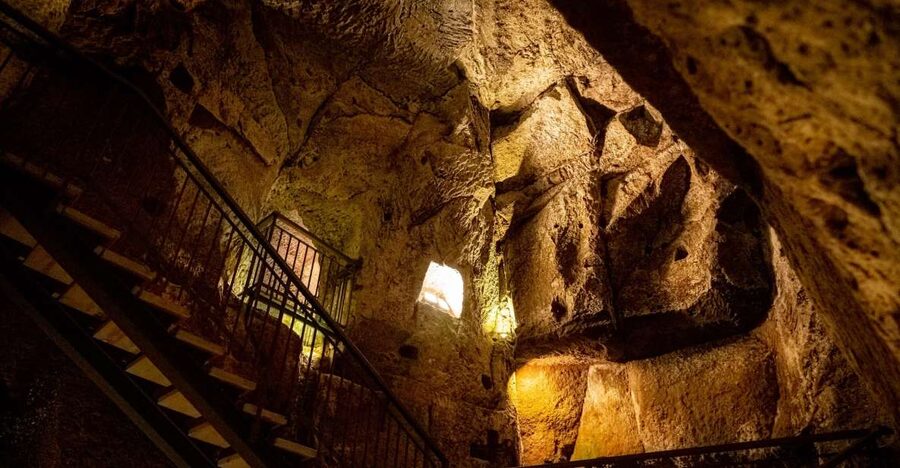
The oldest part of the route centers on the well and its water system. This is where the Etruscan beginnings of the site come into view, including a cistern lined with cocciopesto plaster, a waterproof material used in ancient construction.
That detail helps explain the intelligence behind the site. An underground water structure had to hold water without simply allowing it to seep into the surrounding rock. The plaster was part of the answer. You are seeing engineering designed for a city that depended on careful control of spring water.
The well is especially useful for putting Orvieto’s early inhabitants into practical context. Ancient communities needed reliable water, storage, and protected spaces. The site connects those everyday needs with the larger archaeological record, including ancient Etruscan burial remains.
You should take your time here rather than rushing toward the next chamber. The first section establishes the main idea of the visit: underground spaces were not empty gaps beneath the city. They were working parts of it.
The signs explain the history without requiring a live guide. If you read every panel, the visit will take longer than the quick 30-minute walk some people make. English explanations are available, so you can follow the main story even if you do not speak Italian.
Following the medieval basements below Urbs Vetus
The route then moves into the underground maze associated with medieval Orvieto. This section is particularly good at showing how homes used the rock below the streets.
The basements extended as much as three stories below ground, creating a second level of domestic and working space beneath the houses. That fact changes the way you view Orvieto’s narrow medieval streets. What looks like a compact hill town above ground had an extensive built environment underneath it.
You will move through connected cavities and see how the underground areas became part of daily life. The information panels help explain the changes across time, so pay attention to how a space may have served one purpose in one period and another purpose later.
I find this section valuable because it explains the city’s physical shape better than a general history display can. It shows adaptation in action. People did not simply live on top of the rock. They used the rock itself, cutting into it as needs changed.
The route is self-guided, with no named guide leading a group and no app included. That is not a serious problem here. The caverns are compact, the path is signposted, and the written information provides the structure. You can stop, read, and move on when ready.
For families, the special child-friendly itinerary may make this part easier to follow. Younger visitors often respond better to the idea of rooms hidden below the street than to a long museum explanation. The underground setting gives the history a physical hook.
Seeing the Renaissance work in the final cave
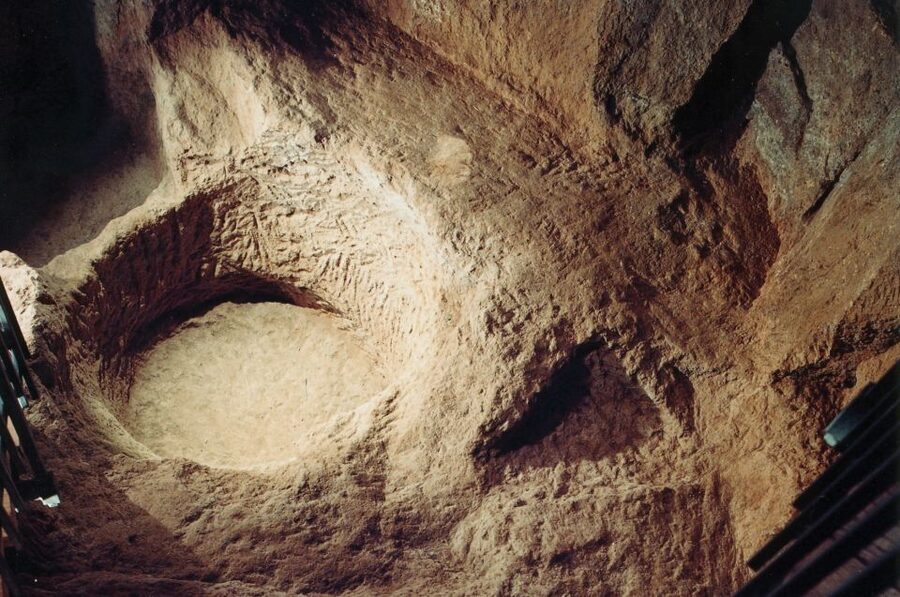
The last section shows how the site continued to change during the Renaissance. These are the most recent excavations in the complex, and the final cave preserves traces of alterations made across the site’s twenty-eight centuries of use.
This closing section is important because it prevents the visit from becoming a simple Etruscan story. Orvieto’s underground spaces did not stop mattering after antiquity. They were reshaped and reused as the city developed.
You may find the final cave more visually striking than the earlier sections because it brings together evidence of repeated construction. The walls and cuts preserve the marks of different periods rather than presenting one perfectly untouched room.
That is also where the visit’s central lesson becomes clearest. The well, the medieval basements, and the Renaissance excavations are parts of one long process. Each generation worked with what the earlier one had left behind.
The site is best appreciated by looking for those layers. Do not expect a single grand object to carry the visit. The interest comes from the combination of structure, artifacts, signs, and the sense of a city growing above and through the rock.
Same base, a different kind of day:
- Vatican Museums & Sistine Chapel Tour with Optional Basilica
★ 4.3 · 67,413 reviews - Colosseum, Roman Forum & Palatine Guided Tour
★ 4.7 · 63,148 reviews - Vatican Museums, Sistine Chapel & St Peter’s Basilica Guided Tour
★ 4.5 · 39,149 reviews - Rome: Colosseum, Palatine Hill and Roman Forum Guided Tour
★ 4.8 · 32,814 reviews
How long the visit takes and how to plan it
Plan on 30 minutes to an hour. Several people have found that half an hour is enough for a straightforward walk, while a slower visit with careful reading can take closer to an hour.
That flexible timing makes Pozzo della Cava easy to fit into a day in Orvieto. You can use it as a short archaeological stop before or after other sights. It is also a welcome break during hot weather, since the underground caverns are noticeably cooler than the streets.
The site is in the Cava neighborhood, on the far side of Orvieto from the Duomo. That does not make it difficult to reach on foot, but you should account for the walk across town. One useful planning point is that this is not the same as the larger underground cave tour that begins near the Duomo.
If you are comparing the two, look carefully at what you want. Pozzo della Cava is a smaller, self-guided complex focused on one historic property and its nine caverns. The other underground experience is a separate attraction. A visitor who accidentally chooses one expecting the other may find the difference surprising.
The listed ticket is about $5 per person, which is a modest price for an archaeological stop in a major hill town. The value depends on your style. If you enjoy reading signs and examining old structures, it is an easy yes. If you want a long guided tour with a dramatic route, the short length may feel limiting.
What the self-guided format is like
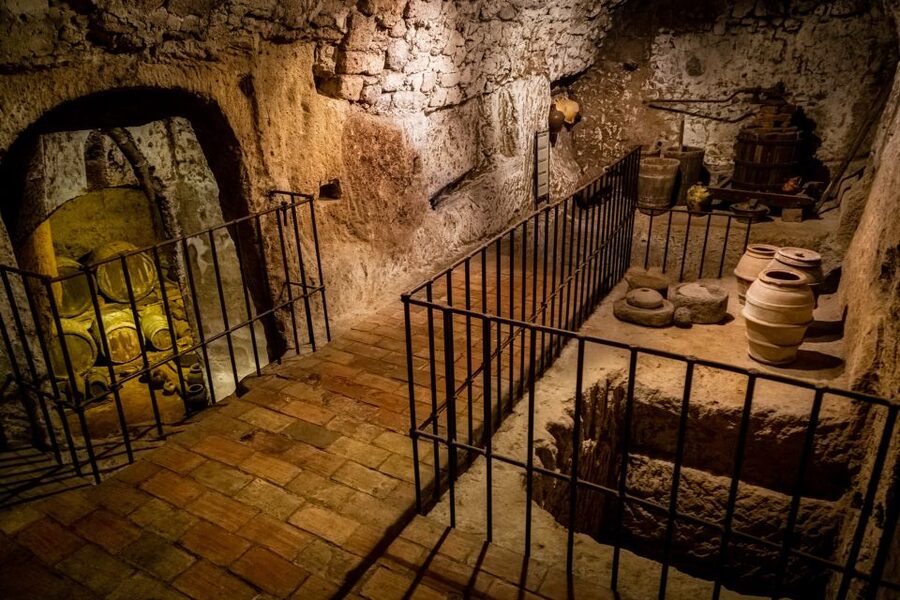
You enter without joining a scheduled guided group. A host or greeter is available in Italian, English, or French, while the main visit is handled through written explanations.
This format gives you control. You can spend extra time at the Etruscan waterworks, move quickly through a less interesting chamber, or pause when the heat outside makes the cool air especially welcome. You are not waiting for a group to catch up.
The tradeoff is that you will not have someone beside you to answer detailed questions or explain every archaeological debate. The attraction does not include a guide or an app. For most visitors, the signs are enough to understand the main story, but anyone wanting a specialist lecture should seek a separate guided experience.
The panels are clearly arranged and available in several languages. English coverage is especially useful because it lets you understand the periods represented rather than simply walk through dark rooms and admire the rock.
I would allow more time if you are visiting with children or anyone who likes to read every display. The child-focused itinerary can help younger visitors, but the experience remains a historical site rather than an amusement attraction.
The best reasons to include it in your day
I would choose Pozzo della Cava for three main reasons.
First, it gives you physical evidence of Etruscan design. You are not only hearing that the Etruscans understood water management. You are looking at a cistern and the material used to make it useful.
Second, the medieval section shows how much of a city can exist below street level. The three-story basements make Orvieto’s older neighborhoods easier to understand. They also give the visit a strong connection to ordinary life, not only rulers, churches, and famous monuments.
Third, the price is easy to justify. At around $5, even a 30-minute visit can feel worthwhile if you are already exploring the Cava district. The underground temperature is an added benefit during a warm afternoon, though I would not book it solely as a heat escape.
The strongest praise has focused on the clear explanations, the freedom to walk at your own pace, the cool interior, and the unexpectedly interesting content for such a small ticket. Those are fair reasons to go. The experience works because it does not ask much time or money from you.
Where the visit may fall short
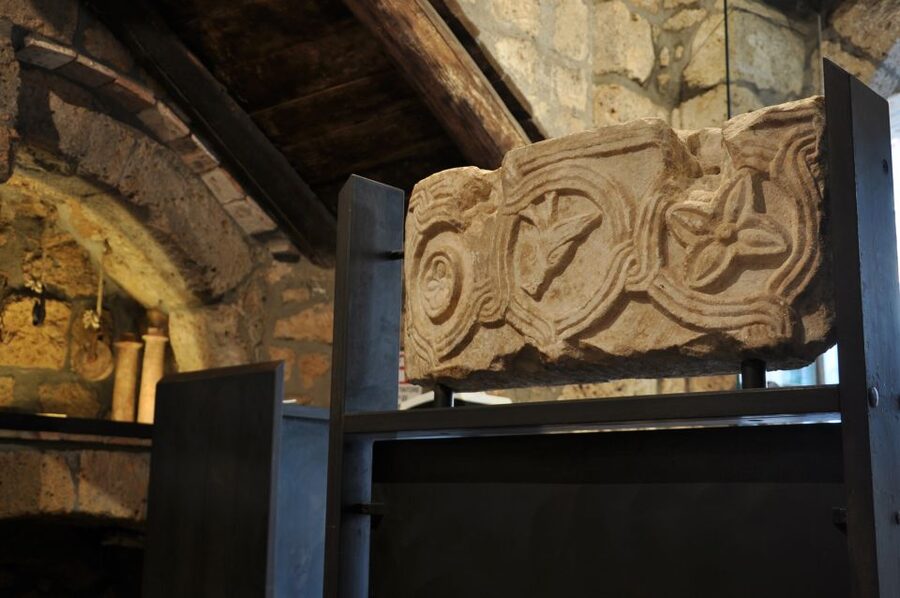
The main limitation is its compact size. If you have only one day in Orvieto and still need to see the Duomo, the medieval streets, and other major sights, you may decide that a short underground stop is not essential.
The location can also feel out of the way if you are centered near the Duomo. It is still close enough to reach on foot, but the extra walk matters when your schedule is tight or the weather is poor.
Do not expect a live presentation. There is no included guide and no app. The experience depends on your willingness to read the panels and make sense of the spaces yourself.
Finally, the two Orvieto underground attractions can cause confusion. If you are specifically seeking the larger cave tour near the Duomo, check the name and location before booking. Pozzo della Cava is smaller, more focused, and self-guided.
Who will get the most from Pozzo della Cava
I would recommend this for people who enjoy archaeology, old building methods, and the less obvious side of Italian towns. It suits independent visitors who prefer to move at their own speed rather than follow a group.
Families may also find it useful, thanks to the child-friendly explanations and the simple appeal of going below the streets. Children who are bored by formal museums may pay more attention when history is presented through caves, wells, and hidden basements.
It is a good choice for a hot day, a spare hour, or a visitor who has already seen Orvieto’s major church and wants a different view of the city. The multilingual signs make it practical for international visitors.
I would be less likely to recommend it to someone who wants a large attraction with dramatic reconstructions, extensive displays, or a specialist guide. The value here is in the original spaces and the compact story they tell.
Should you book Pozzo della Cava?
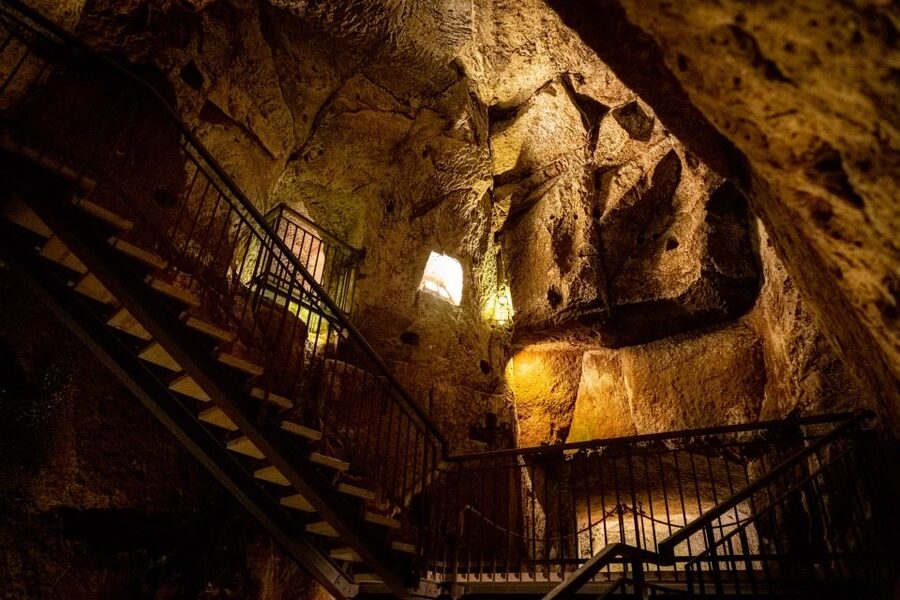
At about $5, Pozzo della Cava is a low-risk addition to an Orvieto visit. Book it if you like authentic archaeological remains, self-guided sightseeing, and unusual views of how people lived below a medieval city.
Skip it if your schedule is already packed or if you want the separate underground tour near the Duomo. If you do go, plan around 30 to 60 minutes, read the signs, and keep the distinction between the two cave experiences clear. For a small ticket, this is a smart way to see a quieter, more practical side of Orvieto.
FAQ
How much does entry to Pozzo della Cava cost?
The listed price is $5 per person.
How long does the visit take?
Most visitors can complete the self-guided route in about 30 minutes, though allowing up to an hour gives you time to read the panels and pause at the main features.
Is Pozzo della Cava a guided tour?
No. Entry includes a self-guided visit with multilingual explanations. A guided tour is not included, and no app is provided.
Which languages are available?
Information and assistance are available in Italian, English, and French.
Is there a route for children?
Yes. A special child-friendly itinerary is included.
What can I see inside the complex?
The nine caverns include an Etruscan well, a cistern lined with cocciopesto plaster, ancient burial remains, medieval underground spaces, three-story house basements, and Renaissance excavations.
Is Pozzo della Cava the same as the underground cave tour near the Duomo?
No. Pozzo della Cava is a separate, smaller underground complex in the Cava neighborhood. The other underground cave tour begins near the Duomo.
Just added in Italy
- Highlights and hidden gems of Milan Bike Tour★ 5.0 · 491 reviews
- Milan Gourmet Tour: A Premium Tasting Experience by Do Eat Better★ 5.0 · 241 reviews
- Private Milan Food Walking Tour of Brera★ 5.0 · 217 reviews
- Leonardo3 The World of Leonardo: Tickets for the Interactive Exhibition★ 4.0 · 220 reviews
- Da Vinci’s Last Supper and Santa Maria delle Grazie Church Tour★ 4.5 · 218 reviews
- Learn to Cook Italian Recipes with an Italian Chef★ 5.0 · 283 reviews
- La Scala Theatre and Museum guided experience★ 4.5 · 664 reviews
- La Scala Theatre and Museum Tour in Milan With Private Guide★ 3.5 · 384 reviews