
Reviewed · PASTA
Francy’s Pasta & Gnocchi on Top of Florence Hills
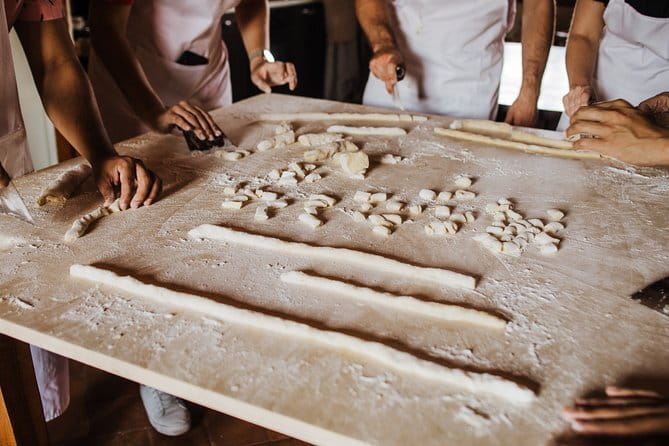
The best part of this Florence cooking class is the setting: you leave the city center and reach a 16th-century villa in the hills, where pasta-making takes place in a real home with broad views over Florence. Francesca, Luisa, and Gaia guide you through ravioli, chitarra pasta, gnocchi, and simple sauces.
I like the mix of hands-on work and an actual meal at the end. I also like the warm, social rhythm, with coffee and cookies at the start, bruschetta and Prosecco during the class, and wine shared around the table afterward.
The main consideration is the group size, which can reach 20 people. Smaller sessions have more personal attention, while a full class may feel less intimate. You also need to reach the Porta Romana meeting point and arrange the short ride to the villa as directed.
Key points at a glance
- Pasta in a Florentine home: Cook in a private residence inside a historic villa rather than in a standard city cooking studio.
- Three kinds of handmade pasta: Learn techniques for stuffed pasta, chitarra pasta, and potato gnocchi.
- Hosts with different strengths: Francesca, Luisa, and Gaia help with demonstrations, instruction, drinks, and the meal.
- A full food-and-wine afternoon or evening: Bruschetta, pecorino, Prosecco, pasta, sauces, dessert, and coffee are part of the flow.
- Views beyond the city center: The hillside location adds a quieter setting and attractive views over Florence.
- Flexible scheduling: You can choose a morning or evening class, with the activity lasting about 3 hours and 15 minutes.
Leaving Florence for a 16th-century villa
The class begins at Caffè Petrarca, at Piazzale di Porta Romana 6/red. From there, the ride to the home takes about ten minutes, placing you close to Florence but far enough from the central streets to feel like you have stepped into the countryside.
The exact address is provided after booking. The instructions describe taking a taxi from the meeting point, while the hosts may also help with the pickup arrangement. Read the confirmation carefully and allow a little extra time before the start. This is not a class you simply wander into from a central hotel.
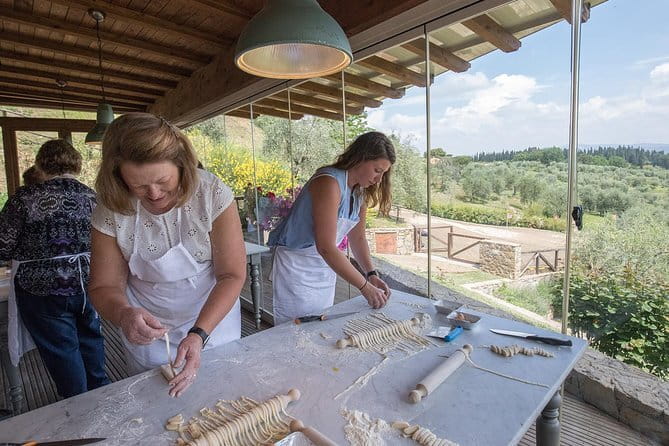
The villa setting does a lot of the work. Instead of sitting in a commercial teaching kitchen, you cook in the home of your host, Francesca, in a building dating from the 1600s. The views are repeatedly singled out as one of the most memorable parts of the visit, so bring a camera if the weather is clear.
That setting also explains the weather policy. The class needs good weather, and poor conditions can lead to a new date or a full refund. The outdoor arrival and hillside setting are part of the charm, but they also mean this is not completely weather-proof.
Other pasta to make in Florence:
- Florence: Pasta Cooking Class with Unlimited Wine
★ 4.9 · 10,285 reviews - Florence Pizza or Pasta Class with Gelato Making at a Tuscan Farm
★ 5.0 · 6,801 reviews - Florence: Pasta & Tiramisu Cooking Class with Unlimited Wine
★ 4.9 · 6,708 reviews
Coffee, cookies, and a relaxed start
Once you arrive, the class does not rush straight into measuring flour. You begin with coffee and cookies, introductions, and time to settle in. Some sessions also begin with a spritz or another aperitif, depending on the hosts and the timing.
This opening matters because the class is as social as it is instructional. You are not only learning a recipe. You are meeting the people who will cook beside you, getting comfortable with the hosts, and seeing the kitchen before the work begins.
Francesca is the central name attached to the home, while Luisa and Gaia may help lead the class. The tone described by the hosts is friendly and personal. Luisa is particularly involved in welcoming people, explaining the steps, and keeping the pace light. Gaia helps with drinks and dessert in some sessions.
You do not need advanced cooking skills. The lessons are built for first-time pasta makers, yet experienced cooks can still pick up useful details. One professional chef even found new techniques to take home. That is a good sign for mixed groups, where some people may be intimidated by fresh dough and others may already cook often.
Rolling dough for ravioli and chitarra pasta
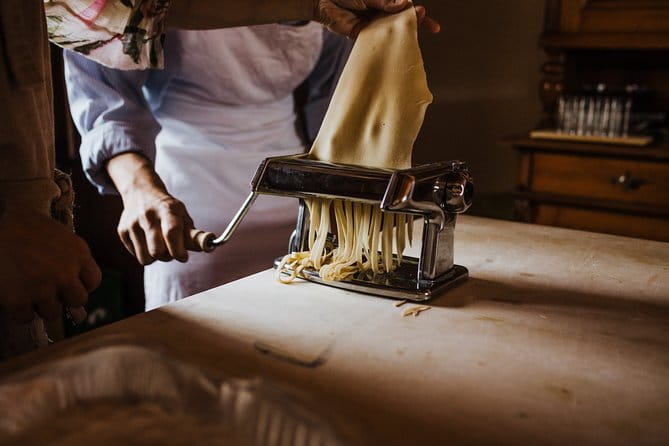
The main work begins with fresh dough. You roll it by hand and learn how to shape more than one style of pasta. The exact menu can vary, but the core lineup includes a stuffed pasta such as ravioli or cappellacci, chitarra-style pasta, and gnocchi.
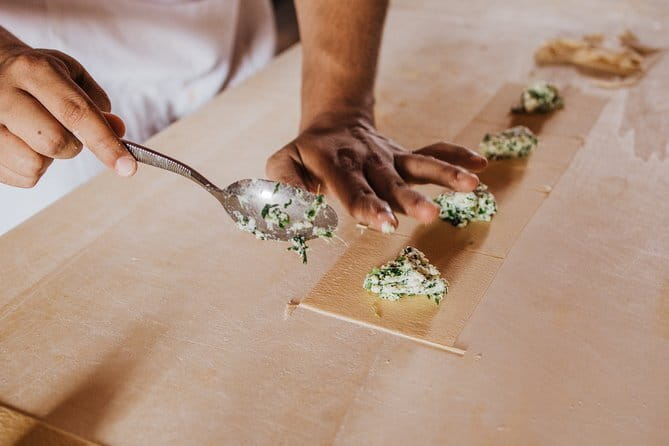
Stuffed pasta is the most involved part. You learn to roll the dough thin, add filling, seal it, and cut it into portions. It gives you a useful lesson in texture and handling because dough that is too thick feels heavy, while dough that is too thin can tear.
Chitarra pasta offers a different skill. The name refers to the guitar-like cutting tool traditionally used to turn a sheet of dough into strands. It is a nice change from machine-cut spaghetti and gives you a clearer sense of how pasta shape affects the final dish.
The hosts demonstrate each step before you try it. That makes the class approachable, but expect a real hands-on session rather than a cooking show where you simply watch. You will touch the dough, adjust your technique, and work alongside the other people at your table.
Gnocchi and sauces that make the meal
The gnocchi lesson uses potatoes and focuses on making soft dumplings by hand. This is a simple dish, but it rewards a gentle touch. Overworking the mixture can make gnocchi heavy, so the class gives you a practical feel for when to stop mixing and shaping.
Sauces are part of the lesson, not an afterthought. The menu includes fresh tomato and basil, butter and sage, and a parsley, butter, and garlic combination. These are straightforward recipes, but that is exactly why they are useful at home. You can repeat them without a long shopping list or specialist equipment.
The butter and sage sauce is paired with cappellacci in the sample menu. Tomato and basil accompany bruschetta and may also appear with pasta. The point is not to teach a restaurant-style tasting menu. It is to show you how a few good ingredients and correct timing can carry fresh pasta.
I like this practical focus. You leave with techniques that fit an ordinary kitchen, not just an impressive dish that requires equipment you will never use again. Recipe copies are also provided, giving you a way to repeat the meal after returning home.
Same base, a different kind of day:
- Florence: Skip-The-Line Uffizi Gallery Timed Entry Ticket
★ 4.5 · 27,832 reviews - Tuscany Day Trip from Florence: Siena, San Gimignano, Pisa and Lunch at a Winery
★ 5.0 · 21,634 reviews - Florence: Timed Entrance Ticket to Michelangelo’s David
★ 4.6 · 16,983 reviews - Florence: Michelangelo’s David Skip-the-Line Entry Ticket
★ 4.5 · 12,764 reviews
The aperitif becomes part of the lesson
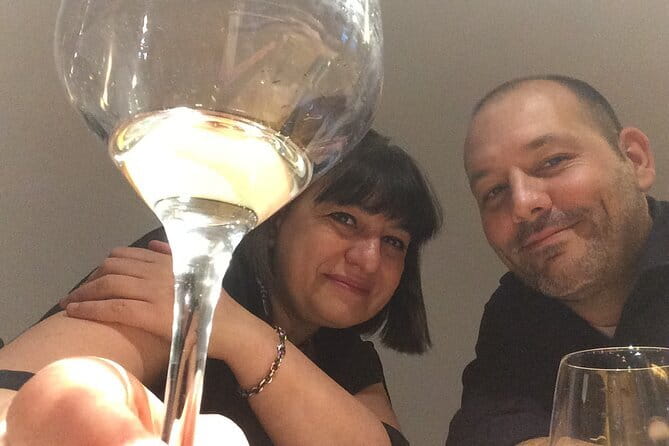
While the dough rests or the pasta is prepared, the class shifts into an aperitif. Bruschetta with tomato and basil, pecorino cheese, and Prosecco are served along the way. Some sessions include red wine, rosé, or a spritz, and limoncello may appear at the end.
The drinks help keep the pace relaxed, but they are worth considering if you do not drink alcohol. The supplied details focus heavily on wine and aperitifs, so confirm any dietary or beverage needs in advance. The class is offered in English, which makes the instruction accessible to English-speaking visitors.
Bruschetta is also a small but useful lesson in Italian food habits. The bread, tomato, basil, and seasoning are simple. The result depends on good balance and fresh ingredients rather than elaborate preparation. You get to eat while you cook, which prevents the long lesson from feeling like a wait for dinner.
Do pace yourself with the wine. The class lasts about three and a quarter hours, and the food starts early. It is easy to accept every refill while chatting and then find yourself less focused during the final stages of cooking.
Sitting down to eat what you made
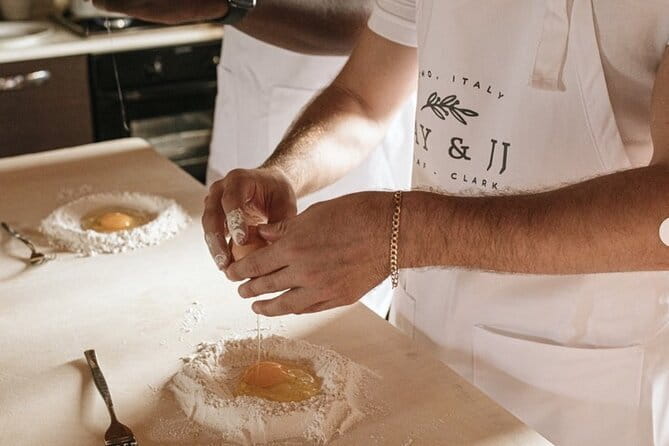
The meal is the payoff, but it is not just a quick taste of one dish. The sample menu includes gnocchi, butter-and-sage cappellacci, spaghetti or chitarra pasta, bruschetta, and a dessert of the day.
Dessert is not fixed. It may be a fruit tart, cookies, or another house specialty. Coffee and limoncello can also be part of the farewell. Because the menu changes, you should book this for the cooking and setting rather than for one exact dessert.
The amount of food is generous. You may find yourself eating several pasta courses, along with the starter, cheese, wine, and sweets. Arrive hungry, but do not expect a light activity. This is a full meal built around what the group has prepared.
Eating together also gives the class a natural ending. You can compare your pasta shapes, ask final questions, and hear more from the hosts without standing over a work surface. It feels closer to being invited to a home meal than attending a quick tourist demonstration.
Group size, timing, and personal attention
The maximum group size is 20, although some sessions are much smaller. Groups of six, nine, and twelve are described in the available details, so the feel can change from one departure to another.
A smaller class is the better choice if you want close instruction or have never worked with pasta dough. You are more likely to receive corrections on rolling, filling, sealing, and gnocchi shaping. A larger class may offer more social energy, but you may need to share workspace and watch a demonstration from farther away.
The 3-hour-15-minute duration is long enough to cover several pasta types and sit down for a proper meal. It also means you should not schedule a museum reservation or train immediately afterward. Choose the morning session if you want the rest of the day free, or the evening session if you prefer to turn the class into dinner.
This activity suits couples, families with older children, solo visitors who enjoy meeting people, and anyone who wants a break from museum sightseeing. It may be less suitable if you want a quiet, private meal or dislike group participation.
Is the $145.12 price good value?
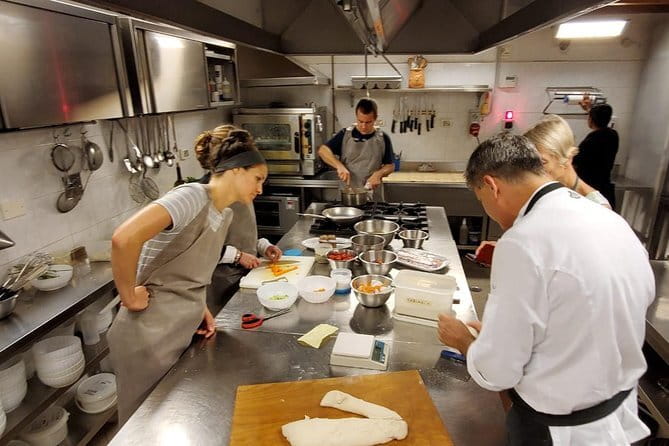
At $145.12 per person, this is not the cheapest way to eat pasta in Florence. You can find a plate of handmade pasta for far less. The price makes more sense when you count the short transfer, instruction, several dishes, drinks, dessert, the villa setting, and the time spent with the hosts.
You are paying for an activity and a meal, not just food. The class teaches three pasta styles, several sauces, and techniques you can use again. You also receive a setting that a regular restaurant cannot provide, along with the chance to cook in a Florentine home.
The value depends on your priorities. If you only want a memorable dinner, spend the money at a restaurant with a strong menu. If you want to learn, meet people, and take home recipes, the price is easier to justify.
The high satisfaction rate, 4.9 rating from 457 reviews, and recommendation from 98 percent of customers suggest that the combination of teaching, food, and atmosphere works very well. Still, those figures do not remove the practical limits: group size can vary, the exact menu may change, and alcohol is a visible part of the experience.
Small details that make the class memorable
The hosts use warmth and humor as teaching tools. Francesca’s personality, Luisa’s welcoming style, and Gaia’s help with drinks and dessert give the class a family feel. That can make nervous beginners more willing to handle the dough.
The views are another major benefit. The home overlooks Florence from the hills, giving you a different view of the city than you get from a piazza or museum terrace. The villa is part of the experience, not just a kitchen chosen for convenience.
The class also has a strong take-home benefit. You learn fresh pasta methods, simple sauces, and gnocchi shaping, then receive recipes to try again. Fresh pasta can seem difficult before you make it, but the lesson breaks it into manageable steps.
For the best visit, wear something comfortable, arrive ready to eat, and keep your schedule open afterward. Confirm the meeting instructions, note the weather requirement, and tell the provider about food concerns before the day of the class.
Who should book Francy’s pasta class?
You should book it if you want a social cooking lesson, value a home setting, and like the idea of leaving central Florence for hillside views. It is especially good for people who want more than a restaurant meal and hope to recreate part of the trip at home.
It is also a strong pick for mixed skill levels. Beginners get clear demonstrations and simple recipes, while experienced cooks can refine dough handling and sauce preparation. The atmosphere is lively, so it suits people who enjoy conversation and shared meals.
You may want another option if you need a strictly private class, prefer a fixed menu, avoid alcohol, or want to remain within walking distance of central Florence. The class is described as private in its home setting, but the activity can include up to 20 people.
Should you book this experience?
I would choose Francy’s Pasta & Gnocchi if you want a personal Florence memory built around food rather than sightseeing. The villa, views, welcoming hosts, generous meal, and three pasta styles give the class real substance.
Book it at least several weeks ahead if your schedule is fixed. It is booked an average of 54 days in advance, and the most popular morning or evening slots may fill first. You can cancel for a full refund up to 24 hours before the start time, but last-minute changes are not accepted. If the minimum group is not reached or weather forces cancellation, you are offered another date or a full refund.
For many visitors, this will be more rewarding than another restaurant meal. Just confirm the transport details, allow for a full three-hour-plus commitment, and choose it because you want to cook, not simply be served.
FAQ
Where does the pasta class meet?
The meeting point is Caffè Petrarca, Piazzale di Porta Romana 6/red, 50124 Florence.
Where does the cooking take place?
The class takes place in a private home inside a 16th-century villa in the hills above Florence, about ten minutes from the city center.
How do I get to the villa?
The directions state that you should take a taxi from Piazzale di Porta Romana. The exact address is provided after booking, so check your confirmation carefully.
How long does the experience last?
The activity lasts approximately 3 hours and 15 minutes.
What kinds of pasta will I make?
You learn to make fresh ravioli or another stuffed pasta, chitarra-style pasta or spaghetti, and potato gnocchi.
Is food included?
Yes. You prepare and eat the pasta and gnocchi, along with bruschetta, pecorino cheese, sauces, and a dessert of the day.
Are drinks included?
The experience includes coffee and cookies at the start, Prosecco with the aperitif, and wine during the meal. Some sessions may also include other drinks such as limoncello.
Is the class taught in English?
Yes. The experience is offered in English.
What is the cancellation policy?
You can cancel at least 24 hours before the start time for a full refund. Cancellations or changes made less than 24 hours before the start time are not accepted. If poor weather or an insufficient minimum group causes cancellation, you are offered another date or a full refund.
Just added in Florence
- Wine Tasting Experience in Ponte Vecchio: Best Tuscany selection!★ 5.0 · 197 reviews
- Walking Food Tour of Florence with Tastings and Wine★ 5.0 · 518 reviews
- Wine Experience In Chianti Hills from Florence★ 4.5 · 195 reviews
- Florence Sunset Food Tour with Wine & Dine at a Tuscan farmhouse★ 5.0 · 194 reviews
- Uffizi and Accademia Small Group Guided Tour★ 4.5 · 449 reviews
- Val d’Orcia Brunello Wine Tour with Montalcino and Montepulciano★ 4.5 · 359 reviews
- Uffizi Gallery Timed Entry Admission Tickets★ 4.0 · 392 reviews
- Uffizi Gallery Small Group Tour with Guide★ 4.5 · 879 reviews
Pasta, compared.
Florence Pizza or Pasta Class with Gelato Making at a Tuscan Farm
Read our review →
Pasta & Tiramisu Class with Fine Wine by the Vatican
Read our review →
Pasta Making Class with Wine, Limoncello, and Dessert
Read our review →
Fettuccine Pasta Cooking Class in Rome’s City Center
Read our review →
Traditional Pasta with Cocktails Cooking Class
Read our review →
Learn to Make Pasta & Tiramisu with Wine and Limoncello Included
Read our review →Browse the lists this tour appears in