
Reviewed · PERFUME & CRAFT MASTERCLASSES
Florence: Perfume Masterclass and Sensory Experience
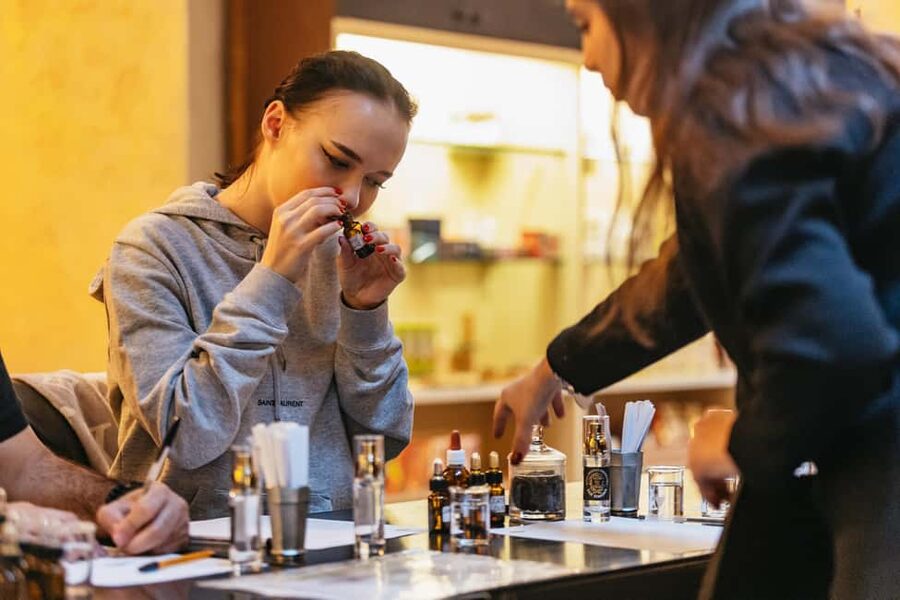
Florence is full of grand churches, famous paintings, and handsome stone squares. This perfume masterclass gives you a different way to meet the city: through your nose. In a traditional artisanal shop, you learn how scents are built, choose your favorite notes, and create a bottle that belongs to you rather than to a department-store shelf.
I like two things right away. First, the setting at Antica Spezieria Erboristeria San Simone gives the class a sense of place, not just a table of anonymous fragrance samples. Second, you receive a 30 ml bottle, your formula, and a certificate, so the experience continues after you leave Florence.
The main consideration is that choosing scents is more exacting than it sounds. One extra drop can change the balance, and some instruction may be harder to follow if you are not comfortable with an Italian accent. The staff can help, but you should expect a hands-on sensory workshop, not a polished retail demonstration.
Key points to know before you book
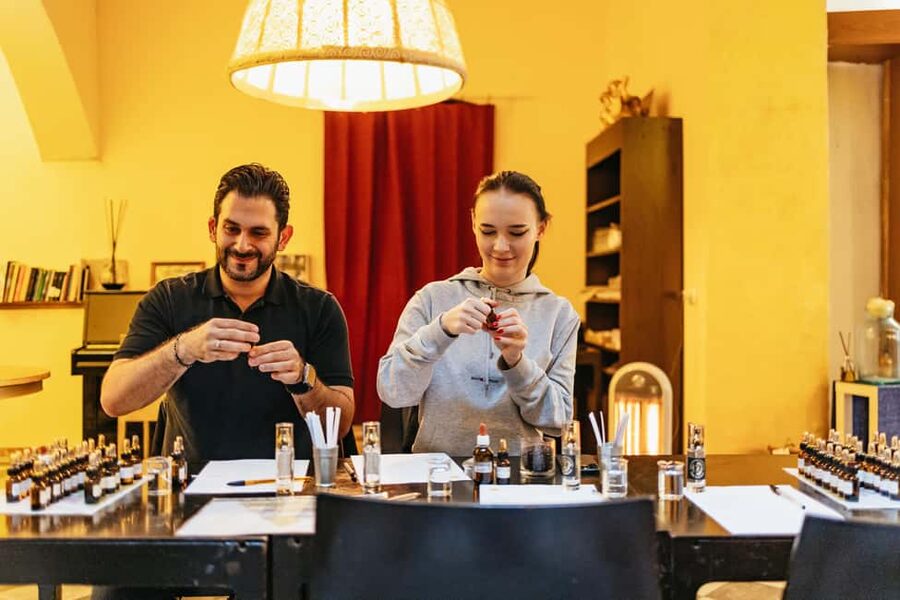
- A personal 30 ml fragrance: You select the notes, then take home a perfume made to your preferences.
- A historic Florentine setting: The class takes place at Antica Spezieria Erboristeria San Simone, an old-fashioned shop and artisanal laboratory in central Florence.
- Guides with a personal touch: Elena is praised for her warmth and clear explanations, while Debra and Alina also lead sessions.
- A compact small-group class: The 1.5-hour workshop is limited to 10 participants, making it easier to ask for help.
- A useful keepsake: Your finished fragrance comes with its recipe, so you can order the same blend again later.
- Good value for a special souvenir: At $82, the class includes instruction, materials, a 30 ml perfume, a certificate, and a short coffee break.
Entering Florence’s old perfumery
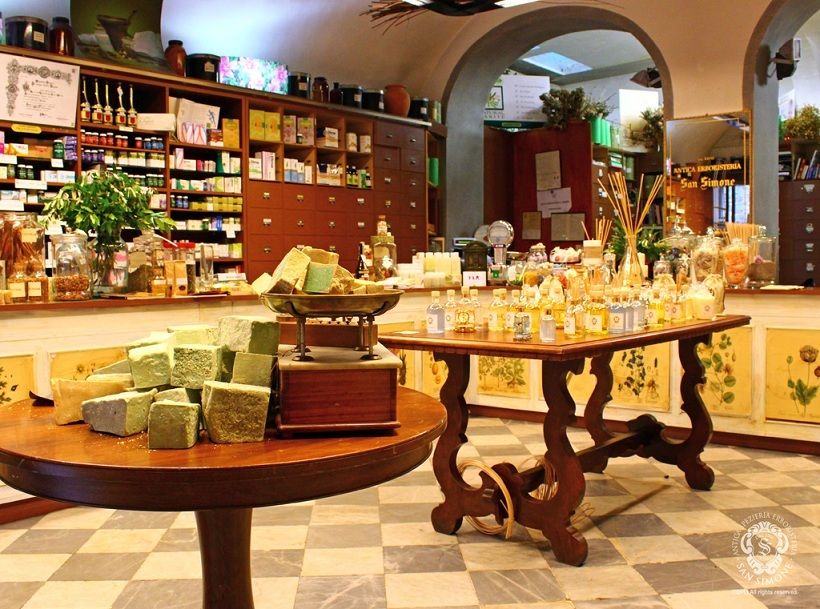
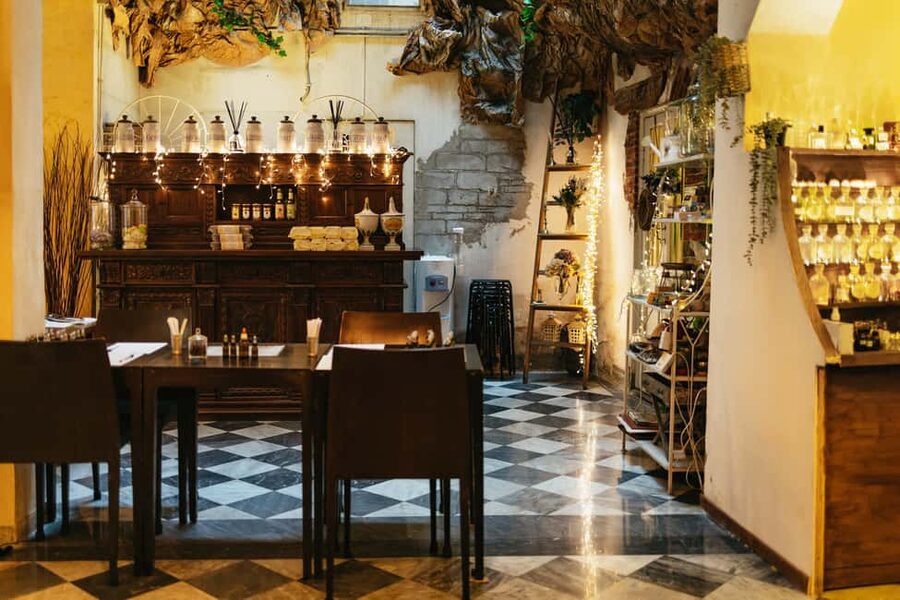
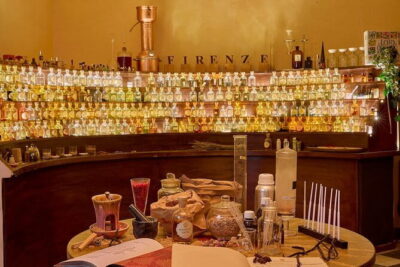
The experience begins at Antica Spezieria Erboristeria San Simone, in the heart of Florence. You meet the master perfumer inside an artisanal shop, where the surroundings help explain why Florence has long been linked with herbs, cosmetics, and scent making.
The introduction connects the workshop with Renaissance perfumery and figures such as René le Florentin, the personal perfumer of Catherine de Medici. That historical thread gives the activity more shape. You are not simply mixing pleasant liquids. You are learning how perfume fits into Florence’s old traditions of apothecary work and courtly fragrance.
The shop itself is part of the appeal. It is described as quaint, old-fashioned, and full of scents, so the class feels more personal than a lesson in a modern classroom. You might also find that the shop’s normal street setting brings some noise through the open door. One participant suggested closing the door during instruction, which is a fair point if you want every word of the history talk.
The language options are Italian and English. Elena has also led sessions in Spanish, according to one account, but Spanish is not listed as a standard language for the activity. If clear language instruction is especially important to you, check the guide and language at booking.
Other things to learn to make in Florence:
- Florence: Uffizi Highlights, In-Depth Masterclass or Private Tour
★ 4.5 · 641 reviews - Perfume Masterclass in Florence: Make your Own Personal Fragrance
★ 4.5 · 253 reviews - Handmade Tuscan Ceramics Masterclass in Montelupo
★ 5.0 · 205 reviews
Learning the scent pyramid before mixing
The class introduces the basic structure of fragrance, including the scent pyramid. This is a useful concept because it explains why a perfume changes after you first apply it. Different notes appear at different stages, and the blend needs balance rather than simply a pile of smells you like individually.
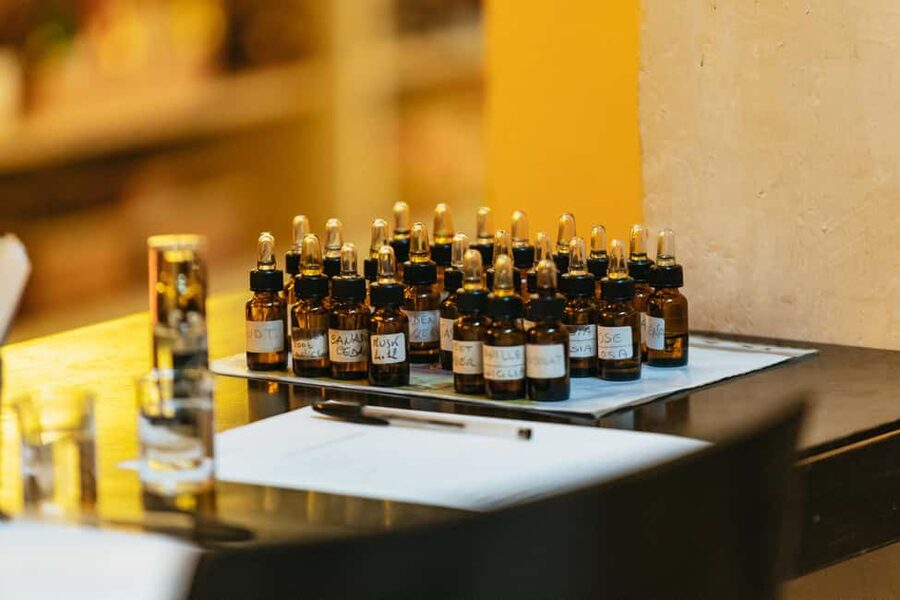
You are guided through an assortment of delicate and powerful aromas. The process involves smelling, comparing, and narrowing down your choices. That sounds simple, but it takes concentration. A scent that seems appealing on its own may overpower another note, while a quieter aroma may give the final perfume its needed depth.
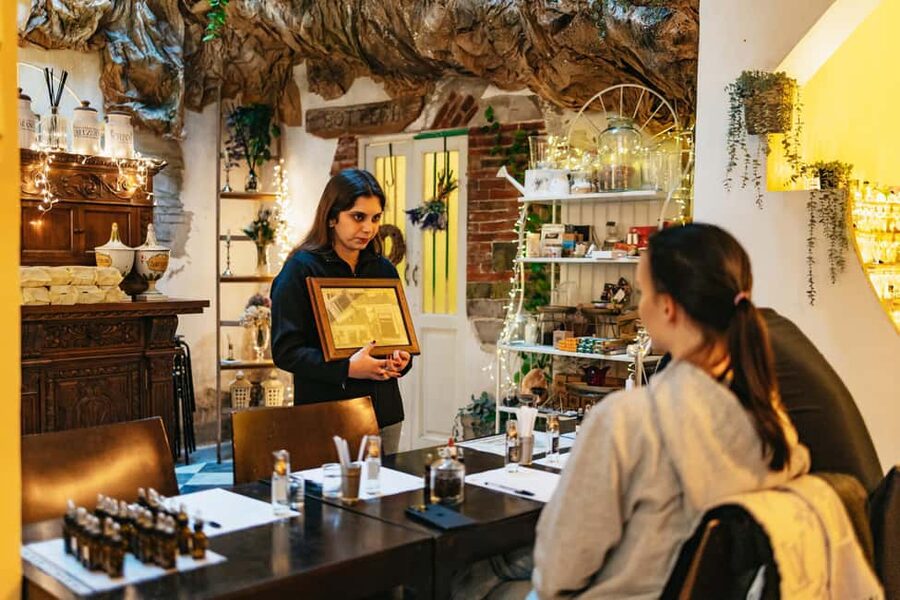
This is where the instructor matters. Elena is singled out for being patient and helpful, and Debra and Alina are also praised for making the process welcoming. You get advice while still making the important choices yourself. That balance is a strength: the staff can prevent a muddled formula, but your final perfume should reflect your taste.
The selection may be edited for the class rather than giving you unlimited access to every bottle in the shop. One participant wished to use more scents from the back shelves, but also understood that narrowing the choices made the activity easier. For a 1.5-hour session, that is a sensible tradeoff. Too many options can turn a creative exercise into a tiring smelling contest.
Choosing your own combination
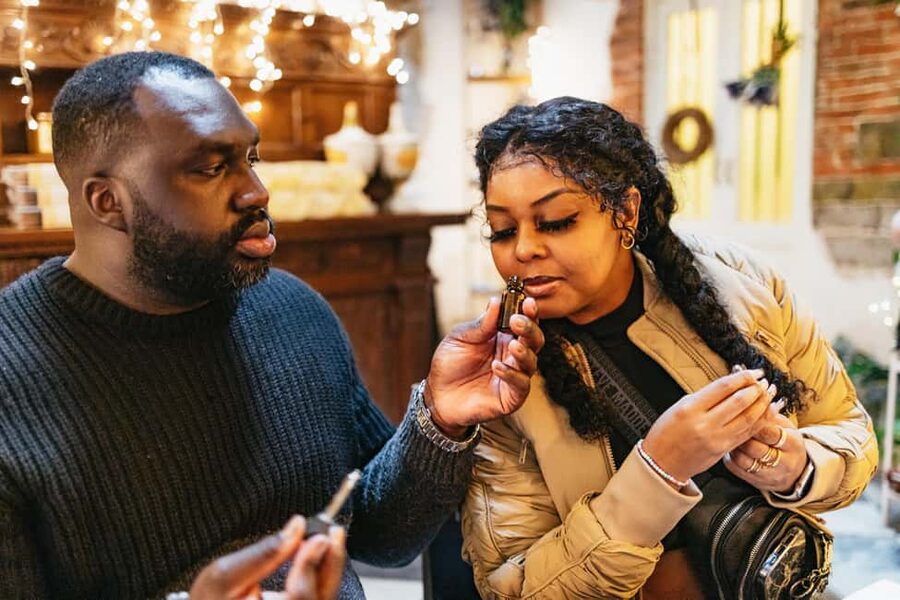
The most engaging part is the decision-making. You smell the available essences, identify the notes you prefer, and work toward a combination that feels personal. This can be done as a couple, family, or group, with each person creating a different result from the same general collection.
Several families used the experience as a bonding activity. It worked for teenagers, a tween, a grandmother, and adults traveling together. That range is worth noting. You do not need to be a serious perfume collector to enjoy the class, and younger participants can take part without needing an art or chemistry background.
Couples can also make the class part of a honeymoon or anniversary trip. One particularly thoughtful idea is to create a scent that recalls your time in Florence. The formula gives that memory a practical afterlife, rather than leaving you with only a photograph.
You should expect to spend time making decisions. The workshop is not a quick pick-from-three-options activity. The staff allows you to smell and compare, and you may continue exploring while your perfume is being prepared. If you tend to overthink choices, ask for guidance early. The instructors can help you avoid adding too many competing notes.
The perfumer balances the final formula
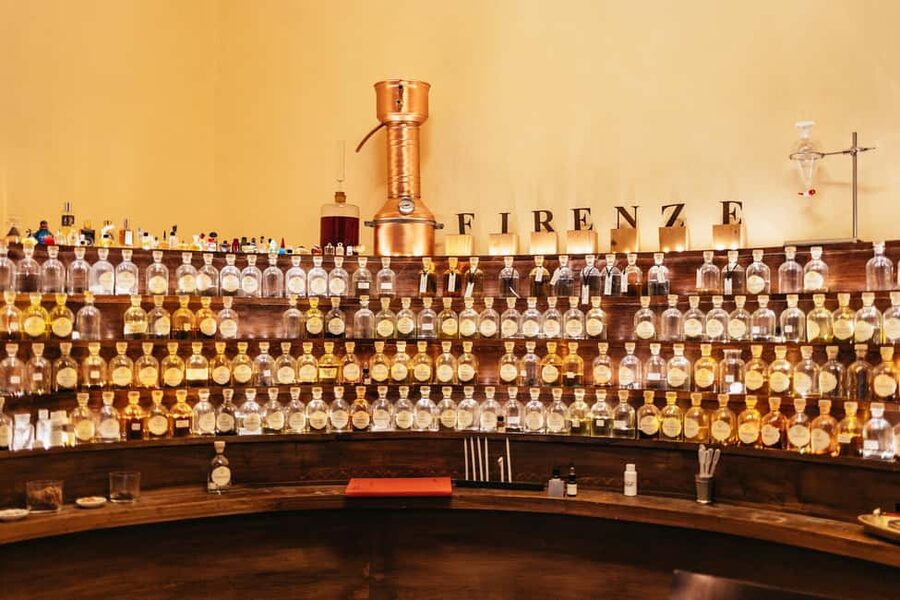
Once you have chosen your preferred combination, the perfumer prepares the final blend. You may have the option to put the ingredients together yourself, but the staff can also do this for you. That second option is worth considering because tiny differences in measurement can change the result.
One participant chose to let the shop’s chemist combine the ingredients after selecting the notes. The reason was practical: a single extra drop could alter the fragrance. If you want the best chance of a balanced final product, I would let the expert handle the precise mixing while you focus on the creative part.
This does not make your role less meaningful. You still determine the direction of the fragrance. The professional finishing step is similar to having a baker handle the oven after you choose the ingredients. You get the personal decision-making without the worry of ruining the batch.
Some accounts note that the perfume may need a rest period before its final character is fully clear. That is normal for fragrance, and it is worth keeping in mind if the scent seems different at first from what you expected. The result can settle as the components combine.
Same base, a different kind of day:
- Florence: Skip-The-Line Uffizi Gallery Timed Entry Ticket
★ 4.5 · 27,832 reviews - Tuscany Day Trip from Florence: Siena, San Gimignano, Pisa and Lunch at a Winery
★ 5.0 · 21,634 reviews - Florence: Timed Entrance Ticket to Michelangelo’s David
★ 4.6 · 16,983 reviews - Florence: Michelangelo’s David Skip-the-Line Entry Ticket
★ 4.5 · 12,764 reviews
Leaving with a bottle, formula, and certificate
At the end, you receive a 30 ml bottle of your personalized perfume. That is a useful size for a special souvenir, and several people appreciated that it felt like a proper bottle rather than a tiny sample.
You also receive the formula. This is one of the best practical details in the experience. You do not have to rely on memory if you want the same fragrance later. The shop can use the recipe for future purchases, and one participant noted that the finished scent could be ordered and shipped after returning home.
The certificate adds a pleasant finishing touch, especially if you are doing the class with children or teenagers. It is not a formal professional qualification, but it marks the workshop as a skill-based activity rather than a simple shopping stop.
The class includes coffee, tea, or water. This is a small detail, but it helps the pace. Smelling many scents can be surprisingly tiring, and a short pause gives you time to reset your nose and compare your choices with a clearer head.
Why the $82 price can make sense
At $82 per person, this is not the cheapest short activity in Florence. You are paying more than you would for a standard museum visit or a self-guided walk. The value depends on how much you care about taking home something personal.
The price includes the 1.5-hour class, the instructor, access to the essences, the 30 ml perfume, the formula, the certificate, and a drink. One participant compared the bottle with a similar ready-made fragrance sold for around €70, suggesting that the class adds instruction and the creative process without making the finished perfume dramatically more expensive than a comparable purchase.
I would see it as a souvenir and an activity in one. If you already plan to buy a Florentine fragrance, the workshop may offer better value because you spend time learning how it is made and leave with a blend selected for you. If you dislike perfume or rarely wear fragrance, the price may feel high for an item you will not use.
The small group also matters. With a maximum of 10 people, you are less likely to be lost in a large demonstration. The experience still depends on the group’s pace, but the format allows more direct help than a crowded class.
Who will enjoy this Florence workshop
I would recommend it most strongly to:
- People who enjoy perfume, aromatherapy, or botanical scents.
- Couples looking for a shared souvenir with a personal meaning.
- Families with teenagers, tweens, and adults who want a break from museums.
- Solo visitors who like creative activities and do not mind working near a small group.
- Anyone who prefers buying a local product with a story behind it.
It is also a good change of rhythm during a packed Florence visit. After several churches, galleries, and stone streets, sitting down to smell and compare scents gives you a quieter hour and a half.
This is not the best choice if you dislike strong aromas, have a very sensitive nose, or want a fully passive activity. The workshop asks you to make choices, smell several notes, and pay attention to how they work together.
The supplied information gives conflicting accessibility details. The activity is described as wheelchair accessible in one place, while another note says it is not suitable for wheelchair users. Confirm access conditions directly before booking, especially if you need step-free entry or room for a mobility device.
Practical timing and booking advice
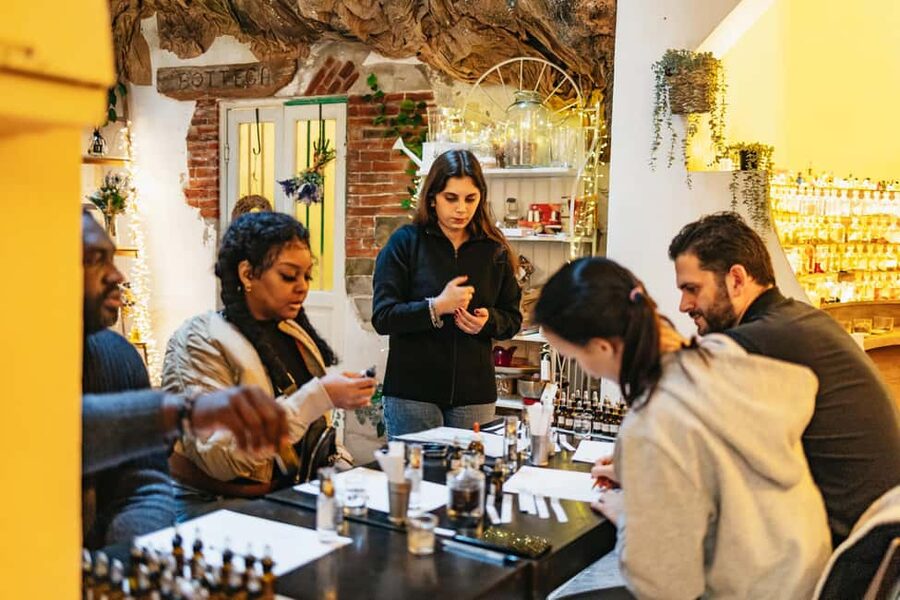
The class lasts 1.5 hours, with starting times based on availability. That makes it easy to fit between major Florence sights, but allow extra time to reach the shop and avoid arriving rushed. You want a clear nose and an unhurried mind for the selection process.
Bring a camera if you want photographs of the shop or your finished bottle. Large bags and luggage are not allowed, so leave suitcases elsewhere and arrive with only what you need.
You can cancel up to 24 hours in advance for a full refund, and the reserve-now, pay-later option keeps your schedule flexible. Those terms are useful in Florence, where museum reservations, weather, and changing day plans can affect your itinerary.
The activity is provided by Ciaoflorence Tours & Travel. The class itself takes place at the perfumery, not on a sightseeing bus or at a separate museum venue.
Should you book this perfume masterclass?
I would book it if you want a personal Florence souvenir, enjoy hands-on activities, or need a pleasant break from Renaissance art and crowded sights. The combination of local setting, scent history, guided blending, and a usable 30 ml bottle gives the $82 price a reasonable return.
I would skip it if perfume is not your thing or if you want a fast, highly structured attraction with no decisions to make. The best results come when you take your time, ask the instructor for help, and accept that the final scent may develop after the class.
For most couples, families with older children, and curious solo visitors, this is an unusually personal way to remember Florence. You leave not only with a bottle, but with the recipe for recreating that small piece of the city later.
FAQ
Where does the perfume masterclass take place?
The class takes place at Antica Spezieria Erboristeria San Simone in the heart of Florence, Tuscany.
How long does the activity last?
The perfume masterclass lasts 1.5 hours.
How much does the experience cost?
The listed price is $82 per person.
What do I take home?
You take home a 30 ml bottle of your personalized perfume, the fragrance formula, and a certificate of your newly acquired skill.
Is an instructor included?
Yes. A master perfumer leads the class and guides you through the fragrance-making process.
Which languages are available?
The stated languages are Italian and English.
How many people are in the group?
The activity is limited to 10 participants.
Is a drink included?
Yes. The class includes coffee, tea, or water.
Can I cancel the booking?
You can cancel up to 24 hours in advance for a full refund.
Can I bring luggage or a large bag?
No. Luggage and large bags are not allowed. A camera is listed as something you may bring.
Just added in Florence
- Wine Tasting Experience in Ponte Vecchio: Best Tuscany selection!★ 5.0 · 197 reviews
- Walking Food Tour of Florence with Tastings and Wine★ 5.0 · 518 reviews
- Wine Experience In Chianti Hills from Florence★ 4.5 · 195 reviews
- Florence Sunset Food Tour with Wine & Dine at a Tuscan farmhouse★ 5.0 · 194 reviews
- Uffizi and Accademia Small Group Guided Tour★ 4.5 · 449 reviews
- Val d’Orcia Brunello Wine Tour with Montalcino and Montepulciano★ 4.5 · 359 reviews
- Uffizi Gallery Timed Entry Admission Tickets★ 4.0 · 392 reviews
- Uffizi Gallery Small Group Tour with Guide★ 4.5 · 879 reviews
Perfume & Craft Masterclasses, compared.
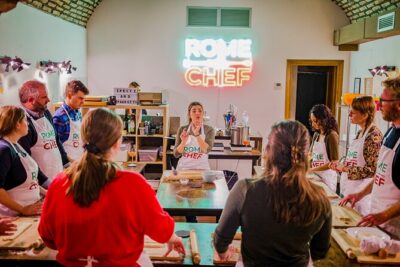
2-in-1 Pasta and Tiramisu Cooking Masterclass in Rome
Read our review →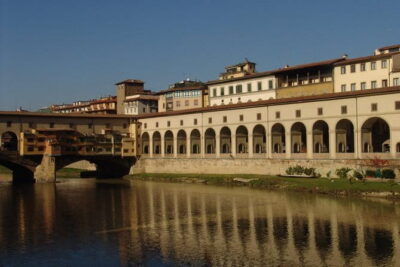
Uffizi Highlights, In-Depth Masterclass or Private Tour
Read our review →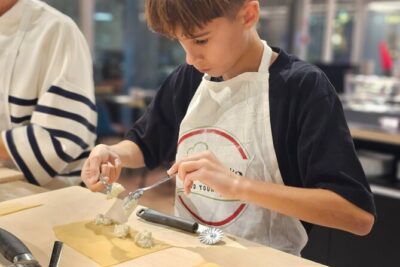
Pasta Fettuccine, Ravioli and Tiramisu MasterClass
Read our review →
Perfume Masterclass in Florence: Make your Own Personal Fragrance
Read our review →
Handmade Tuscan Ceramics Masterclass in Montelupo
Read our review →Browse the lists this tour appears in