
Reviewed · COLOSSEUM & ROMAN FORUM TOURS
Rome: Colosseum Underground, Arena & Forum Tour
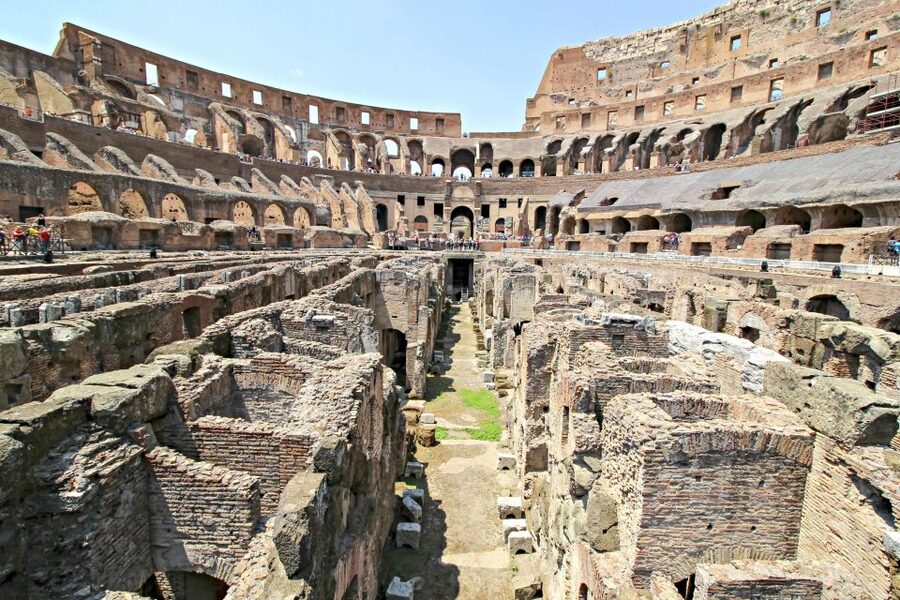
The Colosseum Underground is the star here. You see the cramped service level where animals and workers waited before spectacles, then step onto the Arena floor before exploring the Roman Forum and Palatine Hill. It gives you a much clearer sense of how the amphitheater worked than a standard visit.
I like two things in particular: the guide-led explanation turns broken stones into a story about Roman politics and daily life, and the tour leaves you free to continue through the Forum and Palatine Hill afterward. The main caution is physical: there are stairs, plenty of walking, no elevator, and the underground visit can sometimes be canceled, with that portion refunded.
Key points to know before booking
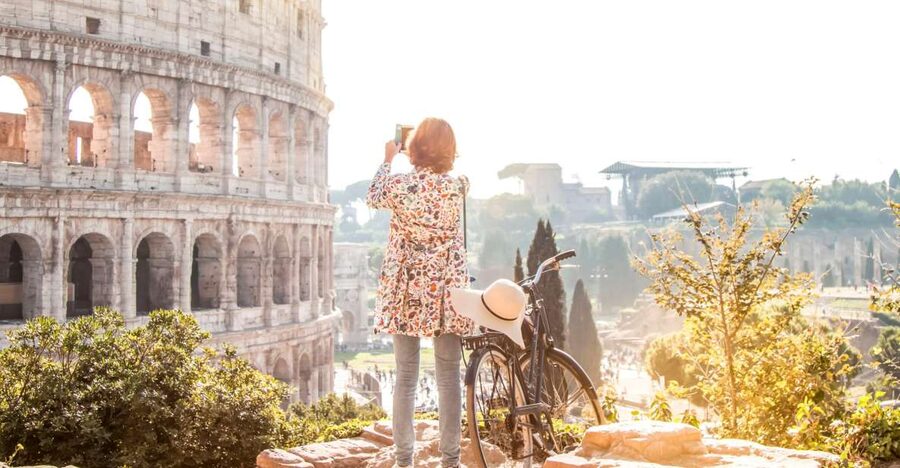
- Underground access: See the working level beneath the Colosseum, where animals were held before entering the Arena.
- Arena floor entry: Stand inside the amphitheater rather than viewing it only from the surrounding tiers.
- Three major Roman sites: The tour covers the Colosseum, Roman Forum, and Palatine Hill in about three hours.
- Spanish-speaking guidance: The live tour is offered in Spanish, with guides such as Francesca, Donatella, Gabriele, Gabriel, Pat, Evie, and Janina praised for lively explanations.
- Extra time at the end: Continue through the Forum and Palatine Hill at your own pace after the official guided portion.
- Physical demands: Comfortable shoes are essential, and the tour is not suitable for wheelchair users, strollers, or people with serious mobility or back problems.
Why the underground changes the Colosseum visit
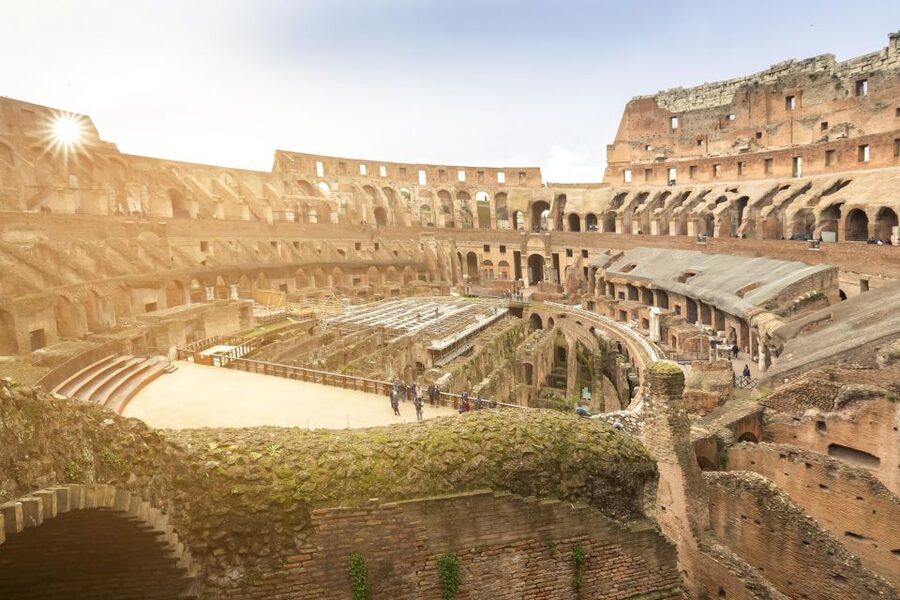
Most people picture the Colosseum as a vast oval of arches and seating. That view is impressive, but it leaves out the machinery that made the spectacles possible. The underground level brings that hidden operation into view.
You can see where wild animals were kept before they were sent up to the Arena. You also get a better sense of the labor behind the games: animals, equipment, performers, and workers had to move through a tightly managed service area while the crowd watched from above.
This is why I consider the underground access worth paying extra for. It adds function to the monument. You are not simply looking at old walls. You are seeing the backstage space that supported the public show.
The Arena access helps in a different way. From the floor, you can look up at the seating and imagine the steep divide between the people with the best views and those placed farther away. The guide can connect that physical arrangement with Roman class structure and public life.
The exact route can change. You may visit the Colosseum first, or begin with the Forum and Palatine Hill. That flexibility is useful for site management, but it means you should not expect every group to follow the same order.
More Underground Tours in Rome
- Colosseum: Underground and Ancient Rome Tour
★ 4.7 · 12,691 reviews - Rome: Crypts and Catacombs Underground Tour with Transfers
★ 4.6 · 5,341 reviews - Expert Guided Tour of Colosseum Arena OR Underground, and Forum
★ 4.5 · 5,041 reviews
Entering the Colosseum with a guide
The Colosseum is easy to recognize, but the meeting point can still trip you up. Meet at the green kiosk on the right as you leave the Colosseo metro station. Look for a staff member carrying a yellow label with the local operator’s name.
The metro station has an upper-level exit too. Go downstairs rather than following the upper exit, and arrive 30 minutes before your scheduled start. That early arrival matters because the area around the Colosseum is crowded, and finding the correct person can take a few minutes.
Once inside, the guide gives the monument a human scale. The building techniques, political purpose, and social reasons behind the games make more sense when explained beside the actual structure. You learn not only what the Colosseum was, but why Roman leaders invested in these public events.
The guides are a major part of the experience. Pat has been praised for making the visit worthwhile through clear explanations. Francesca is known for lively storytelling and a friendly manner, while Donatella has been praised for keeping the group moving through crowded conditions. Gabriele and Gabriel have also been singled out for humor, energy, and strong storytelling.
Those details matter because the Colosseum can feel like a noisy, crowded shell if you visit without context. A good guide gives you a thread to follow. You can focus on the building instead of trying to reconstruct the entire story from scattered signs.
Headsets are provided when eight or more people are present. That is useful in a crowded monument, especially when the guide is speaking while the group is moving between levels.
The Arena floor and the view from below
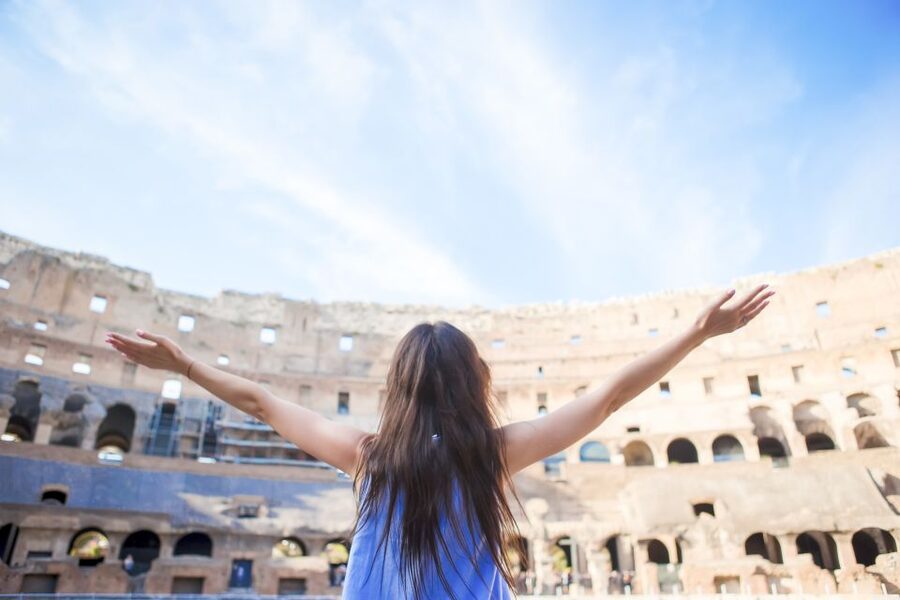
The Arena is the place where the Colosseum becomes most immediate. Instead of seeing only the outer walls and rows of seats, you stand where the public action took place.
The guide explains how the events worked and how engineers designed the building to support them. The Arena is also a good place to understand scale. Looking outward from the center, the seating rises around you, and the architecture feels less like a ruin and more like a purpose-built public machine.
The underground adds the necessary contrast. Above ground, the spectacle was visible and controlled. Below ground, the work was hidden. Animals were held there before entering battle with gladiators, and the service level supported the events that the crowd came to watch.
I like this combination because it keeps the visit from becoming a simple procession through famous viewpoints. You see the public face and the working side. The result is a fuller picture of the Colosseum, even though the tour is still only three hours.
Do keep expectations practical. The underground is a special-access area, but it is not a quiet private visit. The Colosseum remains one of Rome’s busiest sights, and the tour moves through an active public site. On hot days, the combination of crowds, stairs, and walking can be tiring.
One guest had to use a lift several times because of back pain and missed the final 15 minutes. The guide was understanding, but the incident makes the physical warning clear. This is not the right tour for anyone who needs step-free access or has difficulty walking for extended periods.
The Roman Forum, where daily life took place
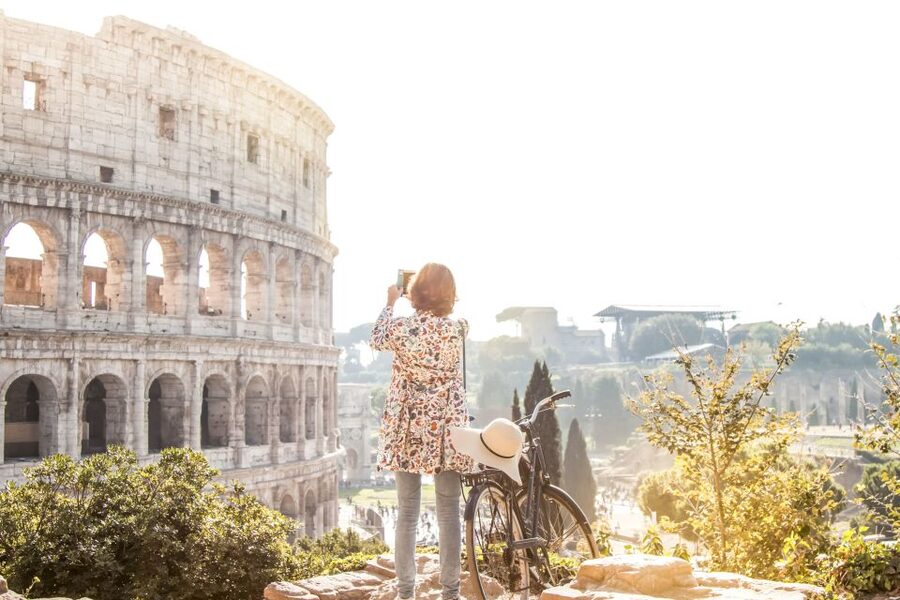
After the Colosseum, the tour continues to the Roman Forum and Palatine Hill, though the order may be reversed. The Forum is where you begin to see how Roman public life worked beyond the arena.
Today, the site is a broad field of ruins, columns, roads, and foundations. Without explanation, it can be hard to tell which remains served political, religious, or civic purposes. The guide helps connect these fragments with everyday life, community activity, class divisions, and the shifting use of religious buildings.
That interpretation is one of the tour’s best features. You hear about the political and social reasons behind the games, then see the places where Roman decisions, ceremonies, and public business took place. The Colosseum was not an isolated entertainment venue. It belonged to a larger civic center.
The Forum also rewards patience. You may want to take photographs at every turn, but the most useful approach is to listen first, then look again. Once you know what a space was used for, the remains become easier to read.
The guided part gives you a framework, but it cannot cover every corner in detail. That is where the extra time helps. After the official tour ends, you can remain at the Forum and Palatine Hill as long as you wish. If you enjoy ruins and want time to study them, this is an important part of the value.
Other ways into ancient Rome:
- Colosseum, Roman Forum & Palatine Guided Tour
★ 4.7 · 63,148 reviews - Rome: Colosseum, Palatine Hill and Roman Forum Guided Tour
★ 4.8 · 32,814 reviews - Rome: Guided Tour of Colosseum, Roman Forum & Palatine Hill
★ 4.7 · 27,897 reviews - Rome: Colosseum & Forum with Audio Guide App -Optional Arena
★ 4.2 · 24,770 reviews
Palatine Hill and the views over ancient Rome
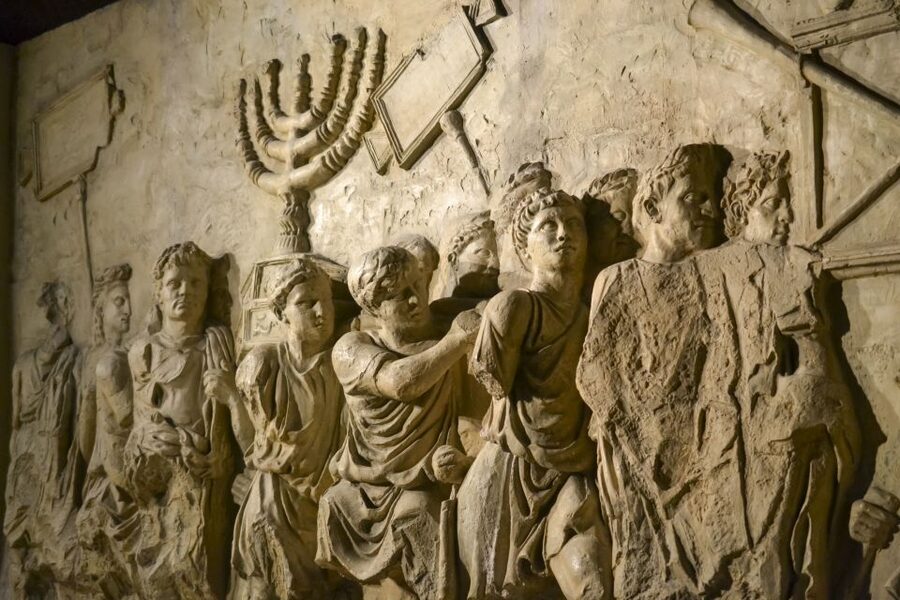
Palatine Hill gives the tour a change of pace. After the enclosed spaces and crowds of the Colosseum, you move through a larger archaeological area with broad views.
From the hill, you get views over the Colosseum and Circus Maximus. The setting helps you understand how closely the major Roman sites were linked. Instead of seeing the Colosseum as one stand-alone monument, you see it within the wider center of ancient Rome.
The hill also gives you room to slow down. The official tour lasts three hours, but the Forum and Palatine Hill remain available for your own exploration at the end. That arrangement suits you if you want a clear introduction from a guide but prefer to spend the final portion alone.
You should plan your energy carefully. The Forum and Palatine Hill involve walking over uneven archaeological ground, and the full route can feel long in hot weather. Wear comfortable shoes, carry only a small bag, and avoid bringing items that are not allowed at the site.
Is $157.47 a fair price?
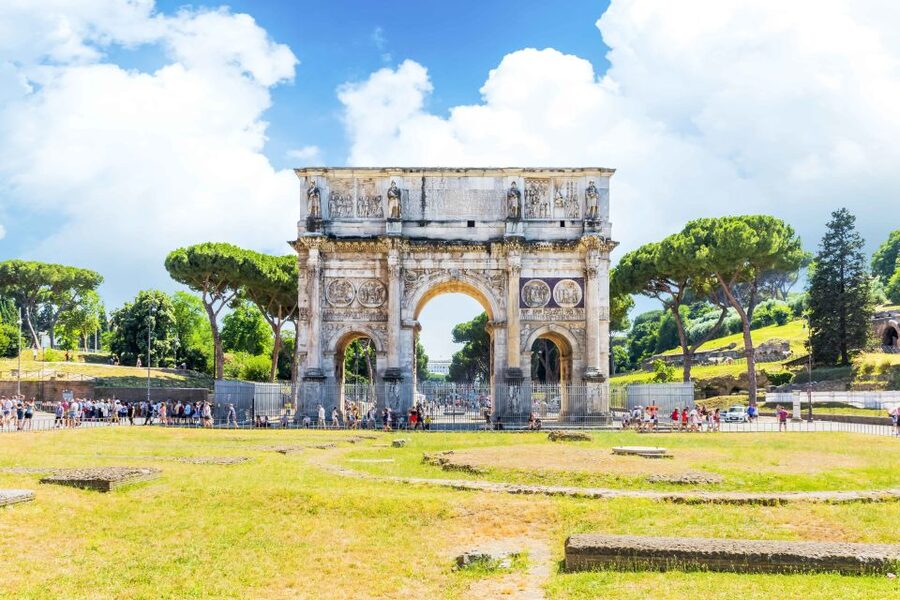
At $157.47 per person, this is not a budget admission ticket. You are paying for a three-hour live tour, access to the Colosseum, Arena, Underground, Roman Forum, and Palatine Hill, plus a guide who explains the sites as you move through them.
The value depends on how much context you want. If you are happy reading signs and exploring on your own, a less expensive ticket may suit you better. If you want the underground and need help making sense of the Forum’s scattered ruins, the added cost is easier to justify.
The underground and Arena are the strongest reasons to choose this option. A regular Colosseum visit does not offer the same access, so the tour provides more than a standard walk through the upper areas.
The guide also saves you from spending your first hour trying to work out what you are looking at. The best guides, including Francesca, Donatella, Gabriele, Gabriel, Pat, Evie, and Janina, have been praised for keeping a steady pace while adding humor and answering questions.
That said, the experience is not private by default. Group size can vary. One booking became a private tour because only three people had reserved, but you should not count on that happening. A private format can offer more flexibility, but it may also cost more.
There is no hotel pickup or drop-off. You make your own way to the Colosseo metro station and return to the meeting point when the activity ends. For most people already sightseeing in central Rome, that is simple enough, but it is worth allowing time to find the correct exit and staff member.
The activity is non-refundable, so check your schedule, language, and physical requirements before booking. The stated live tour language is Spanish.
Timing, comfort, and what to bring
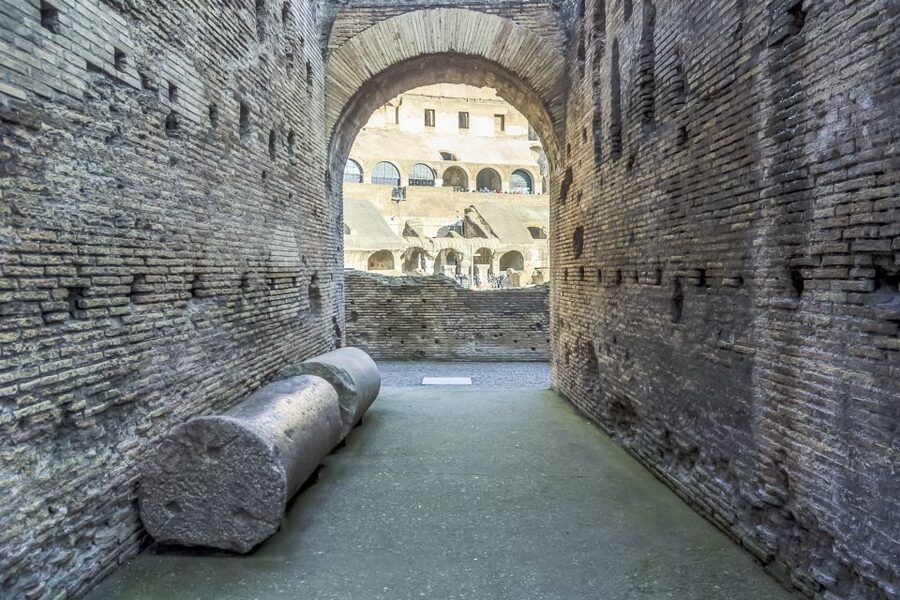
The tour lasts three hours, with starting times shown when you check availability. Arrive 30 minutes early, not at the scheduled start. The meeting area is busy, and the upper-level metro exit can send you in the wrong direction.
Bring a passport or ID card. Wear shoes that can handle a substantial amount of walking and uneven ground. Large bags, luggage, baby strollers, drones, professional cameras, sprays, aerosols, glass objects, weapons, sharp objects, and pets are not allowed.
The tour is not wheelchair or stroller accessible because there is no elevator. It is also not suitable for people with mobility impairments or back problems. Even visitors who usually walk comfortably should prepare for stairs, crowds, and a warm open-air route through the Forum and Palatine Hill.
The pace is designed to cover a lot without rushing. That is useful if you have limited time in Rome, though anyone wanting a slow archaeological study may prefer to treat the guided tour as an introduction and use the remaining time for independent exploration.
Who should book this Colosseum tour?
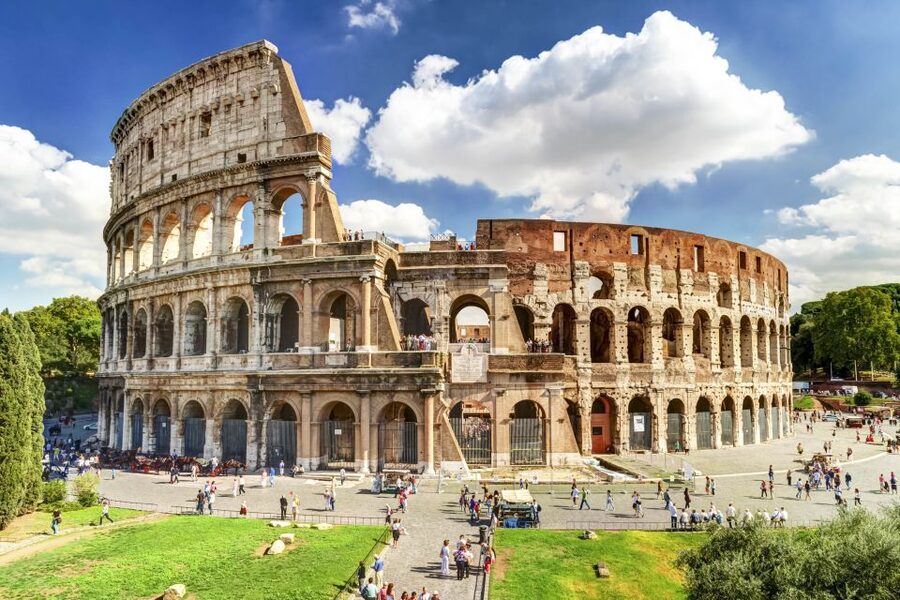
I would choose this tour if you want the Colosseum’s less visible spaces and prefer explanations from a live Spanish-speaking guide. It works especially well for a first visit, when the scale and layout of ancient Rome can otherwise be difficult to grasp.
It also suits you if you want a planned route but do not want every minute controlled. The guide leads the main visit, then you can stay at the Forum and Palatine Hill on your own.
Families with older children may appreciate the Arena and underground sections because they make the story more concrete. The walking demands mean you should judge your group carefully, particularly in hot weather.
I would look elsewhere if you need step-free access, want a guaranteed private tour, or dislike fixed meeting times. I would also avoid booking if the Spanish language does not work for your group.
Should you book it?
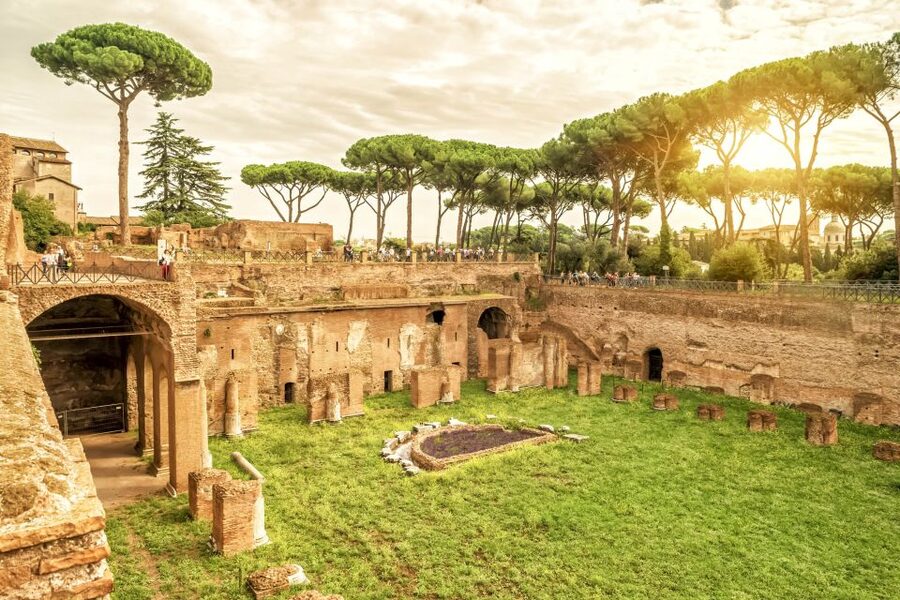
Book this tour if the Underground and Arena are high on your Rome wish list. Those areas add the most value, and the guide’s explanation helps you understand how the Colosseum functioned as a public venue, not just a famous ruin.
The Forum and Palatine Hill make the three-hour route feel worthwhile, especially because you can continue exploring after the guided portion. Just arrive early, travel light, wear good shoes, and accept that the route can be physically demanding.
If you want a full introduction to the Colosseum and the center of ancient Rome in one outing, this is a strong choice. If you need flexibility, quiet, or easy access, choose a simpler visit instead.
FAQ
How long does the tour last?
The guided activity lasts three hours. Starting times are shown when you check availability.
Where do I meet the guide?
Meet at the green kiosk on the right as you exit the Colosseo metro station. Use the downstairs exit rather than the upper-level exit, and look for a staff member carrying a yellow label with the local operator’s name.
What language is the tour offered in?
The live tour guide language is Spanish.
Does the tour include the Roman Forum and Palatine Hill?
Yes. The tour includes the Colosseum, Roman Forum, and Palatine Hill. After the guided tour, you can continue exploring the Forum and Palatine Hill on your own.
Is the Underground Colosseum included?
Yes, the experience includes access to the Underground and Arena areas. The order of the sites can vary, and the underground visit may occasionally be canceled. When that happens, the underground portion is refunded.
Is the tour wheelchair or stroller accessible?
No. The tour is not wheelchair or stroller accessible because there is no elevator. It is also not suitable for people with mobility impairments or back problems.
What should I bring, and what is not allowed?
Bring a passport or ID card and wear comfortable shoes. Pets, weapons, sharp objects, baby strollers, luggage, large bags, drones, professional cameras, sprays, aerosols, and glass objects are not allowed.
Just added in Rome
- Civitavecchia Private Transfer: From the Port to Rome Airport★ 5.0 · 309 reviews
- Civitavecchia Shore Excursion: Best of Rome Private Tour★ 5.0 · 247 reviews
- Civitavecchia Private Transfer from ship to FCO airport or Rome★ 5.0 · 245 reviews
- Food Tasty and History Tour in Civitavecchia★ 5.0 · 256 reviews
- Palatine Hill and Roman Forum Tour with Fast-Track Entrance★ 4.2 · 417 reviews
- Tivoli: Villa D’Este & Villa Adriana Pass & App Audioguide★ 4.4 · 364 reviews
- Tivoli: Villa D’Este Entry Ticket and App Audio Guide★ 4.3 · 191 reviews
- Vatican Museums & Sistine Chapel Skip-the-Line Guided Tour★ 4.6 · 254 reviews
Colosseum & Roman Forum Tours, compared.
Colosseum, Roman Forum & Palatine Guided Tour
Read our review →
Colosseum & Forum with Audio Guide App -Optional Arena
Read our review →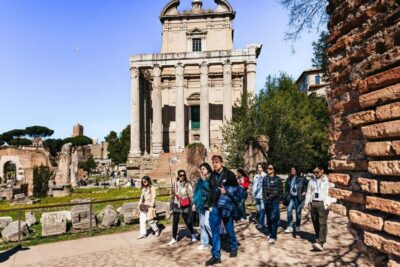
Colosseum, Forum & Palatine Hill Tour & Optional Arena
Read our review →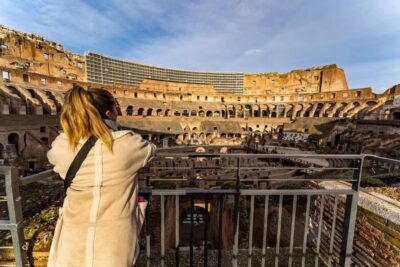
Colosseum, Roman Forum, Palatine with Multimedia Video
Read our review →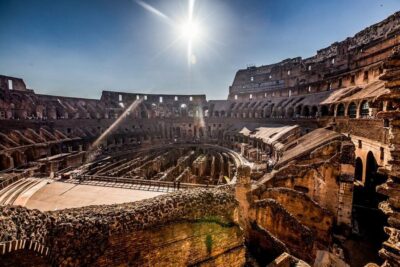
Colosseum: Underground and Ancient Rome Tour
Read our review →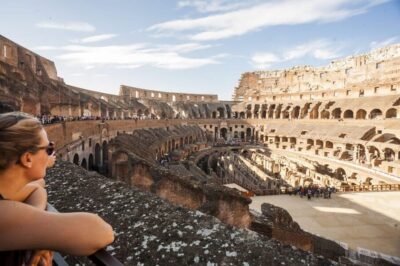
Colosseum, Forum, Palatine Hill Entry & Audioguide App
Read our review →Browse the lists this tour appears in