
Reviewed · MUSEUMS
Florence: Synagogue and Jewish Museum Entry Ticket
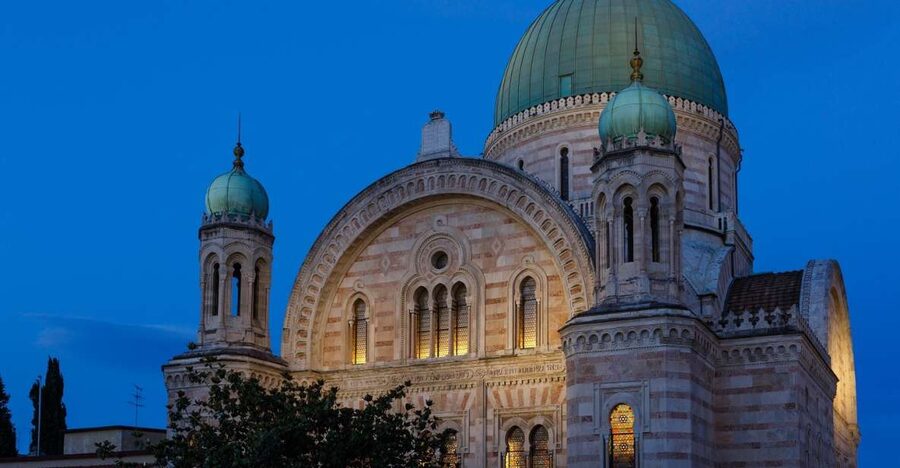
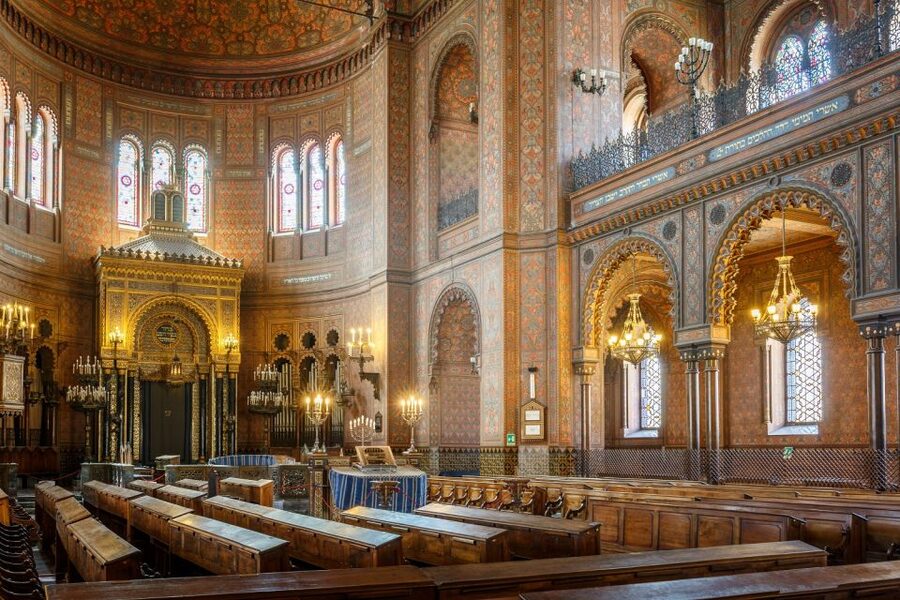
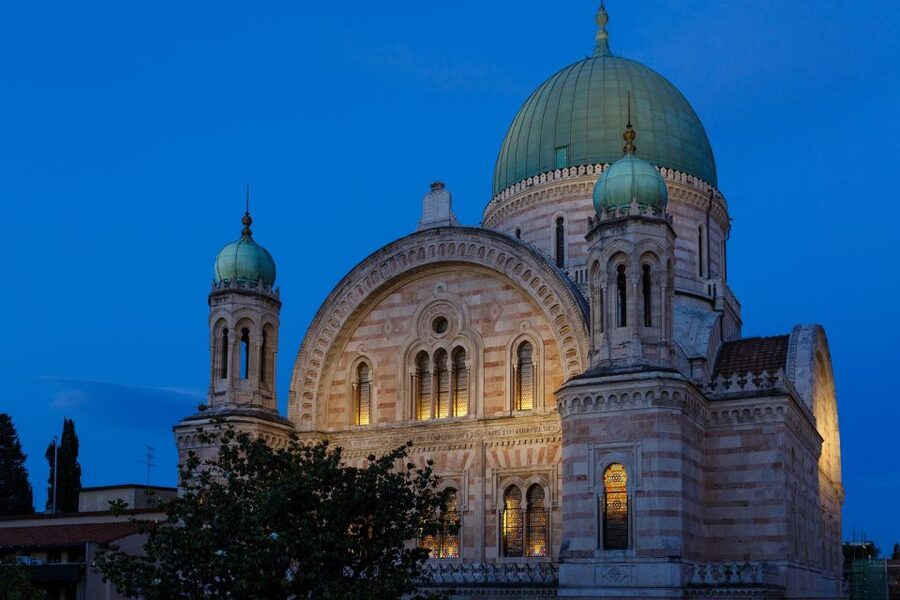
Florence’s synagogue is one of those places that changes the rhythm of a museum day. Behind an iron railing and garden, its green dome and striped stonework mark the story of a Jewish community that helped shape the city. Inside, you’ll find a handsome prayer hall and a compact museum of ceremonial objects. I especially like the architectural setting and the chance to see a living place of worship, not just a historic display. The views toward Florence’s roofs are another treat.
I also like that the ticket is inexpensive at about $10 and can be used during a full day of availability. The main drawback is that this is primarily a self-guided visit. You receive an audio guide for Florence, but not a personal guide dedicated to the synagogue, and some museum displays may require patience, especially if you want more explanation in English.
Key points to know before you go
- The 1882 synagogue has a striking green dome, visible as part of Florence’s city view.
- The museum focuses on Jewish ceremonial art, giving context to the prayer hall and local community.
- Garden paths and rooftop views add breathing room to an otherwise indoor visit.
- A digital audio guide of Florence is included, but a live synagogue guide is not part of this ticket.
- Security is careful and organized, and men are asked to wear a kippah when entering the prayer area.
- Plan on roughly two hours if you want to watch the historical videos and examine the displays without rushing.
Why Florence’s synagogue deserves time
Florence is packed with famous Renaissance churches, palaces, and galleries. The Synagogue and Jewish Museum offers a different way to read the city. It connects Florence to Jewish life, worship, architecture, and civic history, all in a calm corner of the Mattonaia neighborhood.
The synagogue opened in 1882. Its construction reflected the determination of Cavalier David Levi to create a monumental synagogue worthy of Florence. That ambition is easy to understand once you see the building’s scale and the green dome rising above the surrounding roofs.
I would not treat this as a quick photo stop. The building has visual impact, but the museum gives the visit its meaning. You move from architecture to objects, from objects to community history, and then back to the prayer hall with a better sense of what you are seeing.
The overall rating is 4.6 from 264 bookings, and the strongest response has centered on the beauty of the synagogue, the care given to its preservation, and the value of the historical material. The experience is particularly worthwhile if you have an interest in Jewish history, Italian history, religious architecture, or Florence beyond its best-known museums.
Other museums and galleries in Florence:
- Florence: Skip-The-Line Uffizi Gallery Timed Entry Ticket
★ 4.5 · 27,832 reviews - Florence: Leonardo Interactive Museum Entry Ticket
★ 4.5 · 11,763 reviews - Florence Accademia Gallery Tour with Entrance Ticket Included
★ 4.5 · 6,148 reviews
Reaching the synagogue in the Mattonaia neighborhood
You begin at the Synagogue and Jewish Museum itself. The meeting point is simple, but you must exchange your voucher for an entry ticket before visiting. Keep that step in mind so you do not arrive expecting to walk straight through with only a phone confirmation.
The setting helps the visit feel separate from Florence’s busiest sightseeing routes. The building sits behind a cast-iron railing, with gardens around it. That first view matters. You see the synagogue as part of a neighborhood rather than as an isolated object in a display case.
The garden also gives you a pleasant pause before or after the indoor portion. I would use it to look back at the dome, take in the surrounding roofs, and let the setting settle before entering. The experience is not built around a long guided route, so your pace is your own.
Security is visible and serious. Cameras and armed guards are present, as is common at synagogues today. This can feel sobering, but the process is described as orderly and well managed. Expect a respectful entry procedure rather than a casual museum entrance.
Inside the prayer hall
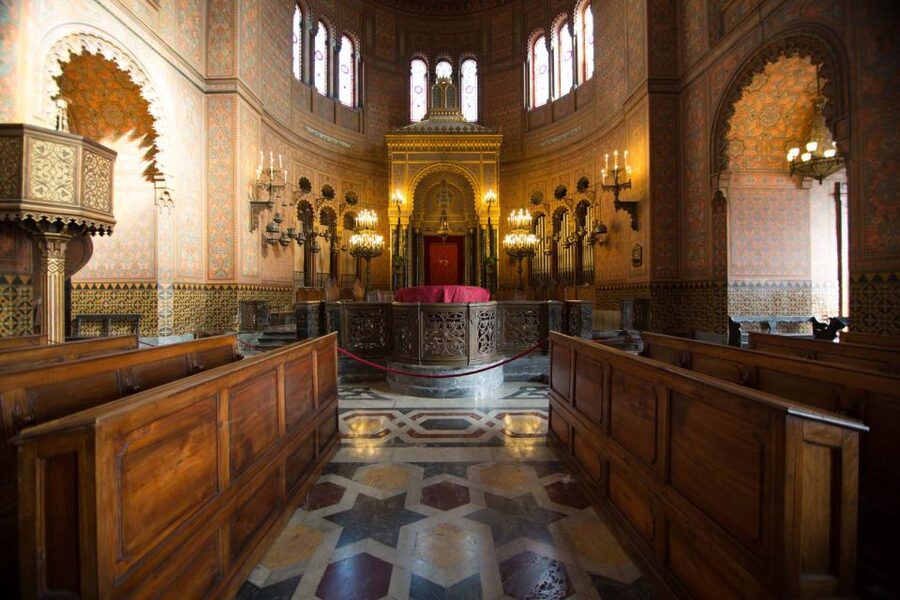
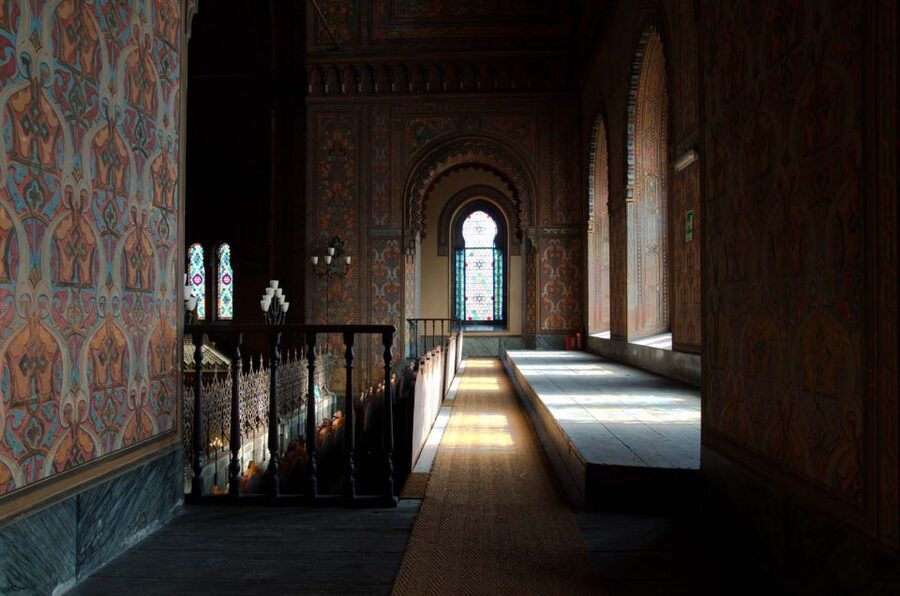
The synagogue is the emotional center of the visit. Its interior is ornamental and carefully maintained, with a prayer hall that rewards a slow look upward and across the room. Even if you know little about Jewish worship, you can appreciate the way the building combines religious purpose with civic ambition.
You are not simply looking at an old structure. The synagogue remains an active part of Florence’s Jewish community. That fact gives the visit a different tone from a church or palace that survives only as a monument.
Men are asked to wear a kippah when entering the prayer area. This is a small but important reminder that the building is still a place of worship. Follow the staff’s instructions, keep your voice low, and treat the room as sacred rather than as a photo set.
Photography may be tempting because the architecture is so strong, but respect the site’s rules and the people using it. The best approach is to take a few careful images where permitted, then spend time simply looking.
The audio and visual material helps explain the synagogue’s story. Several videos provide background, though one point is worth noting: an English subtitle issue was reported with the World War II film. If that subject matters greatly to you, check the available language options when you arrive.
The Jewish Museum’s collection of ceremonial art
The museum is not huge, and that is both its strength and its limitation. You can see the main displays without giving up half a day, which makes the visit easy to fit between Florence’s larger attractions.
The collection includes Jewish ceremonial objects and historical items connected with Jewish life. These objects help explain how worship, family traditions, festivals, and community identity were expressed through art and craft.
I find this kind of collection most useful when you resist the urge to rush past individual objects. Look at the materials, decoration, and function. A ceremonial item is not merely a beautiful object. It tells you how religious practice took place and how a community carried tradition through changing times.
The museum’s presentation may feel less polished than Florence’s major state museums. One visitor found the displays difficult to enjoy, while another praised the videos and found the history thorough. That difference is useful to know. You will get the most from the museum if you are willing to read, watch, and connect the displays for yourself.
A personal explanation can add a lot. On a separate Florence walking experience, a guide named Mario was praised for explaining the difficult realities of Jewish life in Italy and the former city-center ghetto. That is not the same as this entry ticket, and Mario is not included here, but it shows what a dedicated guide can add if you want a fuller historical picture.
A few more things to do in Florence
- Florence: Timed Entrance Ticket to Michelangelo’s David
★ 4.6 · 16,983 reviews - Florence: Michelangelo’s David Skip-the-Line Entry Ticket
★ 4.5 · 12,764 reviews - Florence: Cathedral & Brunelleschi’s Dome Ticket & Audio App
★ 4.4 · 6,973 reviews - Florence: Michelangelo’s David Priority Ticket & Audio App
★ 4.4 · 6,812 reviews
The videos and the limits of a self-guided visit
This ticket suits you if you like setting your own pace. You can spend extra time with the objects that interest you, pause in the garden, and leave when you have had enough. There is no need to keep up with a group.
The tradeoff is that you need to build the connections yourself. The included digital audio guide is described as a guide to Florence, not a dedicated personal tour of the synagogue. Instructions arrive with your booking confirmation, so check them before you go.
The visual and audio presentations provide useful structure, but they do not replace a good live guide. One visitor called the visit brilliant but felt a guide would have added more. That is fair. The building is easy to appreciate on your own, while the community history and wartime material can benefit from fuller explanation.
If you want a quiet visit, the self-guided format is an advantage. If you prefer a clear narrative with questions answered as you go, you may find the experience a little spare.
Gardens, rooftops, and a quieter Florence view
The outdoor areas are modest, but they add real value. After viewing the prayer hall and museum, you can stroll through the garden and look toward Florence’s roofs. This is not a grand panoramic terrace, so keep your expectations sensible. The appeal comes from seeing the synagogue’s dome and the city from a less familiar angle.
I like that the garden breaks up the indoor visit. Florence sightseeing can become a parade of stone rooms, crowded corridors, and painted ceilings. Here, you get a little air and space, along with a chance to think about the building as part of the living city.
The peaceful surroundings were an important part of the experience for one visitor who arrived while summer camps were operating. That detail captures what makes the site special: it is not only about the past. Community activity can still be present around you.
A kosher restaurant called Ruth’s is next door, and several visits were paired with a meal there. The restaurant is a separate expense and is not included in the ticket, but it gives you an easy way to extend the visit into a broader Jewish cultural stop.
How much time should you allow?
The advertised duration is one day, meaning you have a day of availability rather than a fixed one-hour tour. Starting times depend on availability, so check the booking calendar when you plan.
For the site itself, I would allow about one to two hours. A shorter visit can cover the synagogue, main displays, and garden. Two hours gives you time for the videos, objects, prayer hall, and outdoor views without turning the visit into a race.
You may spend longer if you read every panel or want to sit with the historical material. One person stayed for two hours and still wished the World War II film had English subtitles. That is a good guide for pacing.
The visit works well in the morning. It can also serve as a thoughtful break from the main museum circuit. Since the ticket is not tied to a tightly described guided itinerary, you have more freedom to fit it around the rest of your day.
Is the $10 ticket good value?
At about $10 per person, this is a strong-value cultural stop, especially for anyone interested in Jewish life, architecture, or Florence’s less familiar stories. You receive entry to both the synagogue and museum, plus the digital audio guide of Florence.
The value is not based on the size of the collection. This is not a vast museum. You are paying for access to a significant building, a focused set of objects, and a place that remains connected to an active community.
The ticket also includes 10 percent discounts at the Hard Rock Shop and Hard Rock Cafe on Via dei Brunelleschi, subject to exclusions and limited to Florence. I would not choose the synagogue visit because of those discounts, but they are a minor extra if you already plan to visit those businesses.
Free cancellation up to 24 hours before the visit and a reserve-now, pay-later option make the booking flexible. The site is wheelchair accessible, another practical advantage when you are planning a full day in Florence.
Who will appreciate this visit most?
I would recommend it most strongly to:
- People interested in Jewish history and religious art
- Visitors who want to see Florence beyond Renaissance painting
- Architecture fans who enjoy active religious buildings
- Anyone looking for a calm, meaningful stop away from the busiest sights
- Families or couples who prefer a self-paced museum visit
- Visitors who want to combine culture with a meal at Ruth’s next door
You do not need to be Jewish to value the visit. The synagogue is part of Florence’s civic and architectural story, and the museum gives you a better understanding of a community that is often overlooked by first-time visitors.
You may be less satisfied if you want a long, live guided tour, a large museum collection, or extensive English interpretation at every point. The presentation is compact, and some of the meaning comes from your own attention.
Booking and practical tips
Exchange your voucher for the entry ticket before you begin. Bring the booking confirmation with the digital audio guide instructions, and do not assume the ticket itself includes a live guide.
Dress and behave as you would for a place of worship. Men should be prepared to wear a kippah in the prayer area. Security is part of the experience, so allow a little patience at the entrance.
If you plan to watch the films, check whether English subtitles are available. The World War II presentation may not have English subtitles, which can affect how much you get from that section.
Wear comfortable shoes if you combine the synagogue with a Florence walking route. The building itself is not a strenuous attraction, but a full day around central Florence can be hard on your feet.
Should you book the Synagogue and Jewish Museum?
I would book it if you want a thoughtful change from Florence’s headline sights. The beautiful active synagogue, compact collection, gardens, and city views make this a rewarding visit for about $10.
Go with the right expectations. You are getting a self-guided cultural visit, not a fully narrated tour. If you want more historical detail, pair it with a dedicated walking guide such as Mario’s kind of city tour, but do not expect that service to be included here.
For most visitors with an interest in history, architecture, Jewish culture, or a quieter side of Florence, this ticket is an easy recommendation. Give it at least an hour, preferably two, and let the building and its setting do more than compete for a quick photograph.
FAQ
Where does the experience begin?
You begin at the Synagogue and Jewish Museum in Florence. You must exchange your voucher for an entry ticket before visiting.
What does the ticket include?
The ticket includes entry to the synagogue and Jewish Museum, along with a digital audio guide of Florence.
Is a live tour guide included?
No live synagogue guide is listed as part of this ticket. The visit is mainly self-guided, with audio and visual material available on site.
How long is the ticket valid?
The activity duration is listed as one day. Check availability for the possible starting times.
Is the synagogue wheelchair accessible?
Yes. The activity is listed as wheelchair accessible.
Is cancellation allowed?
Yes. You can cancel up to 24 hours in advance for a full refund.
What extra discounts come with the ticket?
You receive 10 percent off at the Hard Rock Shop and Hard Rock Cafe on Via dei Brunelleschi in Florence. The discounts exclude limited-edition, charity, and alcohol items, and cannot be combined with other promotions.
Just added in Florence
- Wine Tasting Experience in Ponte Vecchio: Best Tuscany selection!★ 5.0 · 197 reviews
- Wine Experience In Chianti Hills from Florence★ 4.5 · 195 reviews
- Florence Sunset Food Tour with Wine & Dine at a Tuscan farmhouse★ 5.0 · 194 reviews
- Walking Food Tour of Florence with Tastings and Wine★ 5.0 · 518 reviews
- Uffizi and Accademia Small Group Guided Tour★ 4.5 · 449 reviews
- Val d’Orcia Brunello Wine Tour with Montalcino and Montepulciano★ 4.5 · 359 reviews
- Uffizi Gallery Timed Entry Admission Tickets★ 4.0 · 392 reviews
- Uffizi Gallery Small Group Tour with Guide★ 4.5 · 879 reviews
Museums, compared.
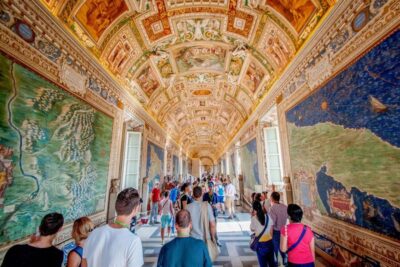
Vatican: Museums & Sistine Chapel Entrance Ticket
Read our review →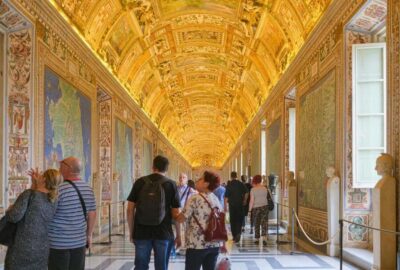
Vatican Museums & Sistine Chapel Tour with Optional Basilica
Read our review →
Vatican Museums, Sistine Chapel & St Peter’s Basilica Guided Tour
Read our review →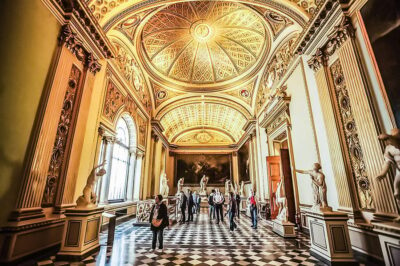
Skip-The-Line Uffizi Gallery Timed Entry Ticket
Read our review →
Vatican Museums & Sistine Chapel Skip-the-Line Entry Ticket
Read our review →
Browse the lists this tour appears in