
Reviewed · VATICAN & SISTINE CHAPEL TOURS
Rome: The Original Entire Vatican Tour & St. Peter’s Dome Climb
The big payoff here is the climb to the top of St. Peter’s Dome. An elevator handles the first part, but you still face several hundred steep steps in a narrow passage. Reach the top and Rome opens below you, with a fine view over Vatican City and the city beyond.
I like two things in particular: the early 8:00 am start, which can mean cooler temperatures and better photos, and the way this tour joins the dome, Basilica, Vatican Museums, and Sistine Chapel in one morning. Guides such as Maria, Chiara, Nadia, Sabrina, and Paolo are often praised for clear explanations and good pacing.
The tradeoff is simple: this is a long, demanding half-day. Crowds can slow the Vatican portion, the radio earpieces may be hard for children to hear, and the papal tombs can close without notice. You need covered knees and shoulders, sturdy legs, and patience.
Key points to know before booking
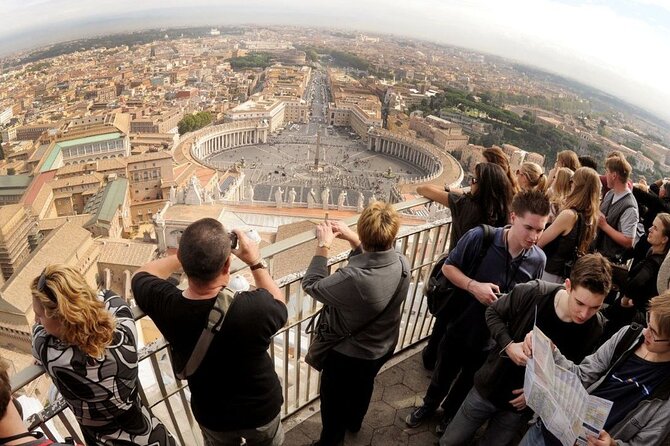
- The dome climb uses an elevator for the first section, then continues through a tight stairway with roughly 380 steps remaining, though exact descriptions vary.
- The route covers the Vatican’s major sights in about four and a half hours, including St. Peter’s Basilica, the papal tombs, the Museums, and the Sistine Chapel.
- The early start matters, especially in warm weather and during crowded periods.
- The group may include up to 20 people, so this is smaller than a large coach tour but not a private experience.
- Papal tomb access is not guaranteed, since religious services, private events, holidays, and Jubilee activities can close parts of the Basilica.
- The tour costs $159 per person, a fair price if you want a guide and dome access, but less attractive if you prefer a slow, self-guided visit.
Why the St. Peter’s Dome climb is the highlight
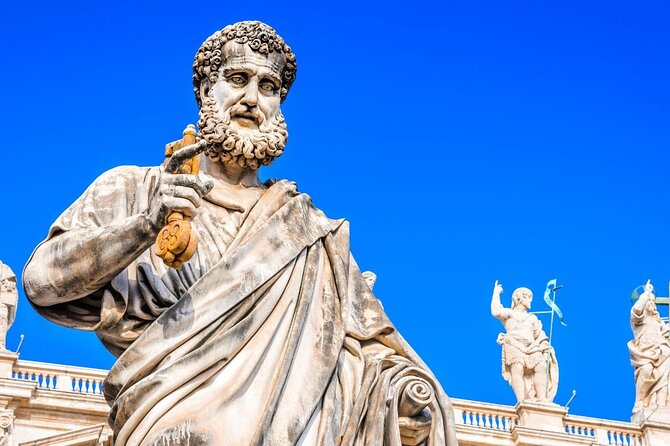
The tour begins at the Tiare Fountain on the edge of St. Peter’s Square. From there, you cross the square and head toward the Basilica and the dome entrance.
The dome climb is not just a viewpoint added at the end. It gives you a sense of the building from the inside. You pass through the upper structure of Michelangelo’s cupola, where the stairway narrows and curves. The final ascent is confined and steep, so anyone uncomfortable in tight spaces should stop at the terrace level.
There are 551 steps to the very top if you walk the entire route. The elevator removes the first 171, leaving about 380 steps according to the main tour plan. Another note describes the final section as 320 steps, so the exact count may vary with the route and how the operator measures it. The useful fact is this: you are climbing several hundred steps, not taking an elevator all the way up.
At the top, the reward is a broad view of Rome. You can look down on St. Peter’s Square, see the Vatican area laid out around you, and take in the city from a rare height. Early morning helps here. The light is softer, the stone is less hot, and the top can feel less crowded than later in the day.
Take water with you. The climb is a workout, and there may be no convenient chance to buy a drink inside the Vatican portion until much later. Wear shoes with a firm sole, since the steps can be tiring on the way up and down.
Other ways to see the Vatican:
- Vatican: Museums & Sistine Chapel Entrance Ticket
★ 4.5 · 144,003 reviews - Vatican Museums & Sistine Chapel Tour with Optional Basilica
★ 4.3 · 67,413 reviews - Vatican Museums, Sistine Chapel & St Peter’s Basilica Guided Tour
★ 4.5 · 39,149 reviews
St. Peter’s Basilica, from the dome to the main floor
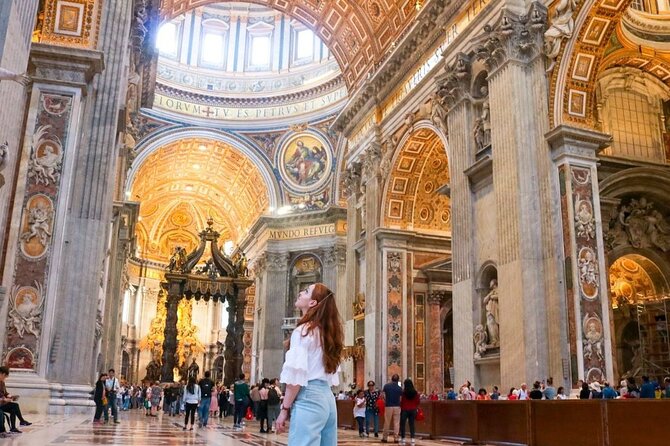
After the dome, you tour the Basilica itself. This is a useful order because you have already seen the building from above and can better appreciate its scale from the floor.
Inside, the guide points out major works by Michelangelo and other artists, along with the architecture, sculpture, chapels, and monuments that fill the church. St. Peter’s is enormous, and without a guide it is easy to wander past important details without understanding why they matter.
This part of the tour is calmer than the climb, but it still involves plenty of walking and standing. The guide usually pauses at selected works rather than trying to explain every object in the building. That is the right approach for a half-day visit, though some people may want more time for photos or quiet reflection.
The papal sarcophagi beneath the Basilica, sometimes called the Vatacombs, add a less familiar stop. They offer a different experience from the grand main interior, with a closer look at the church’s burial traditions and papal past.
Do not count on this section being open every day. The papal tombs can close for religious reasons, private events, holidays, or other Vatican decisions. If that happens, the Basilica visit is extended instead, and there is no automatic refund for the closed area. This is not a minor detail if the tombs are one of your main reasons for booking.
Vatican Museums and the long route to the Sistine Chapel
The Vatican Museums come next, with priority entry intended to reduce the wait at the public ticket line. That advantage matters, since the outside queues can be long and a four-and-a-half-hour tour leaves little room for standing around.
Priority entry does not mean you have the galleries to yourself. The Museums can be crowded, especially during Jubilee periods and other busy seasons. You may move with a steady flow of people, pause in packed rooms, and need to stay close to the guide to hear the commentary.
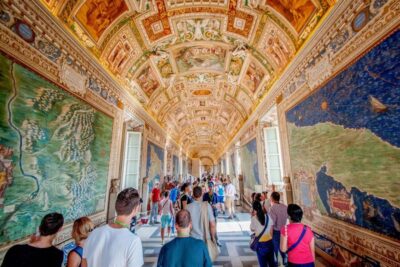
The route passes through a succession of galleries, halls, ancient sculptures, painted rooms, and major collections. The guide’s job is to help you choose what deserves your attention. That is valuable here because the Vatican Museums contain far more than anyone can absorb in one visit.
The downside is information overload. A guide may have only a short time to explain a sculpture, room, or painting before the group must move on. Some people enjoy the steady stream of context. Others find the second half fast, especially after the dome and Basilica.
Your radio earpiece helps you hear without standing shoulder to shoulder with the guide, but the system is not perfect. Noise in the galleries can make it difficult to catch every word. One-ear earpieces may also fit poorly on small children. If you have trouble hearing, stay near the guide and speak up early rather than trying to follow from the back.
The route ends with the Sistine Chapel. You see Michelangelo’s ceiling, including the Creation of Adam, as well as the Last Judgment on the altar wall. The chapel is the moment many people have been waiting for, but it comes after a long museum walk, so tired legs can affect your attention.
A preservation project is scheduled to obstruct the Last Judgment wall with scaffolding from January 12 through March 31, 2026. The rest of the chapel and the Vatican Museums remain accessible during that period. If the altar wall is essential to your visit, check the date carefully before paying.
The guide makes the difference
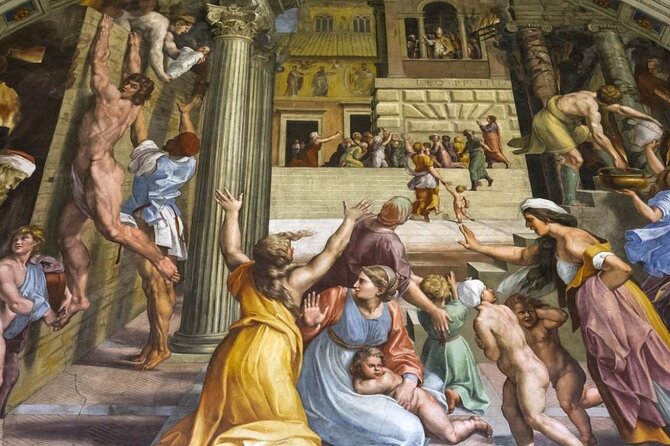
This experience depends heavily on the person leading your group. The strongest guides combine art knowledge with clear storytelling and practical control of the group.
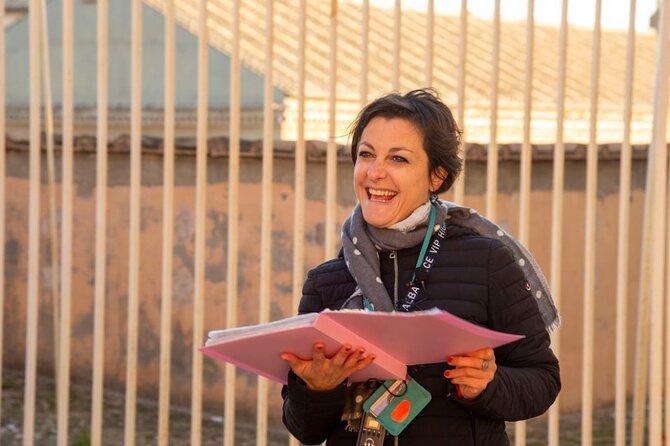
Maria is praised for being engaging, warm, and able to explain both art and history in a way that keeps the morning moving. Chiara is often described as energetic, funny, and easy to understand. Nadia is noted for detailed explanations, humor, and attention to breaks and water. Sabrina earns credit for finding good places to pause without letting the group fall too far behind.
Paolo and Rosella are also singled out for strong communication and an ability to keep people interested through a long sequence of rooms. These names may not be your guide’s name, but they show the sort of leadership you can expect from the better guides on this experience.
No guide can remove the crowds or make the stairway shorter. A strong guide can, however, help you see why a particular work matters, find a place where you can hear, and keep a large group moving. Accents vary, and a few people may find the commentary harder to follow. Staying near the guide is the best practical fix.
Same base, a different kind of day:
- Colosseum, Roman Forum & Palatine Guided Tour
★ 4.7 · 63,148 reviews - Rome: Colosseum, Palatine Hill and Roman Forum Guided Tour
★ 4.8 · 32,814 reviews - Rome: Guided Tour of Colosseum, Roman Forum & Palatine Hill
★ 4.7 · 27,897 reviews - Rome: Colosseum & Forum with Audio Guide App -Optional Arena
★ 4.2 · 24,770 reviews
Timing, crowds, and the changing route
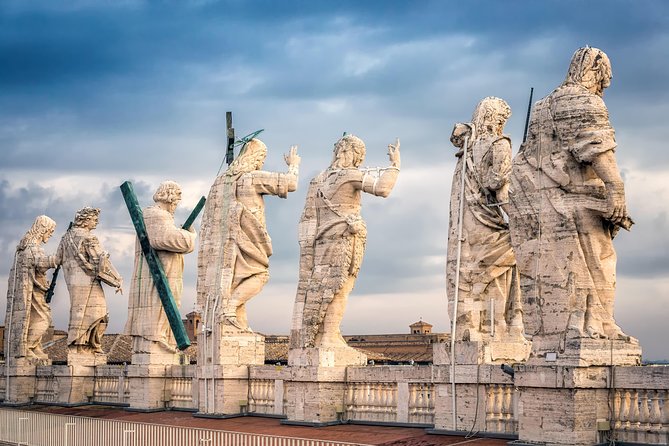
The listed duration is about four hours and 30 minutes, beginning at 8:00 am. That makes this a serious morning commitment, not a quick stop before lunch.
The early start is one of the tour’s best features. You have a better chance of climbing before the day becomes hotter, and early photos in St. Peter’s Square can be less crowded. The dome also feels more manageable before you have spent hours walking through the Museums.
Still, the exact order can change. On some days, the Vatican Museums may come before St. Peter’s Basilica or the dome. That can affect your energy level. Climbing at the end is much harder after several hours on your feet, and some people may decide to skip the final ascent if the route is rearranged.
Jubilee years deserve special caution. The Vatican can be packed, with extra lines, security controls, and altered movement through the complex. Priority access may reduce some waiting, but it cannot remove security checks or crowding inside. Religious activity comes first, so areas may close with little warning.
Build flexibility into the rest of your day. The tour can run longer than planned if crowds, security, or a changed route slow things down. Bring water, use restrooms when you have the chance, and do not schedule an important activity immediately afterward.
Dress, fitness, and practical comfort
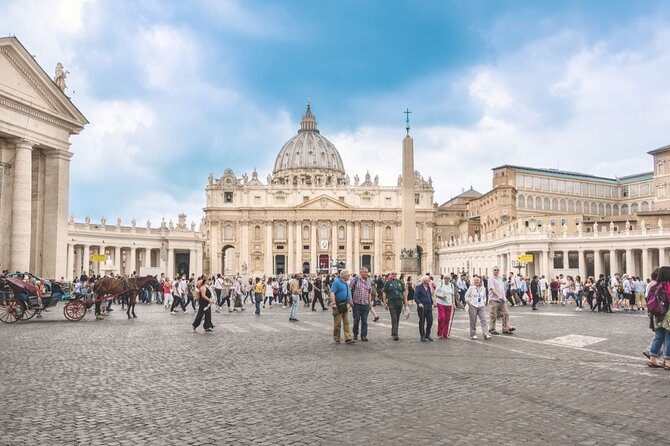
The dress code is strict enough to plan around. Both men and women must cover their shoulders and knees for the Basilica and Vatican areas. A light layer, longer trousers, or a skirt below the knee will save you trouble at the entrance.
You need moderate physical fitness. The dome is the obvious challenge, but the Museum route also means extended walking and standing. The stairway is tight, and anyone with claustrophobia or certain health conditions should consider stopping at the terrace level rather than forcing the final climb.
The meeting point is Largo del Colonnato, near the Tiare Fountain at the edge of St. Peter’s Square. Finding the guide can be confusing because security lines and the square’s entrances do not always make the route obvious. Arrive early and look for the operator’s instructions before joining a line.
The tour ends beside St. Peter’s Square at Piazza Papa Pio XII. Hotel pickup and drop-off are not included, so you handle your own way to and from the Vatican. The site is near public transportation.
Is $159 a good value?
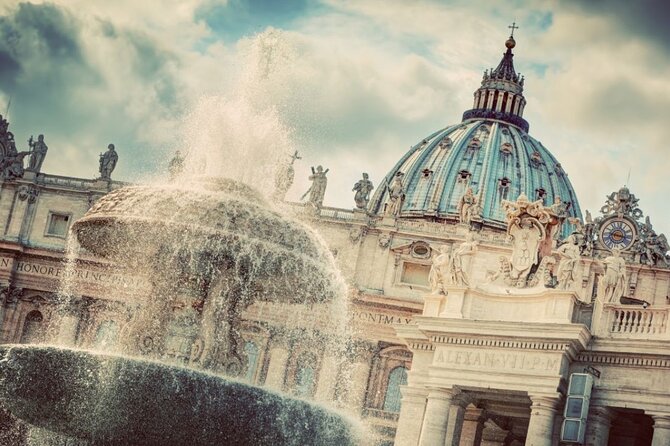
At $159 per person, this is not the cheapest way to enter the Vatican. You are paying for more than admission, though. The price includes the dome climb, guided access to St. Peter’s Basilica, the papal tomb area when open, priority Vatican Museums entry, and commentary through the Sistine Chapel.
I see the value most clearly if you are visiting Rome for the first time and want the main Vatican sights handled in one booking. The guide helps you make sense of a huge collection, and the dome access adds something that a standard Museums tour does not.
The value is weaker if you dislike group pacing or already understand the Vatican well. You may prefer to buy entry and dome access separately, then move at your own speed. The tour also asks you to accept a fixed route, limited lingering time, and the chance that crowding will make some stops feel rushed.
A group of up to 20 is reasonably manageable, but it is not the same as a private tour. If your priority is detailed discussion of a few paintings, a smaller specialist tour may suit you better. If your priority is seeing a lot in one morning, this format makes sense.
Who should book this Vatican tour?
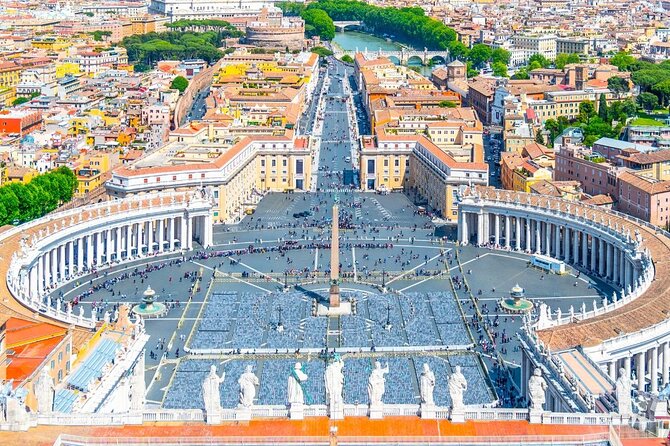
I would choose it for a first visit, especially if you want the dome, Basilica, Museums, and Sistine Chapel without sorting out several separate tickets. It also suits people who prefer a guide to explain the art rather than simply walking through rooms alone.
Families can enjoy it, but the length and earpiece fit deserve thought. Older visitors and anyone with mobility or breathing concerns should decide in advance whether to skip the final dome section. The terrace still offers part of the dome experience without the tightest climb.
I would hesitate if you need a relaxed pace, dislike crowds, or have only a narrow window before another reservation. This tour packs a great deal into one morning, and its success depends on your ability to keep moving.
Free cancellation is available up to 24 hours before the start time. Cancellations or changes made later are not refunded, and the activity can be rescheduled or refunded if the minimum group size is not met.
Should you book it?
Book this tour if you want the full Vatican first-visit package, value a strong guide, and are ready for a real climb. The dome view, Basilica, papal tombs when open, Museums, and Sistine Chapel make $159 reasonable for many visitors.
Skip it if you want a quiet, slow museum day or cannot manage steep, confined stairs. Also check for Jubilee conditions and the 2026 Sistine Chapel preservation work before booking. For an active visitor with limited time in Rome, this is a practical way to see the Vatican’s major sights in one demanding but rewarding morning.
FAQ
What time does the tour start?
The tour starts at 8:00 am. You meet at the Tiare Fountain, or Fontana delle Tiare, at Largo del Colonnato on the edge of St. Peter’s Square.
How long does the experience last?
The planned duration is approximately four hours and 30 minutes. Crowds, security, religious events, and changes to the route can affect the finishing time.
How many steps are involved in the dome climb?
The full dome route has 551 steps. An elevator covers the first 171 steps, leaving about 380 steps to climb on foot, although another description lists the final section as 320 steps. Expect several hundred steep steps in a confined stairway.
Can I skip the final part of the dome climb?
Yes. People with claustrophobia or health concerns are advised to remain at the terrace level instead of continuing to the top.
Are the papal tombs always open?
No. The papal tombs may close because of religious holidays, private events, Jubilee activities, or other Vatican decisions. If they are closed, the Basilica visit is extended and no refund is provided for that section.
What should I wear?
Your shoulders and knees must be covered. Comfortable clothing and shoes are important because the tour includes a long museum route, extensive standing, and a steep dome climb.
Just added in Rome
- Civitavecchia Private Transfer: From the Port to Rome Airport★ 5.0 · 309 reviews
- Civitavecchia Shore Excursion: Best of Rome Private Tour★ 5.0 · 247 reviews
- Civitavecchia Private Transfer from ship to FCO airport or Rome★ 5.0 · 245 reviews
- Food Tasty and History Tour in Civitavecchia★ 5.0 · 256 reviews
- Palatine Hill and Roman Forum Tour with Fast-Track Entrance★ 4.2 · 417 reviews
- Tivoli: Villa D’Este & Villa Adriana Pass & App Audioguide★ 4.4 · 364 reviews
- Tivoli: Villa D’Este Entry Ticket and App Audio Guide★ 4.3 · 191 reviews
- Vatican Museums & Sistine Chapel Skip-the-Line Guided Tour★ 4.6 · 254 reviews
Vatican & Sistine Chapel Tours, compared.
Vatican: Museums & Sistine Chapel Entrance Ticket
Read our review →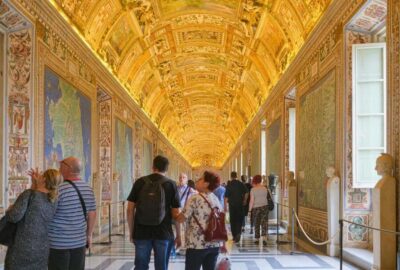
Vatican Museums & Sistine Chapel Tour with Optional Basilica
Read our review →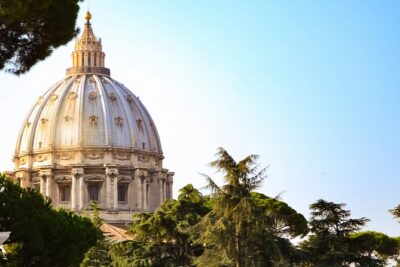
Vatican Museums, Sistine Chapel & St Peter’s Basilica Guided Tour
Read our review →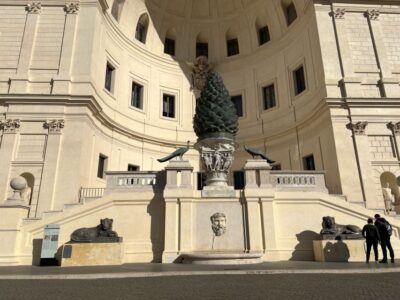
Vatican Museums & Sistine Chapel Skip-the-Line Entry Ticket
Read our review →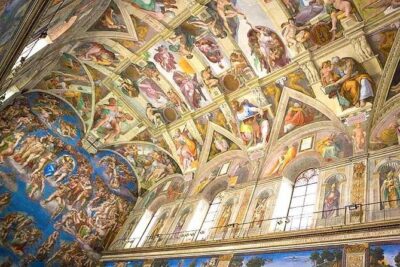
Skip-the-Line Group Tour of the Vatican, Sistine Chapel & St. Peter’s Basilica
Read our review →Browse the lists this tour appears in