
Reviewed · WINE TOURS
Abellonio Cascina Piccaluga – visit to the vineyards, to the wine tasting cellar
Abellonio Cascina Piccaluga gives you the full wine story in a tidy two-hour visit: vineyard, cellar, and tasting table. You begin among the vines above Alba, then follow the grapes indoors through fermentation and aging before sitting down with local wine and food. The hilltop view, reaching toward the Barolo and Barbaresco areas, is a fine bonus.
I like the personal scale of the visit, with no more than 16 people, and I like that the tasting comes with a proper individual plate of meats, cheeses, breadsticks, and toasted hazelnuts. Guides such as Jessica and Federica bring warmth and clear answers to the tour. The main drawback is the steep approach if you walk from Alba, and the vineyard walk can be less pleasant in poor weather.
Key points to know before you book
- A family-run winery above Alba: Cascina Piccaluga feels connected to the people who farm and make the wine.
- A real vineyard-to-cellar route: You see the rows, fermentation area, cellar, and aging process rather than stopping at a tasting room alone.
- Five wines with regional food: The standard tasting includes five wines with cold cuts, cheeses, breadsticks, and toasted hazelnuts.
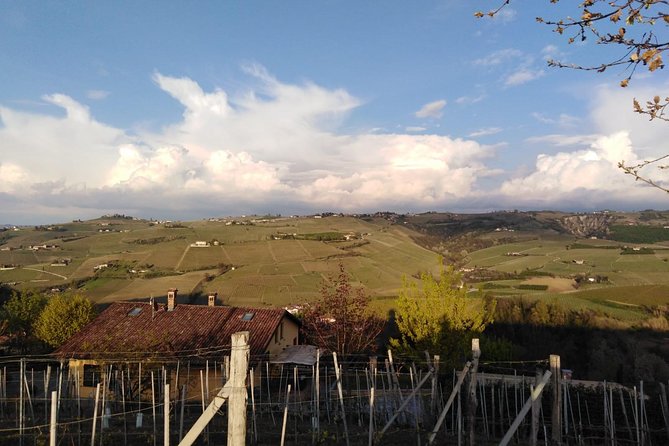
- Excellent views from the hilltop: The setting looks across Piedmont’s celebrated wine country, including views toward Barolo and Barbaresco territory.
- English-language guidance: You can ask questions about grape varieties, farming, fermentation, and aging without a language barrier.
- Good value at $30.25: A two-hour guided visit with five wines and food makes the price easy to justify for wine lovers.
Starting above Alba among the vines
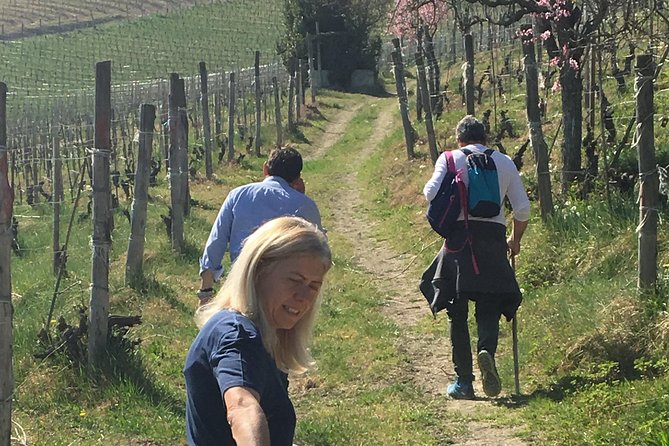
Your visit begins at Abellonio Roberto Cascina Piccaluga, at Località Altavilla 76, outside Alba in the Langhe-Roero and Monferrato wine area. This is not a city-center tasting bar. You arrive at a working vineyard on a hill, where the first part of the tour takes place outdoors.
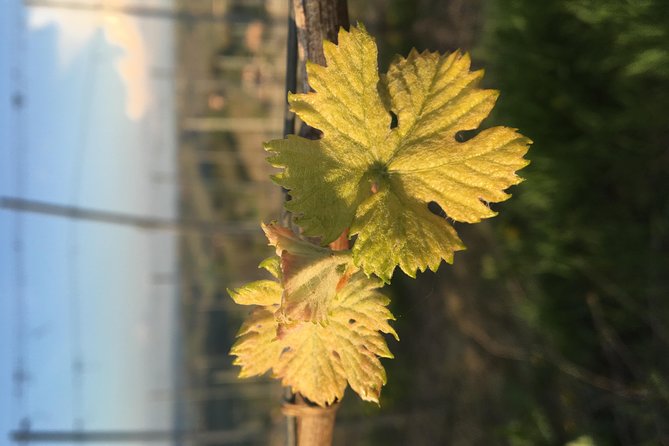
The walk among the rows gives you a useful sense of place. Wine can seem abstract when it arrives in a bottle, but here you see the setting where the grapes grow and hear about the farm’s eco-sustainable methods. The guide explains the grape varieties grown on the property and the work that takes place before harvest.
I like this opening because it gives the tasting a physical connection. You are not simply told that the wine comes from local vines. You see the rows, the slope, and the surrounding country before tasting what the cellar produces.
The path leads uphill to a viewpoint. From the top, you can look across vineyards and toward the mountains, with the famous Barolo and Barbaresco areas visible in the wider scene. Bring a camera, but also allow a moment to simply take in the view. This is one of the strongest parts of the visit.
The climb deserves a practical note. If you walk from Alba, the route to the winery includes steep hills. Several people have found the walk worthwhile, but it is not a flat stroll. A car or other local transport may make more sense if you want to save your legs for the vineyard walk and the tasting.
Other cellars and estates near Italy:
- Tuscany Day Trip from Florence: Siena, San Gimignano, Pisa and Lunch at a Winery
★ 5.0 · 21,634 reviews - Florence: Chianti Wineries Tour with Wine Tasting
★ 4.5 · 8,301 reviews - Small-Group Wine Tasting Experience in the Tuscan Countryside
★ 5.0 · 7,392 reviews
What the eco-sustainable farming talk adds
The farming discussion is not just a stopgap before the wine. It helps explain why the winery presents itself as an eco-sustainable producer and what that means on the ground. You can ask about the rows, the grapes, and the choices made during cultivation.
The supplied information does not specify a formal certification or list every farming method, so I would not book this expecting a technical organic-farming lecture. Instead, think of it as a guided introduction to how this small producer works with its land.
That distinction matters. The strength here is the direct conversation with people close to the wine, not a large visitor center with displays and scripted panels. Guides including Jessica have been praised for explaining local wines and the area with patience and enthusiasm. The tone is personal and approachable.
This portion should suit beginners especially well. If you know little about Piedmont grapes, the guide can give you a foundation before the tasting begins. If you already know Italian wine, you can use the walk to ask more specific questions about the varieties and the winery’s choices.
Inside the cellar, from harvest to bottle
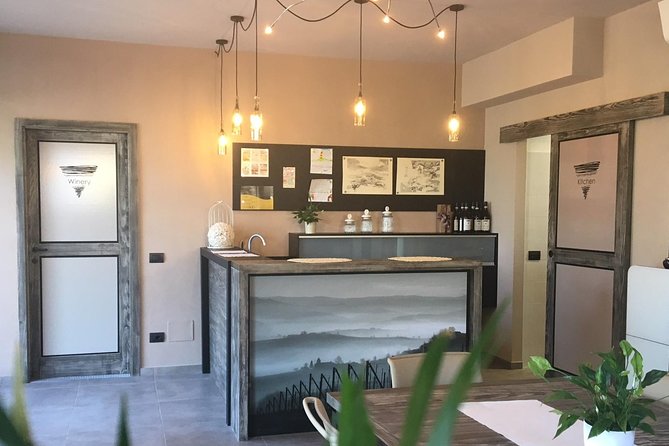
After the vineyard, the tour moves indoors to the cellar. This is where the explanation follows the grapes after picking, through fermentation and aging. You also visit the fermentation room, an important detail for anyone who wants more than a scenic vineyard photo.
The guide discusses how wine takes shape, including the stages between harvest and bottling. You hear about fermentation, the period of aging, and the different ways these stages affect the finished wine. The information is intended for a general audience, but the guides are ready to answer detailed questions.
I find this sequence valuable because it connects the wines in your glass to a clear process. First you see the growing area. Then you see where the grapes are transformed. Finally, you taste the results. In two hours, you get a compact but well-ordered introduction to production.
Do not expect a large industrial winery or a long technical seminar. Cascina Piccaluga is a smaller family operation, and its appeal comes from that close scale. The cellar visit is about understanding the work and meeting the people behind it rather than viewing a huge facility.
Five Piedmont wines and a generous tasting table
The tasting is paired with an individual board of local meats and cheeses, plus toasted hazelnuts and breadsticks. That food is important, not just decorative. It gives you something substantial to eat while trying several wines, and it reflects the food culture of the area.
The listed tasting includes five wines. The selection can include two whites, a rosé, and several reds. Some tasting sessions have included six or seven wines, or an extra pour chosen by the group, but you should regard five as the reliable package rather than count on additional glasses.
This range gives the tasting a useful arc. You may compare lighter white wines with rosé and then move into fuller reds. The guide explains each wine as it is served, including the grape varieties and the character of the bottle. You are not left to guess why one wine differs from the next.
The local food also helps you judge the wines in context. Salty cold cuts, creamy or firm cheeses, crisp breadsticks, and sweet toasted hazelnuts each change how the wine tastes. If you are new to formal tastings, this makes the experience more relaxed and less fussy.
Portions are individual, in line with the winery’s hygiene arrangements. The food is meant to accompany the wine, not replace a full lunch or dinner. If you arrive hungry, keep that in mind and plan another meal later.
Other eating and drinking in Italy:
- Rome: Tuscany & Montepulciano Day Trip with Lunch & Wine Tasting
★ 4.5 · 5,232 reviews - Winner 2025 Rome Twilight Trastevere Food Tour by Eating Europe
★ 5.0 · 5,157 reviews - SMALL-GROUP Wine Safaris: Tuscan Wine Tasting Tours from Florence
★ 5.0 · 5,088 reviews - Winner 2025 Florence Sunset Food & Wine Tour by Eating Europe
★ 5.0 · 5,015 reviews
The guides make the small scale work
The tone of the visit depends heavily on the guide. Jessica is mentioned by name as a welcoming host who explains the winery, the wines, and the local area with care. Federica has also guided tastings, answering questions about the bottles and leading the full visit with a friendly, professional manner.
The important point is not memorizing a guide’s name. It is knowing that this is a people-centered visit. You meet hosts who are proud of their work and happy to discuss both wine and place. That can make a big difference in a small winery, where the conversation is part of the experience.
The official language is English, so you can book this if you do not speak Italian. The guides are able to explain the process and answer questions in English. If you are visiting with people who have different levels of wine knowledge, the format should work well because the discussion can be as simple or detailed as you need.
The maximum group size is 16. That is not a private tour, but it is small enough to keep the visit personal. A busy group could still make the tasting more social and less quiet, so do not expect complete privacy. For most people, the size offers a good middle ground between cost and personal attention.
Why the $30.25 price is fair
At $30.25 per person, you receive about two hours of guided time, a vineyard walk, a hilltop viewpoint, a cellar visit, an explanation of fermentation and aging, five wines, and a substantial local-food board.
I consider that strong value in the Alba area. Wine tastings can become expensive when each sample is served without food, or when you pay mainly for a view and a short presentation. Here, the experience has several parts, and they fit together rather than feeling like separate add-ons.
The value is even better if you are interested in how wine is made, not only in drinking it. You are paying for access to a working producer and for the guide’s time in explaining the process. The food makes it easier to compare the wines without needing to buy a separate snack.
There is also a clear advantage for shoppers. A wine list with prices is available, so you can decide about bottles without guessing or feeling pushed into a purchase. You might find a favorite during the tasting and take it home, but buying is not the main purpose of the visit.
Practical details that affect your day
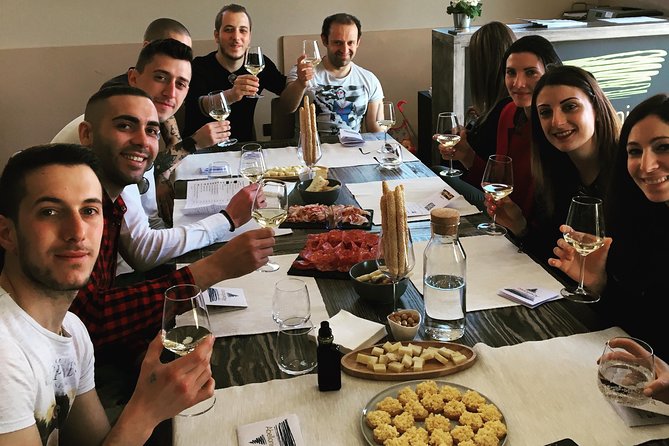
The entire activity begins and ends at Cascina Piccaluga. It lasts about two hours, although the social pace of a tasting can vary slightly. Plan enough time around it if you have a train, lunch booking, or another winery visit.
The property is close to Alba, but the route from town can involve steep hills. This is the biggest practical consideration. If you are walking, allow extra time and wear shoes suited to an uneven, sloping route. The available information does not promise transport from Alba, so arrange your own way to the meeting point.
The outdoor section also means weather matters. The experience requires good weather. If the winery cancels because of poor conditions, you can choose another date or receive a full refund.
Booking confirmation arrives at the time of booking, and mobile tickets are accepted. The experience can be booked up to the listed capacity of 16 people, and it is often reserved well ahead of time, with an average booking lead time of about 19 days. If your Alba visit falls on a particular date, booking in advance is sensible.
Cancellation is free up to 24 hours before the start time. Cancel later than that and the amount paid is not refunded. Changes made within the final 24 hours are not accepted. The experience also requires a minimum number of participants, so a cancellation for that reason brings the choice of another date or experience, or a full refund.
Who will enjoy Cascina Piccaluga most
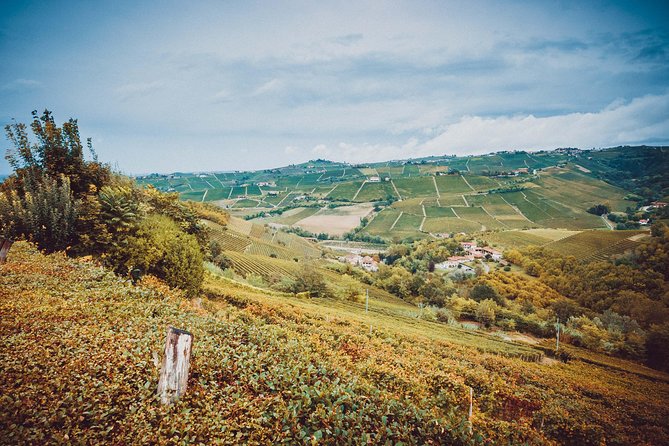
I would recommend this visit to anyone who wants a clear introduction to Langhe wine without committing to a full-day winery circuit. The two-hour length fits neatly into an Alba itinerary, and the mix of walking, explanation, scenery, food, and wine keeps the visit varied.
It is particularly suitable for:
- First-time visitors to Piedmont wine country
- Couples looking for a relaxed food and wine activity
- People curious about fermentation and cellar work
- Small groups who prefer a family-run setting
- Wine drinkers who want to taste whites, rosé, and reds
- Visitors staying in Alba who can manage the hill or arrange transport
You may prefer another type of experience if you want a private tasting, a large museum-style winery, or a long technical lesson on viticulture. This tour is friendly and informative, but it is not designed as a specialist certification class.
I would also think carefully about mobility and weather. The vineyard route includes a hill, and the approach from Alba can be steep. Most people can take part, but the outdoor section is not the best choice if you need a flat, fully indoor activity.
Should you book this Alba wine tour?
Yes, if you want a well-priced introduction to Piedmont wine with genuine local contact. The best features are the hilltop setting, the clear vineyard-to-cellar structure, the five-wine tasting, and the food served alongside it.
I especially like that the experience does not stop at a few glasses in a room. You see where the grapes grow, learn what happens during fermentation and aging, and then taste the finished wine with regional foods. That gives the visit a sense of purpose.
Book it if you can handle a sloping walk and want a personal, family-run visit near Alba. Choose another option if you need a fully flat setting, a private group, or a longer winery program. For most wine-minded visitors, $30.25 is a sensible price for two hours in one of Piedmont’s most celebrated wine areas.
FAQ
How long does the Abellonio Cascina Piccaluga visit last?
The experience lasts approximately two hours.
Where does the tour begin and end?
It begins and ends at Abellonio Roberto Cascina Piccaluga, Località Altavilla 76, 12051 Alba CN, Italy.
How many wines are included?
The standard tasting includes five wines. Some sessions may include an additional wine, but five is the stated tasting selection.
What food is served with the wine?
You receive an individual platter of local meats and cheeses, along with breadsticks and toasted hazelnuts.
Is the tour available in English?
Yes. The experience is offered in English.
Is the tour suitable for most people?
Most people can participate. Keep in mind that the vineyard walk and approach from Alba include steep hills.
How large is the group?
The maximum group size is 16 people.
Can I cancel for a full refund?
Yes. You can cancel at least 24 hours before the experience start time for a full refund. Cancellations made less than 24 hours before the start time are not refunded.
Just added in Italy
- Highlights and hidden gems of Milan Bike Tour★ 5.0 · 491 reviews
- Milan Gourmet Tour: A Premium Tasting Experience by Do Eat Better★ 5.0 · 241 reviews
- Private Milan Food Walking Tour of Brera★ 5.0 · 217 reviews
- Learn to Cook Italian Recipes with an Italian Chef★ 5.0 · 283 reviews
- Leonardo3 The World of Leonardo: Tickets for the Interactive Exhibition★ 4.0 · 220 reviews
- Da Vinci’s Last Supper and Santa Maria delle Grazie Church Tour★ 4.5 · 218 reviews
- La Scala Theatre and Museum guided experience★ 4.5 · 664 reviews
- La Scala Theatre and Museum Tour in Milan With Private Guide★ 3.5 · 384 reviews
Wine Tours, compared.
Tuscany Day Trip from Florence: Siena, San Gimignano, Pisa and Lunch at a Winery
Read our review →
Tuscany & Montepulciano Day Trip with Lunch & Wine Tasting
Read our review →
SMALL-GROUP Wine Safaris: Tuscan Wine Tasting Tours from Florence
Read our review →
Winner 2025 Florence Sunset Food & Wine Tour by Eating Europe
Read our review →
Siena, San Gimignano, Pisa & Lunch at Winery
Read our review →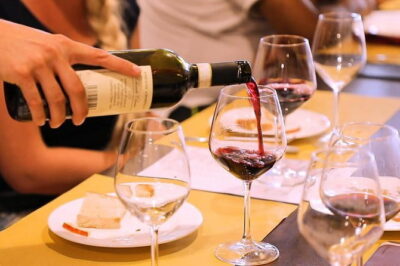
San Gimignano, Siena, Monteriggioni, Chianti Day Trip with Lunch & Wine Tasting
Read our review →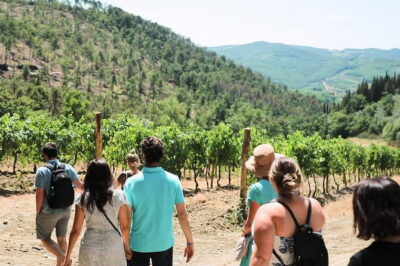
Browse the lists this tour appears in