
Reviewed · CATACOMBS & UNDERGROUND TOURS
Rome: Crypts and Catacombs Underground Tour with Transfers
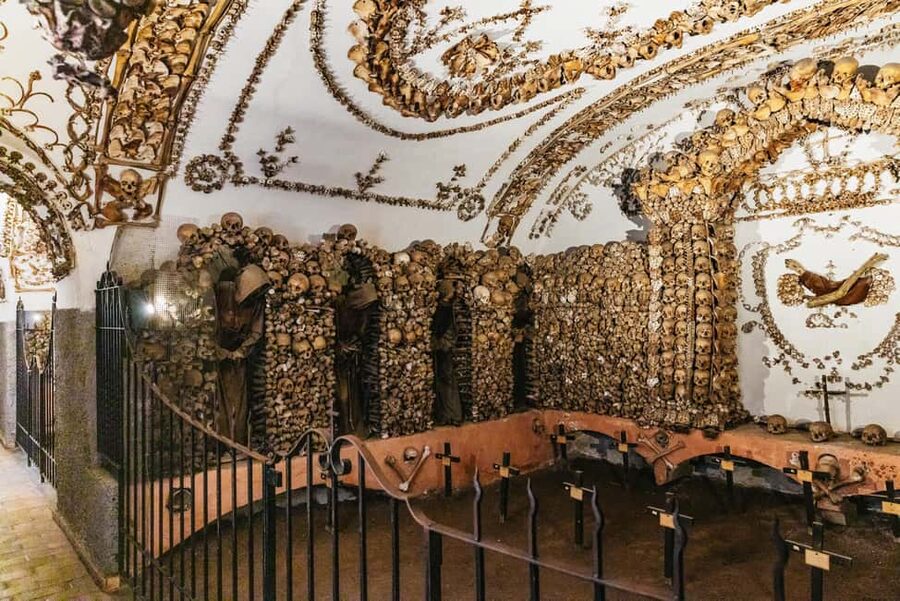
Rome’s most startling artwork is not always painted on canvas. In the Capuchin Crypt, the bones of nearly 4,000 Capuchin monks form floor-to-ceiling designs. Then the tour takes you by air-conditioned coach to ancient catacombs and the fourth-century Basilica of San Martino ai Monti.
I like two things here: the skip-the-line entry keeps the day moving, and the coach links three separate sites that would be awkward to visit together on your own. Guides such as Andrea, Cat, Chris, Sabina, and Francesca have been praised for keeping the history lively and answering questions clearly.
The main drawback is the pace. The Capuchin Crypt can feel rushed if you want to hear every part of the audio guide, and the catacombs involve stairs and uneven walking. The Sunday church visit is not guaranteed, and the After Hours option leaves out San Martino ai Monti.
Key points to know before booking

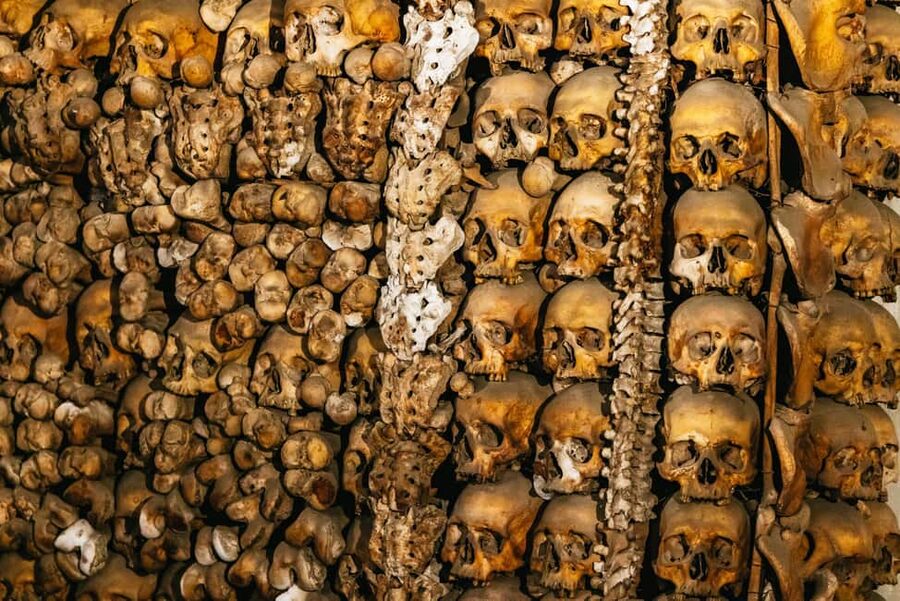
- The Capuchin Crypt uses nearly 4,000 monks’ bones as decoration, making this an unusual stop even in a city full of ancient monuments.
- The catacombs are the strongest historical stop for many visitors, with underground burial chambers and early Christian worship sites.
- An air-conditioned coach saves time and energy between the three locations.
- San Martino ai Monti adds a third layer of Rome, with Baroque frescoes, ancient mosaics, and Roman foundations.
- The standard tour lasts 2.5 to 3.5 hours, while the After Hours version lasts 2.5 hours and excludes the basilica.
- Modest clothing and comfortable shoes are essential, and the tour cannot accommodate wheelchairs, strollers, or people needing mobility assistance.
Why Rome’s underground side is worth your time
Rome can wear you out with grand churches, crowded squares, and long museum corridors. This tour changes the scale. Instead of looking up at domes and monuments, you spend much of the outing thinking about what lies below the pavement.
The subject matter is dark, but the experience is not simply a scare attraction. The crypts and catacombs explain how Rome’s religious life developed, how burial customs changed, and how Christian communities practiced their faith during the early centuries of the city’s Christian story.
At $74.02 per person, this is not the cheapest way to spend three hours in Rome. Still, the price includes transport, admission to the Capuchin Crypt and Museum, the crypt audio guide, the Roman Catacombs, and San Martino ai Monti on the regular daytime tour. If you tried to arrange three separate visits and connect them by taxi or public transport, the convenience would quickly become part of the value.
You also get a guide for the transfers and the catacombs. That matters because the sites do not all tell their own story clearly. A good guide gives you the link between Roman foundations, early Christian burial, monastic life, art, and modern religious practice.
More Underground Tours in Rome
- Colosseum: Underground and Ancient Rome Tour
★ 4.7 · 12,691 reviews - Expert Guided Tour of Colosseum Arena OR Underground, and Forum
★ 4.5 · 5,041 reviews - The Original Roman Crypts and Catacombs Tour with Transfers
★ 4.5 · 4,896 reviews
Meeting at Piazza Barberini
The tour begins in central Piazza Barberini, beside the large Triton Fountain and close to Barberini Metro station on Line A. This is a practical starting point, especially if you are already visiting central Rome or using the metro.
Two meeting-point addresses are listed around the piazza, so check the exact instructions attached to your booking. Give yourself a little extra time. Piazza Barberini is easy to reach, but a busy city square is not the place to arrive at the last second while searching for a guide.
The tour ends back at the meeting point. That makes it easier to plan a meal or another sight afterward, although the exact finishing time can vary because the activity runs from 2.5 to 3.5 hours.
Your guide may speak English or Spanish, depending on the option you choose. Guides including Inti, Alain, Andrea, Martina, Megan, Sabina, and Chris have been singled out for clear explanations, humor, and a friendly approach. One guide, Inti, even used music during the trip to help set the mood and offered suggestions for authentic local food.
The Capuchin Crypt and its bone decorations
The first major stop is the Capuchin Crypt, located beneath the Capuchin church on Via Vittorio Veneto. This is the tour’s most famous oddity.
Capuchin monks used the bones of almost 4,000 of their brothers to decorate several small chapels. The arrangement is deliberate, not a random pile of remains. Bones form patterns and architectural details, turning the crypt into a solemn meditation on death, faith, and the temporary nature of life.
You receive an audio guide for the Capuchin Crypt and Museum. It lets you move at your own pace, but the tour schedule limits how long you can stay. That is the main practical issue here. If you listen to every section carefully, you may feel pressed for time, particularly if you also want to pause at the displays in the museum.
I recommend entering with a plan. Look first at the bone chapels, then use the remaining time for the museum and audio commentary. If you need a bathroom break or want to examine every display, this first stop may feel short.
The museum also connects the crypt to the Capuchin order and its religious traditions. You can see a painting by Caravaggio and items connected with the life of St. Francis. Those details keep the visit from becoming only a macabre curiosity.
Photography is not allowed in the underground sections. That may disappoint you if you enjoy documenting every stop, but it also keeps the atmosphere quiet and respectful. The best approach is to put your phone away and pay attention to the details in front of you.
The coach transfer to Rome’s catacombs
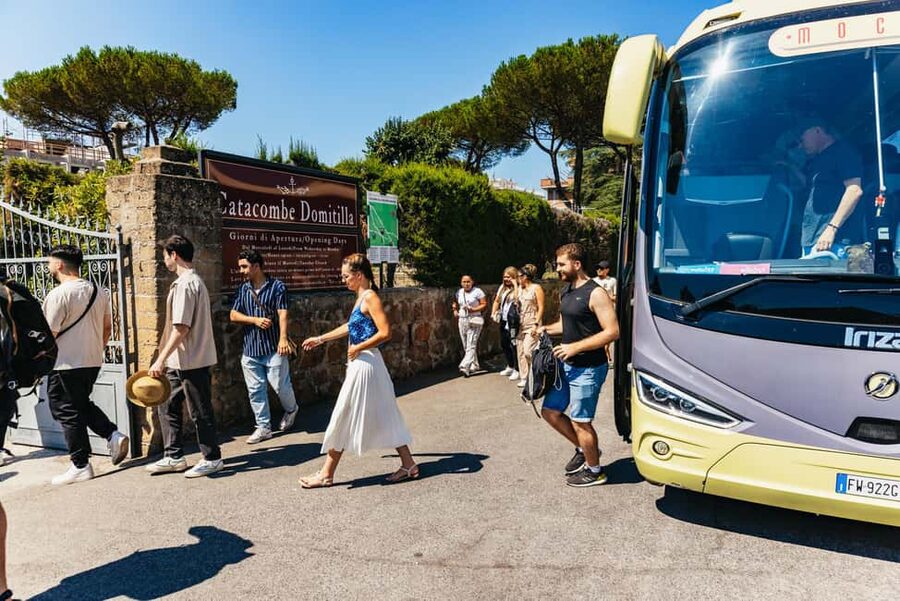
After the crypt, you board an air-conditioned coach for roughly 30 minutes. This is one of the tour’s most useful features.
The three sites are spread across Rome, so walking between them would take too long. Public transport would add planning and waiting, and taxis could make the total cost less predictable. The coach gives your feet a break and allows the guide to add background about Rome along the way.
Several people have particularly enjoyed guides who continue explaining the city during the transfers. That extra context helps you understand that Rome’s underground places are not isolated curiosities. They are pieces of one long story, with pagan Roman foundations, early Christian communities, medieval worship, and later religious orders all occupying the same city.
The coach is also a good reason to book this tour if you have only one free afternoon for the subject. You do not have to spend time figuring out which catacomb is open, how to reach it, or how to return to the center.
Other things to see below Rome:
- Rome: Colosseum Underground Small Group Guided Tour
★ 4.7 · 4,844 reviews - Rome: St. Peter’s Basilica, Dome Climb, and Underground Tour
★ 4.8 · 3,404 reviews - Rome: Colosseum Underground, Arena & Forum Tour
★ 4.7 · 3,272 reviews - Rome: Catacombs of St. Callixtus Entry Ticket & Guided Tour
★ 4.6 · 3,037 reviews
Walking through the early Christian catacombs
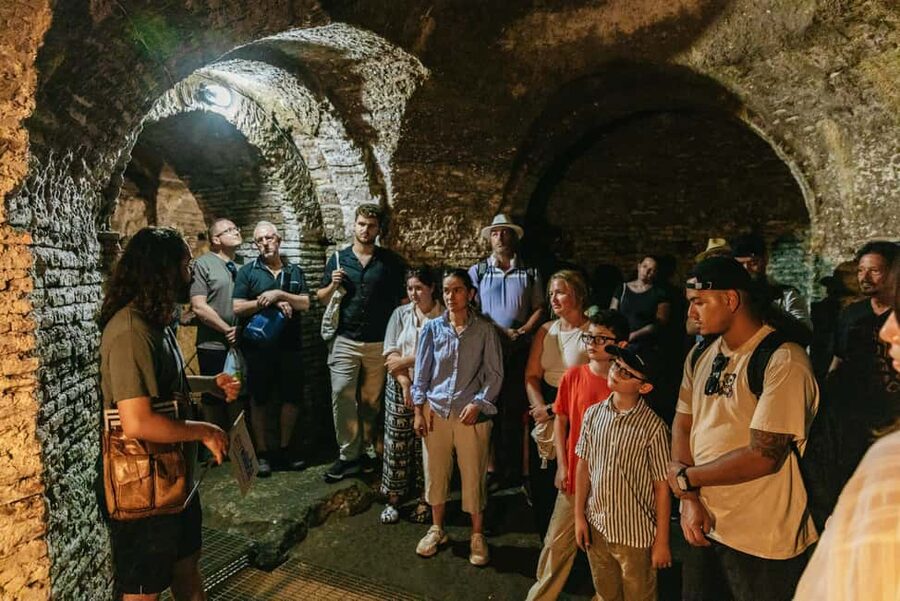
The catacombs are the tour’s most atmospheric stop. These underground passages served as burial grounds and places connected to early Christian worship nearly 2,000 years ago.
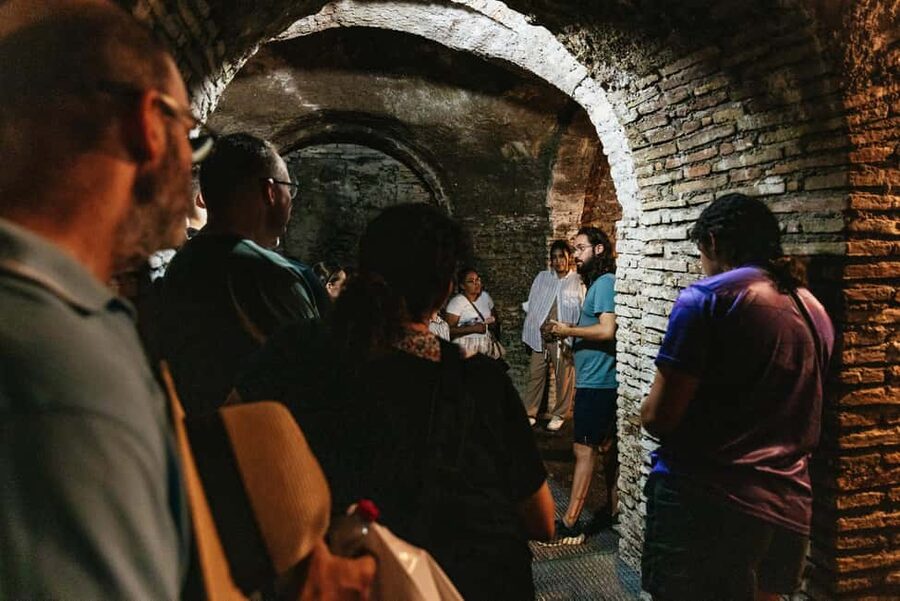
A local guide leads the visit for about 45 minutes. Expect a cool, dark setting, solid-rock tombs, narrow passages, and uneven walking. You will hear how early Christians used these underground spaces while their faith was still forbidden by Roman authorities.
The catacombs reward careful listening. The physical setting is memorable, but the meaning comes from the explanation of how the spaces were made and used. Tombs cut into rock, burial practices, symbols, and the need for discreet worship all help turn a spooky walk into a lesson about early Christianity.
Some visitors describe the catacombs as emotional as well as eerie. That balance is worth keeping in mind. The remains and burial chambers are not props for a haunted-house experience. They are part of a sacred burial place, and the tone is more respectful than theatrical.
A nun who lives at one of the catacomb sites may lead the local portion of the visit. That can give the stop a personal religious perspective, although the exact guide can vary. Guides on the larger tour, including Cat and Chris, help keep the group together and explain what you are seeing before or after the underground walk.
The catacombs are not suitable for everyone. You will walk up and down, and the ground may feel uneven. Taller people have found the space manageable, but anyone with mobility concerns should take the restrictions seriously. Wheelchairs, baby strollers, and people requiring special assistance cannot be accommodated.
San Martino ai Monti and Rome’s layered churches
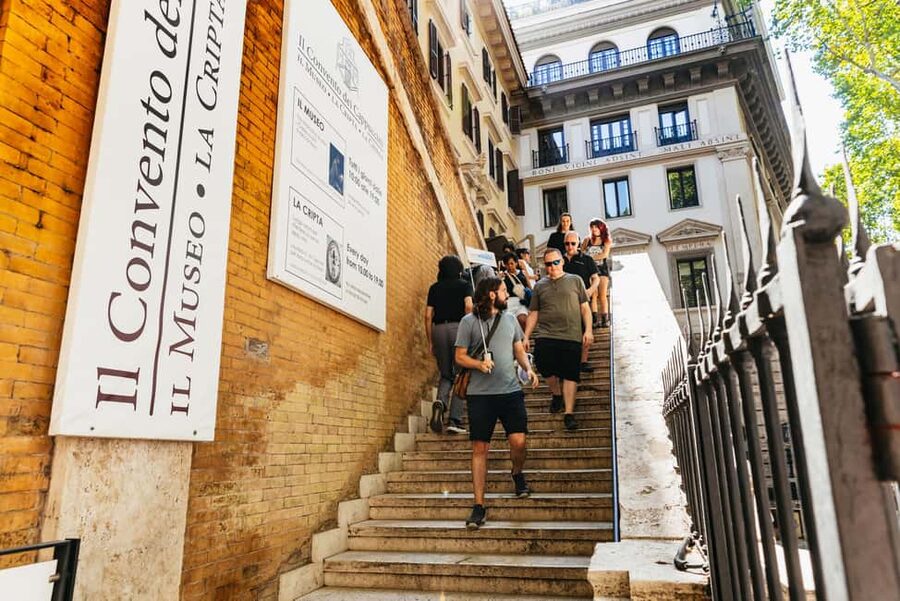
The final stop on the standard daytime tour is the Basilica of San Martino ai Monti. This is the part many people could easily miss if they explored Rome without a guide.
The church dates to the fourth century and was built over ancient Roman foundations. Inside, you can see Baroque frescoes, old mosaics, and traces of a titulus, an early Christian worship site. The building shows how Rome repeatedly built over itself rather than clearing the past away.
The underground chambers add another change of scale. After the bone decorations and catacomb passages, San Martino ai Monti offers a more architectural way to understand Rome’s religious past. You are not just looking at one old church. You are seeing different periods occupy the same ground.
The church portion lasts about 30 minutes. That is enough for an introduction, but not a long independent study. Listen closely when the guide explains what belongs to which period, since the layers can be hard to separate at a glance.
There is one important warning: church access is not guaranteed on Sundays because of liturgical activities. If San Martino ai Monti is especially important to you, choose a weekday or confirm the operating details before booking.
The After Hours option also excludes this basilica. It lasts about 2.5 hours instead of the daytime tour’s possible 3.5 hours, so it suits someone focused on the crypt and catacombs rather than the full three-stop program.
Timing, clothing, and comfort
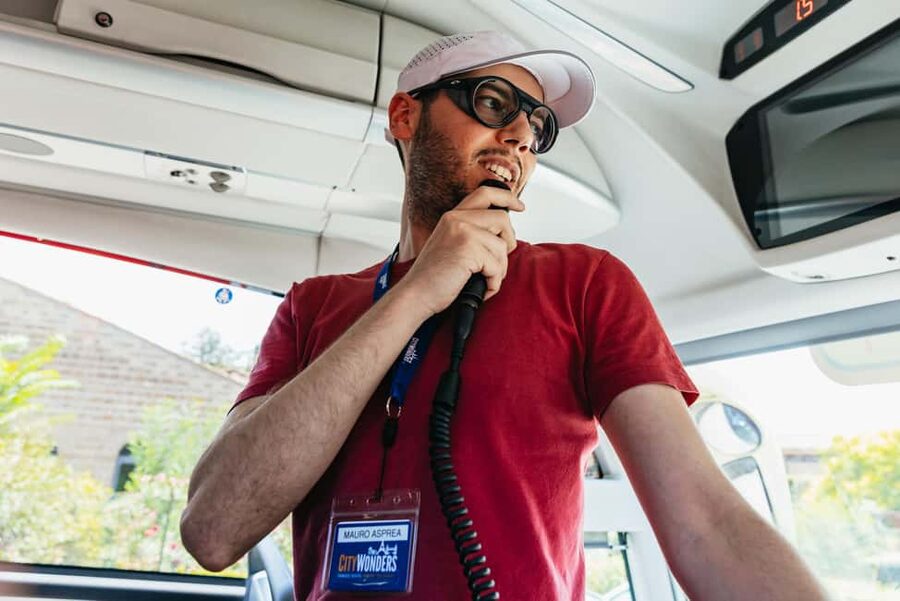
The tour is not physically extreme, but it is not a sit-down activity either. You will walk through underground spaces, climb or descend in places, and stand while guides explain the sites.
Wear comfortable shoes. The catacombs are cool and damp, so a light layer can be useful even during warm Roman weather. The Capuchin Crypt and churches require respectful dress: no shorts, short skirts, or sleeveless shirts.
You also need to accept a little waiting and movement between sites. The coach transfer makes the day easier, but the overall schedule still has several fixed parts. If you prefer to linger over one room for an hour, a self-guided visit may suit you better.
The standard tour is available in English or Spanish. It includes skip-the-line entry at all three daytime stops, which is helpful when you are trying to fit this experience into a busy Rome schedule.
Free cancellation is available up to 24 hours in advance, and you can reserve now and pay later. Those policies are useful if your Rome plans are still shifting, but the bigger booking decision is choosing daytime or After Hours.
Who will enjoy this tour most
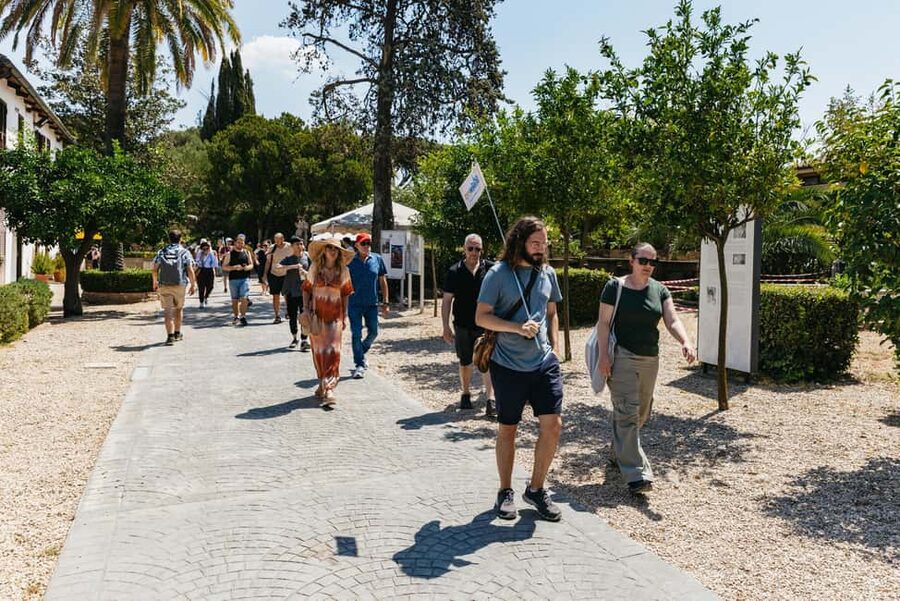
I would choose this tour if you want a different side of Rome after seeing the Colosseum, Trevi Fountain, and Vatican. It suits people interested in archaeology, religion, burial customs, Roman history, and unusual art.
It is also a strong option for first-time visitors who do not want to spend an afternoon organizing transport between out-of-the-way sites. The coach and skip-the-line entry remove much of the practical work.
Families with very young children should think carefully. Strollers are not permitted, the spaces can be dark and unsettling, and the subject is death and burial. People who dislike enclosed spaces may also find the catacombs uncomfortable.
I would not choose it if you need step-free access, want lots of free time at each stop, or are mainly interested in famous paintings and grand interiors. The Caravaggio is a useful bonus, but this is primarily an underground history tour.
Is the $74.02 price fair?
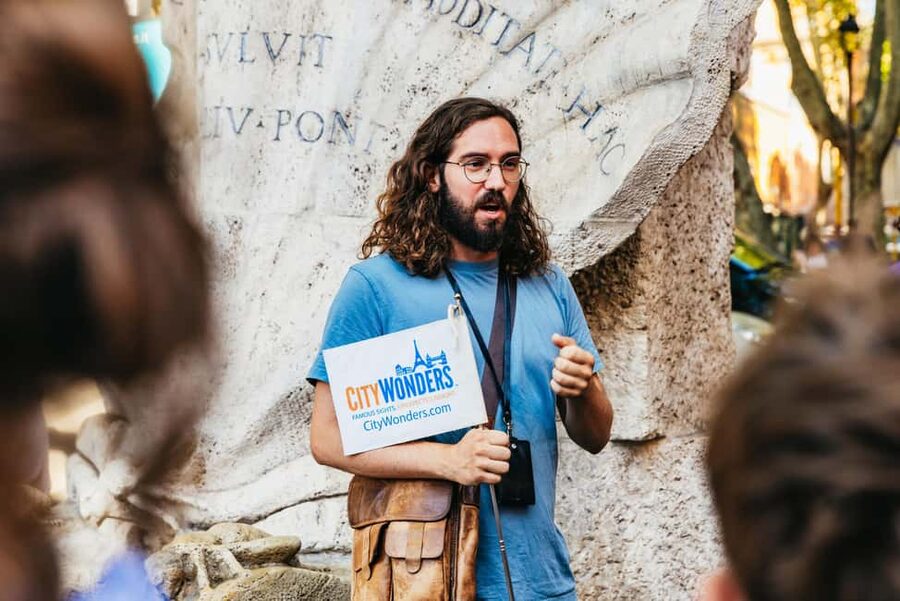
The value depends on how much you want the full package. For $74.02, you get three admissions, a crypt audio guide, a live guide, and coach transport. You also avoid the time and uncertainty of arranging the route yourself.
The Capuchin Crypt alone may not justify the price for someone who wants a quick look at the bone chapels. The value improves if you care about the catacombs and want the added context of San Martino ai Monti.
The regular daytime tour is the better buy for most people because it includes the basilica. Choose After Hours only if evening timing matters more to you or you prefer a shorter visit focused on the crypts and catacombs.
Should you book it?
Book this tour if you want Rome’s quieter, stranger, more serious side, and if underground walking is comfortable for you. The catacombs provide the strongest sense of place, while the Capuchin Crypt supplies the unforgettable image and San Martino ai Monti explains how the city built new faith over ancient foundations.
Choose the daytime option if you want the full three-stop experience. Wear modest clothing, bring comfortable shoes, and allow extra attention for the audio guide at the crypt. If you want time to examine every display slowly, this schedule may feel brisk, but for a well-organized introduction to Rome below street level, the tour offers solid value.
FAQ
Where does the Rome crypts and catacombs tour begin?
It begins in the center of Piazza Barberini, near the large Triton Fountain. The piazza is next to Barberini Metro station on Metro Line A.
How long does the tour last?
The standard daytime tour lasts about 2.5 to 3.5 hours, depending on the selected start time and schedule. The After Hours tour lasts about 2.5 hours.
What sites are included in the daytime tour?
The daytime tour includes the Capuchin Crypt and Museum, the Roman Catacombs, and the Basilica of San Martino ai Monti. It also includes coach transportation and skip-the-line entry.
Is San Martino ai Monti included in the After Hours tour?
No. The After Hours option does not include the Basilica of San Martino ai Monti.
What should I wear?
Wear comfortable shoes and modest clothing. Shorts, short skirts, and sleeveless shirts are not allowed.
Can wheelchair users or people with mobility impairments join?
No. The tour cannot accommodate wheelchair users, strollers, baby carriages, or people with impairments requiring special assistance. The catacombs also involve walking up and down underground passages.
Just added in Rome
- Civitavecchia Private Transfer: From the Port to Rome Airport★ 5.0 · 309 reviews
- Civitavecchia Shore Excursion: Best of Rome Private Tour★ 5.0 · 247 reviews
- Civitavecchia Private Transfer from ship to FCO airport or Rome★ 5.0 · 245 reviews
- Food Tasty and History Tour in Civitavecchia★ 5.0 · 256 reviews
- Palatine Hill and Roman Forum Tour with Fast-Track Entrance★ 4.2 · 417 reviews
- Tivoli: Villa D’Este & Villa Adriana Pass & App Audioguide★ 4.4 · 364 reviews
- Tivoli: Villa D’Este Entry Ticket and App Audio Guide★ 4.3 · 191 reviews
- Vatican Museums & Sistine Chapel Skip-the-Line Guided Tour★ 4.6 · 254 reviews
Catacombs & Underground Tours, compared.
Naples Underground Entry Ticket and Guided Tour
Read our review →
Colosseum: Underground and Ancient Rome Tour
Read our review →
Catacombs of San Gennaro Entry Ticket & Guided Tour
Read our review →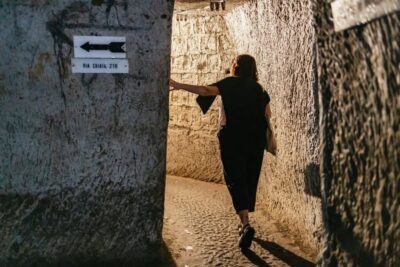
Expert Guided Tour of Colosseum Arena OR Underground, and Forum
Read our review →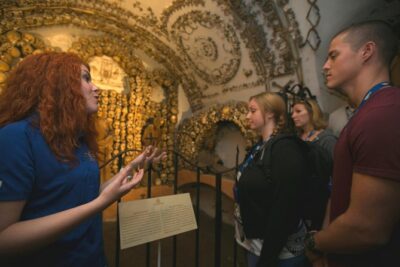
The Original Roman Crypts and Catacombs Tour with Transfers
Read our review →
Colosseum Underground Small Group Guided Tour
Read our review →
St. Peter’s Basilica, Dome Climb, and Underground Tour
Read our review →Browse the lists this tour appears in