
Reviewed · CATACOMBS & UNDERGROUND TOURS
Rome: Appian Way, Aqueducts, and Catacombs Tour
Rome’s best ancient sights are not all in the city center. This 195-minute outing takes you along the old Appian Way, beneath giant aqueducts, and underground into San Sebastiano or Domitilla catacombs near closing time, when the experience is quieter and cooler.
I especially like the easy transport between far-flung sites and the wide-open setting of Parco degli Acquedotti. I also like the way the tour links Roman engineering, road building, burial customs, and early Christianity in one compact trip. The main drawback is that the Appian Way can feel less romantic than expected because part of it remains an active road, with uneven, bumpy surfaces and occasional traffic.
Key points at a glance
- Closing-time catacomb visit: Explore San Sebastiano or Domitilla with fewer people around.
- Three very different Roman sites: Walk an ancient road, see a monumental tomb, and study the aqueducts before going underground.
- Comfortable private transport: An air-conditioned van saves you from piecing together several hard-to-reach locations.
- Strong guide-led history: Federico, Antonella, Silvia, Paris, and other guides have received praise for clear explanations, warmth, and lively storytelling.
- A welcome break from central Rome: The tour trades the crowds around the Colosseum and Vatican for open parkland and quieter ruins.
- Plan your clothing carefully: Shoulders and knees must be covered, and photography is not permitted inside the catacombs.
Why this tour works beyond central Rome
Rome’s center gives you monuments in close quarters, but the Appian Way tells a different story. Here, the city spreads outward into open countryside and parkland. You see how Rome connected its expanding empire, supplied its population with water, and buried its dead along roads outside the ancient city.
That variety gives the tour its value. You are not spending three hours looking at one type of ruin. Instead, the route keeps changing pace: a short walk on old paving stones, a closer look at a grand tomb, time under the aqueducts, then a longer underground visit.
The tour costs $64 per person. I consider that fair for a nearly three-and-a-quarter-hour trip that includes transport, catacomb entry, and guides at the sites. A taxi or ride service could get you between some of these places, but arranging the route yourself would be less simple, and you would miss the historical thread tying the stops together.
The transport also matters because these sights are spread out. You meet in front of Piramide metro station, across from Piazzale Ostiense, and return there at the end. Hotel pickup is not included, so allow time to reach Piramide and arrive 15 minutes early. If you take a taxi, use Piramide metro station as the destination rather than relying only on the broader address. One person was dropped about ten minutes away after entering the address into a taxi app.
More Underground Tours in Rome
- Colosseum: Underground and Ancient Rome Tour
★ 4.7 · 12,691 reviews - Rome: Crypts and Catacombs Underground Tour with Transfers
★ 4.6 · 5,341 reviews - Expert Guided Tour of Colosseum Arena OR Underground, and Forum
★ 4.5 · 5,041 reviews
Walking the ancient Appian Way
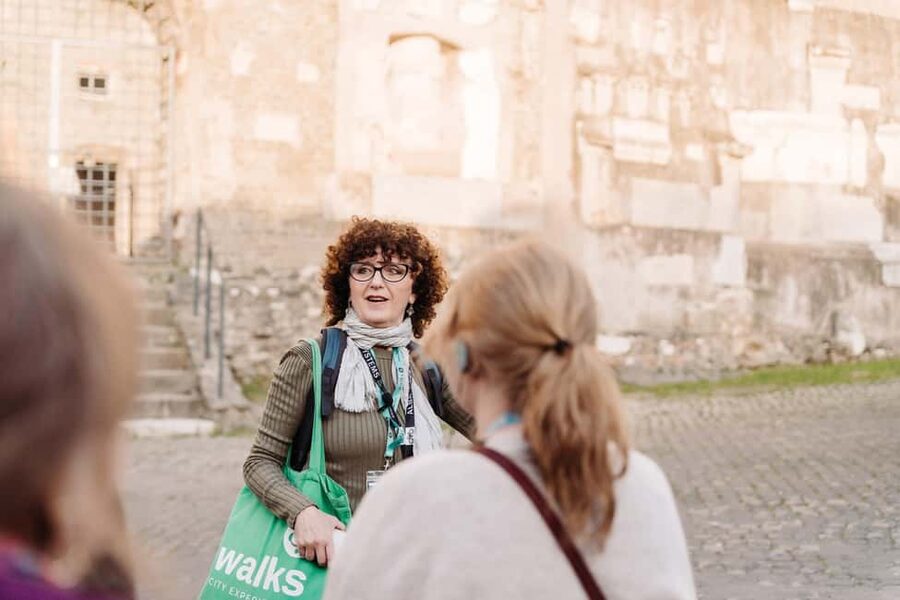
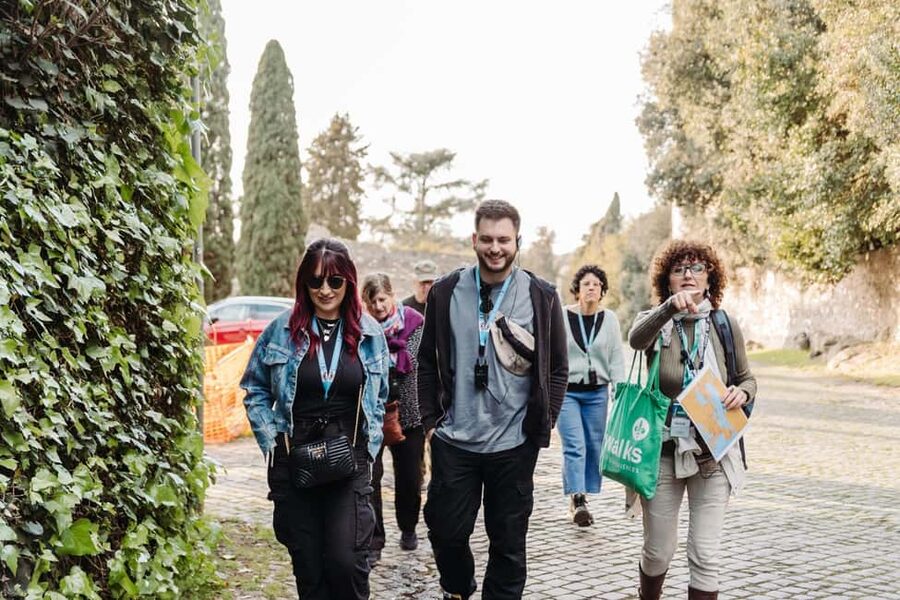
The Appian Way was one of Rome’s earliest major roads. Roman legions, merchants, officials, and ordinary travelers once used this route to move in and out of the city. Walking on its old paving stones gives you a more physical sense of Roman infrastructure than simply viewing a road on a map.
The stop lasts about 25 minutes. That is enough for an introduction, a short walk, photographs outside, and an explanation of the tombs and ruins along the route. Your guide can help you picture the road as part of a working system rather than an isolated archaeological feature.
Still, adjust your expectations. The Appian Way is not a perfectly preserved pedestrian lane from end to end. Parts remain active roads, and traffic can pass close by. The old stones are also uneven, so you should walk at a moderate pace and wear shoes with a secure sole.
This is one of the tour’s less polished stops, but that is part of its character. You are seeing an ancient route in a modern setting, not a reconstructed museum display. If you want a quiet, purely scenic walk, you may find the traffic distracting. If you enjoy seeing old monuments in their living surroundings, the contrast adds useful context.
Cecilia Metella’s round mausoleum
The next stop focuses on the Mausoleum of Cecilia Metella, a large circular tomb from the first century BCE. It is one of the most recognizable monuments along the Appian Way, with a heavy, fortress-like presence that makes clear how important burial monuments were to powerful Roman families.
The visit lasts about 25 minutes. Your guide explains Cecilia Metella and the family connected with the tomb, then gives you time to look closely and take photographs from outside. The structure is not just a pretty ruin. Its size and position tell you that Roman families used the road as a place to display status long after death.
I like this stop because it connects a person and a family to the larger road. The Appian Way can otherwise feel like a broad historical idea. Cecilia Metella’s tomb gives it a human scale, even if the surviving monument tells us more about wealth and power than about Cecilia herself.
Do not expect a long independent visit here. The tour moves at a steady pace, so the mausoleum works best as a focused explanation rather than a slow archaeological study. You will have more time at the aqueduct park and catacombs.
The aqueducts at Parco degli Acquedotti
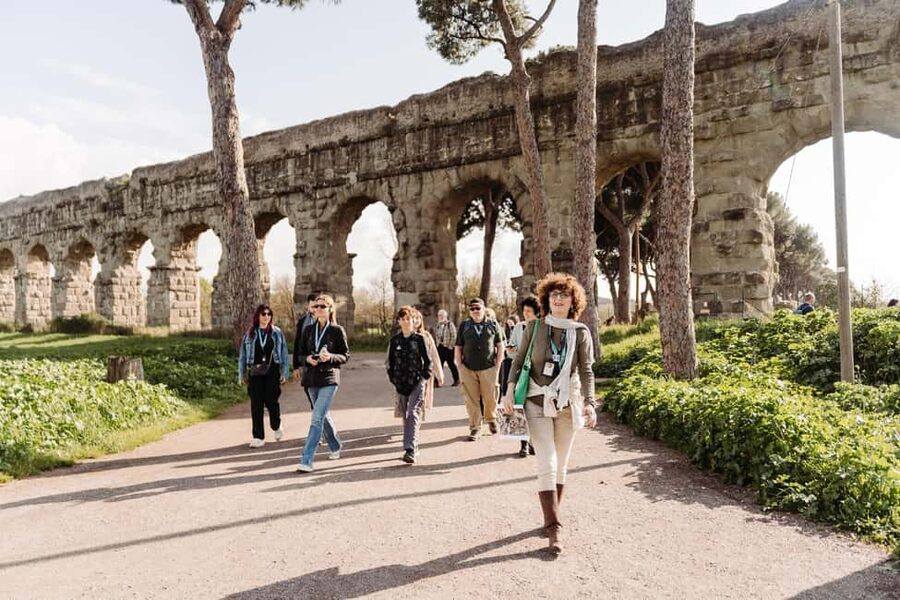
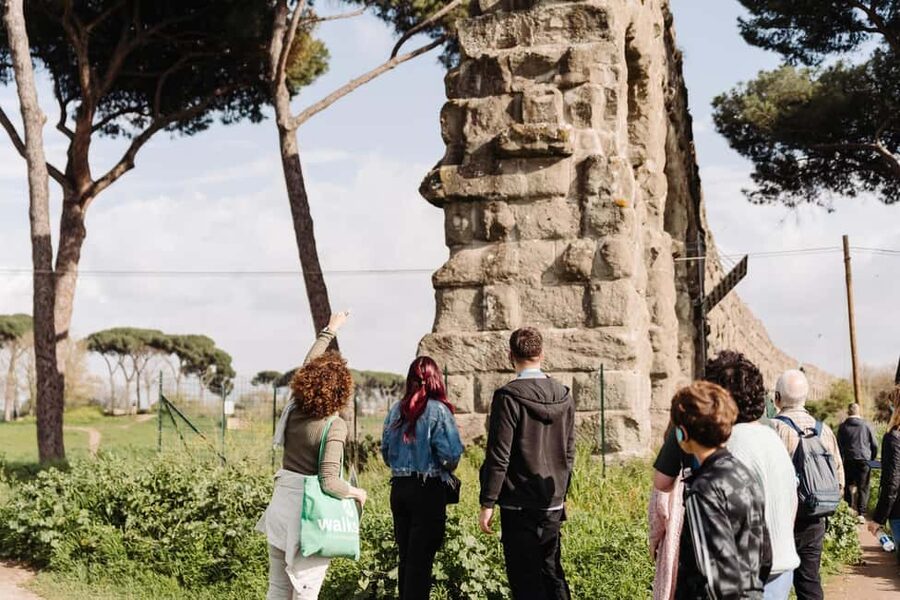
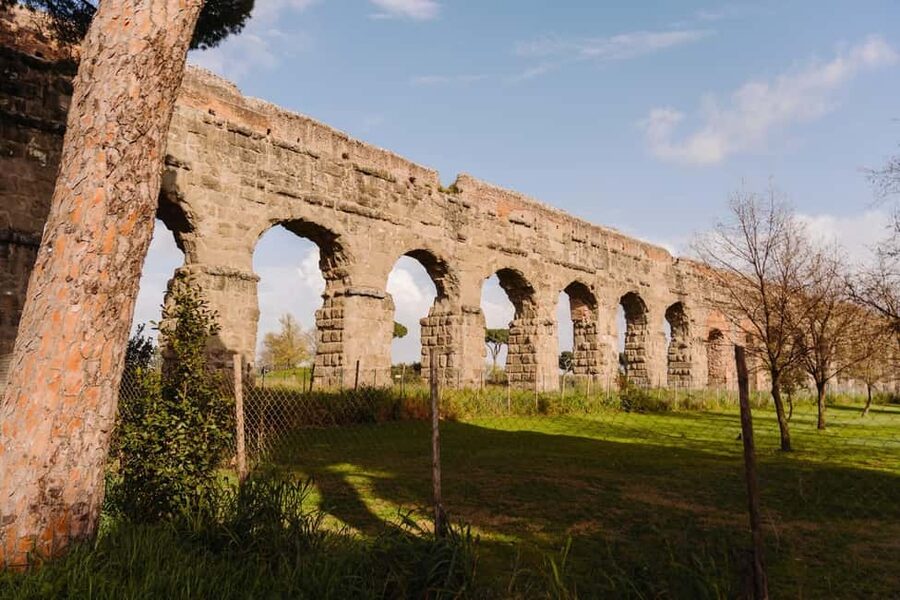
For many people, the aqueduct park is the highlight. After the tighter streets and ruins of the Appian Way, you step into a broad outdoor setting with enormous stone arches crossing the sky. The scale is easy to appreciate here because you can move back from the structures and see their long lines.
The tour spends about 45 minutes in Parco degli Acquedotti. That is the longest outdoor stop, and it deserves the time. Your guide explains how aqueducts carried water toward Rome and why this system was such an important part of daily life in the ancient city.
I find this part especially effective because the engineering is visible rather than abstract. You can look up at the height of the arches and then consider that they once carried water across the countryside with a carefully managed gradient. The scene also gives you breathing room after several days among Rome’s dense central monuments.
Bring water and sun protection, especially in summer. Much of the aqueduct visit is outdoors, and there may be limited shade. One tour took place in 36-degree heat, with the guide making an effort to keep the group in shaded areas, but weather still affects comfort. In winter or spring, this open park can feel wonderfully spacious. In hot weather, the same openness means direct sun.
A few people wished for more time here. I understand why. The aqueducts have a grand scale, and the park offers room for photographs and a slower look. The fixed schedule gives you a useful overview, but you will not have an entire afternoon to wander.
Other things to see below Rome:
- The Original Roman Crypts and Catacombs Tour with Transfers
★ 4.5 · 4,896 reviews - Rome: Colosseum Underground Small Group Guided Tour
★ 4.7 · 4,844 reviews - Rome: St. Peter’s Basilica, Dome Climb, and Underground Tour
★ 4.8 · 3,404 reviews - Rome: Colosseum Underground, Arena & Forum Tour
★ 4.7 · 3,272 reviews
Going underground at San Sebastiano or Domitilla
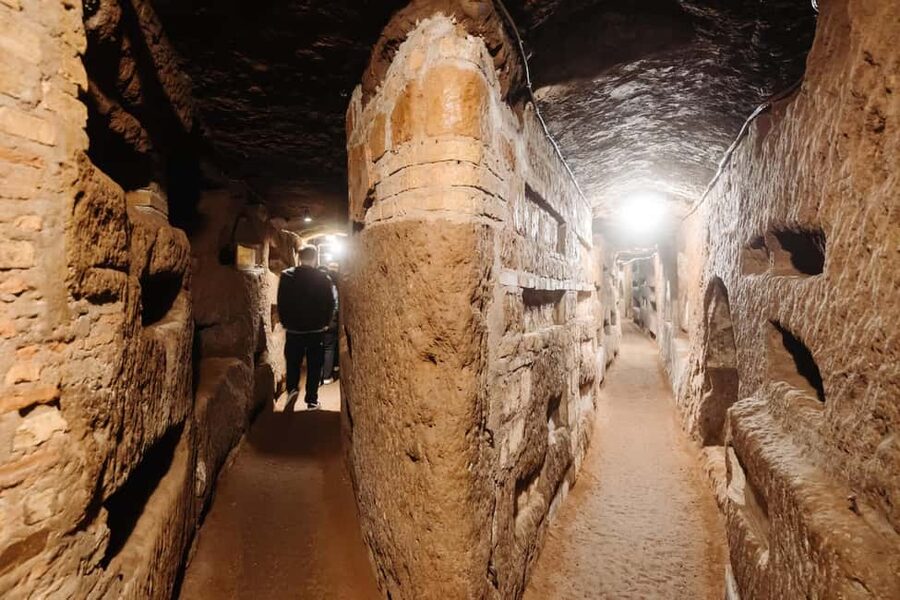
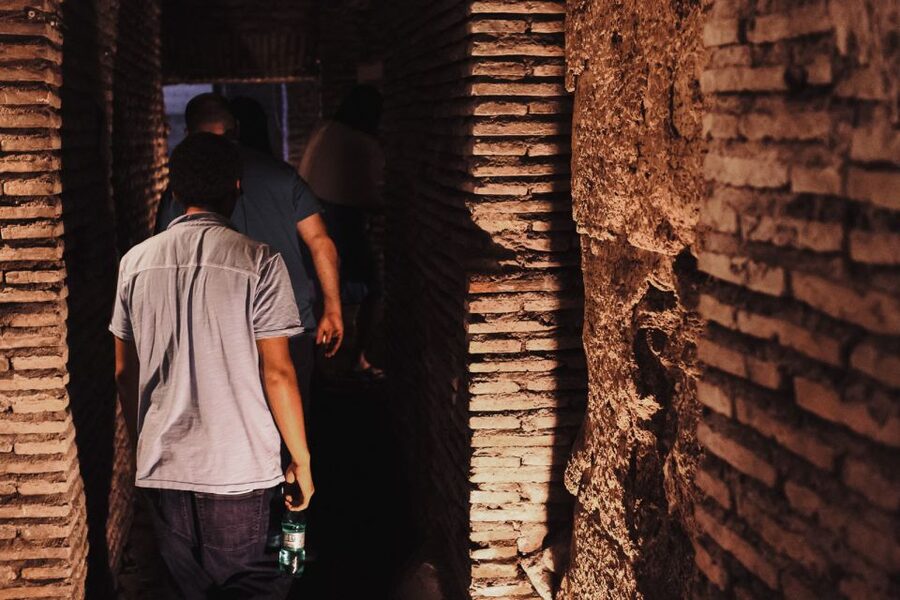
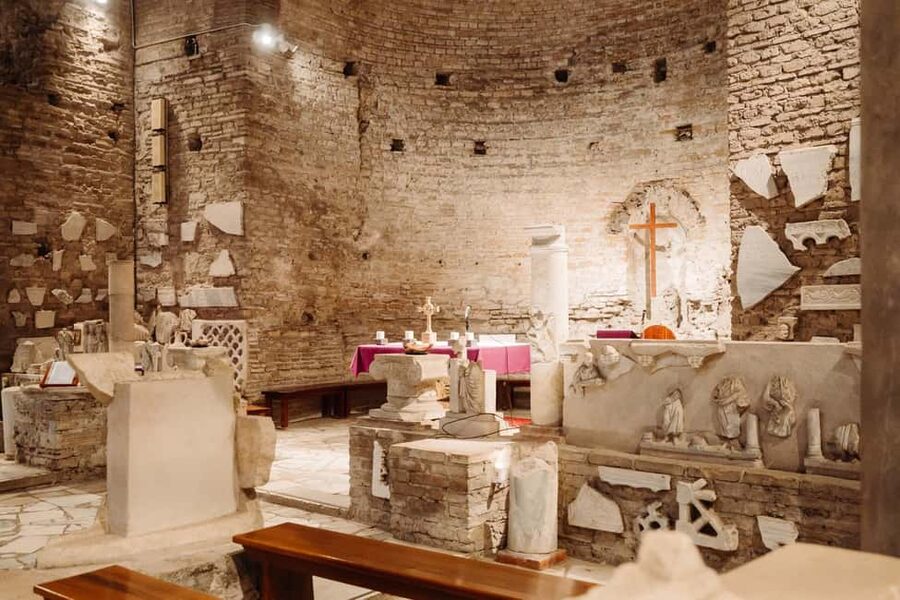
The catacomb visit lasts about 80 minutes and is the tour’s most unusual section. Depending on the day, you visit the Catacombs of Saint Sebastian or the Catacombs of Domitilla. You do not choose the site yourself, so check the day’s arrangement if one location matters especially to you.
The late timing is a real advantage. The tour enters near closing time as the final group, creating a quieter setting than a busy midday visit. Underground tunnels, early Christian burial places, and surviving frescoes feel more atmospheric when you are not surrounded by a stream of other groups.
The catacombs are important as places of burial and worship, but do not expect the bone-lined rooms seen in Paris. One useful distinction is that Rome’s catacombs are mainly networks of burial passages and historic Christian sites, not a wall-to-wall display of human remains.
The underground spaces are tight in places. If you are claustrophobic, this may not be the right excursion. You also need to manage steps and uneven walking without a wheelchair, stroller, or mobility aid. The tour is not suitable for people with mobility impairments, and the walking pace is moderate rather than leisurely.
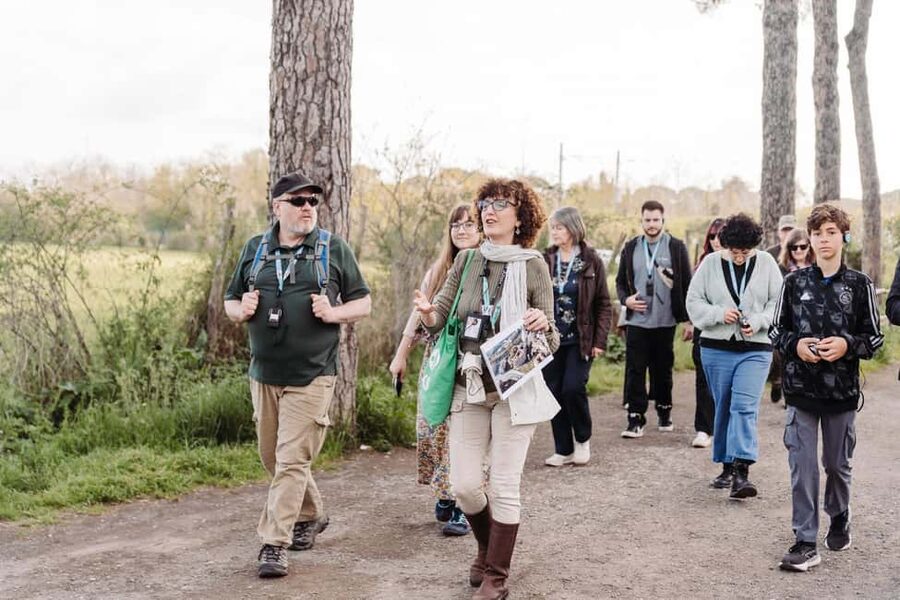
A separate catacomb guide leads much of this portion, while your main guide handles the broader route. That change works well because the specialist can focus on the underground site and its religious setting. Guides such as Silvia, Federico, and others have been praised for making the early Christian material understandable without turning the visit into a dry lecture.
Photography is not allowed inside. That can disappoint you if you like to document every part of a trip, but it also keeps the visit quieter and more respectful. Bring a small scarf or other covering if needed, since everyone must cover shoulders and knees inside the religious site. Long trousers and a long-sleeved shirt are the safest clothing choice.
What the guide adds to the experience
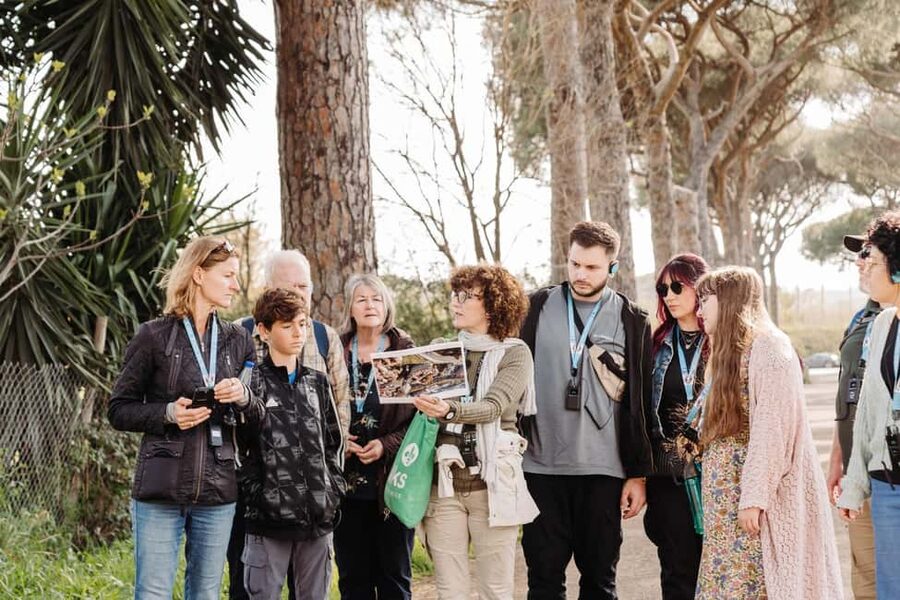
The route covers several subjects that could easily feel disconnected. A good guide turns them into one story: Rome needed roads to expand, tombs to display family power, aqueducts to bring in water, and burial sites to serve communities beyond the city walls.
The strongest guide names in the feedback include Federico, Antonella, Silvia, Paris, Chiara, and Sylvie. Their styles differ, but the useful pattern is clear: you want someone who can explain details, answer questions, and keep the group moving across a mixed itinerary.
Federico is repeatedly described as lively and especially strong on early Roman history. Antonella is praised for combining historical detail with humor and attention to the group, including making shade stops on a very hot day. Paris is described as passionate and engaging, while Silvia is noted for warmth, humor, and clear explanations.
The driver also plays a practical role. The van handles the transfers, including the rougher roads around the Appian Way. One guide had to adjust the route around protests, which shows why a private driver and local coordination can be useful in Rome. Do not expect a perfectly smooth ride on every stretch. The roads can be bumpy, but the air conditioning makes the vehicle a welcome break between outdoor stops.
Pace, group size, and comfort
The full experience lasts 195 minutes, including roughly 20 minutes of return transport. The walking portions are divided into manageable sections rather than one long trek. That is why several people who had already spent days walking around Rome found the tour comfortable.
You still need to be able to walk steadily. The Appian Way has uneven stones, the park is outdoors, and the catacombs involve confined passages. This is not a strenuous hike, but it is not a seated sightseeing trip either.
Private or small-group options are available. Group size can affect how personal the explanations feel, though one group of 18 still found the outing intimate. If you want maximum flexibility, confirm the exact group format when booking.
The meeting point at Piramide is practical because it has metro access, but it is not the same as hotel pickup. Arrive 15 minutes early and look for the guide holding a green Walks sign. The tour returns to Piramide, making it easier to continue your evening from the same part of town.
What to bring and what to expect
Wear long trousers or another garment covering the knees, plus a shirt that covers your shoulders. A scarf can provide extra coverage, but it is simpler to dress correctly from the start.
Pack water, especially between May and September. The aqueduct park and Appian Way offer little relief from the sun, and the walking surfaces can be dusty or uneven. Comfortable shoes matter more than stylish ones here.
Leave your camera behind for the catacomb interior. Photography is prohibited inside, and baby strollers are not allowed on this tour. Wheelchair users and people with mobility limitations should choose a different Rome experience.
The tour is conducted in English. Free cancellation is available up to 24 hours before departure, and you can reserve now and pay later, which helps if your Rome schedule is still shifting.
Is the $64 price worth it?
For $64, you are paying for access to a part of Rome that is awkward to organize independently, plus transport and two layers of guiding. The price is strongest if you value context and convenience. You can see the main sights without navigating several buses, locating the catacombs, or guessing how much time to allow between sites.
The value is less clear if you want a slow, self-directed visit. The Appian Way stop is brief, the aqueducts may leave you wishing for more time, and the catacomb location changes by day. You also give up the freedom to linger at one favorite site.
Still, the mix is hard to replicate in a short outing. You get open air, ancient road stones, monumental architecture, Roman water engineering, and early Christian burial tunnels. For a first or second visit to Rome, it is a useful change from the Colosseum and Vatican route.
Who should book this Rome outing?
I recommend it if you want to see the city beyond its central monuments, enjoy history explained on site, and prefer a small vehicle to a complicated public transport route. It suits adults and older children who can walk at a moderate pace and are comfortable underground.
It is also a good choice after several crowded days in central Rome. The open park and air-conditioned van offer a change of rhythm, while the catacombs provide a cool, quiet finish.
I would skip it if you dislike enclosed spaces, need step-free access, want to take photographs inside historic sites, or expect the Appian Way to be a completely traffic-free country lane. The best reason to book is not one single monument. It is the way the tour shows how Rome worked outside the postcard center.
FAQ
How long does the Appian Way, Aqueducts, and Catacombs Tour last?
The tour lasts 195 minutes, or about three hours and fifteen minutes. This includes the visits and walking portions, plus about 20 minutes of return transport to Piramide.
Where does the tour meet?
The meeting point is in front of Piramide metro station, across from Piazzale Ostiense. Arrive 15 minutes before departure and look for a guide holding a green Walks sign.
Which catacombs will the tour visit?
The tour visits either the Catacombs of San Sebastiano or the Catacombs of Domitilla, depending on the day. The location is not guaranteed in advance from the information provided.
Is transportation included?
Yes. Private, air-conditioned transport connects the sites and returns you to Piramide. Hotel pickup and drop-off are not included.
Can I take photographs inside the catacombs?
No. Photography is not permitted inside the catacombs. Cameras are also listed among the items not allowed for the experience.
What should I wear?
Wear long pants and a long-sleeved shirt, or otherwise cover your knees and shoulders. This dress requirement applies to everyone because the catacombs are religious sites.
Is the tour suitable for wheelchair users or people with claustrophobia?
No. The tour is not suitable for wheelchair users, people with mobility impairments, or people with claustrophobia. The catacombs have tight passages, and the route requires walking at a moderate pace.
Just added in Rome
- Civitavecchia Private Transfer: From the Port to Rome Airport★ 5.0 · 309 reviews
- Civitavecchia Shore Excursion: Best of Rome Private Tour★ 5.0 · 247 reviews
- Civitavecchia Private Transfer from ship to FCO airport or Rome★ 5.0 · 245 reviews
- Food Tasty and History Tour in Civitavecchia★ 5.0 · 256 reviews
- Palatine Hill and Roman Forum Tour with Fast-Track Entrance★ 4.2 · 417 reviews
- Tivoli: Villa D’Este & Villa Adriana Pass & App Audioguide★ 4.4 · 364 reviews
- Tivoli: Villa D’Este Entry Ticket and App Audio Guide★ 4.3 · 191 reviews
- Vatican Museums & Sistine Chapel Skip-the-Line Guided Tour★ 4.6 · 254 reviews
Catacombs & Underground Tours, compared.
Naples Underground Entry Ticket and Guided Tour
Read our review →
Colosseum: Underground and Ancient Rome Tour
Read our review →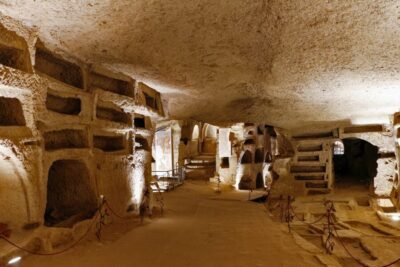
Catacombs of San Gennaro Entry Ticket & Guided Tour
Read our review →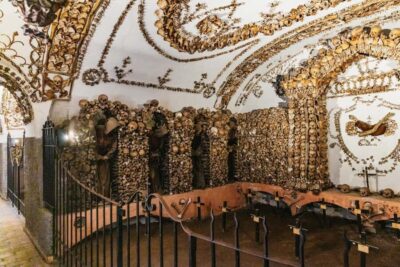
Crypts and Catacombs Underground Tour with Transfers
Read our review →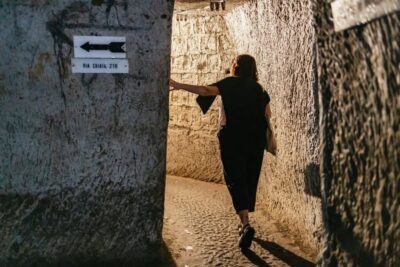
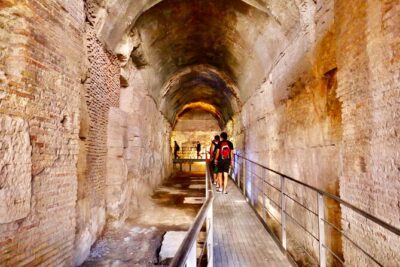
Expert Guided Tour of Colosseum Arena OR Underground, and Forum
Read our review →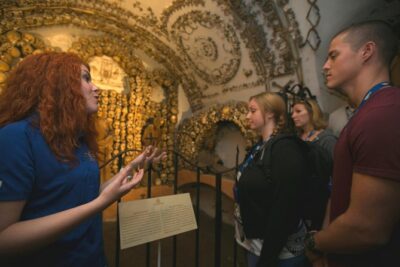
The Original Roman Crypts and Catacombs Tour with Transfers
Read our review →
Colosseum Underground Small Group Guided Tour
Read our review →Browse the lists this tour appears in