
Reviewed · VATICAN & SISTINE CHAPEL TOURS
Rome: Vatican Pass, Top Attractions and Free Transport
Rome’s best feature here is the pairing of the OMNIA Vatican Card with the Roma Pass. In one purchase, you get access to the Vatican Museums and Sistine Chapel, two Roma Pass attractions, unlimited public transport, and a hop-on hop-off bus for a 72-hour visit.
I like the time saved at Rome’s biggest sights, especially the Vatican and Colosseum. I also like having both the metro and city buses available, since Rome’s attractions spread across several neighborhoods. The catch is important: this pass does not guarantee a place at every attraction. You still need reservations, and the price is hard to justify if you prefer walking or plan only a few paid visits.
Key points to know before you buy
- Two passes work together: The OMNIA Card handles Vatican sights, while the Roma Pass covers major Rome attractions and public transport.
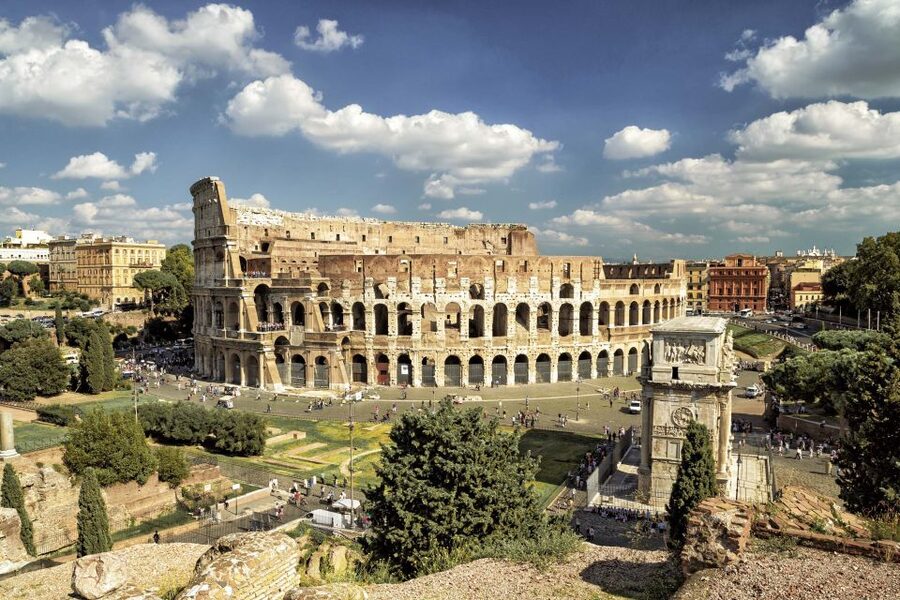
- The Colosseum is one of your two free Roma Pass choices: It includes the Colosseum, Roman Forum, and Palatine Hill.
- Vatican reservations matter: Entry to the Vatican Museums and Sistine Chapel requires planning, especially in summer.
- The 72-hour clock starts with activation: The passes remain unused until your first attraction visit, then run for 72 hours.
- The hop-on hop-off bus is useful but uneven: It gives you a broad view of Rome, though bus quality, audio, and waiting times can vary.
- The value depends on pace: This is strongest for a short, tightly planned stay with several major admissions.
What the OMNIA and Roma Pass package actually gives you
At a listed price of $168.79 per person, this is not a cheap transport ticket. It is a bundled sightseeing plan for people who want to see several major places in three days.
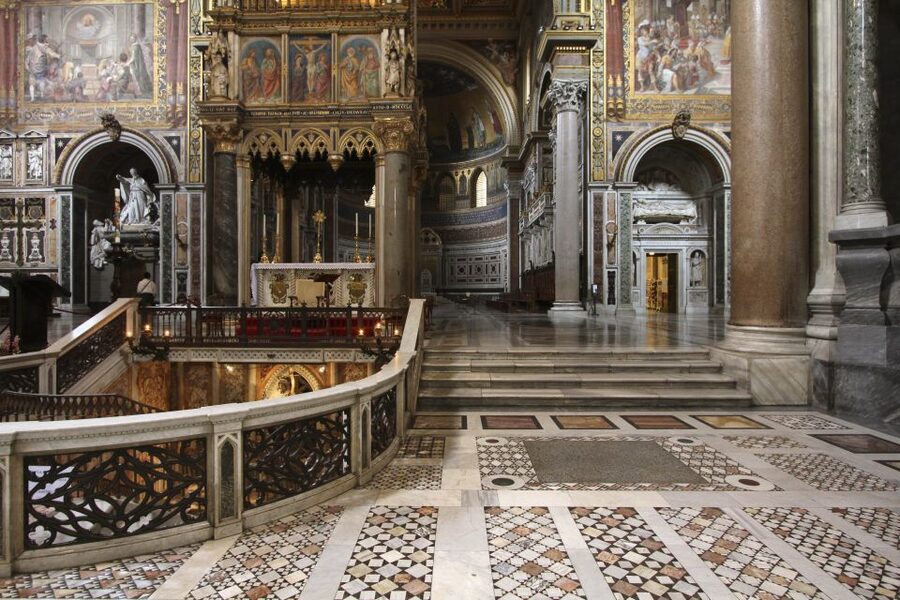
The OMNIA Card includes the Vatican Museums, the Sistine Chapel when open, St. John in the Lateran and its cloister, the Carcer Tullianum, and a Vox City audio guide app. It also includes a three-day hop-on hop-off bus ticket using participating Rome sightseeing services.
The Roma Pass gives you free entry to two of five main attractions. Your choices include the Colosseum with the Roman Forum and Palatine Hill, the Capitoline Museums, Castel Sant’Angelo, the Borghese Gallery, and the Circo Maximo Experience.
You also receive discounts at many other museums and sites. These include the National Roman Museum, Palazzo Barberini, the Etruscan Museum of Villa Giulia, Centrale Montemartini, MAXXI, the Planetarium, Trajan’s Market, Palazzo Valentini, and the Ara Pacis.
The key word is two. After you use your two free Roma Pass admissions, later sites are discounted rather than free. Plan those first two choices carefully.
Other ways to see the Vatican:
- Vatican: Museums & Sistine Chapel Entrance Ticket
★ 4.5 · 144,003 reviews - Vatican Museums & Sistine Chapel Tour with Optional Basilica
★ 4.3 · 67,413 reviews - Vatican Museums, Sistine Chapel & St Peter’s Basilica Guided Tour
★ 4.5 · 39,149 reviews
The Vatican Museums and Sistine Chapel
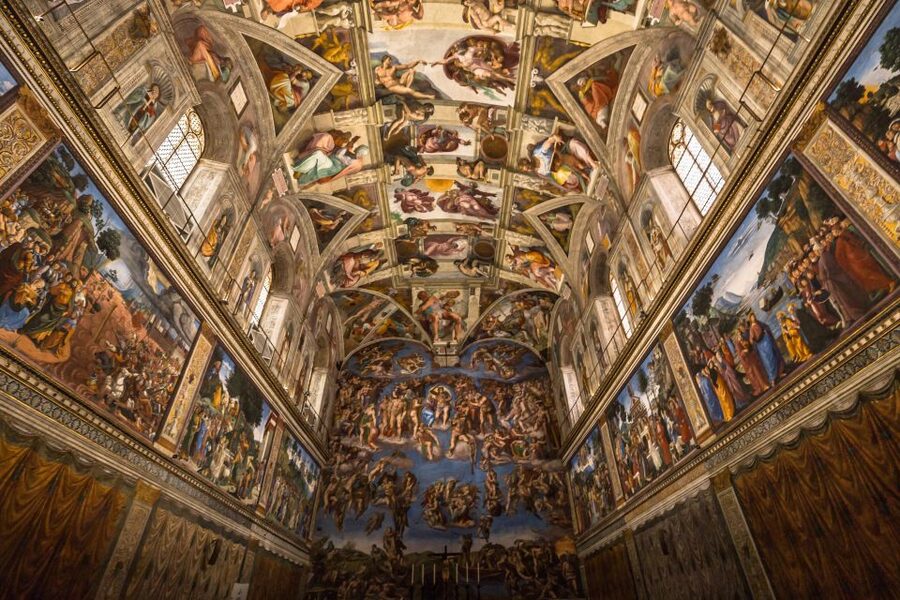
The Vatican portion is the main reason many people choose this package. The Vatican Museums contain an enormous collection of sculpture, paintings, maps, religious art, and decorated rooms. The Sistine Chapel is the famous climax, with Michelangelo’s ceiling and Last Judgment.
The pass is especially useful here because the regular entry queue can be painfully slow. Still, skip the ticket line does not mean skip every line. You need a reservation for the Vatican Museums, and the entrance process may still involve security checks and pass verification.
Make this reservation before arriving in Rome if possible. Summer dates fill quickly, and buying the card alone does not guarantee admission at the time you want.
The Sistine Chapel is temporarily closed according to the supplied information, so check its current status before you book. The Vatican Museums and chapel are normally closed on Sundays except the last Sunday of the month, as well as public holidays.
Dress with care. Shorts, short skirts, and sleeveless shirts are not allowed. Bring your passport or identity card, and keep your phone charged for digital information and pass-related tools.
Choosing your two Roma Pass attractions
The biggest Roma Pass decision is which two attractions to use for free entry. For most first visits, the Colosseum, Roman Forum, and Palatine Hill make the strongest choice because they count as one combined attraction.
The Colosseum, Roman Forum, and Palatine Hill
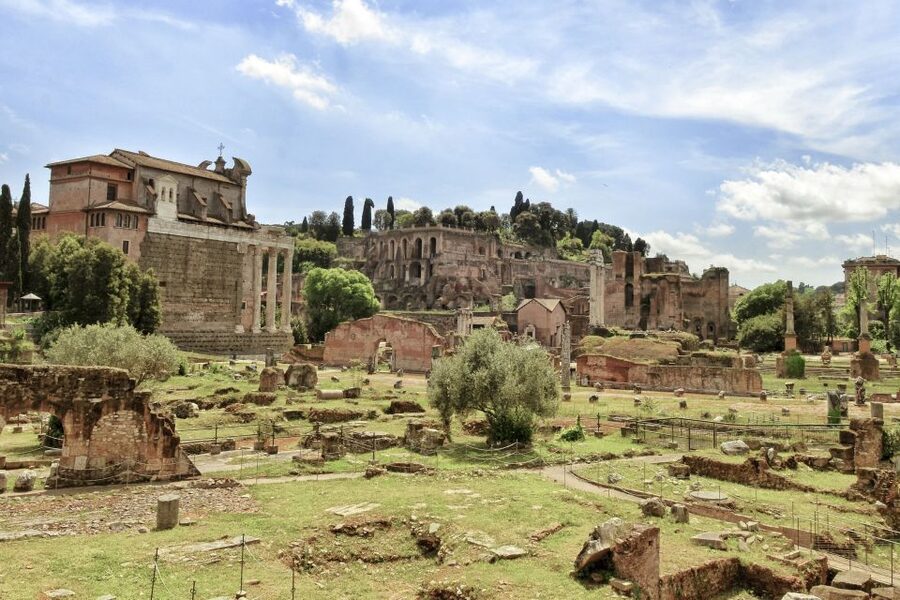
This is the obvious pick for many people. The Colosseum is Rome’s best-known ancient monument, but the nearby Roman Forum and Palatine Hill give you the wider story of public life, politics, temples, and imperial power.
Reserve your entry well ahead of time. The Colosseum is one of Rome’s busiest sights, and the pass does not remove the need to secure a timed place.
This visit can take a large part of your day, especially if you walk through all three areas. Wear comfortable shoes, carry water, and avoid placing another major appointment too close afterward.
Same base, a different kind of day:
- Colosseum, Roman Forum & Palatine Guided Tour
★ 4.7 · 63,148 reviews - Rome: Colosseum, Palatine Hill and Roman Forum Guided Tour
★ 4.8 · 32,814 reviews - Rome: Guided Tour of Colosseum, Roman Forum & Palatine Hill
★ 4.7 · 27,897 reviews - Rome: Colosseum & Forum with Audio Guide App -Optional Arena
★ 4.2 · 24,770 reviews
Castel Sant’Angelo
Castel Sant’Angelo began as a mausoleum and later became a fortress and papal refuge. Its upper levels offer views across Rome, including the river and the dome of St. Peter’s.
It is a good second choice if you want something near the Vatican but less demanding than a full museum visit. You can also pair it with St. Peter’s Square and the Tiber area.
Capitoline Museums
The Capitoline Museums sit on Michelangelo’s Campidoglio square and hold ancient Roman sculpture, paintings, and archaeological pieces. This is a smart choice if you want art and ancient objects without another outdoor archaeological site.
Borghese Gallery
The Borghese Gallery is a strong option for art lovers. Entry is limited and reservation-based, so arrange it early. Do not use one of your two free admissions here casually, since available times can be scarce.
Circo Maximo Experience
The Circo Maximo Experience uses multimedia to explain the ancient chariot-racing arena. It can suit you if you want a more guided presentation rather than a large museum or archaeological walk.
St. John in the Lateran and the quieter OMNIA stops
The Basilica of St. John in the Lateran is Rome’s cathedral and one of the most important churches in the city. The OMNIA Card includes the basilica and its cloister, along with a multimedia audio guide.
This stop is useful because many visitors focus only on St. Peter’s and the Vatican. St. John in the Lateran gives you another side of Rome’s church history and can fit well near the second pass collection desk.
The Carcer Tullianum, also called Mamertine Prison or St. Peter’s Prison, is another included site. It is a small, atmospheric historic location near the Roman Forum. It will not occupy as much time as the Colosseum or Vatican, but it can add a focused stop to a busy day.
The Vox City audio guide is available through the Vatican and Rome app. Download the app from the Apple App Store or Google Play before you set out, and make sure your phone is charged.
Using the hop-on hop-off bus
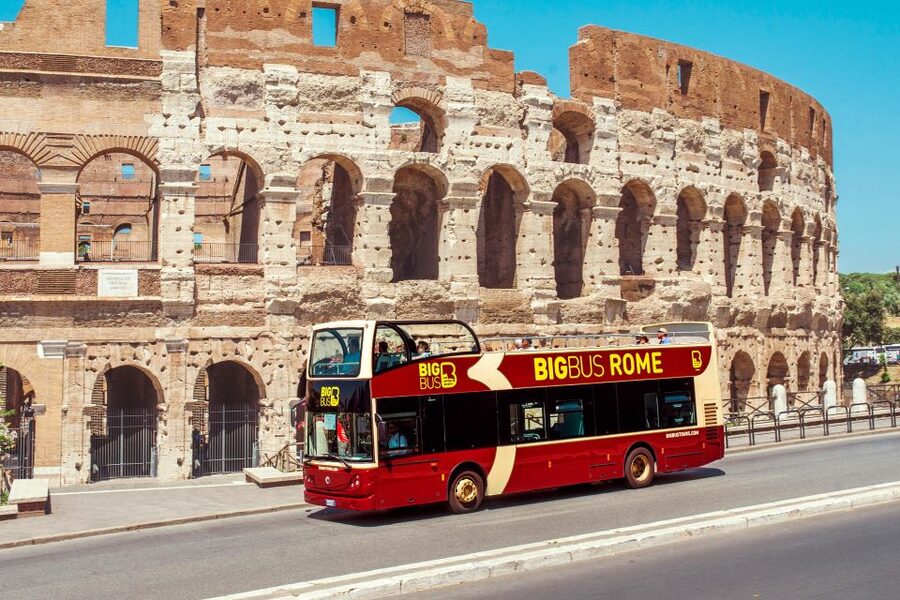
The open-top bus is included for three days and can be used with Open Bus Vatican and Rome, Big Bus, and City Sightseeing services. It is most useful early in your visit, when you want to understand the distance between the Vatican, the historic center, and other major stops.
I like using a sightseeing bus as a first-day orientation tool. You can rest your feet, see Rome from above street level, and decide which areas deserve more time on foot.
The service has limits. Some buses may be crowded, and the audio system or commentary quality can vary. One route received criticism for weak narration and poor equipment, so I would treat the bus as transport with views rather than a substitute for a serious guided tour.
Do not build your entire schedule around one company. Since several operators are included, check which service is running and where its stops are before waiting. Reduced service applies around Christmas and New Year, and there is no service on December 25.
Public transport and moving between Rome’s sights
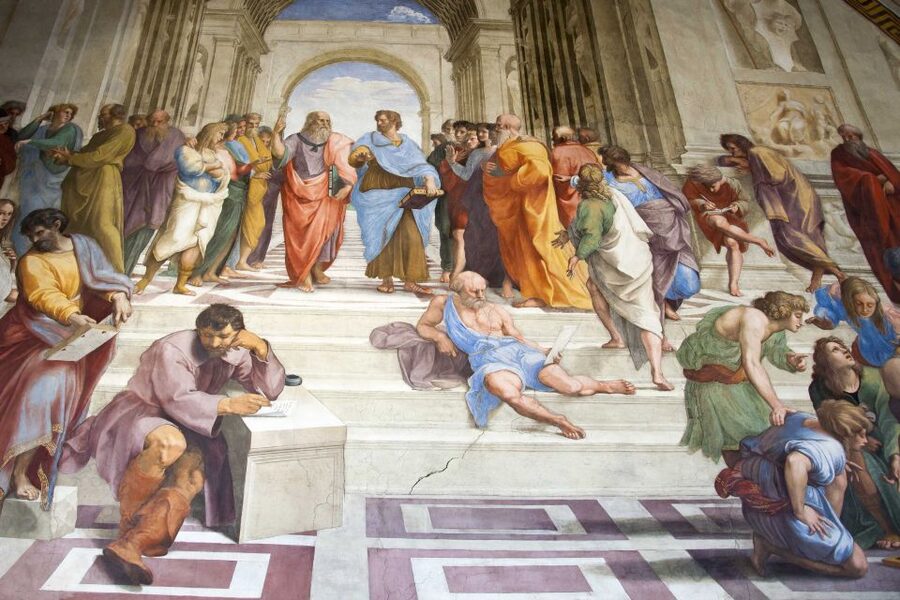
The package includes unlimited public transportation for the 72-hour validity period. This generally helps with the metro and city buses, and it can save you from repeatedly buying individual tickets.
Rome is walkable in sections, but its major sights are not all close together. The Vatican, Colosseum, Borghese Gallery, Lateran Basilica, and Castel Sant’Angelo can create long stretches between appointments.
The free transport is most valuable when you are tired, running late, or staying outside the historic center. It is less valuable if your hotel is central and you plan to walk almost everywhere.
You might find the metro less useful for the exact center, since stations are not always beside the monument you want. City buses can fill the gaps, but allow extra time because Rome traffic can slow surface transport.
How to plan the 72-hour clock
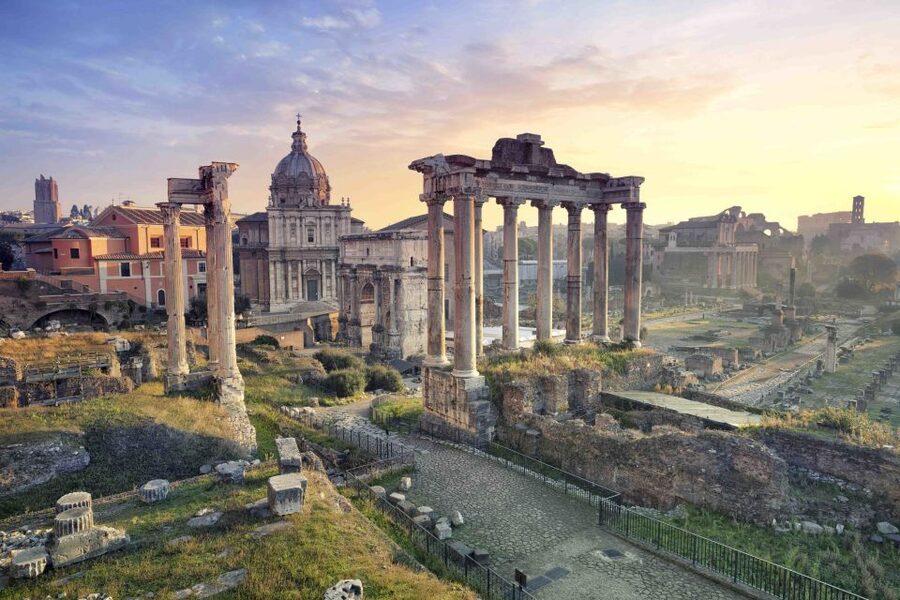
The passes are valid for one year from purchase and activate only when you visit your first attraction. After that first use, the clock runs for 72 hours.
This creates a useful planning option. You can collect the cards, then wait to activate them until your sightseeing begins. Some people use the Vatican portion and transport on different days, but check the exact activation rules at collection and confirm which benefits start together.
A practical three-day plan might look like this:
- Day one: Activate the cards at the Vatican, visit the Vatican Museums if your reservation is confirmed, then use the hop-on hop-off bus or public transport to reach Castel Sant’Angelo.
- Day two: Visit the Colosseum, Roman Forum, and Palatine Hill with a timed reservation. Add the Carcer Tullianum or another nearby discounted site.
- Day three: Choose the Capitoline Museums, Borghese Gallery, or Circo Maximo Experience as your second free Roma Pass attraction. Use public transport for St. John in the Lateran or another included stop.
This schedule is full. Rome rewards slower mornings and unplanned pauses, so do not assume you can fit every discounted museum into the same three days.
Collection points and what to bring
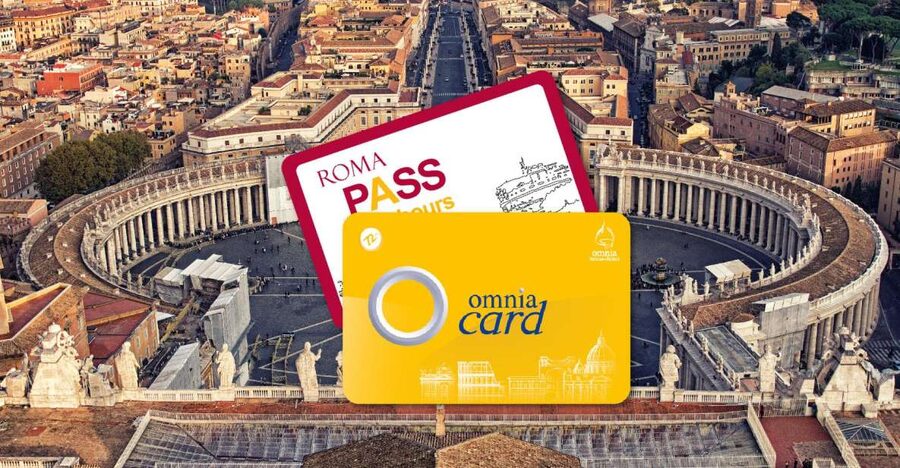
You must exchange the voucher at one of two O.R.P. collection desks. One is at Piazza Pio XII, 9, near St. Peter’s Basilica. The other is at Piazza di San Giovanni in Laterano, near the Lateran Palace.
Both are open Monday through Saturday from 9 a.m. to 4 p.m. They are closed Sundays and holidays, as well as August 15, November 1, and December 25.
Bring the required printed voucher, your passport or identity card, and a charged smartphone. The printed voucher is important, so do not rely only on a booking email on your phone.
The collection point near the Vatican is convenient if your first major visit is there. A desk at Termini Station would be easier for many arrivals, but no such collection point is offered.
Is $168.79 good value?
The honest answer depends on your itinerary. The pass can save money when you use both major free Roma Pass admissions, visit the Vatican, take public transport several times, and ride the sightseeing bus.
It also saves time. Skipping a long ticket queue at the Vatican or Colosseum can be worth more than a small financial saving, especially during a three-day visit.
But the pass is not automatically cheaper than separate tickets. If you walk most of the time, skip the hop-on hop-off bus, and visit only the Vatican plus one Roma Pass attraction, individual admission may cost less.
The strongest value comes from a packed schedule:
- Vatican Museums and Sistine Chapel
- Colosseum, Roman Forum, and Palatine Hill
- A second Roma Pass attraction
- Several bus or metro journeys
- At least one or two discounted museums
The weakest value comes from a relaxed trip with long lunches, neighborhood walks, and only two or three paid sights.
Who should buy it?
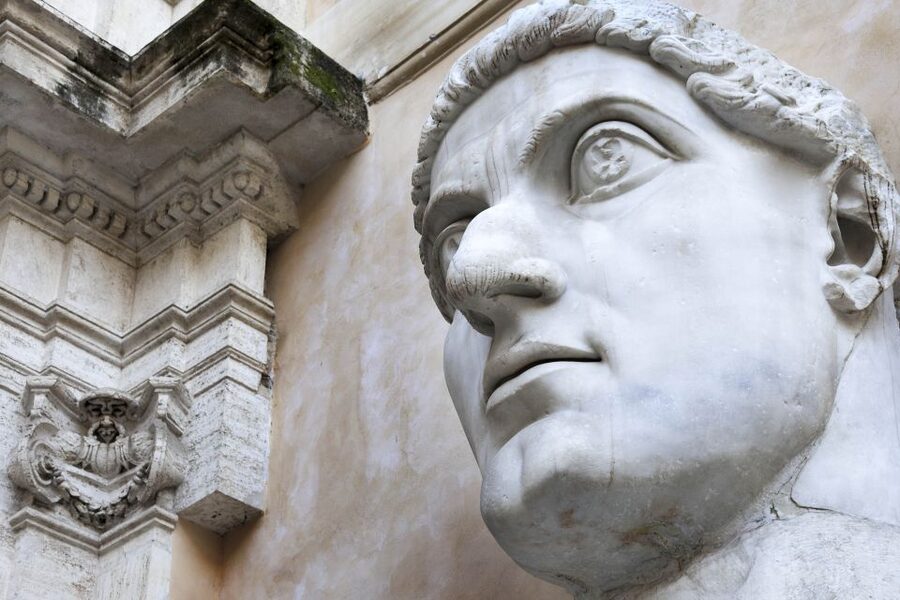
I would choose this for a first visit lasting about three days, especially if you want the Vatican and Colosseum at fixed times. It suits people who like to plan ahead and want one package covering admission, transport, and sightseeing buses.
Families and couples may also appreciate not having to buy transport tickets repeatedly. The pass can make a short stay feel more manageable, provided you reserve major attractions before arrival.
I would hesitate if you dislike fixed schedules. You may feel pressured to keep moving so the price pays off.
The package is listed as unsuitable for wheelchair users, so check directly with the provider before booking if accessibility is important. The supplied information also notes that groups larger than nine may be refused entry, so large parties should not assume they can use the package together.
Should you book this Rome pass?
Book it if you have three busy days, want the Vatican and Colosseum, and will use the transport and second free attraction. The queue savings and simple access can matter more than the headline price.
Skip it if you are staying longer, prefer to walk, or want a loose schedule. Most important, check attraction availability before buying. A pass without a Vatican or Colosseum reservation is not a complete solution.
FAQ
How long is the pass valid?
It is valid for 72 hours after first activation. The passes remain valid for one year from the purchase date before activation.
Does the pass include the Vatican Museums?
Yes. The OMNIA Card includes the Vatican Museums. A reservation is required, and the Sistine Chapel is listed as temporarily closed in the supplied information.
Does it include the Colosseum?
Yes. The Roma Pass includes free admission to the Colosseum, Roman Forum, and Palatine Hill as one of the two free attraction choices. A reservation is required.
How many Roma Pass attractions are free?
You receive free adult admission to two of five listed attractions. The choices include the Colosseum complex, Capitoline Museums, Castel Sant’Angelo, Borghese Gallery, and Circo Maximo Experience.
Is public transport included?
Yes. Unlimited public transportation is included for the validity period of the pass.
Is the hop-on hop-off bus included?
Yes. A three-day open-top bus ticket is included. It can be used with Open Bus Vatican and Rome, Big Bus, and City Sightseeing services.
Where do I collect the passes?
You can exchange the printed voucher at the O.R.P. desk at Piazza Pio XII, 9, near St. Peter’s Basilica, or at Piazza di San Giovanni in Laterano, near the Lateran Palace.
What should I bring?
Bring your printed voucher, passport or identity card, and a charged smartphone. The Vox City audio guide requires the Vatican and Rome app.
Can I cancel the booking?
You can cancel up to 24 hours in advance for a full refund. The activity also offers a reserve now and pay later option.
Just added in Rome
- Civitavecchia Private Transfer: From the Port to Rome Airport★ 5.0 · 309 reviews
- Civitavecchia Shore Excursion: Best of Rome Private Tour★ 5.0 · 247 reviews
- Civitavecchia Private Transfer from ship to FCO airport or Rome★ 5.0 · 245 reviews
- Food Tasty and History Tour in Civitavecchia★ 5.0 · 256 reviews
- Palatine Hill and Roman Forum Tour with Fast-Track Entrance★ 4.2 · 417 reviews
- Tivoli: Villa D’Este & Villa Adriana Pass & App Audioguide★ 4.4 · 364 reviews
- Tivoli: Villa D’Este Entry Ticket and App Audio Guide★ 4.3 · 191 reviews
- Vatican Museums & Sistine Chapel Skip-the-Line Guided Tour★ 4.6 · 254 reviews
Vatican & Sistine Chapel Tours, compared.
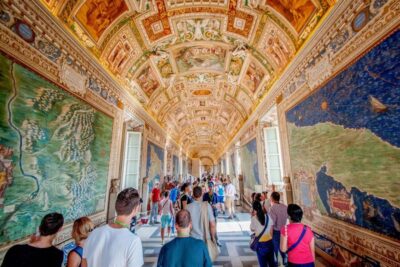
Vatican: Museums & Sistine Chapel Entrance Ticket
Read our review →
Vatican Museums & Sistine Chapel Tour with Optional Basilica
Read our review →
Vatican Museums, Sistine Chapel & St Peter’s Basilica Guided Tour
Read our review →
Vatican Museums & Sistine Chapel Skip-the-Line Entry Ticket
Read our review →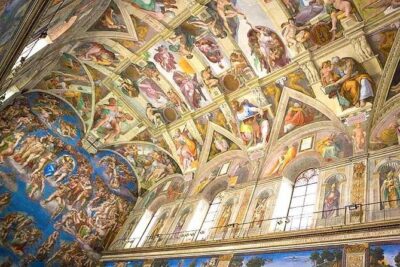
Skip-the-Line Group Tour of the Vatican, Sistine Chapel & St. Peter’s Basilica
Read our review →Browse the lists this tour appears in