
Reviewed · OPERA & CLASSICAL CONCERTS
Milan: La Scala Theatre Skip-the-line Guided Tour
La Scala is not just another pretty theater. It is where Milan’s opera culture took shape, and a one-hour guided visit helps you see the building as more than a grand room with red seats and a crystal chandelier. You’ll hear stories tied to Verdi, Toscanini, Barenboim, and Maria Callas, then look through a museum filled with costumes, set designs, and musical instruments.
I especially like the reserved entry, which saves time at a busy Milan sight, and the storytelling. Guides such as Gianluca, Lara, Maria, and Bea have been praised for bringing the theater’s artists and backstage tales to life. The small groups can also make the visit feel personal.
The main caution is important: rehearsals can block your view of the stage, and there is no refund if that happens. The tour also is not suitable for people with mobility impairments, so check the physical demands before booking.
Key points to know before booking
- The theater opened in 1778: La Scala’s long musical story includes major figures such as Verdi, Toscanini, and Barenboim.
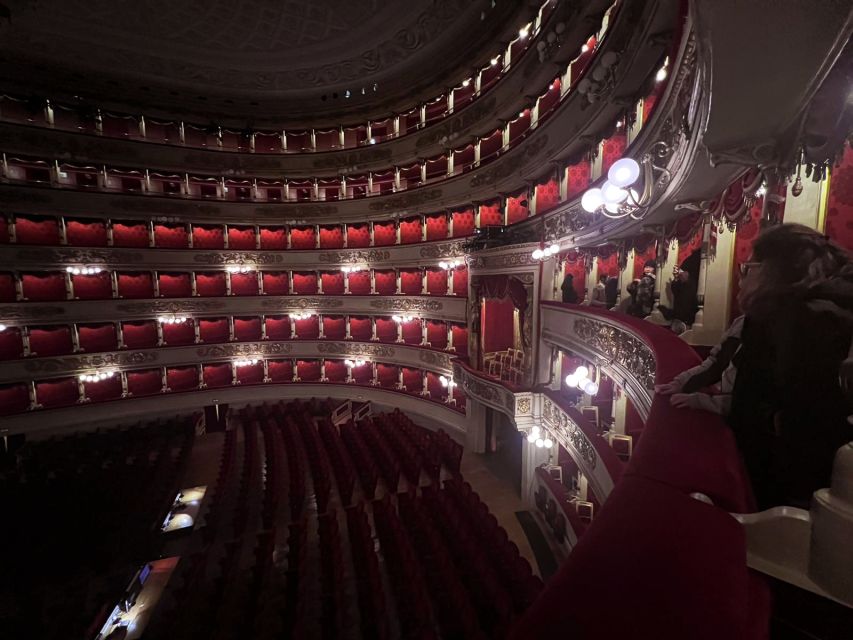
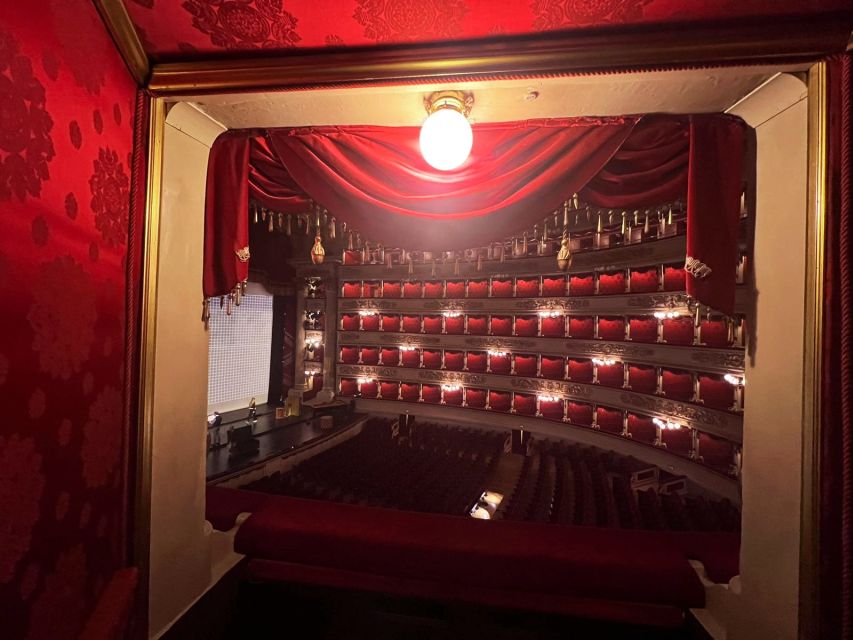
- The neoclassical auditorium is the star: You’ll look into the elegant hall, admire the crystal chandelier, and perhaps glimpse artists rehearsing.
- The museum adds real context: Costumes, set designs, instruments, and material connected with opera help explain what happens beyond the stage.
- Guides make the difference: English and French tours use headsets when the group has more than five people.
- Rehearsals can change the visit: The stage may be hidden or inaccessible, with no refund offered for that limitation.
- The one-hour format is efficient: It fits neatly into a day around Milan’s Duomo, Galleria, and central shopping streets.
Why La Scala deserves an hour of your Milan day
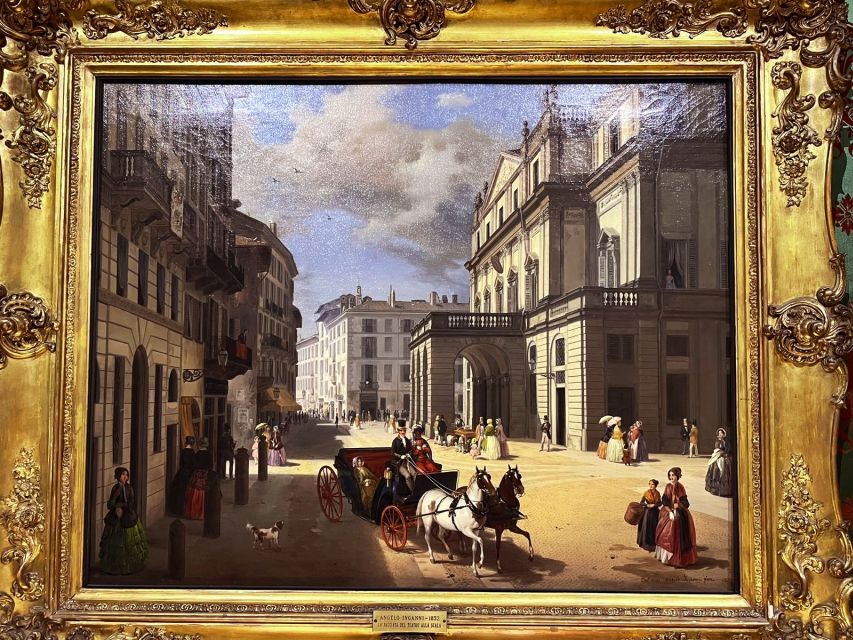
You can walk past Teatro alla Scala and see a dignified neoclassical facade, but the building’s importance is easier to grasp inside. La Scala opened in 1778 and became one of the world’s best-known opera houses. Its name carries weight because generations of composers, conductors, singers, and musicians worked here.
I like this tour because it gives you a way into that story even if you do not know much about opera. The guides explain the theater through people and anecdotes, not only dates. You might hear about Verdi’s connection to Milan, Toscanini’s influence, or the careers of later conductors such as Daniel Barenboim.
That approach suits first-time visitors. You do not need a background in classical music to follow the tour. A guide can point out what matters, explain why the room looks as it does, and add the human details that a walk through the building alone would miss.
The experience has earned a 4.5 rating from 728 bookings, with especially strong praise for guides who are lively, clear, and passionate about opera. That matters here. La Scala is a place where a dry explanation of architecture would leave you admiring the ceiling but missing the point.
More Opera and Classical Concerts in Milan
- Milan’s Must See: Half-Day Tour of Last Supper, Duomo & La Scala
★ 4.0 · 4,193 reviews - Milan: La Scala Theater & Museum Guided Experience
★ 4.1 · 2,931 reviews - Milan: La Scala Theater and Museum Tour with Entry Tickets
★ 4.7 · 1,722 reviews
Meeting at Largo Antonio Ghiringhelli
The tour begins at the Teatro alla Scala Museum, at Largo Antonio Ghiringhelli 1. Meet in front of the ticket office, where the guide carries a sign with the tour name and the Wander Italy logo.
This is a useful meeting arrangement in central Milan. You do not need hotel pickup, a shuttle, or a complicated transfer. You simply reach La Scala on your own and meet the group at the stated point. Plan to arrive with enough time to identify the guide before the scheduled start.
The reserved entry is one of the tour’s practical strengths. La Scala is a popular sight, and avoiding the regular ticket line gives your short visit a cleaner start. The entrance and reservation fees are included in the $44 price, along with the guide.
The tour runs in rain or shine. Since you spend the time inside the theater and museum, weather is not likely to ruin the visit, but you should still allow time to get to the meeting point in poor conditions.
Entering the theater through the reserved line
Once the group gathers, the guide leads you into La Scala. The advertised visit lasts one hour and returns to the museum area, so this is a focused introduction rather than a long backstage program.
You will use headsets if the group contains more than five people. That is a small but valuable detail. Theater interiors can carry sound, and other groups may be moving nearby. Headsets help you catch names, dates, and anecdotes without standing shoulder to shoulder with the guide.
Group size can affect the feel of the visit. One booking described a group of four that felt almost private, while another noted that the building could become busy with several groups and staff moving equipment. You should expect the atmosphere to vary with the day and with rehearsals.
The strongest guides keep the pace moving. Lara has been praised for combining information with humor, while Gianluca was noted for his passion for Milan, art, music, and La Scala. Maria and Bea have also been singled out for energy, precision, and clear explanations. Your assigned guide may be different, but these comments show what makes this tour work best: a person who can connect facts to stories.
The neoclassical auditorium and crystal chandelier
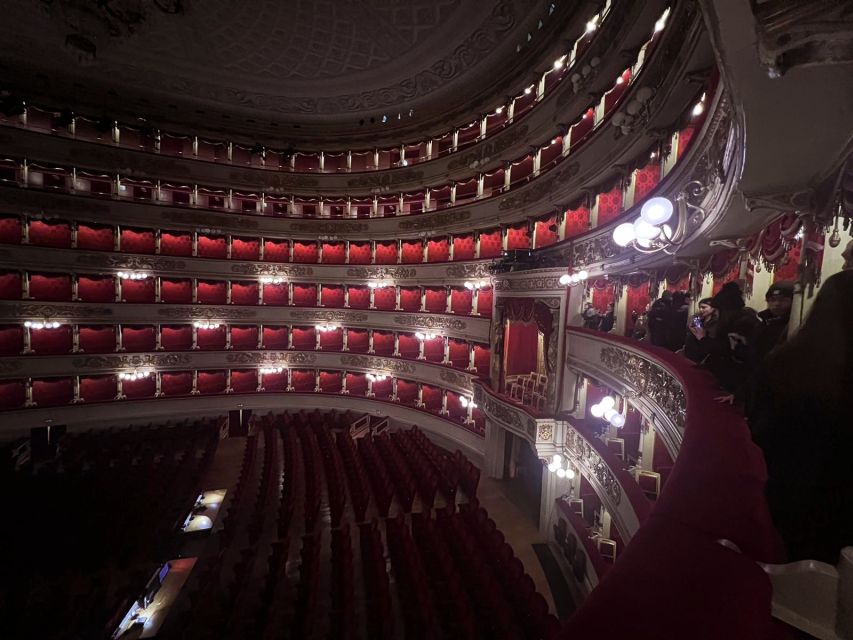
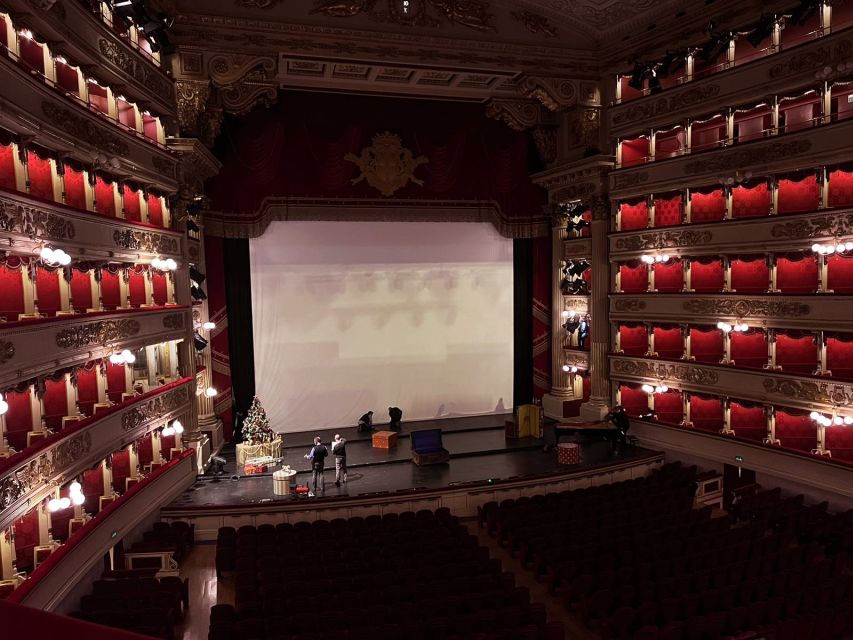
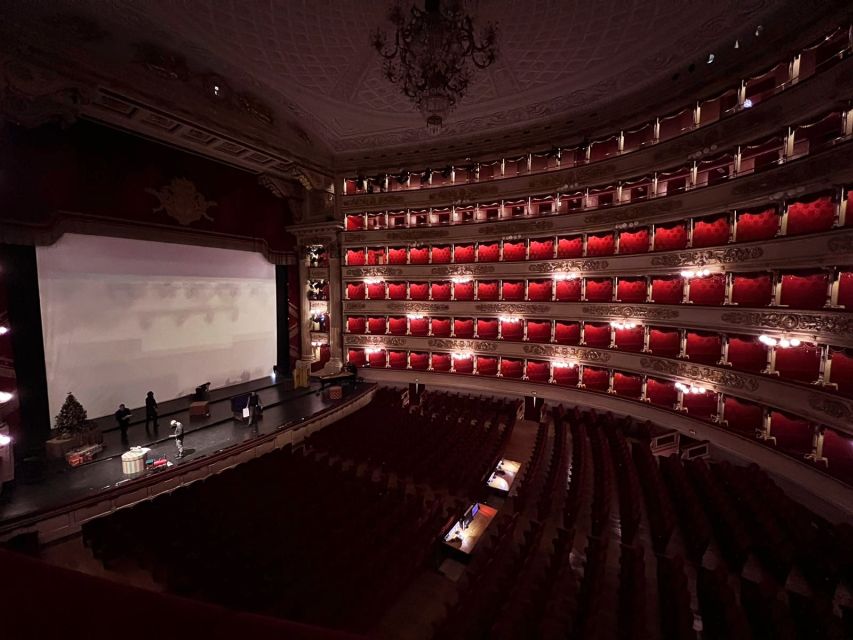
The auditorium is the moment most people are waiting for. La Scala’s interior is formal and theatrical, with rows of boxes, rich decoration, and the famous crystal chandelier drawing your eye upward. You’ll have time to take in the design while the guide explains how the room functions as an opera house.
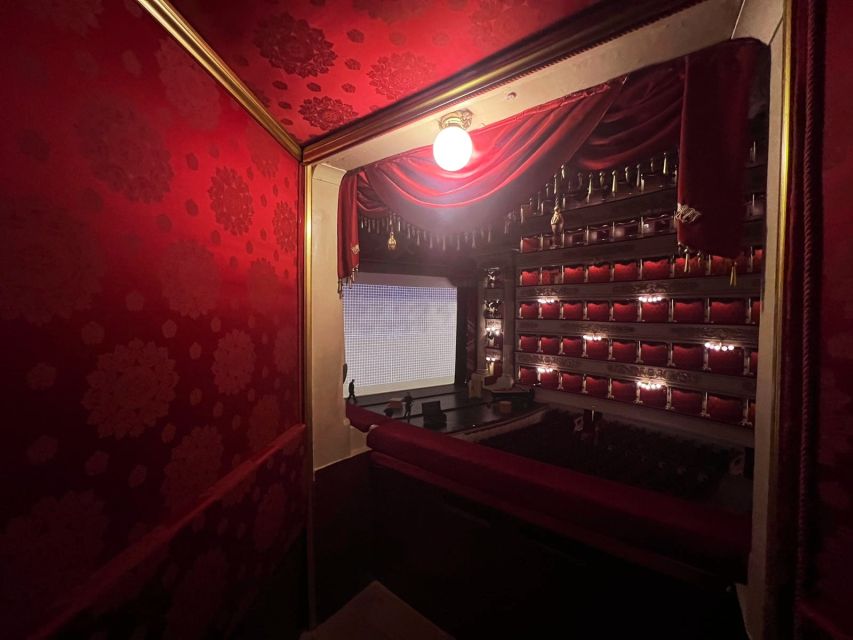
The stage may be visible, but it is not guaranteed. Rehearsals can close parts of the theater or block the usual view. This is not a minor footnote, since the auditorium is the central visual reward of the tour. The operator states clearly that no refund is provided if rehearsals prevent you from seeing the stage.
Still, the theater visit can remain worthwhile even with a limited stage view. You’ll see the architecture, hear the building’s story, and understand how the auditorium fits into La Scala’s musical life. Some visits have included a lucky glimpse of artists preparing, and one particularly fortunate small group even heard musicians playing privately. Treat that as a bonus, not as part of the promised program.
I would check the day’s conditions if seeing the stage is your main reason for booking. If the building has announced a rehearsal, the tour may adjust its timing when possible. One group was contacted the day before and accepted a small time change so the theater could be seen more fully.
Other evenings out in Milan:
- Milan: Entrance Ticket to La Scala Theatre Museum
★ 4.4 · 759 reviews - La Scala Theatre and Museum guided experience
★ 4.5 · 664 reviews - Milan: Skip-the-Line La Scala Museum Tour + Hop On Hop Off
★ 4.3 · 406 reviews - La Scala Theatre and Museum Tour in Milan With Private Guide
★ 3.5 · 384 reviews
The museum’s costumes, instruments, and stage designs
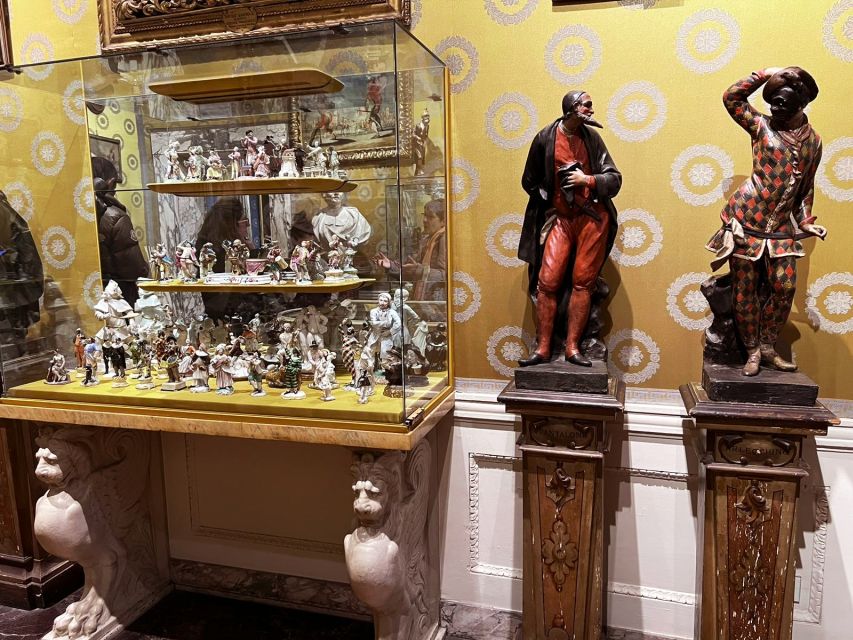
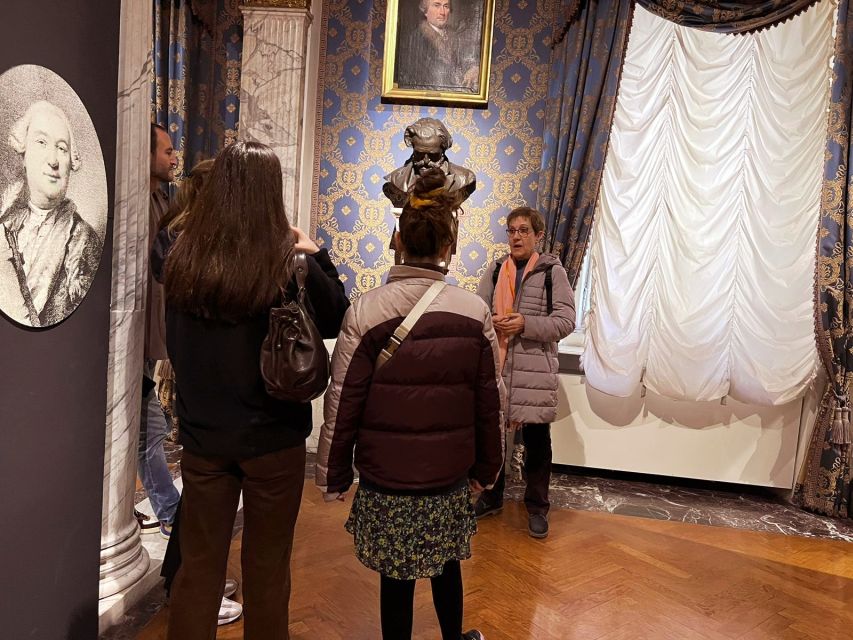
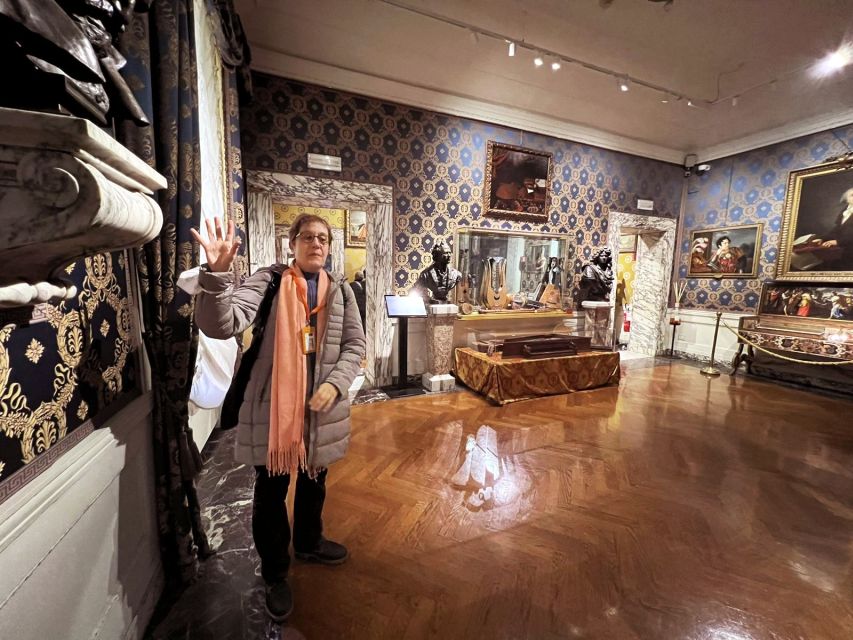
The museum is not filler before the theater. It holds costumes, set designs, musical instruments, and other material that helps you picture the work behind an opera performance.
This section is particularly useful if you are new to the subject. An opera house can seem remote when you only see a polished auditorium. Costumes and set designs show the visual labor behind a production, while instruments connect the theater to the musicians who fill it with sound.
You may also encounter displays connected with major performers. One visit included the Maria Callas museum area, which added another personal angle to the story of La Scala. Callas is closely tied to opera’s public image, so seeing material connected with her can give the museum more emotional pull.
The museum will appeal most to people who enjoy objects, biographies, and behind-the-scenes detail. If your only goal is the auditorium, part of the visit may feel slower. One person found the museum less interesting than the theater itself, especially compared with the main hall. I think that is a fair warning: allow yourself to enjoy the exhibits at their own pace rather than treating them as a quick corridor.
Stories about Verdi, Toscanini, Barenboim, and Callas
The best reason to choose a guided tour instead of visiting alone is the human story. La Scala’s history is full of composers, singers, conductors, rivalries, artistic choices, and changing ideas about opera. A guide can turn a display case or balcony into a doorway to that world.
Expect references to Giuseppe Verdi, Arturo Toscanini, and Daniel Barenboim, among other major figures. The exact focus depends on the guide, but the tour is designed to explain how these people shaped the theater and Milan’s musical identity.
The anecdotes also keep the hour from becoming a lecture. Several guides have been praised for humor, warmth, and a lively pace. One guide used funny stories about opera singers and composers, while another kept the group engaged by inviting questions and answering them clearly.
This is a good fit if you want to understand what you are seeing without studying opera beforehand. It is also useful if you already know the subject and want details that are easy to miss on a self-guided visit. If you want a long discussion of individual operas, however, the one-hour format may feel brief. The tour focuses on the theater, its people, its architecture, and the museum rather than presenting a full opera course.
How much value do you get for $44?
At $44 per person, this is not the cheapest way to spend an hour in Milan. The price includes entrance, reservation fees, and a professional guide, so you are paying for both access and interpretation.
I think the value is strongest when three things matter to you: saving time, seeing the auditorium, and getting the stories explained in English or French. Without a guide, you could still appreciate the room and museum, but you would lose much of the context that makes La Scala important.
The reserved entry also matters more during a tight Milan schedule. The tour sits close to the Duomo and Galleria, and its one-hour length leaves room for lunch, shopping, or another museum. If you are building a packed day, a short guided visit is easier to fit than a long theater program.
The value drops if the stage is your only priority and a rehearsal blocks it. You also may not enjoy paying for a guided format if you prefer to browse museum objects quietly. In that case, the visit still offers access to La Scala, but the guide-led structure may feel less necessary.
The flexible booking terms help reduce the risk. You can reserve now and pay later, and cancellation is free up to 24 hours before the tour for a full refund. The rehearsal exception remains the main limitation.
Who will enjoy this La Scala visit most?
I would recommend the tour to first-time visitors who want a clear introduction to Milan’s opera tradition. You do not need specialist knowledge, and the guides explain the subject in an approachable way.
It also suits classical music fans who want to connect famous names with a real place. Reading about Verdi or Toscanini is one thing. Hearing their stories inside La Scala gives those names a physical setting.
Families with older children may find the one-hour length manageable, especially if the guide uses anecdotes and humor. The museum’s costumes and stage designs can help hold attention better than a long talk about dates and architecture.
People with limited mobility should be cautious. The experience is not suitable for people with mobility impairments, and the supplied details do not promise step-free access or seating arrangements. Ask the provider directly if you need specific access information.
This is less suitable for anyone seeking a performance. You are touring the theater and museum, not attending an opera. A rehearsal glimpse may happen, but it is not guaranteed, and the tour does not replace a ticket to a staged production.
Practical details that affect your visit
The tour is offered in English and French. Headsets are provided when more than five people are in the group, which should make the guide easier to follow in a busy building.
Food and drinks are not included, and neither is pickup or drop-off. That is normal for a central Milan walking visit, but you should plan your route to La Scala yourself.
Weapons and sharp objects are not allowed. The tour goes ahead in all weather, and the meeting point remains outside the ticket office at Largo Antonio Ghiringhelli 1.
The stage may be unavailable because of rehearsals. This can affect the visual highlight of the visit, so keep your expectations realistic. You might see artists preparing or catch a rehearsal, but those moments are luck rather than a scheduled feature.
Allow a little time before the official start to find the sign and guide. After the tour, you return to the Teatro alla Scala Museum, making it easy to continue through central Milan on foot.
Should you book the La Scala tour?
Book it if you want a compact, well explained introduction to one of Milan’s most important cultural buildings. The strongest parts are the reserved entry, the elegant auditorium, the museum collection, and guides who bring opera’s famous names down to a human scale.
I would be especially comfortable recommending it to first-time visitors, classical music fans, and anyone who wants more than a quick photograph of the chandelier. The $44 price is reasonable when you value the guide and time saved.
Think twice if you need guaranteed stage access, have mobility limitations, or care little for opera and theater history. The stage can be closed during rehearsals, and the museum may interest you less than the auditorium.
For most visitors, this is a smart one-hour addition to a central Milan itinerary. Just treat the stage view as a possibility, not a promise, and you’ll be prepared to enjoy the building, the stories, and the museum for what they are.
FAQ
How long does the La Scala guided tour last?
The guided visit lasts one hour.
Where does the tour meet?
Meet at Largo Antonio Ghiringhelli 1, in front of the Teatro alla Scala ticket office. The guide holds a sign with the tour name and the Wander Italy logo.
What languages are available?
The tour is available in English and French.
Is entrance to La Scala included?
Yes. Entrance and reservation fees are included in the $44 per person price.
Are headsets provided?
Headsets are provided when there are more than five people in the group.
Is the stage guaranteed to be visible?
No. Rehearsals may prevent you from seeing the stage, and no refund is issued if the stage cannot be viewed.
Is hotel pickup included?
No. Pickup and drop-off are not included.
Can I cancel for a full refund?
Yes. You can cancel up to 24 hours in advance for a full refund. You can also reserve now and pay later.
Just added in Milan
- Highlights and hidden gems of Milan Bike Tour★ 5.0 · 491 reviews
- Milan Gourmet Tour: A Premium Tasting Experience by Do Eat Better★ 5.0 · 241 reviews
- Private Milan Food Walking Tour of Brera★ 5.0 · 217 reviews
- Leonardo3 The World of Leonardo: Tickets for the Interactive Exhibition★ 4.0 · 220 reviews
- Da Vinci’s Last Supper and Santa Maria delle Grazie Church Tour★ 4.5 · 218 reviews
- Learn to Cook Italian Recipes with an Italian Chef★ 5.0 · 283 reviews
- La Scala Theatre and Museum guided experience★ 4.5 · 664 reviews
- La Scala Theatre and Museum Tour in Milan With Private Guide★ 3.5 · 384 reviews
Opera & Classical Concerts, compared.
La Fenice Opera House Entry Ticket with Audio Guide
Read our review →
Milan’s Must See: Half-Day Tour of Last Supper, Duomo & La Scala
Read our review →
Interpreti Veneziani Concert at Church of San Vidal
Read our review →
Santa Monaca Church Italian Opera Concert Ticket
Read our review →
Vivaldi’s Four Seasons Live Classical Music Concert
Read our review →
Vivaldi’s Four Seasons Concert & Music Museum Visit
Read our review →Browse the lists this tour appears in