
Reviewed · OPERA & CLASSICAL CONCERTS
Milan: La Scala Theater and Museum Tour with Entry Tickets
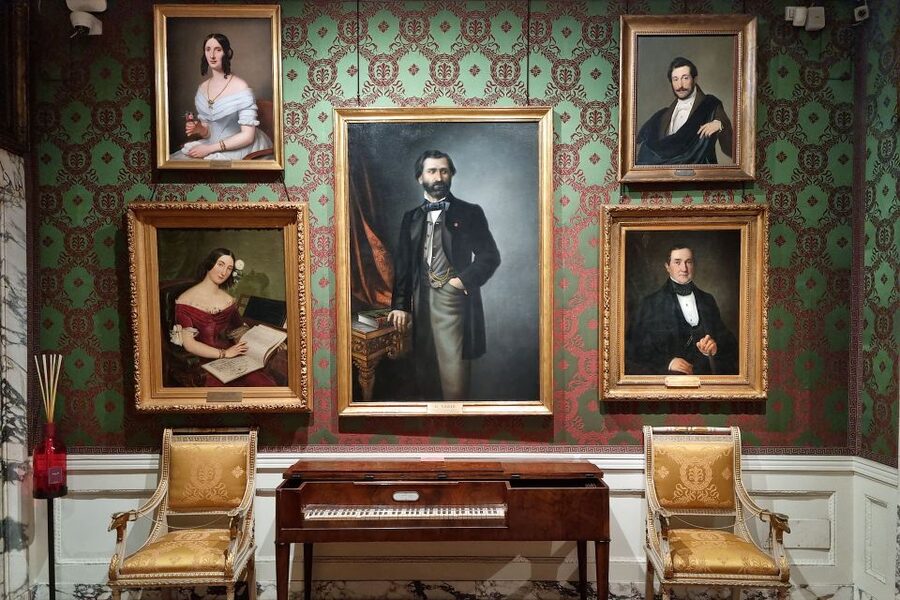
La Scala’s real magic is not only the red velvet and gilded boxes. It is the link between the building and the artists who made it famous. A good guide, including guides such as Eddy, Silvia, Simone, or Daniele, turns the museum’s costumes, portraits, and instruments into stories about Verdi, Maria Callas, Toscanini, Pavarotti, and ballet star Carla Fracci.
I like the view from one of the boxes, where you can sit for a moment and look down toward the stage. I also like the chance to keep exploring after the one-hour tour, especially if you want more time with the exhibits or happen to catch part of a rehearsal.
The main consideration is access to the auditorium. Rehearsals and events can restrict the visit to the museum, so the theater view is not guaranteed in the same way every day.
Key points at a glance
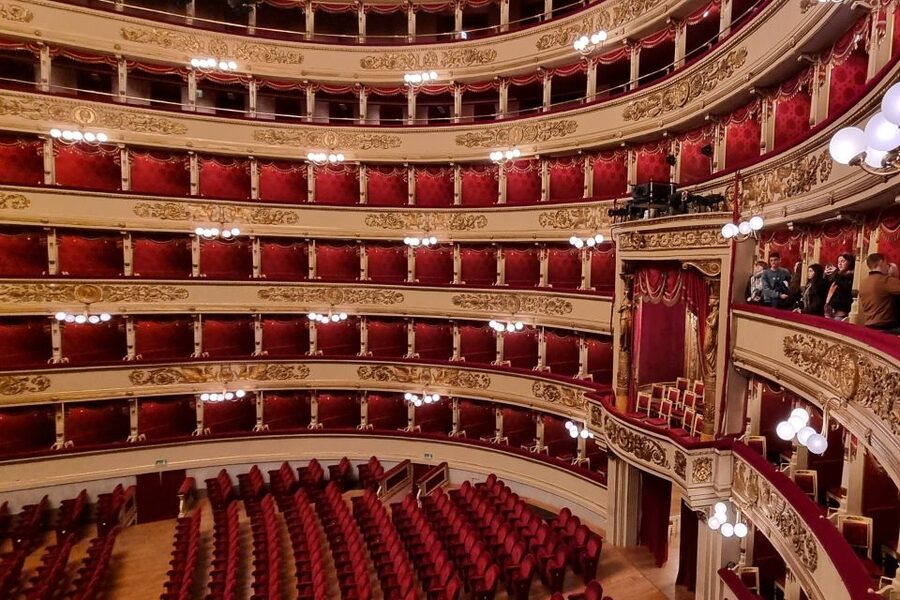
- A box-seat view of La Scala: On suitable visits, you can look into the auditorium and sit in a box for a few minutes.
- Stories bring the museum to life: The guide connects costumes, instruments, portraits, and busts with the artists who used them.
- A short but focused visit: The tour lasts one hour, making it easy to fit into a day around the Duomo and central Milan.
- A useful opera introduction: You do not need a strong background in opera or ballet to follow the stories.
- Rehearsals may change the route: Events can limit access to the theater itself, and the museum may be the main part of your visit.
- Good sound in a group: Headsets are provided for groups of 10 or more, which helps when the guide moves through busy rooms.
Why La Scala feels different from a regular museum
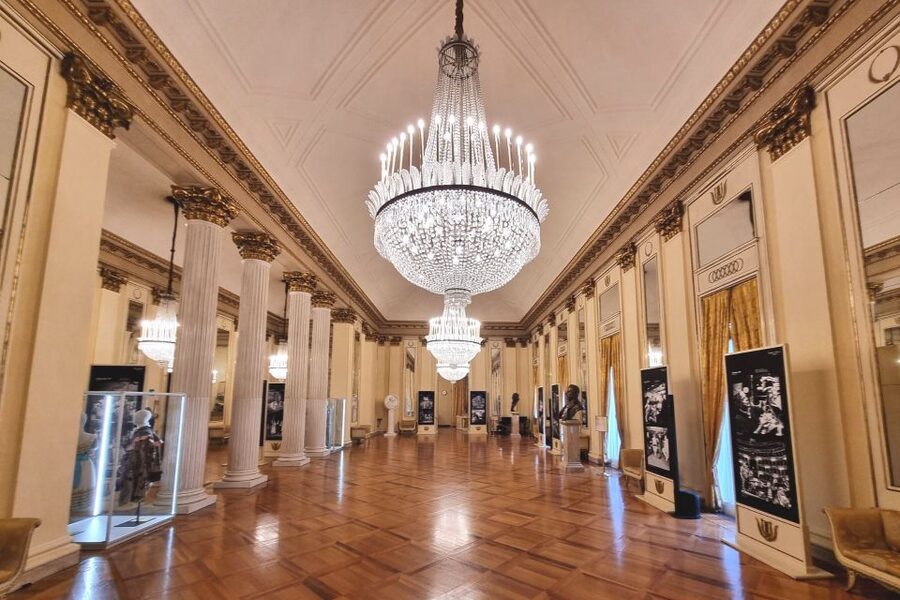
Many theater museums can feel like storage rooms for old costumes. La Scala has a stronger sense of place because the displays sit beside one of the world’s best-known opera stages.
The theater opened in 1778, and the tour follows roughly 240 years of performances, changes, and famous personalities. The building itself is the attraction, but the guide gives you the context that a quiet walk through display cases cannot provide.
You will hear about singers, composers, conductors, and dancers who shaped the theater. Verdi, Arturo Toscanini, Maria Callas, Luciano Pavarotti, and Carla Fracci all appear in the story, but the point is not simply to list famous names. The guide explains how their careers connected to La Scala and why certain performances still matter.
That human detail is what makes the visit work for people who are not opera experts. Several guides use humor and anecdotes rather than giving you a dry chronology. One guide, Eddy, has been especially praised for his storytelling, while Silvia, Simone, and Daniele have also led lively tours. Guide assignments can change, so book this for the format rather than for one particular person.
More Opera and Classical Concerts in Milan
- Milan’s Must See: Half-Day Tour of Last Supper, Duomo & La Scala
★ 4.0 · 4,193 reviews - Milan: La Scala Theater & Museum Guided Experience
★ 4.1 · 2,931 reviews - Milan: Entrance Ticket to La Scala Theatre Museum
★ 4.4 · 759 reviews
The museum: costumes, instruments, and famous faces
The museum is the reliable core of the experience. Its galleries contain stage costumes, musical instruments, portraits, and busts of major figures from musical history.
Costumes are useful because they show how opera and ballet function as visual arts, not only as music. A costume can reveal the period of a production, the role of a performer, or the way a famous staging was designed. You might also notice how theatrical clothing differs from ordinary historical dress, since it must work under stage lights and communicate character from a distance.
The instruments provide another entry point. If you know little about opera, the guide can explain how the orchestra supports the singers and how different instruments shape a performance. One guide even used music from a phone to illustrate composers and instruments. That is not guaranteed, but it shows the practical approach this tour can take.
Portraits and busts add a human layer. Instead of meeting only polished names from a program, you see the faces connected with the theater’s past. The guide’s anecdotes about artists’ careers and personalities help you understand La Scala as a workplace filled with demanding performers, rivalries, habits, and strong characters.
Plan to spend extra time in the museum after the guided portion. The scheduled tour is only one hour, and that hour moves at a steady pace. If you stop at every display, you will need longer than the guided route allows.
Seeing the auditorium from a box
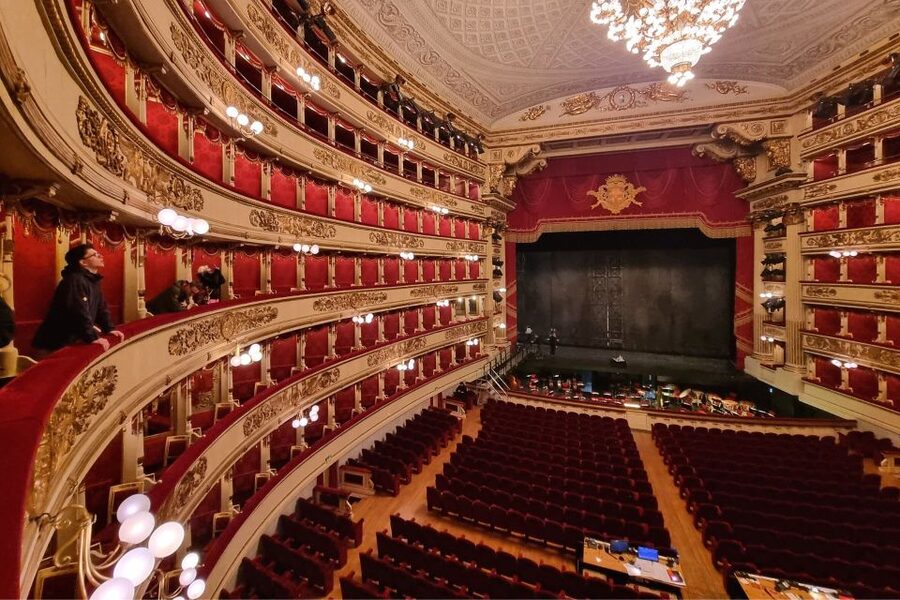
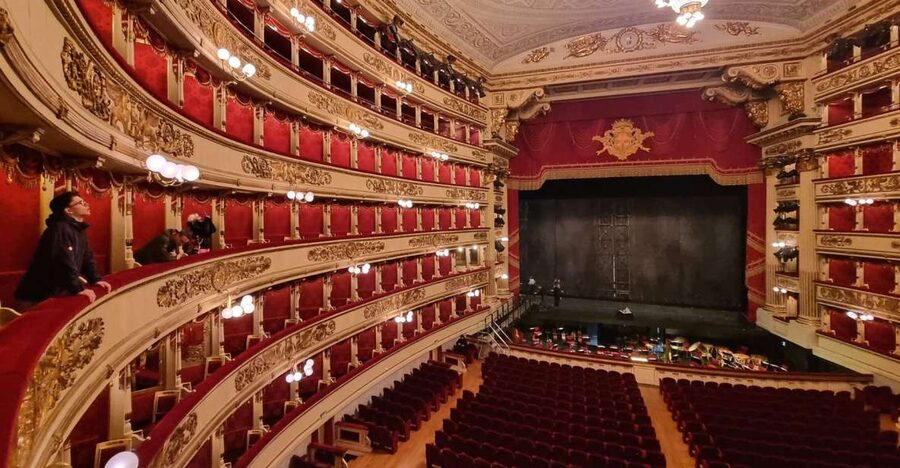
For many people, the high point is the moment you look into Teatro alla Scala from one of its boxes. From there, you can take in the stage, seating, and formal decoration in a way that feels more connected to the theater’s original purpose than a museum display does.
You may be allowed to sit for a few minutes in a box. This is a small detail, but it matters. Sitting rather than simply peering through a doorway lets you imagine what attending a performance might have felt like, even if you are not attending an opera that evening.
The view is also excellent for photographs, although you should follow the staff’s instructions and accept that access can vary. The auditorium may be partly closed because of rehearsals or events. In some cases, you will see only the museum, or you will have a more limited glimpse from the upper boxes.
That uncertainty is the one real weakness of the experience. The promotional appeal naturally centers on the theater, but the museum is not a consolation prize. It is a substantial part of the visit. Still, if seeing the full auditorium is your main reason for booking, check the conditions on the day and keep your expectations flexible.
Rehearsals can create an unexpected bonus
A rehearsal is not promised, but it can transform the visit. Several people were able to return to the theater after the guided portion and watch singers or the orchestra practicing.
This is a different experience from attending a finished performance. You may see the working side of opera, with musicians repeating sections and performers preparing for a later production. The lack of costumes and applause can make the process feel more revealing.
Do not count on this when deciding if the tour is worth the price. Rehearsals depend on the theater schedule, and the information provided specifically warns that rehearsals and events can restrict access. Treat any rehearsal viewing as an unexpected extra, not part of the guaranteed itinerary.
If you are lucky enough to find one in progress, remain quiet and respect instructions. You are watching working artists, not a public show.
Other evenings out in Milan:
- Milan: La Scala Theatre Skip-the-line Guided Tour
★ 4.5 · 728 reviews - La Scala Theatre and Museum guided experience
★ 4.5 · 664 reviews - Milan: Skip-the-Line La Scala Museum Tour + Hop On Hop Off
★ 4.3 · 406 reviews - La Scala Theatre and Museum Tour in Milan With Private Guide
★ 3.5 · 384 reviews
What the one-hour route feels like
The pace is brisk but manageable. The guide leads you through the museum, pauses at selected objects, and adds the stories that connect them to La Scala. The route is short enough for most people to follow without tiring, but it can feel too brief if you want to study every case.
You can expect a mix of explanation and visual stops:
- The theater’s long history and major changes
- Stories about composers, conductors, singers, and dancers
- Costumes and instruments from the collection
- Portraits and busts of notable musical figures
- A view into the auditorium when access allows
- Advice on continuing through the museum independently
The guide is the main reason to choose the tour instead of entering alone. A solo visit gives you the objects, but not necessarily the connections between them. The best guides add music, humor, and small personal details that help you remember what you saw.
Headsets are included for groups of 10 or more. This is useful in a theater museum, where voices can carry poorly and a guide should not need to shout. One person did note that a microphone became harder to hear when the guide turned away, so headset quality helps but does not remove every sound problem.
Is $34 good value?
At $34 per person, this is a fair price if you want an introduction to La Scala rather than a long specialist visit. The ticket includes entry to both the theater and museum, plus the guided explanation. You are paying for access and interpretation, not simply for a building entrance.
The value improves if you use the opportunity to stay afterward. The guided part lasts one hour, but the museum can reward a slower second look. Read the labels, return to the costumes that caught your attention, and revisit the theater view if staff allow it.
The price is less compelling if you mainly want an unrestricted tour of backstage areas, the stage, dressing rooms, or the auditorium floor. Those areas are not promised. The experience focuses on the museum and a limited view into the theater.
Compared with attending an opera, the cost is modest. It lets you understand the institution without buying a performance ticket or committing to an evening program. It also works well for a first visit to Milan, since the location is central and the one-hour format leaves room for the Duomo, Galleria Vittorio Emanuele II, or another nearby sight.
Who will enjoy this La Scala tour most
I would choose this tour if you are curious about opera but do not know where to begin. The guide explains the subject in plain terms and uses stories rather than assuming you can identify every composer or singer.
It is also a good fit for ballet fans, music students, architecture enthusiasts, and anyone who enjoys historic interiors. The museum’s ballet material and the references to Carla Fracci give the visit more range than an opera-only presentation.
Families can benefit from the short duration, though children will get more from it if they like costumes, famous people, or music. Wheelchair users and people with strollers can access the tour, according to the activity details.
I would be more cautious if you need guaranteed full access to the auditorium. Rehearsals and events can alter the route. I would also avoid bringing large luggage or oversized bags, since these are not allowed.
Practical planning for your hour at La Scala
The meeting point can vary with the option you book, so check your confirmation carefully rather than assuming every departure begins in the same spot. Starting times also vary, and availability should be checked before you settle the tour into your Milan schedule.
The tour operates rain or shine, though most of the experience is indoors. Wear comfortable shoes, especially if you are combining La Scala with a full day in central Milan.
English and French tours are available. If you are booking for a large group, the included headsets from 10 participants should make it easier to follow the guide.
Cancellation is flexible up to 24 hours before the activity for a full refund, and you can reserve now and pay later. That is useful when your Milan plans depend on train times, weather, or other timed attractions.
The activity is wheelchair accessible, and strollers are permitted. Pets and large bags are not allowed.
How to get more from the visit
Before you enter, decide what you want from La Scala. If you want a basic introduction, stay close to the guide and let the stories carry you. If you already know opera well, listen for details about productions, performers, and the theater’s working life.
During the museum route, note the objects that you want to revisit. The hour passes quickly, and it is easy to remember only the headline names unless you pause afterward.
If the theater is open to the group, take the time to sit in the box and look carefully rather than rushing through for a photograph. Notice the relationship between the boxes, the stage, and the seating area. The view is part of the experience, not just a photo stop.
After the tour, ask if you may continue independently. This has allowed people to spend more time in the museum and, on some occasions, return for another look at the auditorium or watch a rehearsal. Permission and access depend on theater activity, so ask politely and follow the staff’s answer.
Should you book it?
Book this tour if you want an efficient, story-led introduction to La Scala for $34. The strongest reasons are the guides, the museum collection, the anecdotes about major artists, and the chance to sit in a box and look toward the stage.
Do not book it expecting a guaranteed backstage visit or a full walk across the auditorium. Those are not part of the promise, and rehearsals can reduce the theater portion.
For most first-time visitors, I think the format works well. You get the essential setting, a human explanation of the music world behind it, and enough free time afterward to look again. If the theater is active that day, you might even see La Scala doing what it was built to do.
FAQ
How long does the La Scala Theater and Museum tour last?
The guided tour lasts one hour. You may also be able to continue exploring the museum independently after the guided portion.
What does the $34 price include?
The price includes entry tickets to La Scala Theater and Museum, along with the guided tour.
Is the tour available in English?
Yes. The tour is available with a live guide in English or French.
Can I see the La Scala auditorium?
You may get a view into the auditorium, often from a box, but access can be limited by rehearsals or events. On some days, the visit may be restricted to the museum.
Can I sit in one of the theater boxes?
Access to sit in a box has been available on some tours, but it depends on the theater’s operating conditions and the route allowed that day.
Can I watch a rehearsal?
A rehearsal is not guaranteed. If one is taking place and access is permitted, you may be able to watch part of it after the guided tour.
Is the tour wheelchair accessible?
Yes. The tour is wheelchair accessible, and strollers are also permitted.
Are headsets provided?
Headsets are provided when the group has 10 or more participants.
Can I bring a large bag or luggage?
No. Luggage and large bags are not allowed. Pets are also not allowed.
Can I cancel for a refund?
Yes. You can cancel up to 24 hours in advance for a full refund. You can also reserve now and pay later.
More museums and galleries in Milan
- Milan: Science and Technology Leonardo da Vinci Museum Entry
★ 4.5 · 7,169 reviews - Official San Siro Stadium and Museum Guided Tour
★ 4.4 · 3,573 reviews - Milan: Leonardo3 The World of Leonardo Museum Entry Ticket
★ 4.4 · 3,241 reviews - Milan: Pinacoteca Ambrosiana & da Vinci Codex Exhibition
★ 4.6 · 1,816 reviews
Just added in Milan
- Highlights and hidden gems of Milan Bike Tour★ 5.0 · 491 reviews
- Milan Gourmet Tour: A Premium Tasting Experience by Do Eat Better★ 5.0 · 241 reviews
- Private Milan Food Walking Tour of Brera★ 5.0 · 217 reviews
- Leonardo3 The World of Leonardo: Tickets for the Interactive Exhibition★ 4.0 · 220 reviews
- Da Vinci’s Last Supper and Santa Maria delle Grazie Church Tour★ 4.5 · 218 reviews
- Learn to Cook Italian Recipes with an Italian Chef★ 5.0 · 283 reviews
- La Scala Theatre and Museum guided experience★ 4.5 · 664 reviews
- La Scala Theatre and Museum Tour in Milan With Private Guide★ 3.5 · 384 reviews
Opera & Classical Concerts, compared.
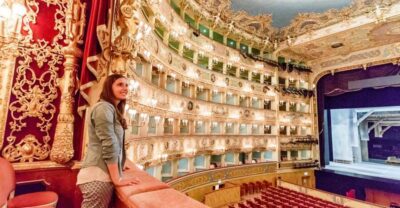
La Fenice Opera House Entry Ticket with Audio Guide
Read our review →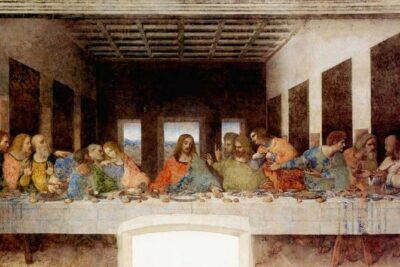
Milan’s Must See: Half-Day Tour of Last Supper, Duomo & La Scala
Read our review →
Interpreti Veneziani Concert at Church of San Vidal
Read our review →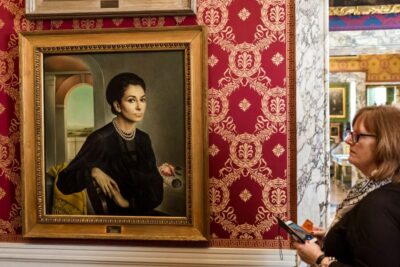
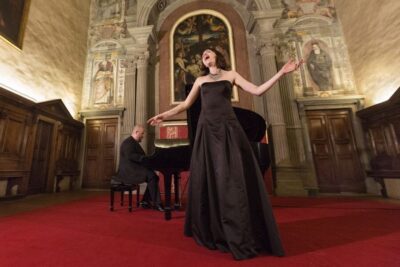
Santa Monaca Church Italian Opera Concert Ticket
Read our review →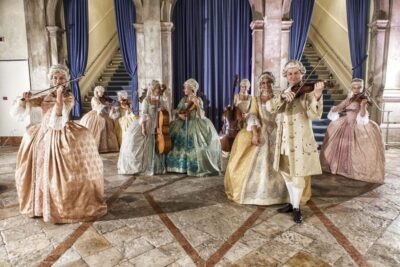
Vivaldi’s Four Seasons Live Classical Music Concert
Read our review →
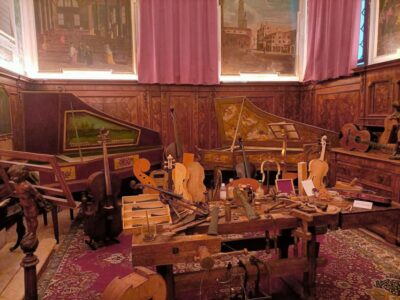
Vivaldi’s Four Seasons Concert & Music Museum Visit
Read our review →Browse the lists this tour appears in