
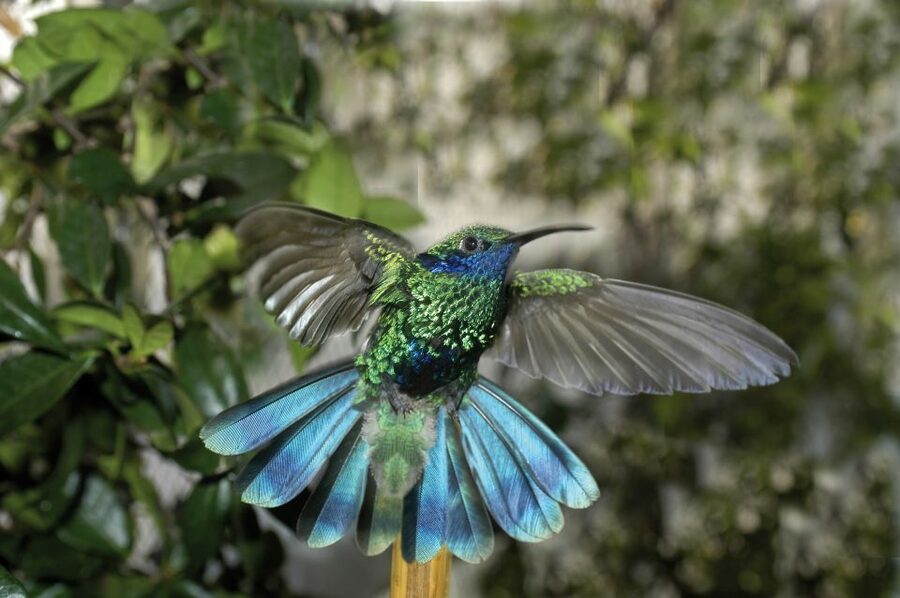
Reviewed · ITALY
Genoa: Biosfera Entrance Ticket
Genoa’s Biosfera is a small tropical forest inside a striking steel and glass dome at the Old Port. Renzo Piano designed the building, and its unusual shape makes it worth noticing before you even step inside. The $7 ticket gives you a quick look at more than 150 animal and plant species in a carefully maintained setting.
I like two things here: the chance to see rare tropical plants up close, including tall tree ferns, coffee, banana, cinnamon, and chewing gum plants, and the clear conservation message about fragile forests threatened by human use. The main drawback is size. You may spend only 10 to 20 minutes inside, so this works best as a compact stop, not a half-day outing.
Key points at a glance
- Renzo Piano’s steel and glass dome: The architecture is part of the appeal, especially from the Old Port.
- More than 150 species: You can see tropical birds, plants, and other wildlife in a warm forest setting.
- Rare tropical plants: Look for tree ferns, coffee, banana, cinnamon, and chewing gum plants.
- A short visit: The interior is small, and some people finish in about 10 minutes.
- Strong conservation theme: The visit explains why tropical ecosystems need protection and how your choices affect them.
- Easy access: The Biosfera is wheelchair accessible, skips the ticket line, and does not allow pets.
A tropical forest at Genoa’s Old Port
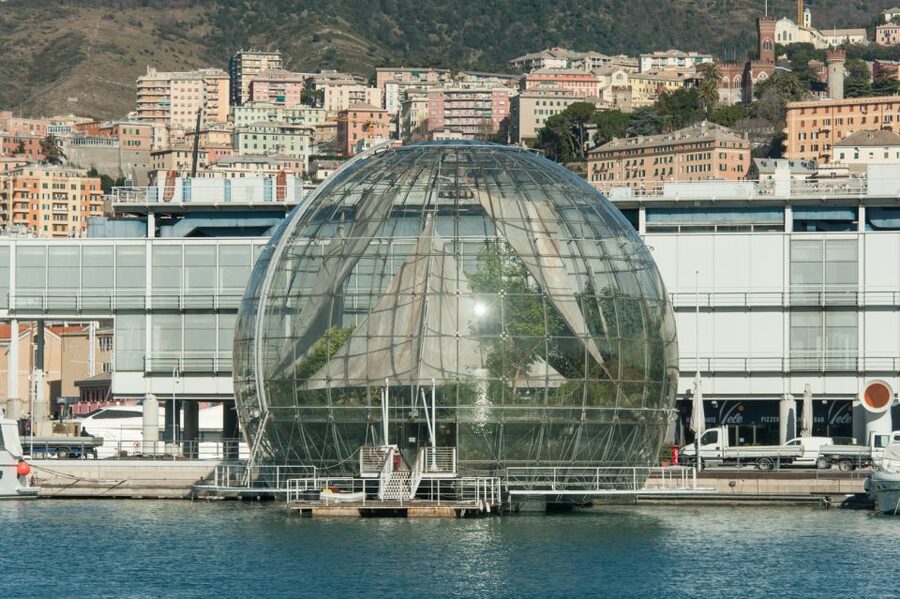
The Biosfera sits in the Old Port, where its round steel and glass shell catches your eye against the waterfront. The design is by Renzo Piano, the Genoese architect known for giving modern buildings a light, practical feel. Here, the structure looks almost like a glass bubble set on the water.
I recommend taking a moment to look at the exterior before entering. This is not a grand museum building with long galleries and monumental rooms. Its appeal comes from the contrast between the delicate-looking shell and the dense tropical environment inside.
The location makes the Biosfera easy to add to a day around Genoa’s port area. You do not need to commit to a long excursion, guided walk, or complicated transport plan. You simply visit the dome, spend a short spell among the plants and animals, then continue with the rest of the city.
A few more things to do in Italy
- Vatican: Museums & Sistine Chapel Entrance Ticket
★ 4.5 · 144,003 reviews - Milan: Cathedral and Duomo’s Terraces Entrance Ticket
★ 4.6 · 61,054 reviews - Venice: Doge’s Palace Reserved Entry Ticket
★ 4.6 · 42,716 reviews
What you see inside the glass dome
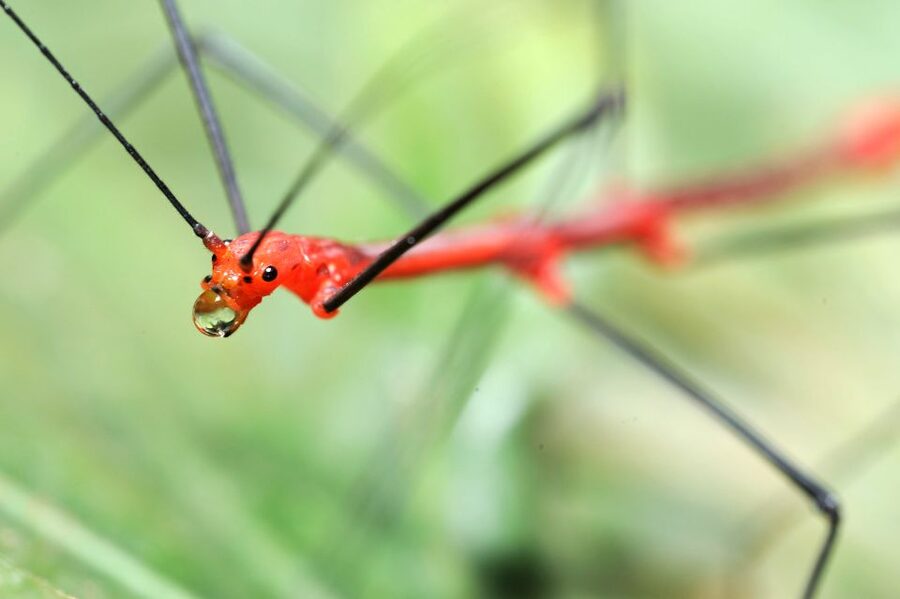
Once inside, you enter a warm, humid environment designed to resemble a tropical forest. The air may feel noticeably moist, so light clothing can make the visit more comfortable. The compact layout means you can walk around the central area and see the collection from several angles.
The main attraction is the mix of flora and fauna in one enclosed space. More than 150 species are represented, giving you a chance to look closely at plants, birds, and other wildlife rather than viewing a distant forest scene.
The experience is not arranged as a long route with many separate rooms. Instead, it is a concentrated look at a tropical ecosystem. That makes it easy to understand, but it also explains why the visit can feel brief.
You may choose to walk around more than once. A slow circuit can take around 20 minutes, while a quick look may take closer to 10 minutes. The small size is the most common reason people leave feeling the ticket was short. If you arrive expecting a large botanical garden, you will likely be disappointed. If you treat it as a well-made Old Port stop, the scale makes more sense.
The plants are the strongest reason to enter
The plant collection gives the Biosfera much of its character. You can see rare tropical specimens that would not survive outdoors in Genoa’s climate. Tree ferns are among the most notable sights, and the display includes some of the tallest tree ferns in the world.
Look also for the chewing gum tree, coffee plant, banana tree, and cinnamon. These are useful plants to see in living form, especially if you normally encounter coffee beans, bananas, or cinnamon only as food products. The setting connects familiar everyday items with the forests where they grow.
I like this part of the visit because it makes the conservation message concrete. Tropical forests are not just distant green spaces. They contain plants with direct links to daily life, along with species whose survival depends on stable habitats.
The plants also help fill the limited space. Even if you have seen tropical birds before, the vegetation gives you more to notice on a second circuit. Pay attention to height, leaf shape, and the way the plants create shelter for the animals.
Birds, wildlife, and a closer look at fragile habitats
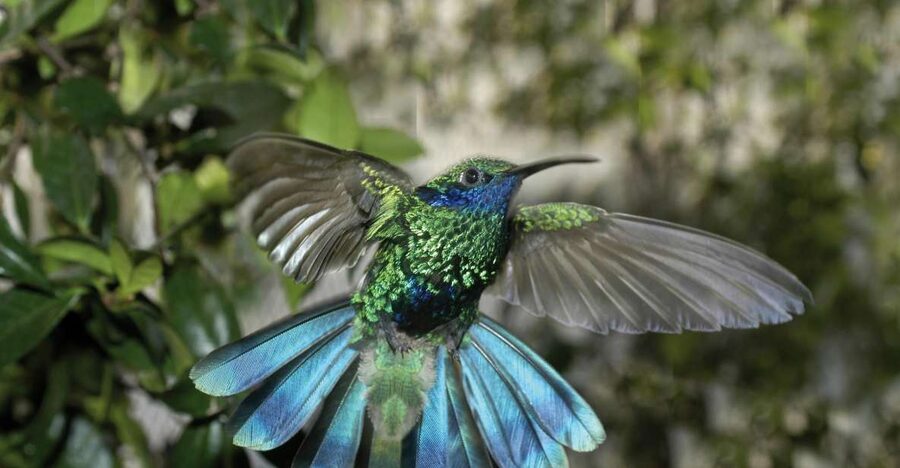
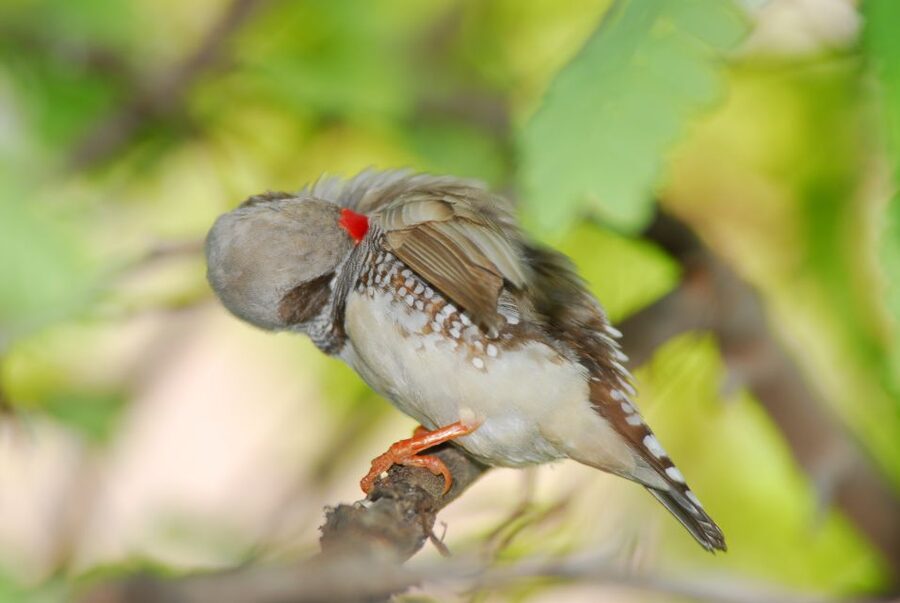
The Biosfera is home to more than 150 wildlife varieties, with birds among the most noticeable animals inside. The compact setting lets you observe the relationship between animals and plants at close range.
This is not a large zoo or a safari-style attraction. You will not spend hours moving between spacious animal enclosures. Instead, the experience gives you a quick look at creatures living among tropical vegetation.
That distinction matters when you decide how to spend your money. At $7 per person, the ticket is modest, but the visit is also short. I see it as a good value for someone already exploring the Old Port, particularly if you enjoy botany, small animal displays, or modern architecture. It is weaker value if you are buying it as your main attraction of the day.
The animal collection also supports the educational purpose. The Biosfera is not only presenting attractive plants and birds. It asks you to think about the pressure placed on tropical forests by human exploitation and about the part people can play in protecting them.
Same base, a different kind of day:
- Vatican Museums & Sistine Chapel Tour with Optional Basilica
★ 4.3 · 67,413 reviews - Colosseum, Roman Forum & Palatine Guided Tour
★ 4.7 · 63,148 reviews - Vatican Museums, Sistine Chapel & St Peter’s Basilica Guided Tour
★ 4.5 · 39,149 reviews - Rome: Colosseum, Palatine Hill and Roman Forum Guided Tour
★ 4.8 · 32,814 reviews
Conservation is more than a sign on the wall
The conservation message gives the Biosfera a useful purpose beyond decoration. Tropical forests contain delicate systems that can be damaged when land and natural resources are used carelessly. Inside the dome, you can connect that broad idea with living plants and animals in front of you.
You also learn how your own choices affect the survival of these species. The activity presents conservation as something that involves people, not only scientists, parks, or distant governments.
Do not expect a long lecture or a detailed specialist course. The experience is brief, and the information is designed to work alongside the displays. Still, the message adds value to a small attraction. You are not just looking at a banana plant or a tree fern. You are seeing examples of species that rely on threatened tropical habitats.
For families, this can be a simple way to start a conversation about forests, food, and responsible use of natural resources. For adults, the conservation theme gives the visit more substance than a quick photo stop.
How long should you allow?
Plan for a short visit. The ticket is valid for the selected date, but that does not mean you need to spend an entire day at the Biosfera. The interior is compact, and many people finish in roughly 10 to 20 minutes.
A slower visit gives you time to repeat the circuit and look carefully at the plants and animals. One person may walk around seven times at an easy pace and still spend only about 20 minutes inside. Another person may see the main sights in two minutes.
That range is important. The Biosfera can feel worthwhile if you have a free gap in your schedule. It can feel underwhelming if you travel across Genoa only for this one attraction.
I would place it alongside other Old Port plans rather than build your day around it. The ticket line is skipped, so entry should be simple, and the short visit makes it easy to fit between larger activities. The available start times vary, so check the selected date when booking.
Is the $7 ticket good value?
At $7 per person, the price is low compared with many major attractions. The cost is easiest to justify when you want a brief indoor stop with plants, animals, and a building worth seeing.
The value is less convincing if you expect a full botanical garden or a large wildlife center. The Biosfera is small. A careful visit may last 20 minutes, while a fast visit may end in 10 minutes or less.
I would judge the price this way:
- Good value: You are already at the Old Port and enjoy tropical plants, birds, conservation, or architecture.
- Fair value: You have children who need a short, easy activity between other sights.
- Poorer value: You want several hours of exhibits or a major stand-alone attraction.
The ability to cancel up to 24 hours ahead for a full refund reduces the risk of booking. You can also reserve now and pay later, which helps if you are still arranging your Genoa schedule. Just remember that the ticket is valid only on the date selected.
Access, comfort, and useful planning notes
The Biosfera is wheelchair accessible, making it a practical choice for people who need step-free access. The ticket includes entry, and pets are not allowed.
The humidity is the main comfort issue. Tropical conditions are part of the point, but the warm, moist air may feel heavy, especially if you are moving around in outdoor clothing. Keep your visit short if the humidity bothers you.
There is no guide name or guided commentary provided for this activity. You explore the Biosfera on your own, so you should choose it if you are happy to take in the plants, animals, architecture, and conservation ideas without a scheduled tour leader.
The experience is not built around a long itinerary. There is one main stop, the Biosfera itself, with the exterior architecture and the Old Port providing extra interest before and after entry.
Who will enjoy the Biosfera most?
I would recommend this activity to you if you like compact attractions with a clear theme. Plant lovers will find the rare tropical specimens most rewarding. Families may appreciate the simple route and short duration. Architecture fans will enjoy seeing how Renzo Piano’s glass structure sits within the port.
It also suits people with limited time. A 10 to 20 minute visit does not demand a major change to your day, and the ticket line is skipped.
I would be more cautious if you want a large collection, extensive interpretation, or a long indoor activity. The small size is not a hidden detail. It is the central fact to keep in mind.
The experience earns a middling overall rating of 3.9 out of 5 from 283 ratings, which fits the practical picture: the plants and careful tropical reproduction are the strongest features, while the short visit lowers the value for some people.
Should you book the Genoa Biosfera?
Book it if you are already near the Old Port, want a quick nature break, and like the idea of seeing coffee, banana, cinnamon, chewing gum, and tree fern plants in a tropical setting. The Renzo Piano structure and conservation message add interest beyond the animal displays.
Skip it if you need a major attraction to fill several hours. At $7, the risk is limited, but the small interior means you should treat the Biosfera as a short addition to your Genoa plans, not the main event. For the right schedule, it is a pleasant, focused stop. For the wrong expectations, it is over almost as soon as you have adjusted to the humidity.
FAQ
Where is the Genoa Biosfera located?
The Biosfera is located at the Old Port of Genoa in Liguria, Italy.
How much does admission cost?
The listed price is $7 per person.
How long is the Biosfera experience?
The ticket is valid for one day, but the actual visit is usually short. You may spend about 10 to 20 minutes inside, depending on how slowly you explore.
What can I see inside the Biosfera?
You can see more than 150 animal and plant species from tropical environments, including birds and rare tropical plants.
Which plants are displayed?
The collection includes tree ferns, a chewing gum tree, coffee plants, banana trees, and cinnamon plants.
Who designed the Biosfera?
The steel and glass structure was designed by architect Renzo Piano.
Is the Biosfera wheelchair accessible?
Yes, the activity is wheelchair accessible.
Can I bring a pet?
No. Pets are not allowed inside the Biosfera.
Can I cancel my ticket?
Yes. You can cancel up to 24 hours in advance for a full refund.
Can I reserve now and pay later?
Yes. The activity offers reserve now and pay later, so you do not need to pay at the time of booking.
Is the ticket valid on any day?
No. The ticket is valid only on the date selected when booking.
Just added in Italy
- Highlights and hidden gems of Milan Bike Tour★ 5.0 · 491 reviews
- Milan Gourmet Tour: A Premium Tasting Experience by Do Eat Better★ 5.0 · 241 reviews
- Private Milan Food Walking Tour of Brera★ 5.0 · 217 reviews
- Leonardo3 The World of Leonardo: Tickets for the Interactive Exhibition★ 4.0 · 220 reviews
- Da Vinci’s Last Supper and Santa Maria delle Grazie Church Tour★ 4.5 · 218 reviews
- Learn to Cook Italian Recipes with an Italian Chef★ 5.0 · 283 reviews
- La Scala Theatre and Museum guided experience★ 4.5 · 664 reviews
- La Scala Theatre and Museum Tour in Milan With Private Guide★ 3.5 · 384 reviews