
Reviewed · WALKING TOURS
Genoa: 2-Hour Guided Walking Tour of the Historical Center
Genoa’s Old Town is easiest to understand from street level, where narrow Caruggi alleys suddenly open onto grand squares, churches, and aristocratic palaces. This two-hour walk connects the city’s major sights with the stories that make them meaningful, from the Doria family to the port’s medieval power.
I like the way the tour gives you both a city orientation and same-day museum admission. I also like the price: $16 is modest for a live guide plus entry to two museum sites. The main consideration is the bilingual format. Every explanation is given in English and Italian, so the walk can take longer and you may spend part of the time waiting through the other language.
Key points to know before you go
- Walk through Genoa’s Caruggi: The narrow lanes are difficult to read on your own, so a local guide helps connect the streets, courtyards, and hidden squares.
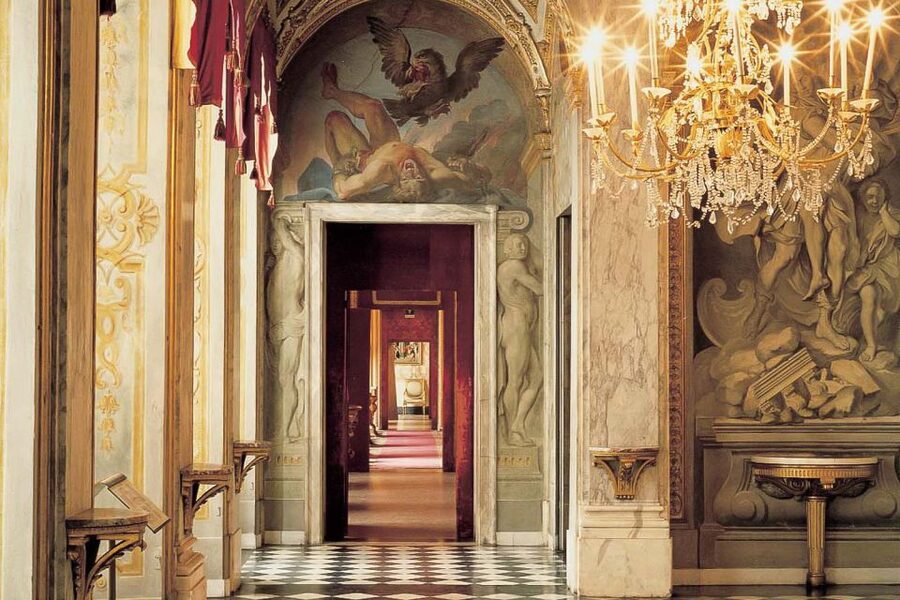
- See the Palazzi dei Rolli: Via Garibaldi’s aristocratic residences reveal how Genoa’s most powerful families lived and hosted important visitors.
- Visit San Matteo Square: This compact square is closely tied to the Doria family and Genoa’s political power.
- Enter San Lorenzo Cathedral: The Gothic church contains important religious objects, including relics associated with Saint John the Baptist.
- Use two museum admissions afterward: The Strada Nuova Museums and Sant’Agostino Museum are visited independently on the same day.
- Expect English and Italian: The guide switches between both languages, with past guides including Barbara, Irene, Roberta, Daniel, Anna, Marina, and Paola.
Why Genoa is best understood on foot
Genoa can feel confusing at first. The modern city, port, grand avenues, medieval lanes, and steep streets all press against one another. A walking tour gives you a useful first map in your head, even if the route itself covers only a small part of the city.
The Old Town is the heart of the experience. Genoa’s Caruggi are narrow passageways that can feel like a maze, with limited views and frequent changes in direction. That is part of their appeal, but it also means you can easily pass an important church or square without realizing it.
Your guide connects these small spaces to Genoa’s larger story. The city was a Roman port, a major trading center, and one of medieval Europe’s powerful maritime republics. The walk also touches on Genoese banking, the city’s role in the Crusades, Marco Polo’s imprisonment, and local links to Christopher Columbus.
Do not expect a long-distance hike through every corner of the center. The value comes from stopping often and learning what you are looking at. You may cover less ground than you would on your own, but the streets begin to make sense.
Other history to see in Genoa:
- 2 Hours Private Historical Tour in Genoa
★ 5.0 · 248 reviews - Genoa Food, Wine Tasting & History Walking Tour
★ 5.0 · 212 reviews - Genoa: Historic Guided Tour of Christopher Columbus’ House
★ 4.4 · 186 reviews
Starting on Via Garibaldi
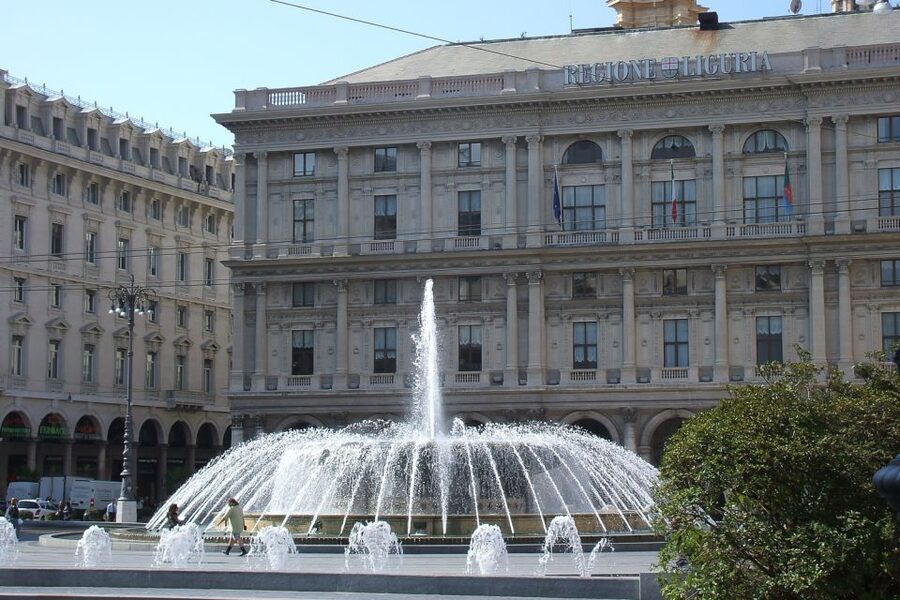
The meeting point is the Tourist Information Center at Via Garibaldi 12 red. The address places you on one of Genoa’s most important streets, the former Strada Nuova, where the city’s grandest palaces line a carefully planned avenue.
This is a good setting for the beginning because Genoa’s social structure becomes visible almost immediately. The Palazzi dei Rolli were elegant residences owned by aristocratic families. In the 16th and 17th centuries, selected palaces were placed on official lists, or rolli, and their owners could be required to host visiting dignitaries.
The system says a great deal about Genoa. This was not simply a street of private homes. It was a public display of family wealth, political influence, and civic responsibility. The palaces now form a UNESCO World Heritage Site, and the guide helps you see past their façades to the society that created them.
Some of the strongest guide comments in the past have come from local details. Guides such as Barbara and Paola have been praised for adding suggestions about chocolate, ice cream, food, and other places to explore later. Those tips can be especially useful because the tour gives you a quick survey rather than time to stop everywhere.
Following the Caruggi into the medieval center
From Via Garibaldi, the route leads into the older network of lanes. This is where the tour earns its modest price. Genoa’s narrow streets are atmospheric, but they are not always self-explanatory. A guide can point out changes in the buildings, traces of old city gates, small squares, and details you might otherwise walk past.
The lanes also show a different side of Genoa than the grand palaces. The Rolli residences speak of the upper class, while the Caruggi show how tightly packed the historic center was. The contrast between large ceremonial buildings and cramped passageways is one of the city’s defining features.
The route can include the medieval city, old gates, hidden squares, and sites connected with Genoa’s commercial past. One particularly useful theme is how the medieval city still appears beneath the modern surface. A former prison, old trading connections, and the origins of Banco di San Giorgio help turn a pleasant walk into a lesson in how Genoa functioned.
This is also the portion where comfortable shoes matter. The supplied information does not give a precise distance or list every surface, but the tour is a two-hour walk through narrow historic streets. You should be ready to stand, walk, and keep pace with the group.
Past groups have included only a few people at times, while others have been larger. That changes how easy it is to hear. Several guides were praised for speaking clearly and keeping the group together, but one practical criticism is worth noting: when a guide turns away while pointing to a building, people at the back may miss part of the explanation.
San Matteo Square and the Doria family
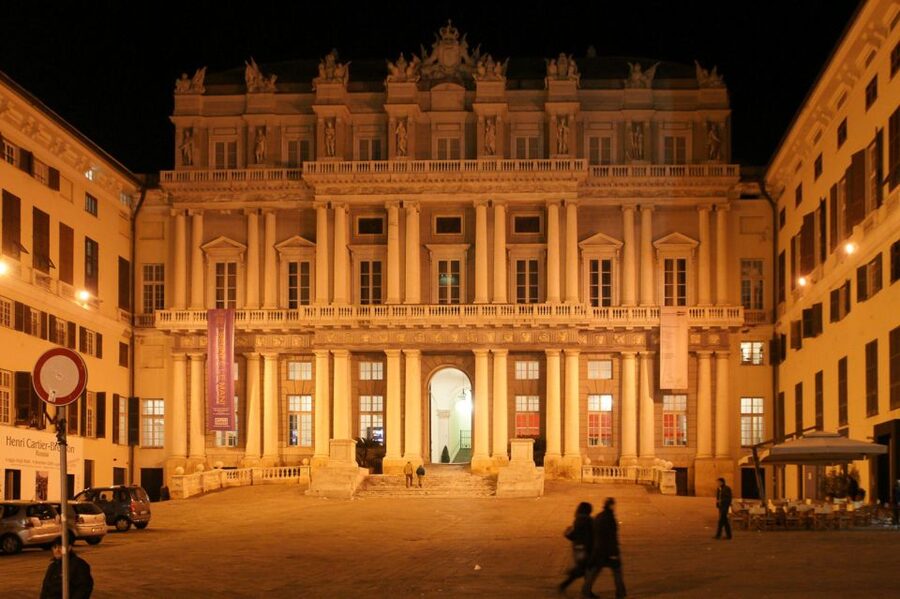
San Matteo Square is one of the more focused stops on the walk. It is associated with the Doria family, one of Genoa’s most important political and commercial families. The square is compact, which makes it easier to appreciate the relationship between church, residence, and public space.
A stop here gives you a useful correction to the idea that Genoa’s wealth came only from ships and port activity. Powerful families also shaped the city through banking, politics, religious foundations, and palace building. The guide’s job is to show how those forces met in a small urban space.
This is the kind of stop that benefits from explanation. On your own, you might admire the architecture and take a photograph. With context, you can read the square as a statement of family power.
The tour is not designed as a private family-history visit, so the stop remains part of a broader route. If the Doria story catches your interest, use your remaining time in Genoa to return and look more closely.
Other walks around Genoa:
- Taste Genoa: A Full Meal Walking Food Tour by Do Eat Better
★ 5.0 · 509 reviews - Genoa: Food and Wine Tasting Walking Tour
★ 4.9 · 215 reviews - Milan: Guided Walking Tour & Last Supper Visit with Ticket
★ 4.7 · 5,409 reviews - Naples: Street Food Walking Tour with Local Guide
★ 4.8 · 4,256 reviews
San Lorenzo Cathedral and Genoese religious treasures
San Lorenzo Cathedral brings the tour to one of the city’s central religious landmarks. The Gothic church holds important religious objects, including relics associated with Saint John the Baptist. The guide may also connect the cathedral with Genoa’s medieval trade and Crusading past, when relics and valuable objects could carry both spiritual and political importance.
The cathedral is valuable in two ways. First, it gives you a major architectural reference point in the Old Town. Second, it shows how Genoa’s maritime connections reached far beyond the Ligurian coast. The city’s ships and merchants brought wealth, goods, and religious objects back from distant places.
You should see this stop as an introduction rather than a full cathedral visit. The two-hour schedule includes several major landmarks, so the guide cannot give every object a long explanation. If San Lorenzo interests you, plan to return later for a slower look.
The Doge Palace and Opera House
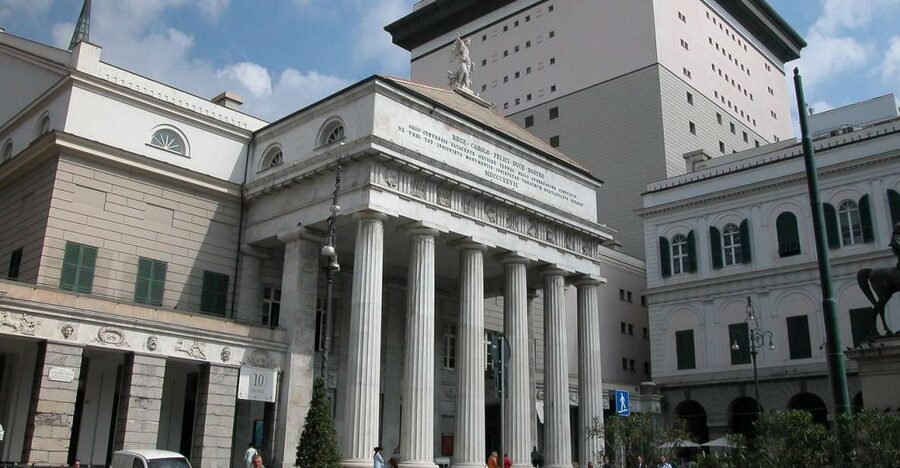
The route also includes the Doge Palace and the Opera House. These stops help fill out the city’s civic and cultural story.
The Doge Palace represents the government of the old Genoese republic. It is a reminder that the city was run through institutions as well as by wealthy families. The palace connects the private power of the Rolli owners with the public authority of the Doge and the republic.
The Opera House adds a later cultural layer. Together, these buildings show that Genoa was not frozen in its medieval past. The city changed as its political structures, wealth, and public life changed.
Because the tour is only two hours, you should not expect a full interior visit at each landmark. The guide explains the places from the route and gives you a framework for deciding which ones deserve more of your time.
Via Garibaldi’s art and architecture
Via Garibaldi, also called Strada Nuova, is one of the tour’s strongest architectural sections. The street is famous for its palaces, but the real benefit of seeing it with a guide is learning why these buildings were created and how they worked within Genoa’s social system.
At the end of the walk, the guide introduces the Strada Nuova Museums. You then continue alone. This distinction matters. The museums are included, but the guide does not lead you through the collections as part of the walking tour.
The museum center contains Italian and foreign paintings from the 15th through the 19th centuries, with notable works from the Genoese and Flemish schools. You can use the visit to follow up on the architecture you have just seen. After learning how Genoese families displayed status through their homes, you can look at the art they collected and the settings in which it was shown.
The timing is important. Your museum admission should be used on the same day as the tour. You may choose to enter immediately after the walk or return later that day, depending on the operating schedule and your energy.
Sant’Agostino Museum after the guided walk
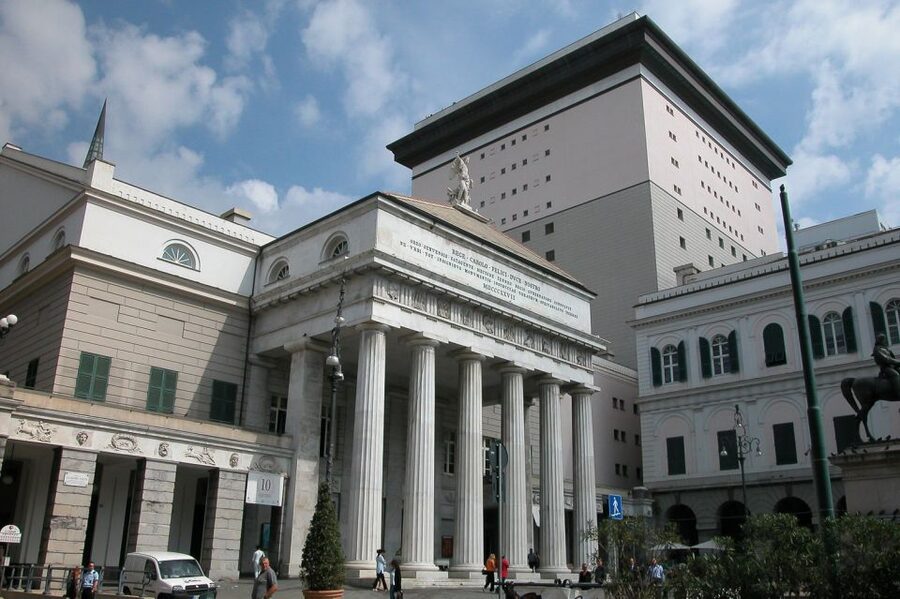
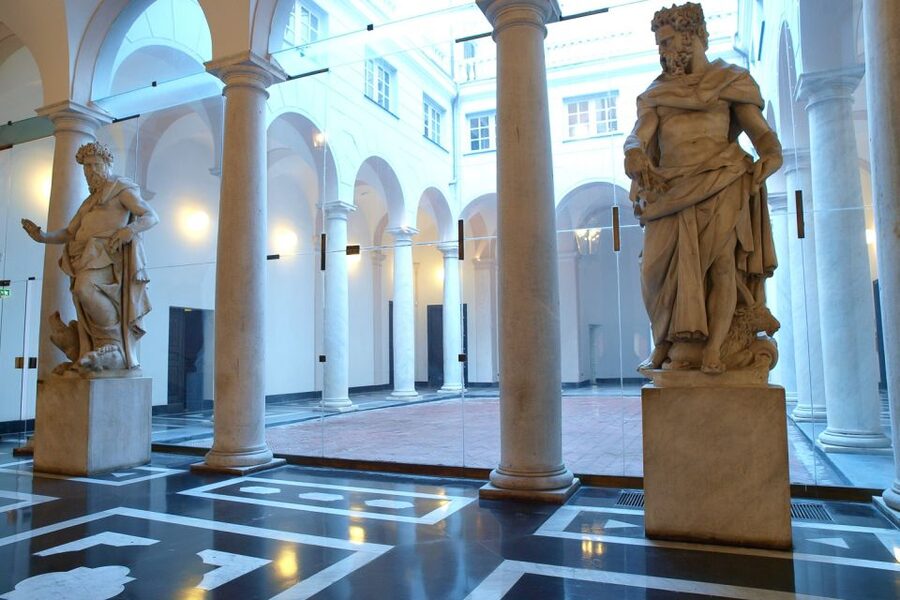
Sant’Agostino Museum adds a medieval art stop to the palace collections on Via Garibaldi. It occupies spaces connected with a triangular cloister and the largest preserved Gothic church in the complex.
The museum presents significant works from medieval Genoa. That makes it a useful companion to San Lorenzo Cathedral and the Old Town streets. The walking route explains the city’s medieval power in broad terms, while Sant’Agostino gives you a chance to see the period’s art more closely.
Again, you visit independently. Think of the two museum admissions as an extension of the tour, not as two guided museum tours. If you prefer moving at your own speed, this arrangement works well. You can linger over a painting, take a break, or skip rooms that do not interest you.
If you want to see both museum sites, plan your day carefully. The admission benefit applies on the same day, and the tour itself uses two hours of your schedule. You may need to choose between a quick look at both museums and a slower visit to one.
The bilingual format and guide quality
The tour takes place in English and Italian with a bilingual guide. Past guides have included Irene, Roberta, Daniel, Barbara, Anna, Marina, and Paola. The strongest praise has focused on clear explanations, local knowledge, good humor, and the ability to give both language groups equal attention.
The bilingual setup has a practical cost: the tour takes longer to explain each stop. If you understand only English, you will wait through the Italian portion. Some people find that frustrating, especially when they want to cover more ground. Others appreciate the chance to hear how the same story is presented in both languages.
The quality of the experience depends partly on group size and where you stand. Guides have been praised for keeping a comfortable pace, including people with physical limitations, and speaking loudly enough for the group. Still, staying near the guide is sensible, especially in the narrow lanes where sound can bounce off the buildings.
The tour has sometimes lasted a little longer than two hours. That can be welcome if the guide is still explaining useful details, but you should not schedule an immediate appointment afterward.
Price, pace, and who should book
At $16 per person, this is strong value if you use the museum admissions. A similar city orientation without entry benefits could still be worthwhile, but the two museum visits make the price easier to justify.
I would book this for a first day in Genoa, particularly if you want help finding your way around the Old Town. It suits history-minded visitors, cruise passengers, couples, families who can manage two hours of walking, and anyone who wants practical ideas for the rest of a stay.
It is also useful for cruise passengers because the historic center and port area are close enough to connect on foot, although the exact timing of your day remains your responsibility. One past participant reached the group after a delayed arrival with help from the tourist office, but you should not rely on being able to join late. Arrive at the stated meeting point before the start time.
This is less suitable if you want a private tour, a single-language tour, or detailed interior visits at every landmark. You may also prefer another format if you dislike stopping often or listening through a second language.
Should you book the Genoa walking tour?
Book it if you want a low-cost introduction to Genoa that combines local stories, major landmarks, and museum entry. The guide helps you read the Caruggi, understand the Rolli palaces, and place San Matteo Square, San Lorenzo Cathedral, and the Doge Palace in the city’s story.
The bilingual format is the one real compromise. If you can accept the slower pace, the $16 price is hard to fault, especially when you use both museum admissions on the same day. I would take this tour early in a Genoa visit, then return to the palace museums, cathedral, and favorite lanes with more time.
FAQ
How long is the Genoa walking tour?
The guided walk lasts two hours. Some past tours have run a little longer, so avoid scheduling an immediate appointment afterward.
Where does the tour start?
The meeting point is the Tourist Information Center at Via Garibaldi 12 red in Genoa.
What languages does the guide speak?
The tour is conducted in English and Italian with a bilingual guide. Both language groups receive the explanations during the walk.
Are museum tickets included?
Yes. The tour includes access to the Strada Nuova Museums and Sant’Agostino Museum.
Can I visit the museums with the guide?
No. At the end of the route, the guide introduces the Strada Nuova Museums, and you continue to the museums independently.
When must I use the museum admission?
The visits to the Strada Nuova Museums and Sant’Agostino Museum should be completed on the same day as the walking tour.
Just added in Genoa
- Homemade Pasta and Pesto Class with a Local Chef in Genoa★ 5.0 · 305 reviews
- 2 Hours Private Historical Tour in Genoa★ 5.0 · 248 reviews
- Genoa Food, Wine Tasting & History Walking Tour★ 5.0 · 212 reviews
- City Sightseeing Genoa Hop-On Hop-Off Bus Tour★ 3.0 · 259 reviews
- Genoese cooking lesson in the with lunch in the terrace★ 5.0 · 189 reviews
- Taste Genoa: A Full Meal Walking Food Tour by Do Eat Better★ 5.0 · 509 reviews
- Genoa: Impossible Museum Entry Ticket★ 4.2 · 226 reviews
- Levanto: Pesto-Making Class★ 4.8 · 196 reviews
Walking Tours, compared.
Guided Walking Tour & Last Supper Visit with Ticket
Read our review →
Rialto Bridge & Offbeat Unusual Venice Walking Tour
Read our review →
Private 3 hrs Venice Tour: St Mark’s, Walking tour & Boat tour
Read our review →
Skip the line: Uffizi and Accademia Small Group Walking Tour
Read our review →Browse the lists this tour appears in