
Reviewed · WINE TOURS
Genoa Food, Wine Tasting & History Walking Tour
Genoa’s best introduction may be eaten standing up. This two-hour food and history walk links focaccia, pesto, farinata, fried fish, panera, and Ligurian wine with the city’s churches, palaces, and narrow lanes. Guide Lorenzo is especially good at pointing out tucked-away places you could easily pass without noticing.
I like the tour’s useful mix of local food and old Genoa, and I like that the menu can be adjusted for vegetarian, vegan, family, and other dietary needs. The main catch is its format: this is a walking street-food tour, not a series of seated restaurant tastings. Genoa is hilly, too, so you should be ready for some up-and-down walking.
Key points to know before booking
- Five Genoese specialties: Expect focaccia, farinata, pesto, panera, and fried fish, with actual choices subject to dietary needs and availability.
- Two Ligurian wines: The tasting includes one red and one white wine, served as part of the food walk.
- Major sights in a short time: The route includes Columbus’s house, Palazzo Ducale, San Lorenzo Cathedral, Palazzo San Giorgio, and Via Garibaldi.
- A local guide makes the difference: Lorenzo is frequently praised for his warmth, city knowledge, and knack for finding lesser-seen corners.
- Street food rather than a sit-down meal: You may eat outdoors or while moving between stops, with no promise of a table at each tasting.
- Small-group setting: The maximum is 15 people, and the tour is offered in English, Spanish, and Italian.
Genoa’s flavors begin near Columbus’s house
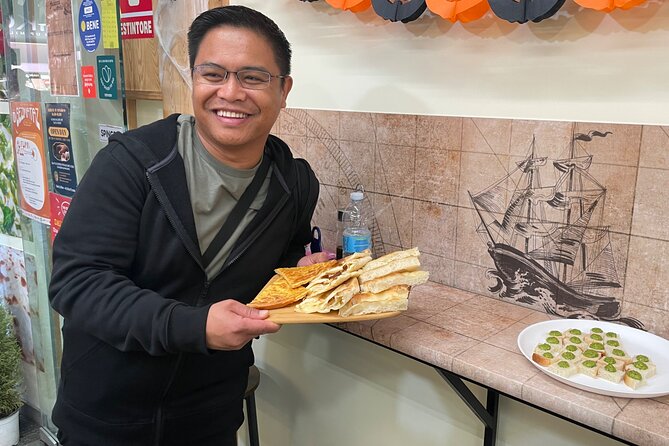
The meeting point is Casa di Cristoforo Colombo, at Vico Dritto di Ponticello 37. This puts you right at the edge of Genoa’s historic center, where lanes squeeze between tall buildings and the city quickly feels older and more enclosed than its broad waterfront suggests.
The house associated with Christopher Columbus gives the tour an immediate historical marker. You do not come here for a long museum visit. Instead, it serves as a practical starting point for understanding Genoa’s connection with seafaring, trade, and ambitious merchants.
From here, the route moves through the old center on foot. That matters because Genoa is not a city you understand well from a bus window. The narrow streets, sudden squares, churches tucked behind plain walls, and grand façades reveal themselves slowly.
Lorenzo’s approach, according to the information provided, is personal and informal. He is a hometown guide who enjoys answering questions and adding small stories about the city. He has also made short detours for people who wanted to see the port, although you should not assume every request can be added if the timing is tight.
Other cellars and estates near Genoa:
- Genoa: Food and Wine Tasting Walking Tour
★ 4.9 · 215 reviews - Tuscany Day Trip from Florence: Siena, San Gimignano, Pisa and Lunch at a Winery
★ 5.0 · 21,634 reviews - Florence: Chianti Wineries Tour with Wine Tasting
★ 4.5 · 8,301 reviews
Focaccia and farinata: Genoa’s simple stars
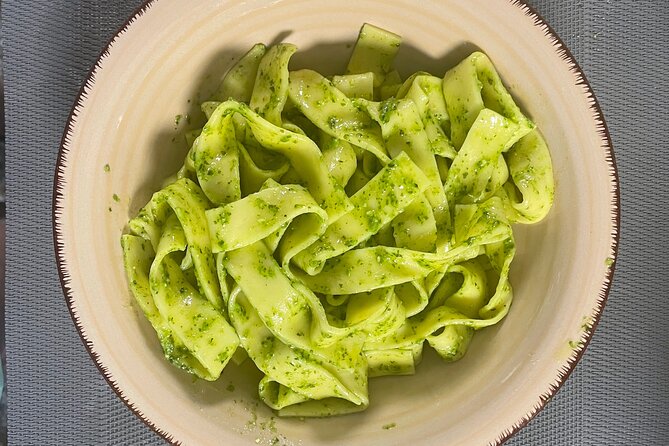
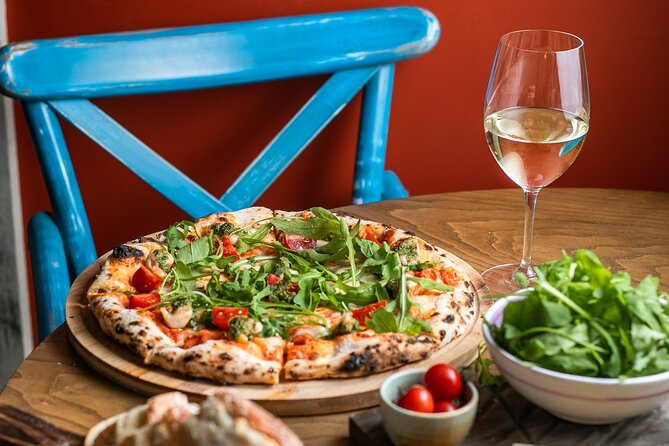
The food is the heart of the walk. The menu lists five classic Genoese tastes: focaccia, farinata, pesto, panera, and pesce fritto, or fried fish. Some tastings have also included cheese focaccia, cookies, gelato, or other local produce.
Focaccia is an ideal first bite. It is portable, filling, and closely tied to Ligurian everyday cooking. You will likely find it more useful as a taste of local life than as a polished restaurant dish. The point is not ceremony. It is to try a food Genoese people actually buy and eat.
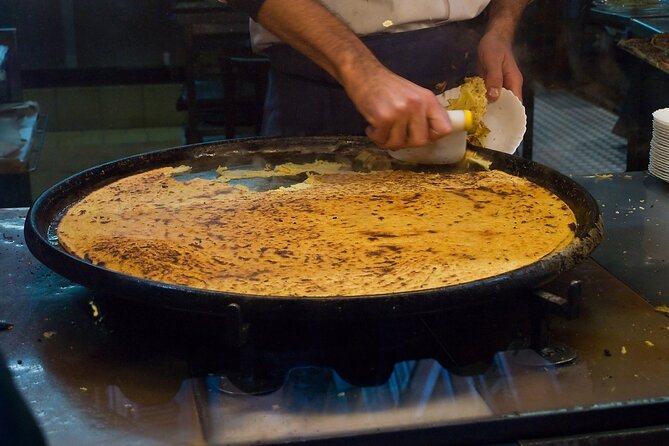
Farinata offers a different texture and flavor. Made from chickpea flour, it is a humble specialty with a crisp surface and soft center. If you are curious about how much character can come from a few basic ingredients, this is one of the most revealing stops.
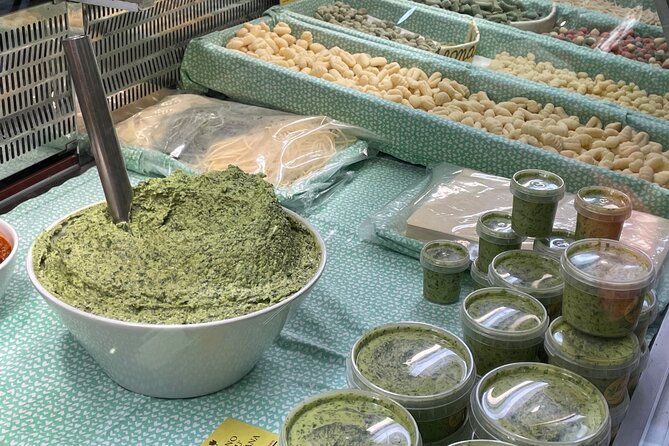
Pesto gives the tour a taste that most people already know by name, but trying it in Genoa puts the sauce in its proper setting. The tour description does not promise a cooking demonstration, so you should expect an explanation and tasting rather than a hands-on lesson. That is still useful, especially if you want to compare local pesto with versions you have eaten elsewhere.
The fried fish is the most divisive part of the menu. It is described as tasty, but one person found it sat heavily the next day, while another wished for pizza instead because seafood was not a favorite. If you do not eat fish or fried food, say so before the tour. The operator contacts you after booking to discuss dietary needs, and the menu can be based on your preferences.
Palazzo Ducale and the old seat of power
Palazzo Ducale was once the seat of Genoa’s government and political power. It is one of the route’s important visual anchors, giving you a sense of the city’s former wealth and independence.
The value here is not only the building itself. Genoa’s political story is easier to grasp when you see the scale of its public architecture beside the tight lanes where ordinary commerce took place. The contrast is part of the city’s character: powerful institutions and everyday food stalls occupy the same compact urban world.
The tour does not include a formal interior visit to Palazzo Ducale. You should think of this stop as an exterior explanation and a chance to place the building in the city’s story. If you want an extensive palace tour, you will need a separate visit.
This is also where a short food walk can give you better orientation than a meal alone. You are eating, but you are also learning how the streets connect the city’s major landmarks. Several people found the route a useful first-day introduction because it made later independent exploring easier.
San Lorenzo Cathedral brings the route indoors
The Cathedral of San Lorenzo is Genoa’s most important church and one of the strongest stops on the walk. Its striped stone exterior is distinctive, and the building adds a sense of ceremony to a route otherwise rooted in snacks and street life.
The tour may take you inside churches and other historic spaces, depending on opening conditions. That possibility is important in hot weather, when a short indoor pause can make the two-hour route more comfortable. One person who joined with an older family member found Lorenzo accommodating with accessibility needs, though the route’s hills and uneven old streets still deserve attention.
You should dress for walking and avoid assuming that every part of the route will be flat. Genoa’s center includes slopes and stairs. The pace is generally described as good, with time to rest and, on at least one occasion, water provided. Still, tell the guide about mobility concerns at the start so the route can be handled sensibly.
San Lorenzo also helps connect food with local tradition. Churches, markets, palaces, and small shops are not separate attractions here. They sit within the same old streets, and the tour uses that closeness to move from one subject to another without losing the sense of place.
Other eating and drinking in Genoa:
- Taste Genoa: A Full Meal Walking Food Tour by Do Eat Better
★ 5.0 · 509 reviews - Small-Group Wine Tasting Experience in the Tuscan Countryside
★ 5.0 · 7,392 reviews - Rome: Tuscany & Montepulciano Day Trip with Lunch & Wine Tasting
★ 4.5 · 5,232 reviews - Winner 2025 Rome Twilight Trastevere Food Tour by Eating Europe
★ 5.0 · 5,157 reviews
Palazzo San Giorgio and Genoa’s trading past
Palazzo San Giorgio is known for its grand façade and magnificent fresco. It is another reminder that Genoa’s story was shaped by commerce, shipping, finance, and the movement of people and goods.
The building works well as a stop because it adds scale to the food tastings. Focaccia and farinata are modest foods, while the palaces show what wealth and political influence built around them. You get both sides of Genoa in one outing.
The tour’s historical commentary is designed for a broad introduction rather than a specialist lecture. That suits you if you want clear context and a lively walk. It may disappoint if you are hoping for detailed discussion of culinary influences, wine production, or every architectural period.
One critical assessment made exactly that point: the food was enjoyable, but the historical talk about the dishes and wines felt fairly light. That is a fair expectation to set. Lorenzo’s strength appears to be bringing the city to life through stories, buildings, and personal enthusiasm, not leading a formal sommelier class or academic food seminar.
Via Garibaldi and Genoa’s noble palaces
The walk finishes around Via Garibaldi, one of Genoa’s grandest streets. Its palaces show the city at its most polished, with imposing façades and a clear sense of aristocratic ambition.
This part of the route is especially good for seeing how much can be concealed behind an unassuming entrance. The guide may point out chapels, ornate interiors, small shops, and architectural details that you would likely miss while walking alone. Some of the most memorable moments described from the tour involve these small discoveries rather than the headline monuments.
The end point is Via Garibaldi, not your hotel. That is convenient if you want to continue sightseeing in the historic center. It also means you should plan your route back afterward, especially if you have luggage, a train to catch, or a cruise departure to meet.
One practical tip: do not schedule this too close to a flight or ship boarding time. The tour lasts about two hours, but food stops, questions, and walking pace can affect the exact finish.
What the food and wine portion is really like
The listed tastings make this a substantial snack tour. Focaccia, farinata, pesto, panera, and fried fish can add up to a filling meal, especially when paired with wine. Several descriptions indicate that people left well fed, while one person found the portions too limited for the price.
Both points can be true. You receive several local tastes, but you are not buying a long restaurant lunch with large individual servings. The experience is best value when you treat it as lunch-sized grazing plus a guided introduction to Genoa, not as a bargain meal.
Panera is especially worth trying because it is a Genoese dessert with a coffee flavor. It gives the tour a sweet finish and helps the menu move beyond the usual focaccia-and-pesto expectations.
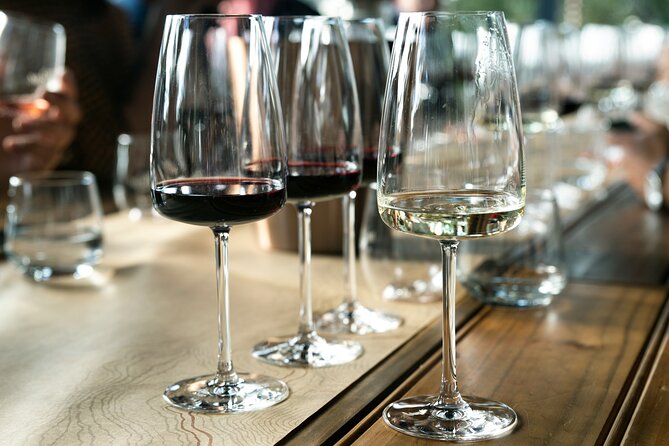
The wine tasting includes two Ligurian wines, usually described as one white and one red. The selection aims to introduce typical local labels and small producers rather than provide a technical tasting. If you want detailed information about grape varieties, vineyard conditions, production methods, or aging, ask direct questions. The tour may not satisfy a serious wine student, but it gives you a starting point for finding local bottles later.
The food is served in a street-food style. You may eat outdoors, in historic lanes, or near the businesses where the items are bought. There is no promise of a seated table at every stop. That is a major part of the tour’s appeal for some people, but it is also the clearest reason to choose another experience if you want a slow meal with table service.
Hot, humid weather can make the format less comfortable. Fried food and wine are also harder to enjoy when you are overheated. A morning or cooler-day departure may be more pleasant if you have a choice.
Group size, language, and dietary needs
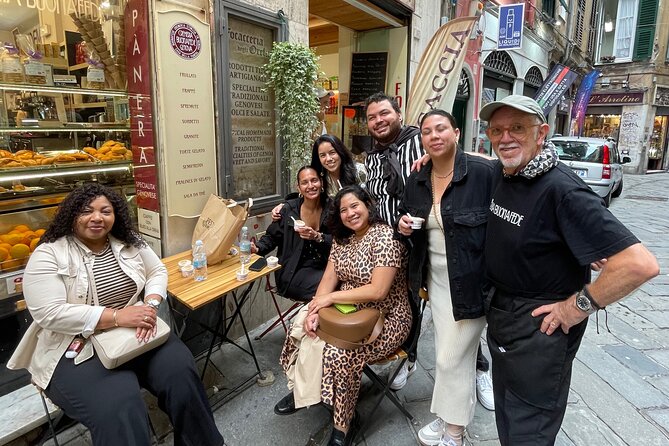
The maximum group size is 15, though some departures may be much smaller. A small group gives you a better chance to ask questions, keep a steady pace, and hear the guide in Genoa’s busy lanes.
The tour is offered in English, Spanish, and Italian. The English-language experience is led by an in-person guide, with Lorenzo frequently identified as the host. Another guide may lead a particular departure, so do not assume Lorenzo is guaranteed unless the operator confirms it.
Vegetarian and vegan options are available, and the tour is described as family-friendly and pet-friendly. Service animals are allowed. The operator contacts you after booking about special dietary requirements, which is the right time to explain allergies, seafood concerns, fried food restrictions, or other needs.
The route is accessible enough for some people with mobility concerns, but Genoa’s hills remain a real factor. Most people can participate, yet you should be candid about your walking ability before setting out.
Is $71.38 a fair price?
At $71.38 per person, the price is not cheap for two hours if you measure the outing only by the quantity of food. It becomes more reasonable when you include a local guide, five typical specialties, two Ligurian wines, and a guided route through some of Genoa’s major historic sights.
I would compare it with the cost of a short walking tour plus a separate meal. You are paying for orientation and access to local stops, not just for bread, pesto, and wine. The small-group limit also matters, since personal attention is part of what people value most about the experience.
The value drops if you expect a formal tasting menu, generous restaurant portions, or detailed wine instruction. It improves if you are new to Genoa, want to make sense of the old center quickly, and enjoy trying several foods without choosing every dish yourself.
With 97 percent of people recommending it and a 4.9 rating from 212 ratings, the overall response is very strong. Still, the lower assessments point to useful limits: some people found the portions modest, one person wanted pizza instead of fish, and another felt the commentary about food and wine needed more depth.
Who should book this Genoa walk?
I would choose this tour for a first or second day in Genoa. It gives you a map in your head, several foods to look for later, and enough history to make the old center more readable.
It suits you if you enjoy:
- Eating small local specialties rather than sitting through one long meal
- Walking through narrow streets and historic squares
- Asking questions of a local guide
- Combining food with churches, palaces, and city stories
- Traveling with family, including some dietary restrictions
- Finding places you might otherwise walk past
I would hesitate if you want a fully seated food tour, a formal wine lesson, large servings, or a flat route. Seafood skeptics should ask about substitutions before booking, especially since fried fish is one of the listed tastes.
Free cancellation is available up to 24 hours before the start time. The activity depends on good weather, so poor conditions may lead to a different date or a full refund.
Should you book the Genoa food and history tour?
Book it if you want a lively introduction to Genoa that treats food as part of the city rather than as a separate activity. Lorenzo’s warmth, the small group, and the chance to visit churches and palaces while eating local specialties are the strongest reasons to go.
Just set the right expectation. This is a guided street-food walk, not a restaurant crawl with a chair at every stop. Bring comfortable shoes, leave room for hills, tell the operator about dietary needs, and do not plan it immediately before an important departure. For a first taste of Genoa, the combination of food, stories, and old streets offers good value.
FAQ
How long does the Genoa food and wine tour last?
The tour lasts approximately two hours.
Where does the tour begin and end?
It begins at Casa di Cristoforo Colombo, Vico Dritto di Ponticello 37, Genoa. It ends on Via Garibaldi.
What food is included?
The planned menu includes five Genoese specialties: focaccia, farinata, pesto, panera, and fried fish.
How much wine is included?
Two Ligurian wines are included in the tasting.
Is the tour suitable for vegetarians and vegans?
Yes. Vegetarian and vegan options are available, and the operator contacts you after booking about dietary requirements.
What languages are available?
The in-person guide can provide the tour in English, Spanish, or Italian.
What happens if the weather is poor?
The activity requires good weather. If it is canceled because of poor conditions, you will be offered another date or a full refund.
More history to see in Genoa
- Genoa: 2-Hour Guided Walking Tour of the Historical Center
★ 4.2 · 605 reviews - 2 Hours Private Historical Tour in Genoa
★ 5.0 · 248 reviews - Genoa: Historic Guided Tour of Christopher Columbus’ House
★ 4.4 · 186 reviews - Venice: St. Mark Basilica Ticket, Audioguide+History Gallery
★ 3.9 · 4,780 reviews
More food to try in Genoa
- Winner 2025 Florence Sunset Food & Wine Tour by Eating Europe
★ 5.0 · 5,015 reviews - Naples: Street Food Walking Tour with Local Guide
★ 4.8 · 4,256 reviews - Rome: Trastevere or Jewish Quarter Street Food Tour
★ 4.8 · 3,839 reviews - Florence: Cinque Terre Park Day Trip with Optional Street Food
★ 4.5 · 3,593 reviews
Just added in Genoa
- Homemade Pasta and Pesto Class with a Local Chef in Genoa★ 5.0 · 305 reviews
- 2 Hours Private Historical Tour in Genoa★ 5.0 · 248 reviews
- Genoese cooking lesson in the with lunch in the terrace★ 5.0 · 189 reviews
- City Sightseeing Genoa Hop-On Hop-Off Bus Tour★ 3.0 · 259 reviews
- Taste Genoa: A Full Meal Walking Food Tour by Do Eat Better★ 5.0 · 509 reviews
- Genoa: Impossible Museum Entry Ticket★ 4.2 · 226 reviews
- Levanto: Pesto-Making Class★ 4.8 · 196 reviews
- Guided Tour of Rolli Palaces UNESCO Site, Genoa★ 4.4 · 539 reviews
Wine Tours, compared.
Tuscany Day Trip from Florence: Siena, San Gimignano, Pisa and Lunch at a Winery
Read our review →
Tuscany & Montepulciano Day Trip with Lunch & Wine Tasting
Read our review →
SMALL-GROUP Wine Safaris: Tuscan Wine Tasting Tours from Florence
Read our review →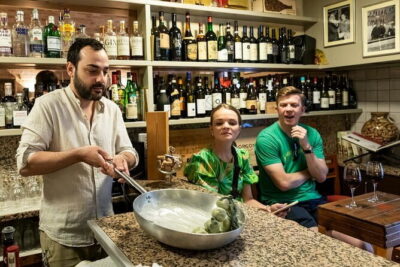
Winner 2025 Florence Sunset Food & Wine Tour by Eating Europe
Read our review →
Siena, San Gimignano, Pisa & Lunch at Winery
Read our review →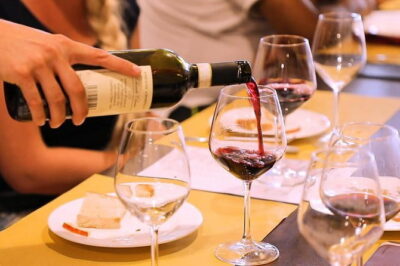
San Gimignano, Siena, Monteriggioni, Chianti Day Trip with Lunch & Wine Tasting
Read our review →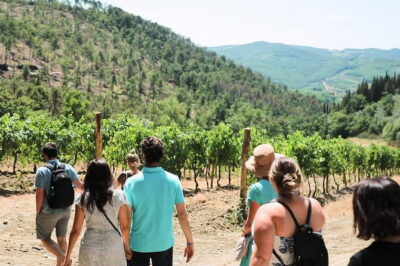
Browse the lists this tour appears in